Victorian Sensation: Detective Novels & Anxiety
Learning Goal: Analyze the emergence and formal conventions of the Victorian Sensation Novel and early detective fiction, evaluating how 19th-century authors utilized suspense, secrets, and forensics to address anxieties about urbanization and domesticity.
- Prerequisites: None (an interest in 19th-century history and literary analysis is highly recommended).
- Estimated Total Study Time: 15 Hours
Module 1: Foundations of Victorian Society and Literature
This module establishes the foundational historical and socio-cultural context of 19th-century Britain. You will explore how rapid industrialization, the physical restructuring of urban centers like London, and the rise of the "separate spheres" ideology created a fertile ground for social and domestic anxieties. These anxieties directly fueled the dark, suspenseful themes of sensation and detective fiction.

Why this video
This documentary segment details the unprecedented structural, economic, and technological transformations of the Victorian era. It highlights how the Industrial Revolution altered daily transportation and rapidly expanded urban centers. Understanding this rapid evolution is crucial to understanding the metropolitan anxieties and fear of urban anonymity that authors capitalized on.
Why this video
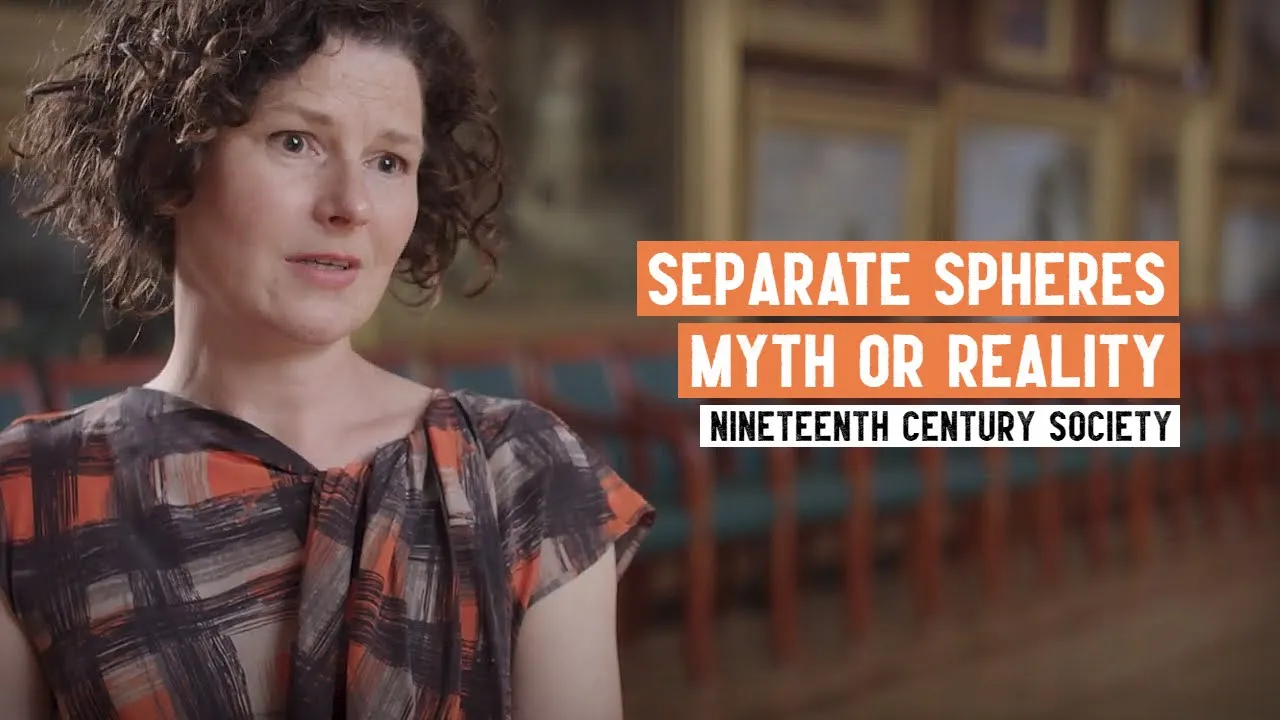
This video explains the dominant Victorian ideology of "separate spheres," which strictly divided life into the public sphere (men, work, politics) and the private sphere (women, home, morality). Since sensation fiction’s primary shock value relies on bringing crime directly into the supposedly safe, pure domestic sphere, this video provides vital socio-historical context.
Why this video
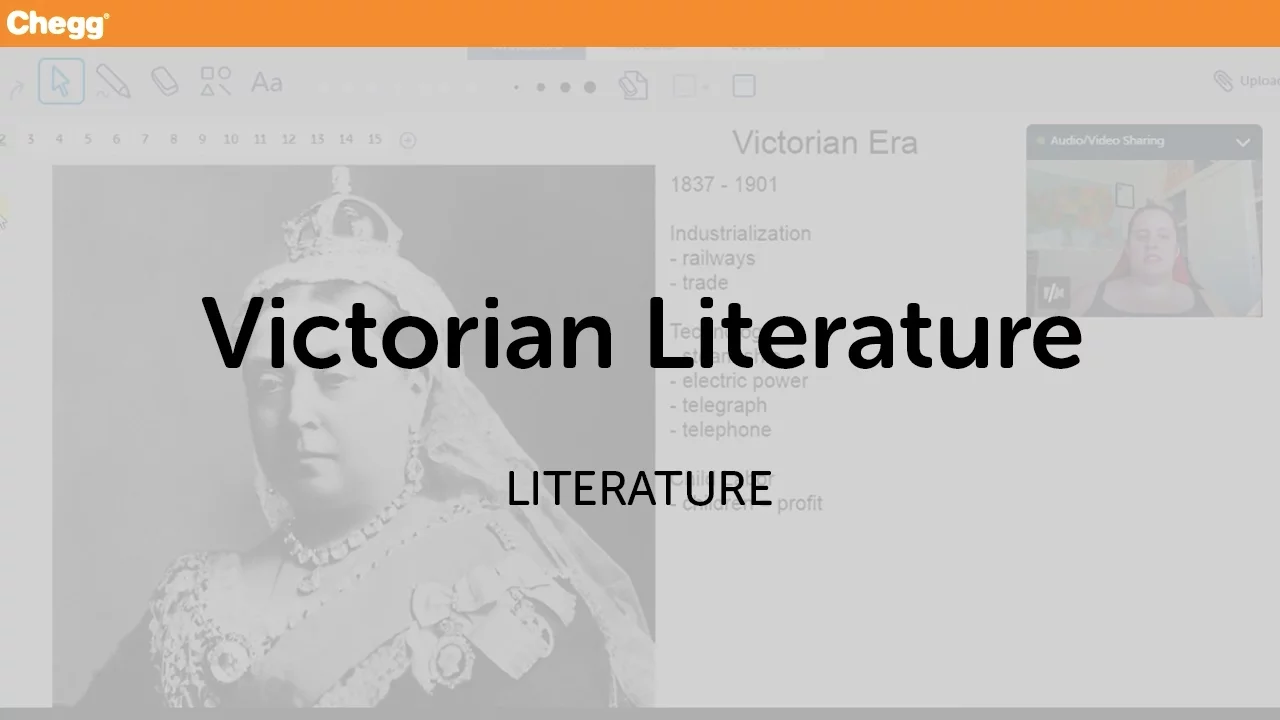
This introductory guide traces the emergence of Victorian literature (1837–1901) alongside massive societal shifts, including rising literacy rates, industrialization, and changing class dynamics. It acts as an essential bridge between raw history and the literary landscape that birthed both sensation and detective novels.
Knowledge Checkpoint
- Explain how the shift from stagecoaches to railways mirrored the psychological speed and anxieties of Victorian life.
- Define the "separate spheres" ideology and identify the distinct roles assigned to men and women.
- Identify how rising literacy rates and serial publication formats changed how authors reached Victorian readers.
Module 2: The Rise of Sensation Fiction
Sensation fiction shocked 1860s readers by shifting Gothic horrors out of distant, foreign castles and planting them directly into modern, middle-class English homes. In this module, you will analyze the core literary conventions of sensation novels, such as bigamy, madness, family secrets, and identity theft, focusing primarily on the works of Wilkie Collins.
Why this video
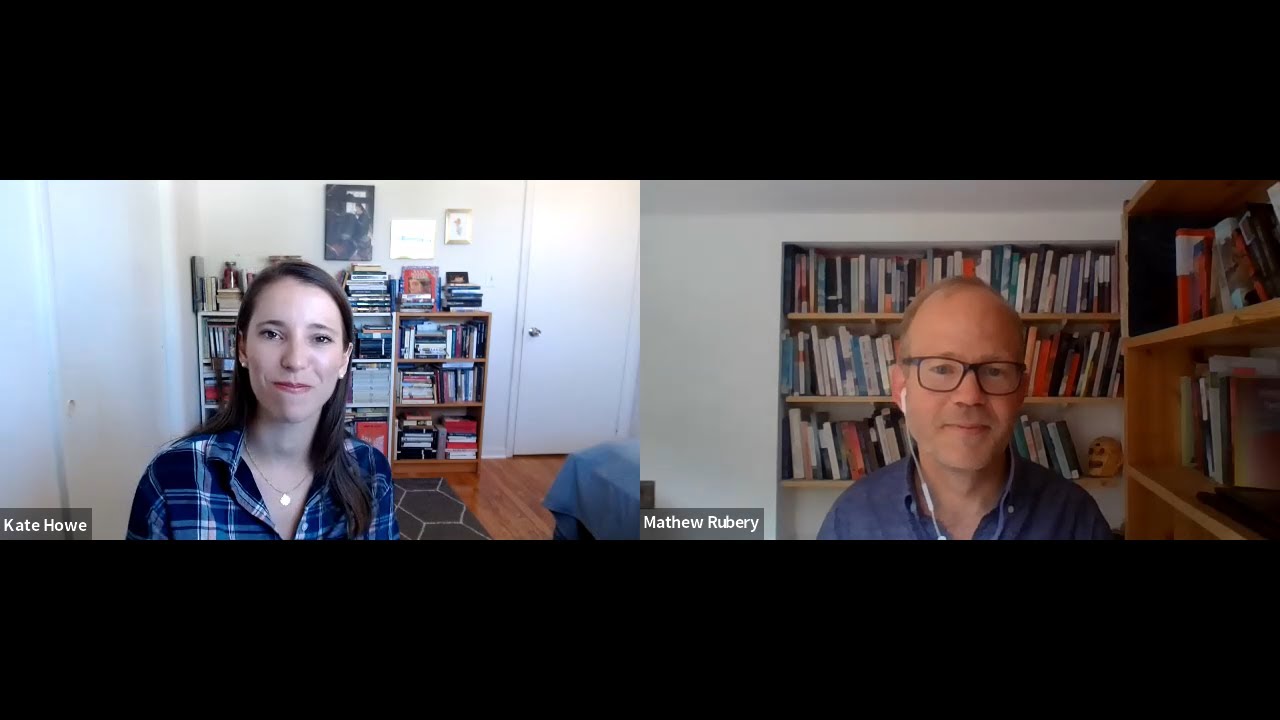
Featuring an interview with Professor Matthew Rubery, this academic discussion investigates the physical and psychological impact sensation novels were designed to have on readers. It covers how these books used shocking domestic scandals to electrify audiences and keep them hooked through cliffhangers.

Why this video
Wilkie Collins was a pioneer of the Victorian sensation novel. This video details his major 1860s masterpieces (The Woman in White, No Name, Armadale, and The Moonstone), clarifying how his complex personal views on law, marriage, and legitimacy influenced his writing.

Why this video
This segment showcases the revolutionary structural design of The Woman in White. Collins utilized a multi-perspective, epistolary narrative frame where different characters act as legal witnesses. This structure mimics a courtroom trial, making the reader the ultimate judge.
Curriculum Gap Alert: The video pool has limited dedicated material on Mary Elizabeth Braddon's Lady Audley's Secret. To fully master this module, please independently search for literary critiques detailing how Braddon’s protagonist subverts Victorian domestic norms through blonde, doll-like villainy.
Knowledge Checkpoint
- Describe the primary difference between traditional Gothic fiction and Sensation fiction regarding setting.
- Explain how Wilkie Collins's multi-narrator technique in The Woman in White mimics a legal proceeding.
- Detail the physical and emotional sensations Victorian critics feared these "scandalous" books would produce in readers.
Module 3: The Birth of Detective Fiction
This module traces the evolution of early detective fiction, from Edgar Allan Poe's development of the logical, analytical sleuth to Sir Arthur Conan Doyle's scientific consolidation of the genre with Sherlock Holmes. You will examine the transition from atmospheric mystery to highly structured, rational detection.
Why this video
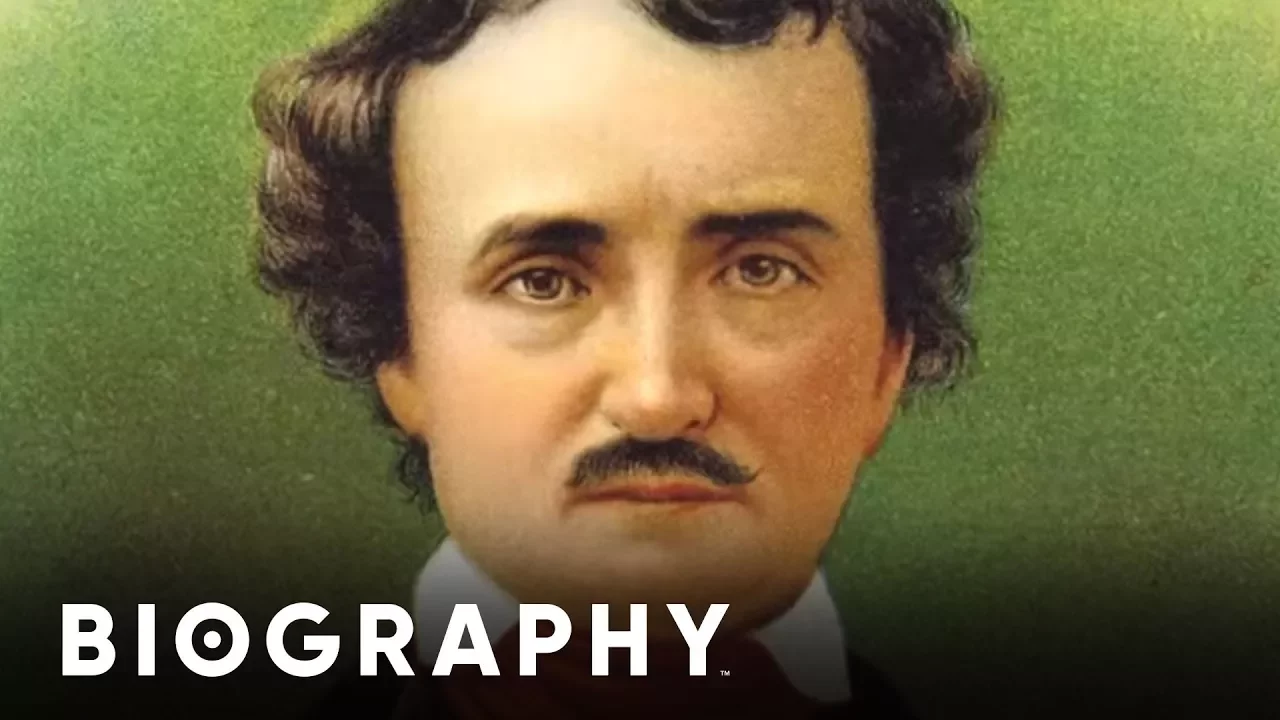
This mini-biography profiles Edgar Allan Poe, the undisputed father of the modern detective story. It establishes his invention of the genre with his 1841 short story "The Murders in the Rue Morgue," which introduced the concept of the highly analytical amateur sleuth.

Why this video
Poe's "The Purloined Letter" introduces his famous detective C. Auguste Dupin. This animated analysis breaks down how Poe established key detective tropes: a brilliant investigator, an atmospheric urban setting, a sidekick narrator, and a climax where rational analysis triumphs over standard police work.
Why this video
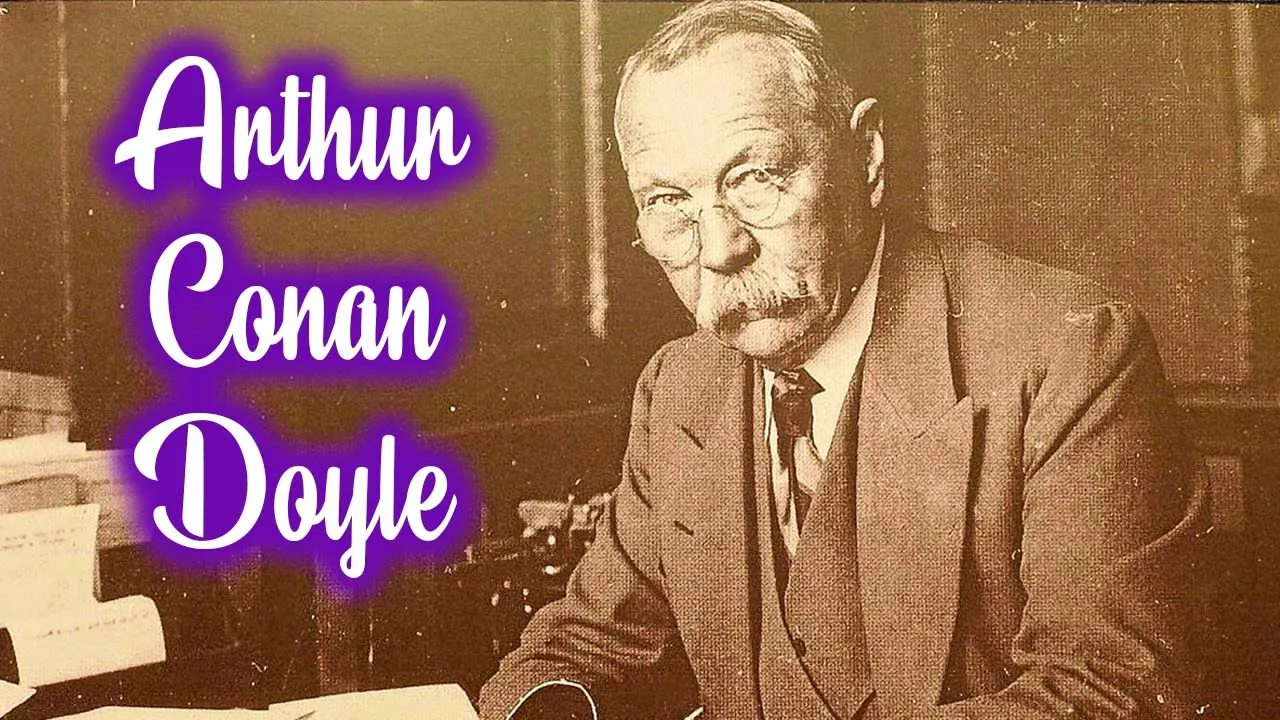
This deep-dive documentary explores how Sir Arthur Conan Doyle built upon Poe’s foundation to create Sherlock Holmes in 1887. It covers how Doyle integrated real-world developments in medicine and scientific observation to revolutionize detective fiction.

Why this video
This rare, historical interview features Conan Doyle explaining his motivation for creating Sherlock Holmes. He outlines his dissatisfaction with traditional detective stories, where cases were solved by luck or coincidence rather than deliberate scientific observation.
Knowledge Checkpoint
- Define "ratiocination" and explain how Edgar Allan Poe used it in his detective fiction.
- Identify three core genre tropes that Poe established and Conan Doyle later adapted.
- Summarize Conan Doyle's reasons for wanting a detective who solved crimes via science and deduction rather than plot convenience.
Module 4: Urbanization, Crime, and Forensic Science
As Victorian cities swelled, so did public anxiety over crime, disease, and the absolute anonymity of the urban crowd. This module explores how emerging forensic sciences (toxicology, fingerprinting, and trace evidence analysis) and the professionalization of the police force transformed both historical investigations and the literary structures of detective fiction.
Why this video
This video details the transition from eyewitness-only testimony to physical forensic observation in Victorian investigations. It covers how detectives began using subtle clues like blood stains, textiles, and boot heel impressions to construct linear crime timelines.
Why this video
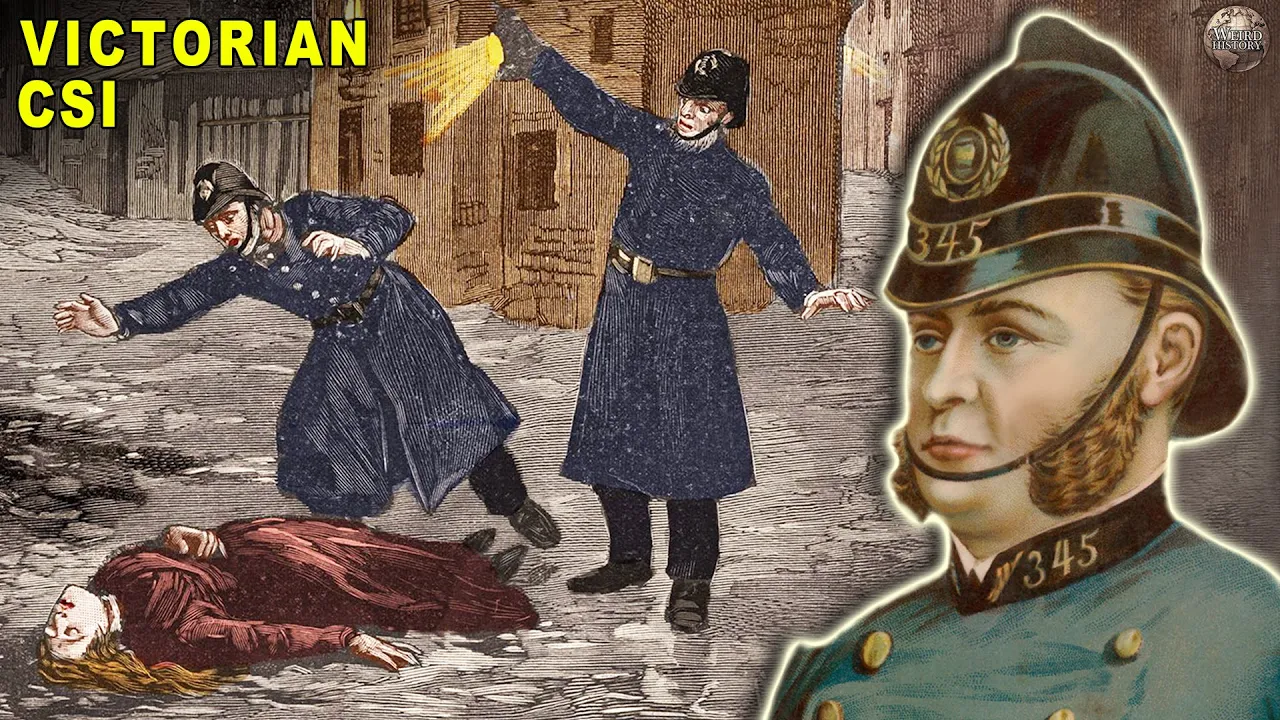
This segment looks at the historical milestones of early forensic science, such as the early concepts of fingerprinting and toxicology. It demonstrates how real-world science shifted from highly speculative theories to systematic investigative methods.

Why this video
Using commentary on Conan Doyle's classic stories, this video explains how Sherlock Holmes pioneered modern forensic analysis in popular literature. Long before real-world crime scene investigation teams standardized these methods, Holmes was analyzing tobacco ash, footprint depth, and microscopic dust particles to solve cases.
Curriculum Gap Alert: While these videos highlight the historical rise of forensics, they don't explicitly track how sensation novels used the physical horror of poisoning to reflect domestic anxiety. You should independently research how the real-world passage of the Arsenic Act of 1851 influenced toxicology plots in 1860s fiction.
Knowledge Checkpoint
- Explain how the shift from "constables with lanterns" to "detectives analyzing chemical evidence" changed the public perception of police.
- What role did early fingerprinting play in the professionalization of Victorian criminological science?
- How did Sherlock Holmes's use of micro-evidence (such as mud splashes, cigar ash, and footprints) mirror real-world forensic developments?
Module 5: Subverting the "Angel in the House": Gender and Crime in Sensation Fiction
The Victorian ideal of womanhood was epitomized by the "Angel in the House"—an archetype of purity, submissiveness, and absolute domestic devotion. Sensation and early detective fiction aggressively subverted this ideal. This module examines how female writers and characters challenged gender roles through characters who hid madness, committed crimes, or took on analytical roles typically reserved for men.
Why this video
This video provides an excellent cultural analysis of the "Angel in the House" archetype, popularized by Coventry Patmore's 1854 poem. It covers the immense pressure on Victorian women to be pure, graceful, and self-sacrificing, and outlines Virginia Woolf’s famous critique of how this archetype intellectualized the suppression of women.
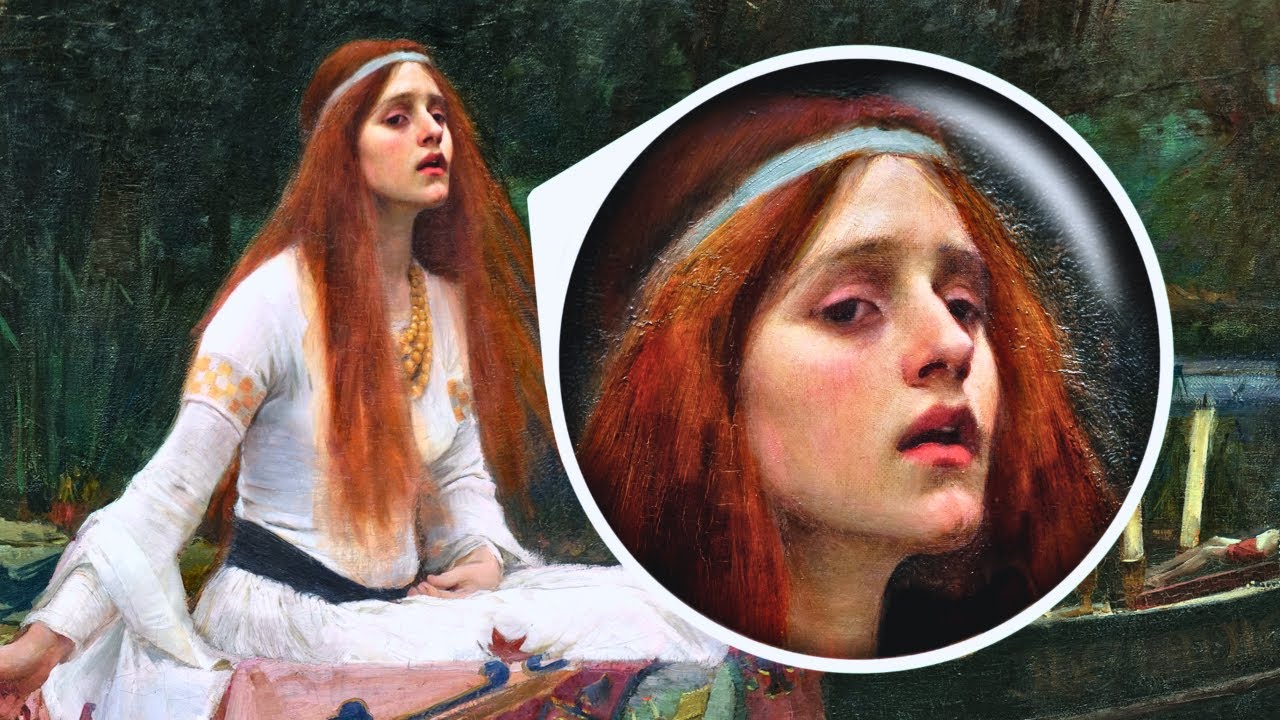
Why this video
This short visual analysis outlines the prevalent Victorian trope of the "fallen woman" in visual art and literature. It demonstrates how any deviation from the domestic ideal was heavily scrutinized, with moral errors frequently framed as inevitable pathways to destitution and death.

Why this video
This literary discussion explains how madness in Victorian literature was gendered, often framed as hysteria or uncontrolled feminine emotion. Using historical literary contexts, the video outlines how extreme non-compliance with domestic roles was quickly pathologized.

Why this video
This analysis introduces the famous literary theory of the "mad woman in the attic," originally coined by Sandra Gilbert and Susan Gubar in 1979. It explains how this trope represents the violent imprisonment of non-conforming women to spare polite society from their perceived mental instability.
Knowledge Checkpoint
- Define the "Angel in the House" archetype and explain its origin.
- What did the trope of the "fallen woman" represent in Victorian cultural narratives, and how was it visualised?
- Explain how the "mad woman in the attic" trope reflects Victorian anxieties regarding gender non-conformity and institutionalization.
Course Map
Key People Index
- Sir Arthur Conan Doyle (1859–1930): Scottish physician and author who revolutionized mystery fiction by using scientific deduction and observation as primary plot engines in his Sherlock Holmes series.
- Wilkie Collins (1824–1889): Prolific English novelist, close friend of Charles Dickens, and pioneer of the sensation novel. Best known for The Woman in White (1859) and The Moonstone (1868).
- Edgar Allan Poe (1809–1849): American writer and poet who laid the structural blueprint for modern detective fiction through his character C. Auguste Dupin.
- Coventry Patmore (1823–1896): English poet whose work The Angel in the House popularized the idealized, submissive Victorian feminine archetype.
- Professor Matthew Rubery: Professor of Modern Literature specializing in Victorian print culture, media, and the psychological impact of sensational fiction.
- Sandra Gilbert & Susan Gubar: Famous literary theorists whose seminal 1979 feminist text The Madwoman in the Attic analyzed the systemic imprisonment of non-conforming female characters in Victorian literature.
Final Self-Assessment
Complete this comprehensive evaluation to test your understanding of how sensation and detective fiction reflected the structural anxieties of the Victorian age.
- Explain how rapid urbanization and the expansion of the railways generated a cultural "speed anxiety" that mirrored the fast-paced, cliffhanger-driven structure of sensation novels.
- Differentiate between the classic Gothic novel setting and the typical Victorian Sensation Novel setting.
- Detail how Wilkie Collins structured The Woman in White as a legal brief, and explain why this narrative frame appeals to a reader's rational skepticism.
- Define the literary concept of "ratiocination" and explain how Edgar Allan Poe used it to differentiate his detectives from traditional police forces.
- Describe the influence of Edinburgh surgeon Joseph Bell on Sir Arthur Conan Doyle's development of Sherlock Holmes's investigative methods.
- Explain how historical changes in police work (such as the shift from simple lanterns to chemistry and fingerprinting) are reflected in 19th-century detective stories.
- Analyze the "Angel in the House" archetype and outline at least two ways sensation novels subverted it to terrify conservative Victorian readers.
- Explain the socio-literary meaning of the "mad woman in the attic" trope and how it relates to the pathologization of non-conforming female behavior in 19th-century Britain.
- Evaluate how early detective fiction resolved anxieties about urban anonymity by proving that any metropolitan mystery can be systematically solved using rational science.