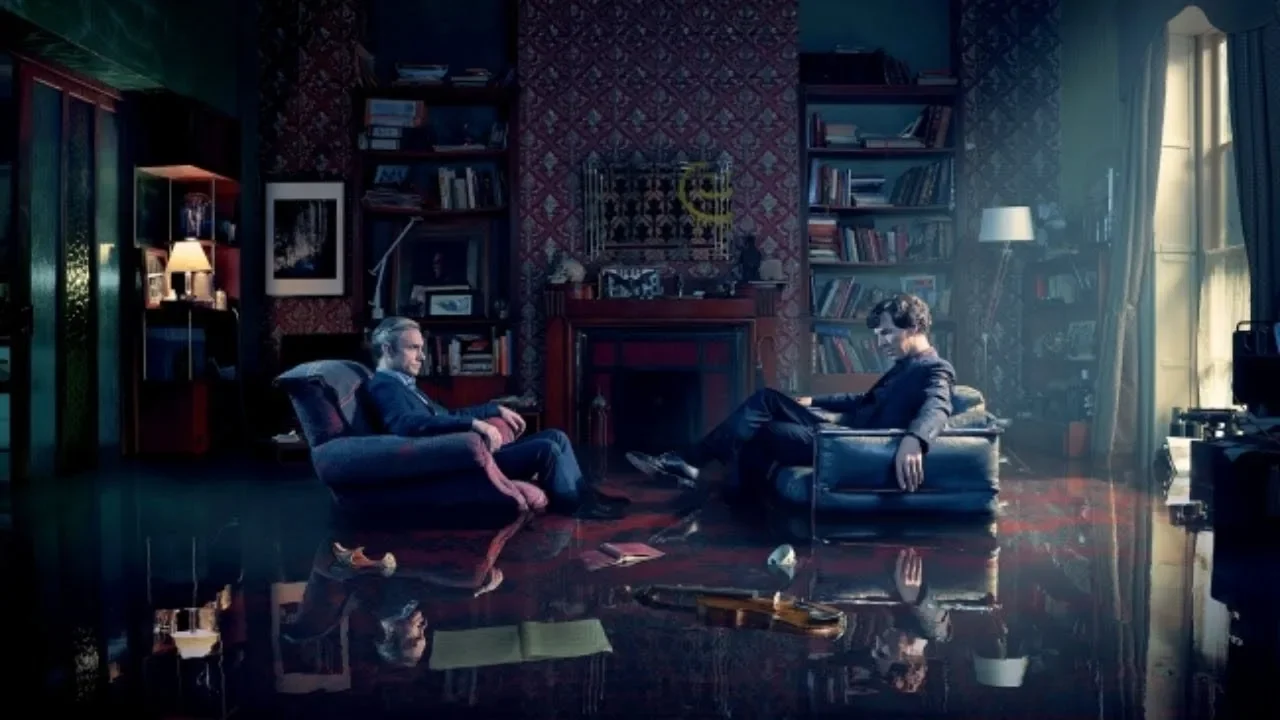
![Where to Start with the Sherlock Holmes books by Arthur Conan Doyle [CC]](https://i.ytimg.com/vi/NsF6ln8pyyU/sddefault.jpg)










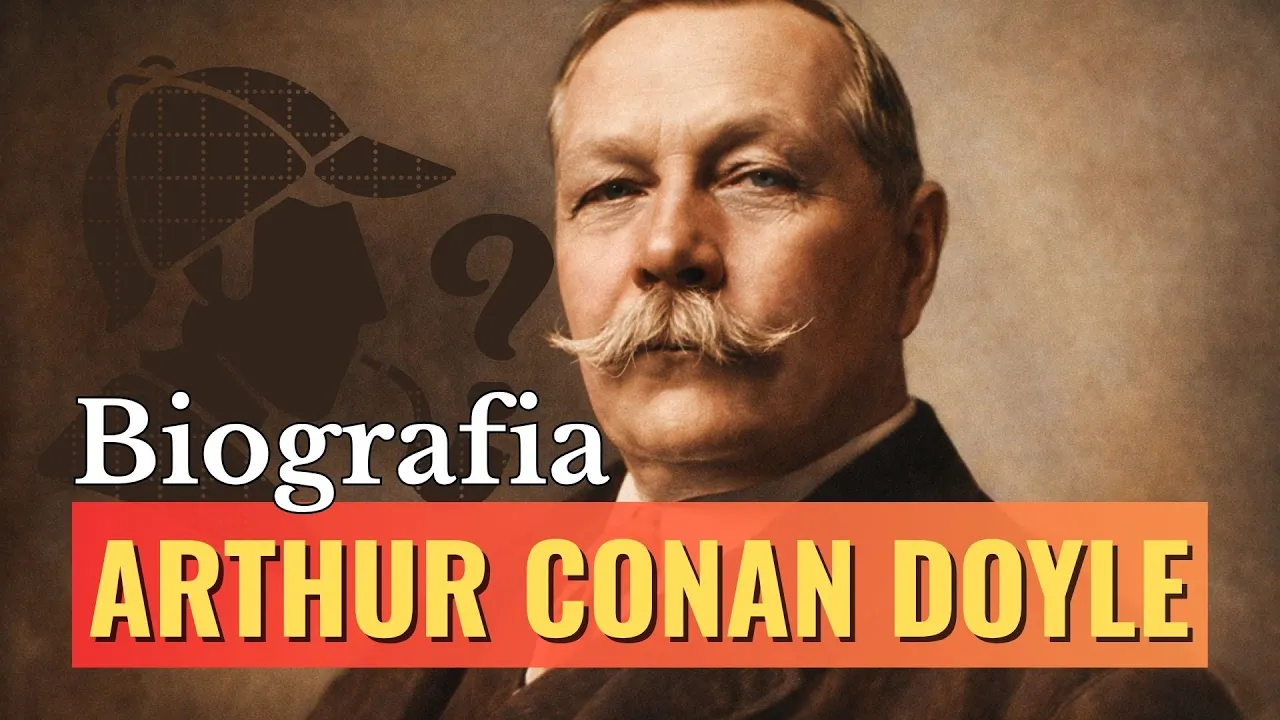









Sir Arthur Conan Doyle created Sherlock Holmes in 1887, revolutionizing detective fiction by introducing a character who used scientific deduction and observation to solve crimes, thereby establishing the modern detective story template; however, this same character eventually overshadowed Doyle's other literary works and historical novels, demonstrating how fictional characters can achieve greater cultural immortality than their creators.
Arthur Conan Doyle: The Creator of Sherlock Holmes Documentary
Added:Basic familiarity with the Sherlock Holmes canon, including key characters like Dr. John Watson and the setting of Victorian London.
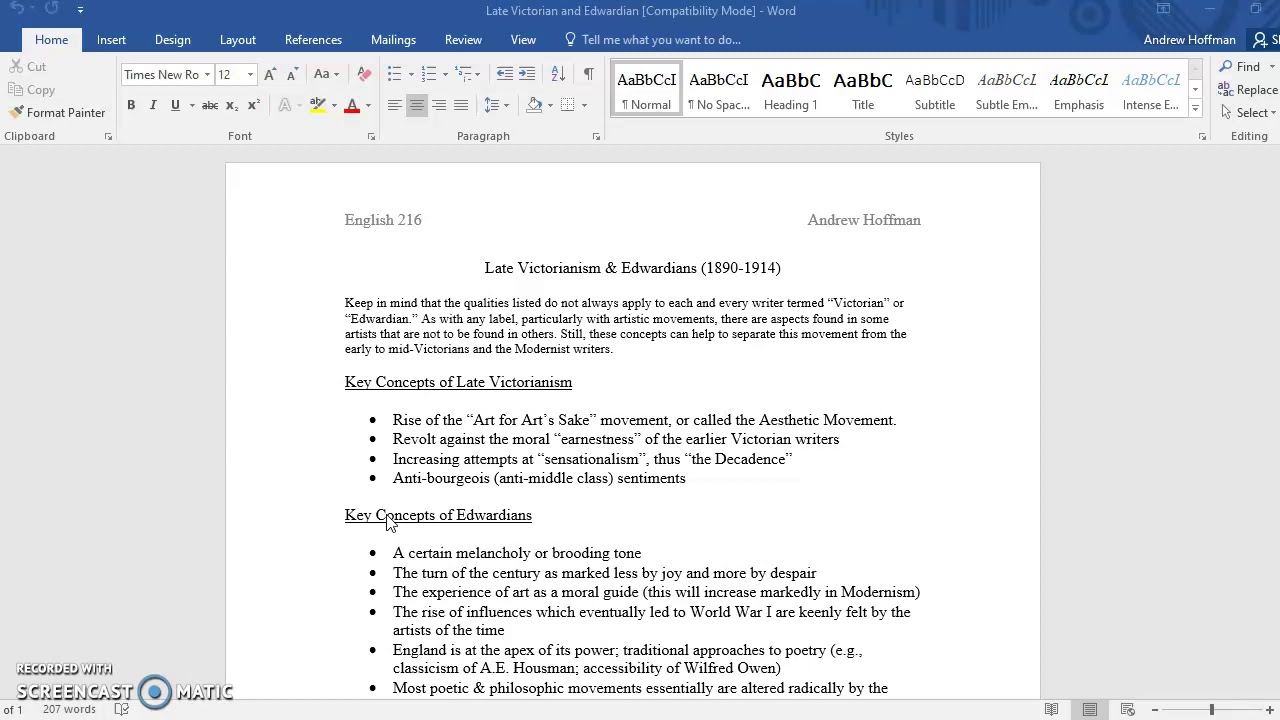
An understanding of the late-Victorian and Edwardian eras, particularly the societal anxieties, scientific progress, and class dynamics of the period.
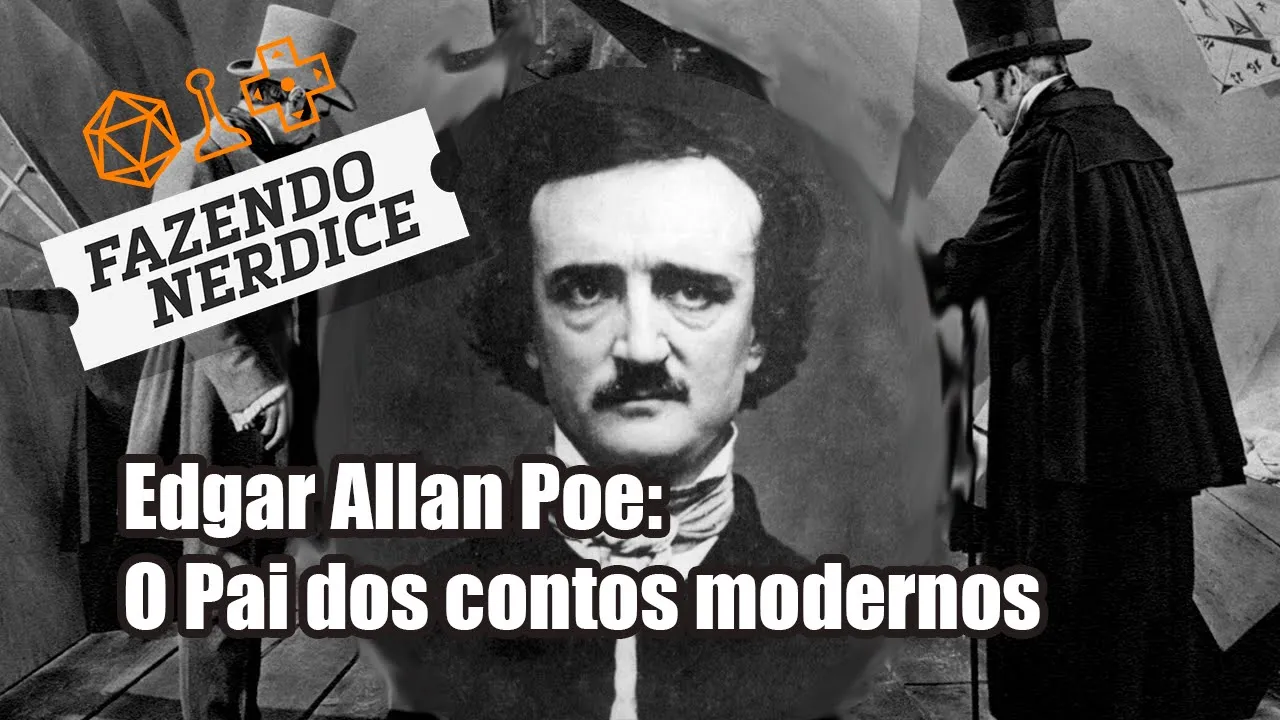
The origins of the detective fiction genre, including Edgar Allan Poe's pioneering work with Dupin, to contextually place Conan Doyle's contribution.
The concept of biographical criticism in literature—how an author's personal life, profession, and psychology influence their creative output.
The real-world history of forensic science and how Sherlock Holmes's methods (like ballistics and footprint analysis) predated and influenced actual police work.
Sir Arthur Conan Doyle's later obsession with Spiritualism, his involvement in the Cottingley Fairies incident, and his public debates with Harry Houdini.
The phenomenon of modern fandom and literary reception, examining how public demand forced Doyle to resurrect Holmes after killing him off.
An analysis of the adaptations of Sherlock Holmes across different eras and media, exploring why the character remains highly adaptable and culturally relevant.
234.5K views4Klikes52:24Original Release: 2021-12-13
[Music] hello over 260 films to date 1 000 television episodes and just as many imitations not to mention the video games comic books adapted more frequently than dracula frankenstein napoleon or jesus christ across the ages and continents he is the literary myth paraxilas my name is holmes sherlock holmes it is my business to know what other people don't know a unique appearance a legendary street address the name sherlock holmes and the address is 221b baker street a motto that we all know a brilliant sense of deduction i smell the faint sweet odor of blackmail sherlock holmes a paper creation born out of a writer's brilliant imagination [Music] arthur conan doyle a character as extraordinary as his famous detective measuring 1 meter 92 for 100 kilos of muscle an accomplished sportsman cricket champion prize fighter a matchless snooker player inventor among other things of competitive downhill skiing the life jacket and the inflatable raft an adventurer at heart a chivalrous spirit ready for anything and a genius writer any way you look at it conan doyle was larger than life [Music] and if sherlock holmes finally erased his creator from our collective memory it was only after a terrible fight to the death [Music] the war between conan doyle and sherlock holmes lasted for over 40 years it began in 1886 in portsmouth on the south coast of england arthur conan doyle was 27 years old and had already lived through many adventures first as a ship surgeon on a whaler in the arctic then along the coasts of africa barely settled in his cottage in portsmouth he passed the time indulging in his passion writing he was an intellectual man there was art in the family and arthur had inherited it his father was a painter his uncle richard was a very accomplished and well-known painter and cartoonist arthur had uh literary ambitions he had always had an urge to be a writer the descendant of irish aristocracy of french origin from ui on he was raised by his mother in adoration of the middle ages dreaming of writing historical novels but as a newlywed he needed money [Music] why not try his hand at these crime and mystery short stories that people liked so much though he couldn't know it at the time his first master stroke was to invent a brand new type of detective he trotted noiselessly about the room sometimes topping occasionally kneeling and once lying flat upon his face in one place he gathered up very carefully a little pile of grey dust from the floor and packed it away in an envelope observe carefully deduce astutely and confirm with proof conan doyle certainly took his models from literature be it edgar allan poe or the french writer gabriel but he dared to go beyond all conventions by building intrigues around his character's extraordinary sense of observation and use of scientific methods what do you think there's been murder done the murder was a man he was in the prime of life six feet in height has small feet where squared toed boots limp slightly on the left foot and smoke stretching police regards [Music] a science of deduction inspired by dr joseph bell conan doyle's professor at medical school and whose own powers of deduction wowed his students and was often called upon by scotland yard he would look at the patient he would hardly allow the patient to open his mouth but he would make his diagnosis of the disease and also very often of the patient's nationality and occupation and other points entirely by his part of observation so naturally i thought to myself well if a scientific man like bell who's to come into the detective business you wouldn't do these things by chance you get the thing by building it up scientifically furthermore there's something in that bag she wants to show me what makes your shirt bag doesn't match her dress indicating was picked for size rather than style accommodates on bulky object you read the stories you see how clever he is you think oh yes now he's explained it i see how he did it i could do that you couldn't but it's nice to think that you could [Music] and the second stroker genius was his narrator john watson a military doctor who has returned wounded from afghanistan sherlock holmes his roommate his companion and the witness to his adventures he is the ideal intermediary between the reader and homes [Music] hello yes lestrade oh the detective was originally to have been called sharon ford holmes his companion rather hilariously was almond sacker [Music] thank goodness he had second thoughts about those names as well and they became sherlock holmes and dr john h watson he called the story at first a tangled skein it became a study in scarlet the basis of sherlock holmes's success was in place from the very first volume yet turned down everywhere a study in scarlet would finally come out in the modest beatons annual and even then it was with conditions they offered him 25 pounds for the complete copyright if he would agree to its being held over till the following year because as they said the market is flooded at present with cheap fiction not exactly encouraging is it but he accepted the offer and a study in scarlet became the leading story in beaton's christmas annual for 1887.
sherlock holmes's first investigation was a commercial failure was conan doyle embarrassed relieved instead that the sherlock holmes distraction was over and he was free to return to working on real literature or so he thought an american editor read a study in scarlet and liked it passing through london he invited colin doyle to dinner along with the famous dandy oscar wilde he commissioned a story from each of them to help launch his own magazine lippincotts in england [Music] oscar wilde wrote his masterpiece the portrait of dorian gray conan doyle hesitated should he stop writing his real novel never but he needed money so terribly having settled in london and with still no patience in a newborn baby a hundred pounds represented a small fortune he reluctantly returned to sherlock holmes and after a short month delivered the novel the sign of four published in february 1890.
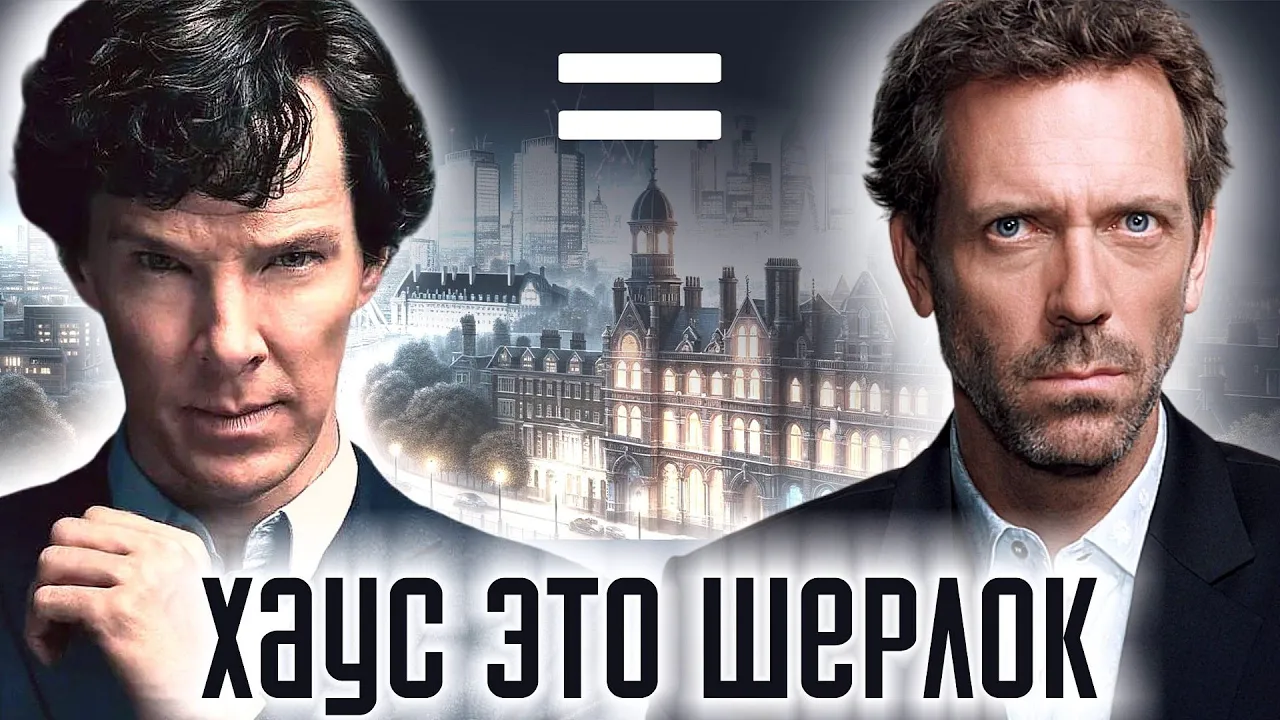
there was no big fuss and it seems like the end of something that had never really begun it was then that an event would change the course of his life the following year the strand magazine appeared within a short while it was doing as well as any of the several monthly magazines at the time so he wrote another story with sherlock holmes and dr watson as the leading characters still in need of money conan doyle offered a short story a scandal in bohemia was published in july 1891 it was an immediate hit the strand clamored for more stories urgently 150 pounds for six stories to be published each month like episodes of a cereal it had not been done before a series of connected short stories all complete in themselves but with the same characters that was something new i take the new issue of the strand magazine is out containing another of your slightly lurid tales indeed what do you call this one i call it a scandal in bohemia not a bad title huh um doyle invented the modern detective story all modern detective stories begin with sherlock holmes just the very idea of the three-act book starting with a murder the investigation of a solution self-contained in that way nobody had done it before doyle [Music] sales of the strand took off to for indigenous heights the public was crazed begging even for past issues [Music] after a difficult beginning sherlock holmes had suddenly conquered the readers and he seemed to have won the first round against conan doyle's literary ambitions [Music] he was a man who who was believable even if he was unusual and he lived in the world in the city that people knew you might go out into baker street and see a tall thin man and you could believe that this was the real sherlock holmes a third equally fascinating tremendous and shadowy character was london itself swallowed in fog with terrible crimes taking place under cover of night [Music] the city of jack the ripper and of terrifying underworlds [Music] and one man faced this thriving empire of evil alone engaged in a struggle to the death all of the stories are magnetized by this opposition between the city outside and homes the asocial genius withdrawn inside his apartment very curious what i love about the books is the way evil spreads its tentacles so in the sign of four it's a temple in agra in india in the valley of fear it's the valley of their missile and americorps and the as a study in scarlet it's the plains of uttar places far far away that nobody in london knows yet which somehow invade london where they evil it is not necessarily london the books may happen there but the evil comes from everywhere [Music] holmes himself says in one of the stories the lowest and vilest alleyway in london does not present a more dreadful record of crime than the smiling and beautiful countryside i'm a consulting detective the only one in the world that invented the job what does that mean it means when the police are out of their depth which is always they consult me the police don't consult amateurs [Music] why was it so successful because sherlock holmes gave a face to something that had not been articulated before as if he embodied the spirit of the times foremost the desire to believe in science's omnipotence amid an era that had been completely overthrown by the fascinating and worrying industrial revolution his astounding deductive virtuosity or with it a promise of the eventual triumph of reason the end of darkness [Music] when you have eliminated the impossible whatever remains however improbable must be the truth [Music] sherlock holmes represents hope in the middle of darkness i think that what you get with conan doyle's invention of sherlock holmes is the possibility that reason can shine through and answer all the puzzles of the world an unflinching rationalist arthur conan doyle brilliantly ushered in a new discipline forensics not an accident fellow i'm afraid it's murder the first police laboratory was established in lyon in 1910 by the frenchman edmure lokar who cited sherlock holmes's adventures as his main source of inspiration they'd been just one step from fiction to reality taking fingerprints analyzing dust and fabrics examining all sorts of traces these methods described by conant oil applied by sherlock holmes developed by local form the foundation of modern investigative work [Music] but it's not possible to reduce our fascination with conan doyle's characters simply to his scientific prowess otherwise why would we be so enraptured with him more than a century after his birth if there's one reason i might put forward and it's no more than my own analysis and a paradoxical explanation it's that he created a truly unsympathetic and various social character not the kind of hero that we are used to finding in the role of the i say hero one it's morning allow me to congratulate you on a brilliant bit of deduction from the start his character is insufferable his knowledge is both vast and very limited nothing else is of any interest to him and his character is dark from the very beginning because he's a misunderstood unstable unhappy genius he's an excessive character one who goes too far got anything it's not much she's german german for revenge she could be trying to tell us yes thank you for your input you may be excessively aware of his own intelligence and talent but he also suffers from it he suffers from being a bit out of touch with the world around him it's something that pushes him a bit further into his way of devoting himself a bit like someone in the orders though instead of being devoted to a religion it's his detective work which is a sort of calling sherlock holmes is not a very pleasant man he has no interest in music in art uh well he plays as china various but he doesn't listen to music in any way he doesn't have any interest in great food or politics he has no conversation he has terrible moods he takes cocaine he's a drug addict what is it tonight morphine or cocaine well i can strongly recommend a 7 solution of cocaine would you care to try it i don't know how arthur oil did it but when we read our telecoms codes today it always works there's a series called dr house clearly inspired from sherlock holmes the character isn't sympathetic he's a drug user like him and also lives at number 221b there's a sort of alchemy to this character that is at once detestable and remarkable thank you [Music] it was conan doyle's genius to only describe homes through watson's eyes the embodiment of the everyman watson has a very precious role in telecom's existence he brings homes back to reality and bounds him to earth how can you research damage to the great powers with which you have been endowed he's the most normal character in sherlock holmes universe and thus the easiest to identify with and at the same time watson is like us is fascinated by sherlock holmes that was amazing he's also sherlock's only friend he might be called a friend which wasn't the case at first you've got all that because you realize the case would be pink that had to be pink obviously why didn't i think of that because you're an idiot he's our link to homes we see him through watson's eyes and watson although he's not blind to holmes's faults watson likes homes because of watson we like homes too and we like them above all together the genius of sir arthur conan doyle was to create not two great characters but one the greatest friendship in literature that i think is part of the secret of the success of the books there is something crucial to sherlock holmes's success readers grabbed onto him and shaped him in their own fashion far differently from the way conan doyle had imagined i saw him as very tall over six feet but so excessively lean that he seemed considerably taller a thin razor-like face with a great hawk spill of a nose and two small eyes set close together on either side of it the strands illustrator sydney paget played a key role in the affair endowing him with the traits of his own brother used as a model sherlock holmes came to life under his pencil [Music] padgett's picture fixed in the public mind the image of sherlock holmes it wasn't just the man himself it was his clothing as well and because sydney himself wore a deer stalker when he was out he gave the deerstalker to sherlock that's one of the things that the public latched onto they loved this the deer stalker the coat then the pipe and the magnifying glass thus the myth evolved progressively escaping from its author forced despite himself to bow to his reader's vision when later on william gillette the actor became the first to play sherlock holmes in an authorized play he replaced the straight pipe which appears in sydney paget's illustrations with a curved pipe because he could hold it without obscuring his mouth [Music] each effectively brought the little piece to the hole then something strong started to build up in the collective encounters [Music] if you ask anyone to quote a phrase by sherlock holmes everyone will answer uh well uh what the mystery at the museum elementary my dear gotham elementary thanks to the fortunes coming from the strand conan doyle could lift off his craft from as early as 1892 but he had other worries his paper creation had taken life and was starting to steal from his work creating a character is just like raising a child we give them the elements that seem essential for them to grow we gave them the values that seem essential in order for them to live the life we wish for them and then at a certain moment they emancipate themselves they make their own decisions and that's what sherlock did he became stronger he became more powerful he escaped from his creator and that was very hard for arthur conan doyle to take conan doyle became fed up with sherlock holmes his greatest creation why because he thought he was a better writer he was also fascinated by things like spiritualism by politics by travel by the world and he thought of sherlock holmes as sort of a beneath him an entertainment he had it in him he knew to be a novelist one of his greater idols was so walter scott the scottish novelist who wrote ivan ho rob roy he was the man really who created the historical novel and arthur was a great admirer of the ideals of medieval knightly chivalry and this is what he wanted to write about and he did alongside the sherlock holmes stories he had written two historical epics micah clarke had a tepid reception but his medieval adventure the white company had been widely acclaimed conan doyle believed himself to descend from the breton king conan the first yet it was still sherlock holmes that readers called out for it was a difficult blow for the writer he had the impression that sherlock holmes's investigations did not help him conan doyle to progress as a writer and so as the strand magazine clamored for a new sherlock holmes story every month conan doyle struggled to make sure their quality did not drop he cared that his story's literary value remained the same that's why he finally felt like a prisoner and then could no longer even stand sherlock holmes at all he decided to kill sherlock holmes and when he told his mother about this decision she was furious she wrote to him you can't you won't you mustn't the strand magazine also came charging back ordering another series from him conan doyle hesitated then demanded more money considerably more money than they paid him for the first set hoping that they'd say no they didn't they said yes please [Music] trapped one thousand pounds for twelve new adventures three times more than for the first series who could resist and so in 1892 conan doyle returned to sherlock holmes a gilded cage but a cage nonetheless and this damn detective was starting to overshadow him [Music] people did seem to believe that sherlock holmes was a real person even in those early days arthur conan doyle was getting letters addressed to sherlock holmes and he was not particularly happy about it come in doctor watson this came by hand for mr holmes not 10 minutes ago thank you mrs helsin dear sherlock holmes i would be pleased if you could help the german police to solve the most mysterious robbery [Music] dear mr holmes our office requires your services on account of one of our clients please kindly notify of your availability i have your friend dr watson if you wish to see him in life again immediately send 5000 pounds to this address not so very long ago there was a poll taken by one of the major newspapers among young uh listing various historical people and asking whether they knew which were real and which were uh fictional an awful lot of them thought that winston churchill was a fictional character but sherlock holmes was a real person we all know that he doesn't exist and we all know that 221b baker street doesn't exist we all know that it's made up but we like to believe it this character is so well made psychologically that he could exist detective story provides a sort of a comfort i think a reassurance but it is possible in one way at least even if it is only a whodunit to find the absolute truth and therefore i think people do become very invested in this character and want to believe in him as more than just a sort of figment of somebody's imagination like a child writing to santa claus we need something to believe in and there is no harm i think in believing in sherlock holmes some characters psychically very strong ones escape from the creations and arrive in our world and if we admit that things circulate between the real world and the world of fiction then we may also ask ourselves whether we ourselves are not fictional characters this uncertainty is what freud calls the uncanny played on by literature and mythical characters to the point that we can no longer be sure if they exist or not [Music] fiction was becoming more powerful than reality invading and transforming it [Music] not only was that devilish sherlock holmes ruining his career as a writer but there he was attempting to erase him his creator reducing him to the role of simple secretary if holmes wanted a fight he was going to get it the great conan doyle was not one to do things halfway this final story would be an apotheosis he created a master criminal gave him the name of a fellow pupil at stonyhurst school moriarty and made him holmes's intellectual equal a man as brilliant as sherlock holmes himself [Music] a titanic confrontation with a worthy adversary the nefarious professor moriarty the napoleon of crime the evil genius and prince of darkness his inversed double and their final battle would take place in a spectacular setting the reichenbach falls which he discovered while touring switzerland the final problem was published in the strand in december of 1893 the story ended with the inevitable conclusion holmes and moriarty falling intertwined the two sides of the same mystery light and darkness united dying together in the frothing abyss [Music] conan doyle had sacrificed the goose that laid the golden eggs and without regret and the readers were horrified they didn't want to believe it it's said that people went about their business in the city wearing mourning bands on their sleeves letters of protest were written to the author and to the publisher and in his memoirs conan doyle quotes one which starts you brute [Music] i heard of many who wept i fear i was utterly callous myself and only glad to have the chance of opening out into new fields of imagination for the temptation of high prices made it difficult to get one's thoughts away from homes free at last despite the pleas and menaces he held strong no more homes the mere mention made him feel nauseous [Music] but most of all he felt alive once again traveling the world despite the tuberculosis of his wife louisa he had norwegian skis delivered to devos switzerland launching the sport in america his conference tour met with huge crowds he spent many months in egypt for the sake of louise's health [Music] as soon as he returned he settled the family into a huge house in surrey and began work on a new series of historical novels in 1897 at 38 years of age he fell madly in love with the 24 year old beauty the liaison would remain platonic for several years [Music] then when trouble broke out in sudan in 1898 heeding the call of adventure he left as a war correspondent [Music] another war erupted in south africa between the british and the boers and despite his age he enlisted in 1899 and established a field hospital at his own expense [Music] he wrote many articles defending the british situation and for this he was knighted in 1902 thenceforth to be known as sir arthur conan doyle sherlock holmes defeated not so simple the rascal held fast almost 10 years after having disappeared he returned my mind rebels at stagnation [Music] give me problems give me work give me the most abstruse cryptogram the most intricate analysis and i'm in my proper atmosphere the public called out for homes conan doyle needed money and he finally gave in but just once and it would be a rather odd return [Music] under pressure from his readers doyle was forced to bring him back and actually use deploy because he didn't present the investigation as happening after holmes death but as an old case this old case was the hound of the baskervilles which he set three years before holmes's death it was out of the question for him to resuscitate his hero [Music] surprise he was no longer battling the darknesses of london but a fantastical creature a big black dog who under cloak of night was spreading fear across the moors [Music] it's a fairly strange book the mood is off and then there's the strange absence of homes who appears very little since it's watson who is central to the discussions and investigations which is a problem since in this book as in the investigations on the whole watson is presented as a complete fool so he is the perfect example of the person who sees nothing understands nothing and is wrong in his interpretations sherlock holmes is there but in the distance conducting his own investigation and watching watson as if conan doyle returning to his hero had been seized by doubt [Music] conan doyle's ambivalence towards sherlock holmes in this story is such that one's allowed to wonder if the whole investigation is not overcome with weariness because as others have noted the case does not really hold [Music] what's remarkable is just how many times sherlock holmes makes mistakes we go from one implausibility to the next from incoherence to incoherence we have no figure of absolute truth whatsoever on the contrary there's someone with gaps in their reasoning and these are the gaps that we must fall through to see the hound of the baskervilles in a completely different light sherlock holmes caught out if we take the clues at face value it is clear that the detective has the wrong culprit but furthermore he seems quite ambiguous this time he often appears over the moors as a dark maleficent figure that even watson doesn't recognize [Music] it's been a lovely day watson how to love to destroy it i hope you'll be careful with that revolver and so he's presented doubly duplicitous and ambiguous he's the representative for the good and truth but in the same book he's also the representative of far more obscure dark forces and of error quickly what's up gonna conan doyle very clearly understood the character's double power this is why sherlock holmes became a [Music] myth the hound of the baskervilles would go on to be sir arthur conan doyle's most famous story its success remained unequaled there was an uproar after its publication in the strand in 1901 and a tremendous amount of pressure to bring back homes but this time there was nothing doing it really was over claimed the author even for five thousand dollars per story plus royalties offered by the american magazine colliers thirty thousand dollars for six stories sixty five thousand dollars for thirteen impossible to refuse and so sherlock holmes was resuscitated on september the 23rd 1903 legends aren't killed so easily i think it is interesting the whole idea of the writer who finds himself uh hidden by his own creation of who finds himself smaller than his creation the same thing in a way happened to ian fleming who got rid of james bond not once but twice from russia with love he's poisoned and is meant to die and at the end of you only live twice he's got amnesia he's vanished as a as a japanese fisherman but all the time these characters come back they won't go away watson do you mind if i smoke a cigarette in your consulting room [Music] but how did sherlock holmes survive his fall elementary my dear watson he never fell a japanese wrestling move had sent moriarty at patrice so to explain his hero's extended absence conan doyle invented a myriad of adventures during this period known as the great hiatus holmes had changed identities he'd met the dalai lama in tibet explored norway crossed persia visited mecca lived in khartoum sherlock holmes one in the end seemingly appeased conan doyle had surrendered [Music] throughout the following 33 adventures conan doyle played with his character had fun creating a biography for him perhaps as a way of reaffirming his authority over homes born in 1854 sherlock holmes came from the aristocracy and had an elder brother mycroft who worked for the government dr watson would marry while the detective remained a hardened bachelor faithful to the memory of the mysterious irene adler the adventurers he'd met back in a scandal in bohemia [Music] if you must record my exploits i do wish you put less emphasis on the melodramatic and more on the intellectual issues involved [Music] it's true that arthur conan doyle's life changed his wife louisa died in september 1906.
a year later he then married his great love gene leckie with whom the relationship had previously remained platonic he traveled with her and the children from both marriages trying his hands at politics fascinated by the march of progress [Music] all in all a peaceful coexistence with his burdensome detective and he decided to show that he was at least on a par in real life wasn't he the creator and so doyle began playing at detective conan doyle himself was generally more like watson than like holmes but because he was able to create and solve these fictional crimes and mysteries he knew that he could adapt his mind temporarily to become a detective and he was a man with a great sense of justice so when people came to him with problems if he thought the problems were serious enough he would try to help in 1906 he took up the cause of a young lawyer condemned to seven years imprisonment for the mutilation of animals the evidence proved george algie innocent but his indian descent had made him the perfect scapegoat conan doyle succeeded in methodically demonstrating the miscarriage of justice arthur conan doyle put up a really un impeachable case for the innocents despite the fact that the man had been convicted the conviction was never overturned but george adelgi was given what they call a free pardon and he was allowed back as a solicitor and he was rightly grateful to arthur conan doyle for the rest of his life in a mischievous twist conan doyle defender of lost causes had become a real sherlock holmes but he was already taken with a new idea the discovery of a guanodon prince near his home had set his mind a bus he was gripped by the idea of a brand new character a novel professor challenger with his face and beard of an assyrian bull the antithesis of homes a far-off country forgotten by evolution a terrifying prehistorical bestiary [Music] the lost world appeared in the strand in 1912 it was a hit on both sides of the atlantic and this time conan doyle's success was in no way due to sherlock holmes [Music] holmes whose adventures he continued in a somewhat freewheeling fashion pushing him off to the countryside in the joys of beekeeping and then bringing him out of retirement occasionally to solve some new enigma [Music] the first world war found sherlock holmes too old to enroll and so he was sent to serve his country by uncovering a german spy [Music] the wall would sweep everything aside arthur conan doyle sensed that convinced of the key role to be played by airplanes and artillery he tried to convince the chiefs of staff pestering them with advice and lobbying for bulletproof jackets and gas masks he enrolled and placed his writing in the service of the foreign office reporting continually from the english italian and french front lines [Music] and something broke at the end of the war he seemed like a different man marked by the horrors he'd been through and the death of his eldest son the writer ventured into unexpected territories [Music] a confirmed atheist and militant rationalist conan doyle became an ardent defender of spiritualism [Music] why should we fear a death which we know for certain is the doorway to unutterable happiness why should we fear our dear ones death if we can be so near to them afterwards even more surprising was his fascination in 1922 for the case of two school girls in the village of cottingly who claimed to have photographed fairies though mocked he paid no heed and considered the psychographs to be definite proof of the existence of spirits they were genuine photographs but those photographs were not of fairies they were of cut out pictures from a magazine a very 1920s looking little fairies many people are confused as to why conan doyle who believed in fairies and ghosts and spirits was also able to come up with such a rational creation as sherlock holmes but i think you have to understand conan doyle as a romantic and as a romantic his view of science is that anything is possible [Music] also at the same time action at a distance was being observed see effects of radiation there were experiments with wireless telegraphy scientists therefore thought it was possible that there could also be unseen forces which could be scientifically proven which were also happening in spiritualism and in spiritual effects i mean for example i mean marie curie attended seances because she was trying to identify what form of energy was causing tables to rise off the ground when i talk on this subject i'm not talking about what i believe i'm not talking about what i think i'm talking about what i know there's an enormous difference believe me between believing only and knowing nothing and talking about things that i've handled i've seen that i've heard of my own ears and always mind you in the presence of witnesses [Music] conan doyle devoted the rest of his life to traveling across the world defending spiritualism [Music] the last story featuring sherlock holmes appeared in the strand in 1927.
it was the end of 40 years of companionship and conflicts [Music] exhausted sir arthur conan doyle died of a heart attack in 1930 he was 71 years old a literary monument a prolific inventor graced with a tremendous appetite for life the colossus would nonetheless lose the battle with his paper creation doyle was a mere mortal while sherlock holmes who'd never lived would not die [Music] that is the paradox and ruthlessness of literature's mythical characters they erase the memory of their creator within a few decades conan doyle's other writings were forgotten and even more so the events of his life meanwhile in an insolent twist his detective moved on travelled the world and times evermore alive adapted into no less than 120 novels to date [Music] what makes sherlock holmes timeless and the reason that we like him even more 100 years later is that we very quickly realized that he didn't have to stay in victorian london he could change countries places periods he was credible he's been set against jack the ripper dracula frankenstein adapted into hundreds of films parodies he has appeared in every media imaginable each time he's different yet unchanged the center of an ever-growing passion it's as if he expresses a timeless aspect of the human spirit the eternal opposition and enigmatic complicity of light and darkness but isn't that precisely the power of myths [Music] so [Music] you
Up Next

10:08
Sir Arthur Conan Doyle: 1927 Interview on Sherlock Holmes & Spirituality
@jjabenza
39.7K views•2011-09-15

13:43
Formalism in Literary Criticism: An Academic Lecture Overview
@mattalberhasky9952
39.1K views•2015-08-05

56:30
Sylvia Plath Documentary: Confessional Poet & Pulitzer Prize Winner
@AuthorDocumentaries
63K views•2021-04-25

15:25
1984: Orwell's Dystopian World and the Mechanisms of Totalitarianism
@AlternateHistoryHub
7M views•2017-03-04
Related Study Plans & Knowledge Roadmaps
Structured learning paths in Literature
literature
Graphic Memoirs: Visual Art, Trauma & History
01Foundations of Sequential Art and Visual Language
02Autographics and Processing Historical Trauma
03Visualizing Personal Trauma, Grief, and Graphic Medicine
+ 2 more learning modules
14h5 modules
Explore Roadmap
literature
Campus Novels: Evolution, Themes & Critique
01Introduction to the Campus Novel Genre
02Mid-Century Satire and the Post-War Academy
03Dark Academia and the Critique of Privilege
+ 2 more learning modules
14h5 modules
Explore Roadmap
literature
Theater of the Absurd: Philosophy & Plays
01Postwar Existentialism & Historical Roots
02Dismantling Narrative: Esslin & Absurdist Conventions
03Samuel Beckett and Tragicomic Existentialism
+ 2 more learning modules
12h5 modules
Explore Roadmap
literature
Revenge Tragedy: Justice, Madness & State
01Foundations of Early Modern English Theatre
02Anatomy of Revenge: Structural Conventions
03Psychological Complexity: Madness and Melancholy
+ 2 more learning modules
15h5 modules
Explore Roadmap