

















![«Дракула» Брэма Стокера | Главный вампирский роман [В двух словах]](https://i.ytimg.com/vi_webp/xIEKpV_P480/maxresdefault.webp)
Victorian literature (1837-1901) emerged during a transformative era marked by industrialization, technological innovation, and rising literacy rates, producing authors like Charles Dickens and the Brontë sisters who used their works to critique social issues such as poverty, class inequality, and gender roles; Dickens' novels like Oliver Twist and Great Expectations exposed the harsh realities of Victorian society, while the Brontë sisters employed male pseudonyms to gain recognition, demonstrating how personal experiences shaped their literary themes of identity, morality, and social critique.
Victorian Literature: Key Authors, Themes & Novels
Added:An understanding of the historical timeline of the Victorian Era (1837–1901), including the reign of Queen Victoria and the expansion of the British Empire.
Familiarity with the Industrial Revolution and its socio-economic impacts, such as rapid urbanization, class disparities, and labor reforms.
Basic knowledge of the Romantic literary movement, which immediately preceded and influenced early Victorian literature.
Fundamental literary analysis skills, such as identifying themes, character archetypes, narrative structure, and the concept of literary realism.
In-depth analysis of specific seminal texts, such as Charles Dickens's 'Great Expectations' or Charlotte Brontë's 'Jane Eyre'.
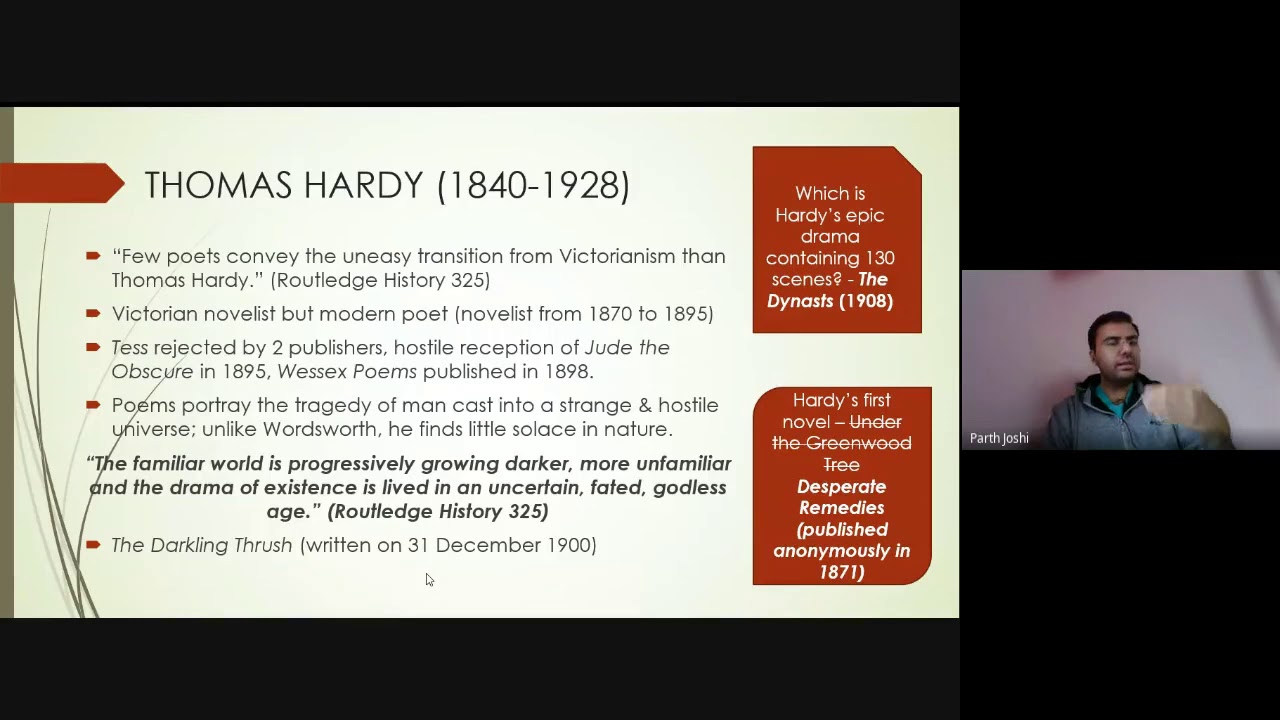
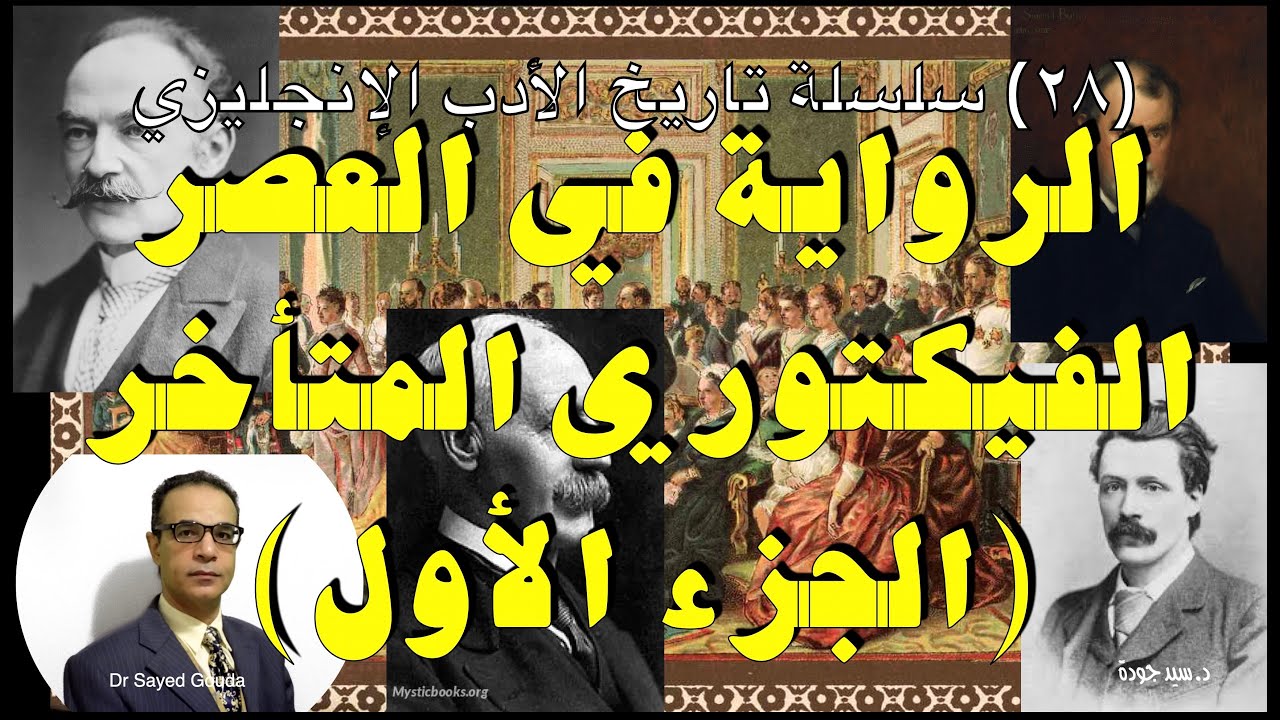
Exploration of Late Victorian literature and Decadence, including the works of Thomas Hardy and Oscar Wilde, which bridged the gap to Modernism.
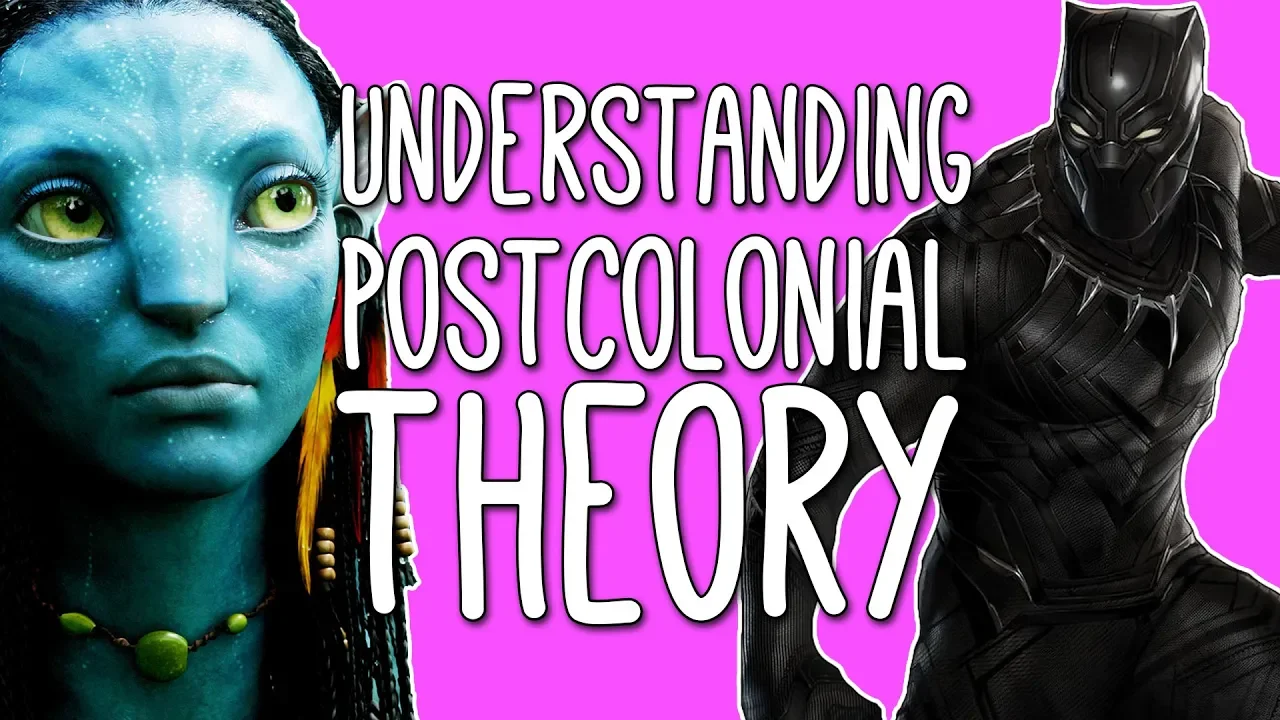
Introduction to literary theory frameworks applied to Victorian texts, particularly Feminist Criticism and Post-Colonial Theory regarding British imperialism.
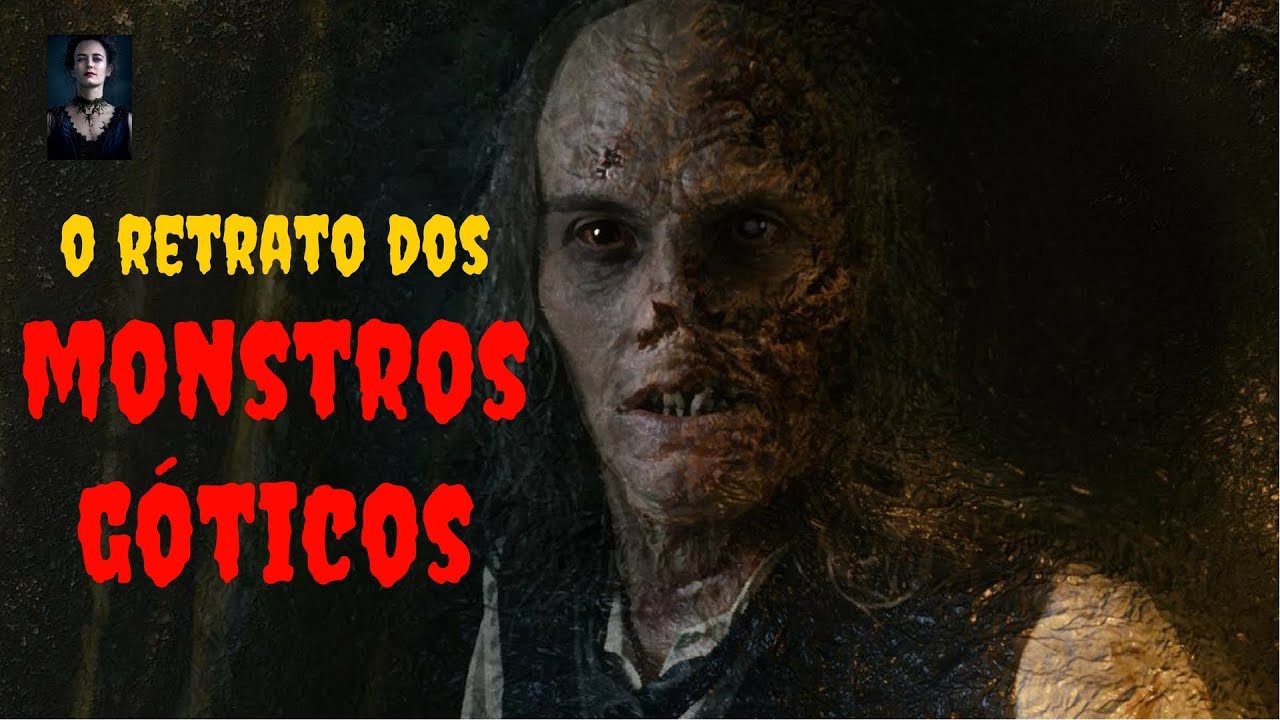
Study of the 'Condition of England' novels and the evolution of the Gothic genre during the late 19th century, such as 'Dracula' or 'The Picture of Dorian Gray'.
62K views599likes13:35Original Release: 2016-03-29
everyone my name is Ravana and I'm a tutor here at Cheng and today I'll be giving a lesson on Victorian literature so first let's took a quick look at the historical context so the Victorian era lasts for about 60 years from 1837 to 1901 and this period is characterized Savior a few very significant factors the increase in industrialization means that many factories were looking to move away from manual labor and towards using mechanics also at this time there was a massive need for easier ways for trading goods and this saw a need for increasing the number of railways following insuit with this process came the change in technology this was the introduction of the steamship and the first use of electric power also the invention of the Telegraph and eventually the telephone when it would go on to change the way people communicated with one another as I mentioned before there was a strong move away from manual labour but the labor jobs that were available were quite often given to children the reason being that the wages that a child would make was much less than an adult and for many companies this was seen as a profitable decision now the literature of this period was quite distinct in the fact that it dealt with doing unique topics it reflected upon the use of Romanticism crime poverty power politics gender sexuality and was quite often gothic in nature so I've picked quite a couple of authors and their most important works first we're going to take a look at Charles Dickens so Charles Dickens is widely considered to be the most famous author of the era and Charles is born into a very well-off family but by the time he's 10 his family has suddenly had to move to Camden Town which was a pretty poor suburb of London and the reason required to move there is because his father was living high above his means so they're in debt two years later Charles father is imprisoned because of this debt and this means that Charles has to leave school and get a job working in the factory as a way of helping support his family so this time of Charles life really impacted him greatly and many of his works in court bored the way he reflected upon this time in his life in 1836 he meets and marries Catherine Hogarth with whom he goes on to have ten children and unfortunately the marriage ends in 1858 now there are two theories about why this occurs one being the sudden death of their infant daughter in 1851 left them so grief-stricken they could no longer function together as a married couple the other is is that Charles supposedly had an affair with a young actress named at-at Nellie termen at this time the Dickens family is considered to be quite affluent but interestingly enough he only ever made about $95,000 for his written work well this may seem small but today's standards it would be about 1.5 billion dollars today and fortunately in 1870 Charles dies from a stroke Dickens most well-known work is Oliver Twist and all of our twist is published in 1838 and it tells the story of an orphan boy named Oliver has been been raised in a workhouse he finds himself suddenly forced into an apprenticeship as an undertaker upon being released from the workhouse he flees to London and quickly joins a gang of pickpockets Dickens focuses on four main themes in this novel Dickens wanted to reflect upon the superficial attitudes a Victorian society because the upper-class honestly believed that they were doing everything they could for the poor and often forgot that all people no matter their class were human he wanted to really focus on what poverty meant and did not hold back when he described it in his books his goal was to show his readers but they did not truly understand what being impoverished meant now Dickens also wanted to discuss the idea of crime and the difference between being born a criminal and in an influence criminal so while crime was high during the Victorian era much of it had to do with people being forced into a because of their social standing so you argue that there was a difference between people that were born into criminal families and born into into crime and those that were forced to commit crime one of the smaller themes presented in the book deals with the idea of identity at this period of time having no true name meant you'd be totally disregarded in society so what Oliver has given name the made-up surname gives him no social standing whatsoever another of Dickens works is great expectations and great expectations is published in 1861 and reflects upon the life of a young boy who has been placed into the care of his strict religious older sister and her locksmith husband well this sets him up to become an apprentice to his brother-in-law he soon finds himself by chance funded by an anonymous benefactor the stipulation is is that he is required to use the funds given to him to become a gentleman so much like the predecessor great expectations has its similarities with themes but there are present they are present in different manners so the reputation the representation of society in class comes when it is instructed by his patron to become a gentleman because during this time period to be considered a part of high society one must be educated one well mannered and don't forget wealthy wealth in this story is equal to love because without money what does love mean and this is reflected strongly throughout the novel you have a number of characters who refuse to tell the truth about themselves or others and you specifically have characters that are misdirecting about truth this is where the themes of deceit and crime work and in hand the criminal element is very similar to the one expressed in Oliver because it deals with the ideas of the supposed criminal class as a new status among society the reason behind this being a reason behind this being that you do not have to be poor to be a crook all of the characters have high expectations of themselves and by the end of the novel every single one of them has failed at their goal so the next two office have a deeper connection to one another the era and the subject their novels Patrick Bronte and Irish clergyman and his wife Maria have five daughters Elizabeth Maria Charlotte Emily and Anne and one son named branwall Maria dies in 1821 from cancer leaving her husband alone with the six children soon after this the four oldest daughters are sent off to a girls boarding school in the first few weeks of being there the girls send home letters to their father complaining about the conditions at the school but it refuses to bring them home and within the year Elizabeth the Maria died from exposure to the percolator cysts or typhoid okay so a tap on returning home Charlotte quickly takes over the maternal role of the family in 1839 Charlotte begins to work as a governess to families near her home after many years of solidarity in 1854 Charlotte marries Arthur Nicholls the parish priest and sadly within a year Catherine of an unborn child died due to dehydration and malnutrition associated with severe morning sickness in 1847 Charlotte publishes Jane Eyre under the pseudonym kerfell this book follows the experiences of the title character she is first raised by an aunt who loves her to being sent away to Lowood school which for Charlotte was truly personal as reflected her own life Lowood schools believed to represent the school that her and her sisters were sent to where her older sisters both died after leaving the school Jane became a governess at remote Thornhill's Hall and finds herself facing her fears and falling in love while the perspective of this text is much different to that of Dickens many of the themes were similarly based the idea of education is shown as the safe haven for those that choose to utilize it and the women can't that women can and will succeed beyond the typical education in music cart in foreign language in this novel society in class were reflected in opposition of one another welcome status appear misguided and corrupt whereas those who live in poverty are considered to be the moral party a good portion of the novel is spent trying to teach three-d-- about what being a moral person is and that there is a difference between being right and being happy at least as its reflected in Victorian society the writing in this period also took on a certain level of the belief in superstition in the case Jane Eyre wall there are superstitious elements nothing can brace the reader for the fact that reality is in fact far more sinister and then the fact that there is a rational explanation is terrifying Charlotte's sister Emily is considered to be the most solitary and reclusive of her siblings so much less is known about her activity is known that in 1838 she became a teacher at law Hill School but within six months to go left due to severe stress so she took over the running of the family household and taught herself to speak French and German in 1848 at the funeral of her brother bran while Emily becomes quite ill and soon dies from the effects of tuberculosis Emily also publishes a book in 1847 under the pseudonym Ellis Bell her novel Wuthering Heights focuses upon two Yorkshire's estates of Thrushcross Grange manner and Wuthering Heights the farmhouse or if into gypsy Heathcliff is taken in and educated by wealthy mr. Earnshaw but upon his death Heathcliff finds himself outcast once again catherine earnshaw and heathcliff soon fall in love with one another but she decides to marry and he thus rival Edgar because Heathcliff has Heathcliff has no social standing Heathcliff plots his revenge to hurt all those - it wronged him now the themes disappointed this novel or a bit different to the previous ones I discussed in this book love and revenge coexist with one another and one not one cannot survive without the other and sometimes the lines between the two become learned in the beginning family is seen as an important quality of living properly but by the end of the novel it displays all of the qualities that are seem to be dysfunctional lots of greed lots of jealousy addiction to gambling drinking everything that could be wrong in a family much like your sister Emily reflected upon society in class and the and that even though the two estates stand in the country that even then that they are surrounded by this cloud that is social status this book also has quite a few elements of the supernatural in it but the dark and sinister side only begins to come through with when the past is being reflected upon so there's quite a few times in the book when there's flashbacks because you have modern day and then you have you know I think it's 30 years 30 years in the past and when they're reflect upon the past there seems to be a lot of ghosts that get dredged up and the Moors are haunted and lots of things like this Heathcliff has also seemed to be a part of the supernatural element as it is his appearance in the novel that sets everything in motion a number of commonalities exists between all four books and even between the three authors all of these novels have theme is based on society and class and poverty versus wealth but considerably within the last two the elements of superstition play a huge role in the shaping the characters within their respective tales the office all the authors all seem to reflect on life experiences to convey their thoughts about Victorian society and even their own class standing whether as Charles who is born rich raised poor and died rich whereas the Bronte sisters always lived a very humble lifestyle it is also important to recognize the use of male pseudonyms by the Bronte sisters the reason behind this is that their writings would not have been taken very seriously because of their gender all the novels discussed in this lesson deal with the human experience and different ways in which society view during the Victorian era Canadian poet and writer Margaret Atwood put it best when she said I was once a graduate student in Victorian literature and I believe as the Victorian novelists did that a novel isn't simply a vehicle for private expression but that it is also exists for social examination if you would like any more information or have any questions about this subject please feel free to contact me at the tutoring link below
Up Next
40:52
Victorian Sensation Novels with Professor Matthew Rubery
@katehowereads
1.2K views•2022-10-28

13:43
Formalism in Literary Criticism: An Academic Lecture Overview
@mattalberhasky9952
39.1K views•2015-08-05

6:08
Point of View in Fiction: First Person vs. Third Person
@magicalthriftyteacher
153.8K views•2014-03-31

15:25
1984: Orwell's Dystopian World and the Mechanisms of Totalitarianism
@AlternateHistoryHub
7M views•2017-03-04
Related Study Plans & Knowledge Roadmaps
Structured learning paths in Literature
literature
Graphic Memoirs: Visual Art, Trauma & History
01Foundations of Sequential Art and Visual Language
02Autographics and Processing Historical Trauma
03Visualizing Personal Trauma, Grief, and Graphic Medicine
+ 2 more learning modules
14h5 modules
Explore Roadmap
literature
Campus Novels: Evolution, Themes & Critique
01Introduction to the Campus Novel Genre
02Mid-Century Satire and the Post-War Academy
03Dark Academia and the Critique of Privilege
+ 2 more learning modules
14h5 modules
Explore Roadmap
literature
Theater of the Absurd: Philosophy & Plays
01Postwar Existentialism & Historical Roots
02Dismantling Narrative: Esslin & Absurdist Conventions
03Samuel Beckett and Tragicomic Existentialism
+ 2 more learning modules
12h5 modules
Explore Roadmap
literature
Revenge Tragedy: Justice, Madness & State
01Foundations of Early Modern English Theatre
02Anatomy of Revenge: Structural Conventions
03Psychological Complexity: Madness and Melancholy
+ 2 more learning modules
15h5 modules
Explore Roadmap