




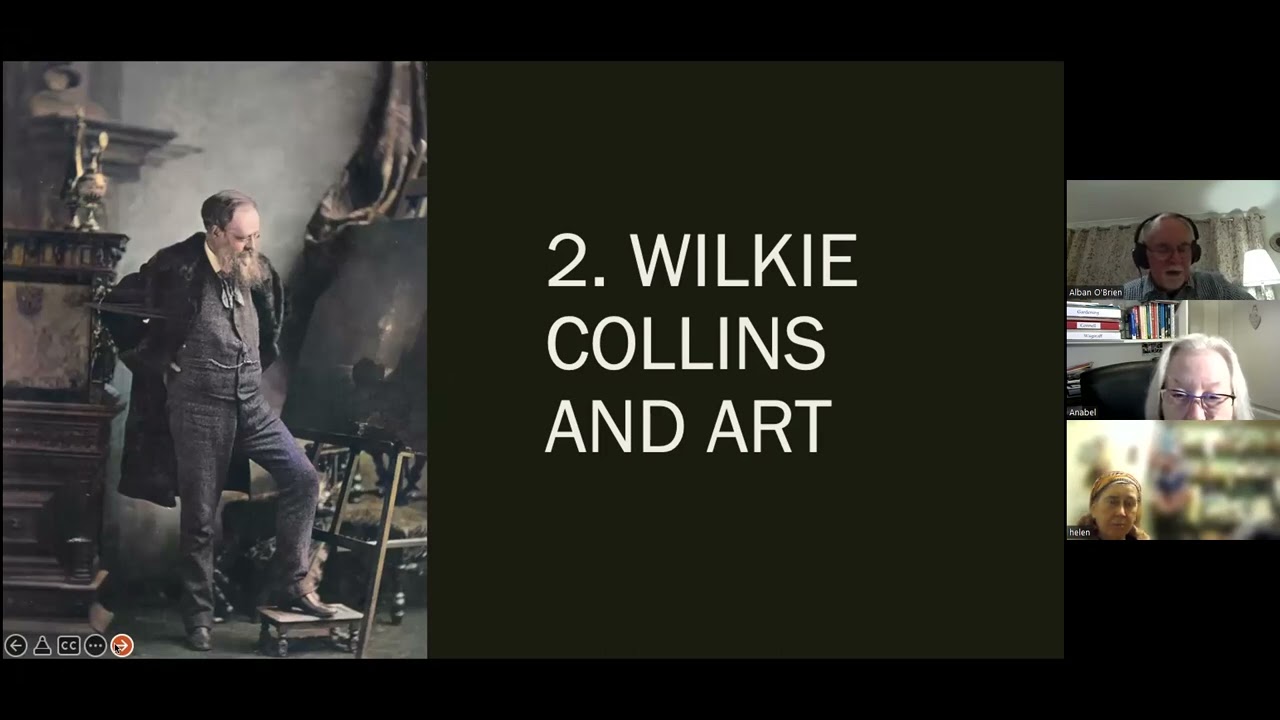















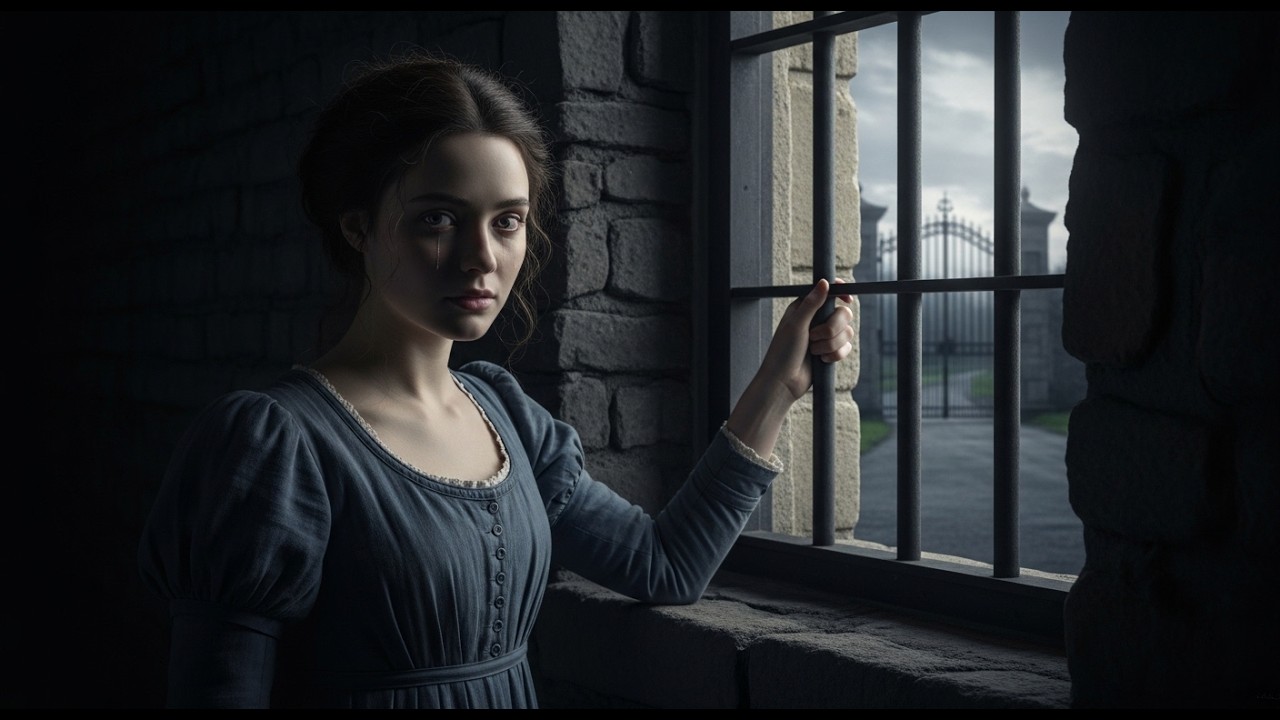




The Woman in White employs a distinctive narrative technique where multiple characters take turns telling the story, creating a complex web of perspectives that challenges readers to determine which narrator can be trusted. This epistolary and multi-perspective approach, pioneered by Wilkie Collins in 1859, allows for layered storytelling where different viewpoints reveal partial truths, ultimately converging to present a complete narrative. The technique was later adopted by authors like Bram Stoker in Dracula (1897), though it became considered old-fashioned by the end of the 19th century.
The Woman in White Audiobook by Wilkie Collins Part 1
Added:Familiarity with Victorian social hierarchies, gender roles, and the restrictive legal status of women in 19th-century England.
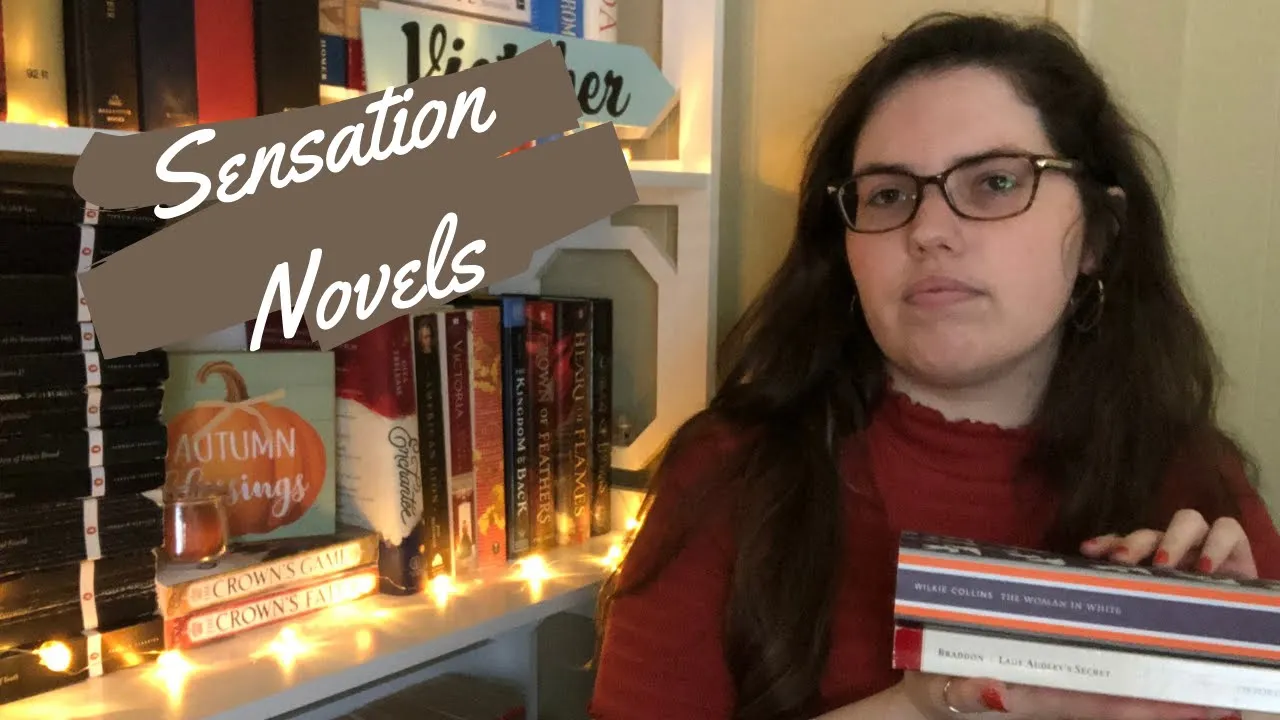
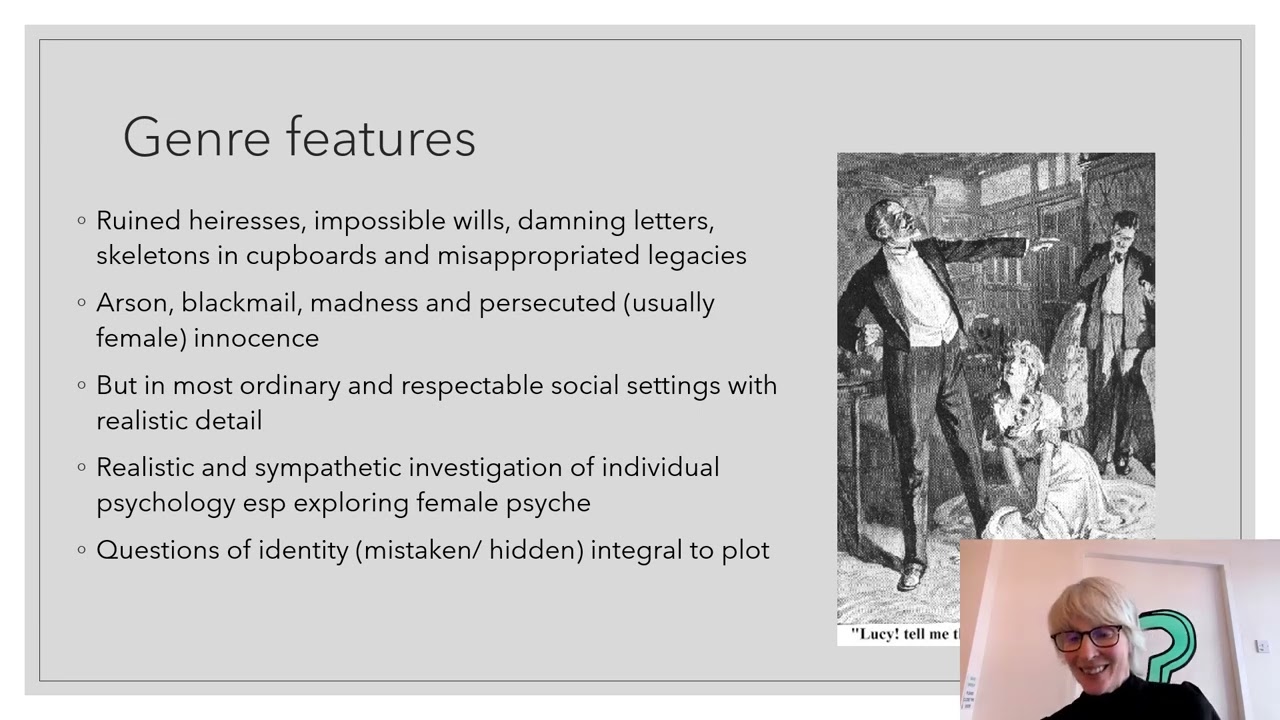
An understanding of the 'Sensation Novel' genre, which pioneered the integration of Gothic suspense, romance, and melodrama into domestic settings.
Awareness of epistolary and multi-narrator literary structures, where the plot is reconstructed through personal testimonies, diaries, and letters.
Basic knowledge of Gothic literature tropes, such as the damsel in distress, mysterious figures, and eerie, atmospheric settings.
An in-depth analysis of the 'unreliable narrator' and how shifting perspectives impact reader trust and suspense in Victorian mystery novels.
The historical evolution of detective fiction, tracing the lineage from Wilkie Collins' work to Arthur Conan Doyle's Sherlock Holmes and modern crime thrillers.
An examination of Victorian legal history, particularly the reform of the Married Women's Property Acts and the abuse of lunacy laws in the 19th century.
Critical study of the 'Doppelgänger' (double) motif and themes of identity theft as reflections of Victorian anxieties regarding class and social mobility.
51.5K views331likes1:31:45Original Release: 2013-04-07
track one the woman in white this is a LibriVox recording all LibriVox recordings are in the public domain for more information or to volunteer please visit librivox.org the woman in white by wilky Collins read by Tim bulley of big bible.org track one the first Epoch the story began by Walter hartright of clementin teacher of drawing this is the story of what a woman's patience can endure and what a man's resolution can achieve if the Machinery of the law could be depended on to Fathom every case of Suspicion and to conduct every process of inquiry with moderate assistance only from the lubricating influences of oil of gold the events which fill these Pages might have claimed their share of the public attention in accord of justice but the law is still in certain inevitable cases the pre-engaged servant of the long purse and the story is left to be told for the first time in this place as the judge might once have heard it so the reader shall hear it now no circumstance of importance from the beginning to the end of the disclosure shall be related on height evidence when the writer of these introductory lines Walter hartright by name happens to be more more closely connected than others with the incidents to be recorded he will describe them in his own person when his experience fails he will retire from the position of narrator and his task will be continued from the point at which he has left it off by other persons who can speak to the circumstances under notice from their own knowledge just as clearly and positively as he has spoken before them thus the story here presented will be told by more than one pen as the story of an offense against the laws is told in court by more more than one witness with the same object in both cases to present the truth always in its most direct and most intelligible aspect and to trace the course of one complete series of events by making the persons who have been most closely connected with them at each successive stage relate their own experience word for word let Walter hartright teacher of drawing aged 28 years be heard first it was the last day of July the long hot summer was drawing to a close and we the weary pilgrims of the London pavement were beginning to think of the cloud Shadows on the cornfields and the Autumn breezes on the seashore for my own poor part The Fading summer left me out of Health out of spirits and if the truth must be told out of money as well during the past year I'd not managed my Professional Resources as carefully as usual and my extravagance now limited me to the prospect of spending the Autumn economically but between my mother's Cottage at Hamstead and my own Chambers in town the evening I remember was still and cloudy the London air was at its heaviest the distant hum of the street traffic was at its faintest the small pulse of life within me and the great Heart of the City around me seemed to be sinking in unison languidly and more languidly with the sinking Sun I roused myself from the book which I was dreaming over rather than reading and left my Chambers to meet the cool night air in the suburbs it was one of the two evenings in every week which I was accustomed to spend with my mother and my sister so I turned my steps northward in the direction of hamstad events which I have yet to relate make it necessary to mention in this place that my father had been dead for some years at the period of which I'm now writing and that my sister Sarah and I were the sole survivors of a family of five children my father was a drawing Master before me his exertions had made him highly successful in his profession and his affectionate anxiety to provide for the future of those who were dependent on his labors had impelled him from the time of his marriage to devote to the ensuring of his life a much larger portion of his income than most men consider it necessary to set aside for that purpose thanks to his admirable prudence and self-denial my mother and sister were left after his death as independent of the world as they had been during his lifetime I succeeded to his connection and had every reason to feel grateful for the prospect that awaited me at my starting in life the quiet Twilight was still trembling on The topmost Ridges of the heath and the view of London below me had sunk into a black Gulf in the shadow of the Cloudy night when I stood before the Gate of my mother's Cottage I had hardly rang the bell before the house door was open violently my worthy Italian Friend Professor peska appeared in the servant's place and darted out joyously to receive me with a shrill foreign parody of an English cheer on his own account and I must be allowed to add on mine also the professor merits the honor of a formal introduction accident has made him the starting point of the strange family story which it is the purpose of these pages to unfold I'd first become acquainted with My Italian Friend by meeting him at certain great houses where he taught his own language and I taught drawing all I then knew of the history of his life was he had once held a position in the University of Padua that he had left Italy for political reasons the nature of which he uniformly declined to mention to anyone and that he'd been for many years respectably established in London as a teacher of languages without being actually a dwarf for he was perfectly well proportioned from head to foot peska was I think the smallest human being like ever saw out of a showroom remarkable anywhere by his personal appearance he was still further distinguished among the rank and file of mankind by the harmless eccentricity of his character the ruling idea of his life appeared to be that he was bound to show his gratitude to the country which had afforded him an asylum and a means of subsistence by doing his utmost to turn himself into an Englishman not content with paying the nation in general the compliment of in invariably carrying an umbrella and invariably wearing Gators and a white hat the professor further aspired to become an Englishman in his habits and Amusements as well as in his personal appearance finding us distinguished as a nation by our love of athletic exercises the little man in the innocence of his heart devoted himself impromptu to all our English Sports and pastimes whenever he had the opportunity of joining them firmly persuaded that he could adopt our national Amusements of the field by an effort of will precisely as he had adopted our national Gators and our national white hat I had seen him risk his limbs blindly at a fox hunt and in a cricket field and soon afterwards I saw him risk his life just as blindly in the sea at Brighton we had met there accidentally and we're bathing together if we had been engaged in any exercise particular to my own Nation I should of course have looked after peska carefully but as foreigners are generally quite as well able to take care of themselves in the water as Englishmen it never occurred to me that the art of swimming might merely add one more to the list of manly exercises which the professor believed that he could learn impromptu soon after we had both struck out from the shore I stopped finding my friend did not gain on me and turned around to look for him to my horror and amazement I saw nothing between me and the beach but two little white arms which struggled for an instant above the surface of the water and then disappeared from view when I dived for him the poor little man was lying quietly coiled up at the bottom in a hollow of shingle looking by many degrees smaller than I'd ever seen him look before during the few minutes that elaps while I was taking him in the air revived him and he ascended the steps of the machine with my assistance with the partial recovery of his animation came the return of his wonderful delusion on the subject of swimming as soon as his chattering teeth would let him speak he smiled vacantly and said he thought it must have been the cramp when he thoroughly recovered himself and had joined me on the beach his warm Southern nature broke through all artificial English restraints in a moment he overwhelmed me the with the wildest expressions of affection exclaimed passionately in his exaggerated Italian way that he would hold his life henceforth at my disposal and declared that he should never be happy again until he had found an opportunity of proving his gratitude by rendering me some service which I might remember on my side to the end of my my days I did my best to stop the torrent of his tears and protestations by persisting in treating the whole Adventure as a good subject for a joke and succeeded at last as I imagined in lessening pesa's overwhelming sense of obligation to me little did I think then little did I think afterwards when our Pleasant holiday had drawn to an end that the opportunity of serving me for which my grateful companion so ardently longed was soon to come that he was eagerly to seize its on an instant and that by doing so he was to turn the whole current of my existence into a new channel and to alter me to myself almost past recognition yet so it was for If I had not dived for Professor PESA when he lay under the water of his on his shingle bed I should in all human probability never have been connected with the story which these pages will relate I should never perhaps have heard even the name of of the woman who has lived in all my thoughts who has possessed herself of all my energies who has become the one guiding influence that now directs the purpose of my life pesa's face and manner on the evening when we confronted each other at my mother's gate were more than sufficient to inform me that something extraordinary had happened it was quite useless however to ask him for an immediate explanation I could only conjecture while he was dragging me in with by both hands that knowing my habits he'd come to the cottage to make sure of meeting me that night and that he had some news to tell me of an unusually agreeable kind we both bounced into the Parlor in a highly abrupt and undignified manner my mother Sat by the open window laughing and fanning herself Pesca was one of her Especial favorites and his wildest eccentricities Were Always pardonable In Her Eyes poor dear soul from the first moment when she found out that the little Professor was deeply and gratefully attached to her son she opened her heart to him unreservedly and took all his puzzling foreign peculiarities for granted without so much as attempting to understand any one of them my sister Sarah with all the advantages of Youth was strangely enough less pable she did full Justice to pesa's excellent qualities of heart but she could not accept him implicitly as my mother accepted him for my sake her insula Notions of propriety Rose In Perpetual revolt against pesa's constitutional contempt for appearances and she was always more or less undisguisedly astonished at her mother's familiarity with the eccentric little Foreigner I have observed not only in my sister's case but in the instances of others that we of the Young Generation are nothing like so hearty and so impulsive as some of our elders I consistently see old people flushed and excited by the prospect of some anticipated pleasure which altogether fails to ruffle the Tranquility of their Serene grandchildren are we I Wonder quite such genuine boys and girls now as our seniors were in their time has the great advance in education taken rather too long a stride and are we in these modern days just the least trifle in the world too well brought up without attempting to answer these questions decisively I may at least record that I never saw my mother and my sister together in Pesca Society without finding my mother much the younger woman of the two on this occasion for example while the old lady was laughing heartily over the boyish manner in which we had tumbled into the Parlor Sarah was perturbed picking up the broken pieces of a teacup which the professor had knocked off the table in his precipitate advance to meet me at the door I don't know what would have happened Walter said my mother if you delayed much longer Pesca had been half mad with impatience and I have been half mad with curiosity the professor has brought some wonderful news with him in which he says you are concerned and he has cruy refused to give us the smallest hint of it till his friend Walter appeared very provoking it spoils the set murmured Sarah to herself mournfully absorbed over the ruins of the broken cup while these words were being spoken PESA happily and fussily unconscious of the irreparable wrong which the Crockery had suffered at his hands was dragging a large armchair to the opposite end of the room so as to command us all three in the character of a public speaker addressing an audience having turned the chair with its back towards us he jumped into it on his knees and excitedly addressed his small Congregation of three from an impromptu pulpit now my good dear began Pesca who always said good dear when he meant worthy friends listen to me the time has come I recite my good news I speak at last here here said my mother humoring the joke the next thing he'll break Mama whispered Sarah will be the back of the best armed chair I go back into my life and I address myself to the noblest of created beings continued PESA vly apostasis my unworthy self over the top rail of the chair who found me dead at the bottom of the sea through cramp and who pulled me to the top and what did I say when I got into my own life and my own clothes again much more than was all at all necessary I answered as doggedly as possible for the least encouragement in connection with this subject invariably let loose the professor's emotions in a flood of tears I said persisted the Pesca that my life belonged to my dear friend Walter for the rest of my days and so it does I said said that I should never be happy again until I found the opportunity for doing a good something for Walter and I have never been contented with myself until this most blessed day now cried the enthusiastic little man at the top of his voice the overflowing happiness bursts out of me at every pore of my skin like perspiration for on my faith my soul and my honor the something is done at last and the only word to say now is right all right it may be necessary to explain here that PESA prided himself on being a perfect Englishman in his language as well as in his dress manners and Amusements having picked up a few of our most familiar colloquial Expressions he scattered them about over his conversation whenever they happened to occur to him turning them in his high relish for their sound and his General ignorance of their sense into compound words and repetitions of his own and always running them into each other as if they consisted of one long syllable among the fine London houses where I teach the language of my native country said the professor rushing into his long deferred explanation without another word of preface there is one mighty fine in the big place called Portland you all know where that is yes yes of course of course my fine house my good dears has got inside it a fine family a mamama fair and fat three young misses fair and fat two young misters fair and fat and a papa the fairest and the fattest of all who is a mighty Merchant up to his eyes in Gold a fine man once but seeing that he has got a naked head and two chins fine no longer at the present time now mind I teach the sublime Dante to the young misses and ah my soul bless my soul it is not in language to say how the sublime Dante puzzles the pretty heads of all three no matter all in good time and the more lessons the better for me now mind imagine yourselves that I am teaching the young misses today as usual we are all four of us down together in the hell of Dante at the seventh circle but no matter for what all the circles are alike to the three young misses fair and fat but the seventh circle nevertheless my pupils are sticking fast and I to set them going again recite explain and blow myself up redh hot with useless enthusiasm when a creek of boots in the passage outside and in comes the golden Papa the mighty Merchant with the naked head and the two chins ha my good deers I am closer than you think for to the business now have you been patient so far or have you said to yourselves juice what the juice Pesca is long-winded tonight we declared that we were deeply interested the professor went on in his hand the golden pea has a letter and after he's made his excuse for disturbing us in our infernal region with the common mortal business of the house he addresses himself to the three young misses and begins as you English begin everything in this blessed world that you have to say with a great o oh my deers says the mighty Merchant I have got here a letter from my friend Mister the name slipped out of my my mind but no matter we shall come back to that yes yes all right all right so the papa says I have got a letter from my friend the mister and he wants a recommend from me of a drawing Master to go down to his house in the country my soul bless my soul when I heard the golden Papa say those words if I had been big enough to reach up to him I should have put my arms around his neck and pressed him to my bosom in a long and grateful hug as it was I only bounced upon my chair my seat was on thorns and my soul was on fire to speak but I held my tongue and let papa go on perhaps you know says this good man of money twiddling his friend's letter this way and that in his golden fingers and thumbs perhaps you know myideas of a drawing Master that I can recommend the three young misses all look at each other and then say with the indispensable great o to begin oh dear no papa but here is Mr PESA At The Mention of myself I can hold hold no longer the thought of you my good dear mounts like blood to my head I start from my seat as if a spike had grown up from the ground through the bottom of my chair I address myself to the mighty Merchant and I say English phrase dear sir I have the man the first and foremost drawing Master of the world recommend him by the post tonight and send him off bag and baggage English phrase again ha send him off bag and baggage by the train tomorrow stop stop says papa is he a foreigner or an Englishman Englishman to the bone of his back I answer respectable says Papa sir I say for this last question of his outrages me and I have done being familiar with him sir The Immortal fire of Genius Burns in this englishman's bosom and what is more his father had it before him never mind says the golden Barbarian of a papa never mind about his genius Mr Pesca we don't want genius in this country unless it's accompanied by respectability and then we are very glad to have it very glad indeed can your friend produce testimonials letters that speak to his character I wave my hand negligently letters I say ha my soul bless my soul I should think so indeed volumes of letters and portfolios of testimonials if you like one or two will do says this man of Flem and money let him send them to me with his name and address and stop stop Mr PESA before you go to your friend you had better take a note bank note I say indignantly no bank note if you please till my Brave Englishman has earned it first bank note says Peppa in great surprise who talked a bank note I mean a note of the terms a memorandum of what he is expected to do go on with your lesson Mr peser and I will give you the necessary extract from my friend's letter down sits the man of merchandise and money to his pen ink and paper and down I go once again into the hell of Dante with the three young misses after me in 10 minutes time the note is written the boots of Papa are creaking themselves away in the passage outside from that moment on my faith and soul and honor I know nothing more the Glorious thought that I have caught my opportunity at last and that my grateful service for my dearest friend in the world is as good as done already flies up into my head and makes me drunk how I pull my young mes and myself out of the infernal region again and how my other business is done afterwards how my little bit of dinner slides itself down my throat I know no more than a man in the moon enough for me that here I am with the mighty Merchants note in my hand as large as life as hot as fire and as happy as as a king ha right right all right here the professor waved the memorandum of terms above his head and ended his long and voluble narrative with his shrill Italian parody of an English cheer my mother Rose the moment he had done with flushed cheeks and brightened eyes she caught the little man warmly by both hands my dear good Pesca she said I never doubted your true affection for Walter but I am more than ever persuaded of it now I am sure we are very much obliged to Professor Pesca for Walter's sake added Sarah she half Rose while she spoke as if to approach the armchair in her turn but observing that Pesca was rapturously kissing my mother's hands looked serious and resumed her seat if the familiar little man treats my mother that way how will he treat me Faces Sometimes tell truth and that was unquestionably the thought in Sarah's mind as she sat down again although I myself was gratefully sensible of the kindness of pesa's motives my spirits were hardly so much elevated as they ought to have been by the prospect of future employment now placed before me when the professor had quite done with my mother's hand and when I had warmly thanked him for his interference on my behalf I asked to be allowed to look at the note of terms which his respectable Patron had drawn up for my inspection Pesca handed me the paper with a triumphant flourish of the hand read said the little man majestically I promise you my friend the writing of the golden Peppa speaks with a tongue of trumpets for itself the note was plain straightforward and comprehensive at any rate it informed me first that Frederick Fairley Esquire of limeridge house Cumberland wanted to engage the services of a thoroughly competent drawing Master for a period of 4 months certain second that the duties which the master was expected to perform would be of a two-fold kind he was to superintend the instruction of two young ladies in the art of painting in watercolors and he was to devote his leisure time afterwards to the business of repairing and mounting a valuable collection of drawings which had suffered to fall into a condition of total neglect thirdly that the terms offered to the person who should Undertake and properly perform these duties were 4 guine a week and that he was to reside at limeridge house and that he was to be treated there on the footing of a gentleman fourthly and lastly that no person need think of applying for this situation unless he could furnish the most unexceptionable references to character and abilities the references were to be sent to Mr fairy's friend in London who was empowered to conclude all necessary arrangements these instructions were followed by the name and address of pesa's employer in Portland Place and there the note or memorandum ended the prospect which this offer of an engagement held out was certainly an attractive one the employment was likely to be both easy and agreeable it was proposed to me at the Autumn time of the year when I was least occupied and the terms judging by my personal experience in my profession were surprisingly liberal I knew this I knew that I ought to consider myself very fortunate if I succeeded in securing the offered employment and yet no sooner had I read the memor random then I felt an inexplicable unwillingness within me to stir in the matter I had never in the whole of my previous experience found my duty and my inclination so painfully and so unaccountably at variance as I found them now oh Walter your father never had such a chance as this my mother when she had read the note of terms and handed it back to me such distinguished people to know remarked Sarah straightening herself in the chair and on such gratifying terms of equality too yes yes the terms in every sense are tempting enough I replied impatiently but before I send my testimonials I should like a little time to consider consider exclaimed my mother why Walter what is the matter with you consider echoed my sister what a very extraordinary thing to say under the circumstances consider chimed in the professor what is it to consider about answer me this have you not been complaining of your health and have you not been longing for what you call a smack of the country Breeze well there in your hand is the paper that offers you Perpetual choking mouthfuls of country Breeze for four months time is it not so ha again you want money well is four golden guies a week nothing my Soul bless my soul only give it to me and my boot shall Creek like the golden peppers with a sense of overpowering richness of the man who walks in them four guies a week and more than that the Charming Society of two young misses and more than that your bed your breakfast your dinner and your gorging English teas and lunches and drinks of foaming beer and all for nothing why Walter my dear good friend juice what the juice for the first time in my life I have not eyes enough in my head to look and wonder at you neither my mother's evident astonishment at my behavior nor pesa's fervid enumeration of the advantages offered to me by the new employment had any effect in shaking my unreasonable disinclination to go to limmeridge house after starting all the petty objections that I could think of to going to Cumberland and after hearing them answered one after another to my own complete discomfort I tried to to set up a last obstacle by asking what was to become of my pupils in London while I was teaching Mr fairley's young ladies to sketch from nature the obvious answer to this was that the greater part of them would be away on their Autumn travels and that the few who remained at home might be confided to the care of one of my brother drawing Masters whose pupils I had once taken off his hands under similar circumstances my sister reminded me that this gentleman had expressly placed his services at my disposal during the present season in case I wish to leave town my mother seriously appealed to me not to let an idol Capri stand in the way of my own interests and my own health and Pesca pitously entreated that I would not wound him to the Heart by rejecting the first grateful offer of service that he'd been able to make to the friend who had saved his life the evident sincerity and affection which inspired these remonstrances would have influenced any man with an atom of Good Feeling in his composition though I could not conquer my own unaccountable perversity I had at least virtue enough to be heartily ashamed of it and to end the discussion pleasantly by giving way and promising to do all that was wanted of me the rest of the evening passed merrily enough in humorous anticipations of my coming life with the two young ladies in Cumberland Pesca inspired by a national grog which appeared to get into his head in the most marvelous manner 5 minutes after it had gone down his throat asserted his claims to be considered a complete Englishman by making a series of speeches in Rapid succession proposing my mother's health my sister's Health my health and the healths in the mass of Mr Fairley and the two young misses pathetically returning thanks himself immediately afterwards for the whole party a secret Walter said my little friend confidentially as we walked home together I am flushed by the recollection of my own eloquence my soul bursts itself with ambition one of these days I go into your Noble Parliament it is the dream of my whole life to be honorable Pesca MP the next morning I sent my testimonials to the professor's employer in Portland Place 3 days passed and I concluded with secret satisfaction that my papers had not been found sufficiently explicit on the fourth day however an answer came it announced that Mr Fairley had accepted my services and requested me to start for Cumberland immediately all the necessary instructions for my journey were carefully and clearly added in a postcript I made my arrangements unwillingly enough for leaving London early the next day towards evening Pesca looked in on his way to a dinner party to bid me goodbye I shall dry my tears in your absence said the professor gay with this glorious thought it is my auspicious hand that has given the first push to your fortune in the world go my friend when your son shines in Cumberland English proverb In The Name Of Heaven make your hay marry one of the young misses become honorable heartwright MP and when you are at the top of the ladder remember that Pesca at the bottom has done it all I tried to laugh with my little friend over his parting Gest but my spirits were not to be commanded something Jarred in me almost painfully while he was speaking his light farewell words when I was left alone again nothing remained to be done but to walk to the hamstad cottage and bid my mother and Sarah goodbye four the heat had been painfully oppressive all day and it was now a close and sultry night her mother and sister had spoken so many last words and had begged me to wait another 5 minutes so many times it was nearly midnight when the servant locked the garden gate behind me I walked forward a few Paces on the shortest way back to London then stopped and hesitated the moon was full and Broad in the dark blue starless sky and the Broken Ground of the heath looked wild enough in the mysterious light to be hundreds of miles away from the great City that lay beneath it the idea of descending any sooner than I could help into the Heat and Gloom of London repelled me the prospect of going to bed in my airless Chambers and the prospect of gradual Suffocation seemed in my present Restless State of Mind and Body to be one and the same thing I determined to stroll home in the pure air by the most roundabout way I could take to follow the white winding paths across the lonely Heath and to approach London through its most open suburb by striking into Finchley Road and so getting back in the cool of the new morning to the western side of Regent Park I wound my way down slowly over the heath enjoying the Divine Stillness of the scene and admiring the soft alternations of light and shade as they followed each other over the Broken Ground on every side of me so long as I was proceeding through this first and prettiest part of my night walk my mind remained passively open to The Impressions produced by The View and I thought but little on any subject indeed so far as my own Sensations were concerned I can hardly say I thought at all but when i' left the heath and turned into the by Road where there was less to see the ideas Naturally engendered by the approaching change in my habits and occupations gradually Drew more and more of my attention exclusively to themselves by the time I'd arrived at the end of the road I'd become completely absorbed in my own fanciful visions of limeridge House of Mr Fairley and of the two ladies whose practice in the art of watercolor painting I was so soon to superintend I had now arrived at that particular point on my walk where four roads met the road to Hamstead along which I had returned the road to Finchley the road to West End and the road back to London I had mechanically turned in this latter Direction and was strolling along the lonely High Road idly wondering I remember what the cumber and young ladies would look like when in one moment every drop of blood in my body was brought to a stop by the Touch of a hand laid lightly and suddenly on my shoulder from behind me I turned on the instant with my fingers tightening around the handle of my stick there in the middle of the broad bright High Road there as if it had that moment sprung out of the Earth or dropped from the heaven stood the figure of a solitary woman dressed from head to foot in white garments her face bent in grave inquiry on mine her hand pointed ing to the Dark Cloud over London as I faced her I was far too seriously startled by the suddenness with which this extraordinary Apparition stood before me in the dead of night and in that lonely place to ask what she wanted the strange woman spoke first is that the road to London she said I looked attentively at her as she put that singular question to me it was nearly 1:00 well I could discern Le distinctly by the Moonlight was a colorless youthful face meager and sharp to look at about the cheeks and Chin large grave wistful attentive eyes nervous uncertain lips and light hair of a pale brownish yellow Hue there was nothing Wild Nothing immodest in her manner it was quiet and self-controlled a little melanchon and a little touched by suspicion not exactly the manner of a lady but at the same time not the manner of a woman in the humblest rank of Life The Voice little as I had yet heard of it had something curiously still and mechanical in its tones and the utterance was remarkably rapid she held a small bag in her hand and her dress Bonnet Shaw and gown all of white was so far as I could guess certainly not composed of very delicate or very expensive materials her figure was slight and rather above the average height her gate actions free from the slightest approach to extravagance this was all I could observe of her in the dim light and under the perplexingly strange circumstances of our meeting what sort of a woman she was and how she came to be out alone in the high road an hour after midnight I altogether failed to guess the one thing of which I felt certain was that the grossest of mankind could not have misconstrued her motive in speaking even at that suspiciously late hour and in that suspiciously lonely place did you hear me she said still quietly and rapidly and without the least fretfulness or impatience I asked if that was the way to London yes I replied that's the way it leads to St John's Wood and Regent Park you must excuse my not answering you before I was rather startled by your sudden appearance in the road and I am even now quite unable to account for it you don't suspect me of doing anything wrong do you I have done nothing wrong I have met with an accident I'm very unfortunate in being here alone so late why do you suspect me of doing wrong she spoke with unnecessary earnestness and agitation and shrank back from me several Paces I did my best to reassure her oh pray don't suppose that I have any idea of suspecting you I said or any other wish than to be of assistance to you if I can I only wondered at your appearance in the road because it seemed to me to be empty the instant before I saw you you she turned and pointed back to a place at the junction of the road to London and the road to Hamstead where there is a gap in the Hedge I heard you coming she said and hid there to see what sort of man you were before I risked speaking I doubted and feared about it till you passed and then I was obliged to steal after you and touch you steal after me and touch me why not call to me strange to say the least of it may I trust you she asked you don't think the worst of me because I've met with an accident she stopped in confusion shifted her bag from one hand to the other and sighed bitterly the loneliness and helplessness of the woman touched me the natural impulse to assist her and to spare her got the better of the Judgment the caution the worldly tact which an older wiser and colder man might have summoned to help him in this strange emergency you may trust me for any harmless purpose I said if it troubles you to explain your strange situation to me don't think of returning to the subject again I have no right to ask you for any explanations tell me how I can help you and if I can I will you're very kind and I'm very very thankful to have met you the first touch of womanly tenderness that I had heard from her trembled in her voice as she said these words but no tears glistened in those large wistfully attentive eyes of hers which were still fixed on me I've only been in London once before she went on more and more rapidly and I know nothing about that side of it Yonder can I get a fly or a carriage of any kind is it too late I don't know if you could show me where to get a fly and if you will only promise not to interfere with me and to let me leave you when and how I please I have a friend in London who'll be glad to receive me I want nothing else will you promise she looked anxiously up and down the road shifted her bag again from one hand to the other and repeated the words will you promise with a look hard in my face with a pleading fear fear and confusion that it troubled me to see what could I do here was a stranger utterly and helplessly at my mercy and that stranger a forlorn woman no house was near no one was passing whom I could consult no earthly right existed on my part to give me a power of control over her even if I had known how to exercise it I trace these lines self-d distrustfully with the shadows of after events darkening the very paper I WR on and still I say what could I do what I did do was try and gain Time by questioning her are you sure that your friend in London will receive you at such a late hour as this I said quite sure only say you will let me leave you when and how I please only say you won't interfere with me will you promise as she repeated the words for the third time she came close to me and laid her hand with a sudden gentle stealthiness on my bosom a thin hand a cold hand when I removed it with mine even on that sultry night remember that I was young remember that the hand that touched me was a woman's will you promise yes one word the little familiar word that is on everyone's lips every hour of the day hom me and I tremble now when I write it we set our faces towards London and walked on together in the first still hour of the new day I and this woman whose name whose character whose story whose objects in life whose very Presence at my side at that moment were fathomless Mysteries to me it was like a dream was I Walter hartright was this the well-known uneventful Road where holiday people strolled on Sundays had I really left little more than an hour since the quiet decent conventionally domestic atmosphere of my mother's Cottage I was too bewildered too conscious also a vague sense of something like self- reproach to speak to my strange companion for some minutes it was her voice again that first broke the silence between us I want to ask you something she said suddenly do you know many people in London yes a great many many men of rank and title there was an unmistakable tone of Suspicion in the strange question I hesitated about answering some I said after a moment's silence many uh she came to a full stop then looked at me searchingly in the face many men of the rank of baronet too much astonished to reply I questioned her in my turn why do you ask because I hope for my own sake that there is one baronet that you do not know will you tell me his name I can't i d i I forget myself when I mention it it she spoke loudly and almost fiercely raised her clench hand in the air and shook it passionately and then on a sudden controlled herself again and added in tones lowered to a whisper tell me which of them you know I could hardly refuse to humor her in such a trifle and I mentioned three names two the names of fathers of families whose daughters I taught one the name of a bachelor who had once taken me a in a cruise on his yacht to make sketches for him ah you don't know him she said with a s of relief are you a man of rank and title yourself far from it I'm only a drawing Master as a reply passed my lips a little bitterly perhaps she took my arm with the abruptness which characterized all her actions not a man of rank and title she repeated to herself thank God I may trust him I had hither to contrived to master my curiosity out of consideration for my companion but he got the better of me now I'm afraid do you have serious reason to complain of some man of rank and title I asked I'm afraid the baronet whose name you are unwilling to mention to me has done you some Grievous wrong is he the cause of your being out here at this strange time of night don't ask me don't make me talk of it she answered I'm not fit now I have been cruy used and cruy wronged you will Will Be Kinder than ever if you will walk on Fast and not speak to me I sadly want to quiet myself if I can we moved forward again at a quick pace and for half an hour at least not a word passed on either side from time to time being forbidden to make any more inquiries I stole a look at her face it was always the same the lips close shut the brow frowning the eyes looking straight forward eagerly yet absently we had reached the first houses and were close to the new Wesleyan College before her set features relaxed and she spoke once more do you live in London she said yes I answered it struck me that she might have formed some intention of appealing to me for assistance or advice and that I ought to spare her a possible disappointment by warning her of my approaching absence from home so I added but tomorrow I shall be away from London for some time I'm going into the country where she asked north or south north to Cumberland Cumberland she repeated the word tenderly ah I wish I was going there too I was once happy in Cumberland I tried again to lift the veil that hung between this woman and me perhaps you were born I said in that beautiful Lake Country no she answered I was born in Hampshire but I once went to school for a little while in Cumberland Lakes I don't remember any lakes it's liid Village and liid house I should like to see again again it was my turn now to stop suddenly in the excited state of my curiosity at that moment the chance reference to Mr fairley's place of residence on the lips of My Strange companion staggered me with astonishment did you hear anybody calling after us she asked looking up and down the road affrightedly the instant I stopped no no I I was only struck by the name of liid house I heard it mentioned by some cumbin people a few days since ah not my people Mrs Fairley is dead and her husband is dead and their little girl may be married and gone away by this time I can't say who lives at limmeridge now if any more are left there of that name I only know I love them for Mrs fairley's sake she seemed about to say more but while she was speaking we came within view of the turnpike at the top of the Avenue Road her hand tighten around my arm and she looked anxiously at the gate before us is the turnp man looking out she asked he was not looking out no one else was near the place when we passed through the gate the sight of the gas lamps and houses seemed to agitate her and to make her impatient this is London she said do you see any Carriage I can get I'm tired and frightened I want to shut myself in and be driven away I explained to her that we must walk a little further to get to a cabstand unless we were fortunate enough to meet with an empty vehicle and then I tried to resume the subject of Cumberland it was useless the idea of shutting herself in and being driven away had now got full possession of her mind she could think and talk of nothing else we had hardly proceeded a third of the way down Avenue Road when I saw a cab draw up at a house a few doors below us on the opposite side of the way a gentleman got out and let himself in at the Garden door I held the cab as the driver mounted the Box again when we crossed the road my companion's impatience increased to such an extent that she almost forced me to run it's so late she said I'm only in a hurry because it's so late can't take you sir if you're not going towards Tottenham Court Road said the driver civil when I opened the cab door my horse is dead beat I can't get him to go no further than the stable yes yes that will do for me I'm going that way I'm going that way she spoke with breathless eagerness and pressed by me into the cab I had assured myself that the man was sober as well as civil before I let her enter the vehicle and now when she was seated inside I entreated her to let me see her set down safely at her destination no no no she said vehemently I'm quite safe and I'm quite happy now if you're a gentleman remember your promise let him drive on till I stop him thank you oh thank you thank you my hand was on the cab door she caught it in hers kissed it and pushed it away the cab drove off at the same moment I started into the road with some vague idea of or stopping it again I hardly knew why hesitated from dread of frightening and distressing her called at last but not so loudly as to attracted the driver's attention the sound of the wheels grew fainter in the distance the cab melted into the black Shadows on the road the woman in white was gone 10 minutes or more had passed I was still on the same side of the way now mechanically walking forward a few Paces now stopping again absently at one moment I found myself doubting the reality of my own adventure at another I was perplexed and distressed by an uneasy sense of having done wrong which yet left me confusedly ignorant of how I could have done right I hardly knew where I was going or what I meant to do next I was conscious of nothing but the confusion of my own thoughts when I was abruptly recalled to myself awakened I must Almost Say by the sound of rapidly approaching Wheels close behind me I was on the dark side of the road in the thick shadow of some Garden trees when I stopped to look around on the opposite and Lighter Side of the way a short distance below me a policeman was strolling along in the direction of Regent Park a carriage passed me an open Shad driven by two men stop cried one there's a policeman let's ask him the horse was instantly pulled up a few yards beyond the dark place where I stood policeman cried the first speaker have you seen a woman pass this way what sort of woman sir a woman in a lavender color gown no no interposed the second man the clothes we gave her were found on her bed she must have gone away in the clothes she wore when she came to us in white policeman a woman in white I haven't seen her sir if you or any of your men meet with the woman stop her and send her in careful keeping to that address I'll pay all expenses and a fair reward into the bargain the policeman looked at the card that was handed down to him why are we to stop her sir what she done done she's escaped from my Asylum don't forget a woman in white drive on end of track one the woman in white this is a LibriVox recording all LibriVox recording are in the public domain for more information or to volunteer please visit librivox.org the woman in white by wilky Collins read by Tim bulley of big bible.org track two the first Epoch five she has escaped from my Asylum I cannot say with truth that the terrible inference which those words suggested flashed upon me like a new revelation some of the strange questions put to me by the woman in white after my ill-considered promise to leave her free to act as she pleased had suggested the conclusion either that she was naturally flighty and unsettled or that some recent shock of Terror had Disturbed the balance of her faculties but the idea of absolute Insanity which we all associate with the very name of an asylum had I can honestly declare never occurred to me in connection with her I'd seen nothing in her language or her actions to justify it at the time and even with the new light thrown on her by The Words which The Stranger had arrested the policeman I could see nothing to justify it now what had I done assisted the victim of the most horrible of all false imprisonments to escape or cast loose on the wide world of London an unfortunate creature whose actions it was my duty and every man's Duty mercifully to control I turned sick at heart when the question occurred to me and when I felt self- reproachfully that it was asked too late in the Disturbed state of my mind it was useless to think of going to bed when I at last got back to my Chambers in Clement's Inn before many hours elapsed it would be necessary to start on my journey to Cumberland I sat down and tried first to sketch then to read but the woman in white got between me and my pencil between me and my book at the foror creature come to any harm that was my first thought I shrank selfishly from confronting it other thoughts followed on which it was less harrowing to dwell where had she stopped the cab what had become of her now had she been traced and captured by the men in the Shay or was she still capable of controlling her own actions and were we too following our widely parted roads towards one point in the mysterious future at which which we were to meet once more it was a relief when the hour came to lock my door to Bid Farewell to London Pursuits London pupils and London friends and to be in movement again towards new interests and a new life even the bustle and confusion at the railway Terminus so wearisome and bewildering at other times roused me and did me good my traveling instructions directed me to go to carile and then to diverge by a branch Railway which ran in the direction of of the coast as a misfortune to begin with our engine broke down between Lancaster and carile the delay occasioned by this accident caused me to be too late for the Branch Train by which I was to have gone on immediately I had to wait some hours and when a later train finally deposited me at the nearest station to limeridge house it was past 10 and the night was so dark that I could hardly see my way to the pony Shad which Mr Fairley had ordered to be waiting for me the driver was evident ly discomposed by the lateness of my arrival he was in that state of Highly respectful sulkiness which is peculiar to English servants we drove away slowly through the darkness in perfect silence the roads were bad and the dense obscurity of the night increased the difficulty of getting over the ground quickly it was by my watch nearly an hour and a half from the time of our leaving the station before I heard the sound of the sea in the distance and the crunch of our wheels on a smooth Gravel Drive we'd passed one gate before entering the drive and we passed another before we drew up at the house I was received by a Solem manservant out of Livery was informed that the family had retired for the night and was then led to a large and lofty room where my supper was awaiting me in a forlorn manner at one extremity of a lonesome mahogany Wilderness of a dining table I was too tired and out of spirits to eat or drink much especially with the solemn servant waiting on me as elaborately as if a small dinner party had arrived at the house instead of a Solitary Man in a qu of an hour I was ready to be taken up to my bed chamber the solemn servant conducted me into a prettily furnished room and said breakfast at 9:00 sir looked all around him to see that everything was in its proper place and noiselessly withdrew what should I see in my dreams tonight I thought to myself as I put out the candle the woman in white or the unknown inhabitants of this cument Mansion it was a strange sensation to be sleeping in the house like a friend of the family and yet not to know one of the inmates even by sight six when I arose the next morning and Drew my blind the sea opened before me joyously under the broad August sunlight and the distant coast of Scotland fringed The Horizon with its lines of melting blue The View was such a surprise and such a change to me after my weary London experience of brick and mortar landscape that I seemed to burst into a new life and a new set of thoughts the moment I looked at it a confused sensation of having suddenly lost my familiarity with the past without acquiring any additional clearness of idea in reference to the present or the future took possession of my mind mind circumstances that were but a few days old faded back in my memory as if they had happened months and months since pesa's quaint announcement of the means by which she had produced me my present employment the farewell evening IID passed with my mother and sister even my mysterious Adventure on the way home from Hamstead all had become like events which might have occurred in some former Epoch of my existence although the woman in white was still in my mind the image of her seemed to have grown dull and faint already a little before 9:00 I descended to the ground floor of the house the solemn man's servant of the night before met me wandering along the passages and compassionately showed me the way to the breakfast room my first glance around me as the man opened the door disclosed a well furnished breakfast table standing in the middle of a long room with many windows in it I looked from the table to the window furthest from me and saw a lady standing at it with her back turned toward me the instant my eyes rested on her I was struck by the rare beauty of her form and by the unaffected Grace of her attitude her figure was tall yet not too tall comly and welld developed yet not fat her head set on her shoulders with an easy pliant firmness her waist perfection in the eyes of a man for it occupied its natural place it filled out its natural Circle it was visible and delightfully undeformed by stays she had not heard my entrance into the room and I allowed myself the luxury of admiring her for a few moments before I moved one of the chairs near me as the least embarrassing means of attracting her attention she turned towards me immediately the Easy Elegance of every movement of her Limbs and body as soon as she began to advance from the far end of the room set me in a flutter of expectation to see her face clearly she left the window and I said to myself the lady is dark she moved forward a few steps and I said to myself the lady is Young she approached nearer and I said to myself with a sense of surprise which words fail me to express the lady is ugly never was the old conventional Maxim that nature cannot ER more flatly contradicted never was the Fair promise of a lovely figure more strangely and startlingly bellied by the face and head that ground it the lady's complexion was almost sthy and dark down on her upper lip was almost a mustache she had a large firm masculine mouth and jaw prominent piercing Resolute brown eyes and thick C black hair growing unusually low down on her forehead her expression bright Frank and intelligent appealed while she was silent to be altogether wanting in those feminine attractions of gentleness and pliability without which the beauty of the handsomest woman alive his Beauty incomplete to see such a face as this set on shoulders that a sculptor would have longed to model to be Charmed by the modest Graces of action through which the symmetrical limbs betrayed their beauty when they moved and then to be almost repelled by the masculine form and masculine look of the features in which the perfectly shaped figure ended was to feel a sensation oddly akin to the helpless discomfort familiar to us all in sleep when we recognize yet cannot reconcile the anomalies and contradictions of a dream Mr hartright said the lady interrogatively her dark face lighting up with a smile and softening and growing womanly the moment she began to speak we resigned all hope of you last night and went to bed as usual except my apologies for our apparent want of attention and allow me to introduce myself as one of your pupils shall we shake hands I suppose we must come to it sooner or later and why not sooner these odd words of Welcome were spoken in a clear ringing pleasant voice the offer at hand rather large but beautifully formed was given to me with the easy unaffected self-reliance of a highly bred woman we sat down together at The Breakfast Table in as cordial and customary a manner as if we had known each other for years and had met at limmeridge house to talk over Old Times by previous appointment I hope you come here good humoredly detered determined to make the best of your position continued the lady you will have to begin this morning by putting up with no other company at breakfast than mine my sister is in her own room nursing that essentially feminine malady a slight headache and her old gness Mrs vasy is charitably attending on her with restorative tea my uncle Mr Fairley never joins us at any of our meals he is an invalid and keeps Bachelor state in his own Apartments there's no one else in the house but me two young ladies have been staying here but they went away yesterday in Despair and no wonder all through their visit in consequence of Mr fairley's imic condition we produced no such convenience in the house as a flirt dancable small talkable creature of the male sex and the consequence was we did nothing but quarrel especially at dinner time how can you expect Four Women to dine together alone every day and not quarrel we are such fools we can't entertain each other at T you see I don't think much of my own sex Mr hartright which will you have tea or coffee no woman does think much of her own sex though few of them confess it as freely as I do dear me you look puzzled why are you wondering what you'll have for breakfast or are you surprised at my careless way of talking in the first case I advise you as a friend to have nothing to do with that cold ham at your elbow and to wait until the omelet comes in in the second case I will give you some tea to compose your spirits and do all a woman can which is very little by the by to hold my tongue she handed me my cup of tea laughing gay her light flow of talk and her Lively familiarity of manner with a total stranger were accompanied by an unaffected naturalness and an easy inborn confidence in herself and her position which would have secured her the respect of the most audacious man breathing while it was impossible to be formal and res oberved in her company it was more than impossible to take the faintest vestage of a liberty with her even in thought I felt this instinctively even while I caught the infection of her own bright gity of spirits even while I did my best to answer her in her own Frank Lively way yes yes she said when I had suggested the only explanation I could offer to account for my perplexed looks I understand you're such a perfect stranger in the house that you're puzzled by my familiar reference to the worthy inhabitants natural enough I ought to have thought of it before at any rate I can set it right now suppose I begin with myself so as to get done with that part of the subject as soon as possible my name is Maran halcom and I am as inaccurate as women usually are in calling Mr Fairley my uncle and Miss Fairley my sister my mother was twice married the first time to Mr halcom my father the second time to Mr Fairley my half sister's father except that we're both orphans we are in every respect as unlike each other as possible my father was a poor man and Miss F's father was a rich man I have got nothing and she has a Fortune I am dark and ugly and she is fair and pretty everybody thinks me crabbed and odd with perfect Justice and everybody thinks her sweet tempered and Charming with more Justice still in short she is an angel and I am try some of that marmalade Mr hartright and finish the sentence in the name of female propriety for yourself what am I to tell you about Mr Fairley upon my honor I hardly know he is sure to send for you after breakfast and you can study him for yourself in the meantime may I inform you first that he is the late Mr fairley's younger brother secondly that he is a single man and thirdly that he is Miss fairy's Guardian I won't live without without her and she can't live without me and that is how I come to be at liid house my sister and I are honestly fond of each other which you will say is perfectly unaccountable under the circumstances and I quite agree with you but so it is you must please both of us Mr hartright or please neither of us and what is still more trying you'll be thrown entirely upon our society Mrs vasy is an excellent person who possesses all the cardinal virtues and counts for nothing Mr fairy is too great an invalid to be a companion for anybody I don't know what is the matter with him and the doctors don't know what is the matter with him and he doesn't know himself what is the matter with him we all say it's on the nerves and we none of us know what we mean when we say it however I advise you to humor his little peculiarities when you see him today admire his collection of coins prints and watercolor drawings and you will win his heart upon my word if you can be contented with a quiet country life I don't see why you should not get on very well here from breakfast to lunch Mr fairley's drawings will occupy you after lunch Miss Fairley and I shoulder our sketchbooks and go out to misrepresent Nature under your directions drawing is her favorite whim mind not mine women can't draw their minds are too flighty their eyes are too inattentive no matter my sister likes it and so I waste paint and spoil paper for her sake as composedly as any woman in England as for the evenings I think we can help you through them Miss fairy plays delightfully for my own poor part I don't know one note of music from the other but I can match you at chess back gam escart and with the inevitable female drawbacks even at Billiards as well what do you think of the program can you reconcile yourself to our quiet regular life or do you mean to be restless and secretly thirst for Change and adventure in the humdrum atmosphere of limmeridge house she had run on thus far in her graceful bantering way with no other interruptions on my part than the unimportant replies which politeness required of me the turn of the expression however in her last question or rather the one chance word Adventure lightly as it fell from her lips recalled my thoughts to my meeting me ING with the woman in white and urged me to discover the connection which the stranger's own reference to Mrs Fairley informed me must once have existed between the nameless fugitive from the Asylum and the former Mistress of limid house even if I were the most Restless of mankind I said I should be in no danger of thirsting after Adventures for some time to come the very night before I arrived at this house I met with an adventure and the Wonder and excitement of it I can assure you miss hulc will last me for the whole term of my stay in Cumberland if not for a much longer period you don't say so Mr hartright may I hear it you have a claim to hear it the chief person in the adventure was a total stranger to me but may perhaps be a total stranger to you but she certainly mentioned the name of the late Mrs Fairley in terms of the sincerest gratitude and regard mention my mother's name you interest me in indescribably pray go on I had once related the circumstances under which I had met the woman in white exactly as they had occurred and I repeated what she had said to me about bs Fairley and liid house word for word Miss hel's bright Resolute eyes looked eagerly into mine from the beginning of the narrative to the end her phas expressed Vivid interest and astonishment but nothing more she was evidently as far from knowing any clue to the mystery as I was myself are you quite sure of those words referring to my mother she asked quite sure I replied whoever she may be the woman was once at school in the village of limeridge was treated with a special kindness by Mrs Fairley and in grateful remembrance of that kindness feels an affectionate interest in all surviving members of the family she knew that Mrs Fairley and her husband were both dead and spoke of Miss Fairley as if they had known each other when they were children you said I think that she denied belonging to this place yes she told me she came from Hampshire and you entirely failed to find out her name entirely very strange I think it quite Justified Mr hartright in giving the poor creature her Liberty for she seems to have done nothing in your presence to show herself unfit to enjoy it but I wish you'd been a little more Resolute in finding out her name we must really clear up this mystery in some way you better not speak of it yet to Mr Fairley or to my sister they are both of them I'm certain quite as ignorant of who the woman is or of what her past history in connection with us can be as I am myself but they are also in widely different ways rather nervous and sensitive and you'd only fidget one and alarm the other to no purpose as for myself I'm all a flame with curiosity and I devote my whole energy is to the business of Discovery from this moment when my mother came here after her second marriage she certainly established the Village School just as it exists at the present time but the old teachers are all dead or gone elsewhere and no Enlightenment is to be hoped for from that quarter the only other alternative I can think of at this point we were interrupted by the entrance of a servant with a message from Mr Fairley intimating that he will be glad to see me as soon as I had done breakfast wait in the hall said Miss hcom answering the servant for me in her quick ready way Mr hartright will come out directly I was about to say she went on addressing me again that my sister and I have a large collection of my mother's letters addressed to my father and to hers in the absence of any other means of getting information I'll pass the morning in looking over my mother's correspondence with Mr Fairley he was fond of London and was constantly away from his country home and she was accustomed at such times to write and report to him how things went on at limeridge her letters are full of references to the school in which she took so strong an interest I think it more than likely that I may have discovered something when we meet again the luncheon hour is too Mr hartright I shall have the pleasure of introducing you to my sister at that time we will occupy the afternoon in driving around the neighborhood and showing you all our pet points of view till 2:00 then farewell she nodded to me with the Lively Grace the delightful refinement of familiarity which characterized all that she did and all that she said and disappeared by a door at the lower end of the room as soon as she had left me I turned my steps towards the hall followed the servant on my way for the first time to the presence of Mr Fairley seven my conductor led me upstairs into a passage which took us back to the bed chamber in which I had slept during the past night and opening the door next to it begged me to look in I have my Master's orders to show you your own sitting room sir said the man and to inquire if you approve of the situation and the light I must have been hard to please indeed if I had not approved of the room and of everything about it the bow window looked out on the same lovely view which I had admired in the morning from my bedroom the furniture was the Perfection of luxury and Beauty the table in the center was bright with gay bound books elegant conveniences for writing and beautiful flowers the second table near the window was covered with all the necessary materials for mounting watercolor drawings and had a little easel attached to it which I could expand or fold up at will the walls were hung with gay tinted chint and the floor was spread with Indian matting in maze color and red it was the prettiest and most luxurious little sitting room I had ever seen and I admired it with the warmest enthusiasm the servant was far too highly trained to betray the slightest satisfaction he bowed with icy deference when my terms of eulogy were all exhausted and silently opened the door for me to go out into the passage again we turned a corner and entered the long second passage ascended A short flight of stairs at the end crossed a small circular upper Hall and stopped in front of a door covered with dark Bays the servant opened this door and led me a few yards to a second opened that also and disclosed two curtains of pale seag green silk hanging before us raised One of Them noiselessly Softly uttered the words Mr heart right and left me I found myself in a large lofty room with a magnificent carved ceiling and with carpet all over the floor so thick and soft that it felt like piles of velvet under my feet one side of the room was occupied by a long bookcase of some rare inlaid wood that was quite new to me it was not more than 6t high the the top was adorned with statuettes in Marble ranged at regular distances one from the other on the opposite side stood two antique cabinets and between them and above them hung a picture of the Virgin and child protected by glass and bearing Raphael's name on the guilt tablet at the bottom of the frame on my right hand and on my left as I stood inside the door were chiffonier and little stands in Bull and marry loaded with figures in Dresden China with rare vases Ivory ornaments and toys and Curiosities that sparkled at all points with gold silver and precious stones at the lower end of the room opposite to me the windows were concealed and the sunlight was tempered by large blinds of the same pale sea green color as the curtains over the door the light thus produced was deliciously soft mysterious and subdued it fell equally upon all the objects in the room and it helped to intensify the Deep silence and the air of profound seclusion that possessed the place and it surrounded with an appropriate Halo of repose the solitary figure of the Master of the House leaning back listlessly composed in a large easy chair with a reading easel fastened on one of its arms and a little table on the other if a man's personal appearance when he is out of his dressing room and when he has passed 40 can be accepted as as a safe guide to his time of life which is more than doubtful Mr fairy's age when I saw him might have reasonably been computed as over 50 and under 60 years his beardless face was thin worn and transparently pale but not wrinkled his nose was high and hooked his eyes were of a dim grayish blue large prominent and rather red around the rims of the eyelids his hair was scanty soft to look at and of that light Sandy color which which is the last to disclose its own changes towards gray he was dressed in a dark frock coat of some substance much thinner than cloth and in Waist coat and trousers of spotless white his feet were effeminately small and were clad in buff colored silk stockings and little womanish bronze leather slippers two rings adorned his white delicate hands the value of which even my inexperienced observation detected to be all but Priceless upon the whole a frail languidly fretful over-refined look something singularly and unpleasantly delicate in its association with a man and at the same time something which could by no possibility have looked natural and appropriate if it had been transferred to the personal appearance of a woman my morning's experience with Miss halcom had predisposed me to be pleased with everybody in the house but my sympathies shut themselves up resolutely at the first sight of Mr Fairley on approaching nearer to him I discovered that he was not so entirely without occupation as I had First supposed placed amid the other rare and beautiful objects on a large round table near him was a dwarf cabinet in Ebony and silver containing coins of all shapes and sizes set out in little drawers lined with dark purple velvet one of these drawers lay on the small table attached to his chair and near it were some tiny Jeweler's brushes a wash leather stump and a little bottle of liquid all waiting to be used in various ways for the removal of any accidental impurities which might be discovered on the coins his frail white fingers were listlessly toying with something which looked to my uninstructed eyes like a dirty put medal with ragged edges when I Advanced within a respectful distance of his chair and stopped to make my bow so glad to possess you at limmeridge Mr hartright he said in a querulous croaking voice which combined in anything but an agreeable manner a discordantly high tone with a drowsily languid utterance pray sit down and don't trouble yourself to move the chair please in The Wretched state of my nerves movement of any kind is exquisitly painful to me have you seen your studio will it do I've just come from seeing the room Mr fairy and I assure you he stopped me in the middle of my sentence by closing his eyes and holding up one of his white hands hands imploringly I paused in astonishment and the croaking voice honored me with this explanation pray excuse me and could you contrive to speak in a lower key in The Wretched state of my nerves loud sound of any kind is Indescribable torture to me you will pardon an invalid I only say to you that the lamentable state of my health obliges me to say to everybody yes and you really like the room I could wish for nothing prettier and nothing more comfortable I answered dropping my voice and beginning to discover already that Mr fairy selfish of affectation and Mr fairy's wretched nerves meant one and the same thing so glad you will find your position here Mr hartright properly recognized there is none of the horrid English barbarity of feeling about the social position of an artist in this house so much of my early life has been past abroad that I have quite cast my insular skin in that respect I wish I could say the same of the Gentry detestable word but I suppose I must use it of the Gentry in the neighborhood they are sad Goths in art Mr Harr right people I do assure you who would have opened their eyes in astonishment if they had seen Charles I pick up Tyson's brush for him do you mind putting this tray of coins back in the cabinet and giving me the next one to it in The Wretched state of my nerves exertion of any kind is unspeakably disagreeable to me yes thank you as a practical commentary on the liberal social theory which he had just Favored Me by illustrating Mr F's cool request rather amused me I put back one drawer and gave him the other with all possible politeness he began trifling with the new set of coins and the little brushes immediately languidly looking at them and admiring them all the time he was speaking to me a thousand thanks and a thousand excuses do you like coins yes so glad we have another taste in common besides our taste for art now about the pecuniary arrangements between us do tell me are they satisfactory most satisfactory Mr Fairley so glad and what next ah I remember yes in reference to the consideration which you are good enough to accept for giving me the benefit of your accomplishment in art my Steward will wait on you at the end of the first week to ascertain your wishes and what next curious is it not I had a great deal more to say and I appear to have quite forgotten it do you mind touching the bell in that corner yes thank you I rang and a new servant noiselessly made his appearance a foreigner with a set smile and perfectly brushed hair a valet every inch of him Louie said Mr Fairley dreamily dusting the tips of his fingers with one of the tiny brushes for the coins I made some entries in my tablet this morning find my tablet thousand pardons Mr Harr I'm afraid to bore you as he wearily closed his eyes again before I could answer and as he did most assuredly bore me I sat silent and looked up at the Madonna and Child by Raphael in the meantime the valet left the room and returned shortly with a little Ivory book Mr Fairley after first relieving himself by a gentle sigh let the book drop open open with one hand and held up the tiny brush with the other as a sign to the servant to wait for further orders yes just so said Mr FY Consulting the tablet Louie take down that portfolio he pointed as he spoke to several portfolios placed near the window on mahogany stands no no not the one with the green back that contains my rembrand etchings Mr Harr do you like etchings yes so glad we have another taste in common the portfolio with the red back leis don't drop it you have no idea of the tortures I should suffer Mr hartright if Lewis dropped that portfolio is it safe on the chair do you think it's safe Mr hartright yes so glad will you oblige Me by looking at the drawings if you really think they're quite safe Louie go away what an ass you are don't you see me holding the tablet do you suppose I want to hold them then why not relieve me of the tablet without being told a thousand pardons Mr hartright servants are such asses are they not do tell me what do you think of the drawings they have come from a sale in a shocking State I thought they smelt of Horrid dealers and broker fingers when I opened them last can you undertake them although my nerves were not as delicate enough to detect the odor of plean fingers which had offended Mr fairley's nostrils my taste was sufficiently educated to enable me to appreciate the value of the drawings while I turned them over they were for the most part really fine specimens of English watercolor art and they had deserved much better treatment at the hands of their former possessor than they appeared to have received the drawings I answered require careful straining and mounting and in my opinion they are well worth I beg your pardon interposed Mr FY do you mind my closing my eyes while you speak even this light is too much for them yes I was about to say that the drawings are well worth all the time and trouble Mr FY suddenly opened his eyes again rolled them with an expression of helpless alarm in the direction of the window I intreat you to excuse me Mr Harr he said in a feeble flutter but but surely I heard some horrid children in the garden my private Garden below I can't say Mr Fairley I heard nothing myself oblige me you have been so very good in honoring my poor nerves oblige Me by lifting the corner of the blind don't let the sun in on me Mr hartright have you got the blind up yes then will you be so very kind as to look into the garden and make quite sure I complied with this new request the garden was carefully walled in all around not a human creature large or small appeared in any part of the Sacred seclusion I reported that gratifying fact to Mr Fairley a thousand thanks my fancy I suppose there are no children thank heaven in the house but the servants persons born without nerves will encourage the children from the village such brats oh dear me such brats shall I confess it Mr hartright I sadly want to reform in the construction of children Nature's only idea seems to be to make them machines for the production of incessant noise surely our delightful Rafael's conception is infinitely preferable he pointed to the picture of the Madonna the upper part of which represented the conventional cherubs of Italian art celestially provided with sitting accommodation for their chins on balloons of buff colored Cloud quite a model family said Mr Fairley learing at the cherubs such nice round faces such nice soft wings and nothing else no dirad little legs to run about on no noisy little lungs to scream with how immeasurably superior to the existing Construction I will close my eyes again if you will allow me and you really can manage the drawings so glad is there anything else to settle if there is I think I have forgotten it shall we ring for Louie again being by this time quite as anxious on my side as Mr fairy evidently was on his to bring the interview to a speedy conclusion I thought that I would try to render the summoning of the servant unnecessary by offering the requisite suggestion of my own responsibility the only Point Mr fa that remains to be discussed I said refers I think to the instruction in sketching which I'm engaged to communicate to the two young ladies ah just so I wish I had felt strong enough to go into that part of the arrangement but I don't the ladies who profit by your kind Services Mr hartright must settle and decide and so on for themselves my niece is fond of your Charming art she knows just enough about it to be conscious of our own sad defects please take pains with her yes is there anything else no we quite understand each other don't we I have no right to detain you any longer from your delightful Pursuit have I so pleasant to have settled everything just a sensible relief to have done business do you mind ringing for Louie to carry the portfolio to your own room I'll carry it there myself Mr FY if you'll allow me will you really are you strong enough how nice to be so strong are you sure you won't drop it so glad to possess you at liid Mr Hartwright I'm such a sufferer that I hardly dare hope to enjoy much of your society would you mind taking great pains not to let the doors bang and do not drop the portfolio thank you a gent with the curtains please the slightest noise from goes through Me Like a Knife yes good morning when the seag green curtains were closed and when the two Bay's doors were shut behind behind me I stopped for a moment in the little circular Hall Beyond and Drew a long luxurious breath of relief it was like coming to the surface of the water after deep diving to find myself once more on the outside of Mr fairy's room as soon as I was comfortably established for the morning in my pretty little Studio the first resolution at which I arrived was to turn my steps no more in the direction of the apartments occupied by the master of the house except in the very improbable event of his honoring me with a special invitation to pay him another visit having settled this satisfactory plan of future conduct in reference to Mr Fairley I soon recovered the serenity of temper of which my employer's hay familiarity and impudent politeness had for the moment deprived me the remaining hours of the morning passed away pleasantly enough in looking over the drawings arranging them in sets trimming their ragged edges and accomplishing the other necessary preparations in anticipation of the business of mounting them I ought perhaps to have made more progress than this but as the luncheon time Drew near I grew restless and unsettled and felt unable to fix my attention on work even though that work was only of the humble manual kind at 2:00 I descended again to the breakfast room a little anxiously expectations of some interest were connected with my approaching reappearance in that part of the house my introduction to Miss Fairley was now close at hand and if Miss helom searched through her mother's letters had produced the result which she anticipated the time had come for clearing up the mystery of the woman in white end of track two
Up Next
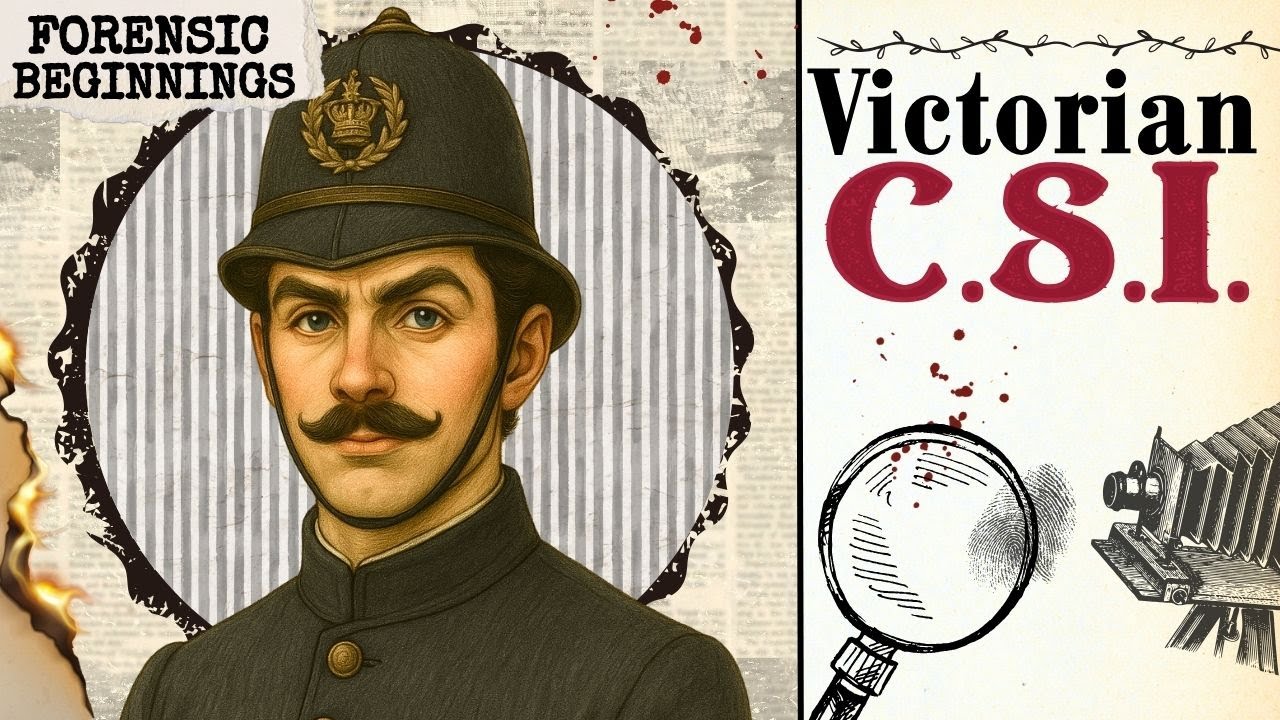
100:00
Victorian Forensics: The Birth of Modern Crime-Solving Methods
@strangehistoryforsleep
1.2K views•2025-09-05

12:54
Triumph of Orthodoxy Icon: Byzantine Art & History Explained
@BenCallan
2.1K views•2024-08-06

9:49
FastAPI vs Flask vs Django: Choosing the Right Python Web Framework
@TechWithTim
302.5K views•2024-05-26

1:42
Game of Thrones Opening Credits: A Cinematic Analysis
@gameofthrones
46.3M views•2011-04-18
Related Study Plans & Knowledge Roadmaps
Structured learning paths in General & Interdisciplinary Studies
general-studies
Elevator Engineering: History, Physics & Cities
01From Hoists to Safety Brakes: The Dawn of Vertical Lift
02Hydraulic vs. Traction: The Engineering Physics of Elevators
03Modern Speed, Safety, and Algorithms
+ 2 more learning modules
12h5 modules
Explore Roadmap
general-studies
Rubber: Material Science, History & Geopolitics
01Origins of Natural Rubber & Mesoamerican History
02The Chemistry of Natural Rubber & Vulcanization
03The Geopolitics of the Rubber Boom & Colonization
+ 2 more learning modules
12h5 modules
Explore Roadmap
general-studies
Containerization: Evolution, Logistics & Trade
01Ancient Trade & Bulk Cargo: Amphorae to Barrels
02The Industrial Revolution & Cardboard Packaging
03The Containerization Revolution: Malcom McLean
+ 2 more learning modules
12h5 modules
Explore Roadmap
general-studies
Textile Tech: Evolution, Labor & Global Impact
01Pre-Industrial Textiles: Handloom & Cottage Industry
02Mechanization: The Spinning Jenny to the Power Loom
03The Factory System & Global Labor Transformation
+ 2 more learning modules
10h5 modules
Explore Roadmap