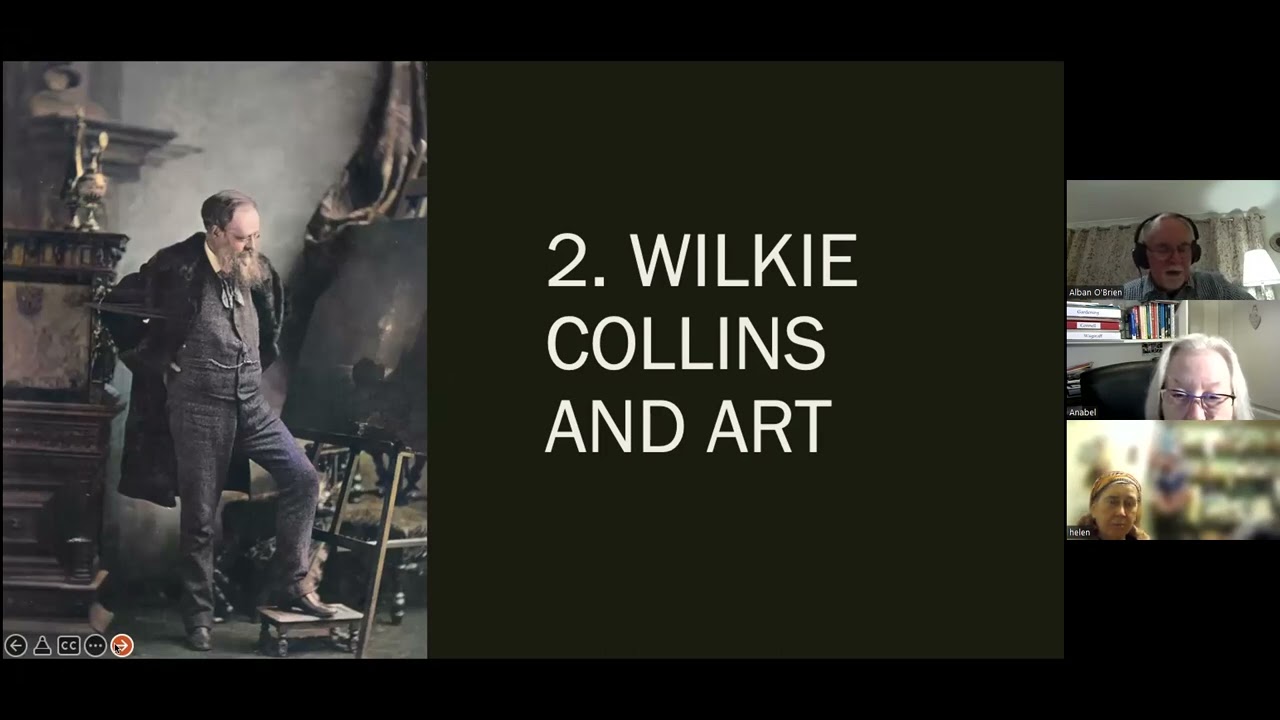












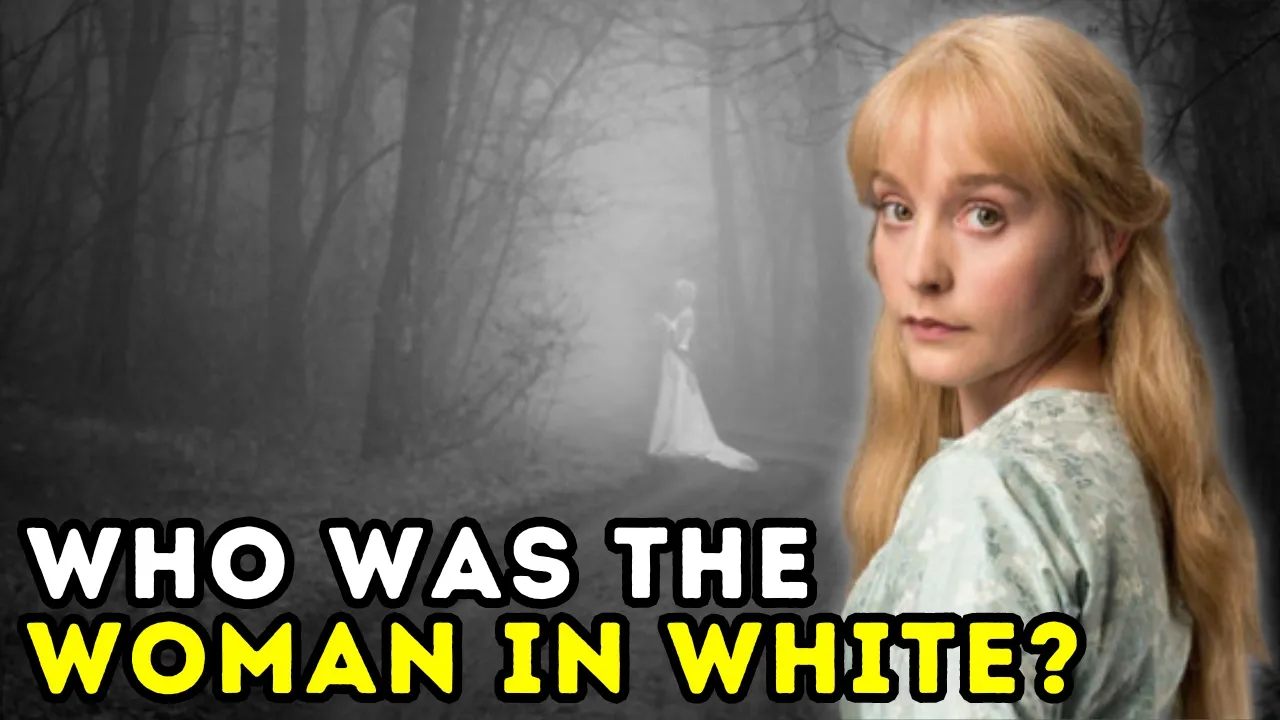




Wilkie Collins (1824-1889) was a pioneering Victorian author who wrote approximately 14-15 novels, with his four major works from the 1860s—the Woman in White, The Moonstone, No Name, and Armadale—being considered his best and most influential, as they established the sensation novel genre and introduced innovative narrative techniques such as multiple perspectives, letters, and diaries that would become standard in mystery and thriller fiction.
Wilkie Collins Novels: A Complete Literary Analysis and Ranking
Added:Familiarity with the Victorian Era (1837–1901) social norms, class anxieties, and gender roles, which heavily influence Collins's character motivations and plots.
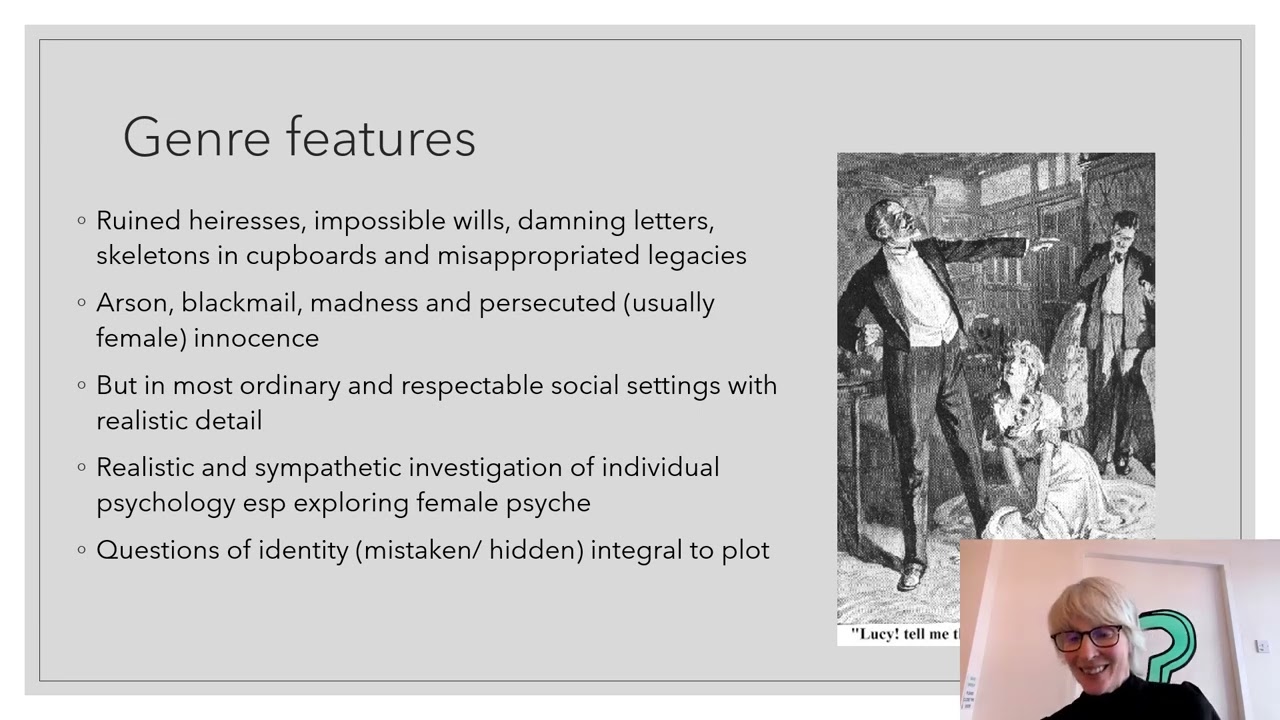
Understanding of the 'Sensation Novel' genre, a 19th-century literary phenomenon that blended realism with gothic elements and melodrama.
An introduction to early detective fiction conventions, particularly the role of investigators and the structure of mystery narratives.
Basic knowledge of narrative structures, specifically multi-perspective or epistolary storytelling techniques, which Collins pioneered in his major works.
A comparative study of Wilkie Collins and Charles Dickens, examining their professional collaboration, personal friendship, and mutual literary influence.
Exploration of Victorian legal history, specifically focusing on married women's property laws, divorce laws, and lunacy laws, which Collins frequently critiqued in his fiction.
Analysis of the evolution of the detective novel from Collins's 'The Moonstone' to Sir Arthur Conan Doyle's Sherlock Holmes and 20th-century Golden Age mystery writers.
Application of critical theory (such as feminist, psychoanalytic, or post-colonial criticism) to Collins's works, particularly regarding the depiction of imperialism and 'madness'.
6.2K views353likes29:21Original Release: 2023-10-31
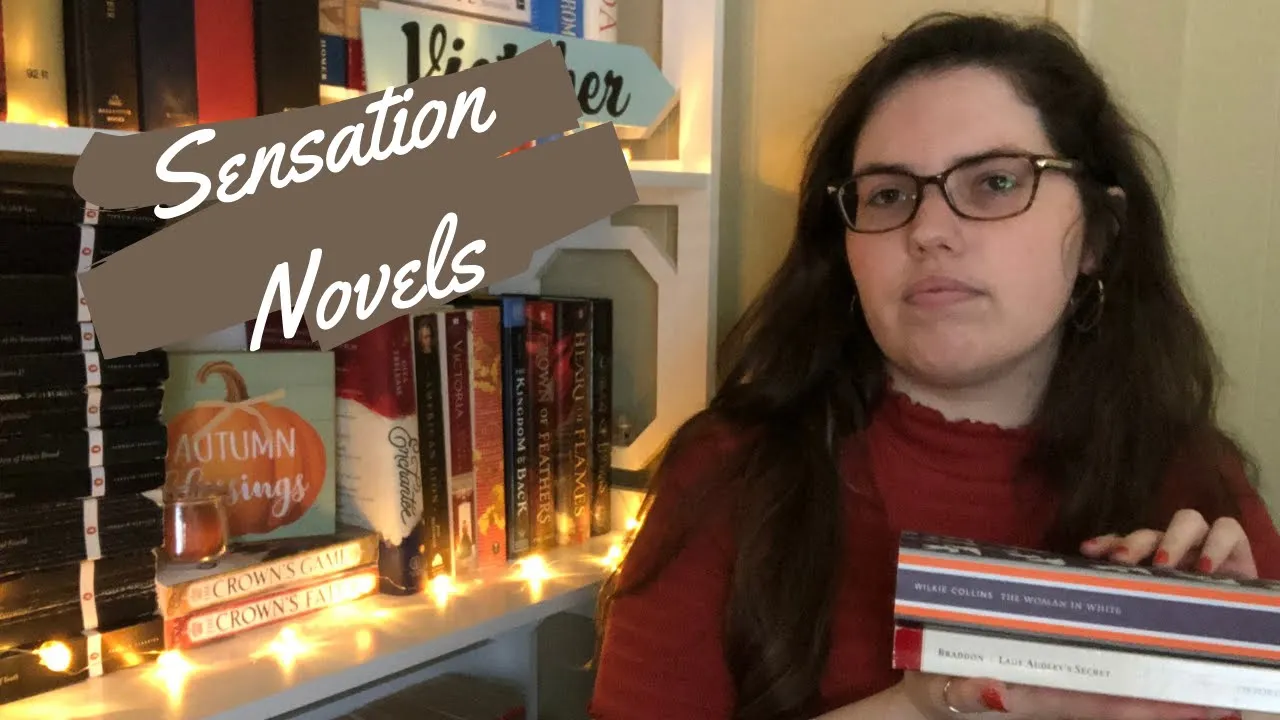
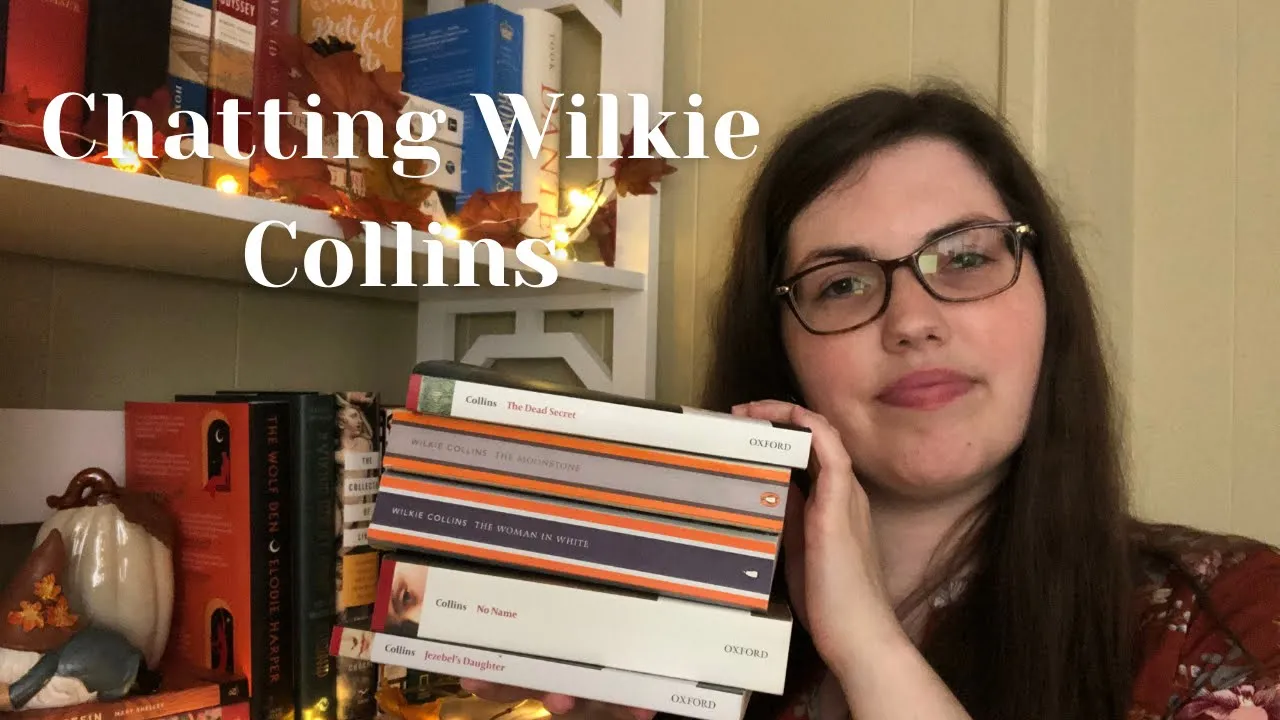
hey y'all it's Jennifer welcome or welcome back to my Channel today I am coming to you with another victober video and this video is going to be all about my favorite Victorian author wilky Collins a couple of years ago I actually did a video All About wilky Collins and kind of talking about my journey with him as an author and I can't remember if that was two or three years ago but it occurred to me this year when I finished reading uh the two books that I had by him on my TBR for this year that I would have read the large majority of the novels that he put out so I thought it might be time again to do another video where I chat about him according to my research he had around 14 or 15 novels now wiy Collins also wrote a lot of shorter stuff so he wrote some short stories he wrote some novellas and more specifically he also wrote plays and to my knowledge there is at least one play that he wrote alongside Charles Dickens where that was turned into a novel by him so I don't know if that's necessarily always included in the list of his novels but I think I'll include it I am just generally not a short fiction person and so I've always kind of steered clear of the novellas and short stories of his I'm sure they're really good but I have just tended to really be more interested in his novels I have actually read 11 of his novels which is really shocking to me so I have maybe three or four left and of those three or four there is only one that I've actually heard anything about to a large degree and that is man and wife man and wife is a really popular book this year it seems like every year people are reading a wilky Collins and it's not the one that I'm reading and so I'm always jealous that I'm missing out on the conversation but a lot of people are reading man and wife this year I think because Kate how has it as her patreon pick so I'm interested to see how everyone feels about that one at the end I think that's probably the best book of his that I have remaining the other three I have essentially heard next to nothing about and I'm not sure where to slot the haunted hotel here because I actually think the haunted hotel is longer but I think most people qualify it as a Nolla and I'm definitely interested in that I know that's something that most people are really really disappointed by but I think I'm really interested in it I am at this point kind of interested in being a completionist with wiky Collins I'm actually really really interested in reading everything that he wrote and years and years ago when I first started reading wil Collins I said I wasn't interested in that because I knew how prolific he was and I also knew just how many Duds he apparently had and yet the ones people have said they really hated have wound up working really well for me so I just think he's my favorite Victorian author I think I'm always set up to really enjoy what he's doing so I thought we could go over the 11 books of his that I have read today I have enjoyed all of them now some of them I have enjoyed far more more than others but I think we should start with the big four I think when most people are looking up wilky Collins or when they're just getting into him there are four big novels of his that come up and I think this is with good reason these four novels were all published in the same decade the 1860s and they are all considered to be largely his best and I think I would agree with that that would be the woman in white the Moonstone no name and Armadale now we wouldn't be sitting here having this conv ation today I would not be making a video about wilky Collins period If I had not started my journey with the woman in white I feel like the woman in white was really fortuitous one to pick up first for a lot of different reasons I do truly think it's his best nothing has ever come close to this one for me even though I've really enjoyed his other books I have never loved another one the same way that I did this and I often feel like when I read other novels by him I sometimes reflect on the fact that I started with the woman in white and I'm just so grateful that this is is the first one that I picked up because I think it really primed me to have a great time reading him some of these other novels if I had started there I'm sure I would have enjoyed them but I don't know that I would have been that eager to read more from him I don't know that I would have made a concerted effort to read a wilky Collins every victober if it wasn't for this book the woman in white is very Gothic which I think is largely why I really enjoy it it's also kind of a Victorian house novel which also tends to work really really well for me I just love every about this the characters too are especially interesting and I think the woman in white really sets you up to understand other books of wilky Collins's because this is told in a very interesting narrative format we get multiple different perspectives and we also get some kind of multimedia formatting here which is something that wilky Collins favors in a lot of his novels especially in these big four you're often going to be switching around narrators you're going to be reading letters and Diaries and I personally think that's really fun because nine times out of 10 what he's writing is what we would call a sensation novel this one is my favorite for a lot of different reasons but I think mainly because all of the characters were so rich and interesting to me and I just really really loved the villains here I feel like sometimes in other books of his the villains are something that I'm wanting a little bit more from but you really get everything here now I'll also say the woman in white is basically the longest of his novels and to me it deserves to be the only complaint I have in some of these other novels of his that are really short is basically their length I really do think he didn't give enough time to the story so this is one that I just think has it all I think it's perfect no flaw I will hear no criticism on the woman in white I followed up the woman in white with the Moonstone which I think is possibly the most famous book of his and is also the book that I think most people start with this is kind of a run-ofthe-mill detective story but it's actually one of the first of its kind and it's one of the first novels in English literature to actually feature a detective as a character the moonstone is also told in a really interesting kind of narrative form there are multiple narrators here and nine times out of 10 you were not reading from the perspective of someone who is directly involved in the plot and that is something that wilky Collins also tends to do quite a bit you're not often reading from the perspective of someone who is directly involved you're reading from the perspective of a servant or in this case sometimes the detective who has been called in after something happened this is about a missing Moonstone once again the characters here are fabulous I really see why this is one of his more popular ones I don't necessarily see what about it beats out the woman in white but I think this is a book that has been largely celebrated because of its incorporation of a detective character so it has been extremely instrumental in developing the mystery and Thriller genre I'm definitely due for a reread read of both of these and they are both I would say my favorites of his I really do think the moonstone is worth a read but if you someone who really loves a mystery thriller nowadays and you're very familiar with something like kind of the golden age of detective Mysteries I don't know that the Moonstone has a lot to offer you in terms of something new I think you'll feel like you've done this before and you've possibly done it better because this was kind of a forerunner to those so I think some times people who are really big mystery readers when they move back and they read the Moonstone they don't have that great a time because they think it's kind of cheesy or they think it's kind of been done before or done better but there's kind of a clu like aspect to this which I think is really campy and fun I don't know I was just along for the ride here and I'm also someone who hasn't been a big mystery thriller reader until the past couple of years so I don't think I had the context of the history of the genre when I went into this the way that some other readers probably do so this is one that I really really loved but if you had a complain about this I think I certainly understand it but I'll be honest my sentimental favorite of the big four is definitely no name and I know that I am the odd man out here I have no idea what it is about this one that really captured me I don't know what it was I honestly don't because I was just kind of Swept Away by this I will say comparatively speaking I think this is a quieter novel than the Moonstone or the woman in white there are definitely mystery elements here and there is some Intrigue and you kind of have some stress but it's not on the same level as those other two and so I think this one does fall in comparison in terms of wanting an exciting plot now I just really loved this because of his novels I think this is the most kind of politically active and it also offers the most in terms of social commentary of the Victorian period as a whole I don't often see that in other wilky Collins novels but I think it was definitely at the Forefront here and that's kind of why I think this one has remained with me a little bit longer than some of his others I think this would be an interesting book to talk about beside man and wife because I know that man and wife is also dealing with kind of similar themes especially in terms of kind of the law which is definitely what is present here this is about the question of illegitimacy in Victorian society and how how outdated those laws are and so that's kind of what the name of the novel is talking about no name having no name and kind of having no Legacy I just thoroughly enjoyed this this is one I actually have just no deeper reason for I just loved this and I also really love the characters there is a side character in this who is everything to me and is possibly my favorite character that I have ever read from wiy Collins but this is about two sisters and most people will tell you you're going to be a little bit more interested in one of of the sisters than the other and I feel like I was actually opposite I was intrigued by one sister more than the others and when I see other people's reviews people felt opposite to me they wanted to see more of the sister that I was kind of tired of this is really the book of his that I feel like I have to defend because I think of the big four this is the one that people would not suggest or wouldn't recommend and I definitely would I just love this so much and I feel like this video is going to reinvigorate me and it's possibly going to make me want to reread some of these definitely this one definitely this one now the last of the big four is Armadale and I'm going to tell you straight up Armadale is the best plot that wilky Collins has ever written I feel like I can say that even knowing that I have a few more novels by him left this is the strongest plot of his career honestly this one keeps you on your toes the entire time it is a wild ride and at no point did I feel like I knew what was going on or what was going to come next next which I think is really fun I think there is a predictability to the woman in white and the Moonstone just based on how tropes in those novels are something that is now a little bit cliche today so you kind of go back and read those and you figure things out a little bit too early on in my opinion Armadale is really the Dark Horse this is the one where I would say you really don't know what's going on you really don't have a clue and that is so fun to me the villain here also absolutely incredible I feel like here on booktube anyway Armadale has a great level of name recognition and it tends to be some people's favorite of his and I definitely see why but I constantly wonder when I think about these big four what it is about the woman in white or the Moonstone that made them stay a little bit more in the public Consciousness than Armadale because to me Armadale is the freshest in terms of wanting a more modern VI torian recommendation a book that feels very modernly written and also kind of modern in its ideals I really think Armadale is all that I have to imagine Armadale was kind of an interesting cell during the Victorian time period I really do wonder how people reacted to it but it is so interesting to me this also I think has some interesting social commentary in terms of the Victorian period it's not as overt as no name but I do think it's there and so this this is one I also highly recommend I think you're set with any of these big four for a great time but even though I love no name I guess I would tell you no name is probably not the one to start with but any of the others you can and what's interesting is these big four are definitely the longest in his ubra I think man and wife is also fairly long but these are all over 600 Pages most of the time in most editions I think so these are really long and I kind of think it's to their benefit benefit because they're actually able to get a lot of characterization done they're able to get their point across I sometimes feel like his other novels really needed more page count and more room to breathe so let's go ahead and move on to the other novels of his that I have read I just can't believe this I can't believe I've read 11 of them but last year I really did decide to fully commit to reading all of wilky Collins in chronological order and I automatically fell off with that really did not get that achieved because I jumped around automatically but I did read his first novel which is antonina or the fall of Rome and this is the weirdest book in his U because it is historical fiction about the fall of the Roman Empire at no other point in his career is he writing historical fiction at no other point in his career is he writing melodrama on this scale in my opinion I personally really loved this but a lot of wilky Collins fans say this is one of their least fav favorites and actually that it is objectively his worst book now I don't believe that at all to me it's really well written and I think it's just Charming but I am someone who loves historical fiction anyway and I also love the time period in which this one was set so I felt like I was really set up to enjoy it like I was the target audience for the book anyway but I can definitely see why this is one you don't hear spoken about that much in fact I don't even know that there's a print copy out there I had to get a free ebook copy of this and I can see why I really do because this is so vastly different from anything else that he wrote that I think it's actually difficult if you're a fan of him to understand why he wrote this but apparently he wrote this just because he went to Rome and he was obsessed with it which is a Vibe honestly I don't know I enjoyed this I really really liked it in fact I would say it might be in my top five of his if I was to rank them which I can't do I thought about doing that for this video just doing a ranking but I actually cannot rank his books it's so funny I really enjoy him and I think if you enjoy his writing you could go into this and have a great time because definitely I did and also if you really like historical fiction I kind of think this one was fun but moving on from there I automatically read hide and seek this is the one I am going to tell you that is in my opinion his worst book that I have read so far I did not like the ending of hide and seek and this is something that we can talk about I think on a larger scale with wilky Collins you have got to judge him not by the rest of the book not by the journey or how you got there you actually do have to judge him by the ending and normally I hate that and normally I would say if you didn't enjoy the ride the ending is not going to make up for it for me with wilky Collins the ending often means everything else falls into place and you kind of understand what he was doing in the rest of the novel hide and seek is one of the most bizarre endings of all time and I really kind of want to tell you what about it was so weird but it would actually spoil the book hide and seek was written fairly early in wilky Collins's career it is in some ways an early sensation novel to me this one doesn't have the plot going for it that some of his later novels do so it also kind of fell in terms of plot but honestly the thing about this is that the ending of it is so strange and to me the ending is kind of in congruous given what happened in the rest of the novel honestly I was left scratching my head here because I really enjoyed the rest of the book but as we were reaching the ending I thought oh no no he's not going to do that is he and then he did it so I don't know this is my least favorite currently that's just my opinion personally but I definitely feel like his writing wasn't on par here I feel like the plot wasn't that great the characters weren't that memorable and then kind of the element of the story that you were rooting for was completely ruined by the end in such a weird way honestly this one to me is his worst now we also have the law and the lady which is one of the earlier books of his that I read and I think this was written later in his career now everyone on book two tends to love the law and the lady and I really do need to revisit this one of everything of his that I have read this is the one I need to reread the most because I also didn't really care for this one I feel like I wouldn't say this is his worst but this is a book where I read the back of the book which of course you shouldn't do especially with a classic because they essentially spoil it for you and that's what happened here they told you what the mystery element of this book was going to be and that is something that is not introduced into the novel itself until maybe page 100 page 150 and so to me that whole first half was really dragging because I kept thinking well when is this going to happen when are we going to get there when is this going to occur and I really just should have been along for the ride and so since then I've stopped reading the back of his books and I've had a better time the law on the lady was funny to my memory and it also featured a really strong female character which I think is at the heart of most of wil Collins's novels and I think is largely why I really like him I do think he writes female characters very very well the law and the lady is definitely the book of his that I need to revisit because it's been so long now that I've kind of forgotten how the book resolved so I feel like I could go into it kind of blind so this is one I definitely do need to reread speaking of going chronologically we have basil which is Wii colins's second published novel so immediately after antonina he wrote this this is also similar to hide and seek kind of a precursor to what his sensation novels will become and we may even actually turn this one a sensation novel today but I don't think they would have at the time this is kind of lightly a mystery novel and it is about a main character named basil and it's actually told from his perspective this is one of the rare cases where you're actually reading from a character who is actively participating in events you're not reading from the perspective of someone who is kind of describing what's happening to you and I loved loved loved basil as a main character I really enjoyed spending time in his head I read this for this victober and to me this is honestly the most beautifully written of his books I just thought this was so quotable It Was dreamily Written I think a lot of that had to do with the fact that we were in Basil's head and I feel like basil was kind of a romantic figure so I just really enjoyed this one to me though this book is really short and you're constantly wondering what the point of this is this is another book that takes a long time to get there and I think it's very comparable to the law and the lady in that you're past page 100 before the really interesting plot elements have gotten up off the ground and so I do think sometimes in that first half you're wondering what's the point of all this and where are we going but to me I just really enjoy his writing and I enjoy his characters and so I was along for the ride anyway now if I had started here I feel like this book really would have frustrated me so if you have never read wilky Collins before don't start here because I think you really will be bored by that first half but if you already love him I think you're going to enjoy this honestly that's the way that I felt because I don't necessarily think based on how this one is described that I would have picked this up if it weren't written by him if it weren't written by my favorite Victorian author so I really really enjoyed this I'm glad glad that I started my big toober with this one because I think it's really set me up for a great month another short novel of wilky Collins's is Jezebel's daughter which I'm going to go on and tell you I really really enjoyed this is one of my favorites of his this is said in Frankfurt did I love this book mainly because it was said in Germany and I just thought that was unique yes but this also had a really interesting plot I feel like it's a good one to actually talk about on the heels of Basil because there were some similarities here there really are a lot of similarities between wilky Collins's novels he has some things that he really likes and he has some character archetypes specifically that he really favors and so some things are going to pop up time and time again in his novels to me this book features the most interesting villains aside from the woman in white I really do think about these villains all the time I think the woman in white Jezebel's daughter and Armadale all have the most interesting villainous characters from him because I think you're constantly wondering what's going to happen next but at the same time you kind of enjoy watching them you kind of enjoy them so you want to see what they do next and you kind of want them to get away with it a little bit so they're just great villains this is one of those cases though where I would say this book is really short we needed just a little bit more page time I felt like the main male character I feel like this was told from his perspective I felt like we got a lot from him and I felt like knew him very well but there were other characters that to me were just hinted at so I was really more interested in seeing how some of the side characters were dealt with this is definitely in my top five of his I feel like if you liked the woman in white and you liked Armadale and you want something a little bit on the same scale or discussing the same topics this one is going to hit for you I also think it's very comparable to Basil in terms of the plot setup sometimes so I think this one really will work for you if you're already a wilky Collins fan if you like what he does normally you're going to love this book I just think this one could have been a bit longer let's talk about a book of wilky Collins's that I have basically completely forgotten about and that's the Dead secret this is such a shock to me because I remember reading it I remember vaguely enjoying it but I remember next to nothing about this I could not give you a plot summary of this if my life counted on it and I really don't know why I read this the same year as Jezebel's daughter and I think I really enjoyed it but to me this is clearly the most forgettable book of his because I truly cannot think of a single thing about it I remember that it was said in Cornwall which is really interesting but this is a book that was written later in wilky Collins's career those are hard cells for a lot of people because wilky Collins struggled with a lum addiction because of an injury that he had he was prescribed loud num he became addicted and then it just really went off the rails his life went off the rails and his writing went off the rails and the Dead secret is one of those that was written kind of in his loud inum Haze and I think there were a lot of things about this that probably didn't make a lot of sense the Dead secret the law and the lady and this next book that we're talking about are the latest novels of his that I think I have read and they were all written during his years of addiction unfortunately and so the Dead secret is one I am not shocked that I don't hear more about but I honestly don't know why this one was just okay to me apparently I need to really reread this one I'm actually completely mistaken this novel was his fourth published so see I think I actually have this one confused with another book of his so I definitely need to reread this I think this video is teaching me a lot there are more than a few of these that I need to come back to so I apparently did not even know where this one was in terms of his career so that's interesting I cannot believe that this was the fourth published book but reading the back of the book I truly don't remember anything about this so this is one I absolutely need to reread last but not least let's talk about poor Miss Finch which is my most recent wilky Collins read and is a book of his I will tell you is one of my least favorites I want to get this out of the way first this book is not bad uh similarly to hide and seek there are a lot of questions here in terms of what this book is about like honestly I was wondering what was going through his mind when he was writing this whereas hide and seek to me fell because the ending was so weird and the ending really really screwed things up in my opinion I think this book was saved entirely by the ending because things that I was frustrated with throughout the reading process were actually solved by the end of this book which I think was really great this is about a blind main character the Miss Finch in question and she's kind of caught up in a love triangle with two twin brothers this book is so bizarre in some ways in terms of its disability representation in other ways I think it was fairly nuanced and in fact this is a case where again I would say the ending really recontextualized how I felt about the rest of the book because the ending made me understand kind of what he was going for one of the main plot elements here though is basically how Miss Finch because she is blind is incredibly bigoted and I just thought that was wild from start to finish just the concept of that first of all but second of all how it was executed in the plot was just wild and to me that's really the reason why this book Falls quite a bit to me none of the characters are likable either and so this is one of the rare instances where I had no one to root for I had no one that I really cared about aside from the person who was telling the story the narrator I was really into but normally I would say to to me wilky Collins crafts really enjoyable characters and they're typically characters that you at least like so I found this very very hard to get through just because I did not like anyone at all and so I think this one is objectively one of his worst this and hide and seek truly are the two books of his I really would not recommend especially to start with but I think if you already like wilky Collins if you've read a bunch of his other books I think you'll probably still enjoy this it still has this great writing and to me by the end I kind of understood thematically why certain things were in the plot I talked about this in my reading Vlog where I was reading this book but I often feel like when you're reading a classic I sometimes wonder now are you the author misogynistic are you bigoted or is the character bigoted and misogynistic is there a point to putting this in the book other than your own prejudices and I always feel like wook Collins is not that misogynistic because the female characters are so Dynamic and interesting and they often get the most interesting parts of the plot in my opinion and so I wondered throughout this book was there a point to the Prejudice that the main character was showing and to me there kind of was there was a real learning curve in this book and by the end you felt like everyone had gone through some level of characterization and so in some ways I would say this was kind of brilliant because it really did turn my expectations on their head but at the same time you had to get through so much that you didn't really enjoy to get to that ending this is also the weakest plot of his if you want to know my honest opinion this entire book could have been solved by a conversation that happened in the first 50 pages and it would have been over with and that to me is kind of frustrating so that was my wilky Collins video I am so sad that I'm kind of near the end of my journey with reading his novels for the first time but I can definitely come back and reread these and I think it's pretty clear that there are quite a few of these books that I do really need to revisit but I would love to know down below how many books of his that you have read how you feel about wilky Collins I just adore him he is my favorite Victorian author but that's going to be all from me today I hope you're all having a great week happy reading happy victober goodbye
Up Next
13:35
Victorian Literature: Key Authors, Themes & Novels
@chegg
62K views•2016-03-29

13:43
Formalism in Literary Criticism: An Academic Lecture Overview
@mattalberhasky9952
39.1K views•2015-08-05

6:08
Point of View in Fiction: First Person vs. Third Person
@magicalthriftyteacher
153.8K views•2014-03-31

15:25
1984: Orwell's Dystopian World and the Mechanisms of Totalitarianism
@AlternateHistoryHub
7M views•2017-03-04
Related Study Plans & Knowledge Roadmaps
Structured learning paths in Literature
literature
Graphic Memoirs: Visual Art, Trauma & History
01Foundations of Sequential Art and Visual Language
02Autographics and Processing Historical Trauma
03Visualizing Personal Trauma, Grief, and Graphic Medicine
+ 2 more learning modules
14h5 modules
Explore Roadmap
literature
Campus Novels: Evolution, Themes & Critique
01Introduction to the Campus Novel Genre
02Mid-Century Satire and the Post-War Academy
03Dark Academia and the Critique of Privilege
+ 2 more learning modules
14h5 modules
Explore Roadmap
literature
Theater of the Absurd: Philosophy & Plays
01Postwar Existentialism & Historical Roots
02Dismantling Narrative: Esslin & Absurdist Conventions
03Samuel Beckett and Tragicomic Existentialism
+ 2 more learning modules
12h5 modules
Explore Roadmap
literature
Revenge Tragedy: Justice, Madness & State
01Foundations of Early Modern English Theatre
02Anatomy of Revenge: Structural Conventions
03Psychological Complexity: Madness and Melancholy
+ 2 more learning modules
15h5 modules
Explore Roadmap