



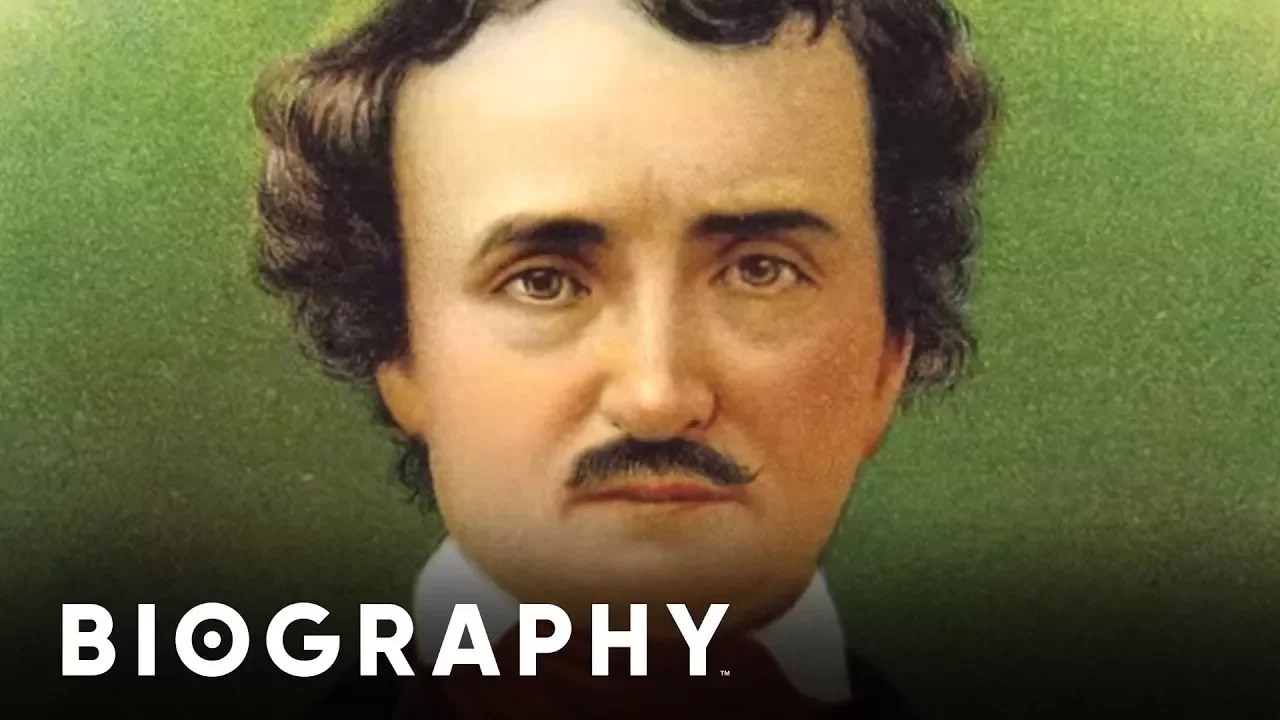










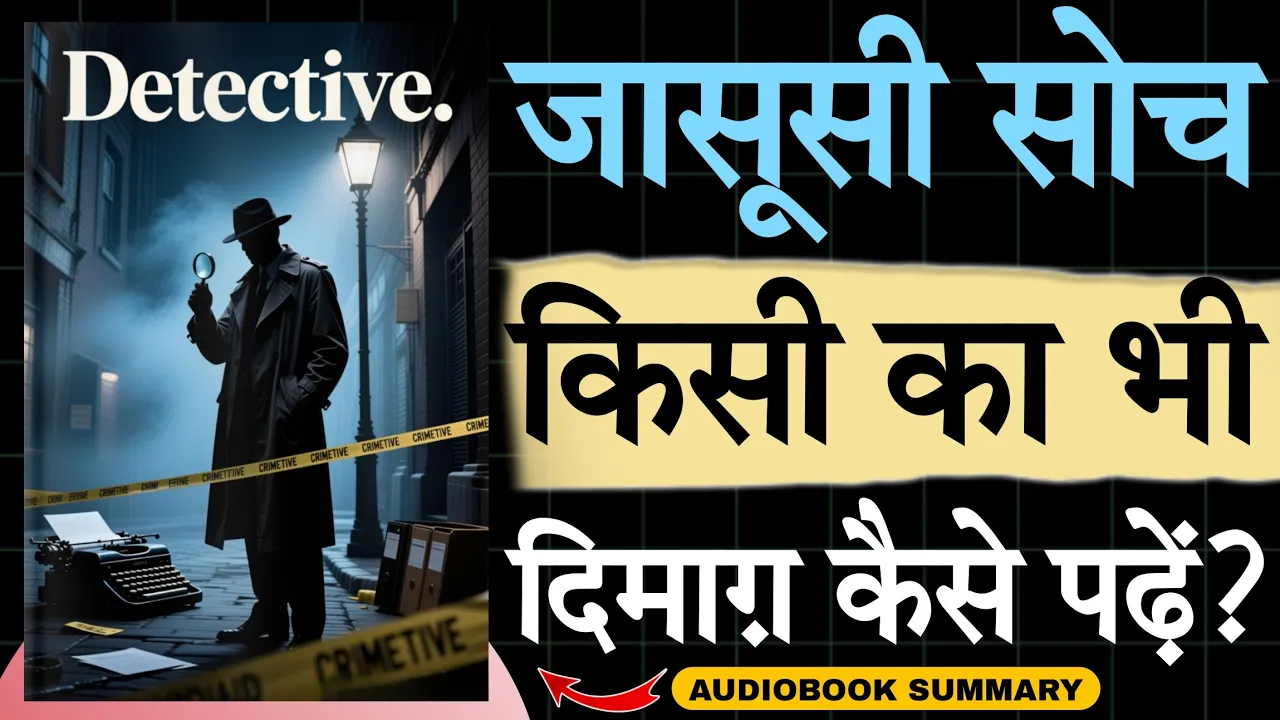










In Edgar Allan Poe's 'The Purloined Letter,' the protagonist Auguste Dupin demonstrates that effective detective work requires understanding the psychological mindset of criminals rather than relying solely on physical evidence; he solves the case by recognizing that the thief would not hide the letter in obvious places but instead disguise it among everyday items, thereby outwitting both the police and the criminal himself.
The Purloined Letter by Edgar Allan Poe | Summary & Analysis
Added:Familiarity with Edgar Allan Poe's foundational role in pioneering the detective fiction genre.
An understanding of 'ratiocination,' Poe's term for the process of logical deduction and creative intuition.
Basic knowledge of C. Auguste Dupin as Poe's recurring brilliant detective archetype.
Understanding of core literary devices, specifically situational irony, psychological subtext, and first-person narrative framing.
A comparative study of Poe's Dupin and later detective archetypes, such as Sir Arthur Conan Doyle's Sherlock Holmes.
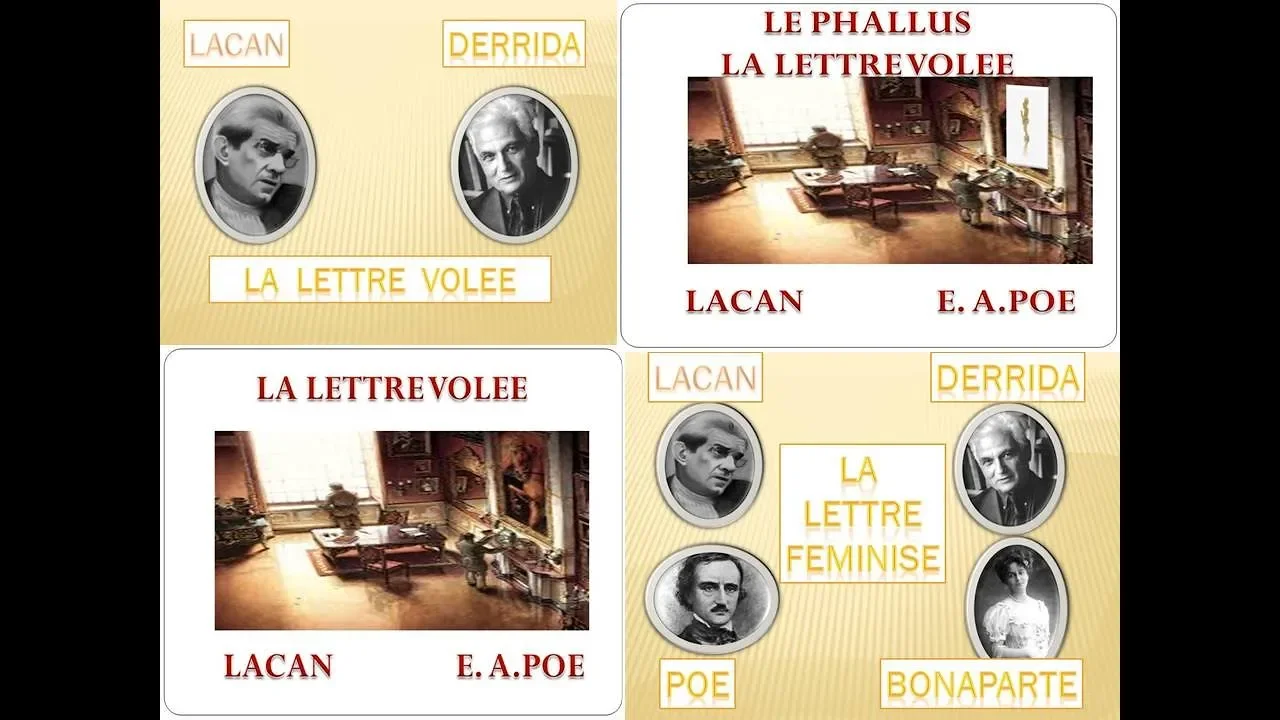
Investigation into Jacques Lacan's influential psychoanalytic reading of 'The Purloined Letter' and Jacques Derrida's subsequent critique.
Analysis of the 'hidden in plain sight' motif and how it relates to cognitive psychology and selective attention.
Exploration of 19th-century political dynamics, blackmail, and gender power struggles as represented in gothic and detective literature.
74.5K views2.5Klikes5:32Original Release: 2022-10-08
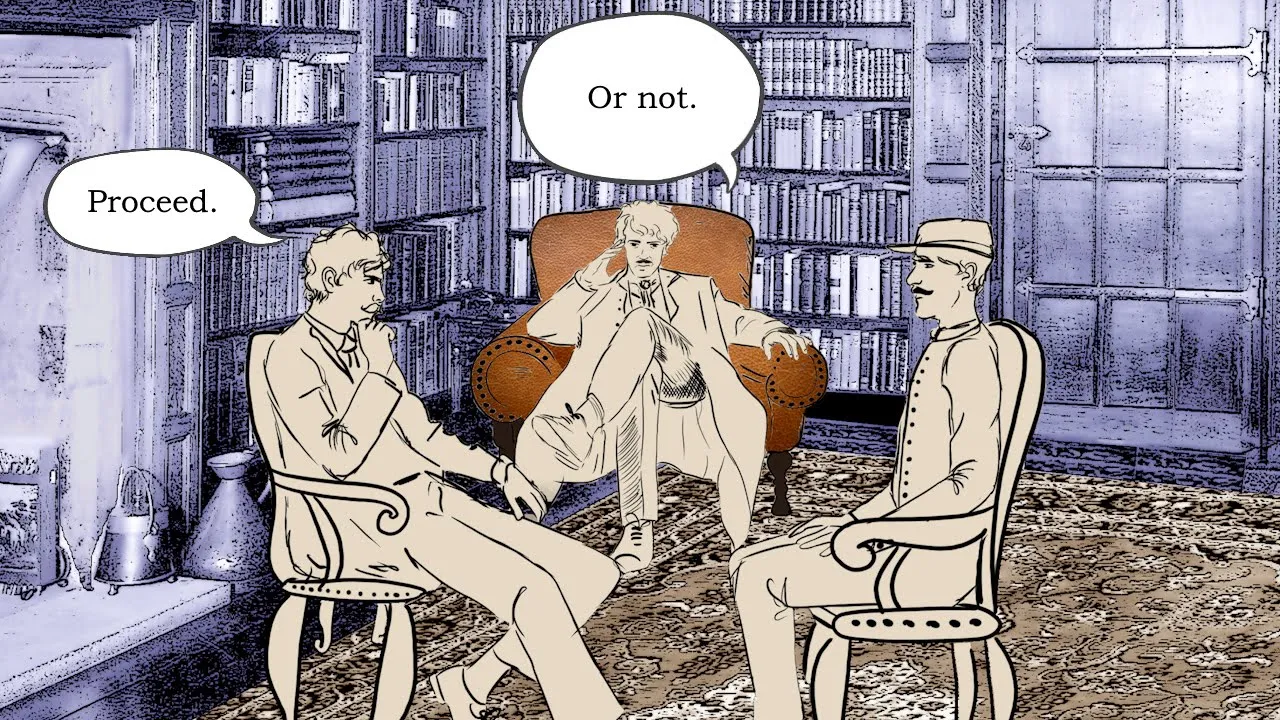
good morning students so today we are going to discuss the summary of the short story titled the pulling letter by Edgar Allan Poe the story plays an important role in establishing the genre of detective stories in American literature even Edgar Allan Poe is considered to be the first who started writing detective stories and then came other writers interested in this genre so let's get quickly onto the summary of the polo in letter first of all it must be clear that the word poloin simply means stolen so the poloin letter means the stolen letter where the police and detective play their role to solve the case all right so the story goes like this we had a young lady who is a royalist she possessed a secret letter that can harm the image of a man we don't know the name of this man it's just that this letter can simply ruin the image of this man so as she was reading the letter the man came in she didn't want to show the letter to the man so she put it down on the table then came another character named Minister D he was a clever and Sinister man he found something fishy about the letter which was put on the table and he quickly replaced the original letter with the fake one Minister D started blackmailing the young lady so what the young lady did was she sought help from moshil Z moshaji was a French police and he did everything to find this letter from Minister D he visited Minister D's apartment searched every corner of the room every hidden place even he searched the body of Minister d without letting him know about it but still he failed to get the letter from Minister D so what this did was he contacted a private detective named C Augusta dupin who was sitting in a room with the narrator of this story moshoji explained the whole case to dupin after thinking a while dupin suggested moshoji to go on and search the apartment once again the letter must be in the apartment alone the officer agreed that all right I am going to search again one more time and he did so he spent another one month trying to find the letter but in other disappointment he failed once again so after one month moshoji consulted dupin again and was told that he would reward him 50 000 friends if he helped him to get the stolen letter Dubin agreed happily and said to give the check on the spot and he would give him the letter monsuji was a little hesitant but egg lead he signed a check for 50 000 France and gave it to dupin he immediately duping put his hand in his pocket and handed him the stolen letter monsoji was surprised and asked how did he do it dupin told them the police do not try to understand the psychological aspect of a thief in order to solve a case police must think like a thief and that's what he did Dubin knew that Minister D was a clever man and he could not possibly hit the latter in some hidden place it goes like that dupin administered he already knew each other before Minister D was powerful and cunning man duping knew that what he did was he visited Minister D he visited his apartment to had a little conversation on random Affairs as jupin used to wear goggles Minister D could not look at his eyes meanwhile talking to him dupin was scanning the whole apartment with his eyes and in a group of visiting cards right just before him he notices a letter among them he found that the exterior of the letter is changed and it was simply put right in front of him the whole appearance of the letter was changed and it was simply put right before him police was searching for the letter described as it is but the exterior is changed now that's the mistake done by police so now what duping it was he purposely left his snuff walks so that he could revisit the apartment and retrieve the latter afterwards he ended his talk and left Minister D's apartment the next morning he went back to the apartment and made excused that he left his snuff box a day before Minister he said okay let me search it after a few seconds what happens was outside his window there was some fight or noise going around Minister D looked outside the window to see the matter and meanwhile what dupin did was he replaced the stolen ladder with a fake one later duping revealed that he arranged all that commotions outside the window to distract Minister D now the question Monsieur ji asked that if he had found the letter on the first day why did not he pick that immediately dupin explained that once Minister D insulted him in front of everyone he had not forget that insult and that's why he planned everything the stolen letter with a fake one because he wanted Minister D to get embarrassed Minister D always thought himself to be the clever person but in reality he was not saw and this was what dupin wanted to prove to minister D and that is why he planned everything so with this we come to the end of this short story by Edgar Allan Poe if you found the video worth your time then don't forget to subscribe the channel for more updates on English literature that's it for this video thank you
Up Next
52:24
Arthur Conan Doyle: The Creator of Sherlock Holmes Documentary
@AuthorDocumentaries
234.5K views•2021-12-13

40:06
Street Haunting: Virginia Woolf’s London Essay Analysis
@ExtraLiteraryAffairs
146 views•2025-01-24

6:08
Point of View in Fiction: First Person vs. Third Person
@magicalthriftyteacher
153.8K views•2014-03-31

15:25
1984: Orwell's Dystopian World and the Mechanisms of Totalitarianism
@AlternateHistoryHub
7M views•2017-03-04
Related Study Plans & Knowledge Roadmaps
Structured learning paths in Literature
literature
Graphic Memoirs: Visual Art, Trauma & History
01Foundations of Sequential Art and Visual Language
02Autographics and Processing Historical Trauma
03Visualizing Personal Trauma, Grief, and Graphic Medicine
+ 2 more learning modules
14h5 modules
Explore Roadmap
literature
Campus Novels: Evolution, Themes & Critique
01Introduction to the Campus Novel Genre
02Mid-Century Satire and the Post-War Academy
03Dark Academia and the Critique of Privilege
+ 2 more learning modules
14h5 modules
Explore Roadmap
literature
Theater of the Absurd: Philosophy & Plays
01Postwar Existentialism & Historical Roots
02Dismantling Narrative: Esslin & Absurdist Conventions
03Samuel Beckett and Tragicomic Existentialism
+ 2 more learning modules
12h5 modules
Explore Roadmap
literature
Revenge Tragedy: Justice, Madness & State
01Foundations of Early Modern English Theatre
02Anatomy of Revenge: Structural Conventions
03Psychological Complexity: Madness and Melancholy
+ 2 more learning modules
15h5 modules
Explore Roadmap