










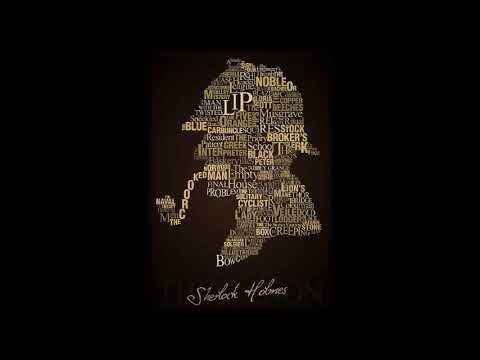













Arthur Conan Doyle's Sherlock Holmes, introduced in 1887, pioneered the modern detective genre by applying scientific methods and deductive reasoning to solve crimes, establishing the template for all subsequent crime fiction and superhero narratives; Holmes's approach of treating crime as a disease to be diagnosed through meticulous observation and logical analysis influenced not only classic detective stories but also modern crime shows like CSI and House, demonstrating how a single literary character can shape entire genres of popular fiction.
Sherlock Holmes: The Evolution of Crime Solving in Literature
Added:Familiarity with the Victorian era social and technological context, which heavily influenced early detective literature.
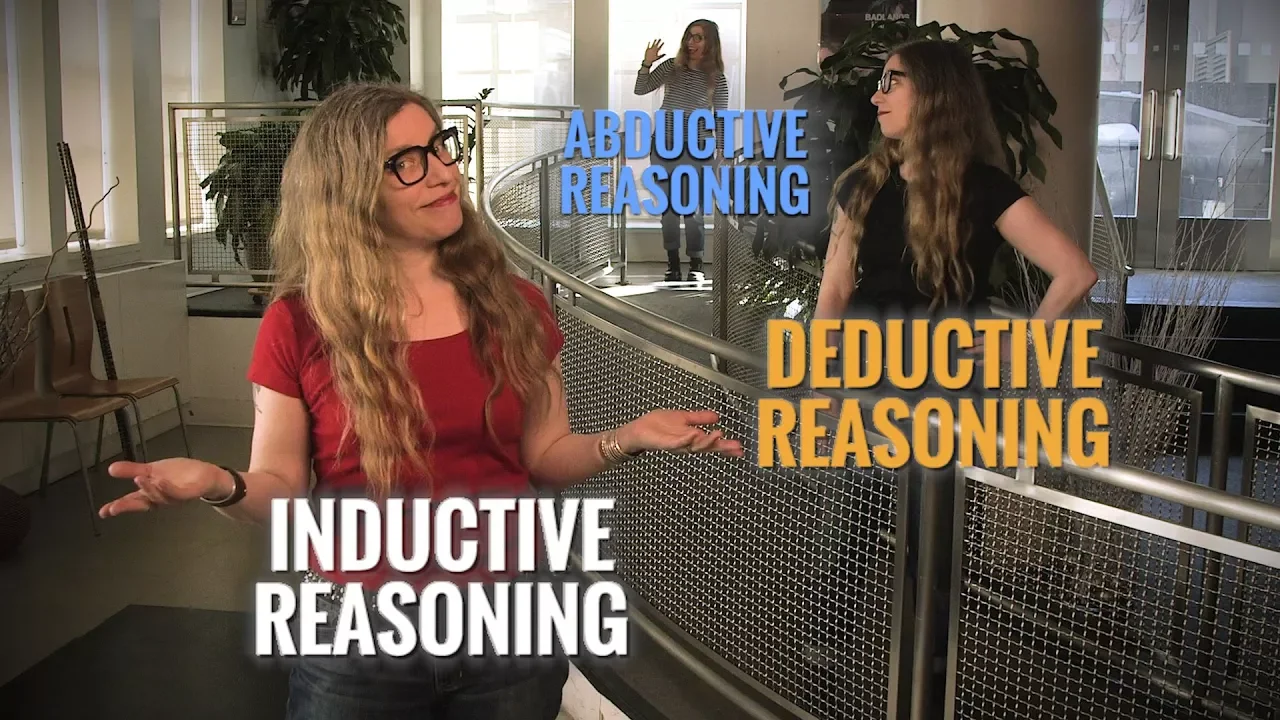
Understanding the basic definitions of and differences between deductive, inductive, and abductive reasoning.
Knowledge of Edgar Allan Poe's 'C. Auguste Dupin' stories, widely considered the literary precursor to Sherlock Holmes.
An awareness of the rudimentary state of criminology and police investigation techniques in the mid-to-late 19th century.
The history of real-world forensic pioneers, such as Edmond Locard, and how they adapted Conan Doyle's literary methods into actual police practice.
The literary transition from Victorian detective fiction to the Golden Age of Detective Fiction and the Hardboiled Noir genre.
Analysis of the 'Sherlockian' archetype in modern media, exploring characters like Batman and Gregory House.
Study of the 'CSI Effect' and the sociological impact of how crime fiction shapes public perception of forensic science.
50.3K views437likes8:57Original Release: 2017-03-02
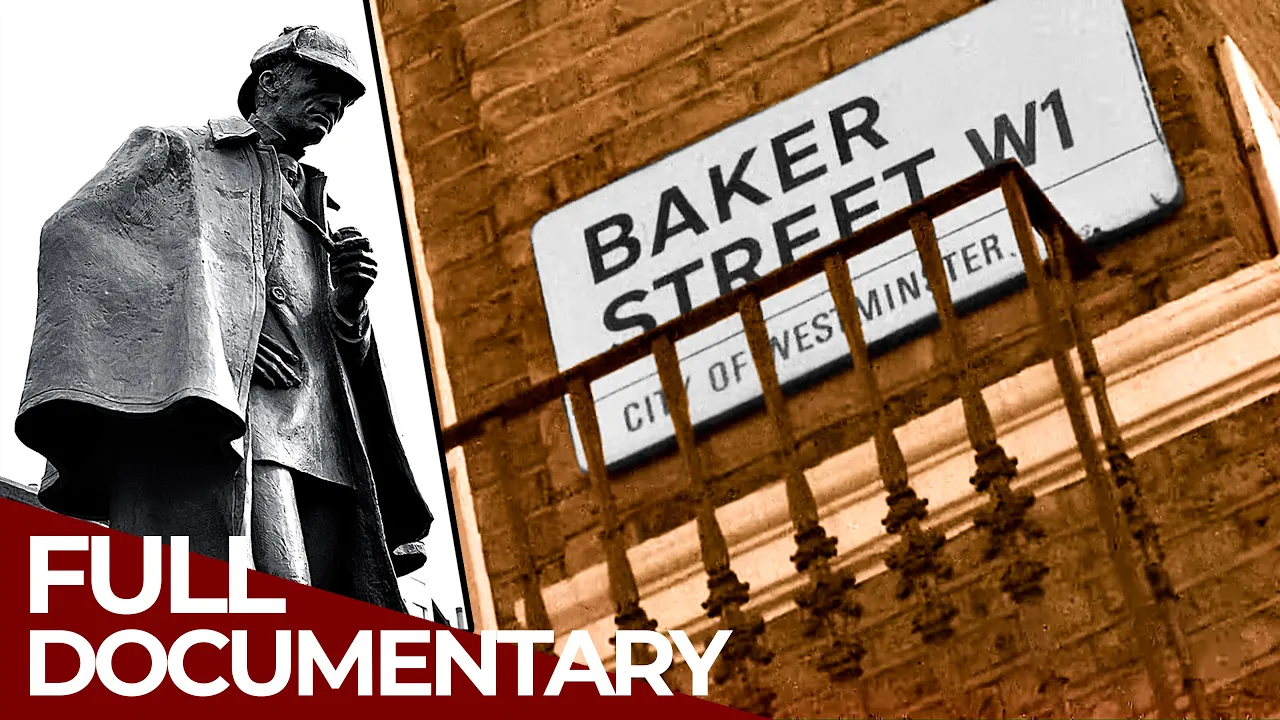
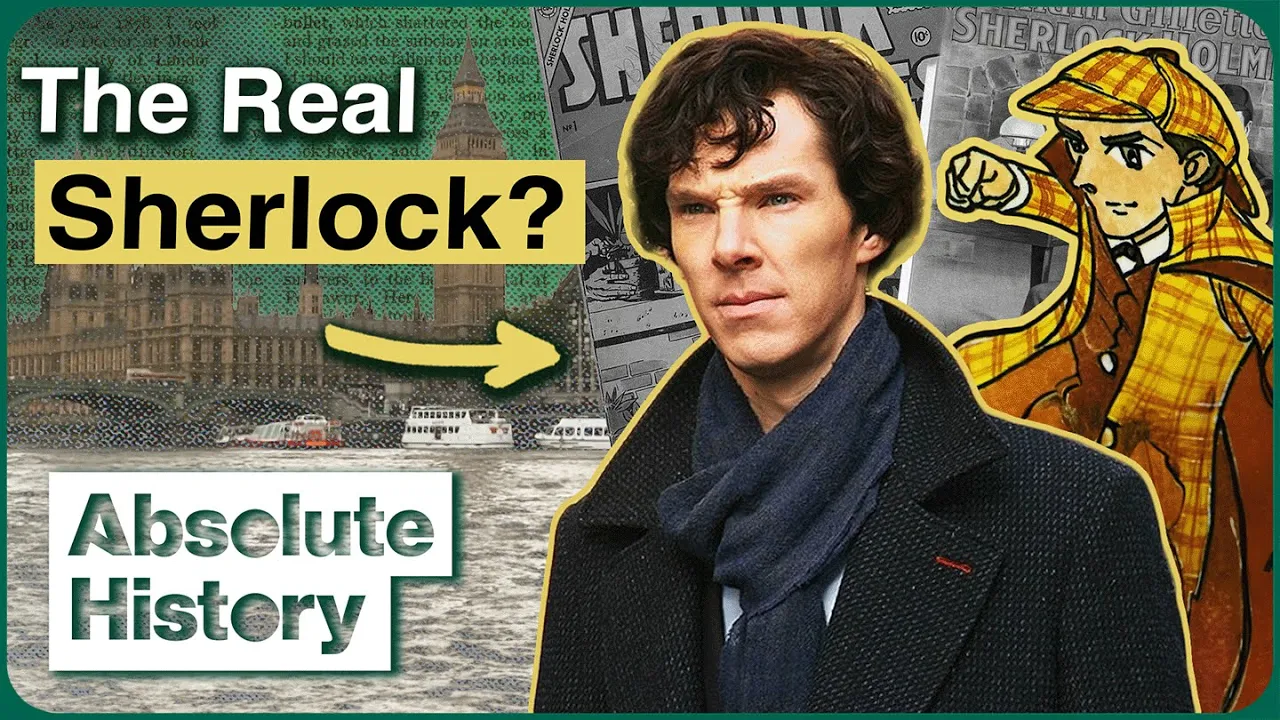
The Adventures of Sherlock Holmes by Arthur Conan Doyle read by Steven fry forward by Steven [Applause] fry so memorable and evocative is the opening sentence of this collection of Sherlock Holmes stories that many people believe them to be the first words of the whole series to Sherlock Holmes she is always the woman in fact the public first met the great detective and his faithful chronic in two novels a study in scarlet and the sign of four but it was this collection of short stories with its stunning variety of high and low locals its deaft and startling touches of the macabra the passionate and the humorous its unique originality and Brilliance in plotting character and suspense that really cemented the characters into the public imagination and set the seal on their author Arthur conand Doyle's reputation the Cozy certainties of The Snug Bachelor rooms in Baker Street contrast perfectly with the Opium dens Grand saloons country houses and Suburban Villas where terrible vengeancesynyster violent amputations and inexplicable disappearances take place and above all where the fog of mystery is dispelled and cleared by the mind of the world's first and greatest Master detective this collection contains some of the most cherished and memorable of all the Sherlock Holmes exploits the blue carbuncle remains a classic Victorian Christmas Tale rich with an almost deenan UL tide spirit and comic Brio Holmes's examination of Mr Henry Baker's pathetic hat and the inferences he draws from it are a Priceless example of the detective's signature ability to read so much from apparently so little but the terror cruelty and fright of the story called The Speckled Band belongs in any Anthology not just of great Detectives stories but of great Tales of Horror time and time again Generations have shown that they need homes something in his assured blend of omniscience and infinite tenacity cized with intriguing character flaws speaks deeply to our need for solutions to the problems of our own very different world today we watch him and the faithful Watson are reliable narrator descend the 17 steps from their upper story rooms and out into Baker Street and we feel reassured Holmes's famous magnifying glass and accompanying habit of crawling around on all fours at the scene of a crime like a foxhound was perhaps the first suggestion in literature at least that the tiniest of traces can tell a story can play out The Narrative of a crime scene and Lead back into inevitably to its perpetrators and victims his cigar rash Footprints and almost invisible Telltale particles are the forerunners of the crime lab's mitochondrial DNA epithelial particles and microfibers his magnifying glass gives way to today's electron scanning microscope but the principles are quite unchanged which is why he is the presiding Spirit behind every CSI operative and why the modern Scotland Yard criminal database the home office large major inquiry system has initials that spell out the name homes it is no accident that Conan Doyle was like Watson a fully qualified doctor he knew that throughout the 19th century Medical Science had Advanced Anatomy the microscope and the systematic empirical observation of all kinds of phenomena London had moved from a unhealthy chera ridden Metropolis of death to the template of a modern city if germs and basili could be isolated and pathologies identified through patient study close attention and rigorous thinking couldn't social diseases too mightn't there be a great crime Doctor Who could put a metaphorical stethoscope to the heart of the nation take the Pulse of society place a thermometer under the tongue of a whole people cleanse the morally foul with fresh running water from observing this tremble that wound wee or wart might he not be able to diagnose and cure the wickedness of the world well I don't suppose Conan Doyle all the Victorian public believed anything quite so utopian or complete but the idea of crime as disease and detective as doctor has persisted right up to American TV's enormously successful drama house which was consciously modeled on K and Doyle's prototype there's not much distance between house and homes after all as words or characters house takes the cases that no one else can solve he has a drug problem and a cold logical manner that puts some people off his partner and faithful but sometimes nagging friend is called not Watson but Wilson I recall too a Sylvester Stallone movie called Cobra whose publicity posters shouted crime is a disease Meet the cure needless to say sly's modus operandi was not quite the same as Holmes is but the idea persists we need someone like Holmes as Watson tells him in the Pitch Perfect story the redheaded League second in the collection you were about to hear you reasoned it so beautifully it is so long a chain and yet every link Rings true you are a benefactor to the race Amen to that popular fiction offers different kinds of superhero to save the world by restoring order to the chaos confusion and criminality of our times Heroes with remarkable gifts are as in Vogue now as they have been since they first appeared perhaps even more in Vogue but although the very first one was launched in serial published form just like his masked and body suited successors it was not in DC or Marvel comic books that he made his appearance rather it was in the sedate and respectable pages of Mrs beaton's Christmas annual in the mid Victorian year 1887 this caped Crusader's Cape was made of f EST British Tweed his magical gifts were not the ability to fly or x-ray vision his superpower was that he had trained his mind into a uniquely powerful weapon which could solve Mysteries unmask the guilty and write wrongs you'll believe a mind can fly as you watch him so way way above the Cozy fog of the Metropolis this Superman can see through solid barriers impenetrable to others none of the super villains or henchmen ranged against him can withand the laser blast of his logical analysis or the vice likee grip of his deductive reasoning he stands for truth justice and the British way and his name is Sherlock Holmes accept no substitute
Up Next

35:18
An Introduction to the Victorian Novel: Great Expectations & Jane Eyre
@katiejlumsden
2.8K views•2017-03-20

13:43
Formalism in Literary Criticism: An Academic Lecture Overview
@mattalberhasky9952
39.1K views•2015-08-05

6:08
Point of View in Fiction: First Person vs. Third Person
@magicalthriftyteacher
153.8K views•2014-03-31

15:25
1984: Orwell's Dystopian World and the Mechanisms of Totalitarianism
@AlternateHistoryHub
7M views•2017-03-04
Related Study Plans & Knowledge Roadmaps
Structured learning paths in Literature
literature
Graphic Memoirs: Visual Art, Trauma & History
01Foundations of Sequential Art and Visual Language
02Autographics and Processing Historical Trauma
03Visualizing Personal Trauma, Grief, and Graphic Medicine
+ 2 more learning modules
14h5 modules
Explore Roadmap
literature
Campus Novels: Evolution, Themes & Critique
01Introduction to the Campus Novel Genre
02Mid-Century Satire and the Post-War Academy
03Dark Academia and the Critique of Privilege
+ 2 more learning modules
14h5 modules
Explore Roadmap
literature
Theater of the Absurd: Philosophy & Plays
01Postwar Existentialism & Historical Roots
02Dismantling Narrative: Esslin & Absurdist Conventions
03Samuel Beckett and Tragicomic Existentialism
+ 2 more learning modules
12h5 modules
Explore Roadmap
literature
Revenge Tragedy: Justice, Madness & State
01Foundations of Early Modern English Theatre
02Anatomy of Revenge: Structural Conventions
03Psychological Complexity: Madness and Melancholy
+ 2 more learning modules
15h5 modules
Explore Roadmap