

















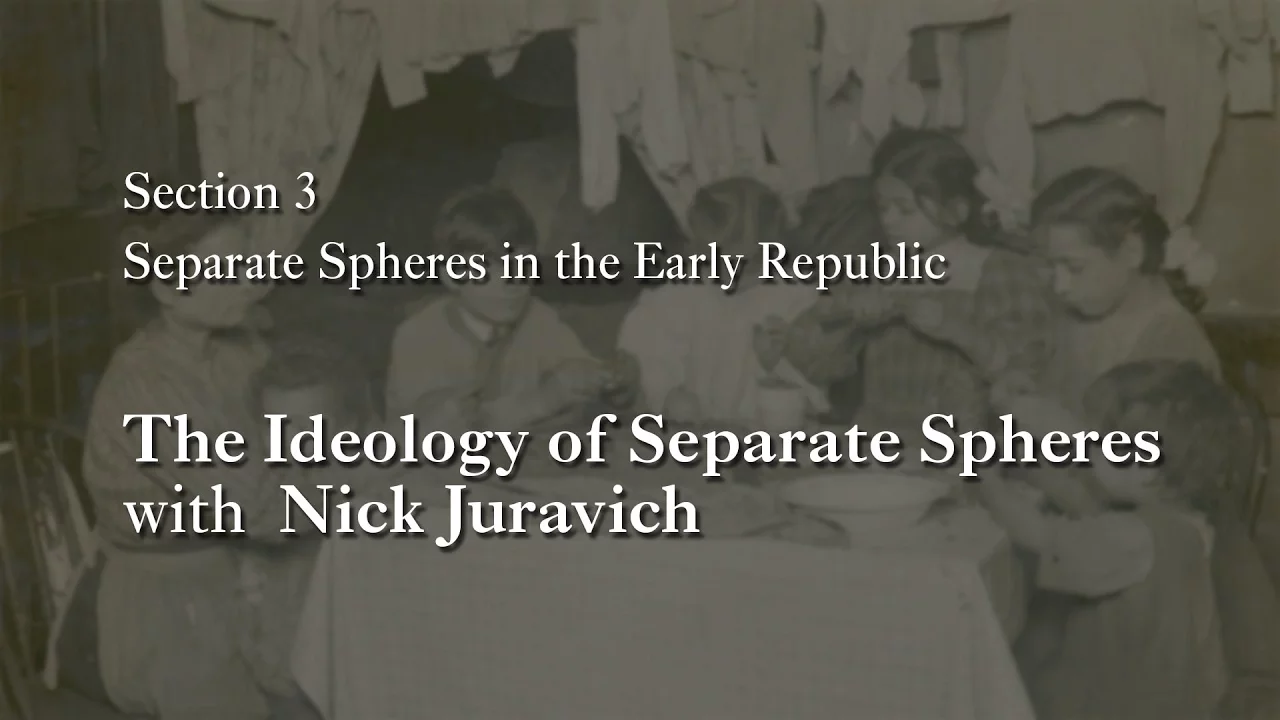




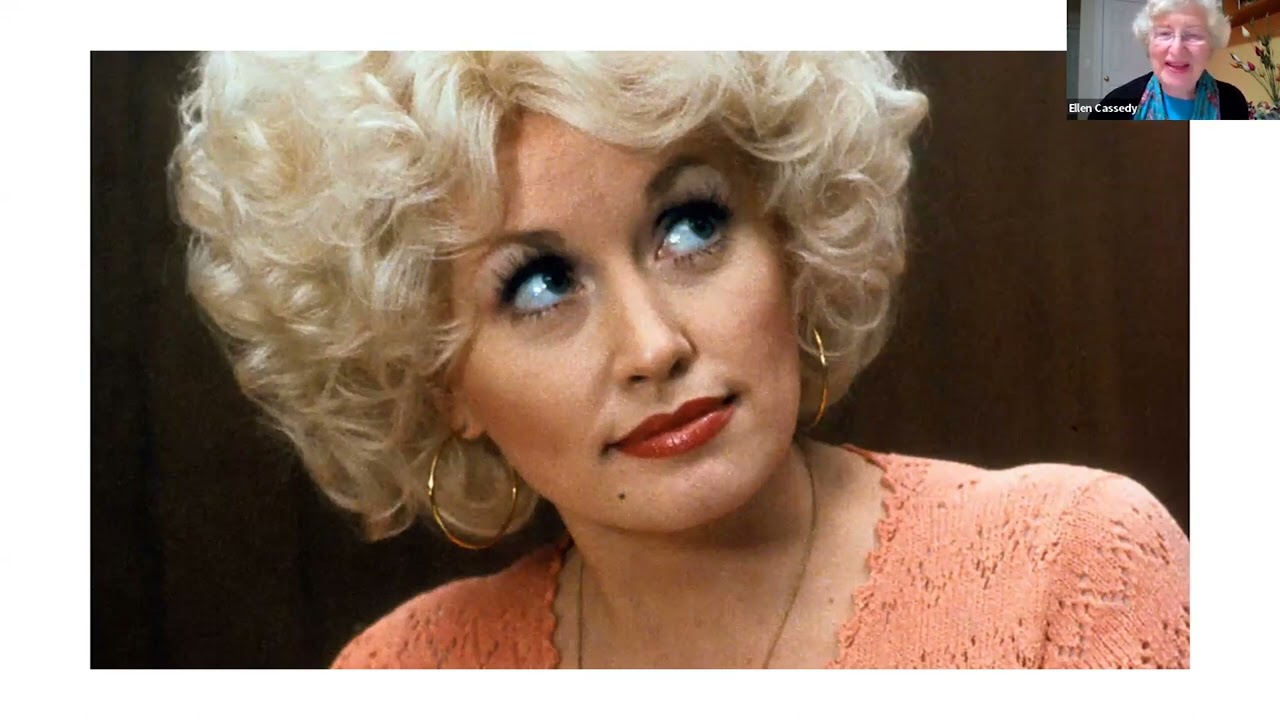


The concept of 'separate spheres'—which positioned men in the public sphere and women in the domestic sphere—was a powerful ideological framework promoted by figures like John Ruskin, but historical evidence reveals that this idealized division rarely reflected reality; most women worked outside the home, and literature from the period shows women actively participating in society, suggesting the concept was more aspirational than descriptive of actual lived experiences.
Separate Spheres in the 19th Century: Ideology vs Reality
Added:The impact of the Industrial Revolution on shifting economic production from the household to factories, which physically separated the workplace from the home.
The emergence and growth of the 19th-century middle class, which served as the primary demographic adopting and promoting separate spheres ideology.
The core tenets of the 'Cult of Domesticity' (or 'Cult of True Womanhood'), focusing on the idealized virtues of piety, purity, submissiveness, and domesticity.
Basic historical understanding of patriarchal legal structures in the 19th century, such as 'coverture,' which legally subordinated a wife to her husband.
The rise of First-Wave Feminism and organized women's suffrage movements in the late 19th and early 20th centuries as a direct challenge to domestic confinement.
An intersectional analysis of how race, enslavement, and socioeconomic class made the 'separate spheres' ideology practically impossible to achieve for working-class, immigrant, and Black women.
The historical evolution of gender ideology into the mid-20th century, particularly looking at the post-WWII suburban housewife ideal and the subsequent critique by Second-Wave feminists.
The history of women's labor activism and the struggle for equal access, fair wages, and professional recognition in historically male-dominated workspaces.
30.5K views198likes3:50Original Release: 2020-09-20
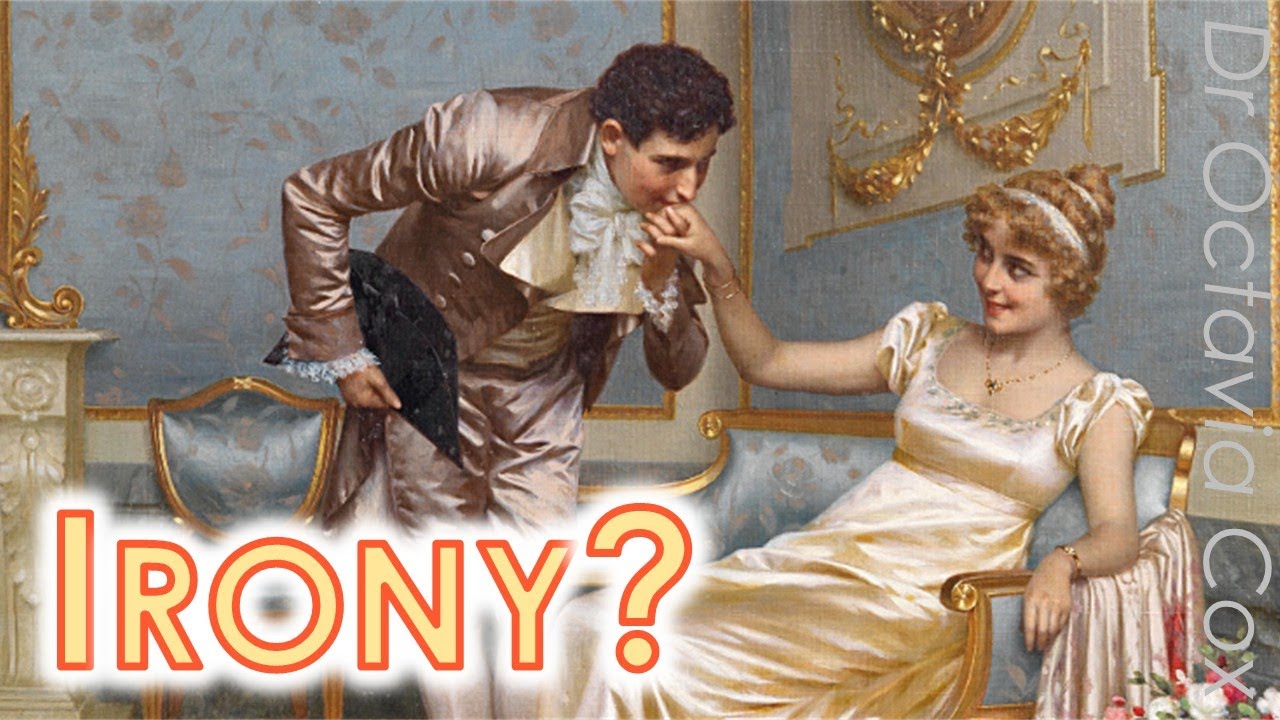
[Music] this is a period often defined by the idea of separate spheres for men and women how far is this concept challenged in the sources available for the period so the source material is really clear in the sense that there's a very strong belief and investment in this idea that men and women have different duties different obligations in society and perhaps the best known example and it's quite a beautiful set of essays are by the art critic john ruskin who has a pair of lectures called of kings treasuries about men's duty in the world in the public sphere and of queen's gardens which is about women's duties now interestingly he's not saying that women shouldn't do anything or that they don't even have a role to play in the wider society but it's a different sort of feeling and tone to it women's duties he says are for sweet ordering and rule to keep everything fair and and to lead people by their moral example that but they stay safe protected in their world if they step outside it that's their fault and they're lost but as long as they're in their sphere and they're fulfilling their duties we have a kind of even and positive society so in that sense wherever we look we can see a very strong ideology a very strong set of ideas that women should have these different roles and duties in society but like any historical period the actual reality is very very different the vast majority of women worked households ran on the the daily labour of women lugging around buckets of coal cleaning shoes slopping out hard physical work with no technology to help them in this time and many of course had to work you know to earn a living so when we think about separate spheres i think we have to be quite hesitant about who did it apply to and was it ever really a reality that rule women's lives if you look at literature in the period you can see women moving freely across the country in pursuit of jobs and their destiny you know wherever we go in history there's a very important debate about separate spheres and what it means because there was a very convincing argument that really the 19th century did change how men and men functioned in society together and one argument is that with the rise of the industrial revolution and the development of larger cities women's involvement perhaps that might have been long running over many centuries in family businesses was no longer sustainable there's a kind of idea that there was at one point a golden age in which women and men worked side by side in family trades and businesses each doing their bit but with the rise of industrial society the factory stays in the center of cities wealthy families move out to the suburbs women can no longer be on site doing the books or minding the shop or taking their part in the running of the business they're tucked away in the suburbs playing the piano receiving morning callers being ladylike and genteel there's a very strong argument that some of the the wider questions about the industrial revolution and the economy and development in the period lead to this separation of the lived experience of women's and men's lives but in the last 20 or 30 years or so historians have made some really important arguments about how again how real was this split maybe it might be true of some families in birmingham but really was there this moment in say around 1835 where suddenly all women were shut away and could no longer take an interest in political questions or social questions so it's it's something to be rightfully skeptical of about i think particularly when we when we turn to look at literature which tells us often a very different story about what women were doing and feeling in the period [Music] you
Up Next

67:54
Queen Victoria Documentary: Life and Legacy of the Victorian Era Monarch
@PeopleProfiles
1.6M views•2022-12-02

33:02
The Great Schism of 1054: Causes and Consequences
@SacredCathedrals
113.5K views•2026-02-19

91:57
The Geopolitics of the Ukraine War and the Rise of Global Autocracy
@JordanHarbingerShow
468K views•2025-04-19
17:05
Understanding the Cold War: Superpower Conflicts and the Road to Détente
@OverSimplified
46.1M views•2019-01-24
Related Study Plans & Knowledge Roadmaps
Structured learning paths in History
history
Byzantine Iconoclasm: Theology, Art & Politics
01Foundations of Byzantium and Early Christian Images
02The First Iconoclasm: Leo III and the Crisis of Images
03Empress Irene, Nicaea II, and the Second Iconoclasm
+ 2 more learning modules
9h5 modules
Explore Roadmap
history
Iranian Revolution (Causes, Events & Legacy)
01The Pahlavi Dynasty and the Roots of Discontent
02The Spark of Rebellion and the Rise of Khomeini
031979: The Fall of the Shah and the Climax of the Revolution
+ 2 more learning modules
8h5 modules
Explore Roadmap
history
Mali Empire: Mansa Musa, Trade & Timbuktu
01Foundations of the Mali Empire
02The Trans-Saharan Gold and Salt Trade
03The Reign and Pilgrimage of Mansa Musa
+ 1 more learning modules
6h4 modules
Explore Roadmap
history
1947 Partition: Politics, Borders & Legacies
01Foundations of British India and the Divide
02The Political Negotiations and the Mountbatten Plan
03Drawing the Boundary: The Radcliffe Line
+ 2 more learning modules
8h5 modules
Explore Roadmap