

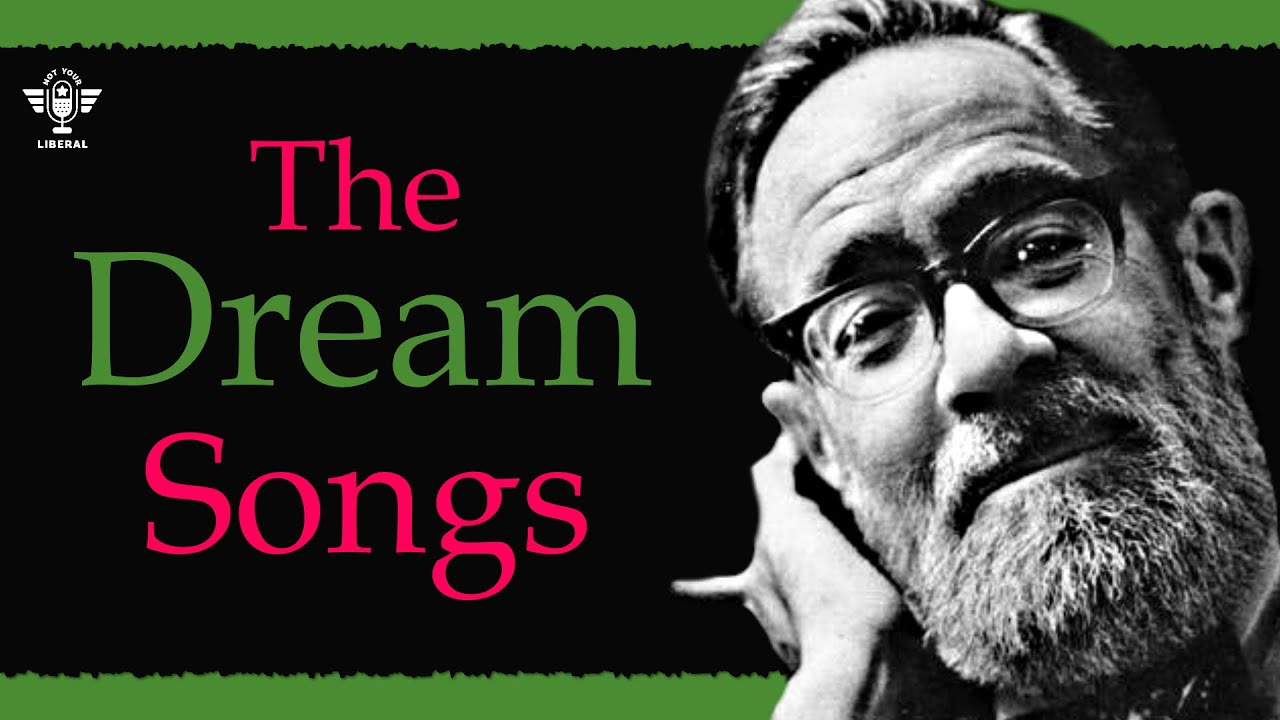
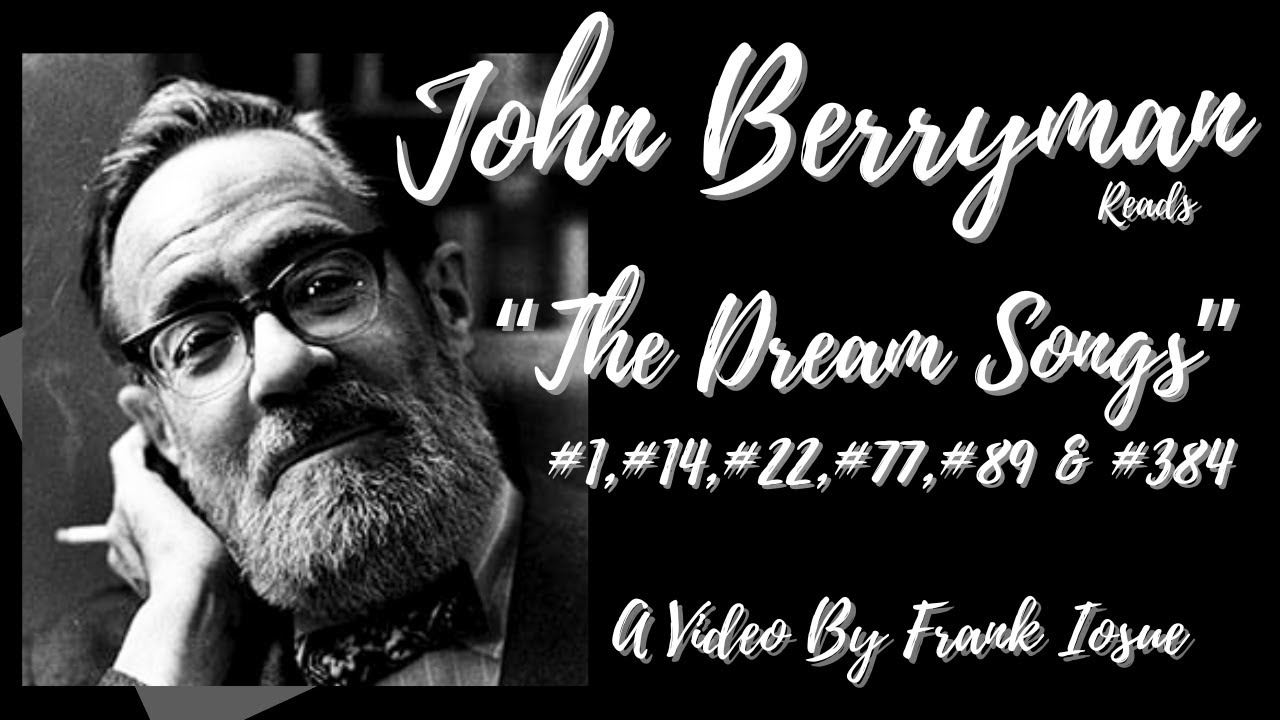

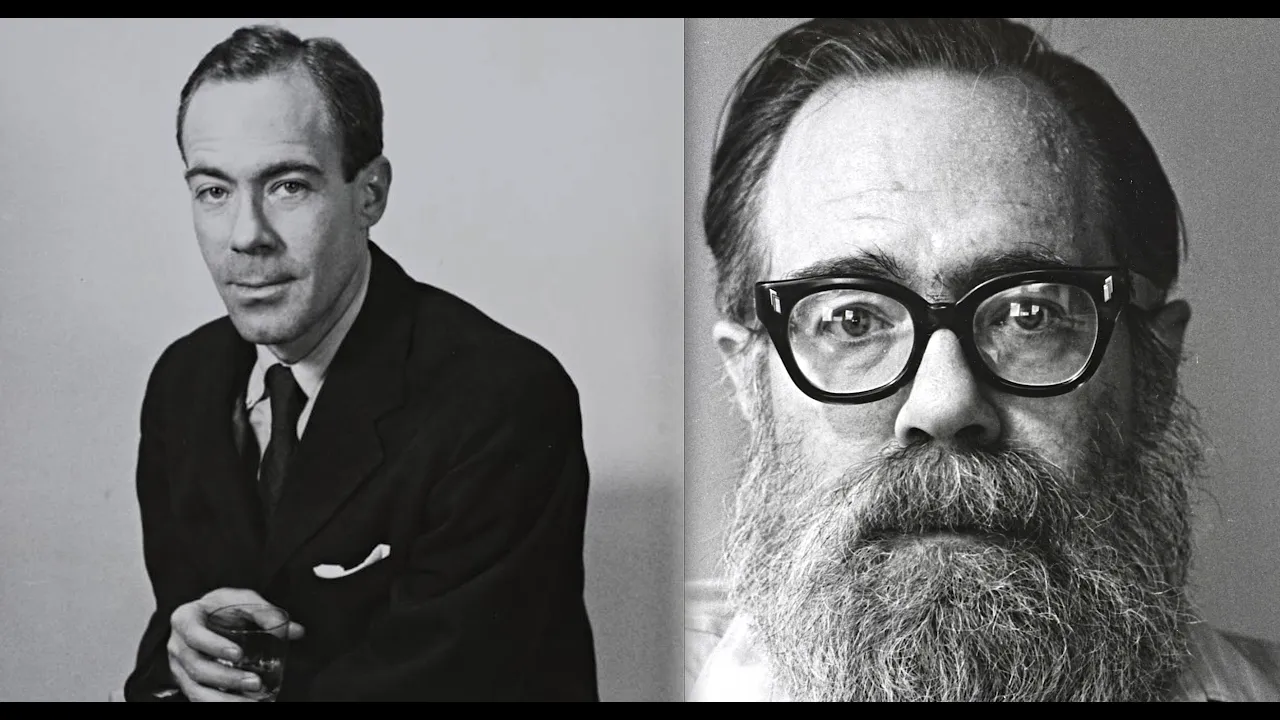








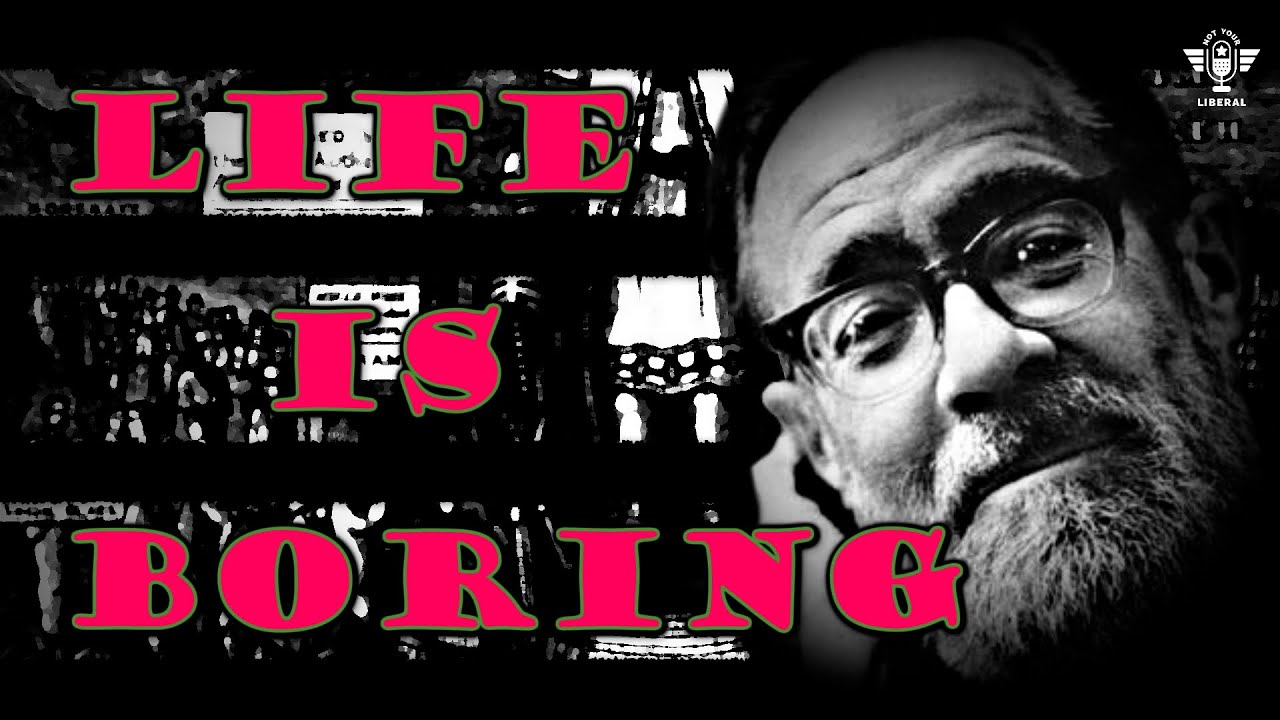








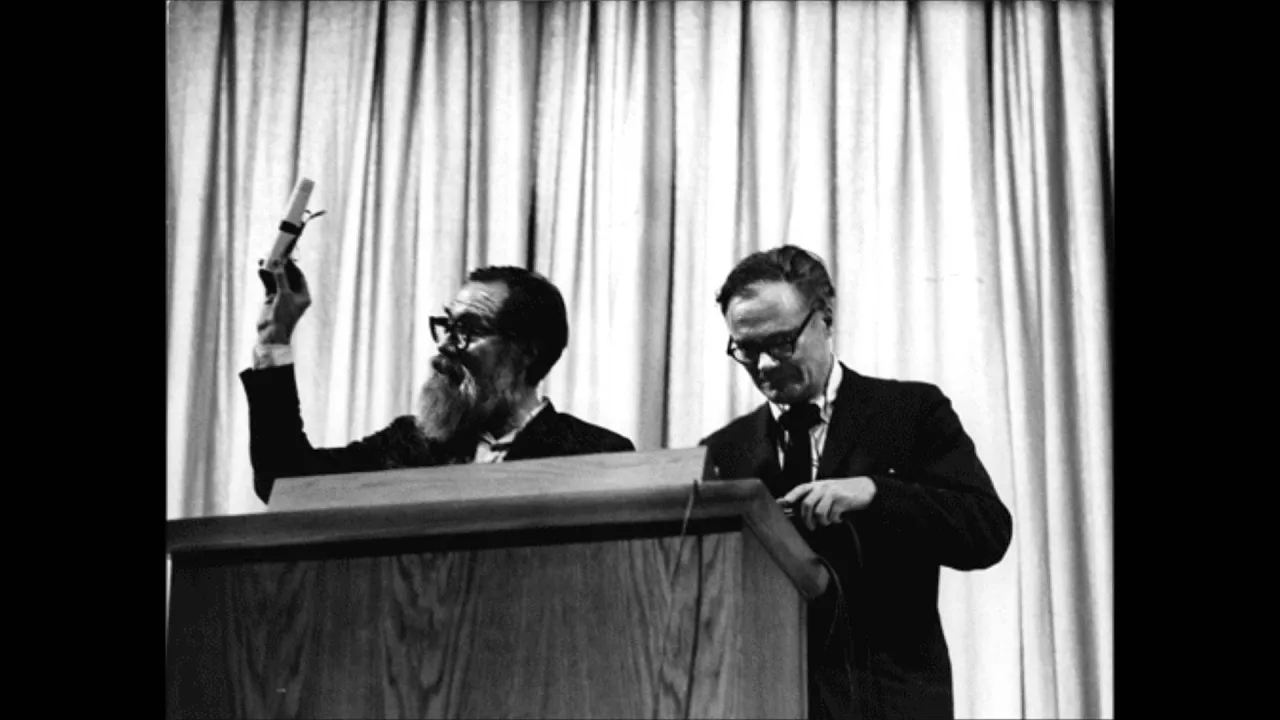


John Berryman explains that the character Henry in his Dream Songs series originated from a personal anecdote: while walking with his second wife on Haran Avenue in Minneapolis, they decided they disliked the names Henry and Harriet, and began affectionately calling each other by these names; this spontaneous naming convention eventually evolved into the famous literary persona that populated his Dream Songs.
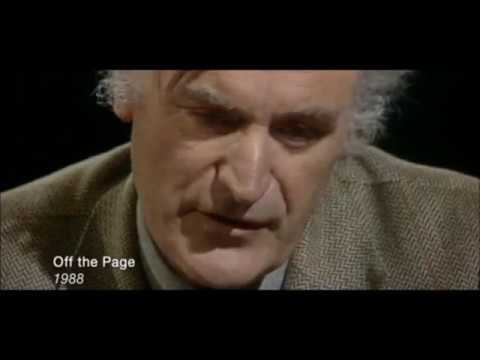
John Berryman Interview 1970: Poetry & Dream Songs | Brockport Writers Forum
Added:The fundamentals of the mid-20th-century Confessional Poetry movement, including its emphasis on personal trauma, mental health, and autobiography.
An introductory understanding of Berryman's major work, 'The Dream Songs', particularly its structure (18-line poems) and the recurring character of Henry.
The literary concept of 'persona', specifically the distinction between the biographical poet (John Berryman) and the voice or character speaking in the poem.
The cultural and academic landscape of 1960s and 1970s America, which influenced the lifestyles, public reception, and pressures faced by poets of that generation.
A deep-dive textual analysis of key poems within 'The Dream Songs', such as 'Dream Song 14' ('Life, friends, is boring') and 'Dream Song 29'.
A comparative study of Berryman's poetic techniques and themes alongside his contemporaries, such as Robert Lowell, Sylvia Plath, and Elizabeth Bishop.
An exploration of the biographical method in literary criticism, analyzing the ethical and analytical boundaries of interpreting a poet's work through their mental illness and eventual suicide.
An investigation into the tradition of the American long poem or poem-sequence, comparing 'The Dream Songs' to works like Ezra Pound's 'Cantos' or Hart Crane's 'The Bridge'.
4.8K views35likes9:47Original Release: 2010-02-23
One of the dream songs is based upon that section, not based upon the section, but based upon the same idea of the relationship between John Adams and Thomas Jefferson, which Pound talks about in one of his controll.
Yes. Well, but I know it's time to find that out. No, but it is known to any student of history. It's like quoting professor uh so and so from some university about Hitler having died in 1945.
No, I just just was wondering because uh uh that comes well I at least it's he was the first poet I know to make to make but I make a point of it because people are so incredibly ignorant uh that they think I took some fact which they can find in the encyclopedia Britannica from some piece of [ __ ] get somewhere just because they don't know. It's like assigning authority for my impression that both men and women possess arms and legs.
I'm just laughing because not at that but I'm just laughing at at the typical kind of authority and the ridiculousness of citing it that one might make like Aristotle or something like that something equally in I believe in citing authority and in my lectures and in my writings uh I'm a scholar I Be my source. Clint different from the encyclopedia brat. But I outside authority for the rising of the sun in the morning and it's going down at night.
I could cite the Egyptian book of the dead in Wallace Budget's translation page 408 volume one. The sun rises and sets. You said that uh with homage to Mistress Brad Street that they you didn't choose the subject but that it chose you. Did did that kind of thing happen when Henry came about? Can you tell us generally where Henry came from, where he had his beginnings?
Uh uh many people have asked me about the name. Oh, that's simple. My second wife and I uh once were walking down Haran Avenue in Minneapolis one evening in the direction of a bro and uh we decided that the names that we dislike most uh were uh feminine and masculine Henry.
So an affectionate sweet way we began to I would call May you call me uh that's where the name started about time [Music] uh somebody called me I saying this fish resembles between Henry and me, but of course it's not me.
Uh I will sit here the three of us uh some place. Most of us is waiting of what we may be later on this afternoon next week. What we were on September 12th, what you are in [Music] relation. Okay. out of these [Music] possibilities of I which I have given a new identity to haven't I got some flirt answer your question yes I got you got that straight that's a better account than I've given anybody so far read us one of the dream songs would you uh yeah sure do you have one you particularly like or I'll name one but I'd rather you picked one. Well, um there are various ones that I like here. If this is no good, come on. It won't matter.
Richard and Randall and one who never did.
So who will never cross the sea again and dumb filled his pitted mind as the ship forged on. I hear the three freaks in their different notes. Disgusting.
more and more our meaning to the old world. There bears to us which much we pondered in our younger years and then coughed and sang. or the new forms in which ancient thought appears. All the altering bodies of the lay song foes fang on fang.
The lovely friends and friends, the friends of friends, pursuing insights to their journeys ends.
settle and steadfast. The wind blows hard from our past into our future. And we are that wind.
Except that the wind's nature was not to ask.
Surely if I ever touched by his brain, what do you think about that? Thank you very much. I I not good at it. what you what you've been able to make because I think you feel it so so deeply and so well uh although our great poems out of out of your friendships as well as your with both men and women but you know in that one in particular your friendships I I assume the Richard is RP Blackmar and uh Dalmar Schwarz and Rau of course and and there's so
Up Next

8:42
John Berryman Reads The Dream Songs at University of Iowa, 1968
@erp65
37.2K views•2009-06-11

13:43
Formalism in Literary Criticism: An Academic Lecture Overview
@mattalberhasky9952
39.1K views•2015-08-05

6:08
Point of View in Fiction: First Person vs. Third Person
@magicalthriftyteacher
153.8K views•2014-03-31

15:25
1984: Orwell's Dystopian World and the Mechanisms of Totalitarianism
@AlternateHistoryHub
7M views•2017-03-04
Related Study Plans & Knowledge Roadmaps
Structured learning paths in Literature
literature
Graphic Memoirs: Visual Art, Trauma & History
01Foundations of Sequential Art and Visual Language
02Autographics and Processing Historical Trauma
03Visualizing Personal Trauma, Grief, and Graphic Medicine
+ 2 more learning modules
14h5 modules
Explore Roadmap
literature
Campus Novels: Evolution, Themes & Critique
01Introduction to the Campus Novel Genre
02Mid-Century Satire and the Post-War Academy
03Dark Academia and the Critique of Privilege
+ 2 more learning modules
14h5 modules
Explore Roadmap
literature
Theater of the Absurd: Philosophy & Plays
01Postwar Existentialism & Historical Roots
02Dismantling Narrative: Esslin & Absurdist Conventions
03Samuel Beckett and Tragicomic Existentialism
+ 2 more learning modules
12h5 modules
Explore Roadmap
literature
Revenge Tragedy: Justice, Madness & State
01Foundations of Early Modern English Theatre
02Anatomy of Revenge: Structural Conventions
03Psychological Complexity: Madness and Melancholy
+ 2 more learning modules
15h5 modules
Explore Roadmap