





![1950s: The Age of CONFORMITY [APUSH Review]](https://i.ytimg.com/vi/c6cw-89wrWk/maxresdefault.jpg)






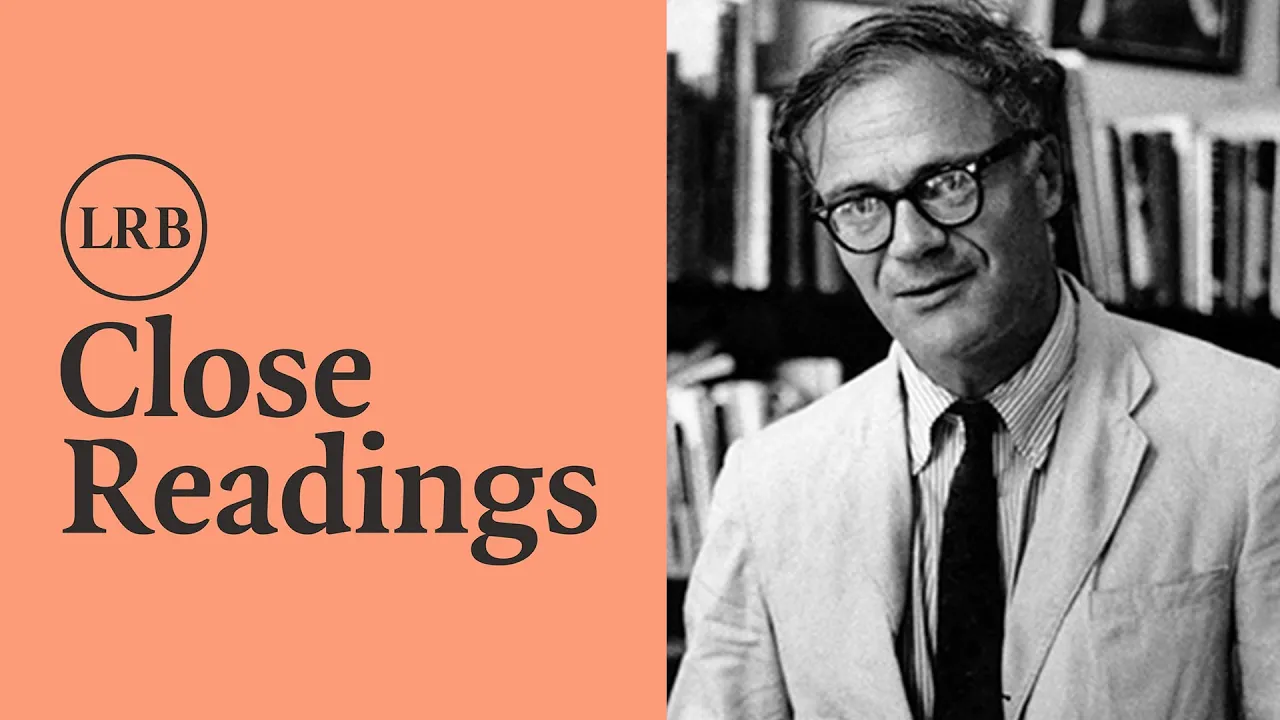









Confessional poetry, emerging in the late 1950s and early 1960s through poets like Robert Lowell, Sylvia Plath, Anne Sexton, and W.D. Snodgrass, is characterized by its extremely personal subject matter focusing on private experiences such as death, trauma, depression, troubled relationships, and psychological struggles; it employs an autobiographical style where the poet removes the traditional mask, uses first-person narrative to reveal authentic emotions, and maintains lyrical craftsmanship despite addressing deeply intimate themes that transcend customary social reticence.
Confessional Poetry: Definition, History & Key Poets
Added:Familiarity with Modernist poetry and T.S. Eliot's theory of poetic impersonality, which Confessional poetry directly reacted against.
Basic understanding of mid-20th-century American history, particularly the post-WWII era, the Cold War, and the rigid social conformity of the 1950s.
An understanding of basic poetic terms and devices, such as persona, lyric poetry, and the distinction between the literary speaker and the biographical author.
An introductory awareness of basic psychoanalytic concepts (such as Freudian theory), as themes of repressed trauma, family dynamics, and the subconscious are central to the genre.
In-depth textual analysis of seminal collections, such as Robert Lowell's 'Life Studies', Sylvia Plath's 'Ariel', and Anne Sexton's 'To Bedlam and Part Way Back'.
Examination of the feminist critiques of the label 'Confessional,' exploring how the term has been used historically to marginalize or pathologize female writers.
Tracing the lineage of Confessionalism to contemporary literary and cultural forms, including modern spoken word, slam poetry, and creative nonfiction.
A comparative study of other post-war literary movements, such as the Beat Generation and the Black Mountain poets, to see how they differently approached the personal and political.
18.4K views0likes5:28Original Release: 2020-05-02
the topic for today is confessional poetry and its main characteristics now what is confessional poetry to put it in very simple terms confessional poetry is poetry of self Revelation it was in the late 1950s and the early 1960s that a group of young poets including Robert lell Sylvia plat and Sexton and WD Snodgrass made their entry into American Poetry with a very novel and a startlingly novel I should say method of writing poetry the term confessional was first used by the American poet and editor EML rosenal in his review of Robert lel's collection of poems titled life studies the confessional poets chose to write about intensely personal and intimate themes which were hither to left untouched other names too are associ assciated with the school of poetry namely Alan Ginsburg um Theodore R and Adrien rich and critics sometimes feel that the confessional poets were trying to follow the principle of the old the traditional confession where the sinner would be free of his um transgressions and crimes when he unburdens himself to a listener but poets like Sylvia plat have uh refuted this claim and say that they do not write poetry in order to purge themselves or their feelings now let's look at the important features of confessional poetry the point that should be highlighted when we talk about this particular School of poetry is that it is extremely personal in subject matter the confessional poets wrote about private experiences about death trauma depression and troubled relationships they were often interested in the psychological aspects of poetry writing and often sought to reveal the poet's anguish or Deep Emotions uh depression suicidal tendency sexual problems alcoholism and drug abuse are discussed with an openness as uh rosenal says that went beyond customary bounds of reticence or personal embarrassment while Snodgrass spoke about the trauma of losing a daughter in a painful divorce in his heart's needle John Berman revealed an adulterous Affair he had thought he had gone through in his own life and this these are examples to show to uh the extremity to which intimacy can be taken in confessional poetry yet another feature is the autobiographical style that these poets employed the eye in confessional poetry is mostly the poet himself as rosenal observes again poets like Robert lell removed the mask that hit the poet's actual face and the speaker is unequivocally himself an Sexton for instance started writing at the suggestion of a therapist as a means to get rid of her psychological anxiety many of Berman's poems contain elements of his own traumatic experience including his father's suicide another defining feature is the first person narrative confessional poetry is often defined as poetry of the personal or poetry of the I the capital letter I the poet and the narrator are one and the same and he or she almost always talks about real life experiences therefore it is most convenient and apt for him to speak in the first person and thereby uh facilitate an emotional identification with the reader now lyrical craftsmanship is another important point to be noted even while dealing with shocking experiences the confessional poets paid careful attention to parity and techniques of versification The Poets are not presented in a simple stream of Consciousness manner but are crafted with much care and precision though they do not follow any particular Universal pattern of Rhyme or meter they are very well crafted WD Snodgrass for instance Incorporated everything from meter to illusion to aforism in his works though confessional poetry was subject to much criticism as dealing um less and less with poetry and more and more with anguish uh the writing of many contemporary poets like Sharon OLS Mary ho and Fran W still continues to H hold uh Spellbound a very large audience many readers find that they can easily identify with confessional poetry probably because it reveals to them that others to share the problems that they experience they often feel that these poets are lending voice to their their own experiences which can never be spoken out loud therefore the genre continues to hold its place in literature
Up Next
3:32
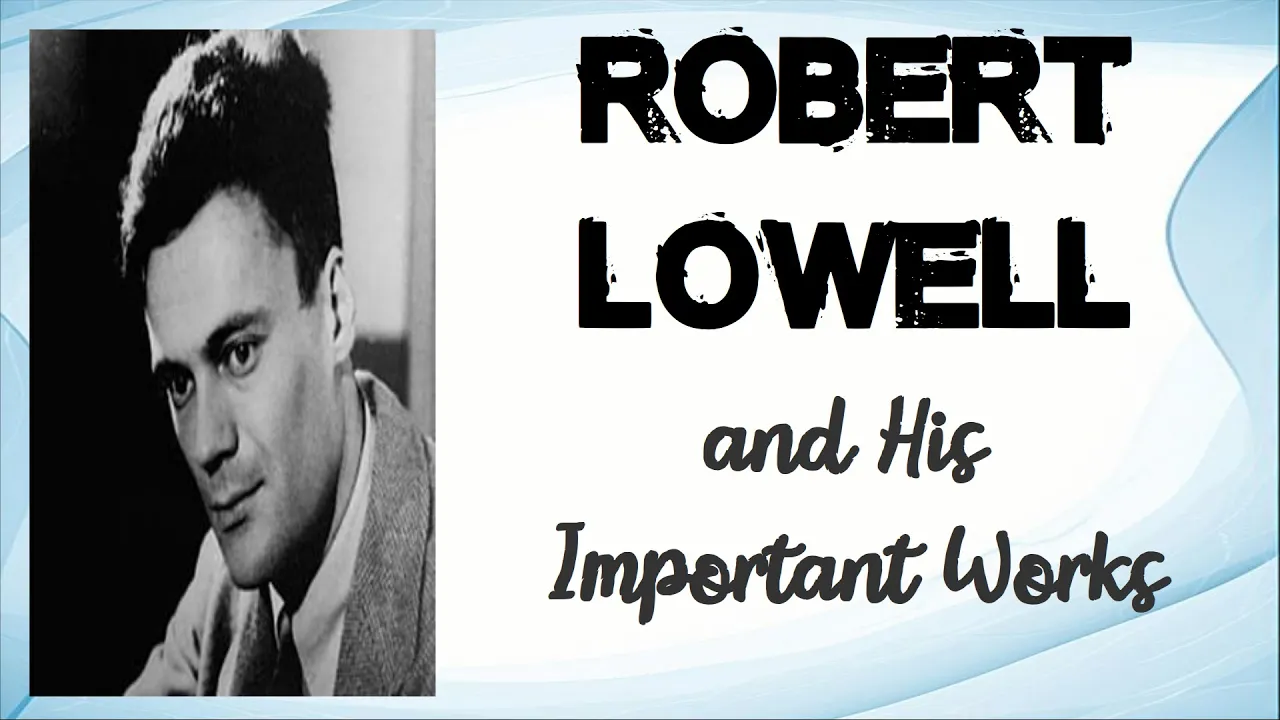
Robert Lowell Confessional Poetry | Life Studies & Key Works
@TheDiscourse
130 views•2025-07-26

13:43
Formalism in Literary Criticism: An Academic Lecture Overview
@mattalberhasky9952
39.1K views•2015-08-05

6:08
Point of View in Fiction: First Person vs. Third Person
@magicalthriftyteacher
153.8K views•2014-03-31

15:25
1984: Orwell's Dystopian World and the Mechanisms of Totalitarianism
@AlternateHistoryHub
7M views•2017-03-04
Related Study Plans & Knowledge Roadmaps
Structured learning paths in Literature
literature
Graphic Memoirs: Visual Art, Trauma & History
01Foundations of Sequential Art and Visual Language
02Autographics and Processing Historical Trauma
03Visualizing Personal Trauma, Grief, and Graphic Medicine
+ 2 more learning modules
14h5 modules
Explore Roadmap
literature
Campus Novels: Evolution, Themes & Critique
01Introduction to the Campus Novel Genre
02Mid-Century Satire and the Post-War Academy
03Dark Academia and the Critique of Privilege
+ 2 more learning modules
14h5 modules
Explore Roadmap
literature
Theater of the Absurd: Philosophy & Plays
01Postwar Existentialism & Historical Roots
02Dismantling Narrative: Esslin & Absurdist Conventions
03Samuel Beckett and Tragicomic Existentialism
+ 2 more learning modules
12h5 modules
Explore Roadmap
literature
Revenge Tragedy: Justice, Madness & State
01Foundations of Early Modern English Theatre
02Anatomy of Revenge: Structural Conventions
03Psychological Complexity: Madness and Melancholy
+ 2 more learning modules
15h5 modules
Explore Roadmap