
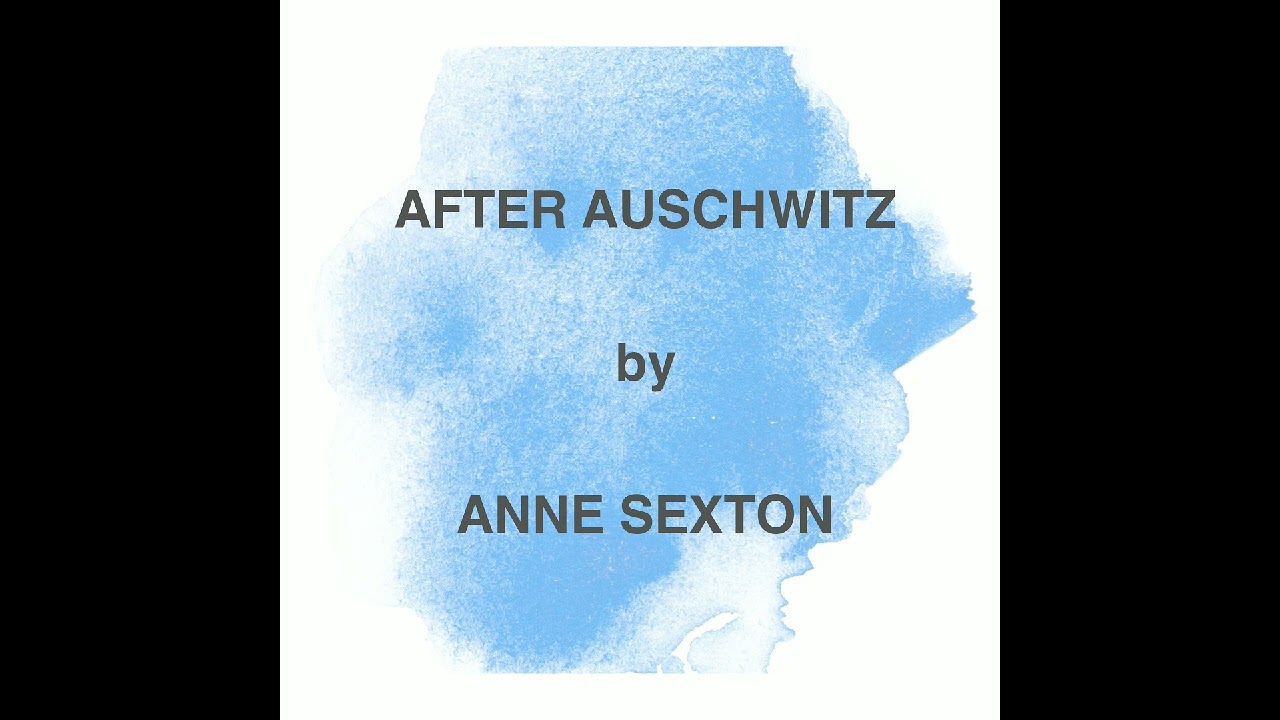













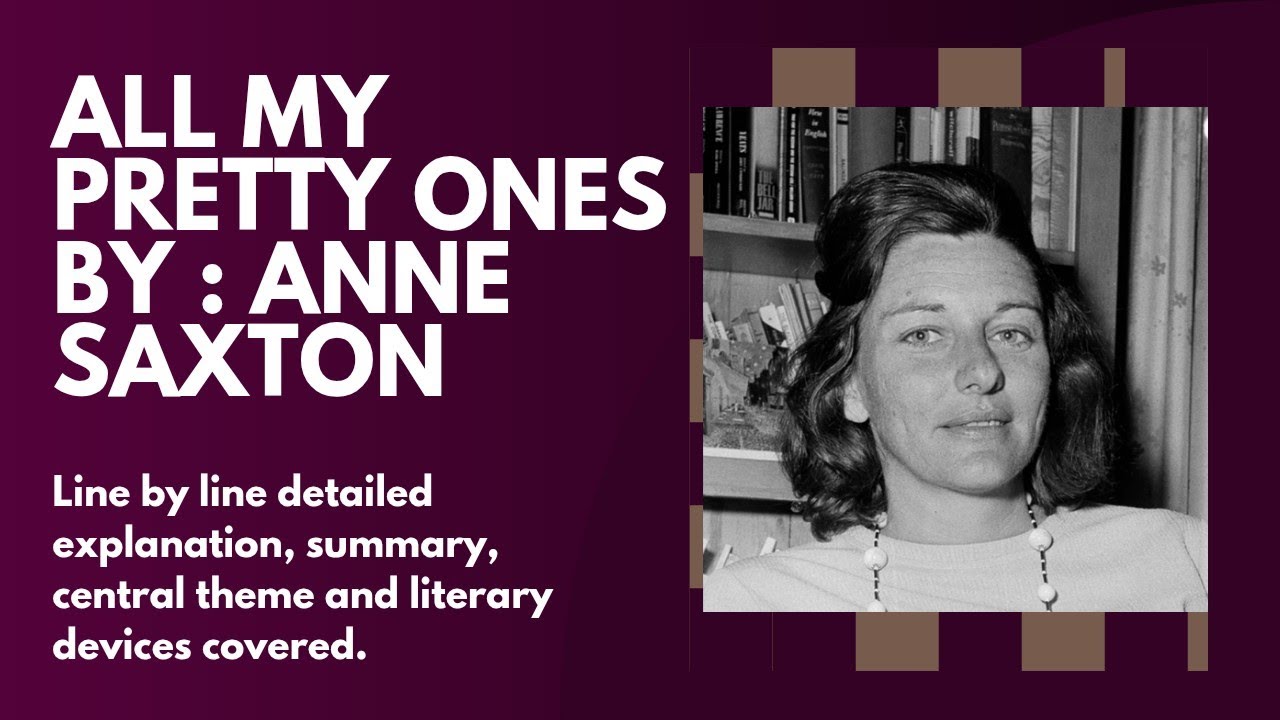


In Anne Sexton's poem 'Her Kind,' the speaker explores multiple female identities—witch, homemaker, and adulteress—to illustrate how women face societal judgment and misunderstanding throughout their lives; the recurring refrain 'I have been her kind' demonstrates solidarity among women who struggle against patriarchal expectations, mental illness stigma, and the pressure to conform to narrow definitions of femininity.
Her Kind by Anne Sexton: Poem Analysis & Summary
Added:Familiarity with the Confessional Poetry movement of the mid-20th century and its focus on autobiographical, raw, and taboo subject matter.
Basic knowledge of key poetic devices, particularly imagery, metaphor, stanzaic structure, and the concept of the poetic 'persona'.
Understanding of the historical context of the 1950s and 1960s, specifically regarding traditional domestic gender roles and the medicalization of mental health.
An introductory awareness of the cultural archetype of the witch as a symbol of female rebellion, alienation, and social non-conformity.
Comparative analysis of Anne Sexton's 'Her Kind' alongside Sylvia Plath's poetry (such as 'Lady Lazarus') to explore shared confessional themes and stylistic differences.
Exploration of Feminist Literary Theory, specifically analyzing how female writers reclaim marginalized and demonized figures to critique patriarchal oppression.
An in-depth study of Anne Sexton's broader bibliography (e.g., her Pulitzer Prize-winning collection 'Live or Die') to trace the evolution of her thematic focus on mental illness and recovery.
Application of psychoanalytic literary criticism to understand how Sexton projects internal psychological trauma onto externalized mythic personas.
1.9K views39likes21:23Original Release: 2023-03-11
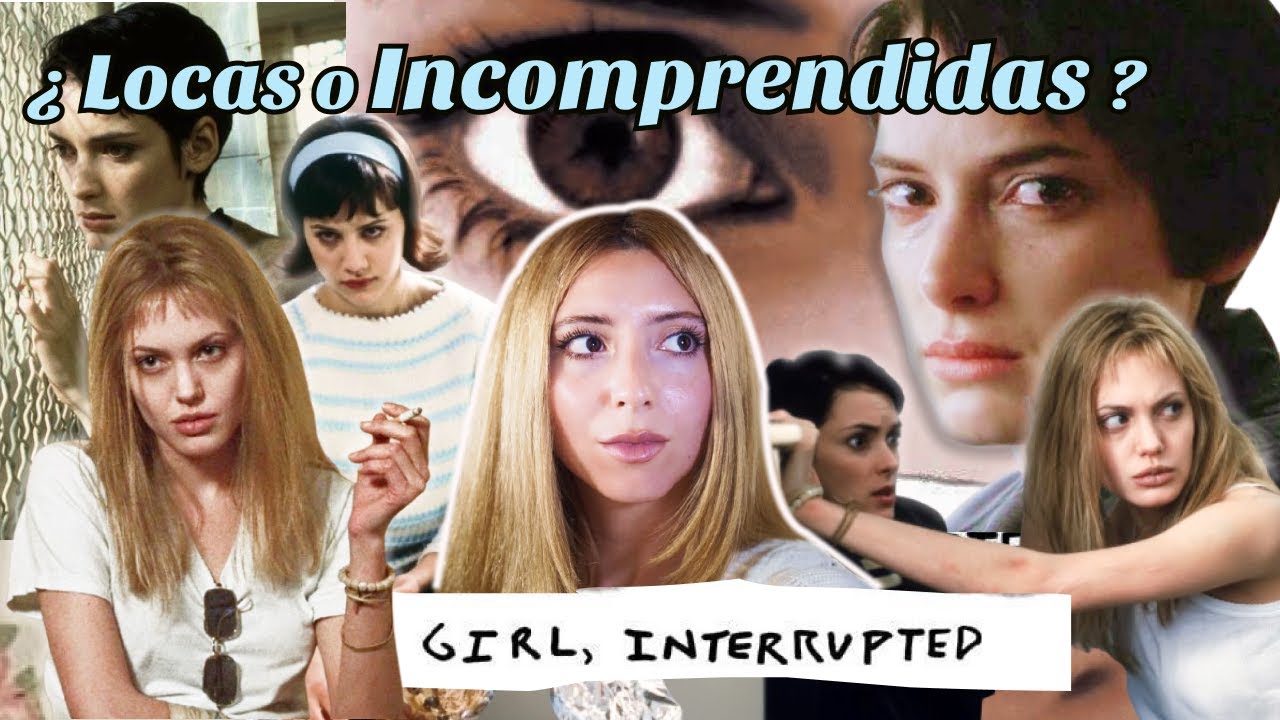
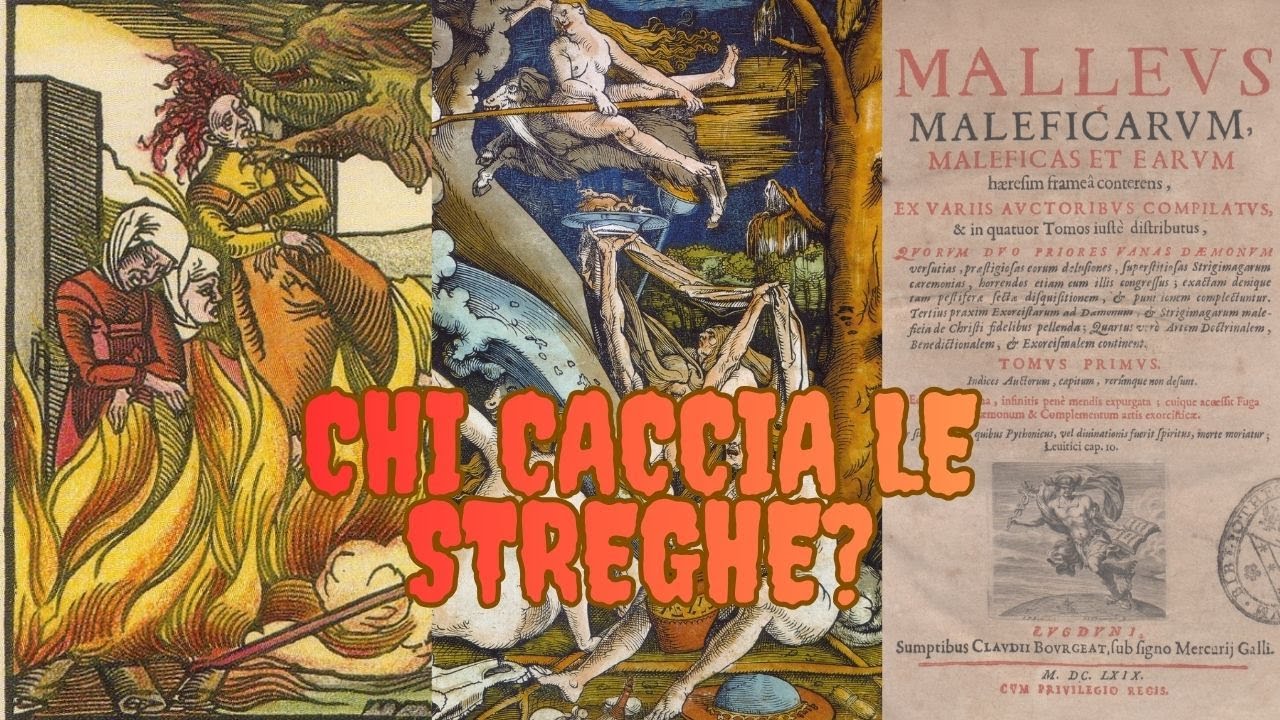
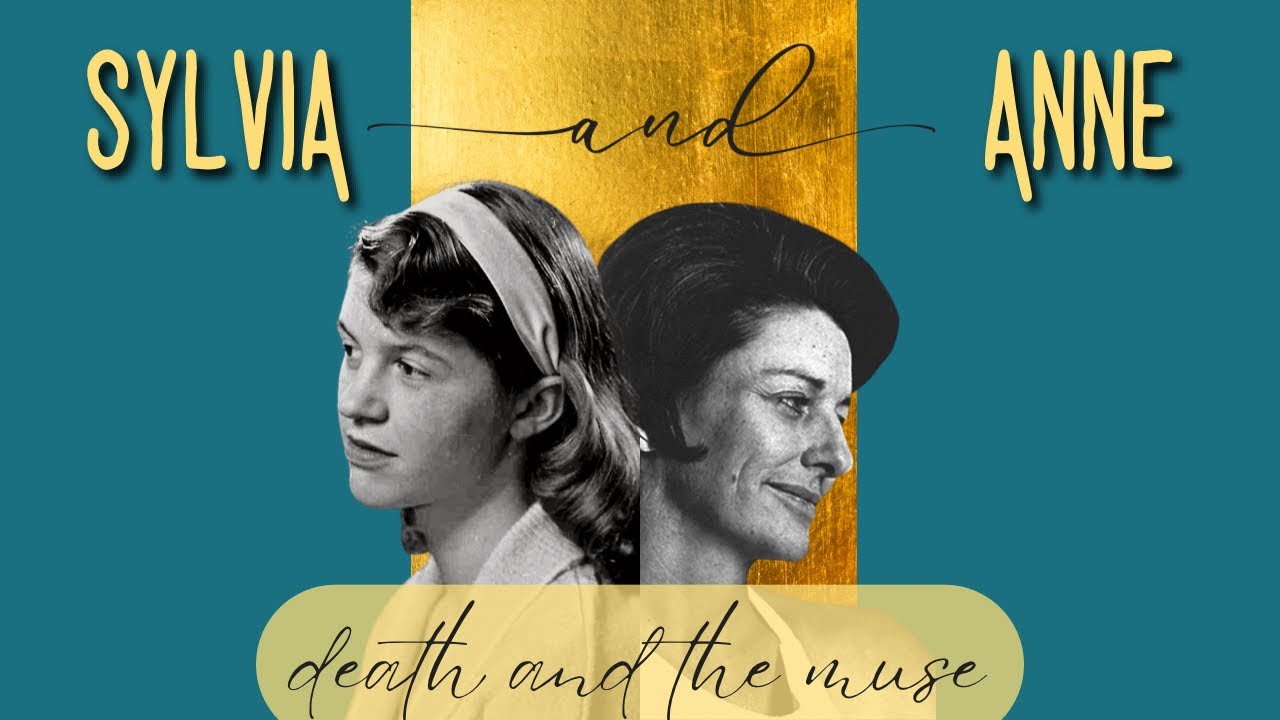
when I say the word witches what is the image that is conjured up in your mind I have some young readers what is the word which bringing to your mind and one little one answered the witch in Snow White the stepmother in Snow White another little one said the witch in Hansel and Gretel then there was a little more bigger reader who said no the bald and ridiculous witches in Roald Dahl and again there was yet another answer that was Hermione the beautiful and very much loved which in Harry Potter so JK Rowling has created such a lovely which that every child would want to be a witch when they grow up so these are the different images in the present stage when I say the word which so today we have a poem in which there is a witch featuring the poem says stats I have gone out a possessed witch haunting the black Air braver at night the name of the poem is her kind and it is written by Annie Sexton so the poet Begins by saying I have gone out as a persist witch haunting the black Air braver at night dreaming evil I have done my hitch over the plain houses light by light lonely thing 12 finger out of mind a woman like that is not a woman quite I have been her kind so here the poet is saying that she was braver at night why is she as a woman braver to go out into the night she is metaphorically comparing herself to a witch and she says it is safer to be out in the night so here we see that the poet is bringing to our attention that in the night the judgmental eyes of a parochial patriarchal society will not be there on her she may venture out safely Into the Night she is dreaming evil I have done my hitch the word hitch can be for hitchhike that is to go with any passerby to ask for a ride and go along or the word hitch is simply meant to connect to Hitch up a wagon or hitch up something to another she says that I have been riding you know you see in pictures or which is using a broomstick to sit on and she goes into the air or she may have some sort of Transportation maybe she would fly so here she says I have gone over the plain houses light by light lonely thing twelve finger out of mind so she says I am 12 fingered something very odd something very weird and scary she says I am a lonely thing a woman like that is not a woman quite I have been her kind so such a woman is not fully and completely a woman and this is where the poet says I have been her kind I have belonged to that kind of a woman too so here the words bring to mind Gothic literature The Goth way of living that is the words black dark 12-fingered evil dreaming evil Darkness all these words are goth so she says such a woman is never a complete woman so here the poet is exploring the different identity of the feminine a woman identifies as wife mother daughter individual with ambitions and dreams and there are the various stages as well as the various identities of a woman but we know that the Peril kill Society wants to put her in one category she has to put be put in a particular box and Annie Sexton was a contemporary of Sylvia Plath and she lived in the 1950s America which still wanted women to be the domestic goddesses now from the first paragraph we see that she is invoking or showing us the witch inside her in the second para we see that she is moving on to the Homemaker and the mother I have found the warm caves in the woods fill them with Skillets carvings shelves close its silks innumerable Goods fix the suppers for the worms and the elves whining rearranging the disaligned a woman like that is misunderstood I have been her kind so now she says that I have found those warm caves in the wood the word caves brings to mind the Man's first home the very primitive home of man cave also signifies somewhere where you usually find a treasure so Treasures in all the olden stories are found in caves there would be a big Pirate Treasure of gold and silver it would be in a chest hidden in a cave and most fairy tales and mythological stories would have caves but the word warm suggests that the cave is somewhere safe it is a warm cave in the woods so I have been in that cave I have filled those caves with skillets carvings shelves so now we move on to the Homemaker and for the Homemaker her Den or her cave is in a sense her house her home and she has filled it with Skillets Skillet is a frying pan and skillet in slang also means friend here it is also the domestic item which is most useful in a kitchen the frying pan she has carvings carvings could stand for the photographs the pictures the artwork that is a young woman a young wife and mother has thrown herself into decorating her home there are shelves on which her storage is placed the food that she has bought the ingredients that she has bought in order to make breakfast supper dinner everything for her children there are closets and silks and innumerable Goods now that is a period of the woman's life where she is collecting so many things she is having Jewels she has having various kind of silk silks and brocades and clothes she must attend so many parties and she must be a Hostess so now these are all the roles that were given to the middle class white woman of the period She must be a good Hostess she must be a domestic uh goddess she must look after the people in her home and she must collect clothes and jewelry she was also a consumer of the period and all this where must she hoard it in her lonely cave she must hold it in the shelves fix the suppers for the worms and elves we have to see that Annie Sexton was very much interested in mythology and fairy tales and in her poems she is bringing forth those mythological characters and that fairies tale quality she says that I must fix suppose I have made and fixed suppose for the Elves and the worms elves stand for Life something that is beautiful something that is magical that could be her children and her home and at the same time for the worms too she's preparing suppers for the worms worms indicate death and destruction and here the woman is slowly on one side we see that there is decay in that beautiful home where she has hoarded with silk and Skillets and all things that are beautiful and domestic there is also that looming debt and she says I must rearrange all that is disaligned what is not aligned what is not in alignment has to be continually corrected and such a woman is misunderstood I have been her kind so here the poet is referring to mental illness mental illness is stigmatized a woman who suffers from bipolar disorder or schizophrenia or depression no she is asked to put that aside and at that time in society when so much importance was not given it was a developing field but Psychiatry was still having a stigma people were not they were ashamed to admit to having mental illness and the due care was not received so here she says that such a woman is not acceptable A young mother must be very happy in her life she must be happy that she has children and she must fix suppose and dinners and breakfast without fail and she must be cheerful and smiling and she must be very satisfied in holding Goods in her home but here we are talking about a woman with postpartum depression who is looking at her children and maybe even seeing death worms her very Life coming to an end and we see that the woman is facing life with a smile but in her in her heart she is overwhelmed by horrible thoughts every day of her life she is slaying demons she has seen the depths of the night and you know she knows she is now well acquainted with witches and demons and vampires and she is trying to show a sunny side to the world but inside she's crumbling in despair next she says I have written in your cart driver waved my nude arms at Villages going by learning the last bright roots Survivor Where Your Flames still bite my thigh and my ribs crack where your wheels wind a woman like that is not ashamed to die I have been her kind so now moving on from which she has gone to the Homemaker the mother who fixes suppers and now she's moving on to the adulteress the woman who has shamelessly openly talked about her sensuality her sexuality who says that I too have desires and wants and here again Society commands a woman that if you are of so-and-so age or station you must be dressed in such a manner while saying that she is written in a common card by exposing herself to the eyes of the people in the village she has waved her nude arms she she has shown her arms bare which is again something promiscuous a good woman a woman who is a very proper and middle class no she would have her arms covered she would be wearing very pretty blouses or gowns but here her arms are nude and bare to the world in front of her learning the last bright root Survivor so she says she is now here pictured as the witch she says the flame still bite my thigh why does the poet refer to flames here here She is evoking or she is bringing to mind the witches of the mid 17th century Europe and Salem in USA those witches or those women who were hunted down as witches for the one reason that they did not adhere to Conventional life because they were different because they spoke and showed their opinions they were pulled out of their homes and they were burnt at Stakes for believing in whatever religion or practices that they like they were burnt at the stake and she says your flame still bite my time years have gone by and she is living in the nine she it is the mid 20th century but still it resonates with her that if a woman does not stay in the box that is made for her if she dares to be heard and seen rather than being an invisible wall flower rather than being relegated to the background if she comes forth then she stands a chance of being burnt at a stake and she says my very ribs crack when your wheels wind that is the wheel was an instrument of torture used to kill these witches and then she says a woman like that is not ashamed to die I have been her kind so here she says that such a woman she's not ashamed to die she would rather give up her life then fit in in the conventional set of rules that is given to her by a male dominated Society she would bravely die she would rather welcome the Flames than live in such a world and she says here I have been her kind so in this form we see the repetition I have been her kind I have been her kind I have been her kind so this means that she is in solidarity with all these women so here the point is not only talking in a convention in a confessional sense she is talking about women all over the world all women who have so many identities living in themselves who have faced disillusionment even while doing the noblest the supposedly noblest of a woman's identity which is Mother and even that when a person is a postpartum victim she faces a great deal of disillusionment and so the witch she identifies with her the mother she identifies with her and with the adulteress and the promise case with her too she says I have been her kind too so a very rich solid solidarity or a woman Empower women women support women all these ideas can be seen in and sextance points she never proclaimed herself a feminist but she was accepted as a leader by the group of feminists of her period and she was very much hailed as one who publicly spoke about the most personal details of the feminine identity some of her notable Works include to Bedlam and halfway back she then wrote the Grimm's Fairy Tales in deconstruction of the Grimm's Fairy Tales and then her poem all my pretty ones so most of her poems have been all published in the journals of British Journal of Psychiatry her Works have been included in learning psychiatry and her very poetry started after being diagnosed as a bipolar patient she spent a great many years in and out of psychiatric asylums and from here she realized the stigma that is connected to the illness and throughout in her poetry she has tried to show people that in life there are Paradox there is the binary opposite of Night and Day of the evil and good of the witch and the Fairy and he has tried to show us the similarity in these identities so definitely one of the main literary devices is imagery there is intense imagery an intense fairy tale a major is brought forth and we can see that the Grimm's Fairy Tales have been invoked by showing the woods as a home we are also we are led to remember that Hansel and Gretel if you look it was they were abandoned in a wood and from there they found the witch and the chocolate house if you look at snowy again she was abandoned in a forest where she found the Seven Dwarves so these Woods are actually a journey of life in which you would either meet up with evil or good but either ways it would be a turning point in your life so today we see that the depiction of characters in many of the cartoons and the popular literature has changed if we look at a cartoon like frozen we see that it is the prince charming who is the evil one and it is the poor peasant boy who turns out to be the hero so there is a lot of subversion in the present-day fairy tales but here most importantly the author shows forth the condition of the psyche the mind she has explored in depth the feminine identity and mind and how less is a is society supporting such a person a person who is going through a mental illness who is slaying demons such a person what is the support that Society is giving them quite often they are stigmatized they are kept away they are criticized and people claim to say I know what you are feeling even though they do not understand the depths of this illness then metaphor similarly imagery Endearment all these other devices used and we can see that just like the person in her is unconventional even her poetry is written in an unconventional manner her poetry was written as a way of therapy she has started writing only after she had once been diagnosed with the bipolar disorder and she has called her poetry as part of therapy thank you her kind by Annie Sexton I have gone out a persist Witch Haunting the black Air braver at night dreaming evil I have turned my hitch over the plain houses light by light lonely thing 12 finger out of mind a woman like that is not a woman quite I have been her kind I have found the warm caves in the woods fill them with Skillets carvings shelves closets silks innumerable Goods fix the suppers for the worms and the elves whining rearranging the disaligned a woman like that is misunderstood I have been her kind I have written in your card driver waved my nude arms at Villages going by learning the last bright Roots Survivor where your flames still bite my thigh and my ribs crack where your wheels wind a woman like that is not a shame to die I have been her kind
Up Next

1:38
Anne Sexton Reads 'Her Kind' | Poetry Analysis & Context
@PoetAnneSexton
22.9K views•2012-06-01

13:43
Formalism in Literary Criticism: An Academic Lecture Overview
@mattalberhasky9952
39.1K views•2015-08-05

6:08
Point of View in Fiction: First Person vs. Third Person
@magicalthriftyteacher
153.8K views•2014-03-31

15:25
1984: Orwell's Dystopian World and the Mechanisms of Totalitarianism
@AlternateHistoryHub
7M views•2017-03-04
Related Study Plans & Knowledge Roadmaps
Structured learning paths in Literature
literature
Graphic Memoirs: Visual Art, Trauma & History
01Foundations of Sequential Art and Visual Language
02Autographics and Processing Historical Trauma
03Visualizing Personal Trauma, Grief, and Graphic Medicine
+ 2 more learning modules
14h5 modules
Explore Roadmap
literature
Campus Novels: Evolution, Themes & Critique
01Introduction to the Campus Novel Genre
02Mid-Century Satire and the Post-War Academy
03Dark Academia and the Critique of Privilege
+ 2 more learning modules
14h5 modules
Explore Roadmap
literature
Theater of the Absurd: Philosophy & Plays
01Postwar Existentialism & Historical Roots
02Dismantling Narrative: Esslin & Absurdist Conventions
03Samuel Beckett and Tragicomic Existentialism
+ 2 more learning modules
12h5 modules
Explore Roadmap
literature
Revenge Tragedy: Justice, Madness & State
01Foundations of Early Modern English Theatre
02Anatomy of Revenge: Structural Conventions
03Psychological Complexity: Madness and Melancholy
+ 2 more learning modules
15h5 modules
Explore Roadmap