


























This video explores how two distinguished American poets, Richard Wilbur and Robert Lowell, employ technical mastery in their poetry while drawing inspiration from personal experiences and observations. Wilbur discusses his formalist approach and the slow, deliberate process of crafting poems like 'On the Marginal Way' and 'Love Calls Us to the Things of This World,' which transform natural imagery into meditations on human experience. Lowell shares his creative process behind poems such as 'Water,' 'Soft Wood,' and 'The Opposite House,' revealing how specific observations of everyday scenes evolve into profound explorations of mortality, freedom, and human connection. Both poets demonstrate that technical skill serves as a vehicle for expressing deeply personal and universal themes, showing how formal precision enhances rather than constrains poetic expression.
Richard Wilbur & Robert Lowell: Pulitzer Poets Read Their Work
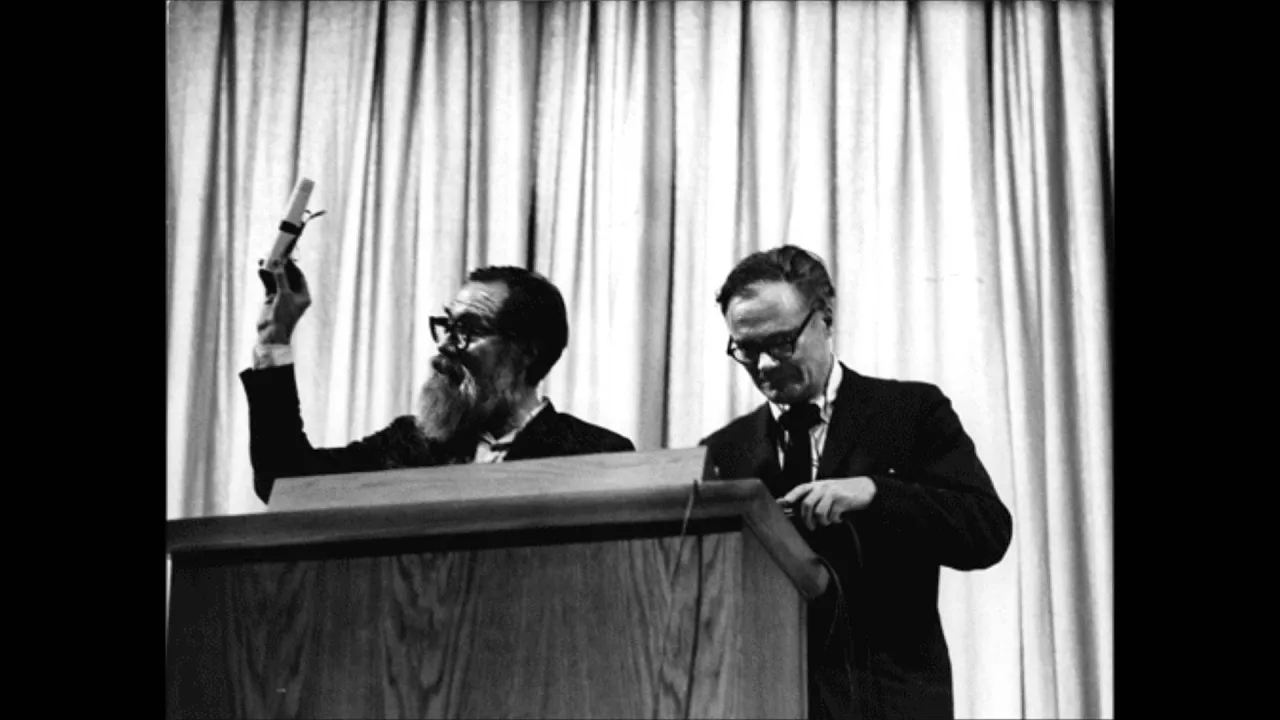
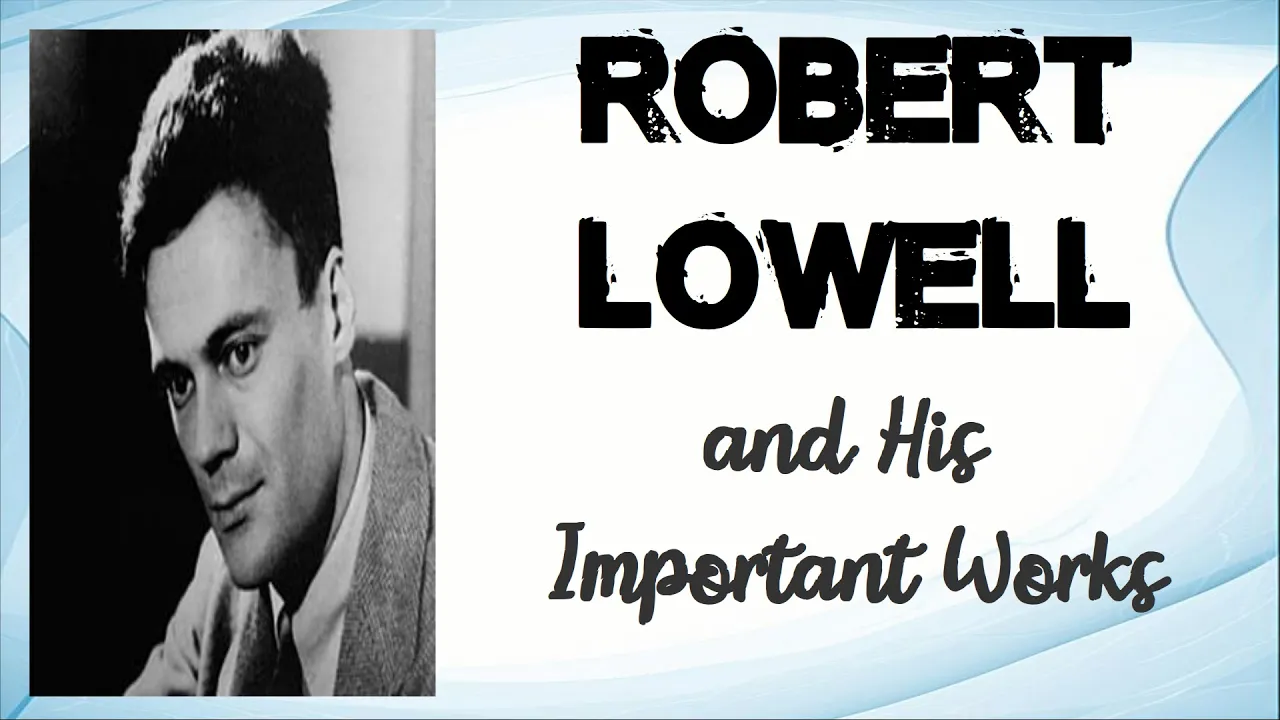
Added:any key presents us a poetry this program is devoted to the work of Richard wood Robert Lowell the names of Richard woven Robert wuhl from the most distinguished in American letters both men have been awarded the Pulitzer Prize and many other literary honors both poets tend to employ Schmo Forbes with the greatest technical mastery and both men are scholars and teachers as well as poets Richard Wilbur born in New York City in 1921 now lives in Connecticut near Wesleyan University where he is I suppose I suppose I am called a formalist sometimes in a nice way sometimes not in a nice way I think I think but I think you simply have to have a disposition to worry about that aspect of the poem and for some reason that's always been a strong inclination of mine I'm not of course interested in making little doilies and I don't I don't really feel any specific and dissociated formalistic excitement about any poems mine or anyone elses and I'm interested in what's being said but I suppose I'm more interested than many people are in what can be said by way of the formal needs oh this is a this is my most recent poem and it's called on the marginal way and you probably recognize the scenery of it it's a it's the rocky coast of a gun quit Maine some of the oldest rocks in the in the country are there and this is a this is a point about someone in this time with his head full of this time looking at the coastal ancient coastal rocks on the marginal way another Cove of shale but the beach here is rubble dwith strange rock that is sleek fluent and caffee pale I stare reminded with a little shock how by ashore in Spain Jorge burrows or a hundred women basking in the raw they must have looked like this that catch of bodies on the sand that's true of Ranjha crease and orifice lat flank and knee a too abundant view which though it had the lenses of a fly could not have waked desire in borrows eye as the light altered now the rocks flush rose and have the melting shape of bodies fallen anyhow it is a Jericho of blood and rape some desert town de spoiled some caravan pillaged its people murdered to a man and those who murdered them galloping off a rumpling line of dust like the waves white withdrawing him but now the vision of a colder lust clears as the wind grows chill and all is grayed by a swift cloud that drags a carrion shade if these are bodies still theirs is a death too dead to look asleep like that of Auschwitz final kill poor slaty flesh abandoned in a heap and then like sea rocks buried by a wave bulldoze at last into a common grave it is not tricks of cents but the times fright within me which distracts least fancies into violence and makes my thought take cover in the facts as now it does remembering how the bed of layered Rock two miles above my head home ages up and broke soundless asunder when the shrinking skin of Earth blacked out by steam and smoke gave passage to the muddled fire within its crannies flooding with a sweat of quartz and lathered Magma's out of deep retorts welled up as here to fill with tumbled rock Neal Stone fume lytic spray the dykes brief chasm and the sill weathered until the sixth and human day by sanding winds and water scuffed and braids by the slow glaciers heal these forms were made that now recline and burn calmly as Eve and Adam Neera see transfigured by the sun's return and now three girls like golden in the Lee of a great arm or thigh and are as young as the bright boulders that they lie among though high above the shore on someone's porch spread wings of newsprint flap the tidings of some dirty war it is a perfect day the waters clapped their hands and Kindle and the gull in flight loses himself at moments white in white and like a breaking thought joy for a moment floods into the mind blurting that all things shall be brought to the full state and stature of their kind by what has found the manhood of this stone may that vast motive wash and wash our own Richard Wilbur's published works include the beautiful changes and other poems published Byron Allen Hitchcock 1947 ceremony and other poems published by Harcourt brace in 1950 and by the same publisher things of this world 1956 advice to a prophet 1961 and the poems of Richard Wilbur 1963 I worked very very slowly sometimes it takes me three or five years to finish off a poem I'm not talking about continuous labor but about putting it up and putting putting it down and picking it up in general it's not it's not formal problems that slow me down it's thinking something at which I'm very slow and it sometimes will hold me up for a year and a half for thinking about some way to make my next point or some way of discovering what my next point is to be his appointed called love calls us to the things of this world the eyes open to a cry of police and spirited from sleep the astounded soul hangs for a moment bodyless and simple as false dawn outside the open window the morning air is all a wash with angels some are in bedsheets some are in blouses some are in smocks but truly there they are now they are rising together in calm swells of healthy and feeling filling whatever they wear with the deep joy of their impersonal breathing now they are flying in place conveying the terrible speed of their omnipresence moving and staying like white water and now of a sudden they swoon down into so rapt a quiet that nobody seems to be there but so shrinks from all that it is about to remember from the punctual rape of every blessed day and cries oh let there be nothing on earth but laundry nothing but rosy hands in the rising steam and clear dances done in the sight of heaven yet as the Sun acknowledges with a warm look the worlds honks and colors the soul descends once more in bitter love to accept the waking body saying now in a changed voice as the man yawns and Rises bring them down from their ruddy gallows let there be clean linen for the backs of thieves let lovers go fresh and sweet to the undone and the heaviest nuns walk in a pure floating of dark habits keeping their difficult balance I remember when when the bomb fell on Hiroshima a fellow soldier said to me I bet you can't write a poem about this and I wouldn't take his bed I finally discovered an approach that was not only going to say don't drop a bomb and not only going to reflect my fear about it but would make it a good poem the poem called the advice to a prophet which comes in on the subject through some things that I remember and Russel saying and the chairman of the AEC talking about the likely consequences for plant life and animal life of any large amount of radiation fear through thinking of the disappearance of carrots and the white-tailed deer and so on it became possible in some way to approach the enormity of the subject advice to a prophet when you come as you soon must to the streets of our city MADD ID from stating the obvious not proclaiming our fall but begging us in God's name to have self pity spare us all word of the weapons their force and range the long numbers that rocket the mind our slow unrecognized with talk of the death of the race how should we dream of this place without us the Sun mere fire the leaves untroubled about us a stone look on the stones face speak of the world's own change though we cannot conceive of a nun dreamt thing we know to our cost how the dreamt cloud crumbles the vines are blackened by frost how the view alters we could believe if you told us so that the white-tailed deer will slip into perfect shade grown perfectly shy the Lark avoid the reaches of our eye the Jackpine lose its knuckled grip on the cold ledge and every torrent burn as xanthus once it's gliding trout stunned in a twinkling what should we be without the Dolphins Ark the doves return these things in which we have seen ourselves and spoken a Scots prophet how we shall call our natures forth when that live tongue is all dispelled that glass obscured or broken in which we have said the Rose of our love and the clean horse of our courage in which beheld the singing locust of the soul unshelled and all we mean or wish to me ask us ask us whether with the world list Rose our hearts shall fail us come demanding whether there shall be lofty or long standing when the bronze annals of the oak tree clothes well I'm I'm talking dick Wilbur last night the to something like the atom bomb someone who saw it fall save Hiroshima it's almost impossible subject for poetry that it's it's so good or so striking that anything to be done with it you seem to have taken into your personal life Sanaa Robert wuhl born in Boston Massachusetts in 1917 is regarded by many critics as the most important living American poet I want to read three times about Maine and then two about Arkansas for some sort of progress in this group though they're not a sequence and oh I mean I think of the countries relaxing and easygoing and disciplined and hard in them but the poems don't different meaning so much that the first is the poem is called water and with setting is a small Maine town that's a fishing commercial fishing village not a tourist village andum it's the sort of love poem the two people there in this town visitors sitting on a rock watching water and the water could stand both sort of liberation freedom and something soothing and for something dangerous that the waters too cold to swim in you die if you're in it for long those two things and the poem started from an image that made no sense to me the disc a to me once as I was going to sleep about an Irish rotting and turning purple and held onto that and it's a I still don't quite know what it means in the poem but it's one of the centres water it was a Maine lobster town each morning boatloads of hands pushed off for granite quarries on the islands and left dozens of bleak white frame houses stuck like oyster shells on a hill of rock and below us the sea lap the raw little matchstick mazes of aware whether fish for bait were trapped remember we sat on a slab of rock from this distance in time it seems the color of Irish rotting and turning per claw but it was only the usual gray rock turning the usual Brean when drenched by the sea seed drenched the rock at our feet all day and kept tearing away flake after flake one night you dreamed your mermaid clinging to a wharf pile and trying to pull off barnacles with your hands we wished our two souls might return like gulls to the rock and then the water was too cold for us second poem also has a main setting it's called soft wood and I begin with an image of a seal that I think if you were to become anything else and next life it had to be an animal that bit seal that it adapts and seems to live without straying that it fried could find no flaws in the seal and I compare that to the scholar in Matthew Arnold's poem who had no cares and went off for the gypsies and became immortal but it's a form about mortality soft wood for Harriette Winslow sometimes I suppose seals must live as long as the scholar gypsy even in their bard pond the zoo they are happy and no sunflower turns more delicately to the Sun without a wincing of the will here - in main things bend to the wind forever after two years away one must get used to the painted soft wood staying bright and clean to the air blasting an all-white wall whiter as it blows through curtain and screen touched with salt and evergreen the green juniper berry spills crystal-clear gin and even the hot water in the bathtub is more than water and rich with the scouring effervescence of something healing the illimitable sword things last but sometimes for day is here only children seem fit to handle children and there is no utility or inspiration in the wind smashing without direction the fresh paint on the captain's houses hide softer wood their square riggers used to whiten the four corners of the globe but it's no consolation to know the possessors seldom out last possessions once warped and mothered by their touch shed skin will never fit another wearer yet the seal pack will bark past my window summer after summer this is the season when our friends may and will die daily surely the lives of the old are briefer than the young Harriette Winslow who owned this house was more to me than my mother I think of you far off in Washington breathing in the heatwave and airconditioning knowing each drug that numbs alerts another nerve to pain and the last main point is more complicated it's called the flaw and it began from a curious thing I noticed the some little defect in the pigment of the eye you see a little dot and it moves this way and that and it seems to be outside the eye though it's inside the eye and I connected that with something I read about in physics that there's some my new part of the atom that's undetermined and that's supposed to consult us it's very well and it's changed the universe know there's something undetermined but it's it's a poor man's consolation and well the title the flaw is would be the flaw of something like an IDOT that would be decay an injury and mortality in the end and then maybe the opposite that the flow on the universes this little element of freewill and sublimation that makes life glorious and strain and the poem is really it's the love poem it's prime of marriage and dedicated my wife that it's what rubs off into lives but what comes that makes them real and once again it's by the sea and there's a seal the floor a seal swims like a poodle through the sheet of blinding salt concrete graveyard here and there rock and here and there a pine Rob's on the essence of the gasoline some moat some eye floor wobbles in the heat hair thin hair dark the fragment of a hair a noose a question all is possible if there's free will at something like this hair inside my eye outside my eye yet free airless is grace if a good God I see our bodies quiver in this rustling air all's possible all's unpredictable old wives and husbands look their gravestones waiting couples with the names and half the date one future one freedom in the flash I see us whitening two skeletons our eager sharpen cries a pair of stones cutting like shark fins through the boundless wash to walking cobwebs almost bodyless crossed paths here once kept house and lay in beds your fingertips once touched my fingertips and satyrs tingling through a thousand threads pour pulsing FET jump it the summer slips between our fingers into nothingness we to lean forward as the heat waves roll over our bodies grown insensible ready to wind aloft into the soul to motes or I flaws invisible hope for the hopeless launched and cast adrift on the great flaw that gives the final gift dare figure curving I could question mark how will you hear my answer in the dark that thing you see in country graveyard sometimes usually the husband has died first in his states are there eighteen to something nineteen something then you have the wife's birth date then the nineteen and two blanks left for her feeling of finality well this one is called fall nineteen sixty one and it appeared when the Cold War got quite hot and there's a Berlin crisis and there were peace marches in London and Bertrand Russell was making statements and if an airplane flew over your house in New York you shuddered a little bit and and my friends all seemed rather obsessed with the subject and finally you just felt you couldn't think about it anymore and life had to go on and I begin my poem with an image of a son on a grandfather clock moving a sort of symbol of time and then it was a moon image and then thing that I kept trying to work in I had an image of a Baltimore Orioles Nest and the oral itself visible swinging back and forth and that seemed musical advice to me though the hands didn't mean much to anyone else and I tried to work them in and I think the poem begins with sort of fixed time something mechanical and like the manufacturing the Arvin bomb and ends with an image of freedom and nature but also possibility of sort of nature a man along exists and um this is all in the setting of this room for 1961 back and forth back and forth goes the talk talk talk of the orange bland ambassadorial face of the moon on the grandfather clock all autumn the chaise and jar of nuclear war we have talked our extinction to death I swim like a minnow behind my studio window our end drifts near the moon lifts radiant with terror the state is a diver under glass fell a Father's know sealed for his child we are crying like a lot of wild spiders crying together without tears and misread that we're like a lot of wild spiders crying together but without tears nature holds up a mirror one swallow makes a summer it's easy to take off the minutes but the clock can stick back and forth back and forth back and forth my one point of rest is the orange and black oil swinging nest those lines about the spider are curious that my daughter who was aged about five I think at the time happened to be listening to a radio program and Anton vibrant music came on and I said this is music you won't like it's difficult for grownups and after what it sounded like and she said it's like a lot of wild wolves through the woods walking thence it's like wild ants red ants and then she's had this amazing thing that it's it's like a lot of wild spiders crying but without here and that isn't her language it's just was some curious something hidden intuition I stole its cover now the last poem is called the opposite house and they used to be opposite as an old police stable that had been abandoned and the windows were open and pigeons flew in and out and it was a common place yellow bricks rectilinear house and you noticed it very little in the daytime except this curious freedom of the pigeons that they could work home there um and it faced our bedroom and at night the shades were usually drawn so one didn't see it but one hot spring NIDA the shades were up and the window was open and I looked out and there was a kind of glow lighter on the house and it suddenly obscene transformed and looked like something in Spain or in South America Latin American culture and the Latin American culture is very close in this region with Puerto Ricans and I've been reading Hugh Thomas's history of the Spanish Civil War and one of the terrifying things is that there were outbreaks and both sides then suddenly both sides were taking people out and turning them before firing squads and this curious world of police and criminals and revolt and fascism and republicanism and so forth the point before is a picture of nuclear war this is a sort of loose natori picture of civil war terror and I ended with the Spanish phrase viva la muerte which is what the slang is that was their war cry and there's a great moment when one of the fascist Franco generals was speaking at you know Munoz University and he'd lost an arm or a leg this general he was a wounded man and he raised his arm and said be voluma Huerta and unamuno said this is disgraceful saying and it goes against everything we believe in in Spain that me long live death is nihilism and gave a much better words than that of elephant robust and then he wasn't allowed to speak any more than the opposite house all day the opposite house an abandoned police stable just an opposite house is square enough six floors six windows to a floor pigeons ganging through broken windows and cooing like gangs of children Tooting empty bottles tonight though I see it shine in the Azores of my open window its man the old fashioned limes are gorgeously rectilinear it is like some firework to be fired at the end of the garden party some Spanish Casa luminous with Harold red murder marooned in New York a stringy policeman is corrupt in the doorway one hand on his revolver he counts his bullets like beads to one horse back sidle the crowd to the curb red light world's on the roof an armed car plodding slower than a turtle to Tarrant Terra Viva el muerto Robert lolz published works in poetry include Lord where is Castle published by Harcourt brace in 1946 and by the same publisher the mills of the Cavanaugh's 1951 life studies was published by Farrar Straus and Cudahy in 1959 and by the same publisher imitations in 1961 phaedra 1961 and for the Union dead 1964 this is ne T the National educational television network
Up Next
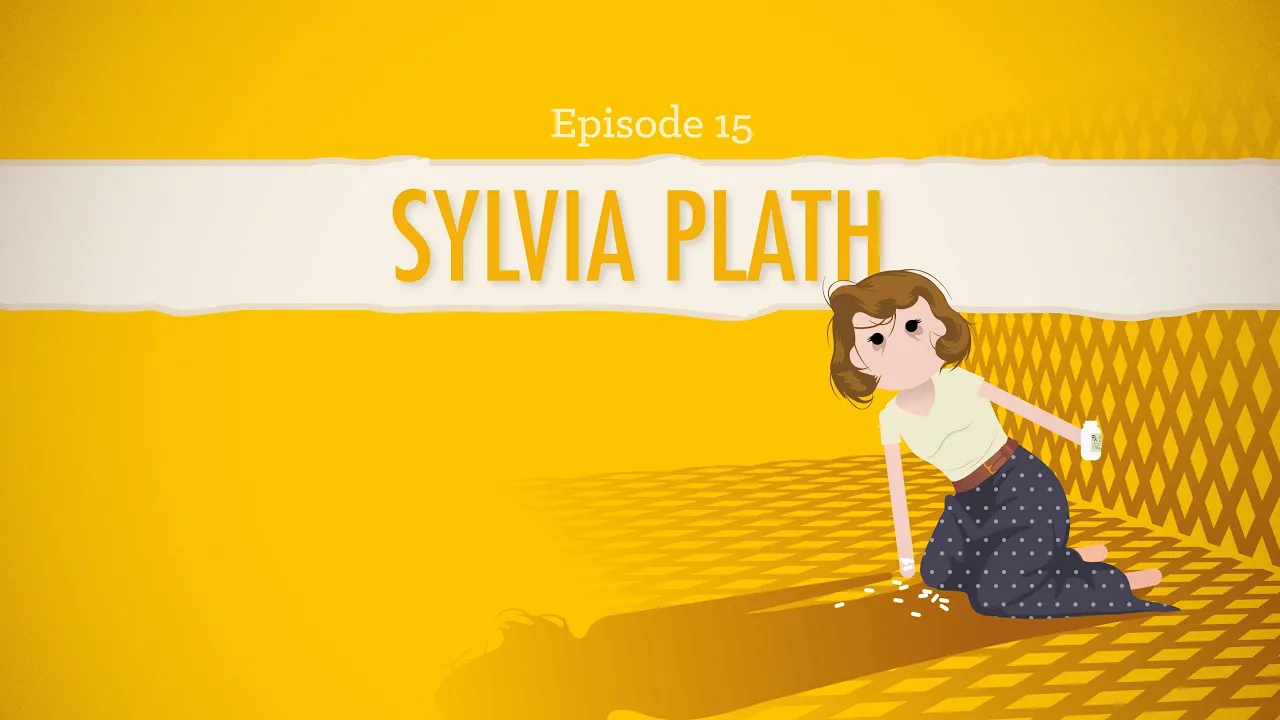
Analyzing Sylvia Plath's Poetry: Feminism, Confession, and Metaphor
@crashcourse
1.4M views•2014-06-12

Formalism in Literary Criticism: An Academic Lecture Overview
@mattalberhasky9952
39.1K views•2015-08-05

Point of View in Fiction: First Person vs. Third Person
@magicalthriftyteacher
153.8K views•2014-03-31

1984: Orwell's Dystopian World and the Mechanisms of Totalitarianism
@AlternateHistoryHub
7M views•2017-03-04
Related Study Plans & Knowledge Roadmaps
Structured learning paths in Literature