







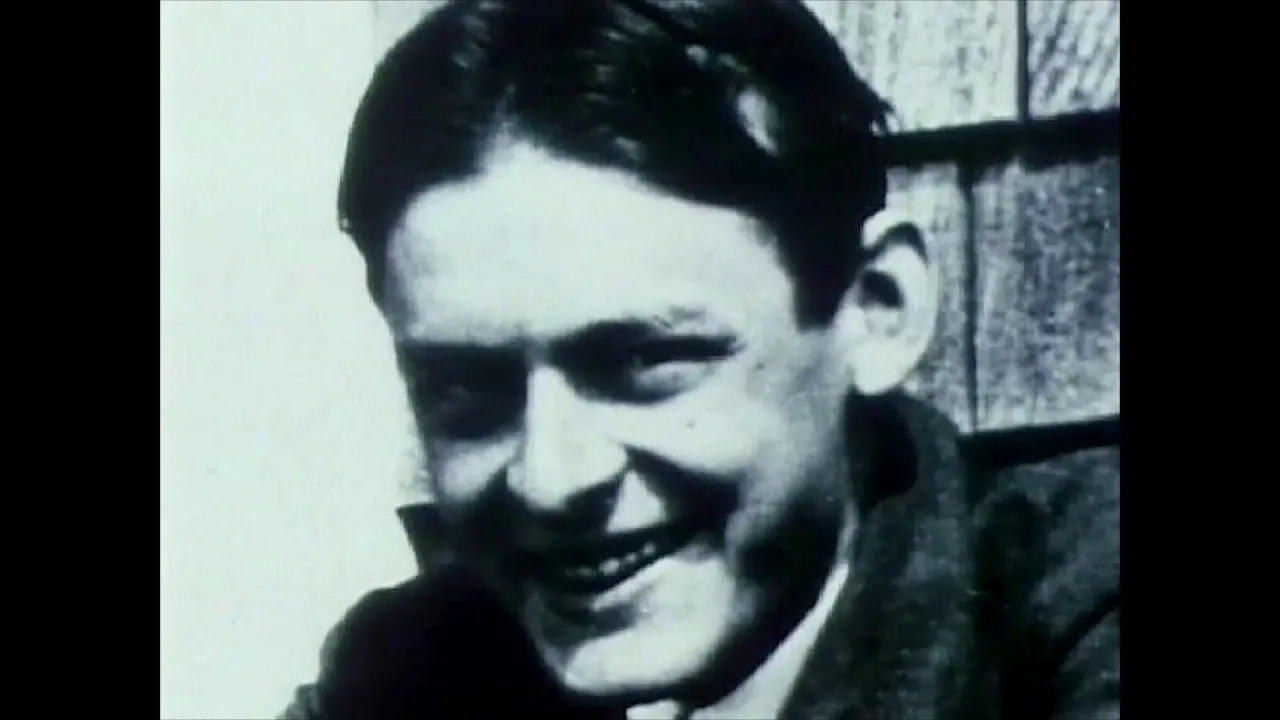








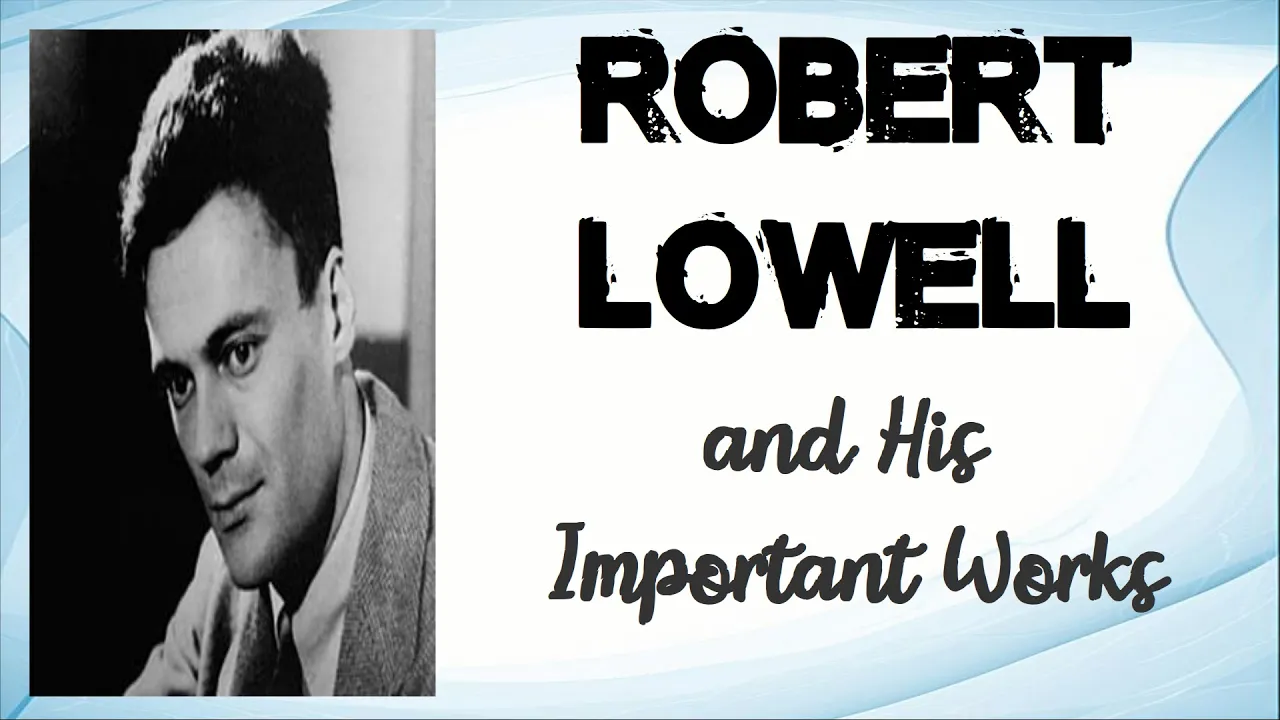



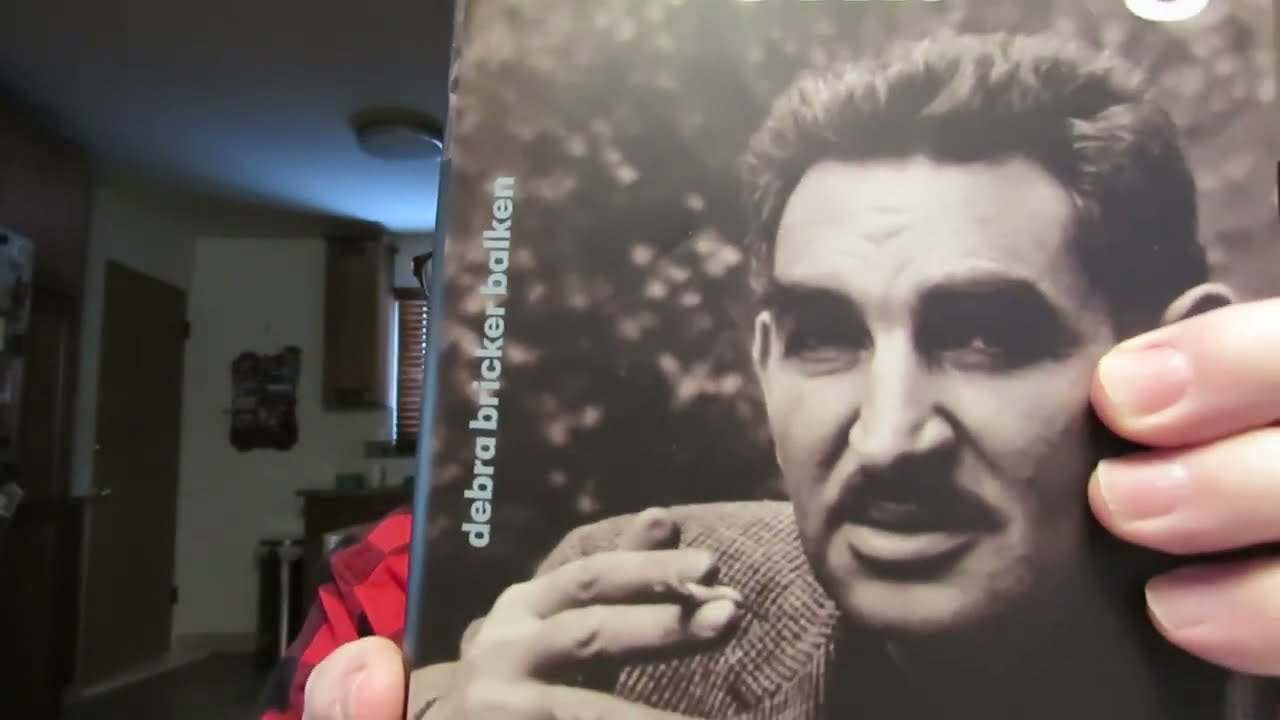


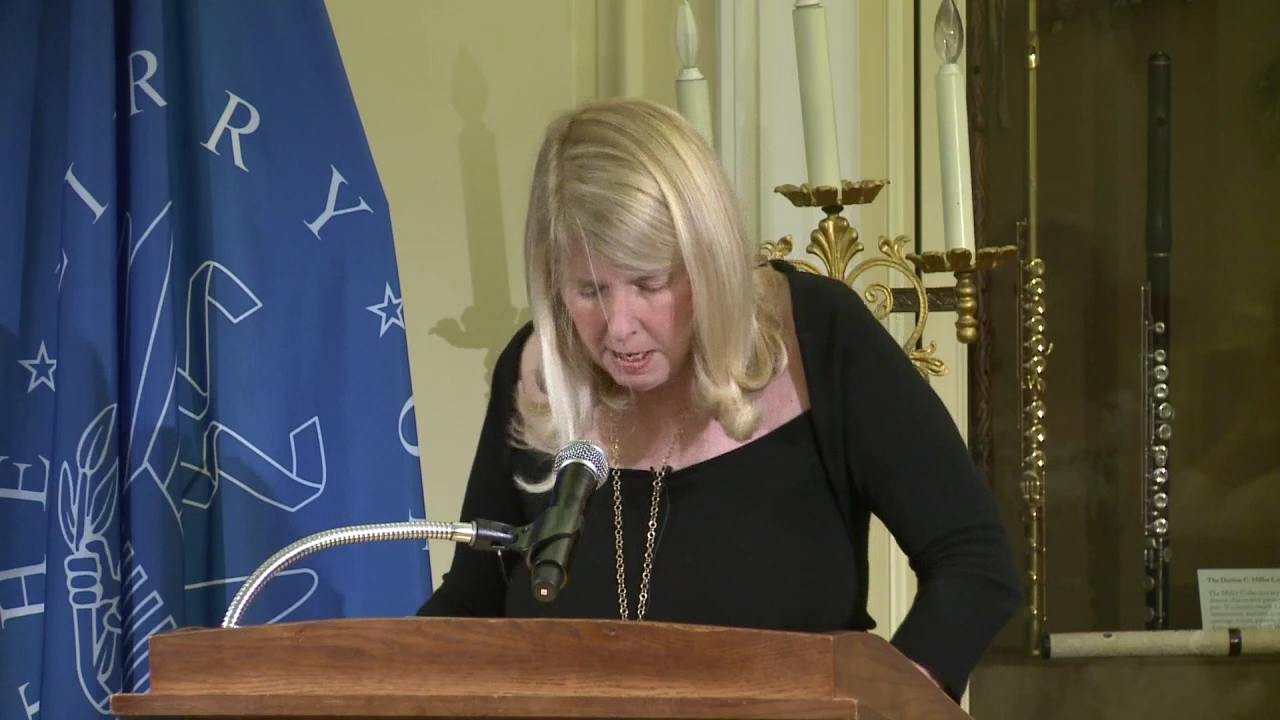
Robert Lowell (1917-1977), an American poet from a Boston Brahmin family, evolved from writing formally structured, intense poems like Lord Weary's Castle to more conversational, confessional works in Life Studies, demonstrating how personal trauma, mental health struggles, and artistic experimentation shaped his distinctive voice in American poetry.
Robert Lowell: Voices & Visions Documentary Analysis (1988)
Added:Understanding of the Confessional Poetry movement, including its characteristics of using highly personal, autobiographical, and psychological subject matter.
Familiarity with Mid-20th Century American History, specifically the social tensions of the post-WWII era, the Cold War, and the anti-Vietnam War movement in which Lowell was active.
Knowledge of Modernist Poetry foundations (such as T.S. Eliot and Ezra Pound) to appreciate how Lowell transitioned away from strict traditional forms toward freer, more personal expression.
Awareness of the 'Boston Brahmin' literary and social lineage, which defined Lowell's family background and heavily influenced his early thematic preoccupations with New England history.
An in-depth textual analysis of Lowell's groundbreaking collection 'Life Studies' (1959) and its structural departure from his earlier formalist work.
Comparative study of Lowell's students and contemporaries, such as Sylvia Plath, Anne Sexton, and Elizabeth Bishop, to understand his influence on the broader landscape of American poetry.
Exploration of the ethical debates surrounding biographical poetry, focusing on Lowell's controversial adaptation of personal letters from Elizabeth Hardwick in his collection 'The Dolphin'.
Investigation into the relationship between poetry, mental health, and creativity, examining how manic depression impacted Lowell's creative output and thematic choices.
25.8K views446likes57:05Original Release: 2021-05-28
a presentation of the south carolina educational television network major funding for the voices and visions series is provided by the national endowment for the humanities annenberg media additional series funding is provided by the national endowment for the arts and the arthur vining davis foundations [Music] well this form is called fall 1961 and um it was appeared when the cold war got quite hot and there was a berlin crisis and um there were peace marches in london and bertrand russell was making statements and if an airplane flew over your house in new york you shuddered a little bit before 1961 back and forth back and forth goes but talk talk talk of the orange bland ambassadorial face of the moon on the grandfather clock all autumn the chafe and jar of nuclear war we have talked our extinction to death a father's no shield for his child we're like a lot of wild spiders crying together but without tears nature holds up a mirror one swallow makes a summer it's easy to take off the minutes but the clock can stick back and forth back and forth back and forth my one point of breast is the orange and black orioles swinging nest those lines about the spider are curious that my daughter who was aids about five i think at the time um happened to be listening to a radio program and anton vabran's music came on and i said this is music you won't like it's difficult for grown-ups and asked her what it sounded like and she said it's like a lot of wild wolves through the woods walking and it says like wild ants red ants and then she said this amazing thing that it's it's like a lot of wild spiders crying but without tears and that isn't her language it says it was some curious something that hit on intuition i stole it from her i read skunk tower i suppose that's my most popular poem and i'm rather sick of it but um it's about a little roughly about a little main town where i go in the summer and um the summer's ending and um the town is in decline the village is in decline and um the first four stanzas sort of describe examples of the decline then the point shifts rather and moved and stiffens and gets more dramatic and the speaker goes out in his car which is a two-door ford spell t-u-d-o-r means two and um then um the hero goes through a mood of calvinist or existentialist despair [Music] and then he sees the skunks one dark night my tudor foreign climbed the hill skull i watched the love cars lights turned down they lay together hull to hull where the graveyard shelves on the town my mind's not right a car radio bleeps dog oh careless mouth i hear my ill spirit sob in each blood cell as if my hand rat its throat i myself from hell nobody is here only skunks that search in the moonlight for a bite to eat they march on their souls up main street white stripes moonstruck eyes red fire under the chalk dry and spar spire of the trinitarian church i stand on top of our back steps and breathe the rich air mother skunk with our column of kittens swells the garbage pail she jabs her wedge head in a cup of sour cream drops her ostrich tail and will not scare let me read you uh a passage uh uh from a letter um which um which i got about a year before uh he died he says i gather from your phone calls this summer has had some very hard moments for you it's miraculous as you told me about yourself how often writing takes the ache away takes time away you start in the morning and look up to see the windows darkening i think the ambition of art the feeding on one's soul memory mind etc gives a mixture of glory and exhaustion i think in the end there is no end but a lot of need and drink along the way freud said what is pleasure it is a release of tension between something buried and troubling in the conscious mind and when there is a spark between the two that is pleasure now we get that pleasure in immense ways from love it purges us as aristotle said of titty and terror the humor and the gentleness too appear in the poetry rather suddenly lord his castle is a stern difficult in some ways almost forbidding book but by the time we get to life studies a great warmth and humanity enters the poetry and orphanon remains there up until the very last book which is i think as warm a book as any that he wrote day by day very touching moving gentle book also tinged with uh a sense of his own pain and the pain that he's given to others the manic phases were not productive whenever he went into a manic phase he couldn't write one of his most memorable statements all he is i know him was his saying that it's terrible to think that all the suffering i've gone through and all the suffering i've caused was due to the fact that i didn't have enough salt in my brain he made family life available as a subject for american poetry a lot of the greatest works of american art are about the family long day's journey in the night is about o'neill's family life i'm sure the death of a salesman is about miller's family life the sound and the fury is about faulkner's family life the roots of some of the most powerful american works of art are in family life and it's a subject that poetry if it were not dramatic poetry simply hadn't touched lowell was continually trying to be american not just to keep up but to get into the call of what it was to be american what was the sound of american speech i mean now okay you may say at the beginning of his you know i was writing in lord where his castle and the other poems that that's you know where is the american-ness in them but he's right now of a tight graphical pressured situation as he got older expanded and got restless and sort of fed up with the drive of the pentameter he looked for something that would have the immediacy of the everyday thing like a simple poem like this walking along you know on a grey bay maybe the shore of jersey this is about my home city new york and it's called the mouth of the hudson it's rather hideous you look across into the cliffs of new jersey and probably nothing it's industrial land nothing is so god forsaken except the negev desert in israel the perm in a way pays a tribute to somebody who's on the jersey shore like who is william carlos williams in other words the poem is not a tribute to williams but by that time he had taken in whatever he could use from williams also the line itself the feel of the poem it has an arc a kind of a casualness if someone were holding a rod and the line at the end of the perm can pick up anything that's in the river a single man stands like a bird watcher and scuffles the pepper and salt snow on a discarded gray westinghouse electric cable drum [Music] he cannot discover america by counting the chains of condemned freight trains from 30 states they jolt in jar and junk and siding below him he has trouble with his balance his eyes drop and he drifts with a wild ice ticking seaward down the hudson like the blank sides of the jigsaw puzzle the ice ticks seaward like a clock a negro toast sweet seeds over the coke fumes of a punctured barrel chemical air sweeps in from new jersey and smells of coffee across the river ledges of suburban factories pan in the sulphur yellow sun of the unforgivable landscape this little word worth your nature points i remember asking him about admiring the line you know a simple ordinary line like westinghouse electric cable drum he and harriet were walking and she kept jumping on some old drums and she just kept saying westinghouse electric cable drum you know which and he picked that up as part of the of the of the meter then the the sound of the poem too if he said the word coffee it wouldn't be coffee he had a very it was like smoke almost at the end of it rather so it was very delicate it is you know very soft very southern in a way you know coffee [Music] you know that i suppose the famous story of how fort maddox ford met in boston or somewhere and lowell said i'm going to be a poet and with whom should i study ford said alan tate very politely wrote back and said oh we'd love to have you come but it it's just so crowded here now that you'd have to live in a tent and the next thing they knew here they looked out in the front lawn and here was someone pitching and urinating in the bushes first and then pitching a pup tent on the lawn and tate like everyone else immediately recognized his genius and and he didn't they even let him in the house i never knew i was in new england until i was about 20 and was living in the south and everyone described me as a yankee and for the first time james russell lowell seemed to be an asset not a burden even though he wasn't the most popular void among the southern fugitives um but i suddenly got a sort of historical sense of being from new england being different from the southerners and um when i first began using new england scenery i was living in the south in tennessee and it took some sort of distance to realize it and uh i was early obsessed with the idea of the puritans and what succeeded then some sense of history harvard didn't mean so much to me i stayed there a year and a half and uh i wanted to some example of modern poetry and couldn't find one there and got rather bored with what i was taught and somewhat foolish arrogant way and then i transferred to canyon college and uh studied with john crow ransom and lived in his house and uh i think that was just saved my life really that it gave an environment for me and i learned the deal in class i think but even more outside in casual conversation gossip you couldn't imagine two ports more different ransom was a rather small apple cheeked cheerful southern gentleman that's full of utmost courtesy at all times and um cal was rather boisterous young man randall jarrell came at the same time he was our house mother they called us the poets milton i think was somewhat his ideal and then in a way he was rather like milner than scholarly very scholarly and everybody knew it there was no question we we knew he was going to be a grandpa [Music] brackish reach your shoal off maticat the sea was still breaking violently and knighted steamed into our north atlantic fleet and the drowned sailor clutched the dragnet light flashed from his matted head and marbled feet he grappled at the net with the coiled hurdling muscles of his thighs the corpse was bloodless a botch of reds and whites its open staring eyes were lustrous dead lights or cabin windows on a stranded hulk heavy with sand we wait the body close its eyes and heave it seaward once it came where the heel-headed dogfish barks its nose on ahab's void and fired when i was a student i studied with ivor winters at stanford who was a friend of lowell's teacher alan tate and winters was still as an old man grumbling lowell was of course not young to me he was in his 40s and uh winners in his lectures always referred to him as that young lol and i remember him saying when he was speaking about earlier english poets who enjambed lines badly he grumbled and said young lol has got a bad enchantment and i think he learned it from alan tate it's a brilliantly bad in german if it is one and you get it here for example had steamed into our north atlantic fleet when the drowned sailor clutched the dragnet light flashed from his matted head and marble feet things being cut off ended too soon ended a place where they lurch on and begin rhyming and near rhyming which feel to me like somebody kind of shooting furiously at target not caring whether they hit it or not just shooting at the angry energy of shooting [Music] i first met robert lowell in 1941 through his wife gene stafford i was her editor and uh she was working on her first novel boston adventure she had married lol i think just working on her foot i was her editor and uh she was working on her first novel boston adventure she had married lol i think just a few years before that 39 or 40. he was very quiet very intense person and he presented me with a copy of his very first book which was privately printed the land of unlikeness gene said the cow has a new book of poems and it was lordry's castle and i guess you can't really say that lord worries castle was a best seller but it was a very very big seller and one of the most successful books of poems i myself was ever involved with sailors pitch this poor tent at the sea where dreadnoughts shall confess its hell-bent deity when you are powerless to sandbag this atlantic bulwark faced by the earth's shaker green unwearing chaste in his steel scales ask the no orpheum luke to pluck life back the guns of the steel fleet recoil and then repeat the horse salute the poem is a political poem and it's a poem about world war ii though the war doesn't really enter into it the full title of the poem is the quaker graveyard in nantucket for warren winslow dead at sea warren winslow was lowell's cousin a young man who was an ensign in the navy and went off the war and lost his life the rage of the poem is partly the rage at that loss at the senselessness of the loss of sending generation after generation of kids off to fight in a war uh from lowell's point of view a fruitless war uh the astonishing thing about the poem kind of brilliance of the conception of the poem was making it a poem not about world war ii but about whaling [Music] seagulls blink their heavy lids seaward the wind's wings beep and the stones cousins scream few and the claws rush at the sea's throat and ring it in the slash of this old quaker graveyard where the bones cry out in the long night for the hurt beast bobbing by he have's whale boats in the east what he sees permanently in the atlantic what anybody sees permanently in the atlantic after they've read this poem is uh some revised low version of melville's moby dick in which the whale is always out there crying wounded and of course that hurt beast begins to echo and rhyme with the hurt self of the tide which is the herd of lowell himself which is the hurt that the nation is doing to itself in war which is the death of its young all of those themes come together and where do they go where do you take this violence to cape cod guns cradled on the pine to blast the eelgrass about a water clock of bilge and backwash rile the salt and sand lashing earth scaffold rock our warships in the hand of the great god where times contrition blues whatever it was these quaker sailors lost in the mad scramble of their lives in the sperm-whaled slick i see the quakers drown and hear their cry if god himself had not been on our side if god himself had not been on our side when the atlantic rose against us why then it swallowed us up quick it's some version of himself who's lost and then in the sort of dazzling extensions of the poem because great poems do that mean in so many different directions the sailor warren winslow the innocent victim also becomes the sacrificial lamb it becomes a figure for christ and the problem of the paul which is the problem of woll's religious belief is is there anything that can redeem this violence is there anything at all that can redeem this violence and i i think that must be what drove low to catholicism [Music] but see our lady too small for her canopy sits near the altar there's no comeliness at all a charm and that expression is faced with its heavy eyelids just before this space for centuries of memory known as pacquiao's neckway decor expressionist expresses god it goes past castle time she knows what god knows not calvary's cross or crib at bath them now and the world shall come to walls again [Music] gene stafford who's already converted to catholicism i don't think it was that which had an influence on mobile i think it was the direction in which he was then headed [Music] his relationship to gene stafford his first wife was a very tormented and tormenting one and it began rather hideously with the normal belax and before they were ever married in the first place in which her face was terribly scarred and scarred for life uh scarred in ways for which she never recovered and the facial scarring was only a sign of some other kinds of scarring and lowell walked away from that accident uh unscathed and walked away some people think from the marriage unscathed though i don't think this is true there are too many indications in the poetry itself that he never completely forgave himself for what happened hello all met elizabeth hardwick at yatto at the writers colony at saratoga springs in 1948 were thereabouts and they were married a year or so later it's hard to remember that in 1950 you didn't fly so we ran on freighter mary mccarthy had never been to europe until i think it was 49 and we hadn't been first there was a nazi period and then the war [Music] we decided to go to florence although some people say why did you go to florida especially people who live in rome and anyway we did and we wandered around and those were much easier times than now and everything was very cheap and found an apartment on the arnold as i look back on things it seemed very beautiful [Music] in florence i remember the easter service at the duomo and all the old pellets and their rather both eaten velvets and moth eaten furs and they let a dove out from the high altar once you're there that's your idea to take in and experience as much as you can and you do read about the paintings you read a lot of art history i think the arts are connected with power in a peculiar way but it's an oblique way and often comes when the power is faded that is a great period of italian painting somehow as a period not exactly power but of efficiency that it's no accident that florence was the sort of pittsburgh of the state when the great florentine painting came [Music] uh [Music] well holland i fought against it it was very hard living there and we did go and it was a very wise and useful and and interesting and happy experience but that was cal's insistence he had always wanted to go to northern europe and i do think that was he had tremendous interest in dutch painting and dutch history and then there's the great uh bostonian historian mott leaves rise of the dutch republic which he had read as a youth he wasn't writing much then perhaps trying to and that was worrying to him so there was a kind of lull and a bit of a depression about his work of what to do next [Music] i remember having a nice quiet conversation with him once in a restaurant in new york and we were talking about painters and what paint has resembled what kind of poets and i asked him what kind of painter would he like to imagine his work to be like and he said vermeer life studies for instance is an artist's term you know studies from life you go into a situation in which as if you were entering a painter's studio in which everything is there um you see the shavings in the sculpture studio you see the you know the brushes in the painters studio and all the fragments are there all his knowledge everything he knows everything his reading his his life his past everything um is right there and comes to him line after line without a conscious intention of making something as serene and as heraldic as say poets in the middle age it's not like he hates saying yates has found a sound laurel never settled on one sound [Music] we were in rome and that was a tremendous year in rome it was one of the great holy years being 1950 and they announced the dogma of the assumption of the virgin into heaven and i guess that had not been dogma until 1950.
[Music] the poem is about several things but its main subject is that um it's supposed to take place on a train going from rome to paris so the train literally goes over the alps and um the poem is about people who go beyond nature uh muslim or the vote and i've always regarded the point of the declaration of my faith the lack of faith and what it means theologically i think it's impenetrable [Music] beyond the alps is clearly an announcement that something is changing in life studies the poem still recognizably belongs to the style of the earlier poems but that style so clotted and so intense had to change you just there was no way that anybody could write a poetry at that pitch of intensity and stay there a young man starts out at a shriek he's got to find a way down to another tone of voice and as he does he also turns from catholicism as a form of salvation to his own art as a form of salvation which is really what he believed in all along reading how even the swiss had thrown the sponge in once again and everest was still on scale i watched our paris pullman lunge mooning across the fallow alpine snow oh bella roma i saw our stewards go forward on tiptoe banging on their guns man changed the landscape much against my will i left the city of god where it belongs there the skirt mad mussolini unfurled the eagle of caesar he was one of us only pure prose i envy the conspicuous waste of our grandparents on their grand tours long-haired victorian sages accepted the universe while breathing on their trust funds through the world [Music] the poem has an almost loony tone quality and it begins to have something that lowell brilliantly had for the rest of his career the ability to take stuff out of the newspapers out of the headlines set it down in the context of other things that are going on and make a kind of symbol out of the most bizarre dailiness bombastic mussolini the sawdust caesar comes to his end in the gutter he led his country to ruin when he threw his lot in with hitler a fitting climax to a life of treachery and double cross when the vatican made mary's assumption dogma the crowds of san pietro the holy father dropped his looking glass and listened his electric razor heard and his canary church on his left hand lights of science couldn't hold a candle to mary prison at one miraculous stroke angel winged gorgeous as a jungle bird but who believed this who could understand pilgrims still kissed saint peter's brazen sandal the duchess lynched bare booted skull still spoke god herded his people to the kudegras the costumed switzer spoke their pikes to push all past through the monstrous human christ life studies was a watershed book for lowell his early poems of course were very concentrated very inward in life studies he adopted much more conversational freer style the so-called i hate the word confessional style but of course it was the result of us having worked for three or four years on his autobiography and going over his past his childhood his parents slowl early wrote poems about knocking his father down the one poem that appears in lord willie's castle and this sense of rebellion figures in a great number of poems not only regarding its own actual father but in all paternal figures in all authority figures uh in sending a letter to the president of the united states announcing that he would not fight in the war there are other less demonstrative and less self-aggrandizing ways of refusing to [Music] fight there's a time when churchill and roosevelt met and said we tend to burn something in ruthless to destroy and we're saturating hamburg and the northern german cities the civilian population and the they announced their policy the unconditional surrender well then it seemed to me we were doing just what our germans were doing and i was a roman catholic at the time and we had a very complicated idea on wars called the unjust war which is impossible to define but there's obviously a possibility that there can be two kinds of wars and one that merges into the other this seems clearly unjust so i refused to go to the army and was sent to jail i went to something i think it's called the west street jail in new york a sort of clearinghouse it had all kinds of people two sort of labor pimps by often brown very powerful people who leave the jail every day with their lawyers but the most famous inmate was louis lapke who was head of murder incorporated and it did just that you paid murder incorporated something and people would disappear forever [Music] poems are always about two things they're about whatever they're about and they're about language lepi was real the whole was real and he's writing about what he remembers about that this poem is obviously about two different experiences it begins as he is recovering from the illness the state of mental hospital as he explains he's talking about himself in the beginning in his house in boston only teaching on tuesdays bookworming he wouldn't say you know just hanging around reading or something is bookworming only teaching on tuesdays look worming in pajamas fresh from the washer each morning i hog a whole house on boston's hardly passionate marlborough street where even the man scavenging filth in the back alley trash cans has two children a beach wagon a help mate and is a young [Music] republican i would nine months daughter young enough to be my granddaughter like the sun she rises in her flame flamingo infants wear these are the tranquilized fifties and i'm forty or try to regret my seed time this is the prosperous fifties or sixties he's got a whole house on marlborough street surrounded by wonderful furniture his daughter his wife is taking care of him he's well fed well clothed well housed somehow he remembers the time years ago when he was as he says a fire-breathing catholic ceo i was a fire-breathing catholic ceo and made my manic statement telling off the state and president and then sat waiting sentence in the bullpen beside a negro boy with curl accused of marijuana in his hair sentence to a year i walked on the roof of the west street jail a short enclosure like my school soccer court and saw the hudson river once a day through [ __ ] clothesline entanglements and bleaching cocky tenements strolling i yammered metaphysics with abramowitz a jaundice yellow it's really tan and flyweight pacifist so vegetarian he wore rope shoes and preferred fallen fruit he tried to convert by off and brown the hollywood pimps to his diet hairy muscular suburban wearing chocolate double-breasted suits they blew their tops and beat him black and blue i was so out of things i'd never heard of the jehovah's witnesses are you a c.o i asked a fellow jail bird no he answered i'm a jw he taught me the hospital tuck and pointed out the t-shirted back of murder incorporated tsar latke there piling towels on a rack or dawdling off to his little segregated cell full of things forbidden the common man a portable radio a dresser two toy american flags tied together with a ribbon of easter palm sadly bald lobotomized he drifted in a sheepish calm where no agonizing reappraisal jarred his concentration on the electric chair hanging like an oasis in his air of lost connections he had a breakdown in boston he couldn't write he was very unhappy over that and he was sort of thinking of writing these things about uncle deborah and so on which he actually wrote in prose and i said well why don't you just write it in prose he kept some of it and made 91 revere street out of him and then there was the hospital and he was always very humiliated and disturbed for a long time about those episodes and i i did say well why don't you just write it down it wasn't long before he was breaking it up and putting it into poems [Music] my last afternoon with uncle deborah winslow i won't go with you i want to stay with grandpa that's how i threw cold water on my mother and father's watery martini pipe dreams at sunday dinner fountain blow mata poison vancouver nowhere was anywhere after a summer at my grandfather's farm well this is the house where bobby used to stay in the summer i lived in the house across the street and he used to lend him books and the books were about adventures boys who had adventures and found pirates and smugglers and his mother didn't like his reading about that because he liked to pretend he was a smuggler or a pirate and went off in his rowboat and she brought all the books back and said please don't lend bobby any more books that give my dears [Music] i picked with a clean fingernail at the blue anchor on my sailor blouse washed white as a spinnaker what in the world was i wishing sail-colored horse browsing in the bulrushes a fluff of the west wind puffing my blouse kiting me over our seven chimneys troubling the waters as small as sapphires were the ponds quitticus snippet to it mass swamps it halved by the island where my uncle's duck blind floated in a barrage of smoke clouds double-barreled shotguns stuck out like bundles of baby crowbars no matter how casual and seeming it is in life studies how throwaway these lines seem to be they are not constructed as his earlier lines always were my god out of granite you know still they were created language my uncle was dying at 29.
you were behaving like children said my grandfather when my uncle and aunt left their three baby daughters and sailed for europe on a second honeymoon i cowered in terror i wasn't a child at all unseen and all seeing as agrapena in the golden house of nero near me was the white measuring door my grandfather penciled with my uncle's heights in 1911 he had stopped growing at just six feet while i sat on the tiles and dug at the anchor in my sailor blouse uncle deborah stood behind me he was as brushed as fired our riding horse his face was putty his blue coat and white trousers grew sharper and straighter his coat was a blue jay's tail his trousers was solid cream from the top of the bottle he was animated hierarchical like a ginger snap man in a clothes breast he was dying of the incurable hodgkin's disease my hands were warm and cool on the piles of earth and lime a black pile and a white pile come winter uncle devorah would blend to the one color it's terrible if you're bound to the photograph of your past which i think i was in my studies but i i don't reject that that's all right that's a decent book but i don't want to write another life studies another photograph and that's quite a problem because you cheat and change things in the supposedly exactly true story of your mother and father but on the whole it seems as though it exactly happened in that kind of language and real problems get around the things that won't seem as though exactly happen you know you're inventing them [Music] this is all for the union dead and it's a good deal of embarrassment if you're a new englander that the riding in the south has been so superior to ours in this century i think and um they go to town on the civil war many of my closest friends have been southerners and we've had this bone to pick between us and it certainly hasn't done great things in literature that modern southern writing particularly faulkner but others and i've never done this kind of thing before and i don't think i will again but it was read on the boston public garden last spring there's a great monument in boston our finest monument done by saint golden's henry adams friend of the shaw on his horse and the regiment marching with him and it faces the state house and when it was unveiled william james spoke at it and uh justice holmes spoke at another ceremony so that this is deep in tradition and the day when shawn the negro regiment marched through boston anchors 1863 two months later shawn and about a third of the regiment were dead attacking a fort of charleston for the union dead the old south boston aquarium stands in the sahara of snow now its broken windows are boarded the bronze weathervane card has lost half its scales the airy tanks are dry once my nose crawled like a snail on the glass my hand tingled to burst the bubbles drifting from the noses of the cowed compliant fish one morning last march i pressed against the new barbed and galvanized fence on the boston common behind their cage yellow dinosaur steam shovels were grunting as they cropped up tons of mushroom grass to gouge their underworld garage parking spaces luxuriate like civic sand piles in the heart of boston a girdle of orange puritan pumpkin-colored girders braces the tingling state house shaking over the excavations as it faces colonel shaw and his bell-cheeked negro infantry on saint gardens shaking civil war relief propped by a plank splint against the garages earthquake two months after marching through boston half the regiment was dead at the dedication william james could almost hear the bronze negroes breathe their monument sticks like a fish bone in the city's throat shawl's father wanted no monument except the ditch where his son's body was thrown and lost with its [ __ ] the ditch is nearer there are no statues for the last war here on boylston street a commercial photograph shows hiroshima boiling over moseler's safe the rock of ages that survived the blast space is nearer when i crouched to my television set the drained faces of negro school children rise like balloons colonel shaw is riding on his bubble he waits for the blessed break the aquarium is gone everywhere giant thinned cars nose forward like fish the savage circus slides by on greece the old south boston aquarium stands in a sahara of snow now the word snow contains now in it snow now it also implies for the moment it stands in a sahara of snow but underneath the snow there's a sahara so there's like a prediction of the bomb what you feel is that the aquarium which is going to be dry that that's a condemned building to a kind of doom that is possible from the atomic bomb [Music] i don't see why anyone would want to intend pacifism or optimism that you don't want to think of that and uh you want to think of what you feel then you're very astonished that what you feel falls into a groove you maybe didn't intend our next guest is a man who many speak out as grace potent america i have a better introduction for him which is he was intimate to an invitation from the white house for an intimate tea and ceremony a robert lowe who's a poet and let me enforce upon you one notion poets come rarely from the middle class they come they come the top the bottom how it is about low who if i were to fulfill this in true spit-ass empty fashion would have to be announced is coming from the top oh we're all very different our styles are different our points are different and our poetry is different and cal said to me said you know it's so funny here in boston they think i'm norman mailer and in new york they think i'm robert lowell and this was norman mailer's you know wife stabbing period and so forth i mean in boston he's felt to be so sort of outrageous and unpredictable and sort of awkward whereas in europe people think he's a gentleman these terrible events of the last three months perhaps of the strongest tribute i could give to my friend senator mccarthy about why he's so necessary and there are three short poems one has something to do with columbia outburst the second is an elderly descendant to kennedy and the third has directly something to do with the martin luther king's death a lot of sonnets were coming very quickly and uh he let them come i think he felt that he didn't altogether choose for this to happen they were lines clumps of lines were would come banging through his head and he had to uh get them down and make some order out of them things that he had been thinking about reading about amusing about all his lifetimes suddenly he could get into a poem cato cleopatra a translation of a sonnet about hannibal there was a kind of explosion of the possibilities of what could actually get into his work [Music] and then there are passages borrowed from the writings or conversations of others letters for example these appear in dolphin for example that put him in a very embarrassing light there were a lot of people advised against that the reception of the dolphin um and the controversy about the dolphin before it came out reflected an extremely naive sense that somehow this book was going to be uh simply a record of the breakup of his marriage to elizabeth hardwick and marrying carolyn blackburn but of course elizabeth hardwick doesn't write letters in iamic pentameter and when he says in the poem dolphin that the book is half fiction he means it i mean the book is by no means a record of what she said or wrote to him in any at any one moment and even the the plot the structure of the story is not at all the plot and structure as it happened in life it's a work of art he writes in a letter in 1976 dear frank so good to hear your voice i've just been talking to lizzy and felt a rush of health my recovery has been easy in most ways but i'm weighed down by the new frequency of attacks how can one function if one is regularly sick shades of the future prison but all's well for the present the doctors differ somewhat but are optimistic so am i we sit by the fire paying bills carolyn has written three chapters of a novel i've written a short heartfelt poem no i want to end on a dying beat not too hard to do a little problem it's an epilogue to a long sequence those blessed structures plot and rhyme why are they no help to me now i want to make something imagined not recalled i hear the noise of my own voice the painter's vision is not a lens it trembles to caress the light but sometimes everything i write with dim eyes and thread their art seems a snapshot lurid rapid garish grouped heightened from life yet paralyzed by fact all's misalliance yet why not say what happened pray for the grace of accuracy vermeer gave to the son's illumination stealing like the tide across a map to his girl solid with yearning we are poor passing facts warned by that to give each figure in the photograph his living name thank you [Applause] [Music] so [Music] you
Up Next

4:45
Sylvia Plath's Poetry: Why Her Unflinching Voice Still Matters
@TEDEd
2.3M views•2019-03-07

13:43
Formalism in Literary Criticism: An Academic Lecture Overview
@mattalberhasky9952
39.1K views•2015-08-05
52:24
Arthur Conan Doyle: The Creator of Sherlock Holmes Documentary
@AuthorDocumentaries
234.5K views•2021-12-13

15:25
1984: Orwell's Dystopian World and the Mechanisms of Totalitarianism
@AlternateHistoryHub
7M views•2017-03-04
Related Study Plans & Knowledge Roadmaps
Structured learning paths in Literature
literature
Graphic Memoirs: Visual Art, Trauma & History
01Foundations of Sequential Art and Visual Language
02Autographics and Processing Historical Trauma
03Visualizing Personal Trauma, Grief, and Graphic Medicine
+ 2 more learning modules
14h5 modules
Explore Roadmap
literature
Campus Novels: Evolution, Themes & Critique
01Introduction to the Campus Novel Genre
02Mid-Century Satire and the Post-War Academy
03Dark Academia and the Critique of Privilege
+ 2 more learning modules
14h5 modules
Explore Roadmap
literature
Theater of the Absurd: Philosophy & Plays
01Postwar Existentialism & Historical Roots
02Dismantling Narrative: Esslin & Absurdist Conventions
03Samuel Beckett and Tragicomic Existentialism
+ 2 more learning modules
12h5 modules
Explore Roadmap
literature
Revenge Tragedy: Justice, Madness & State
01Foundations of Early Modern English Theatre
02Anatomy of Revenge: Structural Conventions
03Psychological Complexity: Madness and Melancholy
+ 2 more learning modules
15h5 modules
Explore Roadmap