










![Of Studies [Francis Bacon] (Introduction to Francis Bacon)](https://i.ytimg.com/vi/hoi4AFrAqcQ/maxresdefault.jpg)



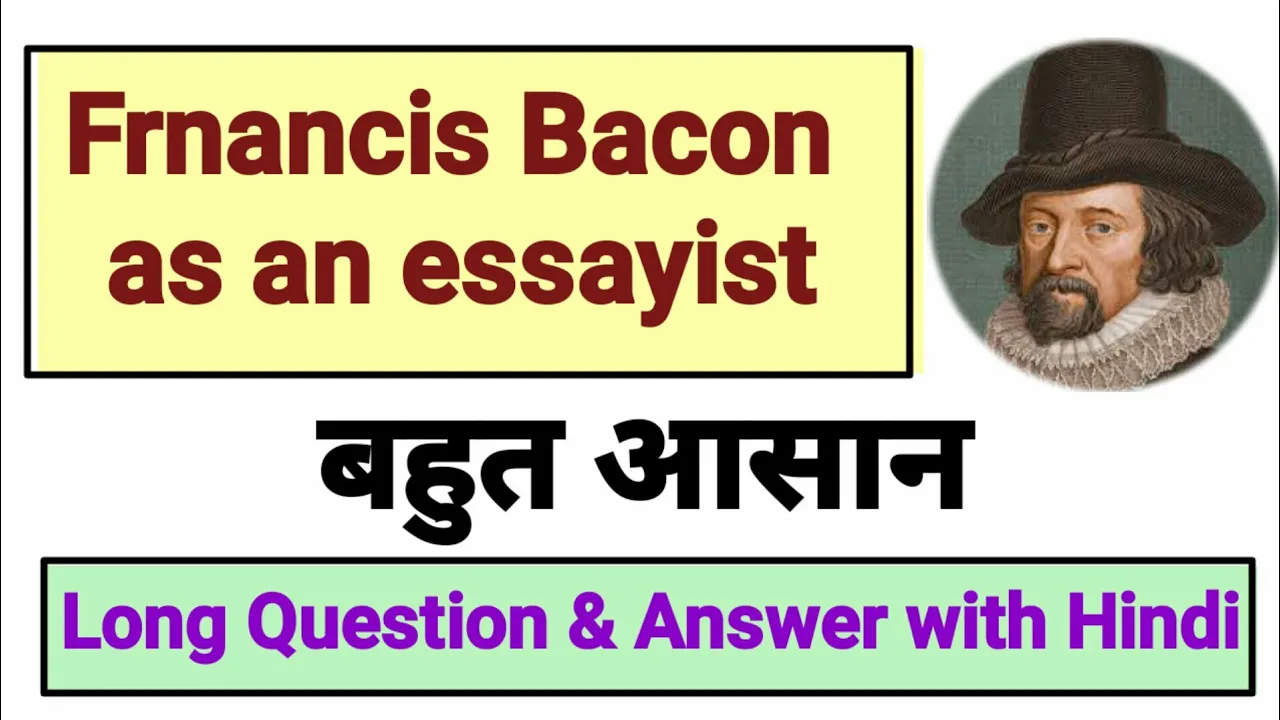












In his Essays, Francis Bacon explores fundamental aspects of human nature and virtue, arguing that revenge undermines justice and wisdom, while adversity reveals true character more effectively than prosperity; he distinguishes between three degrees of deception (secrecy, dissimulation, and simulation), noting that while some dissimulation is politically necessary, excessive simulation is morally problematic; regarding family dynamics, Bacon observes that children sweeten labor but intensify misfortune, and that parental affection toward children is often unequal; finally, he concludes that marriage creates obligations that impede great achievements, while single life offers greater freedom for intellectual and public service.
Francis Bacon Essays: Revenge, Adversity, Simulation | Audiobook
Added:Understanding of the historical and cultural context of the Elizabethan and Jacobean eras in England, which shaped Bacon's political and social perspectives.
Familiarity with the 'essay' as a literary genre, including its origins with Michel de Montaigne and its evolution into a medium for moral and practical philosophy.
Basic awareness of Renaissance Humanism and classical Stoicism, which influenced how early modern thinkers approached personal ethics, adversity, and human nature.
An introduction to Bacon's empiricist philosophy and his emphasis on practical utility, observation, and active civic life over abstract medieval scholasticism.
A comparative study of Francis Bacon and Michel de Montaigne, analyzing their differing essayistic styles, skepticism, and views on human nature.
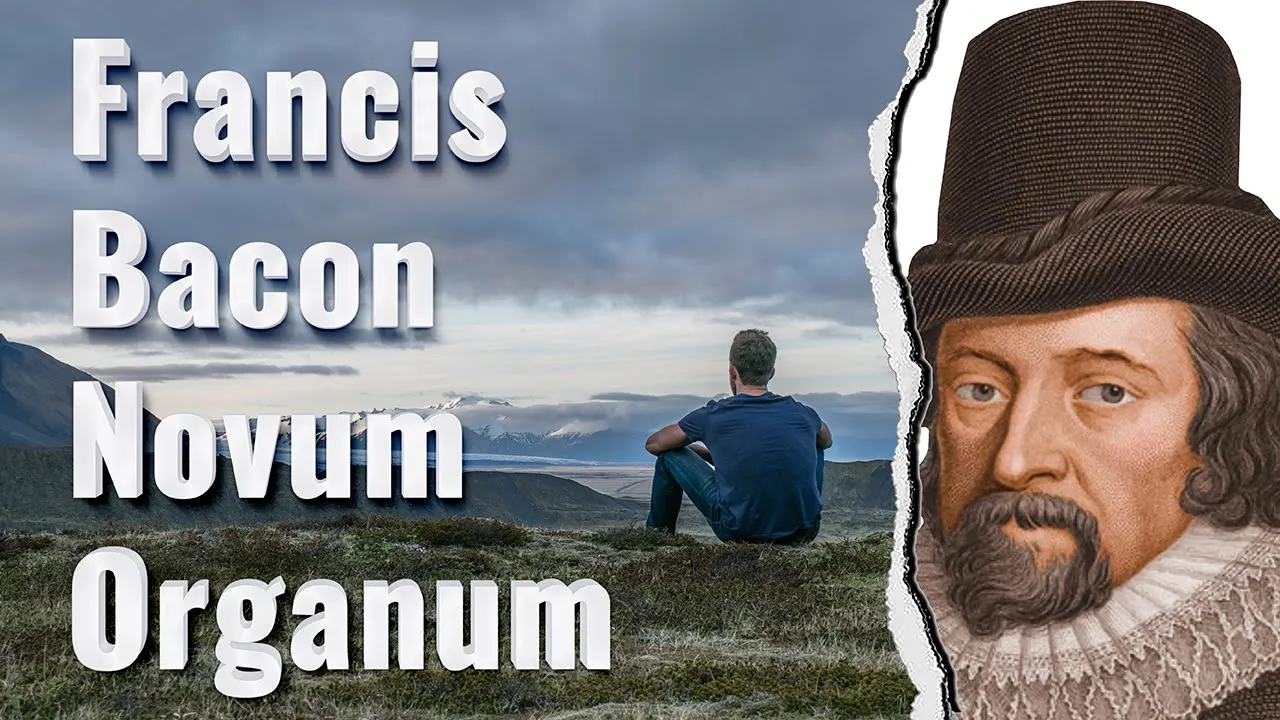
Exploration of Bacon's larger philosophical works, such as 'The Advancement of Learning' and 'Novum Organum', to understand his scientific method and epistemology.
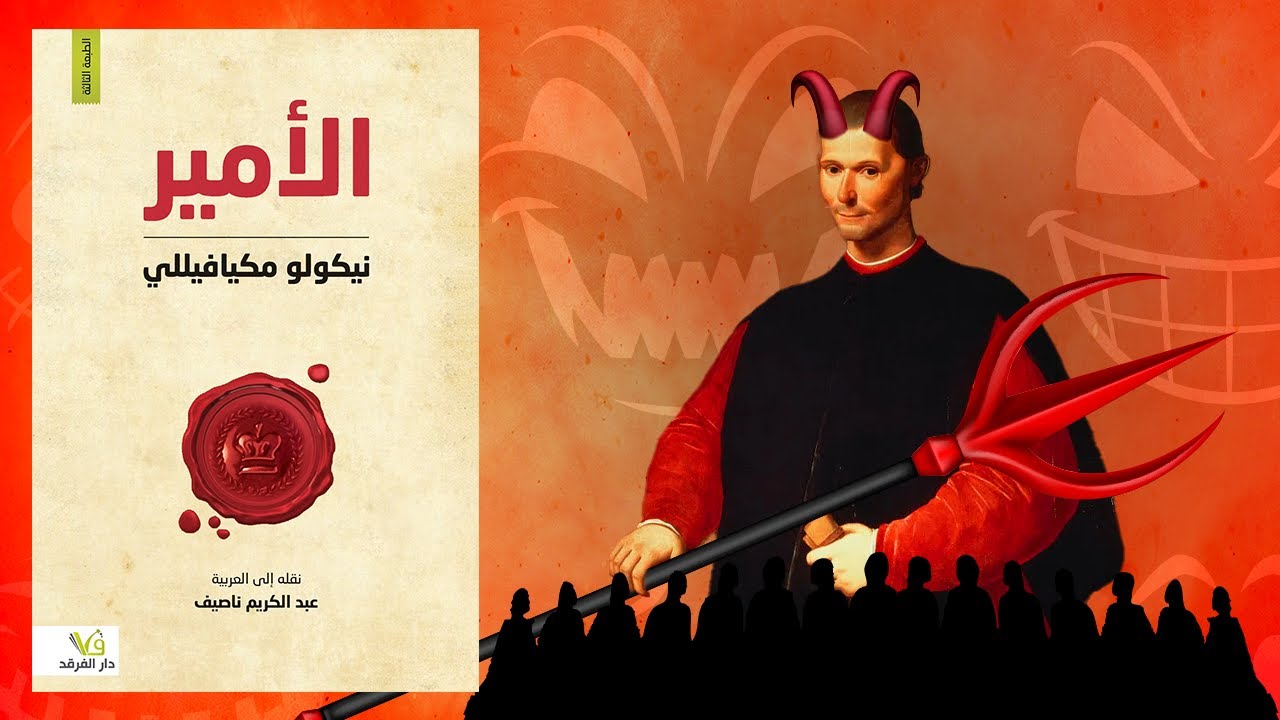
Analysis of political pragmatism by comparing Bacon's essay 'Of Simulation and Dissimulation' with Niccolò Machiavelli's 'The Prince'.
Application of Baconian insights on revenge ('wild justice') and adversity to modern moral philosophy, psychology, and restorative justice frameworks.
3.2K views23likes21:20Original Release: 2013-01-27
this is a librivox recording all librivox recordings are in the public domain for more information and to volunteer please visit librivox.org the essays of francis bacon essay 4 of revenge revenge is a kind of wild justice which the more man's nature runs to the more ought law to weed it out for as for the first wrong it doth but offend the law but the revenge of that wrong putteth the law out of office certainly in taking revenge a man is but even with his enemy but in passing it over he is superior for it is a prince's part to pardon and solomon i am sure saith it is the glory of a man to pass by an offense that which is passed is gone and irrevocable and wise men have enough to do with things present and to come therefore they do but trifle with themselves that labor in past matters there is no man dot the wrong for the wrong sake but thereby to purchase himself profit or pleasure or honor or the like therefore why should i be angry with a man for loving himself better than me and if any man should do wrong merely out of ill nature why yet it is but like the thorn or briar which prick and scratch because they can do no other the most tolerable sort of revenge is for those wrongs which there is no law to remedy but then let a man take heed the revenge be such as there is no law to punish elsa man's enemy is still beforehand and it is two for one some when they take revenge are desirous the party should know whence it cometh this is the more generous for the delight seemeth to be not so much in doing the hurt as in making the party repent but base and crafty cowards are like the arrow that flyeth in the dark cosmos duke of florence had a desperate saying against perfidious or neglecting friends as if those wrongs were unpardonable you shall read saith he that we are commanded to forgive our enemies but you never read that we are commanded to forgive our friends but yet the spirit of job was in a better tune shall we saith he take good at god's hands and not be content to take evil also and so of friends in a proportion this is certain that a man that studieth revenge keeps his own wounds green which otherwise would heal and do well public revenges are for the most part fortunate as that for the death of caesar for the death of pertinex for the death of henry iii of france and many more but in private revenges it is not so nay rather vindictive persons live the life of witches who as they are mischievous so end they unfortunate essay 5 of adversity it was in high speech of seneca after the manner of the stoics that the good things which belong to prosperity are to be wished but the good things that belong to adversity are to be admired bonum rerum secondarium optibilia adversarum mirabilia certainly if miracles be the command over nature they appear most in adversity it is yet a higher speech of his than the other much too high for a heathen it is true greatness to having one the frailty of a man and the security of a god viri magnum habiri fragilitatum hominis securitatum di this would have done better in posey where transcendences are more allowed and the poets indeed have been busy with it for it is in effect the thing which figured in that strange fiction of the ancient poets which seemeth not to be without mystery nay and to have some approach to the state of a christian that hercules when he went to unbind prometheus by whom human nature is represented sailed to the length of the great ocean in an earthen pot or pitcher lively describing christian resolution that saileth in the frail bark of the flesh through the waves of the world but to speak in a mean the virtue of prosperity is temperance the virtue of adversity is fortitude which in morals is the more heroical virtue prosperity is the blessing of the old testament adversity is the blessing of the new which carrieth the greater benediction and the clearer revelation of god's favor yet even in the old testament if you listen to david's harp you shall hear as many hearse-like errors as carols and the pencil of the holy ghost hath labored more in describing the afflictions of job than the felicities of solomon prosperity is not without many fears and distastes and adversity is not without comforts and hopes we see in needleworks and embroideries it is more pleasing to have a lively work upon a sad and solemn ground than to have a dark and melancholy work upon a lightsome ground judge therefore of the pleasure of the heart by the pleasure of the eye certainly virtue is like precious odors most fragrant when they are incensed or crushed for prosperity death best discover vice but adversity doth best discover virtue essay 6 of simulation and dissimulation dissimulation is but a faint kind of policy or wisdom for it asketh a strong wit and a strong heart to know when to tell the truth and to do it therefore it is the weaker sort of politics that are the great dissemblers tacitus saith livia sorted well with the arts of her husband and a simulation of her son attributing arts or policy to augustus and assimilation to tiberius and again when musianus encourageth vespen to take arms against vitellius he saith we rise not against the piercing judgment of augustus nor the extreme caution or closeness of tiberius these properties of arts or policy and dissimulation or closeness are indeed habits and faculties several and to be distinguished for if a man have that penetration of judgment as he can discern what things are to be laid open and what to be secreted and what to be showed at half-lights and to whom and when which indeed are arts of state and arts of life as tacitus well calleth him to him a habit of dissimulation is a hindrance and a poorness but if a man cannot obtain to that judgment then it is left to him generally to be close and a dissembler for where a man cannot choose or vary in particulars there it is good to take the safest and weariest way in general like this going softly by one that cannot well see certainly the ableist men that ever were have had all an openness and frankness of dealing and a name of certainty and veracity but then they were like horses well managed for they could tell passing well when to stop or turn and at such times when they thought the case indeed required dissimulation if then they used it it came to pass that the former opinion spread abroad of their good faith and clearness of dealing made them almost invisible there be three degrees of this hiding and veiling of a man's self the first closeness reservation and secrecy when a man leaveth himself without observation or without hold to be taken what he is the second dissimulation in the negative when a man lets false signs and arguments that he is not that he is and the third simulation in the affirmative when a man industriously and expressly feigns and pretends to be that he is not for the first of these secrecy it is indeed the virtue of a confessor and assuredly the secret man heareth many confessions for who will open himself to a blab or a babbler but if a man be thought secret it inviteth discovery as the more close heir sucketh in the more open and as in confession the revealing is not for worldly use but for the ease of a man's heart so secret men come to the knowledge of many things in that kind while men rather discharge their minds than in part their minds in a few words mysteries are due to secrecy besides to say the truth nakedness is uncomely as well in mind as body and it addeth no small reverence to men's manners and actions if they be not altogether open as for talkers and futile persons they are commonly vain and credulous with all for he that talketh what he knoweth will also talk what he knoweth not therefore set it down that inhabit of secrecy is both politic and moral and in this part it is good that a man's face give his tongue leave to speak for the discovery of a man's self by the tracks of his countenance is a great weakness and betraying by how much it is many times more marked and believed than a man's words for the second which is dissimulation it followeth many times upon secrecy by a necessity so that he that will be secret must be a dissembler in some degree for men are too cunning to suffer a man to keep an indifferent carriage between both and to be secret without swaying the balance on either side they will so be said a man with questions and draw him on and pick it out of him that without an absurd silence he must show an inclination one way or if he do not they will gather as much by his silence as by his speech as for equivocations or our oculus speeches they cannot hold out long so that no man can be secret except he give himself a little scope of dissimulation which is as it were but the skirts or train of secrecy but for the third degree which is simulation and false profession that i hold more culpable and less politic except it being great in rare matters and therefore a general custom of simulation which is this last degree is a vice using either of natural falseness or fearfulness or of a mind that hath some main faults which because a man must needs disguise it maketh him practice simulation in other things lest his hand should be out of use the great advantages of simulation and dissimulation are three first to lay asleep opposition and to surprise for where a man's intentions are published it is an alarm to call up all that are against them the second is to reserve to a man's self a fair retreat for if a man engage himself by a manifest declaration he must go through or take a fall the third is the better to discover the mind of another for to him that opens himself men will hardly show themselves adverse but will fare let him go on and turn their freedom of speech to freedom of thought and therefore it is a good shrewd proverb of the spaniard tell a lie and find a trough as if there were no way of discovery but by simulation there be also three disadvantages to set it even the first that simulation and dissimulation commonly carry with them a show of fearfulness which in any business does spoil the feathers of round flying up to the mark the second that it puzzleth and perplexeth the conceits of many that perhaps would otherwise cooperate with him and makes a man walk almost alone to his own ends the third and greatest is that it depriveth a man of one of the most principal instruments for action which is trust and belief the best composition and temperature is to have openness and fame and opinion secrecy inhabit dissimulation in seasonable use and the power to feign if there be no remedy essay 7 of parents and children the joys of parents are secret and so are their griefs and fears they cannot other the one nor will they utter the other children sweeten labors but they make misfortunes more bitter they increase the cares of life but they mitigate the remembrance of death the perpetuity by generation is common to beast but memory merit and noble works are proper to men and surely a man shall see the noblest works and foundations have proceeded from childless men which have sought to express the images of their minds where those of their bodies have failed so the care of posterity is most in them that have no posterity they that are the first razors of their houses are most indulgent towards their children beholding them as the continuance not only of their kind but of their work and so both children and creatures the difference in affection of parents towards their several children is many times unequal and sometimes unworthy especially in the mothers as solomon saith a wise son rejoiceth the father but an ungracious son shames the mother a man shall see where there is a house full of children one or two of the eldest respected and the youngest made wantons but in the midst some that are as it were forgotten who many times nevertheless prove the best the illiberality of parents and allowance towards their children is in harmful error makes them base acquaints them with shifts makes them sort with mean company and makes them surf it more when they come to plenty and therefore the proof is best when men keep their authority towards the children but not their purse men have a foolish manner both parents and school masters and servants in creating and breeding and emulation between brothers during childhood which many times sort of to discord when they are men and disturbeth families the italians make little difference between children and nephews or near-kin folks but so they be of the lump they care not though they pass not through their own body and to say truth in nature it is much a like matter in so much that we see a nephew sometimes resembleth an uncle or a kinsman more than his own parent as the blood happens let parents choose be times the vocations and courses they mean their children should take for them they are most flexible and let them not too much apply themselves to the disposition of their children as thinking they will take best to that which they have most in mind to it is true that if the affection or aptness of the children be extraordinary then it is good not to cross it but generally the precept is good optimum elegy younger brothers are commonly fortunate but seldom or never where the elder are disinherited essay 8 of marriage and single life he that hath wife and children hath given hostages to fortune for they are impediments to great enterprises either of virtue or mischief certainly the best works and of greatest merit for the public have proceeded from the unmarried or childless men which both in affection and means have married and endowed the public yet it were great reason that those that have children should have greatest care of future times unto which they know they must transmit their dearest pledges some there are who though they lead a single life yet their thoughts do end with themselves and account future times impertinences nay there are some other that account wife and children but as bills of charges namor there are some foolish rich covetous men that take a pride in having no children because they may be thought so much the richer for perhaps they have heard some talk such an one is a great rich man and another except to it yea but he hath a great charge of children as if it were an abatement to his riches but the most ordinary cause of a single life is liberty especially in certain self-pleasing and humorous minds which are so sensible of every restraint as they will go near to think their girdles and guarders to be bonds and shackles unmarried men are best friends best masters best servants but not always best subjects for they are light to run away and almost all fugitives are of that condition a single life doth well with churchmen for charity will hardly water the ground where it must first fill a pool it is indifferent for judges and magistrates for if they be facile and corrupt you shall have a servant five times worse than a wife for soldiers i find the generals commonly in their heartatives put men in mind of their wives and children and i think the despising of marriage amongst the turks maketh the vulgar soldier more base certainly wife and children are kind of discipline of humanity and single men though they may be many times more charitable because their means are less exhaust yet on the other side they are more cruel and hard-hearted good to make severe inquisitors because their tenderness is not so oft called upon grave natures led by custom and therefore constant are commonly loving husbands as was said of ulysses vetulam suam pratulit immor talatati chaste women are often proud and froward as presuming upon the merit of their chastity it is one of the best bonds both of chastity and obedience in the wife if she think her husband wise which she will never do if she find him jealous wives are young men's mistresses companions for middle age and old men's nurses so as a man may have a quarrel to marry when he will but yet he was reputed one of the wise men that made answer to the question when a man should marry a young man not yet an elder man not at all it is often seen that bad husbands have very good wives whether it be that it raiseth the price of their husbands kindness when it comes or that the wives take a pride in their patience but this never fails if the bad husbands were of their own choosing against their friends consent for then they will be sure to make good their own folly end of the essays of francis bacon essays four through eight
Up Next

9:07
The Duchess of Malfi by John Webster | Summary Analysis
@asm-literatureandpoetry4604
4.5K views•2023-06-01

13:43
Formalism in Literary Criticism: An Academic Lecture Overview
@mattalberhasky9952
39.1K views•2015-08-05

6:08
Point of View in Fiction: First Person vs. Third Person
@magicalthriftyteacher
153.8K views•2014-03-31

15:25
1984: Orwell's Dystopian World and the Mechanisms of Totalitarianism
@AlternateHistoryHub
7M views•2017-03-04
Related Study Plans & Knowledge Roadmaps
Structured learning paths in Literature
literature
Graphic Memoirs: Visual Art, Trauma & History
01Foundations of Sequential Art and Visual Language
02Autographics and Processing Historical Trauma
03Visualizing Personal Trauma, Grief, and Graphic Medicine
+ 2 more learning modules
14h5 modules
Explore Roadmap
literature
Campus Novels: Evolution, Themes & Critique
01Introduction to the Campus Novel Genre
02Mid-Century Satire and the Post-War Academy
03Dark Academia and the Critique of Privilege
+ 2 more learning modules
14h5 modules
Explore Roadmap
literature
Theater of the Absurd: Philosophy & Plays
01Postwar Existentialism & Historical Roots
02Dismantling Narrative: Esslin & Absurdist Conventions
03Samuel Beckett and Tragicomic Existentialism
+ 2 more learning modules
12h5 modules
Explore Roadmap
literature
Revenge Tragedy: Justice, Madness & State
01Foundations of Early Modern English Theatre
02Anatomy of Revenge: Structural Conventions
03Psychological Complexity: Madness and Melancholy
+ 2 more learning modules
15h5 modules
Explore Roadmap