
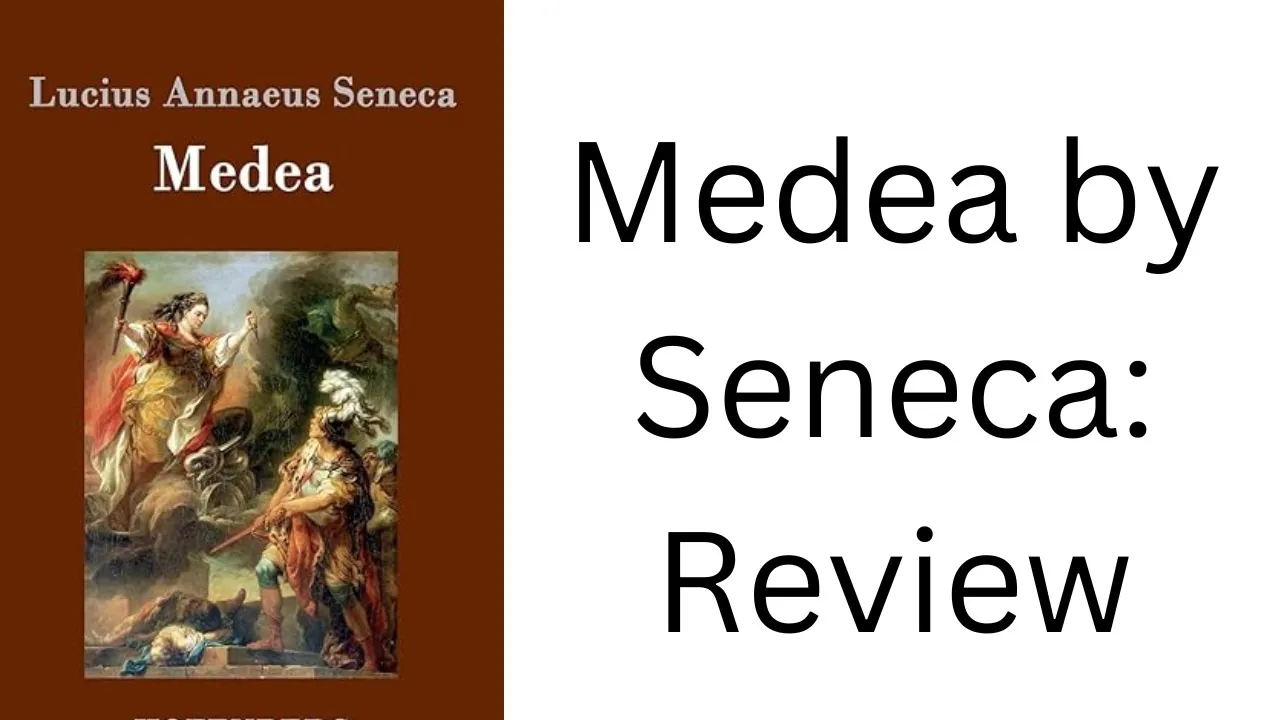




















Pre-Shakespearean English drama was profoundly influenced by the works of Seneca, a first-century AD Roman dramatist, who introduced key characteristics including horrific elements, exaggerated character portrayals, and highly rhetorical language marked by emotional hyperboles and epigrams; this influence manifested through early English plays such as 'Gorboduc' (1562), 'The Spanish Tragedy' (1589) by Thomas Kyd which initiated the revenge play tradition, and ultimately shaped Shakespeare's tragedies like Hamlet, Richard III, and Macbeth, while continuing to impact Elizabethan and Jacobean dramatists including John Webster and John Marston.
Pre-Shakespearean Drama: Seneca's Influence on English Tragedy
Added:An understanding of classical Roman drama, specifically Seneca the Younger's tragedies and how they differed from Greek tragedy (e.g., staging violence instead of reporting it).
Familiarity with the historical transition of English theater from Medieval morality and mystery plays to the secular drama of the Renaissance.
A basic grasp of the definition and key elements of the tragedy genre, including concepts like hubris, catharsis, and the tragic flaw.
Awareness of fundamental rhetorical devices and formal structures (such as the five-act structure, soliloquies, and stichomythia) common in classical literature.
An in-depth textual analysis of Thomas Kyd's 'The Spanish Tragedy', widely considered the archetype of Elizabethan Senecan revenge tragedy.
An investigation of Senecan tropes in William Shakespeare’s early and mature works, specifically comparing 'Titus Andronicus' (grotesque physical horror) and 'Hamlet' (intellectualized revenge).
An exploration of the subsequent evolution of the Revenge Tragedy subgenre into the darker, more cynical Jacobean era (e.g., John Webster's 'The Duchess of Malfi' or Thomas Middleton's 'The Revenger's Tragedy').
A study of how Roman Stoicism—Seneca's personal philosophy—intersects with, challenges, or shapes the fatalistic worldviews of Elizabethan tragic protagonists.
952 views7likes6:57Original Release: 2024-08-04
hello everyone welcome to this series on the history of English literature and in this video we are going to discuss pre- Shakespearean drama introduction pre- Shakespearean drama particularly English tragedy was profoundly influenced by The Works of the classical Latin dramatist Sena this video explores the development and characteristics of early English drama under senica's influence by examining key elements and significant plays from this period we can better understand the transformation of English tragedy leading up to Shakespeare's time the influence of Sena sena's characteristics Sena a first century ad dramatist wrote tragedies for a sophisticated and aristocratic Roman audience his Works were notable for several key characteristics horrific elements sena's tragedies were filled with scenes of horror and violence exaggerated character drawing his characters were often portrayed with exaggerated traits and emotions rhetorical language senica used a highly rhetorical Style marked by emotional hyperboles and epigrams introduction to England senica's influence on English drama began in the Latin plays of English universities especially cage between 1550 and 1560 his appeal was so strong that by 1581 senica became the first classical dramatist to have all his Works translated into English this translation process allowed his dramatic techniques and themes to permeate English literary culture senica's impact on English drama early senan plays the first English play modeled after senan tragedy was gorodok 1562 which established a foundation for future English tragedies this was followed by gas coin's jasta 1566 hes misfortunes of Arthur 1588 the Spanish tragedy Thomas kids the Spanish tragedy 1589 is one of the most significant early English tragedies influenced by senica kids play initiated the tradition of the Revenge play characterized by themes of Vengeance and complex plots involving murder and retribution this play Not only set the stage for similar works but also directly influenced Shakespeare's Hamlet subsequent San influence following kid's example other notable senic inspired plays included Daniel's Cleopatra 1593 Daniel's philotas 1604 the tradition of Revenge play key features the Revenge play a genre heavily influenced by Sena included elements such as complex plots intricate storylines revolving around themes of Revenge and Justice violence and horror graphic depictions of violence and death go and Supernatural elements use of Supernatural elements to enhance the dramatic effect influence on Shakespeare Shakespeare's Hamlet is a prime example of Revenge play influenced by senica the Play features a complex plot centered on Revenge the presence of the ghost of Hamlet's father and intense emotional and rhetorical language other Shakespearean plays showing senic influence include Richard third and McBeth both characterized by their violent themes and complex psychologically Rich characters broader impact on Elizabethan and Jacobian drama Legacy of sakan influence the sakan model continue to influence Elizabethan and Jacobian dramatists Beyond Shakespeare playwrights such as John Webster known for his dark and violent tragedies like Duchess of malfi syel torer author of The Revengers tragedy a quintessential Revenge play John Maron playright of Antonio's Revenge another work in Revenge tradition enduring elements the enduring elements of senan influence in these later Works include emphasis on rhetoric continued use of rhetorical and hyperbolic language psychological complexity deep exploration of characteres psychological States moral ambiguity complex moral dilemas and themes of justice and retribution conclusion the influence of Sena on pre- Shakespeare spiran drama reveals the profound and lasting impact of his work on the development of English tragedy the adoption of scenical elements such as horror exaggerated characters and rhetorical language helped shape the early English dramatic tradition Paving the way for the masterpieces of Shakespeare and his contemporaries understanding this influence provides valuable insights into the evolution of English drama and its thematic and stylistic diversity so this was the discussion on pre- Shakespearean drama which was heavily influenced by senkin tragedy we will meet in the next video and discuss some other topic until then goodbye and thank you
Up Next

11:26
Hamlet Act 1 Scene 5 | Ghost's Revelation & Revenge | Shakespeare at Play
@shakespeareatplay4504
25.4K views•2023-01-06

13:43
Formalism in Literary Criticism: An Academic Lecture Overview
@mattalberhasky9952
39.1K views•2015-08-05

6:08
Point of View in Fiction: First Person vs. Third Person
@magicalthriftyteacher
153.8K views•2014-03-31

15:25
1984: Orwell's Dystopian World and the Mechanisms of Totalitarianism
@AlternateHistoryHub
7M views•2017-03-04
Related Study Plans & Knowledge Roadmaps
Structured learning paths in Literature
literature
Graphic Memoirs: Visual Art, Trauma & History
01Foundations of Sequential Art and Visual Language
02Autographics and Processing Historical Trauma
03Visualizing Personal Trauma, Grief, and Graphic Medicine
+ 2 more learning modules
14h5 modules
Explore Roadmap
literature
Campus Novels: Evolution, Themes & Critique
01Introduction to the Campus Novel Genre
02Mid-Century Satire and the Post-War Academy
03Dark Academia and the Critique of Privilege
+ 2 more learning modules
14h5 modules
Explore Roadmap
literature
Theater of the Absurd: Philosophy & Plays
01Postwar Existentialism & Historical Roots
02Dismantling Narrative: Esslin & Absurdist Conventions
03Samuel Beckett and Tragicomic Existentialism
+ 2 more learning modules
12h5 modules
Explore Roadmap
literature
Revenge Tragedy: Justice, Madness & State
01Foundations of Early Modern English Theatre
02Anatomy of Revenge: Structural Conventions
03Psychological Complexity: Madness and Melancholy
+ 2 more learning modules
15h5 modules
Explore Roadmap