






![[V panel] Conflict – stabilisation – assimilation? - international scientific conference](https://i.ytimg.com/vi/YePZKE-wh4g/maxresdefault.jpg)



![마크툽 (MAKTUB) - 눈 (feat. 정영은) [Music Video]](https://i.ytimg.com/vi_webp/NFvvkXMe2Iw/maxresdefault.webp)






Emotions are not universal, hard-wired responses but are culturally constructed phenomena shaped by historical, political, religious, and economic forces; for example, sadness was valued in 16th-century England as a mark of intellectual depth, while boredom was invented as a disease in Victorian times, demonstrating how our emotional experiences and values change dramatically across different eras and societies.
History of Human Emotions: How Cultural Forces Shape Feeling
Added:Introduction to the Psychology of Emotion: Understanding fundamental theories of emotion, such as universalism (Paul Ekman) versus social constructionism (Lisa Feldman Barrett).
Linguistic Relativity (The Sapir-Whorf Hypothesis): The concept that the structure of a language influences its speakers' worldview and cognition, including how they categorize feelings.
Basic Cultural Anthropology: Familiarity with how cultural norms, values, and practices shape human behavior and social expectations across different historical eras.
The History of Emotions Methodology: Exploring key academic frameworks like William Reddy's 'emotives' and Barbara Rosenwein's 'emotional communities'.
Cross-Cultural Psychology and 'Untranslatable' Emotions: Investigating emotion words from diverse languages (such as 'schadenfreude' or 'saudade') and how they reflect unique cultural realities.
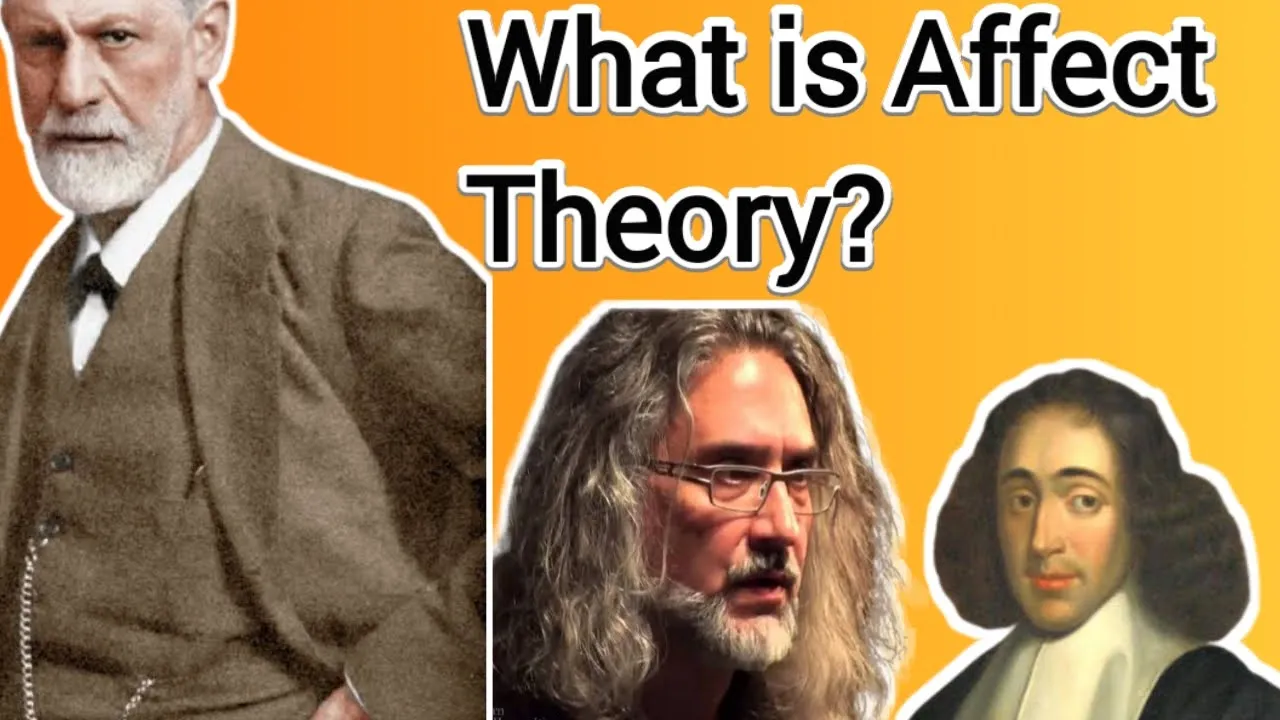
Affect Theory: Delving into the interdisciplinary field of study that explores non-conscious forces, visceral forces, and bodily responses that make up 'affect'.
Applications in Affective Computing and Global Mental Health: Analyzing how cultural differences in emotional expression impact AI development and cross-cultural psychiatric practices.
4.2K views88likes1:39:51Original Release: 2019-12-22
[Music] so I was thinking in the last kind of 20 minutes a bit about some of the emotions that I experienced on my journey here this morning my journey here this morning started at about 5 a.m. because I've got quite young children and and then around 9 a.m. when I was trying to come up with this PowerPoint and they're very young children were demanding my attention I was beginning to get a little bit frazzled so this is one of the emotions that I felt this morning quite a lot of stress and tension combined with a kind of Richter smile no darling over there having a minute you know anyone who's got young children recognizes this particularly unpleasant quandary so so that was one emotion that I experienced another one was on the tube on the way here and a woman had a very beautiful fluffy dog that was very cute and suddenly the whole tube carriage I'm sure you've all experienced this who were just you know looking down and not engaging with each other we're suddenly all looking at each other and smiling and patting this dog and having a lovely time so that was another moment that I had and then the third moment I had was I am unexpectedly managed to arrive early and so I sat in the beautiful Gordon Square where you've probably just been having your lunch and and from having been slightly anxious that I wasn't going to get here on time and that I was nervous and so on I had a wonderful moment sitting in the garden where I felt like I could relax a little bit now there's lots of reasons why I might have had these emotions this morning lots of explanations we could give but as a historian I'm quite interested in why I was primed to think about those emotions and why I was uncomfortable about some of them so for example you know I was frustrated and and and sort of slightly stressed trying to do my presentation why did I feel it was important to smile and appear to be relaxed in front of my children I don't think I did it very successfully by the way but that's what I was aiming for why in the carriage and the tube carriage was I happy suddenly to to pet dog inter and to be quite childish there are only seconds before I had been trying to look quite severe and and and serious and looked down at the thing that I was reading and why did I gravitate towards a garden to relax now of course you know trees and birds and things are lovely and relaxing things but also there is a own incredibly long history of gardens as places for restoration and and for thinking and relaxation so as part of my choice to go to that garden a sort of channeling of a long history I think I think it it is in it and and I think that when we experience emotions what we're doing isn't just having knee-jerk reactions to the external world into its stimuli or or experiencing a psychological private psychological moment I think what we're also doing and what I'm hoping that I'll be able to persuade you today of and unpack and explain a lot more is what I think we're also doing is participating in in in much broader cultural moments that our emotions aren't just shaped by our internal experiences but the cultures that we live in the histories that we are part of and all of those values and expectations that that are part of those histories and cultures and so so the first exercise that I want or the thing that I want to get us started on and then will kind of keep coming back to it during during the lecture is I'd like to take a moment and have a think about an emotion or an emotional experience that you had either on the way here this morning or or during the morning session or during your lunch time and and just write down I'm sure you all have had lots of them but just choose one of them you probably will be talking about this to one of your neighbors so just to let you know that in advance but I don't feel that you have to shy away from things that that make you feel awkward and embarrassed like I said you know I I had this sort of moment where I was very stressed and angry and then having to sort of cover it up with my two my children I'm quite interested in those modes so um so choose an emotion have a think about it and write it down okay so it is a it's quite a long talk so I'm gonna just give you a little outline of what we're going to talk about what we're going to do so introduction that's that's what we're doing right now part one that's what we're about to do so this is some basic principles of the field that I work in key question what is an emotion so we'll spend some time thinking about that and then I will talk a bit about what the history of emotions is so what what does that discipline mean what does that phrase even mean and and I'm going to look at two key examples sadness and boredom and then I'm going to think a bit about because of the topic for today is emotional intelligence isn't it that's why you're here so I'm going to think a bit about why the history of emotions which seems like rather a rarefied and strange thing to be thinking about why is that relevant to to emotional intelligence why do I think it's a it's a kind of a very timely thing to be thinking about now then we'll have a break a row and then in the end of the second part we're going to just look a bit more in a bit more depth in a bit more detail about the kinds of approaches that you might use if you if you do the history of emotions and approaches that then I think I hope that you might be able to take into I mean assuming that you're not all burgeoning historians of emotion that you might be able to take into whatever field that you're interested in or even just to make sense of your own emotional experiences in the world that we live in now so these are these are technical words but I'll unpack what they mean so emotion ologies we'll talk about an example I'll be talking about that is cheerfulness which is something that I think we all have to grapple with nowadays emotional communities so we'll think about anger and emotional styles and we'll talk a bit I'll just talk a bit about some research I've been doing on schadenfreude and then in their conclusion I'll just hopefully sum up what we've talked about and I just remind you why I think this is even though this is we're talking about the past well I think this is so important for the present you need a pen and paper we've discussed that already oh and finally anyone who wants these slides they will be available they just haven't been circulated in advance because of the this morning's PowerPoint issues that I've already told you about so so but they will be available okay all right what is an emotion this is probably not the first time you've been shown this picture today I know you had it yesterday so who's seen it who's seen it this is Pixar's inside out yeah the beginning yeah if you've seen the key bit that I'm going to talk about okay so it's sort of half of you so for those of you who haven't seen it or don't know what this is this is an animated film Pixar gosh now I think it was 2014 or 2015 so is that right something like that and this is a film the central characters a girl called Riley who is moving house so she's moving from city that she knows well to somewhere else and but the main characters there are in fact her emotions they are in her head this is disgust fear joy sadness and anger so which one's anger red well which one's sadness the blue one which one's joy which ones fear fears quite good ice isn't it which one is disgust okay right there we go it wasn't hard so you all getting the picture so the main characters of these emotions they are we see in a scene kind of about halfway through the phone I mean it's a great film but I really recommend it we see about halfway through the film that these emotions are in Riley's head when she is born so when she's a baby these same characters are in her head but just sort of small baby versions of them we also see that they are in everyone else's heads as well you know there's slightly different characters but they're the same five emotions the same colors the same basic sort of format of emotions and and these emotions the way they work is that things happen in Riley's world and then the emotions all sort of scurry around and do stuff in her head and then that makes Riley respond and do other stuff so this inside out I think demonstrates what what I would call their the classical or popular view of what an emotion is so emotions are responses triggered by external stimuli you see a bear you feel frightened you run that's the classic example of what of what an emotion is emotional responses are hard-wired so remember they're there in Riley's brain when she's born they're involved responses we don't really get into that in inside out but that's what we talk about today in terms of emotions we've we've learned these responses over millions of years and they protect us from harm and crucially they're universal so everyone in Riley's world has the same five emotions we assume more or less that everyone has the same kind of emotions and the same kind of emotional experiences now that's the sort of popular view of emotions that that inside out demonstrates and and the third point is that however complex our emotional experiences are because I'm sure we all have a lot more than five emotions they're all formed out of this kind of core core group core building blocks so for example this morning a bit stressed you might say okay well that's a combination of fear and whatever I said excitement well it could be all sorts of things I suppose but so so these are three kind of key aspects of the inside out version of emotions that I would say is a classical view of emotions but I'm well I'm hoping to persuade to you today of and I'm sure I'm not the only person he'll be talking today who would think this is that these assumptions are just too simplistic they're basically they're not really giving us an accurate view of what an emotion is so as you know from the introduction when before I became cultural historian I was a theatre director and actually at that time in my life I I thought I knew an awful lot about emotions because I worked with emotions all the time you know whether it was dealing with an actor's kind of I want to say hissy fit but maybe not appropriate word you know sort of outburst or whether that was sort of recognizing when the rehearsal room was kind of losing steam and needed to picking up you know I was dealing with emotions all the time but more crucially my job involved sort of translating emotions that were on the page in a play script and working out what they might mean to the audience now today so for example you know looking at a Chekov play and thinking you know this woman who says that she is going to die because she can't go back to Moscow you know what does that mean for us today what does that mean for us in the 21st century you can just hop on a plane or thinking about Antigone who is you know defiantly buries her brother you know what is the anger what is the defiance there and how does it translate to the contemporary context and I at that time thought that the defiance that our tikani felt and the anger or all the frustrations that the sisters feel in in the Chekhov is with sort of timeless emotions you know that we could really understand them today that those emotions just just stretched across a huge swathe of time and in fact that was what why we were watching these old plays because they still spoke to us now but but I've completely changed my view about that in in the last 10 years so I for various reasons I went to go and do an MA and then a PhD and while I was doing my PhD I came across this thing called the Center for the history of emotions and I thought that just sounded really cool so I went along to one of their lectures and and I heard the person in there and the lecture talking about someone who I now know to be extremely important person and I feel Lucy and Farrah and there he is in his deck chair in honor of the fact that we are not in our date yesterday so so this person was talking about the dangers of of retrospectively applying contemporary psychological framework so things like depression or anxiety on to people in the past so it so far says this is the one of the most insidious of all anachronisms he says we should not assume we know what rage went meant in Napoleon's time or what displaying it looked like I thought that hundred a bit unlikely I mean surely anger looks the same across all times but no apparently not he says there is an abyss between the abyss I live put it in bold letters because such an enforcer there is an abyss between the morals and sentiments of the men of that age and ours so I was really I was really taken with this idea but I didn't I didn't I couldn't sort of get my head around it for quite a while so I just want to talk a little bit more about what that abyss is and what it might look like so here are some examples of that of that abyss so in the third and fourth centuries in the Sinai desert there were groups of monks solitary monks he lived in sort of caves and and they described those they wrote about at themselves but also those who sort of looked after these communities wrote about it in quite a lot of detail a very unnerving sounding emotional experience it only happened at around between about twelve o'clock and 2 o'clock in the middle of the day and they experience a sudden sort of overwhelming lethargy and sorrow and sometimes that sorrow would turn to anger and rage and frustration that they were here in the desert at all now some of these monks would be so badly afflicted by this emotional experience that they would they would leave and they try and run back to Constantinople or wherever they had come from and sometimes they would die because they were in the desert and they were completely not being looked after or there'd be you know fallen so it's also difficulty situations some of them killed themselves because they were in such deep despair they just it for those two hours now this emotional experience is called acedia or a kadhi sometimes it's described as and it seems like it might be a sort of version of some combination of sunstroke and depression or something like that today in fact that's what what people seem to think it is today but actually when we kind of really dig into what this emotion is it's quite clear that it doesn't map directly onto a contemporary experience so for example there were very powerful physical symptoms for those who had acid II they would they would experience their limbs to be very heavy and kind of floppy and dragging they would get terrible headaches and sort of dizziness but they would also get this strange sense that of sorry that they believed was sort of implanted in their minds by flying demons that were sent from the devil that were kind of going to inflict them with this terrible this terrible emotion now a Cydia was one of the mo acid he was one of the most important emotions for for those communities and also it for religious thinking at this time before there were seven deadly sins there were eight evil thoughts and acedia was one of the eight evil thoughts it was in fact the evil thought that got dropped in the Renaissance when you start getting the seven deadly sins so this is an emotion that was extremely important but I don't know if anyone had anyone here heard of it before so we don't use this word before and people people haven't heard of it now so that's an example of an emotion which has disappeared here's another example in Troilus and Cressida there's the Chaucer poem there are 13 80s pretty old Troilus akiza's Cressida of being unfaithful to him so they are lovers and then he is so appalled at what he's done that he faints I'm not he said that he faints in dismay I can't really read early English so I'm not going to try but I'll just give you the translate and his heart his heart was gripped with sorrow at heart sorrow and down he fell suddenly a swoon I say he suddenly faints from dismay and from sorrow now that is strange because I don't know if you know who Troilus is but here's a knight he's a brave man so the idea of a soldier now or like Jason Bourne or someone fainting from the smash seems really bizarre but at that time this great hero immortalized in this poem does faint from to spend he's not the only one by the way lots of nights in this period faint from strong emotion so this is very peculiar so an emotional response that we think you know a physical response that we think it must be involuntary is seems to be completely different in the past than it is in the present no one really faints from dismay anymore oh no Daniel so he's a troubadour in the late 12th century his beautiful poet I really recommend him anyway he has a poem where he talks about yawning because he is so much in love with the woman say yawning as a sign of love day long I stretch all times like a bird preening and yawn for her and he isn't the only one who yawns out of love in this time isn't that peculiar but I think anyone here is ever yawned out of love so again a sort of involuntary response you think couldn't really be affected by the cultures that we live in suddenly is that people are having different responses because they live in a very different culture and finally in the nineteenth century I don't know if you've heard of this story before but not stal juh which today means a kind of longing for a sort of lost past and so the end of the 19th century nostalgia was described a kind of very severe form of homesickness and it was so severe that it could kill you and in fact it did often kill people and the first people that were thought to be suffering from a fatal nostalgia were soldiers again actually Swiss mercenaries who were fighting abroad in the 17th century and it was said that as soon as they heard the the sound of cattle bells or anyone sang a song from their home country they would fall into these terrible sort of stupors and become kind of really depressed and and really confused and again some of them killed themselves some of them deserted and were killed so this was a very serious a very serious sort of emotional response and it was all about longing to come back home people during the American Civil War are discharged because they have nostalgia it's cuz the only known cure is to be sent home so if you have nostalgia during the Civil War you're going home in the First World War people are also diagnosed with loss surgery it's cut is appearing on death certificate at the last person we think the last person who died of nostalgia died in 1919 so he was an American soldier fighting in France so how is it possible he could die from nostalgia a hundred years ago but today you don't you know how you don't die from nostalgia but you also don't die from homesickness I mean homesickness doesn't appear on your death certificate it might you might well have died from it from homesickness but that's not what's going to are going to appear in the official language so how did these changes happen how does acedia disappear how do people faint in the 1380s brave men faint out of dismay why do people yawn for love and how do people used to die from nostalgia so those the kinds of this is the abyss I think that we're talking about so are we coming up with a slightly different version of emotions here then is it possible that emotions I'm not just inside out like the film but outside in something about the cultures that we live in the air that we breathe in the environments that we live change the way our emotions work and how we respond to changing social expectations and political regimes and religious beliefs and medical ideas about what even an emotion is shaped then our emotional responses so today we think a lot of emotion still happens in the brain don't be in the Renaissance people thought that emotions I'll go into this in a bit a bit later were caused by by humors and the imbalance of strange liquids and fumes in the body completely different vision of what causes what were then called the passions the word emotion doesn't really get invented until the early 19th century as that to demarcate a completely new way of thinking about love and sadness and anger the emotions was a new source scientific word to describe the physiological responses of the body and if it's possible that emotions can change because of the environments and societies we're in then what does this mean an emotion is I think emotional response to the shape by as you probably gathered I think that they're shaped by both our biology's and our cultures so they are the beliefs that we hold affect the bodily responses that we're capable of and the way we and the experience that we have of our emotions one thing I think is really worth recognizing is that emotions are capable of change and sometimes very rapidly so when we talk about emotions being involved we're talking about millions of years but we're talking about much smaller chunks of time we're talking about several hundred years even 50 years the idea that there are some universal basic emotions that are timeless that probably needs to be thinking right because there are so many emotions which seem to shift across time I want to sort of have a little digression to think a bit more about these basic emotions because this is something I get asked about quite a lot and I think it's a really important point so the idea that there are just a sort of handful of basic emotions so cardinal emotional states out of which all of the kind of complex edifice of our emotional responses are created that idea is a very old idea so it appears in Aristotle it appears in the litchi which is an ancient Chinese encyclopedia we get it in Hobbes in the 17th century but the modern version of this idea so the the version which the Pixar film is leaning on very heavily it comes from a guy called Paul Ekman who has anyone heard of Paul Ekman yeah so I'm sure I'm sure he'd be mentioned today as well by others today so he used to be sort of an anthropologist he was interested in emotions well he is an anthropologist who's interested in emotions but he kind of turned evolutionary psychologist and was really interested in looking at emotional facial expressions and he used photographs and showed these photographs to people all away all around the world and concluded that there were really only a handful of emotional expressions that were shared all all around the world and from this he concluded that there were some basic emotional expressions and state so that and the emotions that he saw to be basic at that time were disgust anger fear happiness sadness and surprise other psychologists in segments have kind of played around with this list a bit you know you get some people saying oh there's only two basic emotions and then others say oh well there's at least 10 but this is what this is one of the lists historians like me and other apologists of emotions sociologists of emotion kind of take a current a task quite a lot for several reasons one is that there is a growing body of work which suggests that the photo experiments that ecumene used were very Eurocentric there are several experiments that suggest this there's a philosophical objection to ecumene as well it's a facial expression and emotion is it the same thing it might be that the muscular expressions look very similar or in fact perhaps even are identical but does that necessarily mean that they're felt experience of the motion the lived experience of the emotion is the same and and the final issue with Ekman is that language is a great growing body of research which suggests that language has a very important role in shaping how we understand emotions and how we experience our own emotions so the ecumene model is based on the classical view that emotions are trigger response you know you you eat something disgusting or you smell something disgusting and you make this kind of face but actually there's a lot of research that suggests now and again our add the references to the slides later that suggest that if we don't have the the word or the the category discussed that we may in fact not recognize those facial signals as being part of a distinct emotion and that's quite an intriguing prospect so there's actually been research done on people who've who have to have sort of a phase zero sort of losing sense of words but they're actually a sort of a better experiment where whether you know when you repeat a word over and over and over again and it loses all meaning and while say these scientists got got showed people the Ekman the six photographs so they showed and saw twenty or thirty photographs and asked them to separate them into piles and they and they all came up with the pile of the ecumene six if that does that make sense yep and then and then they asked the participants to say over and over and over and over again I discussed and so they did and then they were asked to sort the photographs again and you know what most of the participants sorted 85 piles they put disgust in with anger and that was really intriguing that things that we think are distinct and discreet bodily responses in fact just seem to rely a great deal on our ability to categorize with words and of course words language is where culture really comes in so we're almost at the end of this what is an emotion section you'll be glad to know so the ideas we have about emotions shape how we experience them we label and categorize our vague bodily sensations with emotion words and concepts those categories are freighters so they carry with them all sorts of values and social expectations and knowledge and then we have a very complicated back and forth relationship between these concepts and their bodily sensations and we're trying to make sense of the bodily sensations and the experience that we're having with the outside world and if you're interested in this kind of analysis and there's a really great neuroscientist called Lisa Feldman Barrett who has a brilliant book called how emotions are made she's also done a TED talking she's written a ton of stuff that's freely available online and she really makes a very strong case and that what'm what an emotion is is this amalgam of social experiences language and and these kind of inchoate bodily strange bodily sensations and this really leads us to the point that I'm really going to make today which is emotions therefore are not inevitable but depend on changing cultural contexts so I want to just go back to that emotion that you wrote down and I just have a look at your piece of paper for yourself and I just want you to write down on on one side of the piece of paper and some of the bodily sensations that you might have experienced when you had that emotion you might not be able to recall them exactly but what are the bodily sensations that you think are connected with that emotion at just 2 or 3 and then on the other side I want you to write down some of the values that you associate with that emotion so for example I ought not to be bored I should be more cheerful I don't know what yeah or it's it's wrong to be cross with your children or maybe I'm embarrassing myself by looking geologists with this dog and so does that make sense I give you just a minute or two to do that so fear what are the physical sensations associated with fear sweaty palms raise heart rate drop half trembling paralysis yes that's a great one or the urge to flee so it kind of goes both ways doesn't it any others what's that whirlwind is yes great ok um so very very strong physical sensations out of interest what would you say the sensations are around excitement say okay so just by way of final illustration so you're having some of those sensations in your a New York trader and the stock exchange floor you might think you're having good stress or adrenaline you know or you're just before an exam those sensations you might interpret as being kind of almost positive you know you're going to be you're going to be have an edge if you're a thirteenth century Christian and you're kneeling in a cold chapel on your own at 4:00 a.m. or something awful like that you might get those sensations and believe that you are experiencing something called wondrous fear which meant that you were in the presence of God this is an amazing thing to experience if you're a 30th century monk or if you're a pin to P who live in Australia you might think that you are experiencing with those same sensations you might think you're experiencing something it's good and good now they have 15 different types of fear they distinguish between and and Gulu particularly is one way you the fear of realizing that your enemy is plotting their revenge on you so you might think that you're experiencing that emotion so some of those might be quite positive feelings some of them might be quite negative for example the poor pintubi but if you ignore these differences these shades then you're going to lose a great deal of what's an emotion is it's when you put those those categories and those names onto an emotion that you start to understand what the the sensation is that you're feeling it's not just a physical sensation but also the lived experience of that emotion I'm going to talk in this section a bit in a bit more depth about the history of emotions and what we do what do we study what materials do we use you know how can you tell about emotions in the past you might already have figured that I'll sew that up what is it that we're trying to determine and the absolutely crucial question why are we bothering at all and I'm going to talk about this in relation to two examples sadness and and boredom so this this here is a picture of Margaret Cavendish she was a philosopher the Duchess of Newcastle she's the author of philosophical and physical opinions that was written in 1655 and she was called by peeps mad conceited and ridiculous for daring to be a woman writing a book like this now I don't know in fact how well you can see this maybe you can't that's all see her face sorry it's not a very good picture here oh you're just going to take my word for it she looks pretty miserable on this planet on this picture pretty miserable if you think about author pictures nowadays people are usually looking fairly cheery but she looks pretty miserable and I don't think that was because she had been attacked by peeps why did an author this time want to look so sad well I think there are several reasons for this in 1539 a writer a lawyer actually called Thomas Eliot published what was then called a regimen but nowadays we might think of as a self-help book the castle of health and in it he advised his readers to practice being sad it wouldn't fly in today's self-help market with it he gave them lots of reasons why they should be sad you know imagine for example your children disappointing you imagine your spouse disappearing off imagine losing your job and all of your worldly possessions and so so he gave readers all these kind of terrible reasons why they that they might sort of cultivate a moment of feeling sad and he thought it was really important to feel sad a lot and one of the reasons why he thought it was important to feel sad and he wasn't alone in thinking this was because the more familiar you were with sadness with the practice of sadness then when something really bad did happen to you as it inevitably would as it inevitably does you would be you would be able to cope much better you'd be more familiar with it actually I think it's really clever and probably something we could learn from today so we already have we have at that time this notion that feeling sad might be good for you it might be useful thing to do we also have at this time something called the cult of The Melancholy genius so Marcy leo Pacino was a mid 15th century scholar and he he was rather sort of somber and melancholy of his own disposition and he rooted through the works of Aristotle and he found that Aristotle believed that very clever men were prone to melancholy and he really latched on to this idea and and sort of really was foundation of her for what became a kind of Renaissance cult of The Melancholy genius so he wore black here he looked somber all the time and he appeared to have this terrible sort of visions that were caused by an excess of melancholia so this is the the third point here there was also at this time a very different view of what caused sadness to the view that we have today we might talk about chemical imbalances in the brain and so on the view at this time stem from the Hippocratic medical theory to ancient ancient medical theory that believed that that in our bodies are four kind of strange fluids type things called humors they were kind of fluids and there were there was blood color phlegm and something called black bile which was also called melancholy melancholy and and and if you had everyone had these four humors in their body but everyone had their own individual balance of them so some people had a bit more melancholy than phlegm and that would mean they were more disposition ly sad but there was a crucial thing if you if you had more melancholy and then you had a very sort of serious and dramatic thing happened to you you know one of your children dies or your boat sinks or something then it was believed that the melancholy would be heated up in your stomach this was the the view of the time and that it would send kind of strange vapors into your brain and these vapors in your brain would cause very strange visions and it was these visions that was the explanation for the ecology meais because the melancholy genius would would see things in a in a very poetic but also prescient sort of way they'll be able to sort of predict the future and so on so this idea of The Melancholy genius was partly a sort of act of vanity health a part of this particular scholar but it was also rooted in a renaissance medical theory of the time this is why we also get the Robert Burton's brilliant anatomy of melancholy because he's talking about both both himself as a melancholy genius but also trying to understand why he has become like that so there are already a few reasons why Margaret Cavendish might have looked quite sad on in her author picture the last one was a much more religious explanation so one of the things about the black bile the melancholy was that it was thought to be very heavy and kind of thick and viscous a bit like tar and and so it was thought so if you had more melancholy than most it was thought that it would weigh the body down you know that you would be heavy and you would walk slowly and you were and you would sort of because you would walk slowly and be heavy you would be quite slow and somber and this was thought to be a very good thing the fact that you were sort of lower down closer to the earth to the hummus meant that you were more humble and that was a very important idea in this in this age of Christian religion because because being closer to earth and being humble meant that you are more dutiful and more obedient it also because you were slow it meant that you were quite dependable and that was a very good thing you know these happy people are very flighty you know they're not to be trusted you know melancholy people are the other ones that you rely on so sad people were good bosses there were good spouses and parents they played really important roles in communities these are all of the things that we attribute to happiness today of course but at that time sadness really was the emotion that you wanted to cultivate so for all sorts of different things intersect and a sadness become a very desirable emotion in the 16th century why is it important to know that well I mean one reason is it gives us a great insight into the mind of the past so for example you probably remember the line in Hamlet's where his mother accuses her of wearing but the suits and trappings of World War I probably missed quoted that but and say she gets annoyed with him and says oh you're just posing and I think for most of us we think oh what she means is he's pretending to be more sad about his father than he really is but that's probably not what she means what she probably means is you're just hanging around like one of those annoying poets who's all dressed in black and thinks that they're a genius stop it you know so it gives us some insight into the texts and their ideas of the past allows us to understand them a bit more deeply so that's one reason why that's useful another another reason is it helps us understand as historians it helps us understand how people leveraged their emotions in order to get power or to affect change so there's Margaret Cavendish she's been insulted humiliated dismissed by all of the intellectual men of her of her age and and so she presents herself as a very serious scholar as someone who's incredibly sad and that allowed so she utilizes that emotion in order to kind of make herself seem as it seemed like someone that should be taken seriously so so we can see then we start to understand how emotions work to create to give people power and positions of authority in a society but the third reason and possibly the reason why this might be most useful for all of us here today is that it reminds us that the values that we attach to emotions are not natural and inevitable and fixed you know I mean even today there was an article I think it was either the Guardian on the BBC website Paul Dolan's new book about happiness you know the assumption is well obviously we all want to be happy duh you know of course happiness is the desirable emotion of our times I'd say he was giving us some reasons why married mothers are less happy then married fathers and it was interesting stuff but it's not the case that everyone desires happiness it's certainly not true that everyone's desired happiness across time only a few hundred years ago self-help authors will urging people to be more sad actually if we look across different places we also find that some cultures don't particularly valorize happiness in the same way as our culture does the FO look of Micronesia that there exist in fact a journal of happiness studies that's how I know this the if a look of Micronesia think that excite over-excitement and showing off and failure at doing one's duties are is what happens when someone appears to be happy so they avoid happiness so it's very important I think for us to remember that that that their values that we connect with emotions today haven't always been there aren't always there for all people at all times because if we remember that there's change then we can think about why we've come to adopt these particular values for ourselves now and we can think about what's at stake with us adopting those values now and we can really crucially think whether we still want to have those values and whether they are actually working for us or whether they seem to belong to an outdated way of thinking or someone else's agenda so here's another example to flesh that idea out this is boredom actually before we do this I just I just want to think about some new emotion coinages so we we invent dovey new words for emotions can anyone think of any foam oh yeah that's that's always the first one that comes into my mind FOMO any others yeah those when I read over the weekend flicked Flinx come I don't there any swedish speakers here no for good okay Flinx come let's say I'd like that that is the shame felt at flying the shame of flying in a plane any other any other new emotions daddy mask I knew it was once funct oh that is brilliant Fu GG Oh fobbed oh you learn something new every day they that's brilliant okay funk is a good word love it rap rage I get that quite a lot so that's when you get an Amazon parcel and you just gon open it because it's got that plastic stuff around it and any others okay anyway you get the gist we're inventing emotions all the time thug comes to wings into existence because of phones right so I mean it just couldn't that word couldn't that emotion couldn't exist before then flings cam or whatever it's called wouldn't exist without all the anxieties around the environmental impact of flying and so on so the Victorians they invented boredom so that was there that was their fabbed in eighteen so we had at that time we had people saying I feel bored now that had been knocking around for about 50 years but but in 1853 we think the first example of the word boredom being uses and now comes from Charles Dickens Bleak House so this is Lady Dedlock who suffers what he calls the chronic malady of boredom he calls boredom the misery of our age you know the chronic emotion of our times so he thinks boredom so defines the Victorian spirit which is really intriguing and so the word boredom it comes from the French borough meaning to stuff to be fed up literally to be fed up and we think that that the reason why the Victorians bothered to invent a new category of emotion called boredom it is for several reasons one is that in the 19th century emerges a very new relationship to time and so we seems to be the case that before the Industrial Age people were working and living in small communities and often in the same and so you wouldn't really have a very clear demarcation between what was work and what was leisure time it was just all work and then going to sleep and so so you didn't really have a bit of the day which was free time but in the 19th century with the growth of cities and with the growth of slightly regulated sort of work environment where people would go to factories or go to offices and then come home again and with a certain amount of legislation to start to get a portion of the day which is free time which is leisure time and Victorians being Victorians were very keen that everyone used this notion time in and the most productive and useful self improving sort of way that they possibly could and so as you are here today on your Sunday learning about emotions so the Victorians took themselves off to lectures and galleries and seminars and so on attempt to make sure that they used this leisure time profitably there was an awful lot going on in Victorian London circuses and fairs and exhibitions and theatre and so on so to admit them in the face of all of this that you had spare time and you were not using it profitably and usefully and you weren't being diverted began to seem like a sort of personal failure on your part for the middle classes that is so the middle class has started to not really want to talk about it talk about being bored at the same time the medical establishment so swoops in and really demonizes boredom in this time no one's really interested in boredom before but suddenly the mid 19th century doctors are talking about how boredom results in alcoholism excessive masturbation serious issue for Victorians so this is this is the major issue politicians then jump on the bandwagon and say you know boredom creates this misery in the slums the slums actually create the conditions for contagious boredom people say they link boredom and poverty they link obviously boredom and unemployment and also feminists in the 19th century linked boredom to upper-class women like Lady Dedlock so you have George Eliot's in Daniel Deronda say Gwendolen the main character there she's she's a real adventurous spirit and she says oh you know women are brought up to look pretty as we can be and dull without complaining and she says though that women get bored to death and that's why they're pretty hothouse flowers become poisonous she says so so there's this real sense that boredom is very dangerous very corrosive and why does that matter why does it matter that the Victorians had this developed this very sort of strong aversion to boredom here I just want to have a little moment to reflect on what the kind of materials we might then look at as historians of emotion what are we turning to we're looking at words we're looking at new emotional categories and how words change their meanings and when new words become invented and when other words sort of disappear we're looking at changing social structures so leisure time gets invented we're looking at new technologies and practices so for example mobile phones or flying or the invention of the public lecture we're looking at self-help books like that Castle of health book which recommended being sad we're looking at political speeches medical and psychological writing and of course literary representations and images and that's not where we look at lots of other stuff as well but those are some of the key things that we draw on to kind of create these histories of emotions and try and understand how emotions change across time and crucially why does it matter so earlier we discussed you know one of the reasons why it's useful to understand about the history of emotions is that helps us understand the mindsets of the past it helps us understand how people use emotions to get power or to assert power over other people for example the politicians telling poor people that they were bored it allows us to understand that values that we have about our emotions are not inevitable it's not obvious that happiness should be desirable but history can also help us understand how we have arrived at contemporary expectations about emotion so for us historians the 19th century is very recent we think of that as being basically yesterday and I'm really aware of a certain anxiety a moral condemnation that we have around boredom now and that that does still shape our experience so for example I I did a panel discussion with a colleague who's a scientist and I said that we're talking about the emotions of our research and to play slightly to play devil's advocate but also to be true I said you know as a historian you know we do some of us get bored you know in the archive for a very long time you don't find anything for a long time it's usually when you are bored then you have your brain sort of goes off and you have a little reverie or a daydream and you sort of hit on a really great idea so I would say boredom is a really important part of my practice as a historian and then she did her speeches she said to be honest anyone who says that they're bored is doing them wrong job or you know I was really shamed in that moment for the saying that I was bored but it was also very clear that there is you know a lot of moral condemnation about boredom today I don't think she's right by the way so we live in an age where we have you know these boredom busting technologies mobile phones and so on and there are calls of course to reclaim time the value of boredom the possibility of allowing your mind to wonder the daydream and how important those are for creativity so it's clear that boredom ISM is a conflicted sight it's a difficult emotion for us now as it was for the for the Victorians but the key question for me is to the conditions and the moral universe and the Victorians applied to boredom is that still relevant for us today we need to examine our own relationship with boredom in light of that historical question what I'm going to do here is introduce you to a few key approaches in the history of emotion that have been developed over the last 30 or 40 years and some key terms so emotion ology is a pretty key term for us it's the historian of emotion so emotion ology is associated with Peter stones and Carol stones they're a married couple who who wrote who one of the earliest emotions of historian historians of emotion and they described emotion ology as the attitudes or standards that a society or a group within that society maintains towards basic emotions and their appropriate expression so boredom is bad sadness is good and also the ways that institutions reflect and encourage these attitudes in human conduct so for example Margaret Cavendish putting that photograph but portrait of her or in her book or how a law court would encourage certain kinds of emotions and punish other kinds of emotions or how courtship practices are expected to to go so how they use the example of courtship practice is expressing the valuation of an effect which is the sort of academic way for emotion in marriage or personal workshops as reflecting the valuation of anger in job relationships so this is an emotion ology is the sort of set of rules essentially that govern the emotions that we are allowed to show but also those that we are expected to feel and we sort of internalized those rules so how do we know what an emotion ology is how do we detect an emotion ology so we're looking at ideals and conventions here so Stern's they looked mainly at middle class advice manuals that was their main source of emotion ologies they were looking at parenting manuals quite a lot and they looked at self-help books they looked at manners this is much earlier example of that kind of approach they looked at the rules of social rituals so actually that the stanzas didn't so much look at those but people subsequently have so they've looked at how a marriage is conducted or how courtship happens or funerals happen people also look at technologies for example the moment when children are thought to be so nervous of sleeping in the dark that there must be an electric light in the room that's a relatively recent thing that can be dated back to the 1920s we look obviously at medical and psychological advice legal categories as we talked about and representations in films novels artworks and so on so this is how you might detect an emotion ology here is an example of one and this is from my research so cheerfulness this is something that we all labor under I think today I know certainly we do in universities this sort of how are we having to appear cheerful and upbeat all the time so this smoothie can be dated back to the beginning of the 20th century when industrial psychologists kind of start appearing in factories for the first time and this is about trying to manage workplace unrest in a very critical moment and to increase productivity and these psychologists conclude that people being more optimistic and being more positive gets better results so they start to so then they start to test potential employees for these emotional qualities so by the 1930s 30% of American companies had industrial relations departments which were overseeing hiring and testing employees for introversion and other temperamental deficiencies I don't think I would go down very well with that so so that's we're looking at hiring practices but also self-help literature in the middle of the 20th century we got probably one of the most famous self-help books of all time Dale Carnegie's how to stop worrying and start living 1948 so he's talking to salesmen and he's saying salesmen should always be upbeat vivacious having a cheery smile and he even says you know don't worry if you don't feel cheer oh just you know fake it till you make it essentially that's his that's his that's his motto so people are reading this stuff and internalizing this also it's represented in art at the time so Death of a Salesman Arthur Miller you know this if we see this sort of man totally alienated from the corporate sales culture which insists that he should be upbeat and cheery and so on and we start to see that cheerfulness equals success and a very interesting study done by a sociologist called Ollie Russell hofstra as she she worked with flight attendants and she noted that and I'm sure you've all had this experience the flight attendants have to be what she called nicer than natural you know they had to be really excessively lovely to you and she said she called this emotional labor these women because it was all women who were having to perform this this very part is so strong and almost caricatured sort of cheerfulness and and and sort of pleasing this in order to make their customers feel happy and content and looked after and so on and she suggested that this caused a terrible disconnect for the flight attendants between the sort of emotions they were performing and how they actually felt so as you can imagine so there's an example of emotion ologies the we absorb the emotion ology and then we put it into practice because we've been reading the advice manuals and it sort of becomes a natural form of expression partly because we desire to conform partly because we repeat and copy one another this is known as emotional practices in amongst historians and and just because we we sort of absorb the emotional temperature of the environments that we live in that's what Haas Child's is talking about the longer a person lingers in an environment the deeper that those feeling rules become inscribed there are issues with that kind of approach but and we'll talk about those in a moment but one of the one of the key strategies for thinking about how emotion ologies are created is by thinking about something called emotive so this again is another piece of technical jargon but it's quite a useful one what it says is that when we when we when we describe how we're feeling that that isn't simply describing a state of affairs like this stage is made of veneer wood that's something that you can say is true or false when we say when we describe ourselves feeling an emotion that's not a verifiable claim but it is a claim that changes something in the world so for example the famous example of this is saying I love you anyone who said I love you knows that this is not simply a description of a reality but also it creates a reality in you you feel so much more love when you say I love you it makes that feeling more concrete it brings it to the foreground but also it changes something in the person who's hearing it you know changes something in the dynamic between you and so when we when we use emotion words not only are we sort of bringing to bear this kind of whole emotion ology but we're also then the words are changing the relationships that we have with other people and sort of that the idea that ready talks about so he's the person we associate with these emotive x' is that we sort of establish this this emotion ology in in even stronger ways the limitations of this kind of approach obviously you know if you're just looking at advice manuals for the middle classes are you sure that these emotion ologies really apply to everyone this is a top-down model if a doctor tells you you should be avoiding boredom does that really mean that everyone avoids boredom I don't think so it's probably unlikely so again we get these very monolithic then descriptions of the emotional character of an age you know if I say well everyone in the Renaissance walked around being sad that would be a terrible how it'd be a terrible over exaggeration we do get this idea of an emotional refuge which I'm going to talk a bit about in a moment which allows us to think about perhaps different ways that we could have different kinds of emotional communities running along together so have you thought that there perhaps that emotion ologies was a bit too a bit too broad people started talking about emotional communities so the idea of emotional communities is that we actually have multiple emotional communities existing at once they each have their own norms of values and expressions Rosa mine who's a medievalist talked about monasteries and religious groups and the courts but what sort of emotional communities can you think of that might exist today courts the courts social media yes that's a good one charity yep charities yes okay yeah different kind of emotional bearing and a charity then in the tube station yeah you are families yeah and different families are different emotional communities are they the workplace yeah absolutely okay so we got the general gist of how this works it's possible faster to be part of an emotional community and know the rules of engagement in that particular place like I knew their rules of engagement in the tube this morning so here's an example of an emotional community anger expressing anger usually in most in most cultures and certainly the early 20th century generally frowned on but here is an example of an emotional community that really encouraged people to express anger the sinan on addiction rehab centers in California and also the group therapy primal scream therapy and Kingsley Hall in the 60s they sort of used the same techniques though in the group therapy sessions here participants were encouraged to kind of really go to one another until they lost their temper with each other and these angry outbursts were thought to kind of sort of release whatever had been causing them to be ill in the first place a sort of moment of the authentic self coming through now you might not believe that this is useful today but this is what they believed then so here it's an example of an emotional community kind of creating a new set of rules to allow people to experience and validate and value an emotion in a way that looks very different to how they're sort of prevailing norms of their culture which have allowed people to be angry to that with that's an example of an emotional community but also as I described before an emotional refuge a place where people can can go to to to think about their emotions in a different sort of way and the last of the limitations of this emotional community's approach do we have a choice do we have a choice in the emotions that we express them that's the biggest question for emotions of historic historians of emotion if you are if you are absorbing these rules and regulations from either the culture at large with emotion ologies or the communities in which you're part of does it mean that you are kind of completely a cipher you have no say in this matter I for one thing that doesn't really chime with how I experience emotions anyway there's an example from Sara our meds the promise of happiness I really recommend her as a writer she's really great and she talks about the feminist killjoys her is the character that she's that she's writes a lot about on her wedding day so you know as a woman you absorb an awful lot of stuff about your wedding day it's going to be the happiest day of your life you're going to love looking beautiful and like a princess and all of this stuff though you absorb and absorb and absorb and and then you might get to that day itself and feel a terrible sense of of discomfort and disjunction because in fact it's not the happiest day of your life in fact you feel slightly embarrassed and like you've kind of you know gone back on your principles or maybe you're ashamed that you're wearing a white frilly dress you know because your feminist friend is there and she looks really dismayed and whatever it is and so so these sudden moments when you feel yourself to be out of kilter also caught between two different emotional communities what do we do in those moments I think most of us in this room will have had those experiences where we're sort of just we don't quite fit in one group and we don't quite fit in the other so my work I've become very interested in the idea of an emotional style so I'm quite interested in the idea that we have multiple emotional styles that we are moving through in kind of quite freely and quite fluidly you know maybe hundreds of times during a day one of the writers he's really associated with this approach it's been a gamble and that's an essay that's freely available online and these emotional stars aren't necessarily linked to your identity groups so you know your feminist killjoy on the one hand and your and and your bride on the other they can also be linked to spaces as you suggested you know law-courts but also the workplace as a space as well as a set of people the tube station at the street they can be linked to sort of relationships that we have my boss also happens to be one of my oldest friends so we're constantly style switching you know on the one hand where it would gossiping about you know whatever has happened in our lives and then we enter this kind of formal relationship to discuss you know probation or something work-related and I'm sure people recognize those days style switching moments and when we perform a certain style that allows us to show connections with one group but it also allows us to make a choice and I think that's why it's an interesting possibility that we choose to associate with one group rather than another that we choose to adopt a style rather than just have it for stood on us I think we do absorb of course emotion ologies and we are part of emotional communities but I think that the possibility of us of choosing a style of choosing how to perform and how to act I think possibly frees us up and allows us to have a bit more agency in our relationship with our emotions so that's really just what I've just said I think it's just a bit closer to our lived experience of emotion I think we do feel we do absorb and have ingrained in us a lot of emotion ologies but we also make decisions about which emotions we want to connect with at certain times so so my example of this and this is example I'll finish with it schadenfreude er tion Ferda the pleasure felt in other people's misfortunes and if you were sort of going on a strict emotion ologies account so you were reading books looking at newspaper articles and so on you'd think that pretty much no one felt of schadenfreude ER in the 1930s and the reason for this is because in the 1930s or anyone who wrote about Shawn fuller he used this word schadenfreude ER used in the context of telling everyone how terrible Germans were this is a German word it's a German emotion people say why a German so brutal well they have this word schadenfreude oh we don't have it in English they're terrible we're great they're the enemy you know I mean it's just so this you get the emotion allows people to create this moment of emotive conflict and reframe this conflict so that's what you'd think then if you're going on an emotion ologies account you think well no one obviously felt then schadenfreude ER or obviously that's completely ridiculous I mean lots of people probably gloated over the misfortunes of their neighbors and so on I would be quite interested in thinking about how people then adopted schadenfreude and used it in very self-conscious ways and I've been doing some work on on drag queens and female impersonators in the 1930s who sort of picked up a kind of catty sort of personality and used an awful lot of schadenfreude in their performances but also invited the audience to enjoy the misfortunes of others and enjoy the drag queens own misfortunes their expense so they really played with schadenfreude and they used it very deliberately and very purposefully and I think that to me is an example of deliberately picking up an emotion and and and playing with it and talking back to the dominance emotional adji and say actually you know we can we can do this emotion in different ways and we can make this our own so in the last couple of minutes of this talk I just wanted to go back to your word that you wrote down and he wrote down the some of the sense and some of the values attached to it and now I want you to think about if you were trying to understand the emotion ology associated with that word if you were trying to understand the rules attached to those that side that you wrote the values down on if you're going to try and understand those rules and where they came from what would you look at where would you go so that's one question and the second question is what different are there different communities that allow that emotion to be performed or enacted or enjoyed or valued in different ways so where would you go to find the emotion ology what are the different emotional communities one or two that you can come up with that are associated with that emotion I'll give you a couple of minutes to do that okay I think most of you have stopped writing now I'm gonna I'm going to assume that you that you have finished and I'm going to ask you we've got a few minutes left who those of you who might be brave enough to call out the emotion that you've been working on and tell us where you'd go to understand that emotion ology and and and the kind of amore and the kinds of communities that might allow that emotion to be seen differently so who's feeling brave yes great you yes it does and the confusion itself did you feel the what were the values associated with that confusion is it is it an okay emotion to feel or yes yeah and and did and where would you go what what emotional communities I don't know if you got to that bit are their emotional communities where confusion is actually not necessarily a feeling of being stuck but actually quite a useful emotion I don't know yeah that wonderful the Keith's thing of negative capability anyone other other areas where confusion might be quite useful okay or just just are there any others scientists yeah because it might just go and propel you onto something else I was thinking about therapy as well a therapy space confuse there's an awful lot of confusion there so yeah yes yes great so so actually in my I mean that's a really great example because as a teacher you're told you know it's really important to avoid confusion so in a way they're emotional emotion ology of a university is you know to be clear to explain and to make things straightforward whereas I should say you know actually a moment of confusion it's hugely significant and important okay great and let's have one more who was it someone over there I was going to yes procrastination gosh that's a that's a loaded emotion if ever there was one is it even an emotion I don't know guy go you you so that's a good exalt I mean that sort of links back to your artist you know you want to be in these moments of suspense or suspended action because that might allow you to do something but I think you're completely right that must be true that they instinct that procrastination or being in those suspended states is a bad thing that must come down but it must be traced back to the Industrial Revolution and and the sense that especially since the 19th century in the 20th century that productivity that as humans the most useful thing we can do is to be productive at all times god forbid we have ourselves a little break anyway I think we're all we're done now for the lecture portion of today so just to briefly summarize we talked a little bit about what is an emotion we talked quite a lot about what is an emotion and that I was keen to emphasize emotions aren't just reflex responses but they are shaped by the cultures and environments that we live in we talked about a couple of examples of the Gulf or chasm between the emotions of the past and our own time so we talked about people yearning for love and dying from nostalgia and fainting from dismay then we talked about a couple of examples one about sadness and one about boredom to try and understand the kinds of things that might shape what we later learned was called an emotion ology and so what might shape the kind of prevailing views of how we value an emotion as there we learned that in the case of sadness that was partly to do with a fashion for melancholy and it was partly to do with medical ideas and it was paulista with religious ideas and in the case of boredom we learned that it had a lot to do with politicians and doctors and a really unpleasant view of poor people so so so so we learned sort of how those ideas get get passed on and then and then finally we just looked at some more finely grained ways of thinking about these emotion ologies or these prevailing views of emotion we looked at the concept of emotion ology we looked at emotional communities and try to understand how we might move between them finally we looked at emotional styles which gives us a opportunity to think about how people don't just absorb their prevailing emotions but also can kind of talk back to them and reinvent them and re apropriate them in interesting ways so now I think it's time for some questions that's such a great question so the question is I don't really know if we need to repeat it but question is can I tell you anything about the history of linking colors to emotions and the sad answer is no I cannot but it's such a brilliant question and such a brilliant area to look at so it's not something that I've ever looked at I know that there are historians of color who are connected with art history and who may understand a bit about that I know there were also historians of Psychiatry who look at art therapy in the in my period which is the 19th century they look at art therapy in the asylum so I imagine so know what I know about drama therapy in the asylum at that time for example patients were advised to avoid certain stimulating plays so you weren't allowed to do a play about uprisings for example you were allowed to do romantic comedy you fear as oh I wonder if there might have been a similar thing at play with with colours yeah so how does social media influence or change the language of emotions so someone here earlier suggested that social media might be an example of an emotional community which I thought was a really great idea and I don't know if it's really been studied in that way but it should be so I mean obviously social media has changed can change emotional landscapes in several ways so for example we we get new emotion terms like the wonderful fabbed but but but other ones you know that come through in memes so I was thinking about may you know though that so from the Larry David for from Curb Your Enthusiasm Emmy age and it was just I've always been rather fond of but anyway but that suddenly kind of appeared on lots of memes and so that sort of social media that allows those particular emotional categories to catch fire and and enter people's consciousness in a in a very rapid and powerful way so that's one way another is simply that social or not simply you know quite dangerously in fact that social media can allow certain emotional responses that face-to-face interactions just don't so I've spent the last couple of years for a year ago I spent two years working on schadenfreude er and one of the things about that emotion is that we feel a lot of pleasure when wrongdoers get their comeuppance and and talking to quite a few neuroscientists about how the how social media works with this they suggested that well of course when you go online you see an awful lot of wrongdoing you know if you walk down the street you don't see much wrongdoing but when you go online you spend two seconds and there's these terrible atrocities all around the world and you you look at your community Facebook grief and everyone's complaining about the dog poo and the abandoned mattresses or whatever and so you do you are primed then to want to see people punished for these for these transgressions and when they are punished we know we don't just feel that schadenfreude er but we also we can in it in a very low-cost way you know face to face I'm unlikely to it's a kind of point in laugh when someone is pulled over by the cops for speeding you know I'm not going to put myself in that position I'm just going to put my head down and walk on by and because I'm not going to risk getting punched by obviously online there's no risk is there so so we can so we can have we can in gloat and enjoy the spectacle of other people's misfortunes in a very freeing way so so that would be another example of how social media can change emotion in a very sort of a very practical way you know the the Internet is a different kind of emotional community and it might it might Sledge it Imai certain emotional responses it might allow us to to gloat over someone's embarrassing gaffe but it also means that we can enjoy people's comeuppance in a way that won't rebound onto us yes that's a really interesting and what's an interesting way of putting it and so this is sorry this is how do emojis change the way we think about or talk about emotions and this hieroglyphic language as you put it I think I was really it's really nicely put I don't know how I mean I don't have a simple answer to that only that I suppose there have been short hands for emotional states for for for some time I mean this isn't a unique invention of ours and you know even if it's a shorthand to say you know someone wearing black and with a wide-brimmed hat is a melancholy person which was the sort of fashion for melancholy in the 15th century so we do have these short hands but I suppose I mean I suppose one thing is that I I'm actually kind of consistently impressed and someone over the age of 40 who doesn't really use emojis I'm complete completely impressed by how many what the right word variety there is of emojis you know I think when I first saw them there was about five and I was cross about it but now that how he doesn't hundreds of them and my daughter shows me them and so it does seem like you can get quite a lot of interesting precision in either expressing your emotional state or recognizing a kind of shared investment in a particular hieroglyphic like a dancer or you know so I think so I suppose what I'm trying to say is that I don't think emojis are impoverishing our emotional language which is the thing that some people think they are doing I do think they allow us to to create new modes of interaction and I do think that you know since we do invent emotional words or the time and emotional categories I mean that what I study is people inventing new emotional words over time and and in the present day and in other countries since we do that I don't see why emoji should be any difference in it seems to me to be the same sort of process that's a great question that's a really great question because yes it's sort of almost reflects that question of emojis isn't it you know how can a generation which might be very eloquent at engaging emotionally with each other with one language talk to like even my generation who just doesn't really understand what they're going on about and never mind my parents generation I think I mean I think one of the answers there is to be aware of it so for example I've done quite a lot of work with psychiatrists and one of the things they tell me is you know wow that's amazing I did I mean this is with my work with doing with emotions and different languages you know we live in London it's a culturally diverse City the people who present to you know in acute psychiatry situations are culturally diverse and yet those doctors are applying a Eurocentric vision of what is a healthy emotional response and what is an unhealthy response to those people and that is extremely dangerous and limiting and unfair and they said to me these particular group of training psychologists like we don't get taught this and we don't learn about this and so one of the answers to that is that we need to learn about it it needs to be in the curriculum whether that's for psychiatrists or or for whoever it is they offer university lecturers we need to understand that an emotional response that perhaps looks bored and disinterested might for that person be hysterical and serious and we need to know that those those options exist and people don't always think about it and they don't always know it so that would be my first thought for that question is we we need to understand those differences and and with the intergenerational question because that that's such a good one I mean it's a perennial problem isn't it I mean it's so much interesting art is written about that like gulf between you know what your parents think are appropriate feelings what you think are appropriate feelings it's such an interesting question I don't have an instinctive answer to that only that I suppose just as a historian you know I when I try and understand what has shaped someone's eye I would ask myself what shape or what has shaped someone's emotional view not just you know what are their parents their parents like to them but but you know what sort of conditions did they grow up in what were the prevailing ideas at that time you know and how have they changed into my time with the recognition that you know those those can change very quickly yes I suppose it could be and it is of course unique for each person you're completely right we need to recognize the person's individual sort of how that person is has has been created and what's gone into their background but also understand the kind of cultural and social forces which have shaped them - yes you you you you you yes good question so this is the question about the social engineering and emotions which emotions fit within the DSM categories as as healthy and which one seems to be aberrations I mean the DSM and other ways of demarcating what is a healthy and unhealthy emotion you know obviously is very contentious and and very interesting as a historian because you get to see when certain emotions come in and out of favor and what is and what is driving that so I was thinking about the grief clause which I people probably are familiar with so this is the I hope I get this right this is the the change from major depressive disorder not allowing someone who'd recently suffered a bereavement to be diagnosed as depressed as depressed I think they had to have at least two weeks but now someone who has suffered a major bereavement is allowed to be diagnosed as depressed which was as you can imagine and cause a lot of argument and discussion and debate about whether that was fair or not cuz some people will say well it is fair because someone who might have been severely depressed in the past might be triggered by this and might need help and medication and other people say this is crazy you know you can't diagnosed bereavement so you can't say that the akan pathologized bereavement anyway slightly got off topic but I think I suppose something like the DSM does allow us to to see what emotions are you know allowed and which ones seem to be problematic you know intermittent rage disorder I think it's one of the categories in the DSM I mean it's quite horrifying if anyone ever reads it you probably do come under that category if you've ever lost your temper and smashed something so you can you can you can see a sort of a sense that anger is being pathologized through the DSM in a way that we may think is not very helpful because actually anger it can be a tremendous and useful emotion it's the emotion that creates political change it creates momentum and yet you know anger gets sort of as you say engineered out of us perhaps the school perhaps through the workplace with this sensation this sense that we get from the DSM that that it is bad for us that it is wrong so that was a rather convoluted answer to your question but yes there basically I do agree that emotion that there is a strong element of social engineering in in in in the history of emotions in fact that is really what the history of emotions is studying the history of social engineering that's really interesting question I mean I that before you get emotions written about before a certain emotion is written about I sometimes think that probably that emotion has gone under the radar so what I'm trying to say is as far back as we can study which is really sort of ancient Greek philosophy you know emotions are written about a huge amount they're I mean they're absolutely the emotions so in that zone so I think it's unlikely that they had emotion there they that they there was like any emotion didn't have a value but possibly some emotions didn't have values in that world if that makes sense so the ones that don't seem to get debated so for example the ancient Greeks really interested in anger they're really interested in jealousy and envy they are interested in happiness but they don't call it happiness that we would call it today and they call it you know something you do mania or something which is which is much more sort of like a so perhaps there are sort of there perhaps there are certain emotions what I'm trying to say is perhaps there are certain emotions which don't get articulated because they just don't yet exist as categories and and for that reason then they don't really have values attached to them if that makes sense but that's that's rather convoluted I think as far as we know as far as as far back as we can go all emotions are written about thought about how values attached to them and you can understand why you know we live in a in a society you know we we don't want people to be irrationally furious with each other and punching each other we do want them to form reliable relationships with one another and be cooperative and share things like that so saying you know we of course we have to engineer our society to in favor of certain emotions and away from others that's interesting I think the way it gets described is that it's the edge sort of oversaturated with options and you sort of just you kind of give up so but I think but yes it may not really feel like that anymore or it might not feel like that to you it might feel that much more of an emptiness for me boredom is like I could do something but I just don't really know what to do so I'm just you know it's more like more like that for me but anyway yes oh I'm so this is a question about gang crime and does it involve a lack of emotion alternatively what kind of emotions are involved that I mean to me as an outsider he I've never studied this but it seems unlikely that it would be a lack of emotion it seems to be highly emotional highly territorial highly about sort of you sorry the dark side yes the dark side or but or perhaps about revenge or tit-for-tat or retaliation sense of Honor as I understand it is is quite important so status and protecting your status I mean these are all emotions which which have you know really long histories but I think it's an interesting question because in a way the emotionality of the gang culture isn't what we learn about in the newspapers I mean in a way it is presented as something which almost lacks emotional reality or lacks emotional credibility or lacks logic but perhaps it does have logic and it does have emotion and if we could understand it better then we might understand better what's what's happening on our streets and as you say this is a problem that's getting worse well that's a really massive question I don't I don't know if I'm really the best place to begin to odds of that but I suppose for my two pence worth to me you know I think try to understand those emotions and how they are you know how they are playing a part in in creating violence creating a violent retaliation I tried to understand what is that are the emotional impulses behind that that seems really important and in order to do that you know you need to teach young people you know as we do in our schools but maybe we need to do more of it you know teach young people to be aware of their emotions to have emotional intelligence as we're talking about today you you you you that's a great question so this is have I got this right this is a question about is this the question about what is the emotion that would define our our future or is this oh I see that everyone should feel more off okay so what yeah there's another so what motion would I wish for society to experience more of or to value more compassion yes ethics yeah compassion ethics empathy respect humility morality peace yeah safety yeah okay yeah wholeness yes wholeness compassion humility safety yeah I'll go with all of those issues okay thank you so much for coming [Applause] [Laughter] [Music]
Up Next

58:20
The Book of the Courtier: Renaissance Ideals & Hidden Politics | Classics Revisited
@bibliothecaglobal
2.3K views•2020-12-08

33:02
The Great Schism of 1054: Causes and Consequences
@SacredCathedrals
113.5K views•2026-02-19
91:57
The Geopolitics of the Ukraine War and the Rise of Global Autocracy
@JordanHarbingerShow
468K views•2025-04-19
17:05
Understanding the Cold War: Superpower Conflicts and the Road to Détente
@OverSimplified
46.1M views•2019-01-24
Related Study Plans & Knowledge Roadmaps
Structured learning paths in History
history
Byzantine Iconoclasm: Theology, Art & Politics
01Foundations of Byzantium and Early Christian Images
02The First Iconoclasm: Leo III and the Crisis of Images
03Empress Irene, Nicaea II, and the Second Iconoclasm
+ 2 more learning modules
9h5 modules
Explore Roadmap
history
Iranian Revolution (Causes, Events & Legacy)
01The Pahlavi Dynasty and the Roots of Discontent
02The Spark of Rebellion and the Rise of Khomeini
031979: The Fall of the Shah and the Climax of the Revolution
+ 2 more learning modules
8h5 modules
Explore Roadmap
history
Mali Empire: Mansa Musa, Trade & Timbuktu
01Foundations of the Mali Empire
02The Trans-Saharan Gold and Salt Trade
03The Reign and Pilgrimage of Mansa Musa
+ 1 more learning modules
6h4 modules
Explore Roadmap
history
1947 Partition: Politics, Borders & Legacies
01Foundations of British India and the Divide
02The Political Negotiations and the Mountbatten Plan
03Drawing the Boundary: The Radcliffe Line
+ 2 more learning modules
8h5 modules
Explore Roadmap