
![All About the Renaissance [Full Program]](https://i.ytimg.com/vi_webp/rCz7qxmO2hA/maxresdefault.webp)





















![Il platonismo di Marsilio Ficino [Dentro alla filosofia, episodio 152]](https://i.ytimg.com/vi/Z70YYqoFxDs/maxresdefault.jpg)



The Book of the Courtier by Baldassare Castiglione (1528) is not merely a Renaissance etiquette manual but contains a hidden autobiographical subtext revealing how the author seduced the Duchess of Urbino to gain political power, using sophisticated rhetorical strategies and coded language to conceal this truth beneath layers of philosophical dialogue about love and courtly virtues.
The Book of the Courtier: Renaissance Ideals & Hidden Politics | Classics Revisited
Added:The historical context of the Italian Renaissance, including the rise of independent city-states like Urbino and the system of ducal patronage.
The core tenets of Renaissance Humanism, particularly the synthesis of classical Greco-Roman philosophy with Christian theology.
The social structure of early modern Europe, specifically the roles, expectations, and political power of the nobility and court aristocracy.
An introductory understanding of Niccolò Machiavelli's political philosophy in 'The Prince' to provide a contrast to courtly ideals.
A comparative study of Castiglione's 'Sprezzatura' (studied nonchalance) versus Machiavellian pragmatism in political survival.
The influence of 'The Book of the Courtier' on the development of the 'gentleman' ideal and social etiquette manuals in Elizabethan England and absolute French courts.
An exploration of Renaissance Neo-Platonism, specifically how Pietro Bembo's speech on love in 'The Courtier' reflects Ficino's philosophical theories.
Gender dynamics in Renaissance literature, analyzing the prescribed roles and intellectual agency of court ladies as debated in Book 3 of Castiglione's work.
2.3K views50likes58:20Original Release: 2020-12-08
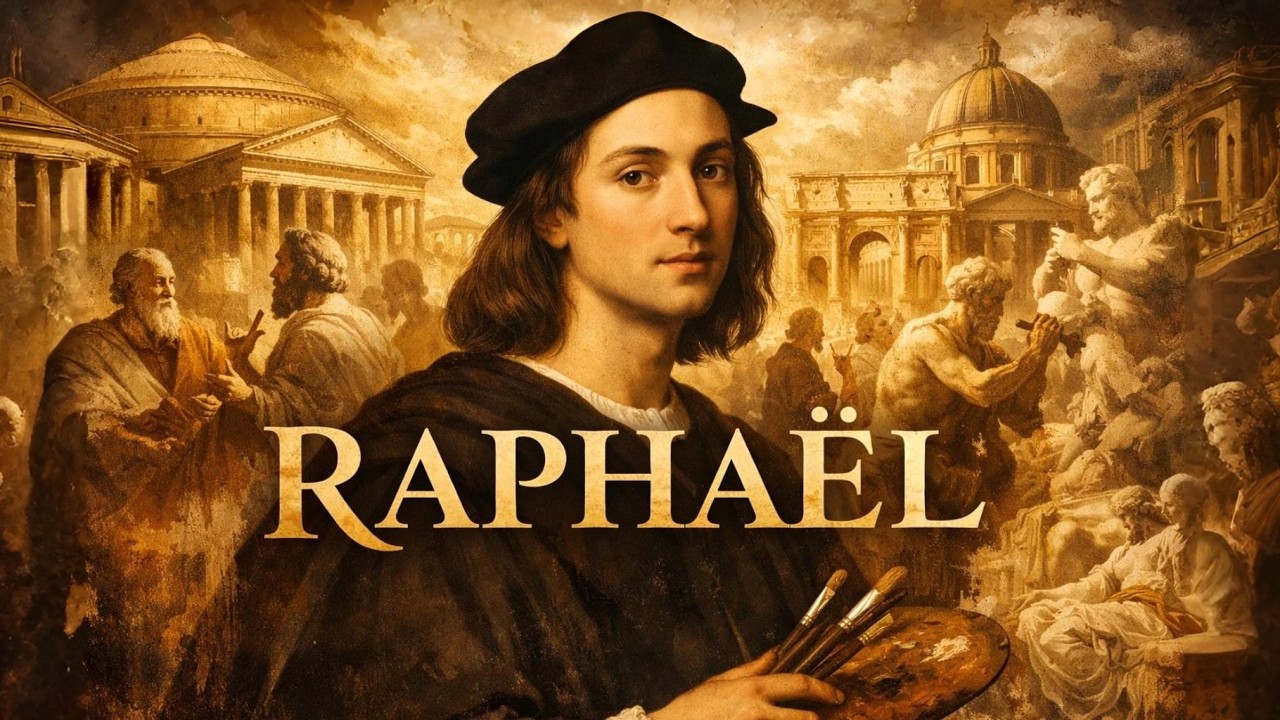
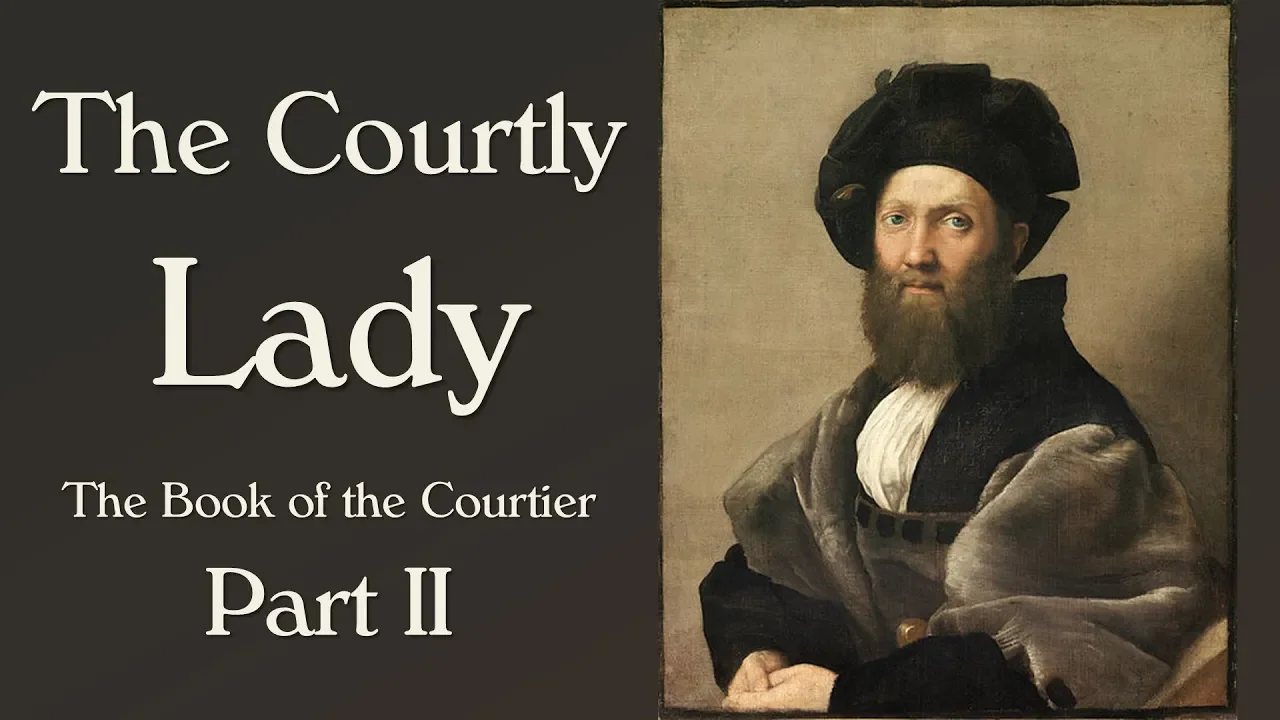
hello everyone and thank you again for taking a work break with us and joining today's webinar um we will listen to Professor Michael sru's F Reflections on the book of the courtier in just a couple of minutes um I'm going to let people get in it always takes a little bit for everybody to get fully logged in uh while we're waiting please make sure that you change your chat panel uh to the selection with all attendees and panelists so that if you do have any questions or comments that you want uh the other attendees to see they can um we will also be sharing the chat log uh with everybody and so that allows us to be able to share those comments so that people can see uh what people thought of the lecture a 16th century book of manners that has become a snapshot of what it was to be an ideal cortier that's the book that uh cortier that's the book that we're looking at today it's cat categorized as both philosophy as well as instructive uh the book of the cortier was a bestseller in the time of the Renaissance and is still studied at length today we are looking at today's webinar as a give and take discussion about the book of the courtier and would love to hear all of those questions that Dr sru's lecture May Inspire so today I have again the great pleasure to wel welcome Dr Michael SRU to our ongoing webinar Series this is the sixth in our Series in our Classics Revisited um and we are looking forward to doing more in the new year as well Dr SRU is a professor of history at a Maria University a graduate of the great books program he earned his ba in history from the University of Chicago and his ma Masters of philosophy and PhD in history from Columbia University prior to taking his position at a Maria University Professor degre Todd at Princeton University Columbia University John's Hopkins University and so many more my name is Christy Goble I'm the Global Marketing specialist here at biblioteca and behind the scenes today we have my colleague Kelly Kon helping to make sure everything runs smoothly and answering any questions in the chat panel we will be sharing the chat log as I said uh with all attendees so make sure you do switch your settings to all attendees and panelists so that we can see what you may put in there if you have specific questions for the professor please use the q& a panel uh we love getting those questions in it really does make a difference in how these webinars go the like button does help float the most popular questions to the top so please use that feature if you see a similar question or something that you do want answered and once again we do look at today's webinar as a give and take discussion and would love to hear all of those questions with that I'm going to hand things over to Michael we've recorded his Reflections in advance but Dr SRU will join us at the end to take live questions cure is one of the most entertaining and thought-provoking books from the Italian Renaissance it has been read for many centuries as a GU to conduct as a uh a set of rules for a polished gentleman not just in the Renaissance but four centuries thereafter James Joyce once read when he read the castillon's book of the courtier his brother told him that he uh had grown more polite but less sincere and that's actually a very good way of putting it the courtier has an image to present now a good sense of castillon and the image that he presented can be found in the portrait of castillon that was painted by raffler couple of things of not are noteworthy here first of all if you're going to have your portrait done get it done right castillion could tell the good stuff when he saw it there were lots of painters in the Italian Renaissance he gets Rafel which is telling us something okay um he's an aete he's a connoisseur sir um he is an all round excellent man um Something Like a Man For All Seasons now castillion writes his handbook for the court here um over a period of more than 10 years all right so uh he uh was at the court of urbino which is where the book is said uh from 1508 to 1516 and uh the book itself is set at a time when castillion is absent from the court he's on a diplomatic mission to England so castillon writes about an idealized court and an idealized courtier but he absents himself so as to allow himself to take the position of various speakers on various matters all of the speakers are polished cours all of the ladies are are very polished uh Highly Educated women and they are all U an admirable set of almost platonic interlocutors and they talk over a period of four nights and the topic of the evening is love and inevitably includes men and women and God and uh other platonic uh questions because at this time of course Italian the Italian Renaissance was powerfully influenced by the influx of platonic texts so the cour once again castillon knows the good stuff when he sees it a big chunk of book four for example is stolen from uh the Symposium by Plato all right so uh Castell castillion is C called away finally in 1816 and he then edits and rewrites the book for a period of 10 years all right so it goes through multiple revisions it is very carefully written out and you could get a sort of sense of that if you look at the uh Portrait by rafiel he is a man to be taken seriously he is uh not someone to trifle with he's not malignant but it's he's very hard to read I imagine he would be both a very good poker player and a very formidable adversary in political maneuvering all right in other words in some respects he's got the the brain of Henry Kissinger he's knowledgeable about history and philosophy and a great many things which will influence diplomatic uh capacity at the same time he's welld dressed his clothes are expensive but not flashy there's no bling bling he doesn't want to look like a fool he doesn't want very much attention and he doesn't say very much and he doesn't say anything that's not well considered so castillon his courtier plays things very close to his chest he's a man in middle age uh of fully in his faculties he's a seasoned individual and he knows how to do uh almost anything that might be called Upon A courtier he can fight he can write verse he can dance he can sing he can do everything apparently except play chess because it takes too long to be good here we have this the uh the sound of perhaps a frustrated chess player at everything else though uh castillon's courtier is the best he can fight he can plan military strategy he can be trusted with sensitive documents or military Affairs or diplomatic questions he's uh the right-hand man to the the Duke who is the rightful uh ruler and uh not only is the Duke the rightful ruler but the Duke's wife The Duchess she super she is at the head of these four nights of discussion because the Duke is a a chronic invalet he's an old man and he's been sickly for a long time and regrettably he hasn't been able to take part in these discussions so they are led by The Duchess and uh her name is El elizabetha and because Renaissance courtiers know they have to be practiced in flattery castillion describes the duchess as being the the recipient of all of God's Graces and all the good qualities you could ever expect in a woman she is a kind of Laura or Kind of Perfect feminine uh Beauty as well as discretion as well as judgment perhaps like Penelope so uh elizabetha is a wonderful head of the table for the discussions between men and women about love and life all right now for background here Plato is important but it is important not to overlook that 's art of Love is very important here all right it's a guide to seduction written by a Roman poet all right now you have to remember that castillion himself and his ideal courtier are a kind of hybrid a splicing together of the gravity and seriousness and brains of say Kissinger and at the same time the coolness the what what what CTI calls spur right making hard things look easy uh that we might associate with James Bond all right so um he always looks cool he never gets ruffled um nothing throws him and he is very popular with women uh men respect him women Swoon for him uh he is a very important Man simply by virtue of his Excellence what mlli called vertu and in some ways uh this is a book about the virtues NE necessary for a cure and we find that uh he has to be able to do a lot of things but and speaking and writing are very important among them now there's a problem here I have been I had been reading this book for 20 or 25 years the way everybody else reads it um and there's a book called uh the fortunes of the Court here which looks at the way people have interpreted the court here um over about 500 years and uh the interpretation I want to propose as far as I know has never been proposed but let me take a crack at it um This Book Is Not What It Seems it's got a painting under a painting and I I'd like to have an X-ray done of uh the Raphael portrait as well but here's the point there's another story being told here here's what goes on all right uh castillon goes to the court of urbino the Duke is an invalid his wife The Duchess uh is at the court and is a central figure at court um he uh was at that court from 188 to 1816 1816 um he leaves and uh in 1818 he writes or rather he works as the papal Nuno to Spain now this is probably the most important diplomatic job in e in uh Europe here's why when the when castillion leaves he leaves because the co the pope requires it um in Catholic Italy or Catholic France or Catholic Spain if the pope summons you um you are expected to show up castillion does he's known to be an excellent man and and an admirable courtier he gets made papal Nuno to Spain you have to remember this is the time when astonishing completely uh unprecedented lucer is flowing into Spain this is coming from the Mesoamerican civilizations and Spain is spending big on military hardware and on Mercenaries what that means is that that it is a formidable power becoming more formidable by the day and the pope is afraid of them so this is a very touchy situation particularly because we have the Advent of the Protestant re Reformation under Luther at the same time so castillon of necessity has to become a Churchman he eventually Rises to the post of Bishop and he and he's eventually Bishop of Avala and uh the pope claims that he double crossed him but it's not clear that he could have kept the king of Spain from invading the Papal States when they had a a dispute now what's unusual about this well there's a joke which is described as a stupid joke and it's at the beginning of the book and it's on if you look at the George bull penguin translation it's on page 48 and here's what it says it says almost all women hate rats and love snakes and a student of mine came up to me about 10 years ago or so and said that she she and the other and her other friends who are women um didn't like rats or snakes and she didn't understand the joke and she also didn't understand what the punchline was because there wasn't any and I was about to tell to tell her the answer when I realized I didn't know the answer so I went back and looked at it and here's what I tried to do to figure out why almost all women hate rats and love snakes now we have to take into into account page 67 and 66 and 67 that's spur the birth of the cool you you can't let difficult things seem difficult because if that's revealed it discredits a man um the cour here is very careful with words page 257 and 8 to win the favors of women every gentleman and Knight makes good use of the noble Recreations fine clothes and elegant manners and he so and so he rightly chooses his words for the very same purpose now on 254 we find out that men are widely are wiely seducers and seduced women are not blameworthy this is reflexivity he's talking about this book it's connected to avid's Art Of Love on page 178 187 he says a lady's honor must always be protected and never disclose any transgression he does that again on page 195 and again on page 198 and again on page 2011 and then again on page 242 and then again on page 245 in which he says men that kiss and tell should be tortured to death because it doesn't matter whether they're telling the truth or not because if they've tricked some woman and seduced her they deserve to be treated harshly and if they are telling a lie they also deserve to be treated with great cruelty and so as I said again a good Courier can keep his mouth shut now it turns out that on page 253 the poor Duchess is lonely isn't that sad the poor Duchess and now I must say a word about our Duchess who has lived with her husband for 15 years like a widow those who resist the assaults of Love are truly admirable and those who are sometimes overcome deserve all our compassion on page 260 and 261 castillon's cure just or castillon justifies adultery I think you are imposing excessively hard rules on married women for there many to be found whose husbands hate them for no reason at all and do them great injury and what that and when that happens why do you not want the woman to be allowed to give to others what her husband not only despises but detests if women in other circumstances do not respond to those who love them they are doing themselves an injury page 264 The Duchess has lovers if my court lady fails to win the love of those whose intentions are impure this does not mean she will lack for lovers for she will find many who are inspired both by her merits and for their own and by their own worth sounds like we're having technical difficulties one second let me see if I can get the video started again there we go Caston even G gives us some mesis of his version of courtly love because he seduced The Duchess my apologies one second uh that lovely technical difficulty is always fun courter is and again on page 198 and again on page 201 and then again on page 242 and then again on page 245 in which he says men that kiss and tell should be tortured to death because it doesn't matter whether they're telling the truth or not because if they've tricked some woman and seduced her they deserve to be treated harshly and if they are telling a lie they also deserted to be treated with great cruelty and so as I said again a good courtier can keep his mouth shut now it turns out that on page 253 the poor Duchess is lonely isn't that sad the poor Duchess and now I must say a word about our Duchess who has lived with her husband for 15 years like a widow those who resist the assaults of Love are truly admirable and those who are sometimes overcome deserve all our compassion on page 260 and 261 castillon's courture just or castillon justifies adultery I think you are imposing excessively hard rules on married women for there are many to be found whose husbands hate them for no reason at all and do them great injury and what that and when that happens why do you not want the woman to be allowed to give to others what her husband not only despises but detests if women in other circumstances do not respond to those who love them they are doing themselves an injury page 264 The Duchess has levers if my court lady fails to win the love of those whose intentions are impure this does not mean she will lack for lovers for she will find many who are inspired both by her merits and for their own and by their own worthiness Caston even gives us a mesis of his version of courtly love because he seduced The Duchess and he became the de facto ruler of the city urbino without firing a shot and he and the duches used to play a game that could be found on page 270 I have sometimes heard Between Two Lovers a long and open conversation of Love which which those present failed to understand at all clearly or to realize was it all glamorous and it was because of this discretion and weariness of the lovers for without showing any displeasure at being overheard they whispered the only words that mattered and spoke aloud those that could be interpreted in various other ways celon must have been talking about those two lovers who do you imagine the other one was castillon has to have been one and uh I can tell you because he explains who the other one was metaphorically and how this works on page 72 we find out that writing is subtle and a veiled subtlety can cause his reader to be more attentive and aware castillion on page 177 is the king of speur a very sophisticated joke relies on a certain amount of dissimulation page 181 disguise joke those witticisms are also very telling where the humor subtly disguised page 116 Prudence is for his pride gets the better of him our courture will pay attention to the occupation of those with whom he is speaking and he will behave accordingly and he should speak in one way with men and another with women and if he should want to suggest something of his own credit he will do so with dissimulation as if purely by chance and in passing and with the discretion and caution that count Ludo explained to us yesterday still yon can't help himself he made himself de facto Prince by seducing The Duchess he took control of the government without firing a shot he's so successful that nobody knew and he feels compelled to tell his picores story on page 120 he says I want him the courtier to dissimulate the care and effort that are necessary to any competent performance and then here's a beautiful image it's a very complicated rhetorical construction it is uh reflexive page 78 a simile about metaphors sometimes I would like him to use certain words in a metaphorical sense putting them to novel use like a gardener grafting a branch on a healthier trunk and so increasing their attractiveness and Beauty so that what is said or written makes us seem to experience things at firsthand and greatly increases our enjoyment this a autobiographical arboreal symmetry simile about metaphors an example is an example of the subtle ambiguity of spur because the topic is ambiguous who knows when speaking privately with the duchess whether the discussion of a clever Garden grafting a potentially flourishing young Branch from an old sickly trunk onto a vigorous new trunk refers to deciduous trees or coniferous trees or family trees page 267 it says the Seducer needs plausible deniability through ambiguity well if you wants to speak a right continued the magnifico he should do so with such modesty and care that to start with his words should seem wholly tentative and even ambiguous and affect her in such a way that she may legitimately pretend if she wish to avoid embarrassment not to understand what is meant thus if he finds difficulties in the way he can withdraw easily and pretend uh to have written or or spoken in some other purpose in view the book of the CER the background uh book is mimesis of their love affair and the reason why women love snakes and hate rats is because castillion is a snake but not a rat and he doesn't rat Out The Duchess he waits until the duchess dies in 18 19 26 before he sends it to the printer and after doing the G and revising it finally in 27 he has it published in 1828 to grade a claim but he leaves in this stupid joke which is the text says it's stupid and what's stupid about it is that I think the Trapper got trapped I think castillion actually fell in love with the duchess even though he's a great Seducer and what I would compare this to is macelli's uh comedy Mand Dragula which is all about sexual politics and all about covert deal making and the reason and the punchline to the stupid joke is the entire book that's why women hate rats but love snakes Caston but may be a serpent but he's no rat all right uh I'm gonna turn my video back on here and I'm hoping uh Professor SRE can join us I'm here wonderful I apologize for the uh technical difficulties there don't know what paused it the first time but we managed to get it going again so I'm glad for that uh thank you to everybody for sticking around uh we are excited to to continue on this conversation uh I found the lecture actually really really interesting and um I have a number of questions I'm sure but I always prefer to go to the audience first for those uh mostly because you and I get get some side time to chat through some of those questions sure um well a couple of them do come in we did have one early off um at the beginning of the presentation you mentioned it was stolen from something that the book was stolen from something they couldn't quite hear what you had said so what was it stolen from Plato's Symposium that's Plato's well one of Plato's two erotic dialogues the other one is the fedis but the supposed mum is about love and uh the connection between love and platonic knowledge and plutonic ideals so Symposium wonderful thank you so much we did have a couple of questions also com in from the registrations uh one is just like can you just give a context of of the basic history of the book you did it so a little bit at the beginning uh but can you put it into into place of what was happening in Europe and in the world at the time just so that they have a little bit of context sure um this is one of the most explosively dynamic Generations in the history of the world this is Europe in the generation or say uh yeah the generation after 1492 and that is arguably the most important and transformative event in the history of the world this permanently connects the various continents and one of the results is a diseased driven demographic collapse in the new world and one of the outcomes of that is an enormous amount of money floods into Spain and Spain goes on uh a rampage dominates 16th century European politics I mean so much money comes in that there's actually a revolution in prices as inflation causes the formerly fixed prices to double and then treble and then quadruple this is what's behind Thomas Moore's sheep that eat men if you know Utopia all right so um what's going on is Western Europe is all of a sudden Filthy Rich for no good reason and most of it f is focused on Spain so uh and from there it gets spent all over Europe to buy mercenaries to buy ships to buy armament so one of the results is as this money Flows In is that there's a hypertrophy of the armaments industry and of Technology technological breakthroughs in armaments because uh um the Spaniards have the cash to pay for cannons with the proper Alloys that don't blow up so they in other words they're dumping a tremendous amount of money into arms and arms technology and that helps the Western ERS leap ahead in that Century right uh one of the funny things is that it means the Aztecs and the Incas paid the tab for the wars of the re of the Reformation got it um now kind of piggybacking off of that one of the questions that I had was um the context of the historical significance of the book in Europe at the time and then it and it was also widely published in so many languages right away um and it and that typical of literature at at the time in in the Renaissance by no means this is a bestseller this is a runaway New York Times number one everybody that's literate is talking about it first in Italy as one of the great literary achievements of the Italian Renaissance and then all through uh Western Europe and this has gone on actually for centuries and for good reason the advice that castillia I mean reading it as a straight etiquette book the advice is excellent um what castillion is doing at least on in the surface reading the the etiquette book reading is showing you how is showing a young man who is inexperienced with court life how to grow up fast and develop something like gravitas or if you know what the Romans meant by that seriousness the kind of of personal presence that makes people defer and listen seriously seriously when an individual talks in order to get listen to seriously you first have to learn to shut up the next thing you need to learn is who you're talking to and the third thing you need to learn is what you're talking about so what he's trying to do is show you suppose you were to find yourself on a corporate board or working in the white house or working at any of the higher exons of government or as an ambassador the American ambassador to whever ever you want how do you not make a fool of yourself well actually castillon's courti here is as true today for the most part as it was then you learn how to be Charming with everyone you don't you're not mean to your inferiors and you're not fawning towards your superiors uh you discharge your duties in the best possible way and you know how to keep your mouth shut and you know how to talk which is a rare combination all right so um one of one of the follow-ups I have is like you know the book you know when I learned about the book I I hadn't read it uh but when I when I learned about it I always learned that it was like kind of a book of manners a how-to book and that and that was how it was viewed um some of my studying to prepare for this uh lecture was also that it's also viewed very philosophically um especially certain points now I have more in-depth questions later on depending on what other questions may come in but was it viewed more as a howto manners book or more of a Phil philosophical book when at the time of its publication and how is it viewed Now by Scholars has that shifted well okay um I'm not I think the categories are not discreet they overlap pretty clearly in this you know it's it's a little bit like saying is Plato Greek literature is Plato Greek philosophy well both so um I think this is a multicategory book and that's to say the least because I think there's a a subtext that runs all through it but even taking it leaving the subtext out you know the seduction and the love affair um apart from that um it bespeaks a certain sort of platonism because remember Plato is the great um new uh influence intellectually in the Italian Renaissance it's it's it's contrasted with the centrality of Aristotle to the Middle Ages so uh after the fall of or just before the fall of Constantinople a lot of Scholars felt they had to leave and when they did they brought their Greek books with them among these were Greek texts of Plato which had been lost for a very long time the Middle Ages had very little Plato left and so when they brought that in it had a very big impact one of these impacts was a kind of optimism about uh human potential uh in other words instead of the old augustinian sense of human depravity and we're all born sinful and awful and wretched uh someone like pico deir andola who is a leading platonist one of the the first translators of Plato uh first from Greek to Latin and then others did it from from the into Italian to make it really accessible but uh Pico wrote that beautiful oration on the Dignity of man and it's hard for people to find it shocking today but back then it was because human beings weren't dignified then we were blind and airing and you know we were full of original sin and all the rest of that to write an oration on the Dignity of man um is a pretty nervy thing to do and to do it at the time of Columbus suggests that uh we have New Perspectives that the Ancients never even dreamed of and that's part of our dignity on the other hand um the danger here is that first of all it eliminates old authorities for better and for worse I mean if Aristotle and the Bible didn't know about the new world what else don't they know on the other hand um the oration on the Dignity of man perhaps sometimes overestimates an uh human well excellence and uh perhaps underestimates human sin since after all Pico himself was poisoned to death at dinner uh so much for the Dignity of man and he wasn't the only one poisoned at dinner or Poisoned With A handshake or you know um I have mixed feelings about Renaissance humanism yeah there's a certain sort of grandeur to it but there's also a kind of dangerous optimism about how great we are you know we're actually Janice faced one of the the questions that that came in um actually there's two that came in that were very similar one's a little bit more broad one's a little bit more specific um but one was it will be most Illuminating to hear Dr sigur's compare you know how you compare and contrast the changing societal societal Norms um between the 1500s and today the 21st century and then on top of that to get a little bit more specific another question was is there anything uh from castellon's life that compares to this pandemic situation in 2020 so if you could touch on both the compare and contrast and then a little bit more specific on the pandemic sure um there were uh epidemic diseases don't disappear they're eventually rendered endemic right it's worth reading McNeil's books plagues and peace peoples um to get a sense of how that works in history so um plagues came and went particularly because um Spain was a center of Commerce now uh and it was a very one-sided Commerce they had lots of money and they could buy lots of stuff so they did a lot of export of gold and silver but also a lot of import of people and things so they encountered a fair number of uh diseases that went around with without becoming a a demographic catastrophe um so I don't know that uh that a man for all seasons can tell us much about that except to say that he would no doubt make covering up look easy and cool how he would do that I do not know but the whole point of being a courtier is to take whatever situation you have and use it to the maximum utility and the max maximum benefit all right if you look at makaveli's book Mand Dragula you'll get a sense of uh the sexual politics and uh how important that can be in politics and God knows we wouldn't have to touch it we wouldn't have to reach too far back in American history to find the importance of sex and politics you know in its many crazy manifestations um but people both according to castillion and Elli are primarily dominated by their passions and the Smart Ones keep these passions well hidden got it thank you um one of the other questions that came in from registration is a little bit more about the the the Contex and context and the concept I'm going to read you the the full question is I am interested in learning more about the influence of the book of the courtier uh in shaping the concept of the ideal Royal Court and promoting a model of courtly Behavior I would also be interested to find out more about the Contemporary interpretations of the book particularly the use of language such such as the rhetorical strategies used in the text that's a fascinating question um I think the court here is one of the great rhetorical achievements of the Renaissance it's a a true uh Gem of the high Italian Renaissance and it's one of the it's one of the reasons why makavelli is as paranoid as he is yeah he has good reason to be because he's surrounded by serpents like castillion and of course he's the kind of serpent that doesn't look like a serpent that's part of the job of spener Jor instead he talks ironically that the uh courtier's main job this is in book four particularly um is to raise the moral tenor the moral tone of the prince whom he's serves now the prince whom he serves of course is dead because he died in 1508 The Duchess has been ruling his region for son and since the duchess has a great influence on the boy and he has a great influence on The Duchess he's actually done what makavelli says is possible without any of the mess that comes with trying to do it in the way that Caesar bour would in other words he's more of a fox than a lion he's a fox that people didn't even know that he was running orbino and there's something that grats there I mean it's hard to have achieved such a thing uh a feet of arms would that didn't involve firing a shot so um he has to he feels constrained to write this into his book of uh etiquette but it is just as a standalone book of etiquette a really good book if you get promoted to some place where you have to show responsibility and seriousness this is actually a good book to tell you um the beginning of wisdom is learning to shut your mouth don't talk until you're sure about what you want to say and until you've asked yourself who you're saying it to and why if you're angry count to 10 or 100 like Thomas Jefferson said in other words this a very good advice for stepping into the big leagues anywhere you want to get taken seriously stop acting like a kid okay so yeah there's a lot to be said for it just as a standalone book and the reception was uh actually the church got angry with it because it makes a number of references to Fortuna and Fortuna uh as we see it in makavelli too is a pagan goddess of chance and of course as we know in Christian Europe there is no Pagan goddess of chance God has everything controlled by his providential wisdom and uh it was put on the index for such references and also a couple of body references to priests uh which it makes it all the more ironic of course that he ends up becoming a bishop just out of sheer capacity in other words he was forced by the pope to enter his service which means taking holy orders becoming a priest there's no way around it and just because he was so smart and capable he ended up rising in the ranks of becoming a the bishop of Avala because well again he is a man for all seasons if you had made him a Confucian uh Mandarin he'd have risen there too right so Man For All Seasons um going to for the man of All Seasons going to your your analogy of the The Serpent and the rat um I I did have I I drot it down another question uh that that is do you think like we we've all agreed that that this is a book of manners that it's a good book of manners that it can be looked at today or in the Renaissance that it was a bestseller um but do you think that that it was a little bit prideful and almost a want to let everybody know in a very undertone way that he had been ruling this this area of of Italy that he had grown and and and escalated to that point and and this was how he did it it is it is it's it's the kind of arrogant boasting that he says the gentleman doesn't do yeah and what's great about the guy is that he doesn't do it he writes the book first of all and he's not present there uh the Duke is still alive in the book where he's dead by 1508 when when castillon comes back from England uh it also he doesn't publish it until she's dead just to make sure that even if someone does figure out what the under painting is it won't produce her reputation because there's no harm that can come to her now so uh she dies in 1526 he is the bishop of Avala looking back on a very strange life in some ways a fascinating Renaissance life I mean he's been all over he was born into nobility but he's been all over Europe he's been a diplomat he's been a courtier he's been a leading intellectual he's in a th I mean look he chooses r field for his portrait he knows what he's talking about when it comes to Fine Art I mean this guy does it all and uh when he says you have to learn how to fight you have to learn how to handle a sword you have to learn how to uh be a spy you have to learn how to be able dance and not play chess though that's too hard here you hear a frustrated chess player oh yeah but you need to be able to do everything and he does a pretty good job as an etiquette book the fact that he does more than that is what makes it such a splendid achievement um I I understand that and it is an interesting layer to it because it is all about the like best ways to be the courtier and yet there is this underlying like but look what I did type of type of aspect to it um and that just shows like human condition which we've talked about in previous lectures that there is always that little bit of hint of wanting to to gloat or to to display your achievements in some way shape or a form once you give up on that Christian idea of humility and resignation before the face before the almighty power of God uh The Lure of hubis becomes unavoidable that's why it's the Athenians that invent the tragedy all right it would have been a very strange things for thing for Christians to have invented now one of the things that I found interesting uh in my research of the book was one of the pieces of research I was reading introduced a parallel that I I had heard in your lecture um or other areas that I had been looking at um between the Jacobian play The Duchess of mie are you familiar with the Duchess of malie um and the Book of the cortier uh the Dess of malie um is is a play that focuses and I studied it in college a little bit so it's been quite a few years as well but it is a play that focuses on the corruption of court it's it's all about the corruption of court and uh one of the characters sits there and Praises quite quite long- winded uh the friend for their efforts to rid the court of Copans troublemakers false advisers everything like that um the play continuously warns that if those in power are corrupt then all other levels of society will suffer so is a very interesting and and of course this is Jacobian so Duchess of Alie was written 80 years after uh the book of the cortier um but it was an interesting parallel um reached in my mind since I look at the book of the cortiz more as an instruction than a warning or sorry more as a warning let let me read that sentence again as my notes I apologize I look at the book of the cour here more as an instructive factor of how to be better um versus as a warning of like if you don't do this then then this will happen um but is there a little bit of that warning in the book of the courtier against you know you really have to to watch the people in your court because otherwise it will be a trickle down effect of you know right I mean in other words station the reason why Machi is so paranoid is because of guys like this and yeah the idea is that if you're going to rise to power you have to be smarter than your competitors and you have to be more covert and more carefully hidden than your competitors and what there are two ways you can get a throne you can lay Siege with an army or you can usurp it turns out after the death of the Duke The Duchess was Regent once he seduced The Duchess and that for him was easy because he was a Serial Seducer um uh certainly relevant as ait's art of love which is a neglected book but a wonderful read because the same dispositions in the human temperament Drive seduction then and now and he says look ironically be careful because there are many men who are well versed in The Art of Seduction and you won't know them you won't see them coming and of course he's talking about himself yeah so uh um he's yeah it can be read as an antiu ellian uh book which tries to close the gap between politics and ethics it can also be read exactly the opposite way yeah you have to close the gap between politics and ethics in appearance only in reality you need vertu in the mellian sense not virtue in Aristotle sense well and one of one of the things I found interesting based on your lecture some of the research I did um was is that like really the four nights you know the first three are very much the the book of manners section right it's the fourth night that they start getting a little bit more into the philosophical and um there are essentially two contradicting philosophical views being talked about in in in the fourth night of of the book you know one being uh more of escapism about love like you really focus on that and and the the wooing and the the just love overall and then one more on how one can influence your betters especially like I think the example is one can influence the prince um and almost kind of mold the ideals and the thought process of those who are actually making policy to what you want and by by listening to those it it almost seems like it contradicts each other or neutralizes so so does castalone actually have a side he would prefer or is it more along the lines of it could be either or um I think that the presence of the uh subtext means that the apparent text has to be ironic at least partially it doesn't preclude the possibility that it has a whole bunch of real good practical advice that's what makes the subtext so brilliantly camouflaged because it's hiding in plain sight that's I think why I had never seen it I mean I've been reading this book 35 years and I've always read I had always read it as a straight etiquette book um interesting because of some of what it tells you about Renaissance courts but I wouldn't called it in the first rank the way I would say the works of Machi well now when this young lady a student of mine asked me well what sense does this make I realized I didn't know and I never bothered to ask and once I did it was like finding a flaw in a sweater you know that's been knit and I kept on pulling on it eventually it unraveled the whole damn thing and then what I was left with was this strange story which told us something the opposite the from the face story and the Deep text seems to say that politics is a question like Mak Elli said of being either a fox or a lion but the real foxes the re the Lions get all the history the real foxes nobody ever talks about them because they're so foxy you don't even know they came and went yeah that so I think that goes back to what you were saying about the pride of castillon it really rankles with the guy he says you don't know what I did and look from a bishop this is a very interesting book um okay I have two two more quick questions for you one was Italy considered now this is the Renaissance a lot of the Renaissance painters and everything were being influenced via Italy or or from Italy but was Italy considered a higher influence than other courts uh during the Renaissance like French Spain English a lot of things were happening in um a lot of those Courts at the time um of the Renaissance but where was the power and the courts at least an influence of each other do you know okay the Renaissance is a rebirth of Greco Roman culture Italy had a fair amount of Roman culture still there but when the scholars left Constantinople in the generation or two before the fall of Constantinople in 1454 so that's what gives the Italian Renaissance a big boost before everybody else El so during the uh 16th century and even the fif the late 15th century Italy is at the Forefront of the Renaissance from there it spreads out it'll go to court but it'll take a a century or so to get well implanted uh in Spain for example Spain was always slow to adopt Innovations that's in a part why uh cantes writes Don kote he says oh by the way it's 1600 feudalism is over for God's sake can you get rid of the nightly and chivalry the nightly stuff the chivalry stuff all this nonsense it has to go it also takes a little bit longer say a century um to get to places like the Netherlands so you be going to going eventually get that beautifully detailed uh netherlandish School of Renaissance art right you ever seen Al brick d is praying hands I mean there's a beautiful piety in that piece and it comes from the faithfulness to what we see in the world so uh the background is that we got Greek culture from Greek speaking Byzantium before it collapsed and the reason why we why the Italians get it first is that that's the closest thing that they can run to you know it would be a long haul to go to England mhm and so they did that spent a couple of generations there teaching Greek to the Italians who already had Latin and then from there it spreads out over the next couple of generations thereafter to the rest of Europe okay um and then finally the the question that does get asked quite a bit um I know that there are a lot of different version out there do you have a favorite I like the George bull yeah I like the George Bull in penguin just because it's easily accessible and I think it's a pretty pretty uh plausible kind of oldfashioned translations um I don't like interesting new translations right um my feeling for the most part with translation is that if you can write a better book you should write it and if you can't show some respect maybe you shouldn't be trans leaders I like them less flashy and more uh accurate wonderful thank you so much uh today for uh joining us for for six lectures that we've already had this year I look forward to to working with you next year on some other books uh that are coming up uh for the rest of you that are still with us we so much appreciate getting uh the chance to talk with you and talk with the professor um about a lesser known title but interesting nonetheless and one that has been well studied if you are enjoying the classics Revisited series with Professor Michael SRU we are hoping as I've said to continue the series in the new year so please keep your eye on our website for more titles we have also decided to make viewing of the series uh with the professor available on YouTube we are doing this because we have had numerous libraries ask if they could promote uh these specific webinars to their patrons or if they get specific questions so feel free to do so um and starting uh tomorrow or they are already up excuse me I believe Kelly actually just shared the playlist on YouTube with the the five lectures that we've already done and today's lecture will be on there by this afternoon we do have two final webinars coming up in December to end our 2020 season uh one is tomorrow focusing on digital sharing and collection development strategies and the final one is next week on the 16th which will be our third in a partnership series with the educational Research Center uh be sure to check out our website for more information on these if the dates and times do not work for you they are always re-recorded recorded not re-recorded recorded uh for on demand viewing just visit biblioteca docomo more information and finally as we wrap up today um we would love for everybody to complete a quick survey especially since we haven't actually chosen titles yet uh to begin the new year with h that's something that uh Professor SRU and I will be working on in the next couple of weeks uh so if you enjoyed it um please please please fill out the survey that will pop up um after the webinar uh it will pop up right in your browser um if you have questions or title suggestions please leave them in the follow-up survey as well um and with that from every everyone at biblioteca thank you so much for joining us today especially in this busy holiday season and thank you Michael for leading today's discussion thank you
Up Next

17:05
Understanding the Cold War: Superpower Conflicts and the Road to Détente
@OverSimplified
46.1M views•2019-01-24

33:02
The Great Schism of 1054: Causes and Consequences
@SacredCathedrals
113.5K views•2026-02-19

91:57
The Geopolitics of the Ukraine War and the Rise of Global Autocracy
@JordanHarbingerShow
468K views•2025-04-19

68:18
Mongol Empire's Rise: Genghis to Kublai | Historical Documentary
@KingsandGenerals
13.1M views•2018-08-26
Related Study Plans & Knowledge Roadmaps
Structured learning paths in History
history
Byzantine Iconoclasm: Theology, Art & Politics
01Foundations of Byzantium and Early Christian Images
02The First Iconoclasm: Leo III and the Crisis of Images
03Empress Irene, Nicaea II, and the Second Iconoclasm
+ 2 more learning modules
9h5 modules
Explore Roadmap
history
Iranian Revolution (Causes, Events & Legacy)
01The Pahlavi Dynasty and the Roots of Discontent
02The Spark of Rebellion and the Rise of Khomeini
031979: The Fall of the Shah and the Climax of the Revolution
+ 2 more learning modules
8h5 modules
Explore Roadmap
history
Mali Empire: Mansa Musa, Trade & Timbuktu
01Foundations of the Mali Empire
02The Trans-Saharan Gold and Salt Trade
03The Reign and Pilgrimage of Mansa Musa
+ 1 more learning modules
6h4 modules
Explore Roadmap
history
1947 Partition: Politics, Borders & Legacies
01Foundations of British India and the Divide
02The Political Negotiations and the Mountbatten Plan
03Drawing the Boundary: The Radcliffe Line
+ 2 more learning modules
8h5 modules
Explore Roadmap