
















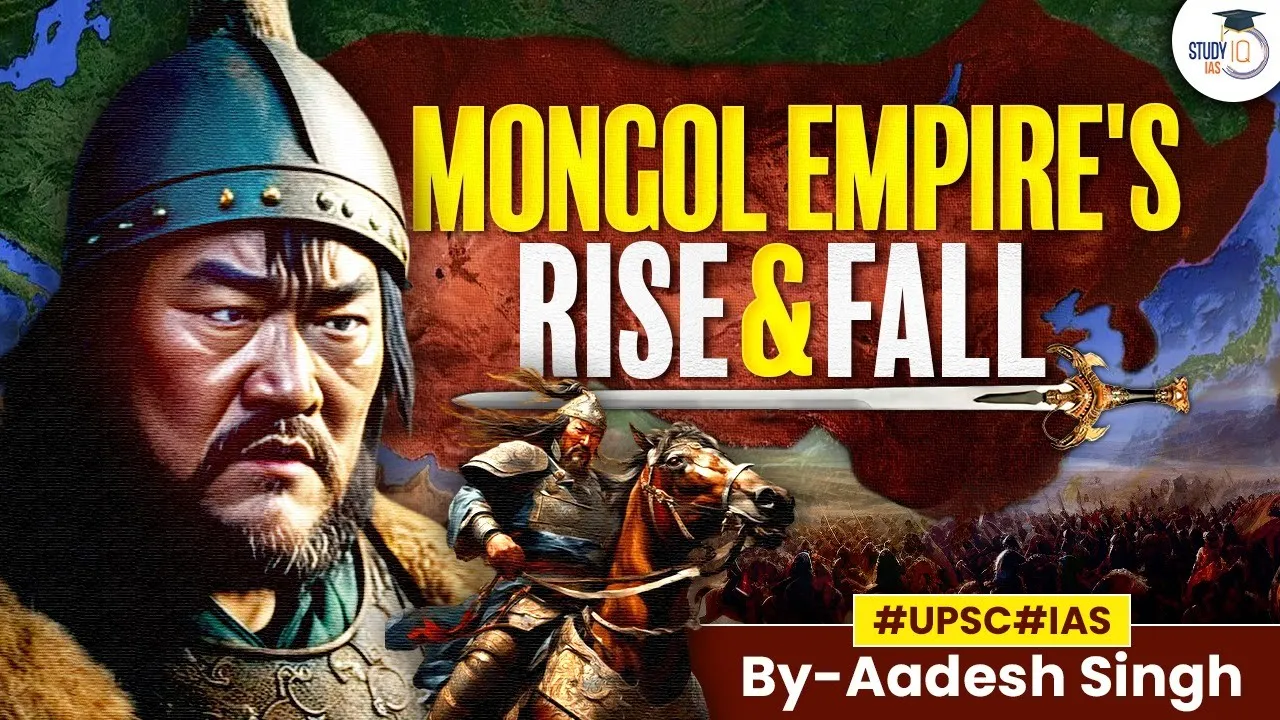



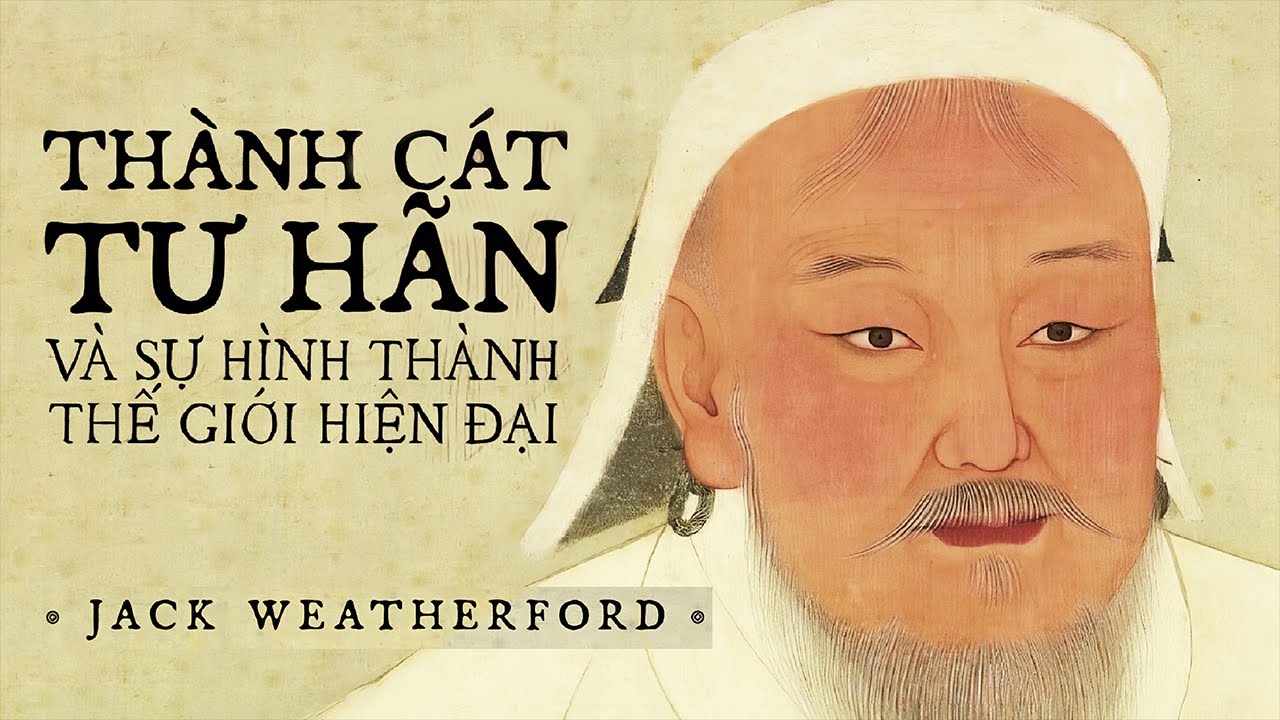




The Mongol Empire, founded by Genghis Khan in 1206, became the largest contiguous empire in history through innovative military tactics including the decimal system, psychological warfare, and rapid mobility, but ultimately fragmented after internal succession conflicts and civil wars, with Kublai Khan establishing the Yuan Dynasty in China in 1271, marking the transformation of Mongol rule from nomadic conquest to bureaucratic governance.
Mongol Empire's Rise: Genghis to Kublai | Historical Documentary
Added:Understanding the socio-economic dynamics of nomadic pastoralism versus sedentary agricultural societies in medieval Eurasia.
A basic geopolitical layout of 12th-century Asia, particularly the fragmented state of the Jin, Western Xia, and Song dynasties in China.
Familiarity with the Silk Road and the historical significance of trans-Eurasian trade routes prior to the 13th century.
The fundamentals of medieval steppe warfare, specifically the reliance on horse archery, mobility, and tribal alliances.
The concept of 'Pax Mongolica' and its role in facilitating unprecedented cultural, technological, and economic exchange across Eurasia.
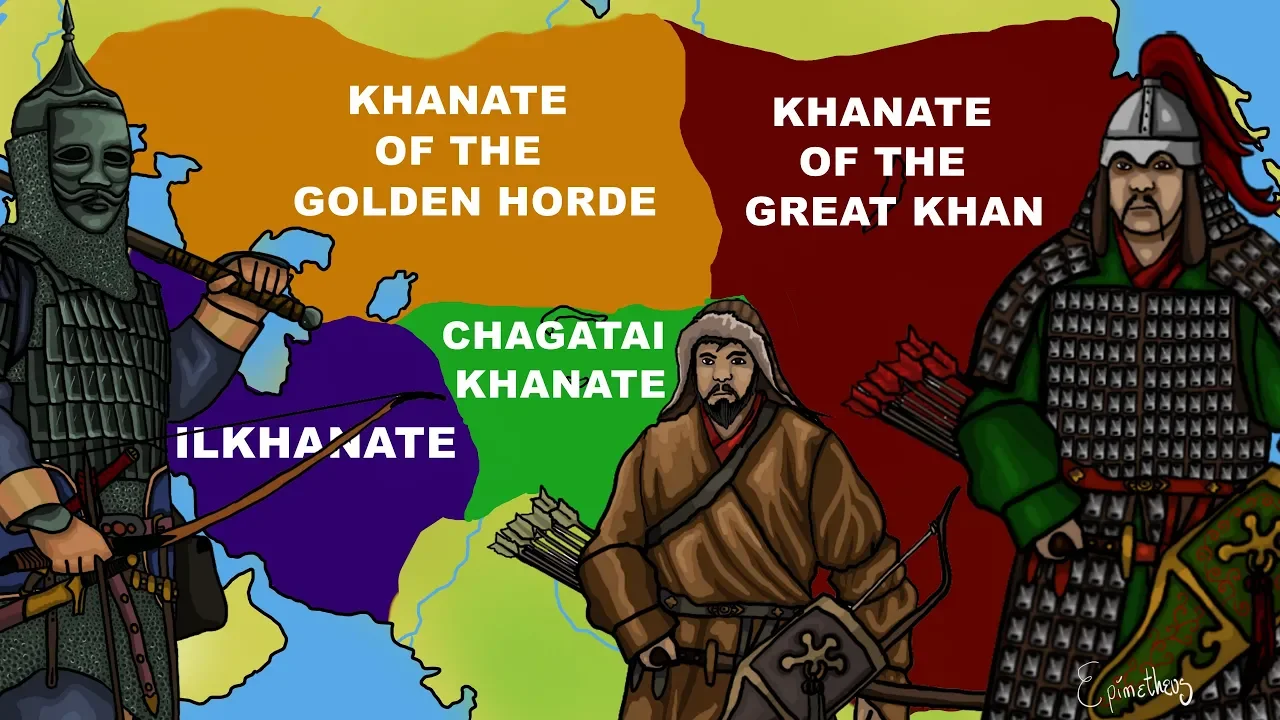
The fragmentation of the empire into four major successor states (the Yuan Dynasty, the Ilkhanate, the Golden Horde, and the Chagatai Khanate) and their ultimate fates.
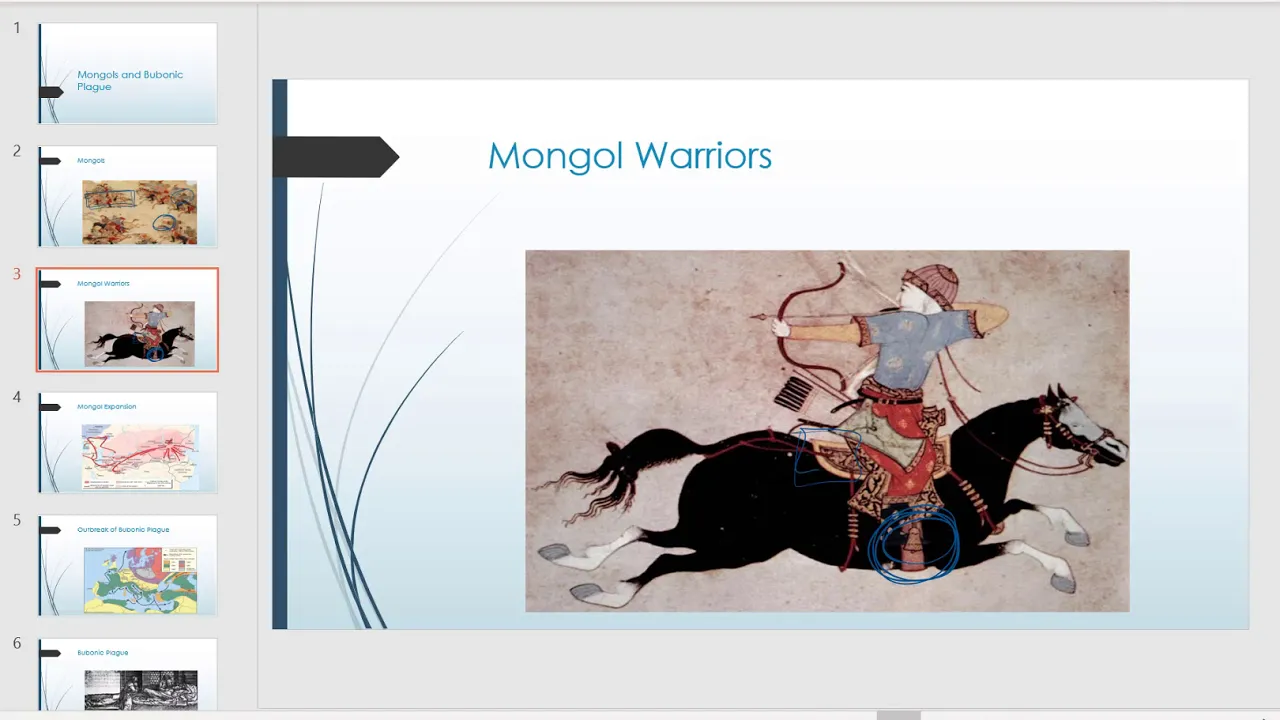
The epidemiological impact of the unified empire, specifically how Mongol trade routes facilitated the spread of the Black Death (Bubonic Plague) to Europe.
The long-term geopolitical legacy of Mongol rule on the historical development and borders of modern nation-states, particularly Russia, China, and Iran.
13.1M views128.7Klikes1:08:18Original Release: 2018-08-26
Mongols Season 1 Full - from Genghis to Kublai KINGS & GENERALS Hard places often breed hard people and Mongolia is one of the most inhospitable lands in the world This is the story of the people who came out of the steppes and built the biggest empire in history This is the story of Temujin and how he became Genghis Khan The history of the eastern part of the Asian steppe is shrouded in mystery and so the early history of the Mongols is still debated At the beginning of the 10th century, the proto Mongolic Khitan people formed an empire called the Great Liao the Khitans fought many wars in Korea China and Central Asia, but by 1125 were defeated by the Chinese Jin dynasty and moved to establish a new Khitan state called Western Liao To the north in modern-day Mongolia, a number of nomadic tribes united in a tribal confederation called Khamag Mongol, which can be translated as the Whole Mongol one of the clans within the confederacy was the Borjigin and its representatives were elected the khans of the union multiple times in the 12th century Khamag Mongol was in a long-term rivalry with the Tatar confederacy, which also nomadizes in the region This struggle weakened the Mongols and their Confederacy almost ceased to exist in the second half of the 12th century The chief of the Borjigin clan at the time Yesugei was trying to reunite the tribes once again in 1171 He arranged a marriage between his 9-year-old son Temujin and the daughter of the chief of a nearby clan, Börte Some sources claim that Yesugei was poisoned by the Tatars during the wedding Temujin attempted to assume the role of chieftain but he was rejected and exiled with his family For the next six years Temujin lived in poverty and was even enslaved on occasion Eventually, Temujin started forming his tribe with the help of his blood brother Jamukha and the leader of the Karaite tribe Toghrul Khan Temujin and Jamukha raided other tribes together, but eventually they had a falling-out Jamukha supported the traditional Mongolian aristocracy while Temujin gave positions of power to capable people outside his tribe Threatened by Temujin rise in popularity Jamukha attacked him in 1187 with an army of thirty thousand men Temujin's twenty thousand men were decisively beaten at the Battle of Dalan Balzhut Not much is known about Temujin life in the next ten years but in 1197 we see him commanding a united force of the Mongols the Karaite in the war against the Tatars initiated by the Jin dynasty Temujin would avenge his father in this conflict The leaders of the Tatar tribes were executed while the non aristocrats were invited to join his ranks He delegated authority based on skill and loyalty rather than tribal affiliation or blood As an incentive, Temujin promised civilians and soldiers a portion of the war spoils His new rules laid the foundations of a code of law, which would eventually be developed and applied to his empire His father's death influenced Temujin. And one of the laws was that hospitality was sacred Guests and envoys should not be harmed Temujin revolutionized the steppe world Each victory brought more warriors to his site and he reformed the Mongols into an army The decimal system was implemented and the army was divided into tens hundreds thousands and ten thousands Transfers between the units were forbidden and if one man deserted the other nine in his unit were put to death Commanders were chosen by their men except for the commanders of the ten thousands so-called Tumen who were handpicked by the Khan himself This chain of command allowed flexibility discipline and loyalty and was vital to performing sophisticated maneuvers Every able-bodied man had to be a part of this structure In 1201 a number of opposing clans called the council Kurultai in the Mongolian language and declared Jamukha the Khan this sparked a five-year war between him and Temujin and the latter managed to defeat his former blood brother at the Battle of the Thirteen Sites that same year Temujin assembled another council of the Mongol chiefs who elected him as their leader giving him the title of Genghis Khan the leader of all For the first time, the warring tribes united as one nomadic nation under one banner and one authority In 1209 the Mongols began their first invasion against the powerful Western Xia state to the southwest The details of this conflict are not clear, but it seems that Genghis Khan was successful in open battles But had difficulties taking the well-fortified cities The Mongols learned the importance of siege warfare in this campaign the surrounded city slowly succumbed to starvation and Diseases and the Xia Emperor had to submit to Genghis Khan and become his vassal Up until this point the Jin dynasty Underestimated the Mongols as a nuisance on their northern border and even refused a call to aid by the Liao But by 1211 they were on high alert They even demanded Mongol submission which led to war In March 1211 GenghisKhan summoned all Mongol chieftains and prepared to wage war against China The Jin had a massive population and mobilized around 800,000 infantry most of which were untrained peasants with low morale and 150,000 highly-trained heavy cavalry This vast army, however, was spread across the Great Wall and Garrison's separate fortresses Meanwhile, the Mongols had a 90,000 strong cavalry army, which had three main components Like cavalry scouts horse archers armed with composite bows and heavy cavalry With lances and curved swords, all of these men were highly trained and loyal After they bypassed the hopelessly ineffective Great Wall the Mongol split into two armies The main army was led by the Great Khan himself and was 60,000 strong While the other 30,000 were taken by his son Ögedei to attack the city of Datong Genghis Khan headed for the strategic Juyong Pass protecting Beijing but along the way, he was stopped at the pass of Yehuling where the bulk of the Jin army awaited him For months the Mongols waited for the Jin to make a move, but they held their ground while waiting Genghis sent his trusted generals Jebe and Subutai To lead a small force which attacked the western front from the rear in the Battle of Wusha Fortress The Jin army and their commander were annihilated Once the secondary army quickly grouped up with the main force, which was still waiting in Yehuling The Mongols attacked the defenders in the mountainous terrain and pushed the Jin forces back Genghis sent men over the peaks surrounding the pass which the Jin generals thought was impossible and attacks the much larger army from both sides Jebe, one of the best Mongol generals used the trademark Mongol tactic of a feigned retreat after a short skirmish the Mongols pretended to flee leaving loot as they fled the Jin defenders took the bait and left their fortifications trying to chase them down Little did they know they were falling into a deadly trap where thousands of them were attacked from all sides by Mongol archers With the gates of China now open, Genghis Khan began raiding the countryside before he withdrew for the winter The following year the Mongol struck again only this time they besieged Datong where Genghis was wounded by an arrow The city held out against the invaders who once again retreated for the winter This time with even more knowledge about their enemy and siege warfare In 1213 when the Mongols invaded again Their mobility prevented the Jin from organizing a successful resistance as their countryside was raided The Mongols began besieging multiple fortresses and cities and waited for the enemy to attempt to break the siege only to be ambushed and defeated The Mongols were fighting guerilla warfare within a foreign land The cities that surrendered had most of their inhabitants murdered or enslaved however engineers artisans merchants doctors teachers priests and administrators were spared and asked to join the Mongol horde Many others were taken and used as meat shields for the following sieges Marching in the vanguard to block arrows or discourage the archers from firing After securing all Jin lands north of the Yellow River Genghis moved against the capital of Beijing and besieged it The Mongols tried to starve the city out, but after a few months an epidemic spread through their camp And they had to negotiate with the Jin emperor Xuanzong He agreed to peace in exchange for a tribute of loot men horses and his daughter along with subjugation to the Mongol Khan Thus the Mongols left China and returned to Mongolia with their treasure but just outside the Great Wall a messenger galloped to Genghis Khan the Emperor had moved his court to Kaifeng to the south This enraged the Great Khan as it signaled that the Jin planned to retaliate The Mongols quickly returned to Beijing and precedes the city with the help of thousands of Chinese engineers The city was surrounded breached and raised For weeks thousands of carts hauled loot back to Mongolia The fires in the city burned for over a month while its people were massacred what was once considered a nuisance had brought a twenty million strong nation to its knees and Now the Mongol devastation was heading west The Naimans were one of the tribes defeated by Genghis Khan in 1205 After the defeat the Prince of the tribe Kuchlug fled to the west In 1208. He was defeated by Genghis yet again and found refuge in the nearby Western Liao empire He was welcomed and even married the daughter of the Emperor, Zhilugu Two years later Kuchlug rebelled against his father-in-law and took control of the Empire In 1216 Kuchlug attacked the city of Almaliq, which was under Mongol protection Genghis Khan sent his best general Jebe, who defeated Kuchleg in the Battle of Balasagun and in two years the entire empire was under Mongol rule Now they were bordering the great Khwarezmian empire that was ruled by a Persianate Turkic dynasty Genghis Khan sent a caravan with precious gifts to Shah Mohammed II hoping to establish trade However, the governor of the Khwarazmian's city of Otrar Inalchuq had the members of the caravan arrested claiming They were spies Genghis Khan then sent three ambassadors to the Shah himself to demand the merchants be set free Mohammad refused the merchants along with one of the ambassadors were executed the rules of hospitality Which Genghis Khan considered sacred were broken and he started planning his retribution He gathered information from the Silk Road about his enemies assembled siege engineers from China and created a plan involving Separating his army into three columns The numbers for both sides are highly disputed but most scholars agree that at the start of the campaign the Mongols outnumbered the Khwarazmian forces with 100,000 against 60,000 In the winter of 1219 Genghis Khan sent his oldest son Jochi and Jebe to cross the Tian Shan Mountains to ravage the Fertile Fergana Valley with around 20,000 men It was risky But paid off as they slipped through the defensive lines and confused the enemy who thought this was the main force meanwhile, another army under his second and third sons Chagatai and Ögedei passed through the Dzungarian Gate with haste and Besieged Otrar, which had a garrison of 20,000 After five months a deserter opened the gates and allowed the Mongols into the city Otrar became the first of many settlements to have its entire population slain or enslaved before it was razed to the ground Inalchuq was captured and reportedly had molten silver poured into his eyes and ears Mohammed II was preparing a strong defense around his capital Samarkand, but Genghis tricked him by traversing 300 miles across the Kyzylkum Desert, which was considered impossible Hopping from Oasis to Oasis The Mongols found themselves had the gates of Bukhara The city's defenses were weak So the desperate defenders tried to sally out and meet the Mongols in open battle where they were massacred on mass Next came the Khwarazmian capital of Samarkand the Mongols closed in during March of 1220 The Mongols assaulted the city and it's 40,000 strong garrison using prisoners as meat shields on the third day the garrison launched a counter-attack feigning retreat Genghis drew approximately half of the garrison including war elephants outside of the fortifications of Samarkand and slaughtered them in the open fields Shah Mohammed II attempted to relieve the city twice but was driven back on the fifth day, all but a handful of soldiers surrendered the city's inhabitants numbering around 100,000 were slaughtered The Shah and his son managed to escape to the west so Genghis Khan ordered his generals Subutai and Jebe to hunt them down with a force of around 20,000 the legendary expedition of this army deserves its own episode and will be covered soon After finishing the destruction of Samarkand Genghis Khan moved against the wealthy city of Urgench from the south While his son Jochi attacked it from the north Despite the stout defense, the city was taken but that created a new complication for the Mongols Jochi was given the right to loot the city for himself but preferred to negotiate with the locals to avoid property damage While his brothers who disliked him argued against this unusual behavior Genghis removed his oldest son from command and appointed his third son Ögedei instead who in turn ordered the city to be destroyed This decision would have a significant impact on the Mongol Empire in the following decades as it forever alienated Jochi from the rest of the family While Urgench was being destroyed, Tolui, Temujin's youngest son took 50,000 men into the region of Khorasan He occupied and razed the cities of Balkh, Meru, and Nishapur in rapid succession Herat at surrendered and was spared as was any other city that surrendered without a fight The Mongols couldn't control such a vast population So they used practical brutality as their primary method to subjugate a nation the massacres were committed without religious or cultural reasons and they wanted everyone to know it as a method to prevent resistance Until now the Mongols never allowed their enemy to raise an army using psychological warfare and picking off smaller parties Also, they were never at one spot all at once While a city was besieged another army was patrolling and pillaging the countryside The son of Mohammed, Jalal ad-Din Managed to recruit an army of Turkic and Afghan warriors numbering 60,000 which was not expected by the Mongols As soon as news of this reached Genghis Khan, he sent an army of 30,000 men led by a tartar nobleman Qutugu Jalal ad-Din moved to Parwan 50 miles north of Kabul Afghanistan where he awaited the inevitable battle Qutugu decided not to wait for the orders of their Khan and engaged the enemy At Parwan, the two sides met in a narrow valley unsuitable for cavalry maneuvers Jalal ad-Din took the initiative Ordering his right wing of Turks to dismount and engage in a skirmish pouring arrows onto the Mongols His archers were winning the skirmish as the dismounted archers were more accurate and deadly than the mounted ones Both sides held their ground until the following morning when the Afghan warriors noticed the Mongol army was being reinforced This alarmed the commanders but Jalal ad-Din calmed his officers and instead of retreating Ordered his entire line to dismount and engage In reality the Mongols had put straw men on the usual three to four spare horses they had with them as a bluff Seeing the entire line dismounted Qutugu ordered his horsemen to attack the Afghan left-wing with a barrage of arrows But they were repelled by the unwavering archers Then the Mongols charged along the entire front Hard pressed by the rough narrow terrain Which rendered the usual tricks of feigned retreat and encirclement impossible the famous Mongol discipline Disintegrated for the very first time against a foreign foe as the riders faced the arrows of the numerically superior force head-on At this point, the Mongols began to retreat and Jalal ad-Din saw his chance He ordered his men to remount and counter-attack Half of the Mongol army was obliterated while the other half escaped This defeat broke the illusion of Mongol invincibility and the cities who had peacefully surrendered rose up in arms Which forced Genghis and his son Tolui to spend extra month subduing the revolts.
But the army of the Khwarazmian Prince started to fall into discord immediately after the victory Left with only 20,000 men to Jalal ad-Din headed for the Indus River to find refuge in India The Great Khan immediately made his way to Parwan After a two-day race across Punjab Genghis Khan caught up to Jalal ad-Din at the Indus River Just before the prince was able to cross The mongols rested for the rest of the day and at dawn charged the enemy Pressed up against the river while their flank was covered by the mountain The initial charge was repelled and Jalal ad-Din ordered a counter-attack, which nearly broke the Mongol army Genghis then sent his reserve of 10,000 around the mountain to flank Jalal Aldean's army With his forces attacked from two directions and collapsing into chaos. Jalal Aldean decided to escape Following the victory, Genghis sent one of his commanders along with 20,000 men to chase down the prince But the prince was nowhere to be found Regardless most of the Khwarazmian territory was annexed and it's Shah died on an island in the Caspian Sea as for its people, it is said that the Mongols reduced the population of this prosperous region to 200,000 from the initial 2,000,000 The Mongol invasion of Asia was just starting After Mongol general Subutai and Jebe and their 20,000 Warriors failed to catch up to the Khwarazmian Shah they spent the winter of 1220 in Iran and Azerbaijan raiding and looting while preventing the Western Khwarazmian forces from assisting Jalal ad-Din to the east Here they conceived the idea of conducting the most audacious reconnaissance in force in history in 1221 the army first entered the kingdom of Georgia where they pillaged the countryside for supplies The King George IV seeing his lands ravaged by the invaders Assembled an army which included many knights who had pledged to join The Fifth Crusade in the ensuing battle at Sagimi Subutai feigned a retreat which lured the slower heavily armored cavalry away from their infantry before he encircled and massacred them.
The Mongols then returns to Azerbaijan and Iran and burned and pillaged a few more cities in A few months, Georgia was invaded by Subutai yet again George IV attempted to stop the invaders near Tbilisi, but his army was ambushed yet again These battles weakened Georgia and allowed the Mongols to pass through the Caucasus Mountains Subutai pushed his forces through the mountains during the winter.
His troops took heavy casualties and were exhausted when they descended from the mountains Their army was met by a coalition of the local Lezgins, Alans, Kipchaks, and Volga Bulgarians The enemy army had more than 50,000 troops At first the Mongols charged, but were repelled The coalition decided to hold their ground and wait for the Mongols to die of starvation Low on supplies and unable to outmaneuver his opponent Subutai secretly sent bribes to the Kipchaks who made up most of the force appealing to them as fellow nomads in the middle of the following night, the Kipchaks left and headed home Subutai immediately charged the remaining troops and defeated them However, he didn't stop there and ordered his horsemen to chase after the Kipchaks who were slowed by the baggage train of treasures they had received The Mongol slaughtered them as well and then raised the wealthy city of Astrakhan on the Volga River Finding themselves on familiar flat terrain with plenty of villages to pillage Jebe and Subutai now parted their forces Jebe travelled towards the Dnieper River while Subutai moved south to the Crimea Subutai and the local Venetian Trading Post entered an alliance and the Mongol general promised to destroy any non Venetian colonies in the area Indeed he attacked and razed so dire and in return, the Venetians provided the Mongols with information about the kingdoms of Europe Meanwhile, the surviving Kipchaks fled and informed the Rus princes of their plight The area of modern Russia and Ukraine was controlled by a number of Rus' principalities They united into one alliance to defend against the Mongols With the addition of the Kipchak forces this alliance had a combined force of around 60,000 troops mainly cavalry The Mongols united into one army also and then sent ambassadors to the Rus princess Telling them to stay out of the conflict as it didn't involve them and the Mongol quarrel was with the Kipchaks alone But the princess broke the golden rule, they killed the envoys The allied army caught up to the Mongols on the banks of the Dnieper River and tried to encircle them Subutai sacrificed a rearguard of a thousand men who held the enemy while the rest of the army crossed the river and retreated east the Russians now discussed how to follow up this minor victory Some urge to pursue the Mongols while others argued to hold the frontier But it was the vengeful Kipchaks who tipped the scales and the princes decided to chase the Mongols Each Prince marched separately from the others miles apart For nine days, the Mongols retreated just ahead of their pursuers They used hit-and-run tactics while leaving behind loot prisoners and livestock giving the Russians a sense that they were winning However, this was a trap.
By the end of the ninth day, the Kipchak vanguard was way ahead of the rest of the army and smashed against the Mongols Subutai ordered a retreat Crossing the small Kalka River with the Kipchak hot on their tail and the Russian princes lagging behind even more With all the pieces in place, Subutai sent his heavy lancers charging against the unprepared Kipchaks from the front While his horse archers attached the Rus with arrows to further slow their advance Undercover of arrows the heavy Lancers kept plowing with ever-growing momentum against the unorganized Rus who were charging at them one prince at a time?
Every Rus who was not slain during the initial impact was funneled by the arrow fire into a narrow Corridor, which forced them to smash against the forces behind them creating a domino effect The battlefield became the most chaotic at the river itself The only army with the resemblance of a formation was that of Mstislav of Kiev who had previously advised caution He rallied his 10,000 and many of those who were retreating to meet the charging Mongols Baggage trains were arranged into a fortified circle on high ground to become a beacon for the fleeing soldiers the Mongols soon surrounded this position Here Mstislav held out for three terrible days while being showered with whistling arrows and bombarded with smoke bombs The defenders were left with no water and had to accept the Mongol offer of a peaceful surrender But as soon as they left the protection of their camp, they were attacked the Allies were surrounded on all sides except for a small gap Intentionally left open giving hope to many who took this chance to escape Subutai laid this trap as he preferred to have those men be killed in smaller groups by the faster horse archers who picked them off one by one Only 1 in 10 warriors in the allied army managed to avoid death or capture as for Mstislav of Kiev and the Rus Nobles they were tied up and placed beneath a wooden platform on which The Mongol generals feasted while the Russians were crushed beneath them Subutai then passed through the other side for the Caspian Sea defeating even more Kipchaks and Volga Bulgars on the way back to Mongolia While the Mongols didn't conquer new lands on this grand expedition.
They gained knowledge about the landscape the people and their armies Upon returning from the great raid Subutai wasted no time resting as he was assigned a new mission punishing the vassal kingdom of Xi Xia for not contributing to the Mongol campaigns Genghis Khan never tolerated betrayal and so he mustered a colossal force only this time the Mongols knew the territory and the art of the siege the Kingdom quickly fell and the emperor was murdered However, before the invasion began Genghis fell from his horse and injured his shoulder He quickly developed a high fever and was advised to go back to Mongolia and rest, but the Great Khan pushed forward Life is full of irony and the Xi Xia would be the very first and the very last people conquered by Genghis On August 18th, 1227 at the age of 66 Genghis Khan passed away Genghis' empire endured after his death through a series of laws He developed and the capable children he had raised He had tried multiple times to deal with the looming question of succession before the campaign in Khwarazm He gathered his four sons in a tent and prepared to break another Mongol tradition According to which when a father died, his domain was inherited by the youngest son while the herd was divided between the rest Genghis Khan, however, urged his sons to maintain the unity of the Empire They helped him build and asked Jochi to take the floor and speak his mind Before he could say a word Chagatai who rumors claimed was the real firstborn to Genghis Insulted him saying that he was not one of them and that he would never follow him as Great Khan Genghis decided the best way to keep the Empire intact was to give each son lands where they could settle and rule as long as they respected the Great Khan The third son Ögedei would be the one to ascend to the throne Jochi was promised Persia and Europe, Chagatai was given Central Asia Ögedei would get China while the youngest Tolui would take care of Mongolia and So this family dispute over the Empire of one man led to lines being drawn all over the known world Creating a division which put the Mongol legacy in danger Genghis Khan passed away in 1229 and his son Ögedei became the Great Khan he was a talented administrator who transformed the Mongols from a tributary to a tax based Empire and commissioned the construction of the capitol Karakorum he developed the Yasa law, created a postal service, introduced paper currency, and created civil service exams open to everyone while implementing a culture of religious tolerance This colossal shift from nomadic to bureaucratic governance led to a period of prosperity Called the Pax Mongolica In the next few decades Mongol conquests had three main directions central and southern China Central Asia Iran the Caucasus and the Middle East and modern-day, Russia and Eastern Europe As these three were often detached theatres. Each of the next three videos will focus on one direction starting with the invasion of Europe In 1235 the Mongol Kurultai decided to send a big army to conquer Europe 130,000 commanded by the son of Jochi, Batu headed to the region By 1237 Volga Bulgaria was conquered Crimea and the lands of the Kipchaks, Alans, and others were next and by the end of summer of that year All the lands to the east of the Don River belonged to the Mongols In November Batu Khan sent his envoys to the court of Prince Yuri II of Vladimir-Suzdal and Demanded his allegiance it is not clear what happened during this embassy but in February of 1238, the capital of the princedom Vladimir was razed by the Mongols the chronology of events are open to debate, but we know that in 1238 and 1239 many Rus princedoms were destroyed and their capitals were razed the Mongols moved fast, dividing and conquering along the way not allowing the Rus to unite their forces The biggest open battle of this campaign happened near the River Sit and the Mongols prevailed The only major cities to escape destruction were Novgorod and Pskov. as they accepted Mongol Authority By the end of 1239 the Mongols returned beyond the Don.
Batu had to send some of his forces south to help in the conquest of the Caucasus while the forces of Möngke were recalled to Mongolia so the Mongols spent the spring of 1240 recruiting troops from local tribes In the summer of the same year the Mongols restarted their offensive The biggest most prosperous Rus city, Kiev was besieged in September The Envoy sent in were killed and the city fell after a three-month long siege All 50,000 locals were massacred With the Rus' principalities belonging to the Golden Horde, the Mongols now looked towards Central Europe.
The Venetians delivered on their deal with Subutaï and provided him with valuable information on the kingdom's they were facing Which allowed him to plan a devastating campaign against all of Europe.
In December of 1240 the Mongols were ready to pounce on Poland and Hungary Batu sent several messengers to the high duke of Poland Henry II and the king of Hungary Bella IV.
Both of these envoys were killed.
The Mongols invaded Central Europe in three columns The first group was tasked with distracting Poland. Baidar, Kadan, and Orda with two Tumens.
the second mainly Batu and Subutaï with three to four Tumens, crossed the Carpathian Mountains through the Verecke pass and a third followed the Danube River In late 1240 the first force advanced against Poland with a remarkable speed of 50 miles per day Sacking Lublin and Sandomierz on the 13th of February 1241 They then split their force One Tumen under Orda moved to central Poland and another and Baidar and Kadan swept south Defeating a small contingent at the Battle of Tuskov in late February 1240 the capital of Poland Krakow was abandoned looted and then burned Then the Mongols advanced on the central city of Silesia Wroclaw Which was left undefended by the Polish nobility in the hope of buying more time to assemble an army While setting up for a siege of the city Baidar and Kadan received reports that a great host was marching towards them So they turned from Wroclaw to intercept the Polish army before it got a chance to unite with the big Bohemian army The two armies met on April 9th at the field of Legnica the Polish army led by Henry II had around 7 to 8 thousand troops most of them from Poland with contingents from Moravia, Bavaria, and the Teutonic order while the Mongol force under Baidar was slightly less numerous with around 6,000 troops the Polish force consisted of heavy cavalry, infantry, and peasants while the Mongol force was made up of the usual horse archers and heavy Lancers The battlefield was a plain surrounded by small rivers the center of the Christian army consisted of three lines of cavalry with Infantry on the flanks and a smaller reserve under Henry in the rear Baidar divided his troops into four divisions each with a mix of horse archers and lancers The first line of the Polish cavalry charged against the Mongol vanguard, but was pushed back after some initial success Henry then sent the rest of his cavalry forward and this time under the pressure the Mongols began to withdraw the allied cavalry gave chase separating themselves from the infantry a signal was given by the Mongol commander to set fire to the plants growing on the field This created a dense smoke and smell unbearable to the Christian army, and it's infantry on the flanks failed to see the battlefield clearly In that moment the Mongol horse archers began firing at the confused riders disorientated by the smoke The cavalry was annihilated and that left only the unarmored peasants on the flanks completely exposed With no support, the Polish wings were massacred. Henry attempted to flee from the battlefield But was caught killed and beheaded His severed head was displayed on a pike in front of the town of Legnica striking fear into the populace While Baidar was busy slaughtering the Polish nobility at Legnica 600km to the south king Bella of Hungary was lining up his armies for battle after Six days of chasing the main Mongol force under Batu and Subutai in a campaign eerily similar to Kalka He ordered a fortified camp of wagons to be constructed near the Sajo River refusing to take the bait While the terrain was plain the river had flooded and could only be crossed vara narrow 200 metre long bridge The Mongols had around 15 to 20,000 troops and were outnumbered by the 40,000 strong Hungarian army of which about 15,000 were cavalry The Hungarians had contingents from Croatia Austria and the order of the Templars After hearing that the Mongols were crossing the bridge under the veil of darkness the Hungarians moved marching 7km in the dark and descending upon the bridge at midnight The Mongol Vanguard was destroyed as their horse archers were exposed during the night and unprepared for the enemy crossbowmen The Hungarian army left a small force to guard the bridge as they returned to camp to celebrate thinking that the invaders had been repulsed on the morning of April 11th, 1241 Subutai sent a force north to cross through a shallow spot in the river while he was making his way south for a makeshift bridge Meanwhile, Batu ordered seven heavy catapults to bombard and distract the crossbow man guarding the bridge After stalling for a while, the northern troops descended upon the bridge guards from the rear and routed them At the Hungarian camp a great argument broke out as the king was blamed for not preparing his force for another engagement This gave time for the Mongols to cross the river Still the Hungarians were once again gaining the upper hand as Batu failed to organize his troops in a proper formation As the Mongols were being pushed against the river with nowhere to run Subutai miraculously joined the engagement and attacks the Hungarians from the rear Subutai then rallied the troops who had seen heavy casualties and ordered them to surround the Hungarian camp to which Bella had retreated Their mangonels bombarded the camp with stones while archers shot flaming arrows The Hungarians attempted to break the encirclement on three occasions but were repelled each time Once again, the Mongols left a gap giving Hungarian troops hope of escape Most of the defenders fled for their lives only to be chased down by more archers lying in ambush This trick meant that the Mongols would be killing the enemy while they were running Instead of fighting for their lives which allowed them to avoid extra casualties The Hungarian army ceased to exist Bella made it to safety. But the entire population of Hungary was left at the mercy of Subutai's troops In the span of two days the strongest kingdoms of Central Europe were defeated With free reign over Hungary the Mongols did what they did best ravaged the countryside Starting with peast more than half of the settlements in the plains of Hungary were destroyed It is said that Hungary lost around 500,000 of its population the Mongols then invaded Serbia and Bulgaria these lands were ravaged and Bulgaria was forced to become a tributary to the Mongols for several decades as the situation was only getting direr the Pope called for an anti Mongol crusade Meanwhile, the Holy Roman Emperor began to levy his troops and organize a defense The Mongols were planning to reach the Atlantic Ocean and there was no army strong enough to stand in their way However, this was not to occur the Great Khan Ögedei passed away in December of 1241 and Batu along with most of his troops had to return to Mongolia to participate in the elections of the next leader of the Mongol Empire Europe was saved After his defeat at the Battle of the Indus River in the spring of 1221 the Prince of the Khwarezmian Empire Jalal ad-Din continued retreating deeper into Punjab Soon the Mongol troops stopped chasing him Jalal ad-Din spent the next three years gathering his forces in the area and even took over most of Punjab He attempted to get the Mamluk Sultan of Delhi to ally against the Mongols But the latter wasn't eager to draw the ire of Genghis Instead in 1224, the sultan attacked Jalal ad-Din The prince was forced to leave Lahore.
He raided Gujarat and then returned to Iran in the same year As his father was long dead Jalal ad-Din claimed the throne of Khwarazm Iran and the Caucasus had been weakened by Jebe and Subutai a few years before so he had an easy time consolidating the region He destroyed the state of the Atabeks of Azerbaijan and moved his capital to Tabriz away from Mongol reach In the same year, he vassalised the Shirvinshahs and attacked Georgia In 1226, the Georgians were defeated at the Battle of Garni Tbilisi was captured after that and both the Christian and Muslim population of the city were massacred The Mongol sent a small army to Iran in 1227, but Jalal Ad-Din crushed it near Ray His activity in the area provoked a response the Sultan of the Seljuks of Rum Kayqubad I, Ayyubid sultan Al Kamil and the king of Cilicia Armenia Hethum I United their forces against him in 1228 and the Khwarezmian forces were soundly defeated near Erevan This war weakened him and all over Iran and the Caucasus rebellions against him began The Great Khan Ögedei used this and sent an army under Chormagan to conquer Iran once again The Mongols won a battle against the Shah somewhere in central Iran in 1231 Jalal ad-Din retreated all the way to modern Turkey with the Mongols chasing Finally, Jalal ad-Din was assassinated in Sylvan and the Khwarezmian Empire ceased to exist The Seljuks Silesia and Georgia became the vassals of the Great Khan Little of note happened in the region in the next decade as the Mongols were busy with the campaign in Eastern Europe But when Ögedei passed away in 1241 The Mongol governor of the region Baiju asks the Seljuk Sultan Kaykhusraw II to renew his vassal oath The latter refused and raided another Mongol vassal, Georgia Baiju pushed the Seljuks back and moved towards Erzurum The envoys sent to the city Were not killed but insulted Still, Erzurum was taken and its population was massacred The Mongols then retreated to amass more troops in Georgia and Armenia Sultan Kaykhusraw II asked his allies to help and received minor assistance from Nicaea Trapezun the Ayyubids and even recruited some mercenaries from among the Crusaders the 30,000 strong Mongol army moved into Seljuq territory in 1243 and Kaykhusraw 60,000 met them in June at Köse Dağ near modern-day Sivas We know very little about the ensuing battle But the mongols feigned retreat yet again and forced the Seljuk vanguard which had around 20,000 troops to chase them as Soon as a significant gap formed between the vanguard and the rest of the Sultan's forces the Mongols turned back surrounded and crushed the soldiers The Sultan and his advisors retreated and the seljuqs were forced to become Mongol vassals yet again In Mongolia Möngke became the Great Khan in 1251 and gave his brothers Kublai and Hulagu supervisory roles in China and Persia respectively In 1256 Hulagu entered the Middle East with more than 100,000 warriors He conquered the remnants of the Khwarazmian Empire and then moved against the legendary Ḥashashiyan order These renowned and feared assassins held dozens of fortresses But a combination of infighting and the fact that by now the Mongols were experts at siege warfare Inflicted heavy casualties upon them their Grandmaster surrendered and handed all the fortresses to Hulagu With all of Iran secured Hulagu sent words to the Abbasid caliph, Al-Musta'sim Demanding his obedience, but the latter refused on January 11th, 1258 the Mongols approached Baghdad the biggest and most prosperous city of its time Al-Musta'sim, finally decided to meet them in battle and sent out a force of 20,000 cavalry to attack the Mongols These troops defeated the Mongol vanguard, but rather than retreat to the safety of the city walls they set up camp and enjoyed a feast of celebration the next morning, they were surrounded by the Mongols on one side and by the river on the other Those who were not killed in the slaughter drowned The Mongols built walls around the city to provide safety for the siege engines as well as to prevent the defenders from breaking out Al-Musta'sim made attempts to negotiate peace, but that ship had already sailed By February 10th 1258 the city surrendered under a constant barrage of catapult fire The sacking continued for seven days and only the Christian population of the city was spared The grand library of Baghdad was burned to the ground This destruction put an end to the Islamic Golden Age and moved to the center of power from Baghdad to Cairo For the first time in Muslim history Islam had no caliph Hulagu didn't intend to stop as he pushed forwards toward Syria Aside from the coastal territory belonging to the Crusader States Most of the Levant was still under the control of the Ayyubids Sultanate which was weakened by the loss of Egypt to the Mamluks The Ayyubids offered to pay tribute, but Hulagu was not interested He was joined by the Georgians Armenians and the troops of the Crusader Prince Bohemond VII and On January 18th, 1260 Aleppo was besieged and suffered the same fate as Baghdad This caused massive panic and resulted in the cities of Homs and Damascus willingly surrendering sparing themselves from destruction But suddenly grave news was delivered to Hulagu the Great Khan Möngke died of sickness during the war against the Song Dynasty in China This sent a ripple through the empire and halted the massive campaigns The Empire was on the brink of Civil War and Hulagu left the Levant for Mongolia One or Two Tumen stayed in the region under the command of Kitbuqa The Mamluks were offered peace, but they knew that Hulagu left with the majority of his troops, so the Mongol envoys were killed Kitbuqa tried to form an alliance with the Crusader States. However, that attempt failed Mamluk sultan Qutuz assembled his army and moved to Palestine When news of this reached Kitbuqa, he prepared to meet the Mamluks army, but a rebellion in Damascus slowed him down Meanwhile, the Mamluks moved north and camped outside of Acre Mongol spies reported back to Kitbuqa that the enemy army outnumbered his at least two to one Still the Mongol general left Damascus with an army of some 25,000 men made up of Mongols Georgians and Armenians in Early, September 1260. He crossed the Jordan River and entered the valley near the village of Ain Jalut Where according to legend David slew Goliath The Mongol cavalry charged the Mamluk Vanguard commanded by Baibars This group broke under the charge and fled up the valley, Kitbuqa gave chase but in reality The Mongols were falling for their own trick as Baibar's was luring his enemies in with his retreat The Mongols pursued the broken vanguard to the valley where Qutuz awaited with most of his forces Baibars his troops finally reached the mainline Despite having vastly superior numbers the Sultan was cautious and stayed in position Kitbuqa used that and decided to commit all of his troops.
The Mongols were to engage the entire Mamluk army The Mongol second line was ordered to wheel right and run the Mamluk front ranks towards Qutuz' left-wing The entire left flank of the Muslim army started crumbling under the Mongol pressure the Sultan tried to regain his left side for hours his troops from the right flank were sent to the left and eventually, the Mongols were pushed back and the left side was restored Qutuz sent his reserves to the extreme wings It was the moment for the final attack and Qutuz personally led his bodyguards into battle The Mongol army fought well, but they were pinned in place by the overwhelming numbers of their foe When all the Mongol troops were engaged Qutuz sent his extreme flanks into the attack The Mongols were close to being surrounded and when their leader died in the center they started to flee They lost between five and ten thousand warriors The Mamluks won at Ain Jalut using their superior numbers and by mirroring the usual Mongol tactics Ain Jalut also made the Mamluks into the most significant Muslim power of its time Internal conflicts over the succession delayed the Mongol response and while they didn't know it yet This would be their Zenith and the beginning of the end of the greatest empire the world had ever seen The Great Khan Möngke died in 1259 while campaigning against the Song His youngest brother Ariq was in the capital Karakoram while Kublai and Hulagu were campaigning Instead of returning home, Kublai decided to finish his fight against the Song Ariq declared himself the Great Khan with the support of the noble houses who saw Kublai as too soft because of his Buddhist beliefs Upon learning this Kublai declared himself Khan and marched against his brother starting a civil war Meanwhile to the west, the Muslim leader of the Golden Horde Berke wasn't going to forgive the sacking of Baghdad He used the fact that Hulagu was on his way to China to start raiding the territories of the Ilkhanates the territory of the house of Chagatai Separated the two civil wars within the Mongol Empire But it would be used as a political chip in the conflict.
The Empire was now divided into five parts The war between Ariq and Kublai is known as the Toluid Civil War We know very little about this conflict, but it started in 1260 and lasted for four years During this war, Kublai made the crucial decision to leave South China and focus on the north while the Song were retaking some of their lost territories with nearly no resistance Ariq attacks the Western Xia territories that was repelled Kublai then advanced on Karakoram which was left abandoned and razed it to the ground At the same time, both Ariq and Kublai attempted to place their candidates on the throne of the Chagatai Khanate Ariq intercepted Kublai's nominee and assassinated him Chagatai's grandson Alghu was made the Khan However when Ariq's situation deteriorated Alghu declined to help him in the war and even killed his envoys Kublai failed to use that to his advantage as he had to pull back his forces to parts of China which were in open rebellion This allowed Ariq to go to war against Alghu and while he did win this conflict over the Chagatai Khanate He did so with heavy casualties As a result, many of his allies deserted him including his own son.
Who stole the seal of the Great Khan and delivered it to Kublai Left with no supporters or supplies Ariq traveled to Shangdu alone and personally surrendered himself to his brother Kublai became the new Great Khan apart from bringing discord to the Empire This civil war pushed Kublai towards an even stronger affiliation with the Chinese troops bureaucrats and population Meanwhile, Hulagu and Berke were fighting along their borders in the Caucasus and Khurasan Hulagu returned to the area in 1262 In the same year his son, Abaqa moved into the Golden Horde territory via Central Asia who had suffered a defeat Emboldened Berke's army supported by Ariq counter-attacked but lost decisively somewhere to the east of the Caspian Sea Hulagu then decided to use the route taken by Subutai and moved into the Horde's territory using the pass of Durban Initially this campaign looked promising and the enemy retreated under the pressure Hulagu sent a portion of his force led by his son to pursue the foe They came upon a deserted but world provisioned camp and decided to rest and feast This however was a trap and they were surprised by the main force of the Golden Horde After heavy fighting the Ilkhanate's troops began to retreat over the frozen Terek River With the ice cracked under the weight of men and horses and many drowned in the freezing water Hulagu was forced to retreat to the south and Berke regained much of his lost territory Neither side had enough strength to continue the war and when Ariq surrendered to Kublai the Golden Horde also accepted his authority in 1265 Hulagu passed away followed by Berke in 1266 That ended the hostilitiesk But still the Mongol Empire was broken and the legacy of Genghis was represented by four different states With the civil wars over Kublai Khan worked tirelessly to transform the Mongol Empire into the Yuan Dynasty The capital was moved to a city called Khanbaliq or Dadu which would later become Beijing in 1271 Kublai declared himself Emperor He and his descendants slowly became more Chinese than Mongol He built over 20,000 public schools was a patron of the arts and constantly met with people from all around the world including Marco Polo the Emperor issued Incorruptible paper bills backed by silver which were accepted across the entire Mongol Empire Something unheard of until then Kublai transformed the vast network of 1,400 postal stations to work as trading outposts as well opening China to the world like never before this spread ideas gunpowder other inventions and unfortunately the Black Death he created a highly efficient centralised government and Transformed the army gone were the days of the horde his army now consisted of a small Corps of Mongol warriors and a massive number of Chinese troops Kublai decided to take on the Song again, but he knew that he had to adopt new strategies Song China had no hope of stopping the Mongols in open battle, but they had some of the best fortresses of their time The best of those was the one in Xiangyang which had supplies for years and had tall double walls Kublai knew that in order to fulfill his grandfather's vision of conquering China he had to evolve his army 5,000 Yuan ships were built and crews of Experienced North Chinese and Korean sailors were recruited with the purpose of taking the rivers of China and blocking enemy supplies This new navy came with 70,000 trained marines and was a testament to how adaptable the Mongols were The siege of Xiangyang went on for six years as it held the most valuable position in China and its defenders knew that if the city fell the whole of China would follow Multiple attempts were made by the Song to break out from all reinforce the city, but they didn't stand a chance What finally broke the fortress was a new design of counterweights trebuchet that was able to fire 300kg stones from a distance of 500 meters Xiangyang, which had held out for years fell in days in 1273 Kublai's forces quickly swept through southern China and although their position was now hopeless the Song court raised Eight-year-old, Zhao Bing to the throne The Song sent emissaries to negotiate a peace, but they were rejected They ran from city to city seeking salvation and eventually boarded a huge fleet Kublai moved his navy to attack the Song vessels and the decisive battle of this campaign hmppened at Yamen on March 19th,1279 The remainder of the Song fleet consisted of 1,000 ships, but most of them were transports with a vast number of civilians on board Meanwhile, Kublai's fleet had around 300 warships manned by 20,000 experienced marines And he also had the advantage of holding the nearby lands and supplies some within the Song forces suggested that the Navy should first claim the mouth of the bay to secure their line of retreat to the west Their commander Zhang Shijie turned down this suggestion in order to prevent his soldiers from fleeing the battle He ordered the burning of all palaces houses and forts on land for the same reason Next the entire fleet of 1,000 ships was to be chained together forming one Horizontal line with the Emperor's ship at the center This was done to prevent desertion and to show that it was the last stand The battle started with the Yuan forces filling small boats with combustible materials and sending them towards the Song formation The Song anticipated this move and already painted their ships with mud They were also equipped with large poles that used to prevent the fire ships from coming too close The Yuan then blockaded the bay from either side and forced the Chinese to eat dry food and drink river water for a few days This still was not enough to break their spirits Seeing as their enemy wouldn't budge the Yuan divided their force into four units and began attacking from all sides on separate smaller fronts As the Song ships were chained together. They were sitting ducks unable to change formation and work together The Yuan hit them from the north when the tide was low and from the south when it was high Not allowing them a moment to rest Still the Chinese fought bravely and inflicted heavy casualties on the Mongols with their arrows Suddenly these attacks stopped Festive music and laughter started coming from Kublai's ships Thinking that the Yuan were now distracted the Song warriors decided to rest However, this music was a signal for a general attack The whole Yuan Navy was sent into the center under the cover of arrow fire All the Song soldiers could do from the flanks was watch as their comrades were being slaughtered by the thousands including civilians Seeing that all hope was lost. One of the Song emperor's close advisors grabbed him and jumped into the water committing suicide Zhao Bing would be the last Song emperor China was once again unified under the Yuan the first foreign dynasty to do so Although the Mongol realm was now shattered. The story of Genghis descendants was far from over We would like to express our gratitude to our patreon supporters and channel members who make the creation of our videos possible Now you can also support us by buying our merchandise via the link in the description This is the kings and Generals channel and we will catch you on the next one
Up Next
6:09
Sultanhani Caravanserai: A Seljuk Landmark on the Silk Road
@JeanMariePutz
1.7K views•2022-03-22

93:30
Zola, Baudelaire, Maupassant & the Transformation of Paris, 1852-1900
@SylviaSagona
5.6K views•2015-05-31
11:58
Roman Patronage System: Clientela & Social Order Explained
@KingsandGenerals
394.2K views•2019-01-24

17:05
Understanding the Cold War: Superpower Conflicts and the Road to Détente
@OverSimplified
46.1M views•2019-01-24
Related Study Plans & Knowledge Roadmaps
Structured learning paths in History
history
Byzantine Iconoclasm: Theology, Art & Politics
01Foundations of Byzantium and Early Christian Images
02The First Iconoclasm: Leo III and the Crisis of Images
03Empress Irene, Nicaea II, and the Second Iconoclasm
+ 2 more learning modules
9h5 modules
Explore Roadmap
history
Iranian Revolution (Causes, Events & Legacy)
01The Pahlavi Dynasty and the Roots of Discontent
02The Spark of Rebellion and the Rise of Khomeini
031979: The Fall of the Shah and the Climax of the Revolution
+ 2 more learning modules
8h5 modules
Explore Roadmap
history
Mali Empire: Mansa Musa, Trade & Timbuktu
01Foundations of the Mali Empire
02The Trans-Saharan Gold and Salt Trade
03The Reign and Pilgrimage of Mansa Musa
+ 1 more learning modules
6h4 modules
Explore Roadmap
history
1947 Partition: Politics, Borders & Legacies
01Foundations of British India and the Divide
02The Political Negotiations and the Mountbatten Plan
03Drawing the Boundary: The Radcliffe Line
+ 2 more learning modules
8h5 modules
Explore Roadmap