
![Developments in EUROPE [AP World History Review—Unit 1 Topic 6]](https://i.ytimg.com/vi/ZaGC4rlc7nk/maxresdefault.jpg)





![The Protestant REFORMATION, Explained [AP Euro Review: Unit 2 Topic 2 (2.2)]](https://i.ytimg.com/vi/5yLHpRDCUlw/maxresdefault.jpg)



![The ENGLISH CIVIL WAR and GLORIOUS REVOLUTION [AP Euro Review—Unit 3 Topic 2]](https://i.ytimg.com/vi_webp/OHTsvobSnD8/maxresdefault.webp)




The Renaissance (1450-1648) marked a transformative period in European history characterized by the revival of classical Greek and Roman texts, the emergence of humanism emphasizing human potential and individualism, and the spread of new ideas through the printing press invented by Johannes Gutenberg. This era saw significant developments including the shift from feudalism to capitalism, the rise of centralized monarchies, European exploration driven by gold, glory, and religious expansion, and the Columbian Exchange which fundamentally transformed societies across three continents through the transfer of goods, diseases, animals, and people. Key figures like Petrarch, Machiavelli, and Erasmus shaped intellectual thought, while technological innovations in navigation and banking laid the foundations for modern global commerce and political structures.
AP European History Unit 1 Review: Renaissance to Exploration
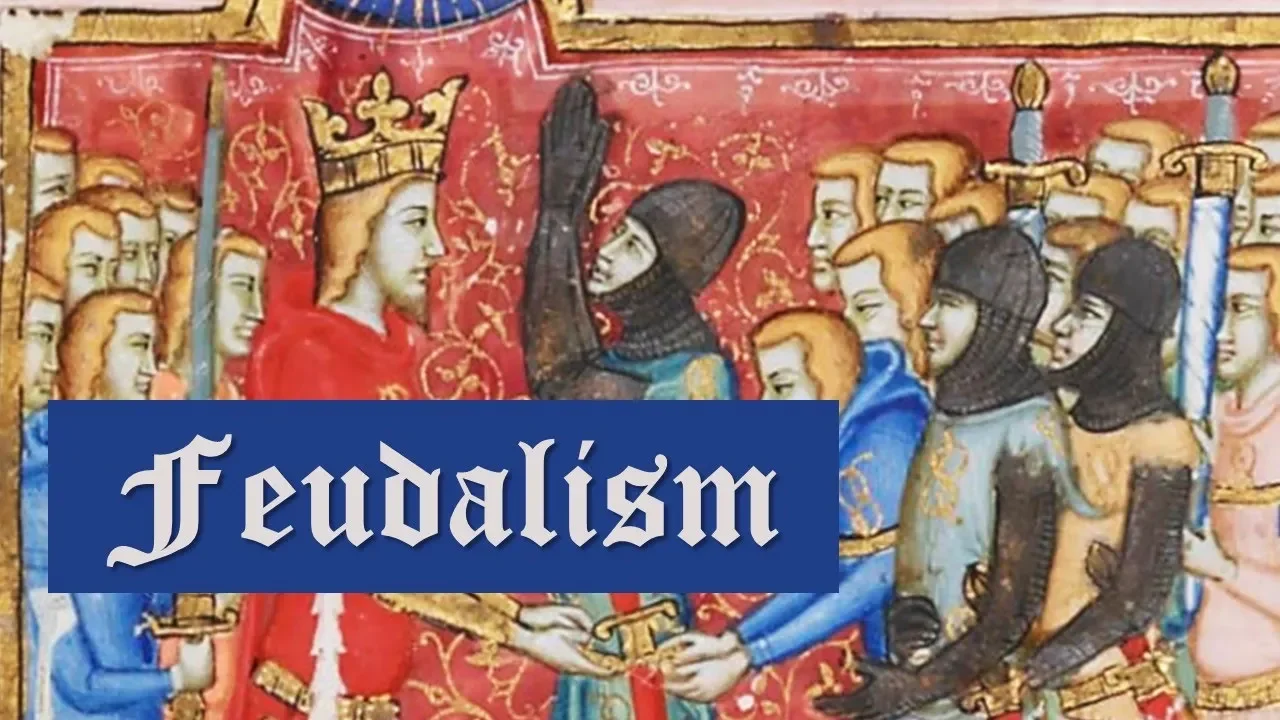
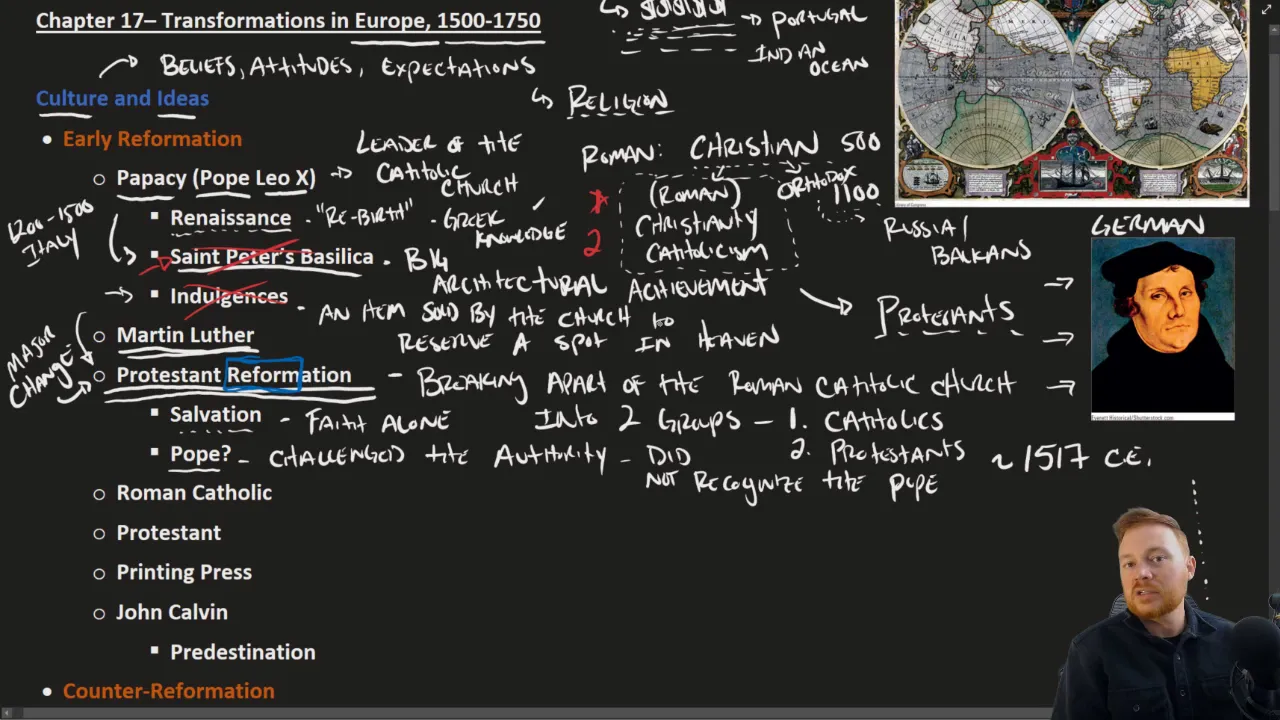
Added:all right if you need a review of the whole dang first unit of ap euro then you are in the right place so if you're ready to get them brain cows milked let's get to it now the first thing we need to talk about is the renaissance and it's a word that means rebirth and that means that something which has died has come back to life so what died and what was being resurrected well it was the classical texts and ideas from the romans and the greeks now throughout the middle ages which is to say before the renaissance much of this teaching was forgotten by europeans at least those who didn't sit around a monk all day but thanks to islamic scholars who had translated the works of ancient greece and rome into arabic and latin and thanks to the increasing contact europeans had with islamic people during the crusades europeans started gaining access again to these ancient ideas and the recovery of these texts and ideas essentially led to the renaissance which began in italy by the way if you want note guides for this video you can check out my ap european history ultimate review packet which is linked in the description now the first major player in this regard was a guy named petrarch although technically he preceded the renaissance it doesn't matter petrarch out a lot of the groundwork for renaissance ideas and his philosophy was called humanism and this is important like so important write it down tattoo it on your forehead if you need to humanism was a philosophy that focused on the unlimited potential of human beings as an end in themselves in petroc's analysis human beings were the bees knees as nobody says there was unlimited potential in these fleshy little organisms and so humanism along with individualism which emphasizes the triumph of the individual would become the main mode of thought for much of the renaissance now one of petrarch's great discoveries was the writings of the roman orator cicero whose magnificent latin compositions petrarch thought ought to be the model for the latin language in other words cicero latin noise anyway petrarch was especially moved by cicero's eloquent support of the roman republic not the empire the republic that's important and petrarch was further moved by cicero's opposition to the tyrannical julius caesar's usurpation of power those are themes that will become very important throughout the renaissance now also during the renaissance we saw the development of new philological approaches to texts philological now philology is the study of the history and development of languages and maybe that sounds about as interesting to you as painting a wall two shades of gray and watching it to see which dries first but in the renaissance new philological methods were kind of a big deal case in point lorenzo valla made philological headlines in 1440 when he demonstrated that an authoritative document of the roman catholic church was a forgery no oh yes it was supposedly written by the roman emperor constantine in the 4th century but vala demonstrated that the structure of the latin and constantine's document did not conform to 4th century latin standards therefore not authoritative throw it out and that's a good illustration of a major theme of the renaissance namely the move away from religious authority to secular authority to be fair many renaissance thinkers were still christians but the movement in general was away from the revealed authority of the bible and the dogmas of the church to more scientific modes of inquiry and another important shift in thought was from the communal understandings of humanity to individualistic conceptions of humanity all these new ideas were largely confined to a handful of elite folks in the beginning but in the 1440s with the invention of the movable type printing press the idea spread widely and with great speed so much so that these ideas started challenging the institutional power of universities and other centers of power now more on the printing press later but for now let's see how this worked out in education now scholars in the middle ages were primarily concerned about theological questions but with the growing interest in classical texts and the establishment of humanistic reasoning during the renaissance education underwent a massive transformation and renaissance scholars introduced the humanities into the curriculum which emphasized history moral philosophy poetry etc all of it based on classical texts and as humanists this emphasis on the humanities was intended to expand the humanity and unlimited potential of the human being because you know humanism now one of the key thinkers in this regard was baldessari castiglione whose book the courtier was a guide for how an educated young man should behave in courtly society namely to be a gentleman he argued that a gentleman should be skilled in all the humanistic disciplines like write and speak with eloquence be physically strong and most of all mentally awake now these new ideas also affected civic and political institutions beginning with the italian city-states now remember during this time italy wasn't a unified country like we know of today rather it was a bunch of regional kingdoms and self-governing communities when these humanistic ideas worked their way into politics and civics the result was called civic humanism which was basically the idea that educated men should be active and engaged in local politics and i reckon we ought to talk about a couple of examples first leonardo bruni he argued that the republicanism of ancient rome was the best form of government and that rule by an enlightened individual was best now this was a massive shift from the feudalistic government structure of the middle ages second you got our boy nicolo machiavelli he wrote a little book called the prince in which he argued that the basic function of a ruler is to maintain power at all costs thus a prince ought to behave in whatever way helps him to fulfill those ends if benevolence helps him reach those ends and be benevolent if being a tyrannical turret helps you reach those ends then be a tyrannical turret however machiavelli argued that there is a limit to the turkish tyranny the prince must strike an enlightened balance you must use whatever means necessary to establish order insecurity but do not act in such ways to make your people hate you or to put in machiavelli's own words it is much safer for the prince to be feared than loved but he ought to avoid making himself hate it but at the end of the day machiavelli argued that a ruler should maintain power even if it meant making selfish decisions that disregard ethical and moral beliefs and that was a huge departure from the middle ages when the character of a european ruler was defined by biblical virtues like prudence and wisdom okay now let's turn the corner we can't talk about the renaissance without talking about the new birth of art as well if you already know anything about the renaissance it's probably the art now artists in the middle ages portrayed almost exclusively religious themes rich with symbolism but they were flat and didn't really conform to reality renaissance artists on the other hand emphasized naturalism which was more realistic portraying the world as it was and not in the mysteries of symbolic figures now italian renaissance artists lean more on the idealistic side of naturalism while northern renaissance artists on whom more in a moment employed naturalism to depict the scenes of everyday life there were also masters of new techniques in geometric perspective by which artists sought to add depth and realism to their paintings now renaissance artists did continue to portray religious themes in their work but they also took up personal and political and classical themes as well you're going to need to know a couple of these artists so let's meet them first is michelangelo here you can see a sculpture of the biblical figure david and notice the humanist philosophy coming through this is the perfect specimen of a human man but sculpted in the image of a greek god so additionally notice the detail of david's musculature and the features of his face this is the naturalism and the idealism of renaissance art second let's meet raphael here you can see one of his most famous paintings the school of athens it's an example of a renaissance artist taking up classical themes which were at the heart of the renaissance in the middle you've got the classical heroes plato and aristotle and also notice the way he uses geometric perspective to make his structure feel real and third let's look at some architecture and for that let me introduce you to philippo brunelleschi he was the architect on the rebuilding of the church of san lorenzo in florence notice how he tossed out the gothic conventions of medieval cathedrals and built the church with roman columns and arches his most famous work was the dome on the florence cathedral now it may not look like much to you but this was a genius feat of engineering since the flying buttresses of medieval cathedrals were so middle ages brunelleschi built this dome to stand on its own without any outside support now the last thing you should know about renaissance art is this most of these artists were patronized by wealthy individuals and rulers and popes was that because those folks just loved the arts and wanted to see beautiful works of human genius born into the world uh new these leaders patronize the arts in order to enhance their public prestige hey you like that new michelangelo i paid for that and the most notable of these patrons was the medici family on whom more later okay so as i said the renaissance started in italy but it soon spread to other parts of europe as well with the help of the printing press the ideas of the italian renaissance spread to the rest of europe north of the italian alps and when it took root we call that the northern renaissance however as the ideas spread northward the main foundation of humanism and the revival of the classic stayed the same but some of the emphases changed and the main change was that it developed a more religious which is to say christian focused than the more secular italian renaissance so as the renaissance spread to the low countries in france and germany and england people took pains to synthesize humanism with christian ideas and the result was christian humanism what they aimed to do was combine the best elements of humanist thought with scriptural authority and that led to a heavy emphasis on social reform and the name i want you to associate with christian humanism is desidarious erasmus now erasmus believe that education in the classics and the bible is the foundation of true societal reform and that renewal should be based on the philosophy of christ the work you should know from erasmus is called in praise of folly it was a satire that sought to undermine corrupt political and social institutions and criticize the corrupt aspects of religious hierarchies as well now the italian renaissance had their artist and so did the northern renaissance however northern renaissance artists retained a more religious christian focus than the more secular italian renaissance artist did their art was still naturalistic but it was more human-centered and considered everyday objects and people more appropriate for objects of art as opposed to italian artists whose lofty subjects were sometimes otherworldly for example let's talk about peter broigle the elder of the dutch and flemish renaissance here's his painting titled the peasant wedding you know the subject matter here isn't something massive like the six days of creation but instead you see ordinary people in celebration of a wedding eating normal food but still you can't see the emphasis on naturalism the features of the people look real okay and then there's rembrandt of the dutch renaissance and oh his work is tasty he was famous for his ability to paint light and shade as you can see here in his work titled the return of the prodigal son it's a scene from a parable of jesus and you can almost sense the deep emotion in the painting for rembrandt it was very important to him not merely to reproduce a picture but to inhabit the narrative of scripture as he did so okay so that was the northern renaissance now i've mentioned already the role that printing had in the spread of renaissance and humanist ideas but now we need to consider that head-on the printing press was a massive deal like i cannot emphasize enough it is impossible to overemphasize the role that printing played in this period of history now before the printing press important books were copied by hand and if you've ever been on spaceship earth at epcot you know this this process was laborious and very expensive and that meant that there weren't many books available and what books were available were either kept by churches or in the libraries of the wealthy who could afford to have their own copies not to mention most of the books were written in latin which meant that only priests and monks could read them anyway but all that changed in the 1440s when several german metalsmiths developed the technology of the printing press which allowed printed works to be copied and published at a speed and volume previously unthinkable and the smith most associated with this technology was johannes gutenberg the printing press was able to produce books quickly and cheaply because of a new innovation called movable type in which metal letters were slid into rows blotted with ink and pressed upon a piece of paper thanks to chinese paper making technology that had spread into europe the abundance of paper made mass printing a feasible reality now gutenberg's first major work published on the press was the gutenberg bible in 1456. and then within 50 years a metric buttload of books were published all throughout europe somewhere between 10 and 20 million books so with this new technology ideas written in books and pamphlets could spread rapidly and that is exactly what happened by 1515 all the major classical authors like plato and aristotle and plenty etc were all in print and spreading rapidly the printing press also played a massive role in the protestant reformation martin luther who claimed that the catholic church had devolved into heresies and corrupt practice was able to spread his ideas far and wide thanks to movable type and deal a serious blow to the church hierarchy but we're going to talk a lot more about the protestant reformation in the next unit so we'll leave it there for now and the press also created demand for vernacular literature which is literature written not in latin but in the language of the common people whether it be english or spanish or french and when books were printed in a people's native language and they began reading them together it created the occasion for the development of national cultures to emerge for example during the protestant reformation martin luther produced a vernacular bible in german which is kind of a big deal because prior to this people only heard the bible in latin but in doing so luther created a standard for the german language which fundamentally shaped their national culture okay i reckon we ought to talk about some politics this period saw some pretty significant developments in how kings exercised and consolidated their power now back in the middle ages kings didn't have as much power as you might think you know how when you watch a movie in a set in medieval times and the king is all-powerful and like telling everybody what to do yeah that's not how it was actually was the nobles that held much of the power but during this period they were considering monarchs and princes start taking power from the nobility and organizing it squarely under themselves and one of the results of that shift was top-down religious and moral reform so in light of that i reckon i ought to introduce you to henry viii of england he actually opposed the new religious developments of the protestant reformation against the catholic church in fact he poopooed the reformation so hard that the pope named henry defender of the faith but then henry started having a little trouble with the catholics his wife of 20 years failed to produce a male heir and so he did what any self-respecting self-sacrificial christian man would do he asked the pope for an annulment classy guy but it just so happened that she was the daughter of ferdinand and isabella of catholic spain and they put the pressure on the pope to deny henry the annulment and they were successful but then henry's mistress anne boleyn became pregnant and so henry went ahead and divorced his wife and married anne the pope unsurprisingly declared the marriage illegal so henry denounced the pope and the parliament passed a law making henry the head of the newly formed church of england which was patently not under the authority of rome now many english people remained committed catholics but remember we're talking about top-down religious reform here to that end henry got the treason act passed which made it punishable by death to refuse to recognize the church of england as the state religion okay now let me tell you about a descendant of henry namely elizabeth the first she rose to the throne after henry's daughter mary tudor reigns now mary attempted to restore catholicism to england and earned the nickname bloody mary for hacking to death any anglican bishop that opposed her anyway elizabeth steered england back to anglicanism and ended the persecution of the dissenters and again she did this from the top down she had the active uniformity pass which mandated that english subjects had to attend an anglican church and that's just another name for the church of england and they had to do that once a week or be fine okay so that's how a couple of these new monarchs engaged in top-down religious and moral reform now let's look at how a few other of these new monarchs laid the foundation for the modern state by doing a few things namely establishing monopolies on tax collection employing military force and dispensing justice and gaining the right to determine the religion of their subjects let's start in spain with ferdinand and isabella ferdinand was from the spanish region of aragon which was powerful and well organized isabella was from the region of castillo which was kind of a hot mess their marriage began the process of the unification of spain and the consolidation of the monarchical power so what did they do with all that power well they raised revenue through a series of national taxes on the sale on exchange of property they established an elaborate bureaucracy that collected taxes and decided questions of justice in the name of the monarchs and they went ahead and completed what was called the reconquista by which they drove out muslims and jews from the iberian peninsula and established catholicism as the official religion of spain alright let's see how this played out over in france their monarchs used similar methods of consolidating power namely national taxes and a complex bureaucracy now france was also a catholic country and to that end you should know the concordat of bologna in 1516. this is an agreement between king francis the first and pope leo the tenth by which two things happened the pope got the right to collect income from the french catholic church and francis retained the right to appoint french catholic church leaders thus restricting their right to communicate with the pope directly what does all that mean more power for the king now these new monarchs also began to claim the right to determine the religion of their subjects the piece of augsburg in 1555 gave individual leaders in the holy roman empire the right to decide whether their subjects would be catholic or lutheran and this wasn't of course just a religious decision on the part of the habsburg rulers the power to choose the religion of their subjects was also a means of consolidating power after all if a monarch's people or even just a minority of them believed contrary doctrines to their monarch that could weaken their sway over the people now i would be a liar if i told you that i was only monarchs who were gaining power during this period commercial and professional groups gained power as well and played a greater role in political affairs chief among these groups were merchants and bankers especially in the italian and german states and i know your heart is crying out for a couple examples here so far be it for me to deny your deep desires the medici family basically established the banking industry in italy and the fooger family basically did the same in augsburg germany and the result of these folks building a tremendous amount of boom boom in their vaults was this with the rise of the money economy and a close alliance of these groups with the monarch it allowed them to exercise increased political power in their respective areas of influence now another major theme of this time period is european exploration europeans were no longer content to remain on their entire continent so some of them started shoving out into ships to find other places to live and trade now first we probably ought to talk about why europeans went out exploring and for that i've got three words for you gold god and glory and let's look at each of those in turn now europeans were first motivated to start their maritime exploration because of god we've already established that during this period that europeans could be pretty spicy about the religion of their people so why not crank up the spice and go find other people to convert case in point spain they of course wanted to spread catholicism as far as they could as i already mentioned by 1492 they had completed the reconquista and driven jews and muslims from their land and by the time of the protestant reformation there was a desire to see catholicism in the ascended position over protestantism as they found their way to the new world they sent jesuit missionaries to convert the indigenous people however many europeans thought of the indigenous people as lesser humans and thus suitable for forced labor in that way christianity became an instrument for control and subjugation however i must hasten to add that not all spaniards saw indigenous americans that way for example the spanish priest bartolome de las casas worked to establish a catholic presence in the americas and also fought for the dignity of the peoples in the americas okay now the second motivation for exploration was gold and for this i need to introduce you to mercantilism which was the dominant economic system of europe during this period the main thing you need to understand about mercantilism is that it's a system that argued that there was only a finite amount of wealth in the world and that wealth could be measured in gold and silver and you know if that's how you measure wealth then yeah there's only a finite amount of gold and silver in the world and so a mercantilist nation wanted to get as much gold and silver as they could which is to say the country with the most gold wins to that end mercantilism demanded what was called a favorable balance of trade which essentially means that a country needed more exports than imports when you think about it that's easy to understand why if a country is exporting goods that means gold and silver is coming in and if they are importing goods from other countries that means their gold and silver are going out remember the state with the most gold wins so that's why they wanted less imports and more exports on a related note under the mercantilist mindset the establishment of colonies was almost a necessity because those far-off lands could provide the motherland not only with more mineral wealth like gold and silver but with raw materials to be used in manufacturing goods for sale which would then bring in more gold you smelling what i'm stepping in here okay let me give you an example of how mercantilism motivated exploration and the policies of france's controller general jean-baptiste colbert colbert believed like any good mercantilist that a country's wealth should serve the state in order to create a favorable balance of trade colbert proposed policies mandating french industry to create everything the people needed so that they didn't have to import goods furthermore colbert aimed to claim as much of north america as possible and the major accomplishments on that front were quebec and the louisiana territory in north america now one more thing under this heading europeans were motivated to explore because of the increasing demand for luxury goods from asia but they had a problem the muslim ottoman empire controlled all the land routes between europe and asia and therefore europeans had to pay even more exorbitant prices for those goods so what do we do well why don't we put some ships in the shark's house and see what happens okay now the third motivation for exploration was glory once the colony game was started it created a bitter rivalry among european powers to grab as many colonial possessions as possible like if colonial possession is going to be the path to dominance then each regional power sought to win such a game okay so those were the major motivations for exploration now let's take a moment to consider the new and repurposed navigational technology that enabled them to go exploring first there were advances in cartography which is to say map making these maps were more detailed and printing made them widely accessible across the continent second we saw new kinds of ships for example we saw the spanish and portuguese developed the caravel which was fast and highly navigable and one of the chief reasons it was fast was because of the latin sail which could take wind from any side as opposed to square sails which could only take wind from behind they also made use of the compass which helped establish direction and the astrolabe which gave an accurate reckoning of latitude from chinese and muslim navigators you probably like latin sale astrolabe who cares but trust me when i tell you these were massive innovations like if steve jobs lived 500 years ago he would come out on stage in a mock turtleneck saying this is the most triangular sale we have ever made then everyone would give a standing ovation and lose their minds look how triangular it is so these technologies big deal now as i mentioned this new wave of exploration caused a pretty significant rivalry to erupt among european nations so let's talk first about colonial empires themselves and second how those empires affected relationships between those powers and since they were first on the exploration scene let's start with portugal they were the first europeans to actively seek a sea route to asia and they did this by sailing around africa as they made their way around the african coast the portuguese didn't take large colonial holdings which were costly to establish and maintain but instead established trading posts all around the coast which is why their empire is known as a trading post empire eventually they made their way all the way into the indian ocean where over time they dominated trade all the way to southeast asia next we have spain whose monarchs ferdinand and isabella commissioned an italian sailor named christopher columbus to find a sea route to asia as well but instead of sailing around africa columbus decided to sail west across the atlantic ocean to connect them with the asian spice trade and as you probably know there were a couple of giant continents that got in his way that no one in europe knew about so columbus landed in the bahamas and eventually claimed much of the caribbean and central america north america and the coastline of south america for spain and look as men were able to gain so much territory largely because of the deadly diseases like smallpox and measles that they brought with them on which more in a moment and then france jumped into the exploration party they ended up claiming large parts of north america and canada mainly they were interested in trading especially in fur therefore they didn't establish many proper colonial settlements and let's not forget about england they sailed west and claimed parts of canada the caribbean and the eastern coast of north america and the english built settler colonies which is to say people went there to make a new life to build homes and not just trade the netherlands forced their way into the party as well the dutch were mainly interested in trade and to that end established a few colonies in the americas but focused mainly on dominating trade in southeast asia now how did this scramble for colonies affect the relationships between these european powers well it got nasty and when the tension arose there were basically two ways that they could settle it first was diplomacy and negotiation for example spain and portugal entered an agreement called the treaty of tordesillas in 1494. it was mediated by pope alexander vi and both parties agreed to divide the americas by this line of demarcation spain got everything to the left portugal everything to the right hey that's nice but the second way the nations handled rivalry was a little more saucy namely coercion and war since the treaty of tardeca's essentially divided the world in half in terms of colonial territories that would lead to some armed conflict later since all of north america fell squarely in the spanish half of the world that is going to lead to rivalry in the next period between spain and england who wanted to claim some of those tasty colonies eventually in the next period france spain and england along with some other states are going to fight the war of spanish succession over colonial possessions in the new world but we'll say that story for when we get there what you really need to remember about these growing tensions and rivalries is this at stake for all the european nations was the balance of power nobody wanted any one european power to have all the cake or even most of the cake as long as everyone was equally powerful roughly speaking all was well okay now with all this contact between the old world which is to say europe and the new world and the americas something massively important happened namely the colombian exchange by definition the colombian exchange was the global exchange of goods flora fauna cultural practices and disease between the old world and the new world so as europeans established colonies and trading ports in the americas and africa the great exchange occurred and when it did it transformed the society economy and environment on all three continents so let's talk about five major exchanges that occurred first disease the spanish got real thirsty for colonial holdings in the americas and when they got their hands on these lands and peoples they sought to remake the americas into their own image but their ships only held a few hundred sailors at best so how did they conquer so many people mainly by disease and more specifically smallpox you have to understand that africans europeans and asians had all been in contact with one another for millennia and therefore have been exposed to each other's nasty germs and it therefore built up some immunity the indigenous peoples of the americas though had been completely isolated from such germs and therefore had no immunity so for example when the spanish landed on the island of hispaniola both the arawak and the taino populations were devastated to the tune of about 300 000 dead by smallpox spanish conquistador hernan cortes defeated the massive aztec empire with relatively few men again because of the introduction of smallpox and measles so hernan chill your fluffy color out you're not that great second food was exchanged you should probably know a couple examples food that travels from the americas to europe included high yielding and nutrient packed foods like maize and tomatoes and potatoes and cacao food that traveled from europe and africa to the americas included rice wheat soybeans rye oats lemons oranges and it was especially those grain crops that transformed the american population because they diversified their diet and led in many cases to longer lifespans third animals were transferred too europeans introduced horses pigs chickens and cattle to the americas pigs and cattle transformed the diet of native americans horses revolutionized farming and warfare and chickens made it possible for our nation to later indulge in giant buckets of kfc oh man i got the chicken sweats thanks colombian exchange fourth minerals were exchanged and here i'm really talking about gold and silver after the incan and aztec empires were conquered europeans plundered their lands for vast quantities of gold and silver and that made spain wealthy beyond belief if it weren't for this wealth it's likely that european colonizers would not have kept returning but as the old conquistador saying goes as long as there's boom boom we go vroom vroom that's a rough translation anyway not only did this wealth transform the americas by attracting large amounts of european colonizers but it transformed europe as well starting a little after 1500 europe and more to the point western europe experienced unprecedented economic growth the social political and economic system previous to this period was feudalism and that was a system where peasants lived and worked on the land of a noble in exchange for armed protection but this influx of wealth hastened to the end of that system and what replaced it well an early form of capitalism which was an economic system based on private ownership and free open exchange of goods between property owners and the fifth kind of transfer during the colombian exchange was people the chief thing to know here is the african slave trade by which millions of africans were forcibly removed from their land and shipped across the atlantic in order to work the plantations of european colonies we'll talk about that more in a moment so just take that stick it in your pocket and we will come back for now let's finish this section by talking about how the colombian exchange impacted europe first of all the influx of mineral wealth and the establishment of trading empires shifted the center of economic power in europe from the mediterranean to the atlantic states and brought them squarely into the global economy previously mediterranean seaports like venice were the center of economic power and trade but not anymore during the globalization of the economy and exploration one of the primary trading ports became antwerp in the netherlands which grew exceedingly prosperous due to its central location to spanish portuguese french and english trading routes over time amsterdam grew to ascendancy as the major trading port of europe replacing antwerp then others followed like london and bristol but the point is whereas economic power used to be concentrated here during the age of exploration it was now concentrated here the second impact concerns the subjugation of people the spanish created a completely new societal structure in the americas before columbus left for the last time he introduced the encomienda system in the caribbean which spread throughout the spanish settlements in the americas it was a system in which leading men called in comenderos were granted a portion of land all the natives who lived on that land became the unpaid laborers who did the farming or the mining it was a brutal system that was justified on religious grounds remember one of the motivations for spanish exploration was the spread of christianity so how did this work out well ferdinand and isabella issued a legal document called the requiremento which established the basis for the encomienda system and in it the pope granted the spanish monarch's authority to claim lands and proselytize therefore priests had the protection of the crown if natives submitted to this system they were granted protection also if not they forfeited the protection of the crown it could be subjugated or killed you know just like jesus would have done now we need to talk about the african slave trade and it's connected to the encomienda system and under that system the natives of america were subjected to forced labor on spanish plantations when colonies were established in the americas one of the first thing colonizers did was begin looking for mineral wealth but it soon became apparent that with the warm climate especially in the caribbean and south america and north america that planting would be a much more prominent source of wealth goods like sugar coffee etc which were once luxury items became cheaper and more accessible to the middle class and therefore demand for these goods spiked and so too did the demand for labor but there were two problems with this arrangement according to the spanish the first is that because the natives knew the land better than the spanish did they were able to escape the harsh conditions relatively easily second the natives were rude enough to keep dying in large numbers from european diseases therefore this in turn caused a spike in demand for enslaved african labor in the americas africans have been in contact with europe and their diseases for millennia and thus had some degree of immunity also they didn't know the land and were less likely to escape and so was that forced african labor gradually replaced forced indigenous labor and the life of these workers was harsh and very difficult their journey to the americas began on the middle passage depending on the weather it could take something like one to six months to cross the atlantic and the conditions on board the ships were inhuman to the slave traders the more goods they could pack onto a ship the more profit they stood to earn so africans were malnourished treated shamefully frequently died of disease and if they even made it alive to the new world a life of brutal plantation slavery awaited them so yeah we mark this one in the column of egregious sins of the age of exploration okay now the last thing we need to talk about in this unit is the commercial revolution i already mentioned how the new economic realities during this period brought feudalism to an end and started to replace mercantilism with capitalism now to be clear mercantilism wouldn't fully recede for another century or so after this period ends but the beginnings of that recession are here so the commercial revolution describes the great increase in global commerce during this period that changed the face of economics in europe and there were a few ingredients in this revolution first were changes in banking and finance and especially the rise of the money economy this means that goods services and wages and investments were now made with cash instead of gold and silver this replaced the economy in which people grew or made most of their resources as a result we saw the rise of great banking centers in genoa amsterdam and london and there are a couple of economic innovations here that you should know about first double entry bookkeeping this was a detailed ledger kept of all debits and credits and in order for an account to be balanced debits had to be equal to credits and look you don't necessarily need to understand how this system worked but you should know that the need for such a system like this indicated that metric but loads of money were being handled in these banking centers a second innovation that promoted the growth of the money economy was the joint stock company in which investors bought stock in a company's profits raising large amounts of capital so you need to understand that this was in many places a private enterprise as opposed to a state-driven mercantilist enterprise a good example is the dutch east india company formed in 1602 to finance trade in asia okay we should also talk about how all this affected social hierarchies now i said just a little earlier that the economic changes during this period brought this system of feudalism to an end but here's where i complicate that a little on a grand scale that's true but when you zoom in and focus on local communities many of the tenets of feudalism still remain this was the system in which a king granted land to nobles who farmed the land and protected it nobles employed the peasantry which is to say serfs bound to the land to work the land and knights to protect it therefore life was largely oriented around the manor which was the agricultural state under noble's control or the seasons or the village in that way subsistence agriculture was the rule in most places in europe and that just means a family grew what they needed to subsist or survive and to survive families had to plant lots of different crops as opposed to the cash crop system that prevailed on the plantations in the americas where they only grew a single crop for export on the market and for those whose lives depended on the land soil exhaustion was a constant threat if you're not a farmer you probably won't know but don't worry i'm about to tell you that if you plant the same crops in the same soil year after year the nutrients that soil will eventually be leached dry so for example let's say for simplicity that a particular plot of soil has nutrients a through f within it and let's further suppose that wheat needs a through c to grow well if you keep planting wheat in a field eventually there will be no more a through c nutrients in that soil and it will be exhausted that's a problem because you know we got to eat so the solution to this problem crop rotation in mediterranean europe they employed what was called the two-field system that means that half of the land lay fallow for a period of time in order to replenish the nutrients while the other half was planted and harvested in northern europe they developed the three field system they divided their fields into three sections and crops were planted in one and two in the fall and then different crops planted in one and two in the spring and then section three was left fallow that year then the next year eurote the point is two-thirds of the land was productive during planting season while one-third was left fallow to replenish its nutrients okay now the commercial revolution was caused by the price revolution with the influx of spanish silver and gold to the european economy along with greater circulation of money and population growth all this caused the prices of food and necessities to rise over an extended period of time this inflation contributed to the growth of commerce known as the price revolution and this was critical in the commercialization of agriculture so large landowners and capitalist investors began to see the open field system as wasteful and desire to increase available land so that crop yields would increase therefore legislation was passed in england for example that allowed investors to purchase public land this land was known as the commons and it was a critical piece of land for the peasantry because it was the only place they could bring their livestock to grades but this increasing need for land by commercial farmers led to what's called the enclosure movement in other words the land that was previously available to all was being enclosed and therefore shrinking smaller and smaller not surprisingly this movement benefited large landowners with stupid amounts of profits but it very much disrupted norms and life for the peasantry and therefore led to increased poverty now the results of the enclosure movement we're going to consider more in the next unit but here it's enough to know that it caused a massive migration movement of the landless poor into cities to look for work and the word for that is urbanization however noble's also moved into the cities in some cases and the influx of both led to the resentment of the urban merchant classes and the problem of housing was particularly acute but we'll pick that up in the next unit okay that's unit one you can click right here to grab my ultimate review packet which is going to help you get an a in your class and a five on your exam in may if this video helped you and you want me to keep making them then by all means click the subscribe button and i shall oblige heimler out
Up Next
The Reformation: Martin Luther's 95 Theses and Legacy - Rick Steves' Europe
@RickStevesEuropeOfficial
4.5M views•2017-08-24

The Great Schism of 1054: Causes and Consequences
@SacredCathedrals
113.5K views•2026-02-19
The Geopolitics of the Ukraine War and the Rise of Global Autocracy
@JordanHarbingerShow
468K views•2025-04-19
Understanding the Cold War: Superpower Conflicts and the Road to Détente
@OverSimplified
46.1M views•2019-01-24
Related Study Plans & Knowledge Roadmaps
Structured learning paths in History