
![The Spanish Tragedy - Thomas Kyd [Shaketube 2019 Warm Up]](https://i.ytimg.com/vi_webp/8DYNlEWmb2Y/maxresdefault.webp)



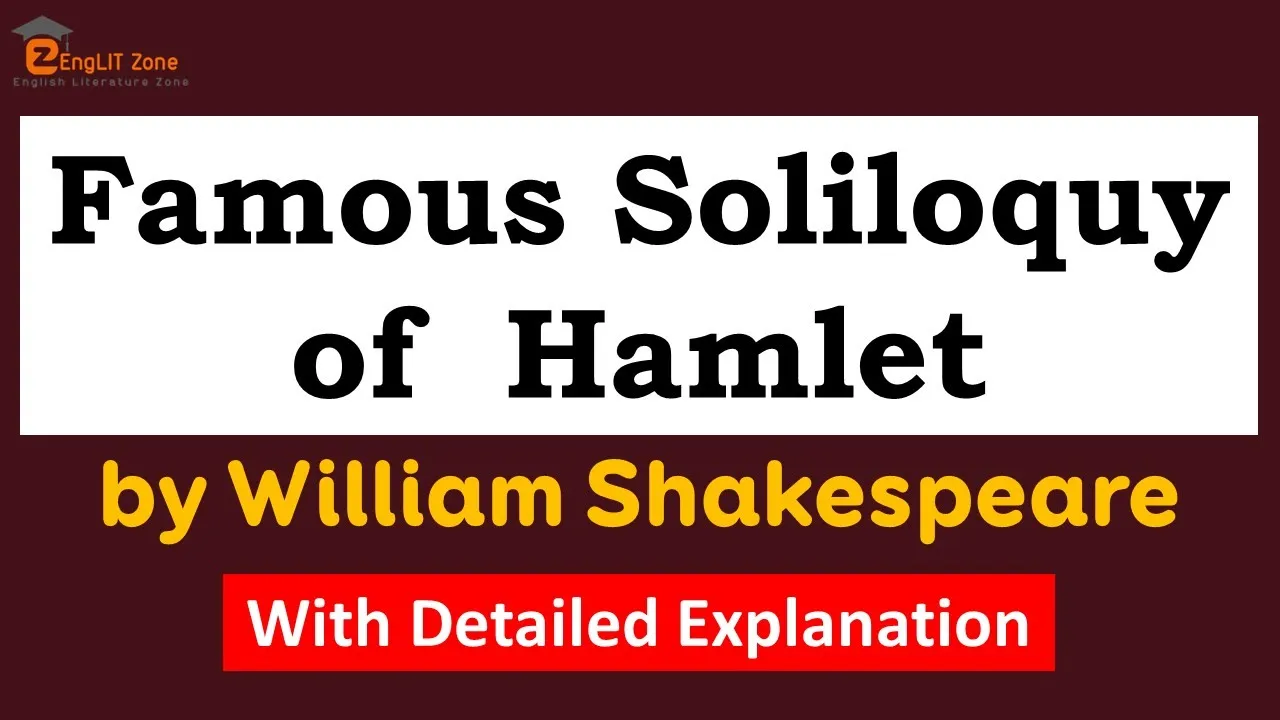















Shakespeare's Hamlet subverts the conventions of the traditional revenge tragedy genre by introducing contemplation and interior conflict into the revenge narrative, whereas typical revenge tragedies feature protagonists who immediately execute their duty of vengeance without hesitation; Hamlet delays his revenge against Claudius through extensive philosophical questioning about morality, truth, and the afterlife, ultimately accepting human limitations and taking action only at the play's conclusion.
Why Hamlet Defies Revenge Tragedy Conventions (Analysis)
Added:Understanding of classical and Elizabethan revenge tragedy conventions, particularly Seneca's influence and Thomas Kyd's 'The Spanish Tragedy'.
Familiarity with the basic plot, characters, and key soliloquies of Shakespeare's 'Hamlet'.
The concept of the Aristotelian tragic hero and the role of 'hamartia' (tragic flaw) in Elizabethan drama.
The historical transition from medieval codes of honor and blood vengeance to Renaissance humanism and Christian morality.
Comparative analysis of 'Hamlet' with other Jacobean revenge plays, such as Webster's 'The Duchess of Malfi' or Middleton's 'The Revenger's Tragedy'.
Exploration of psychoanalytic literary theory (e.g., Freud or Lacan) regarding Hamlet's delay and psychological state.
Study of meta-theatricality, the play-within-a-play device, and performance history of Hamlet's internalized conflict.
Influence of Hamlet's introspection on existentialist literature and the development of the modern anti-hero (e.g., Tom Stoppard's 'Rosencrantz and Guildenstern Are Dead').
10.4K views304likes9:02Original Release: 2019-11-09
hey guys Johnny from ignite here welcome to another video we're gonna be looking at another clip on Hamlet today and that clip is going to be on how Hamlet as a play is an atypical revenge tragedy a typical meaning not typical it subverts what challenges the revenge tragedy genre it goes against the conventions of what a normal revenge tragedy play looks like we're going to look at how that is and why that's important and what shakes me is cleverly done with this play subscribe now if you haven't already and let's get into it okay guys so we're looking at this concept of the play Hamlet being an atypical that is an unusual revenge tragedy it goes against the conventions the norms of the revenge tragedy traditionally so what did an old revenge tragedy play look like the old Seneca tragedy sometimes that word is used there to illustrate or to provide a label for that old form of tragedy so if you were to read an arat if you were to look at any narrative about the revenge tragedy hero the person who is faced with the duty of revenge a Judeo revenge they would very quickly after take out revenge they wouldn't think about it they would do it straight away so that were so those two elements were the typical convention you would have someone who you owed a duty to who gets killed and you need to take revenge and this is what happened in so many stories and this is what always happened and when that happened you then had a duty to avenge them which means to kill the person who killed them and then they would do that they would do it straight away it was a classic revenge tragedy but we now have this new Shakespearean innovation and innovation meaning this new element Shakespeare's played around with the revenge tragedy genre that's the genre of the play Hamlet is a play and it is a tragedy because as you know like eight people eight key characters die within it maybe more and when people die at the end and the hero dies and everyone dies we call that a tragedy it's revenge tragedy because the plot is all about Hamlet being given a duty of revenge to kill Claudius because Claudius killed his father who was king so he committed regicide which is when you kill a king it's also called fratricide when you kill your brother so the ghost of Hamlet's father has paid him a visit and he said Hamlet you need to kill Claudius to get everything back in order Claudius is now king he shouldn't be he's the one who murdered me you as my son as the heir need to kill Claudius so he gets given that Judi but Shakespeare doesn't let Hamlet off the hook straight away Hamlet doesn't just go okay dad and kills Claudius that's what typically would have happened Shakespeare for the first time in this kind of revenge tragedy narrative actually inserts this new middle element which is contemplation which is thought he introduces an element of interior t-that is Hamlet looking into himself questioning beliefs questioning assumptions he goes deeper he thinks about is revenge the right or wrong thing to do even if Claudius has killed my father did Claudius kill my father maybe the ghost of my father is a demon and is trying to trick me he says this he toys with this idea whether you believe it or not he doesn't know he's really struggling with knowing everything and we know as humans you just can't know everything you have to accept some things and accept the limitations of what we can know as humans because ultimately we're not God we're not omniscient we're not all-knowing and but Hamlet tries to really go into those questions and to figure out what is right what is wrong did Claudius do it how can I know what happens after I die he starts questioning everything and within that questioning he's going to be confronted with all of these unanswerable questions what happens after you die we just can't know and that scares him and that stops him from doing certain things that's actually what he talks about in the to be or not to be soliloquy when he contemplates suicide but then actually doesn't want to do it because he fears that if he does it he might then rot in this everlasting hell so he's constantly stuck he's stifled he can't take action and that is not typical of the revenge tragedy hero we call him let the revenge tragedy hero because he's the one with the Judy who has to eventually do it what's interesting is by the end of the play Hamlet does kill Claudius but that's not quite the interesting part the interesting part is how he got there it was actually through this process of thinking of going through all the possibilities about what could be and what is and what's right and what's wrong that actually gets him to a point where he exhausts that questioning he's had enough of thinking what's right and what's wrong and what happens after I die he actually accepts the limitations of what one can know and through that he actually legitimizes in a sense his revenge through the process of thinking he realizes that there's no point in questioning these things you can only go so far with it and has this almost an epiphany at the end when he realizes you can't keep questioning death we have to accept that we are humans that we are limited and ultimately he decides to take assertive action in killing Claudius and he becomes the very person that the Senate can tragedy would have had him be albeit he gets to it through a different route he goes through the contemplation and the melancholy he's an interesting character in that way he's what you call an a typical Avenger he doesn't avenge in a typical way hopefully that makes sense now and we'll give you one important quote to illustrate why he's a typical why he's not usual if you want to use this in an essay he's a great quote Hamlet says in act 1 scene 5 that I with wings as Swift as meditation or the thoughts of love may sweep to my revenge here what's going on with Hamlet he's saying I'm going to avenge my father he's telling us in act 1 the first act of a 5 act play that he's going to do it he's father has come and paid in that visit the ghost that is he's told him you need to go and kill Claudius and he's saying I'm going to do it but what's interesting about this he says he's going to do it as Swift as quickly as meditation or the thoughts of love do you think that meditation is quick no one thinks of something happening quickly when you think of meditation do you think the slow romance and the do you think the slow romantic thoughts of love are going to be fast do we associate those things with speed I don't think so well I don't anyway unless you think about love really quickly which is not romantic so Hamlet is basically saying he's going to do his revenge but ironically the simile he uses to say how quickly he's going to do it is one that actually suggests the opposite I'm going to do it as quickly as really slow things and you can see in that contradiction in that antithesis but within that simile that we can see that tension within him I'm going to do something quickly and I'm going to compare that to something really slow okay you're an atypical Avenger you're someone who can't really just do the revenge straightaway you're gonna need to think this through and it's gonna take him till the very end of the play and tragically it's gonna be too late because he's gonna die and a whole bunch of other people are gonna die because of his delay but nonetheless he becomes this atypical revenge tragedy hero by the end because it's through this long meditative process that he actually will realize the pointlessness in a sense of continuing to question things that you just can't know and then he takes action at the end okay guys thanks for tuning in I hope that's a really insightful video for you and that opens your eyes this idea of Hamlet being an atypical Avenger if you liked it like the video subscribe and we'll see on the next one thanks hey guys thank you so much for watching if you do like the content subscribe to our Channel and we'll have more videos coming your way that's right guys thanks for watching and please make sure you check our online resource database we've had a team of state rank achievers and heads of English put these together for you covering everything from essays structures and examples all the way through to craft of writing and comprehension skills so check them out at ignite HSE comm day you and we look forward to seeing you in the next video
Up Next
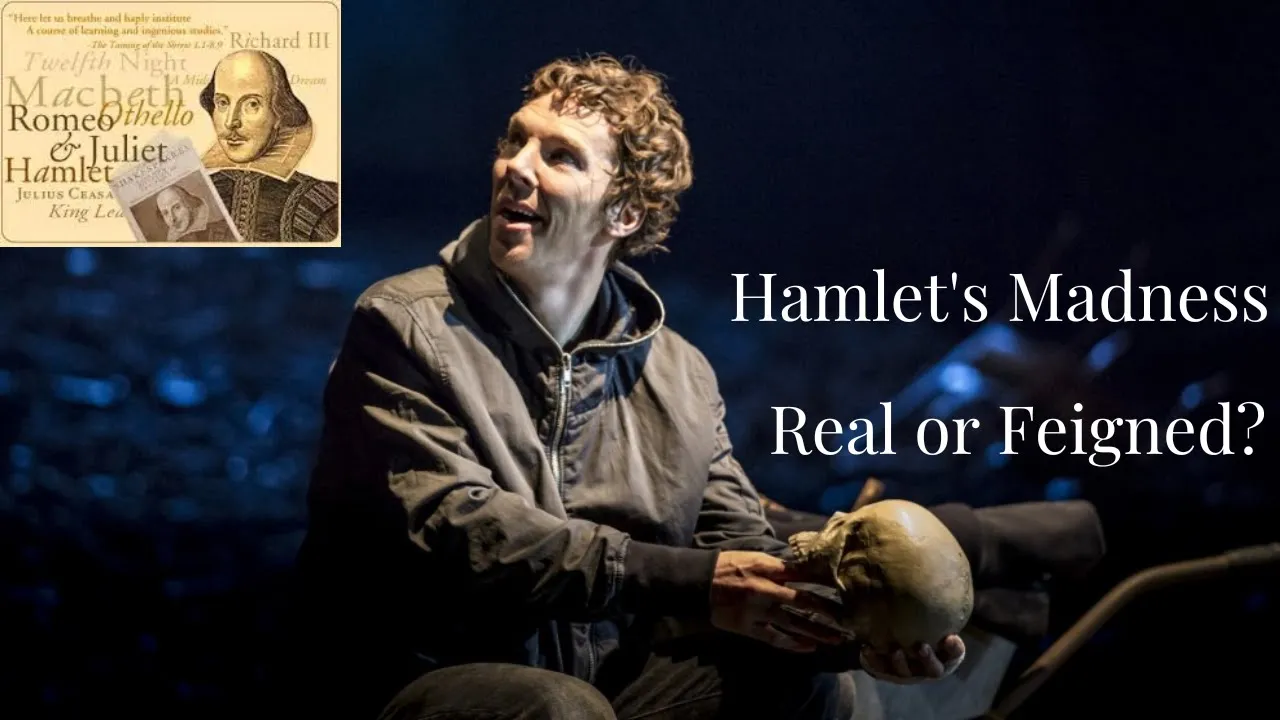
5:52
Hamlet's Madness: Real or Feigned? Shakespeare Analysis
@hamandistaacademy1078
3.6K views•2022-08-31

13:43
Formalism in Literary Criticism: An Academic Lecture Overview
@mattalberhasky9952
39.1K views•2015-08-05

6:08
Point of View in Fiction: First Person vs. Third Person
@magicalthriftyteacher
153.8K views•2014-03-31

15:25
1984: Orwell's Dystopian World and the Mechanisms of Totalitarianism
@AlternateHistoryHub
7M views•2017-03-04
Related Study Plans & Knowledge Roadmaps
Structured learning paths in Literature
literature
Graphic Memoirs: Visual Art, Trauma & History
01Foundations of Sequential Art and Visual Language
02Autographics and Processing Historical Trauma
03Visualizing Personal Trauma, Grief, and Graphic Medicine
+ 2 more learning modules
14h5 modules
Explore Roadmap
literature
Campus Novels: Evolution, Themes & Critique
01Introduction to the Campus Novel Genre
02Mid-Century Satire and the Post-War Academy
03Dark Academia and the Critique of Privilege
+ 2 more learning modules
14h5 modules
Explore Roadmap
literature
Theater of the Absurd: Philosophy & Plays
01Postwar Existentialism & Historical Roots
02Dismantling Narrative: Esslin & Absurdist Conventions
03Samuel Beckett and Tragicomic Existentialism
+ 2 more learning modules
12h5 modules
Explore Roadmap
literature
Revenge Tragedy: Justice, Madness & State
01Foundations of Early Modern English Theatre
02Anatomy of Revenge: Structural Conventions
03Psychological Complexity: Madness and Melancholy
+ 2 more learning modules
15h5 modules
Explore Roadmap