



















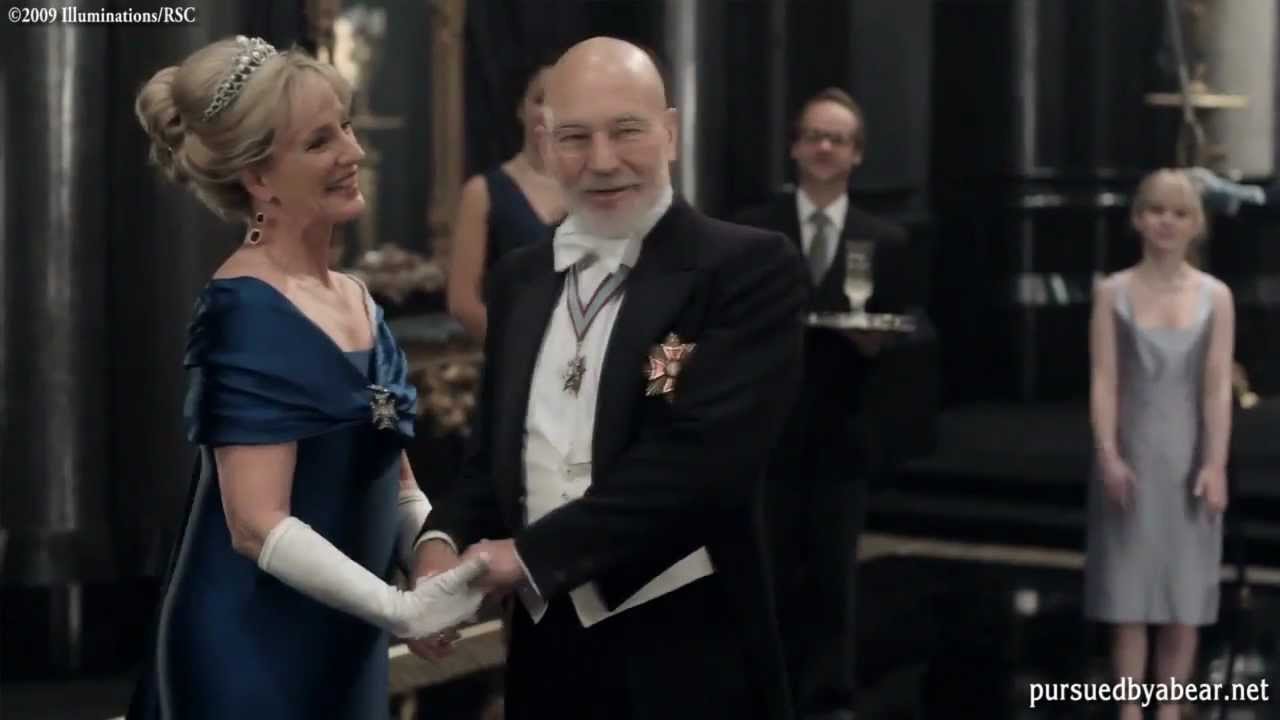
![Why does Hamlet delay? [Torrey Honors Institute]](https://i.ytimg.com/vi/axTiSLwT6Tk/maxresdefault.jpg)


Hamlet's madness is a complex combination of deliberate feigned behavior and genuine psychological disturbance; he strategically assumes an 'antic disposition' to investigate his uncle Claudius and protect himself, yet his thought processes are contaminated with a 'deceased vision of the world' that modern psychotherapists would diagnose as schizophrenia, making his condition 'less than madness, more than feigned' as he is neither completely sane nor entirely mad.
Hamlet's Madness: Real or Feigned? Shakespeare Analysis
Added:Familiarity with the basic plot, character relationships, and key events of Shakespeare's 'Hamlet' (e.g., the Ghost's visitation, the play-within-a-play, and the tragic climax).
Understanding of the term 'antic disposition' as introduced by Hamlet in Act 1, Scene 5, indicating his intention to feign madness.
Basic knowledge of Elizabethan and Jacobean theatrical conventions, particularly the 'revenge tragedy' genre popularized by Thomas Kyd.
An introduction to the Renaissance concept of 'melancholy' and the four humors, which contemporary audiences would have used to understand Hamlet's psychological state.
Exploring modern psychoanalytic and psychological interpretations of Hamlet, including Freudian (Oedipal complex) and Lacanian analyses of his grief and inaction.
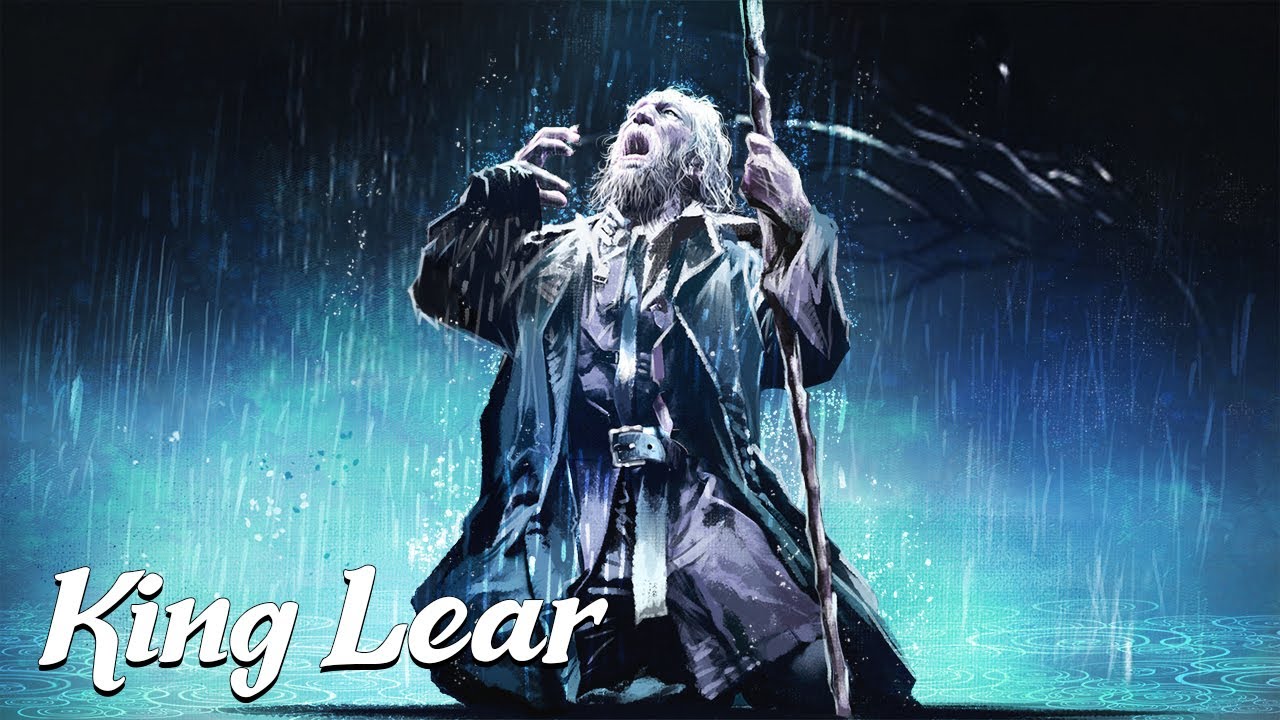
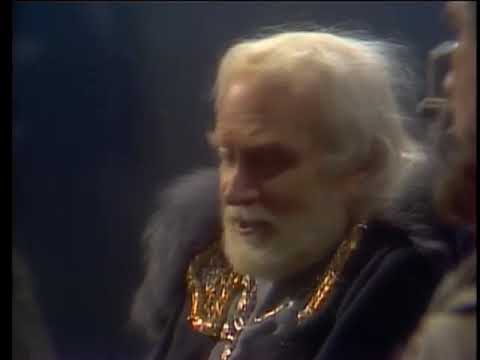
A comparative study of feigned versus real madness in other Shakespearean works, such as Edgar's disguise as 'Poor Tom' versus King Lear's actual descent into insanity.
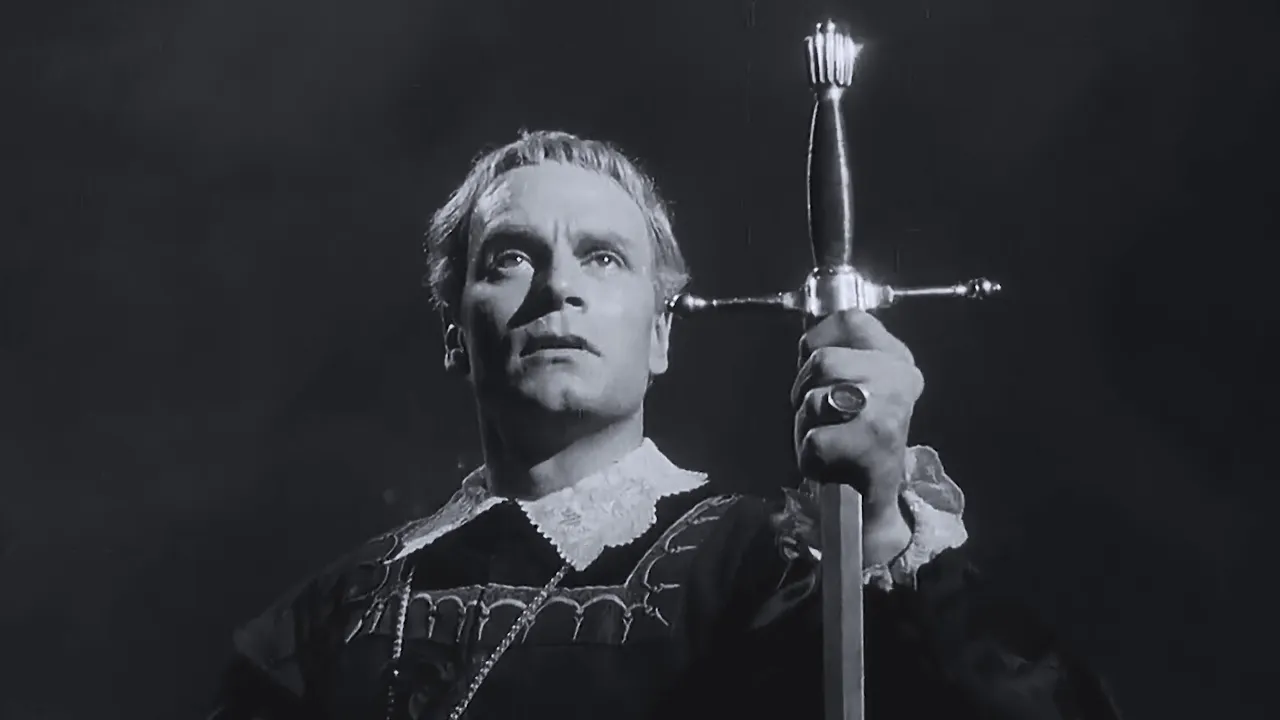
Analyzing the performance history of 'Hamlet' to see how different actors and directors across eras (e.g., Laurence Olivier, David Tennant) have staged and interpreted his psychological state.
Investigating the literary debate surrounding Hamlet's 'delay'—how his mental state (real or feigned) directly impacts his inability to swiftly avenge his father's murder.
3.6K views40likes5:52Original Release: 2022-08-31
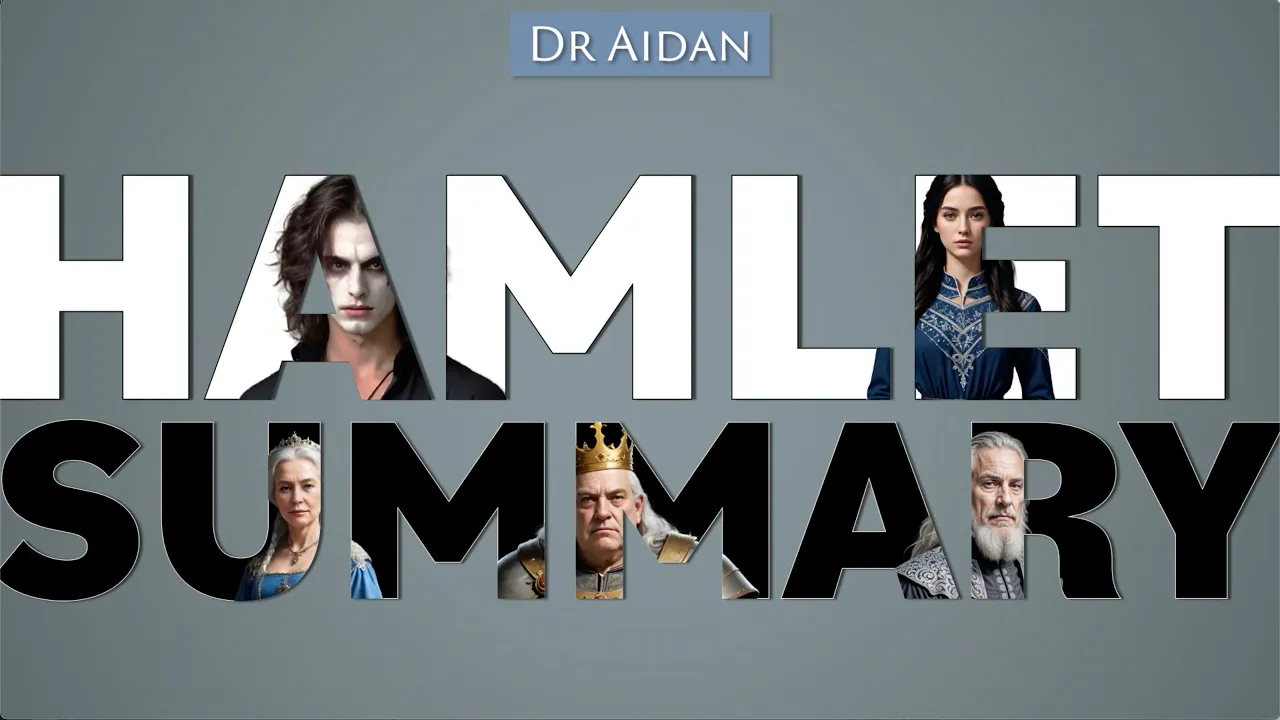
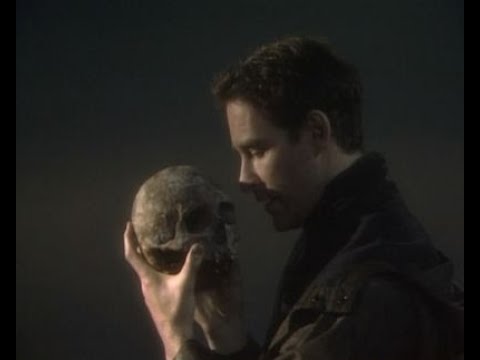
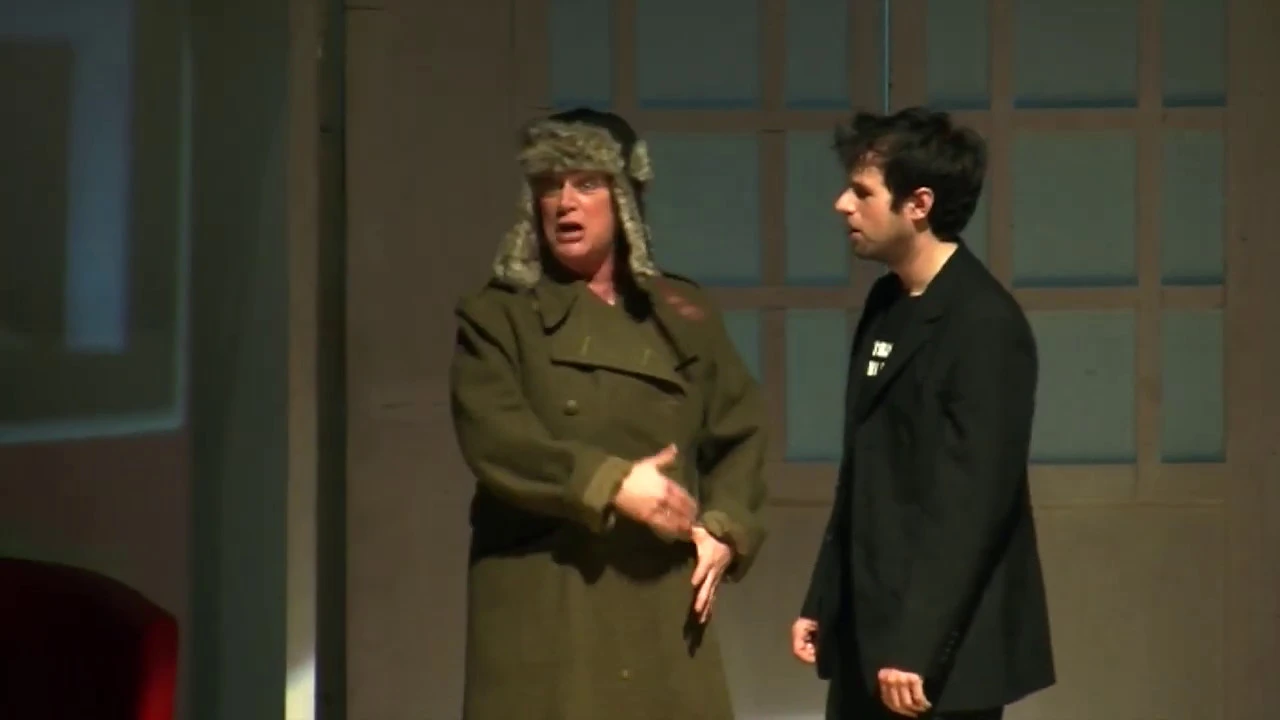
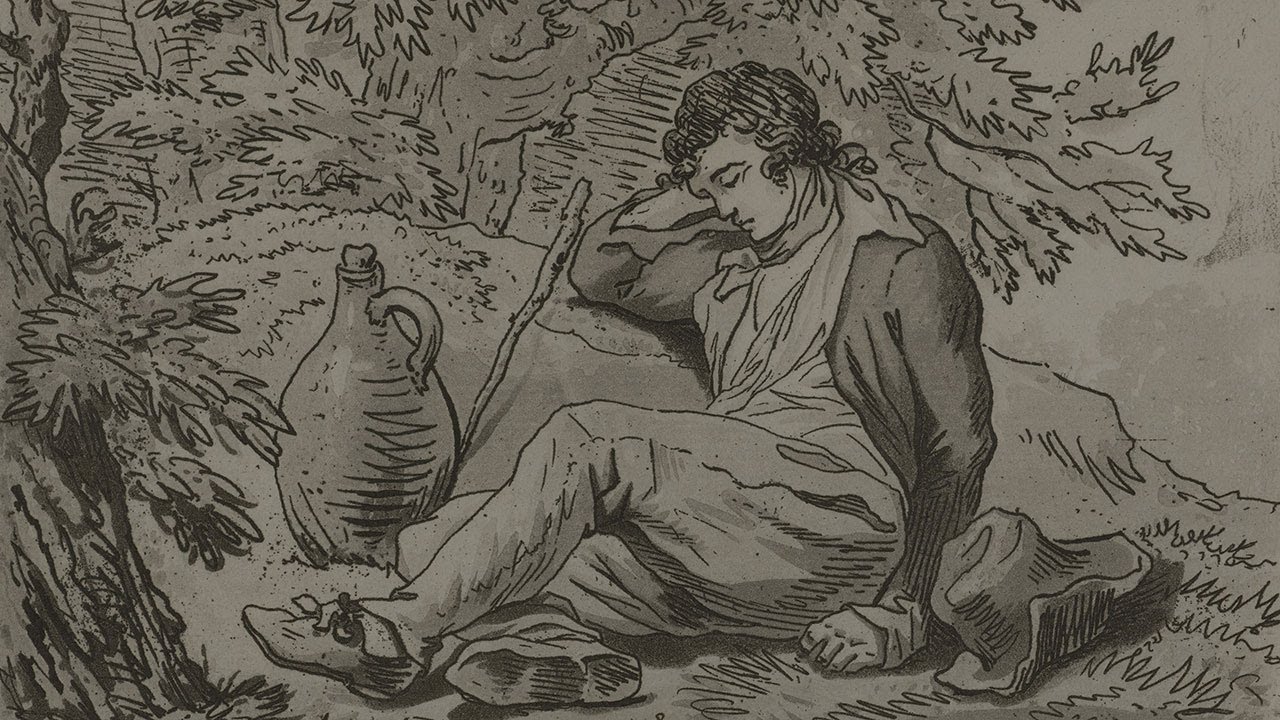
hello there in this video we are going to talk about hamlet's madness the question is is hamlet's madness real or feigned let's explore hamlet's madness one of the complicated factors renders understanding hamlet's character exasperatingly tricky hamlet assumes an antic disposition he pretends to be mad however besides this deliberate assumption of the mask of lunacy there is a reality hamlet is not an entirely sane man at least in the play we never find him completely sane on different occasion in the play hamlet behaves strangely and abnormally unexpected of a man of sound mind on the other hand there is no apparent reason to assume the mask of madness hamlet's behavior strikes the audience as abnormal on several occasions for example hamlet seems mad when he appears before ophelia in disordered clothes he behaves as if he has been losed out of hell to speak of horror hamlet subsequently kills polonius and the harsh language he uses with ophelia in the nunnery scene confirms that hamlet has gone mad later on when hamlet jumps into ophelia's grave shouting about the amount of love i loved ophelia forty thousand brothers could not with all their quantity of love make up my son hamlet's frantic behavior puzzles many other characters in the play itself polonius is from the beginning show that it is his daughter's love that has turned the prince mad polonius says this is the very ecstasy of love whose violent property foreigns itself and leads the will to desperate undertakings as oft as any passion under heaven that does afflict our natures ophelia expresses her confrontation at the tempestuous madness of hamlet by seeing oh what a noble mind is here overthrown the courtiers soldiers scholars eye tongue sword the expectancy and rose of the fair state the glass of fashion and the mold of form the observed of all observers quiet quiet down on the flip side there is overwhelming evidence to show that hamlet is not mad at the beginning of the play right after he has met and talked to his father's ghost hamlet decides to assume the behavior of a madman when marcellus and horacio come to meet him hamlet bursts out in mad laughter hence hiding what has passed between him and the ghost hamlet tells horacio that he would put on an antic disposition and request him not to ask any question if he behaves oddly in front of others this shows that madness is a part of hamlet's strategy to befool his enemy claudius and misled him about the real cause of his trouble hamlet therefore puts on the garb of a madman as a kind of defense mechanism under the mark of pretended madness he would be able to observe his enemy without being detected when hamlet is talking to polonius in the lobby hamlet deliberately talks incoherently but all the time he is hopping on a consistent subject the situation in which polonius and hamlet converse are dubies hamlet suspects that polonius is in league with the king hamlet therefore deliberately confuses the older man polonius also realizes that though this is madness there is a method when polonius leads hamlet on this occasion hamlet says these tedious old fools concerning polonius thus hamlet was talking to polonius in a pretended manner of insanity later on hamlet confesses to his school friend rosencrantz and guildenstern i am but mad not northwest when the wind is southerly i know a hawk from a handsaw nonetheless it would be a travesty of truth to say that hamlet is entirely sane there are many occasion in the play when hamlet's madness is revealed unmistakably if hamlet was not mad he would not spare the king at his prayer or delay indefinitely in taking revenge or contemplating suicide in the first soliloquy so hamlet is not completely mad he is not entirely sane either his condition is somewhere between the two one critic has aptly remarked that hamlet's condition is less than madness more than feigned hamlet's thought processes are contaminated in such a way that he has a deceased vision of the world and humanity he thinks that the whole world is full of evil in his deranged mind and killing one claudius could not solve the problem hamlet suffers from a disease that modern psychotherapists call schizophrenia his mind is split into two the question of to be or not to be that troubles him is partly the result of his schizophrenic condition although he pretends to be a madman on the conscious level deep down in his sight hamlet is tainted with an incurable spiritual madness to get regular updates subscribe to our channel and hit the bell icon to get notified thank you
Up Next

10:20
Jacobean Drama Features & Key Writers | English Literature
@vallathstes9370
29.2K views•2017-04-05

13:43
Formalism in Literary Criticism: An Academic Lecture Overview
@mattalberhasky9952
39.1K views•2015-08-05

6:08
Point of View in Fiction: First Person vs. Third Person
@magicalthriftyteacher
153.8K views•2014-03-31

15:25
1984: Orwell's Dystopian World and the Mechanisms of Totalitarianism
@AlternateHistoryHub
7M views•2017-03-04
Related Study Plans & Knowledge Roadmaps
Structured learning paths in Literature
literature
Graphic Memoirs: Visual Art, Trauma & History
01Foundations of Sequential Art and Visual Language
02Autographics and Processing Historical Trauma
03Visualizing Personal Trauma, Grief, and Graphic Medicine
+ 2 more learning modules
14h5 modules
Explore Roadmap
literature
Campus Novels: Evolution, Themes & Critique
01Introduction to the Campus Novel Genre
02Mid-Century Satire and the Post-War Academy
03Dark Academia and the Critique of Privilege
+ 2 more learning modules
14h5 modules
Explore Roadmap
literature
Theater of the Absurd: Philosophy & Plays
01Postwar Existentialism & Historical Roots
02Dismantling Narrative: Esslin & Absurdist Conventions
03Samuel Beckett and Tragicomic Existentialism
+ 2 more learning modules
12h5 modules
Explore Roadmap
literature
Revenge Tragedy: Justice, Madness & State
01Foundations of Early Modern English Theatre
02Anatomy of Revenge: Structural Conventions
03Psychological Complexity: Madness and Melancholy
+ 2 more learning modules
15h5 modules
Explore Roadmap