



























Robert Burton's 1621 book 'The Anatomy of Melancholy' explores how the early modern understanding of mental health—rooted in humoral theory where melancholy was seen as an excess of black bile causing fear and sorrow without apparent cause—shares surprising continuities with contemporary neuroscience, particularly regarding the six non-naturals (diet, air, exercise, sleep, retention/evacuation, and passions) as factors affecting mental wellbeing; this interdisciplinary exhibition reveals that despite being based on obsolete science, Burton's work offers valuable vocabulary for understanding individual idiosyncrasies and demonstrates how historical texts can provide contemporary insights when approached across disciplinary boundaries.
Melancholy: A New Anatomy | Bodleian Exhibition Talk
Added:The Humoral Theory of Medicine: Understanding the ancient and medieval medical belief in the four bodily humors (blood, phlegm, yellow bile, and black bile) and how an imbalance, particularly of black bile, was thought to cause melancholy.
The Historical Context of Early Modern England: Familiarity with the 17th-century intellectual, religious, and scientific environment in which Robert Burton wrote 'The Anatomy of Melancholy' (first published in 1621).
Distinction Between Historical and Modern Mental Health Terminology: Awareness that historical terms like 'melancholy' encompass a broader range of conditions—including depression, grief, existential dread, and madness—than modern clinical definitions.
The Purpose and Nature of Early Encyclopedic Literature: Understanding how Renaissance scholars compiled knowledge, utilizing vast citations, digressions, and synthesis of classical and contemporary sources.
Deep Dive into 'The Anatomy of Melancholy': Analyzing Robert Burton's literary style, his use of the persona 'Democritus Junior', and the book's structure as a medical treatise, philosophical essay, and satire.
The Evolution of Psychiatry: Tracing the transition of 'melancholia' from a spiritual and humoral condition to the clinical diagnoses of major depressive disorder and bipolar disorder in modern DSM manuals.
Medical Humanities and Bibliotherapy: Exploring the interdisciplinary field of medical humanities, specifically how reading, writing, and literature are used historically and modernly as therapeutic tools for mental well-being.
Curatorial Practice and History of Science Exhibitions: Studying how rare books and historical medical artifacts are selected, interpreted, and displayed to the public in modern institutions like the Bodleian Libraries.
Stigma and the Cultural History of Mental Illness: Examining how societal perceptions of mental health have shifted from the Renaissance period to the 21st century.
1.7K views70likes1:00:01Original Release: 2022-03-04
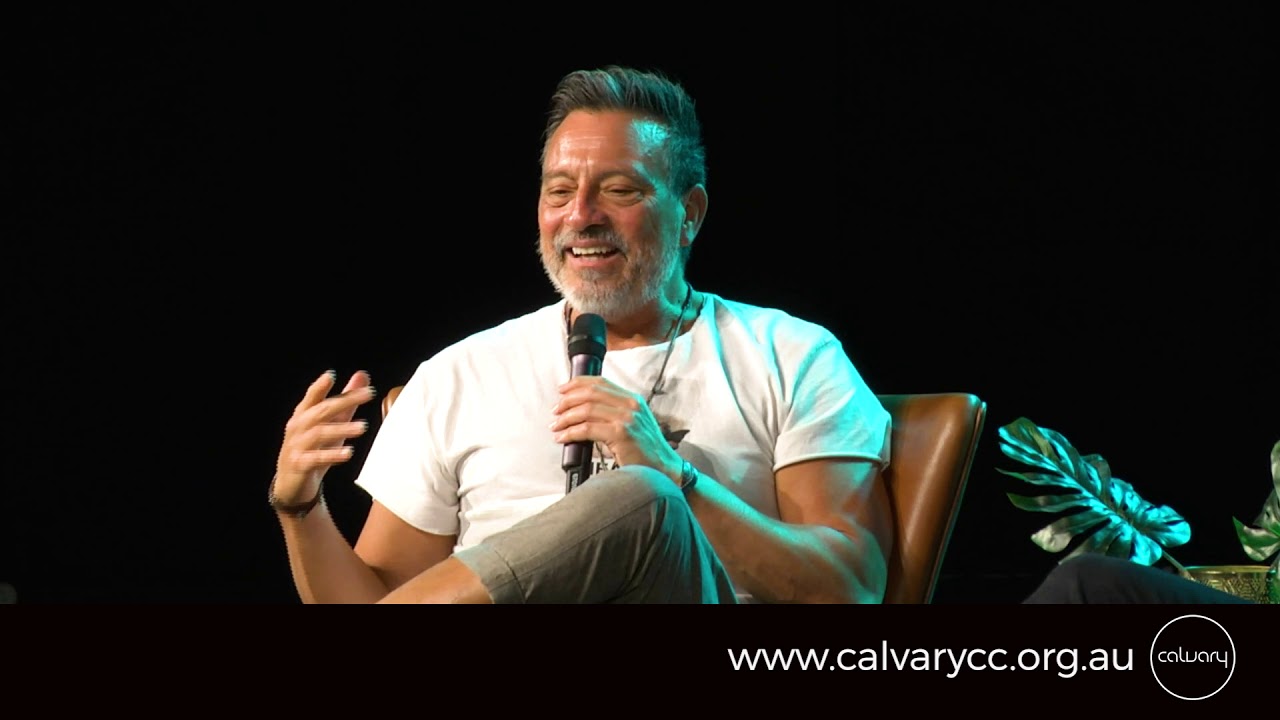
good evening everyone welcome to the latest in orioles line of online talks i'm really delighted to introduce our speaker tonight but first i want to introduce myself i'm the director of development marco zhang and i'm really pleased to say that college is now open and we're very much looking forward to welcoming alumni back whenever you can make it perhaps later this year to the garden party or at one of the gaudi's but meanwhile um i'm delighted to introduce dr catherine murphy who will be speaking today about melancholy a new anatomy for those who haven't been back to oxford for a little while the western library has a rotation of exhibitions which are absolutely terrific the westin is the new wing of the bodleian which has on display uh rotating exhibitions as well as the collection of the bodleians treasures and for the past couple of months and running until the 20th of march is uh anatomy a melancholy rather a new anatomy for which katie murphy has been the curator she's a fellow of english literature at oriole college an associate professor at the faculty of english katie's academic work focus on renaissance poetry pro's philosophy and the literature essay though she also writes about modern poetry czech literature and still life painting a co-edited volume on essays from montaigne to the present was published in september last year and she's currently finishing two books robert burton a vital melancholy and a tottering universal metaphysical prose in the 17th century as we're moving towards the end of hillary term i think we all think that uh melancholy is a topic that we want to discuss and hear more about at this time so katie if i could hand over to you at the end of the talk we'll offer an opportunity to ask questions please do put these into chat uh or put your hand raise your hand um in the function and zoom and we'll call upon you to speak but thank you katie very much for joining us i'll head over to you now thank you very much marco and uh thank you catherine as well for organizing this evening's event um as uh those of you who have been my student uh know and i saw a couple of names that i recognized entering the room at the beginning talking about the anatomy of melancholy is one of my favorite things so thank you all for being so gracious as to come to listen to me do so um melancholy a new anatomy as marco just said was was and is an exhibition that's still running at the bodleian in the western library and it celebrates the 400th anniversary of robert burton's fabulous book the anatomy of melancholy um so it has some local oxford interest because britain was a student that's to say a fellow at christchurch college and he entered christchurch in 1599 and then never left until he died in his chambers in 1640 and he was an incredibly bookish scholar who spent his entire life out writing the anatomy of melancholy as i'll go on to discuss um and his bookishness is also manifest in the fact that he was the fellow librarian something that i am currently doing for orioles so i have a particular sympathy for that for that particular role and the fellow librarian at christchurch um he amassed his own substantial library of books and on his destinated all of his books to christchurch and to the bodleian and i mentioned this partly to give you a sense of his bookishness but also because there's one particular oriole connection in that relation and which is that the the librarian at the bod lane at that point was a man called john rouse who was a fellow of oriole and a good friend of britain's so there are some very local connections and but the exhibition also we hope we curators hope has a more general appeal um i am one of the curators um but all of the rest of the curators and there were another six curators on the team um are in the department of psychiatry or the department of clinical psychology um or they are practicing doctors and neuroscientists themselves um and one of the important things about the exhibition or one of the things that we wanted it to do was to link um this 400 year old book the anatomy and melancholy and to the contemporary research that my colleagues in neuroscience and psychiatry were doing and so what i want to do today is both explain something about the anatomy of melancholy about early modern melancholy and about britain and his great book but also um some of what i learned in the process of the interdisciplinary work that was necessary to put together this exhibition between um the a group of psychiatrists and me who spends my time reading the literature of the 17th century um about how research into early modern and renaissance literature um and history can have um lively contemporary use and interest and about the value of the kind of public engagement work that we've been doing um in the past my work has usually been directed to explaining the differences of then you know the differences of history um but this was a challenge to me because it made me um think about the similarities and the ways in which the kind of things that i read work on and think about can be revivified in the contemporary world and why read the anatomy of melancholy now was one of the questions so first of all what was melancholy then i say reverting to type um so melancholy was one of the four humors in the ancient humoral theory of medicine which originated with the ancient greek theoreticians and writers of medicine hippocrates and galen there were four humors the blood the phlegm yellow bile and black bile and these are uh liquids these are these are liquids which pass around the body and taking um different spirits and nutrients to different places in the body i say r um but this is within the theory of the of the time and they stipulate both the the health of the body and the temperament of the person who um who has the the balance of the humors so each of those four humors is associated with a kind of character so blood is associated with the sanguine person so the cheerful person who is well disposed phlegm is this book associated predictably with the phlegmatic person so somebody who is um who is relatively slothful who is slow to uh kind of rouse yellow bile or collar is related to the choleric and which is anger um speedy response times recklessness and then black bile melancholy um is associated with fear and sorrow and sadness and this system of the four humors is related to a kind of macrocosmic microcosmic way of thinking about the world and about the stuff of the world so that the humor itself maps on to all kind of different things in a four-fold division of things that works all the way from the the elements all the way up to the stars on the screen you can see a couple of um illustrations of this from the 17th century so one of them is thomas walken spoke the optic glass of humors and on the left hand side you can see a series of concentric circles which associate each of the humors with different stages in life so adolescence or age or youth um with different seasons of the year with the summer and the autumn the winter with the different winds with the different elements and then with different planets and star signs so this is a system which reads the human body in relation to the entirety of the cosmos and melancholy you can see is on the bottom left hand side of that quadrant and it is related to old age to winter um to the earth and to the gods saturn um and it's relation to winter and old ages related to the fact that it is dry um and cold and so it is it's it's lacking the warmth that carries the blood um and you can see that it's opposite the blood diagonally on the on the screen which means that it has the the opposite qualities to the to the warm blood um if your four humors are all in balance then everything is well that's why it's called temperament you are well tempered you are well balanced but naturally either through your disposition or through um circumstances you can reach imbalances of the humors excesses or deficiencies and then reach disorder or disease and melancholy among the four humors has a special status first of all because it's the only one of the four humors which in fact doesn't exist not that they knew that at the time but you know blood phlegm and bile are in fact substances of the body but melancholy is a construct of the way that they think about um the natural body but it's also the only one where the matter the black bile is also the name of the disease that comes from it and that disease is melancholy um so the definition of melancholy as opposed to other kinds of mental distort disorder and distress in the 17th century is that it's a kind of dotage without a fever having for its ordinary companions fear and sadness without any apparent occasion and that's really important to melancholy that it's without any apparent occasion so things like grief um or shock or fright are all natural responses to stimuli but the thing that is pathological about melancholy is that it is aroused and without any um without any cause it's a disposition it's a tendency that doesn't seem to have a noticeable prompt that has brought it about um that relatively simple definition however um belies a real complexity and a characteristic of variety which is um which is uh typical of melancholy and here i'm just going to read the quotation um on the screen uh to give you a sense a beginning sense of britain's prose in the anatomy the 4 and 20 letters he says that's to say the letters of the alphabet um in the early modern period u and v and i and j are the same letters so there are only 24 letters in the alphabet the 4 and 20 letters make no more variety of words in diverse languages the melancholy conceits produce diversity of symptoms in several persons they are irregular obscure various so infinite proteus himself is not so diverse you may as well make the moon a new coat as a true character of a melancholy man as soon find the motion of a bird in the air as the heart of man a melancholy man as this might suggest um there is a tension in britain's title the anatomy of melancholy between the infinite variety and illegibility of melancholy and the idea that it can be anatomized and britain lives in the great age of the emergence of anatomy um in the university so andreas vasilius is a um book on the fabric of the human body the frontispist of which is on the right hand side of your screen um introduced images of the interior of the body and to the to the reading public and to the learned public in a way that hadn't previously been the case universities um across europe um like padua and montpellier and paris and opened anatomy theaters also leiden university had an anatomy theater which previously had not been the case because medicine was a was a learned discipline that rested on the interpretation of books and not the interpretation of bodies um and britain takes this up in the title of his book the anatomy of melancholy what it is with all the kinds causes symptoms prognostics and several cures of it in three partitions with their several sections members and subsections philosophically medicinally historically opened and cut up so there's a real emphasis on the cutting action and dissecting action of anatomizing their sections members subsections and cutting up and and the book itself anatomizes its topic through synoptic tables that divide up the stuff of the book into um the separate sections so it aims to look like a kind of orderly um and well-dissected topic that will cover its entire range um and this is a kind of fashion for bringing out what is interior for demonstrating the interior of the body and both in the frontis piece to vasilius which you see on the right hand side and in the rembrandt painting and the anatomy lesson which is at the bottom of your screens you can see the beginnings of opening up the interior of the body as a way of gaining knowledge about it but melancholy as i've said resists that kind of opening famously um hamlet when he first treads the the boards in in shakespeare's play and tells his mother that is not alone in his inky cloak nor the customary suits of solemn black nor the windy suspiration of forced breath nor the way that his face is composing or his tears none of these things is truly donating denoting what he is these seem he says for they are actions that a man might play but i have that within the passive show these but the trappings and the suits of wool hamlet is the archetypal melancholic of the early modern stage and a study in melancholia studying the posture of melancholy and what he has to say there paradoxically suggests that it's both a matter of costume wearing black crying sighing demonstrable signs on the surface but also what can't be shown what is inexpressible the sorrow without cause that is interior and incommunicable and and which is bound up with the interiority and the idiosyncrasy of uh the person and this kind of fashionable melancholy this this sense of medically as the badge of your depth of your of your your kind of sophistication and your sensitivity is something that can be seen across the culture in the renaissance and in this sense melancholy can be glamorous and even enjoyable a kind of voluptuous pleasure um on the screen at the moment you can see um on the one hand a melancholy knight a kind of posturing stage melancholic and on the right hand side um albrecht durer's amazing engraving melancholia and which shows this inspired angel figure who is neglecting the stuff of the world in order to resort to contemplation and in the middle an image of fashionable melancholy and the person of edward herbert lord herbert of cherbury um and the poem in the middle is is britain's own composition which talks about the doubleness of melancholy the positive aspects as well as the negative when to myself he says i act and smile with pleasing thoughts the time beguile buy a brickside or wood so green unheard unsought for or unseen a thousand pleasures do me bless and crown my soul with happiness all my joys besides are fully none so sweet as melancholy so in addition to the sense of melancholy as an almost universal disorder which affects everybody who has melancholy in their body and in their person there's also the idea of a joyous melancholy a melancholy that brings happiness and that brings pleasure and laughter um so when the anatomy melancholy appeared in 1621 and there was a double appeal of the subject to readership it was a medical problem of almost universal scope and it was also an attractive and very prominent cultural phenomenon and britain's book was immediately popular the first edition was published as i said in 1621 and then there were five further editions over the course of britain's life before the well the the fifth of those the sixth edition is a posthumous edition in 16 20 51 and over that course of the time britain revises and revises the book so that the final um the final 1651 edition is over half a million words long that is a lone book and it is a book that has always attracted superlatives um nicholas lizard writing in the guardian called it the best book ever written another guardian writer stephen ross called it the maddest book ever written um and sir william osler who was regis professor of medicine at the beginning of the 20th century said that it was the best medical treatise ever written by a layman and it's a book of kind of inexhaustible interest and distraction and entertainment samuel johnson said of it that it was the only book that had got him out of bed two hours earlier than he had hoped to rise john keats um wrote his poem lamia based on section a section of the anatomy of melancholy and philip coolman contemporary author has called it his favorite book and he appeared we we did an opening um panel session for the exhibition and he was one of the other panelists on that occasion so what's the anatomy like um one of the reasons that readers since 1621 have found it so intensely absorbing is the impossibility of limiting its scope so britain claims early in the book that all the world is mad is melancholy dopes and if melancholy is the whole world's malady then nothing is irrelevant and the anatomy um is an exhibition of the world swallowing encyclopedic ambition of the renaissance it includes a satirical preface and the persona of democritus jr named in honor of the laughing philosopher of the ancients and has anecdotes on everything from burton's childhood memories to melancholics who believe themselves made of butter to a man who excreted an eel to how trees fall in love there are digressions on cosmology and geography on sex on kissing on tobacco and utopian government and extraordinary amounts of quotation from authorities and from literature ancient and modern and it also has a prose that is full of personality and on the right-hand side of your screen you can see a passage from very early in the book from the third page of the preface um democratist junior to the reader where he's describing how distracted he is by polymathy by the urge to know everything he says that he has a running wit an unconstant unsettled mind and had a great desire to have some smattering in all and to taste of every dish and sip of every cup um and then he calls it his roving humor which he has ever had and like a ranging spaniel that barks at every bird he sees leaving his game i have followed all saving that which i should and may justly complain and truly ubiquius nusqlamist he who is everywhere is nowhere and so britain has a distractible style he has distracted himself by the multiplicity of subjects that he's interested in and wants to be interested in and he is also incapable of keeping his style um associated with um one authority one language a third of the book is in latin which he almost always translates into into english um and he can't keep his raving his raving and roving spaniel mind still as he is thinking to be about everything to be encyclopedic in this sense is an ambivalent gift a melancholy is a disease as we've seen and it's characterized by infinite variety and since we're all susceptible it's as various as human beings and as readers of britain's book and i've taken to calling this the anxiety of variety which is a kind of fear that the world is too various and multifarious to be understood people talk about the early modern period as suffering an information overload in a way which i think we can sympathize with new technologies are spreading more information than any individual could compass then there are difficulties in working out what to believe and for britain new observations through the telescope expand cosmos and the colonisation of the americas expands the known world so the sense that there is too much to know and how difficult it is to know um characterizes this anxiety of variety that is typical of the anatomy britain complains that he hears new news every day and this is the long quotation in the center of your um screen at the moment which i won't read from the beginning um but just to demonstrate the ways in which is prose is full of lists of over stimulating bombardments of information these lists tend to end in etc suggesting that they could go on forever and the phrase etc or um and see appears well over a thousand times in the pages of the anatomy and the reader's experience in the landscape of the anatomy can thus be one of bewilderment but variety is not only a cause for anxiety in the anatomy it's also one of the work's great pleasures distracting and interesting the reader in endless anecdotes and digressions and one of the places where i think you can see this most clearly is in the index um to the book coach you have an excerpt from on the right hand side which shows the ways that um a kind of curious variousness can be a real charm so here you have alongside medical contexts like fasting a cause of melancholy but a cure of love melancholy or fear a cause of melancholy flax and hair a great motive of love fiery devils fish what melancholy fish good fish is in love fishing and fouling how and when good exercise so it gives a good impression of the miscellaneity and the scatty-minded interest of the anatomy of melancholy and really i think of the anatomy as a grand mechanism which transforms or metabolizes the negative effects of melancholy into positive melancholy britain suggests repeatedly as an ambivalent gift the anatomy shifts us from the anxiety of variety to its pleasures training the melancholics distraction and rumination and obsessive and negative thought into enjoyably absorbed attention britain repeatedly reminds the reader to switch from solipsistic brooding into participation in the common predicament of being human fallible prone to grief and sorrow and nonetheless both lovable and laughable cure in the early modern period doesn't mean escaping melancholy entirely it doesn't mean um becoming finally well but it means being reconciled to the tolerability of um of how one is living it means improvement and burton chose this pseudonym democritus jr for the anatomy because the ancient philosopher democritus was known as the laughing philosopher as opposed to heraclitus who was the weeping philosopher and the structure of the anatomy also enacts this transition from the tragedy to the comedy of melancholy and the book's divided into three partitions the first partition looks at the causes and symptoms of melancholy lamenting how universal it is it's incorrigible plurality infinite variety inevitability but then the second turns to cure and many of the things which are causes in the first partition become cures in the second so the first partition has a long complaint on the misery of scholars who are overworked and surrounded by disdain for their true expertise and inadequately rewarded and for their labors a situation not entirely unrecognizable to many academics today but in the second partition the study is recast as the pleasurable absorption of attention in the subject and the prime consolation for melancholy so one of the simplest urges that we had in curating the exhibition was the hope that visiting it would be like the anatomy itself a pleasurable absorption of attention in various things and like britain we tried in the structure of the exhibition to move from a concern with causes and symptoms into thinking about cure and especially thinking about ways of putting agency into the hands of the sufferer so britain does talk about medical remedies and pills and potion potions and some of them uh for to our mind uh rather bizarre like for example anointing your face with hair's blood overnight or ram's lungs applied hot to the fore part of the head or making a ring of an ass's right forefoot um he also recommends that you don't wear the skin of a sheep which has been worried by a wolf and because it will produce anxiety the bulk of his attention to cure is devoted to what are called technically the six non-naturals um in a tradition which goes back to the ancient writer and medicine galen these are six circumstantial influences which can increase and decrease the presence of the humors in the body and which could thus be adjusted either by the physician or by the sufferer themselves um in order to to improve their health so the first five of these in various ways sound quite common sensical to us so they are diet um retention and evacuation um which is the expulsion or not of various fluids from the body air exercise and sleep um and we didn't we decided not to include a case in the exhibition on retention and evacuation for what i hope are obvious reasons but we did look in the um in the exhibition at britain's attention to diet and air and exercise and sleep and how that links with contemporary research in neuroscience and the ways in which changing what or how much one eats spending time in green spaces exercising the mind or body regulating sleep affects one's mood and that means that in lots of the cases in the exhibition we've brought together material from britain's time and more contemporary material to show continuities and changes in the way that people have treated these themes so for example in the exercise section um you have on the one hand uh items like on the right hand side of the screen at the moment of the screen um uh the art of swimming a book that attempts to teach you how to swim um through pictures and text and you can see one of the extraordinary diagrams of how that's supposed to happen on the right hand side um in the context of uh of curating the exhibition at a time when wild swimming was was a topic that was um that was widely in the news in the early parts of the pandemic of something that people were were doing or um we bring britain's digression of air where he discusses the ways that air and environment and atmosphere can affect your health alongside um 20th century invitations to travel by train to skegness and be braced by the sea air and in the exercise section the curator of that section professor john goodness who was at the time head of the department of psychiatry um exhibited a bicycle wheel which he had himself made over the course of the pandemic and the sleep section brings together britain's prescriptions for sweet sleep including poppy violets roses lettuce mandrake henbane nightshade saffron nutmeg and willow alongside more contemporary poems which discuss insomnia and a kind of mini history of the ways in which people have tried to regulate sleep over the past 400 years and the diet section looks at britain's prescriptions for foods that are and aren't melancholy um i can advise you against eating hair for example but um to be frank burton suggests that almost anything one could possibly eat is melancholic and that really only apples are universally agreed not to be um and it brings that material alongside um one of the curators who works on the microbiome and the way that the gut bacteria have a relation to contemporary mental health and not just contemporary mental health but to the ways that contemporary mental health research has shown experimentally that there are relationships between the health of the gut and the health of the mind and that's the first of the first five of the six non-naturals but the sick of the sixth is what britain calls passions and perturbations of the mind which in some ways is i think less immediately recognizable to us and in the early modern period passion was a typical word for what we now call emotion and britain says that it is the greatest of all the non-natural causes of melancholy while in the other five the body works on the mind in the passions and perturbations it is the mind that works on the body and so tempering the passions and thus calming the tempestuous weather of the mind was one of the major ways of tempering melancholy in the period and it takes up a greater proportion of the anatomy than the other non-naturals and in the exhibition we have three sections which examine three of these um modes of tempering the tempest of the mind faith on the one hand um religion prayer mirth music and mary company which is one of britain's major prescriptions for mental well-being and finally the therapeutic effects of reading and writing and this is particularly important for the anatomy of melancholy i think britain himself testifies to the ways in which writing the book was a kind of self-cure he was himself a melancholic um you may remember you may have seen in christ church cathedral the burton's memorial and which is on the right hand side of the screen in which he is commemorated as democritus jr as his pseudonym from the anatomy and which bears a um a dedication which says kuiwitam melancholia and so democritus jr to whom melancholy gave both life and death he confesses various points in the anatomy that he was melancholic he says i write of melancholy by being busy to avoid melancholy and says that he writes to ease his mind by writing um and he also despite his manifest bookishness claims that while others who've written of melancholy um get their knowledge by books i mine by melancholising and britain is the first person to use the word melancholize in this sense you know to be a way of life that is indulgent of melancholy so there's a kind of self-cure and self-help for the writer in the anatomy of melancholy but there is also a cure for the reader um the performance brittonian performance of melancholy is an opportunity for the reader to encounter themselves he says on only the second page of the book thou thyself are the subject of my discourse so you reader or who i am writing about and it's the singular vow that he uses you individual reader are the person to whom this is addressed one of burton's christ church contemporaries a poet called henry king who would later become a bishop and was also a friend of john dunn's and he wrote a poem to a friend in which he recommended the anatomy and this is on the right hand side of your screen at the moment and it begins if in this glass of humors you do find the passions or diseases of your mind here without pain you safely may endure though not to suffer yet to read your cure so what king says here is that reading the anatomy allows you to encounter your own melancholy and to pay attention to it without pain and in so doing to cure yourself by reading um and one of my other ulterior motives in um uh in curating the exhibition was to uh was to hope that more people would read the anatomy of melancholy and there is in fact a wonderful new edition of the anatomy of melancholy edited by angus gouram which came out last year again in commemoration of the 400th anniversary so it is now easily more easily accessible and easier to read than it has previously been so just before i end i wanted to give you a few um uh indications of what i feel i have learned through the process of curating this exhibition um which was something new for me both the process of curating and which i hadn't done before but also um the working with colleagues in psychiatry and neuroscience and i have often worked um in a way previously that i called interdisciplinary um but which usually meant working with other people who work in the humanities so collaborating with historians and people in modern languages and with people who work on um the ancient world for example and this was my first experience of working um on a project with um colleagues from the sciences and doing something genuinely between our disciplines and this taught me various things among them the fact that we are taught humanists and scientists to think very differently um and we came to the material with a very different attitude um it also um i was continually surprised during the process of the curation by the different ways in which um they were surprised by things in the anatomy um that i thought were straightforward and and recognized things in the anatomy that um the that i didn't so they were all astonished by the ways in which they felt that this 400 year old book was anticipating um things that are very timely now like the microbiome like thinking about green space and its relation to mental health um like um thinking about exercise and the role of exercise and mental health and all the various things that we were looking at in the exhibition and one of the things that taught me is that the disciplinary history of psychiatry and the way that we have tended to think about mental health um has been changing in the last 20 years in ways that bring it paradoxically more in line with burton than previously so what i understand from my colleagues is that psychiatry was until relatively recently preoccupied by a model of mental illness and where diagnosis identification of specific um ill health and then the pharmaceutical treatment of it so deciding the appropriate prescription um was was the major driver both of um practical activity in hospitals and also of research and more recently they have come to be working at least the oxford department um in a much more holistic way that thinks about the context of mental well-being in a whole life that thinks about everybody as being on a spectrum of mental health rather than a division between the ill and the well and that thinks about and the ways in which uh we can make ameliorative changes to lifestyle to make um ourselves more well without an aim of um total cure and the aims to make ourselves tolerable to ourselves and flourishing rather than thinking about this pharmaceutical ways that mental ill health can be eradicated it also led me to think a lot about the ways that something like burton's spook which in lots of ways rests on completely obsolete scientific bases so burton for britain astrology is extremely important as both a cause and a mode of curing melancholy and the humeral theory itself of course is no longer um is no longer taken seriously and lots of things that britain thinks of as being causes of men of mental ill health which um range from um you know spirits um uh witches uh the the effects of the the fall things that don't enter into our contemporary parlance so this is a book which rests on all of these things um but which nonetheless has quite a lot still to teach us and this has made me reflect on the ways in which um one of the things that a system or a book like the anatomy of melancholy can do is give you a vocabulary in which to explain your idiosyncrasy to yourself like other forms of self-description and large-scale systems like astrology or like um psychoanalysis for example what the the system gives you is a language in which to find your own idiosyncrasy relate your particular circumstance to broader scale um structures and ways of thinking about things um in a way that helps make um make you both interested in your own idiosyncrasy and make it more tolerable make your particularities more bearable and one of the things that's been exciting about the exhibition was working with an artist called hermit gill on a project to do with the ways that astrology and other factors and contemporary models of um the factors that affect birth and that determine one's propensity um to mental well-being or ill health um how these might be visually constructed and she has a wonderful installation in the in the foyer to the western library which if you can visit um if you happen to be close enough to oxford i really recommend but the final thing which i'll say about what i learned from the process um was to myself be a reader of the anatomy again this was partly through the various events and public outreach events we've done in relation to the exhibition on the right hand side of the screen you can see a still from a production a dramatic production of the anatomy of melancholy which we brought to oxford just this weekend um and which was performed in the church where burton was vicar down by the train station in oxford um on saturday evening and one of the things that um talking to lots of people about the national melancholy not in my usual academic context but in the context of the exhibition and public engagement and outreach events has been to realise the ways in which britain's address to the reader um an address to the particular reader is addressed um to everybody and also to me i had got so used to reading the book as an academic that i had ceased to recognize myself and it has been really revivifying for me to be working on this and finally we worked on this all the way through the pandemic our first curatorial meeting was in march 2020 and the opening of the exhibition was at the end of september 2021 and every week in between we met on screen to discuss this project and the whole time we were extremely conscious of the ways in which um the stuff that we were discussing to do with melancholy and cure through exercise and green space and good air and company was incredibly pertinent to the ways that people were suffering and the ways that people were trying to remedy their suffering during lockdowns in the pandemic the last almost the last words of the anatomy of melancholy um are what britain calls um his his final conclusion um give not way to solitariness and idleness he says be not solitary be not idle this was incredibly difficult advice to take during the pandemic when lots of us had enforced solitariness and enforced idleness to contend with but as a simple encapsulation of the ways in which the anatomy and melancholy is a book that keeps you company as you read i think it's extraordinarily good advice thank you all for listening um i'm now going to open up to questions and i think turn over to marco to to chair the questions is that right katie thank you so much that was so terrific um it's one thing to go to the exhibition and see some of the exhibits in real life which is of course exceptional but to have a curator speak to us and talk us through is a real treat so please do put your questions or comments um into the chat box or use the raise hand function but certainly katie i wonder just some of the the cures to uh melancholy or we will probably talk about most of this as depression it's a very negative connotation but the many things exercise reading music prayer is talked about quite a lot access to nature green spaces water and quality of sleep what do you think is oriole the perfect place on earth well um one of the uh i mean obviously yes next question um but one of the um one of the um items we have in the exhibition is um a set of engravings um from the mid 17th century of oxford colleges um which are showing uh the setup of the colleges and one of the things so unfortunately alas is not oriole that we have that we have exhibited in the exhibition it's actually martin but one of the things that the drawing brings out is that a college is a space which especially in in oxford a space which allows for the the the stimulation of the variety of the six known naturals and lots of the things that britain recommends as cure so there are spaces for physical exercise there is all christchurch medal before you um to take walks by the river which is very soothing to melancholy britain tells us um you live in a community which tends to your diet even if britain complains of christ church that they feed him too frequently for the optimal digestion so they feed them apparently every five hours when in fact it should be every seven but that that food is communal you know you have you have the pleasures of study which he calls the sovereign remedy for melancholy um but you also have the stimulation of company um and so for all of these reasons uh you know a college is particularly well set up um as a as a space in which to to find remedies but he's not at the same time blind to the ways in which colleges can also be colleges or academic contexts can also be um very difficult um study itself if you are not alterating alternating it with other things is extremely desicating um he says so you know kind of endless uh sitting with no exercise and absorbed in in your work is over stimulation on one axis of what a human life should be and requires alternation so students are particularly prone to melancholy in the subsection misery of scholars which is very long um addresses the specific ways in which students and scholars are are particularly inclined to melancholy and something which i hadn't realized before working on the exhibition obviously um in my work um and in my in the context of the college today and the context of the whole university today we're very concerned about student mental health um and the psychiatrists were talking um about um epidemics of mental ill health among students especially in the aftermath of the pandemic one of the things i hadn't realized was that early modern writers were also specifically concerned with the mental health of students so there are quite a lot of medical manuals published in the early in the in the late 16th early 17th century which are specifically designed um to temper student ill health in this regard and what they recommend in all things is moderation this is always the the the the stipulation that they offer we have a few questions coming through poor darling asks could you say something about the reception of the anatomy by the elite readers of the times not tranquil times politically or in terms of religion um sure so uh sorry could you could you read the second half of that so i i got the elite readers um they weren't certainly tranquil times politically or in terms of religion no absolutely not so so one of the things so first of all it was immensely popular so all of the additions sold out but it was not a cheap book so it's so the first edition is a quarter which is a kind of about this size but then every edition after that is in the largest format available a folio very long book by the end it's 771 pages long that's a lot of paper expense of paper so it's an expensive book and so the people who would be buying it would be gentry you know people with some degree of wealth scholars oxford colleges cambridge colleges that kind of thing um and we know from annotations references uh and general discussion that it's a very um that it's widely read and you're absolutely right the early 17th century is a very tempestuous time politically and uh in the religious context um and i was saying earlier that britain likes to strike a middle path recommends moderation um and one of the sections of the book i didn't discuss is the final third partition um which is devoted to love melancholy and the first half is a very kind of cheerful uh and comic uh romp through um the symptoms of love melancholy supported by plays and poetry but the second half is devoted to religious melancholy and there sorry there he tries to [Music] mediate between on the one hand the dangers of excess superstition which he associates with catholicism and on the other hand with a dangerous enthusiasm and belief in one's own inspiration which he associates with kind of radical protestantism and um and the opposite extreme of religion in england in the time so there as elsewhere britain's emphasis is on a kind of middle um way in a way which later would be recognized as very typical of the english church um and and a kind of developing anglicanism thank you for that question we have a couple of related questions stefan stern asks did burton read rebellion montaigne and john cena asks did burton read montaigne and if so what influence did he have on virgin well it's fantastic that you asked this because i have in fact written an entire article about the influence of 110 on robert burton um yes is the short answer he did read both rabbily and montan he knows montan much better than rabolei partly because there's an english translation of montan published in 1603 by florio john florio who was one of britain's friends and acquaintances in oxford um in the earlier part of the 17th century and i think one of the things about how britain reads montan on the one hand he really takes on um montene's kind of interest in herself and he takes on that kind of wavering distractible style that moves from topic to topic and also kind of incorporates sources and poetic sources within his own prose and that concentration on the self and the contemplative thinking self so britain's style you can really see the mind in the act of thinking which is something that he's partly getting from one time but what he doesn't take from montana or what he changes about montan is that rather than a self-exposure and a performance of the self um is that he refocuses all of that on the reader's discovery of themself in the anatomy so at the end of montan's preface to the reader um in his essays he says i myself am the matter of my book um but britain as i uh quoted uh in the in when i was talking earlier transforms that into thou aren't the subject of this discourse so he picks up the montan interest and idiosyncrasy and the irreducible particularity of the individual self but rather than talking extensively about himself he talks extensively about um about the reader or he invites the reader to find themselves in the book um so yes he's very montannium kate weddington has a question would you like to unmute kate and ask in person well sure um hi thank you that was very interesting um i was very interested in the way you talked about how like the experience was like a revitalizing experience for understanding the text itself and i was wondering whether i've never obviously created an exhibition whether like the physical arrangement that that involves felt like a process of like re-anatomizing which is also part of why you felt differently about it alongside the like interdisciplinary approach and whether like being able to oh obviously like how personal the arrangement of the exhibition was and whether that was like analogous to the process of making your own like uh like kind of directory of like melancholy um and whether there was something like physical about it that added something to the lecture just like the pure study with the book which was me i guess alongside like the outreach and the theater and all those kind of things yeah no great question um and also hello it's lovely to see you um [Music] yeah so i mean one thing that sprang to mind immediately as you were talking was that you know as um as someone who's been reading and working on and writing about the anatomy for 20 years since i was myself an undergraduate i'm kind of accidentally pre-persuaded you know i don't my my my days of of the initial kind of moment of excitement about what is it that's actually really exciting about the anatomy um quite a long time ago now and my students are kind of captive audience and other academics are a captive audience when i talk to them at conferences but part of the process of putting together the exhibition was thinking you know what is interesting about this you know what are people going to find exciting and also the you know my encounter with with people from other disciplines um from from neuroscience and psychiatry meant that that i was i was paying attention to what they are enthusiastic about you know what they found surprising or interesting and that alienated the book from me something that has become very familiar over um long years of working on it in a way that was really revitalizing another thing is that you were talking about the kind of physical process of working with the books because britain donated over 800 books to the bodleian um lots of the books that we were working with were his books and so there was a kind of sense of continuity in um so the the image that i showed you of um the melancholy night for example we have that in the exhibition and it's britain's copy of that book that we have in the exhibition um so there was a sense of kind of um you know physically moving with his with his books and and you know touching the objects another thing a wonderful thing which um uh which is in the first case um is is britain's own astrological notebook so this is a little notebook that he kept with all of his own notes on astrology and on all of his reading in astrology and lots of horoscopes that he cast himself including his own birth horoscope and that horoscope tells him that he was born under the sign of saturn which is the patron of melancholy that saturn is the strongest star in his chart um which means that he is the kind of dominant influence on his life it told him also ironically that mercury is the weakest star in his chart and mercury is the patron of of writing um so you know he kind of bucked the uh the diagnostic trend of his horoscope by by copiously um uh writing although there would be a way of thinking that it's the the impossibility of ever ceasing to write that might be his disorder that relates to mercurial writing but that you know is an incredibly personal document really related to his own sense of himself and his sense of orientation in the world and so so that kind of contact with with his actual books was really important in the process of of curating thanks kate it's a lovely question we have one last question if we made the hour is starting to draw to a close but uh pippa mcgowan asks did burton differentiate between anxiety and depression or is that a more modern approach so on the one hand yes that is the more modern approach you know that's our vocabulary for for how we talk about it but i was struck very much by you know the the definition that he offers um in the anatomy and which is a standard definition you know he hasn't made it up talks about fear and sorrow without cause and if you think about fear as mapping roughly onto anxiety um you know fear without cause is really what anxiety is and sorrow is mapping on to um depression then in a sense he's seeing the same phenomena of of um disorder and mental ill health that we still encounter in ourselves and in others today but has a different vocabulary in a different mode of articulation to think about them um but that kind of dyad that recognizes that there's something different about a state of kind of fear or anxiety and a state of sorrow but that they are intimately linked is something that he also understands or that the medicine of his time understands um i hope that answered your question um well thank you again katie for an absolutely fantastic talk um i'm really pleased that everyone could join us and i hope you'll come back to our real soon as i said we're open for events again everything is back to as much normal as we can possibly imagine at the moment and i hope to see at the garden party if not soon enough for those of you who are traveling further please do join or for everybody please do join our series of online events these are terrific discussions and it's lovely to see so many people thank you for coming good night thank you very much you
Up Next
35:44
How Your Brain Interprets the World: Neuroscience with Dr. David Berson | Huberman Lab Essentials
@hubermanlab
79K views•2025-10-16
21:55
Deciphering Neural Circuits Controlling Anorexia in Mice | Richard Palmiter
@AllenInstitute
2.3K views•2011-10-10

4:10
Vagus Nerve (CN X): Anatomy, Nuclei & Functions Explained
@Alilamedicalmedia
305.2K views•2022-10-31
13:03
How Exercise Benefits Your Brain: Science Explained
@TED
11.4M views•2018-03-21
Related Study Plans & Knowledge Roadmaps
Structured learning paths in Neuroscience
neuroscience
Appetite Regulation: Brain Circuits & Hormones
01Foundations of Endocrinology and Brain Anatomy
02Introduction to Energy Homeostasis
03Peripheral Signals: Leptin, Ghrelin, and Insulin
+ 2 more learning modules
14h5 modules
Explore Roadmap
neuroscience
Neuroeconomics: Value, Risk & Brain Mechanisms
01Foundations of Neuroscience and Brain Anatomy
02Introduction to Neuroeconomics and Subjective Value
03Dopaminergic Prediction Errors & Reinforcement Learning
+ 3 more learning modules
18h6 modules
Explore Roadmap
neuroscience
Spatial Navigation: Cells, Grids & Brain Maps
01Foundations of Brain Anatomy and Memory
02Place Cells and Head-Direction Cells
03Grid Cells: The Brain's Coordinate System
+ 2 more learning modules
12h5 modules
Explore Roadmap
neuroscience
BCIs: Neural Decoding & Prosthetic Control
01Neuroscience Foundations: How the Brain Signals Intent
02Signal Acquisition: Recording the Brain's Activity
03Neural Decoding: Translating Brain Waves into Data
+ 2 more learning modules
25h5 modules
Explore Roadmap