

















Romanticism (1789-1850) was a literary and philosophical movement that emerged as a reaction against the Industrial Revolution and Enlightenment, emphasizing emotion, nature, childhood purity, and absolute truth over rationality and industrial progress; key characteristics include the glorification of nature, critique of urbanization, and the Byronic hero archetype representing anti-social, emotionally conflicted figures who challenge societal norms.
Romanticism in English Literature: Key Concepts and Poets
Added:Understanding the Enlightenment (Age of Reason) and Neoclassicism, as Romanticism emerged as a direct reaction against their emphasis on rationalism, order, and scientific inquiry.
A basic grasp of the French Revolution and the Industrial Revolution, which provided the socio-political backdrop of rebellion, social change, and urbanization that influenced Romantic writers.
Familiarity with fundamental literary devices and poetic forms, such as imagery, metaphor, lyric poetry, and personification.
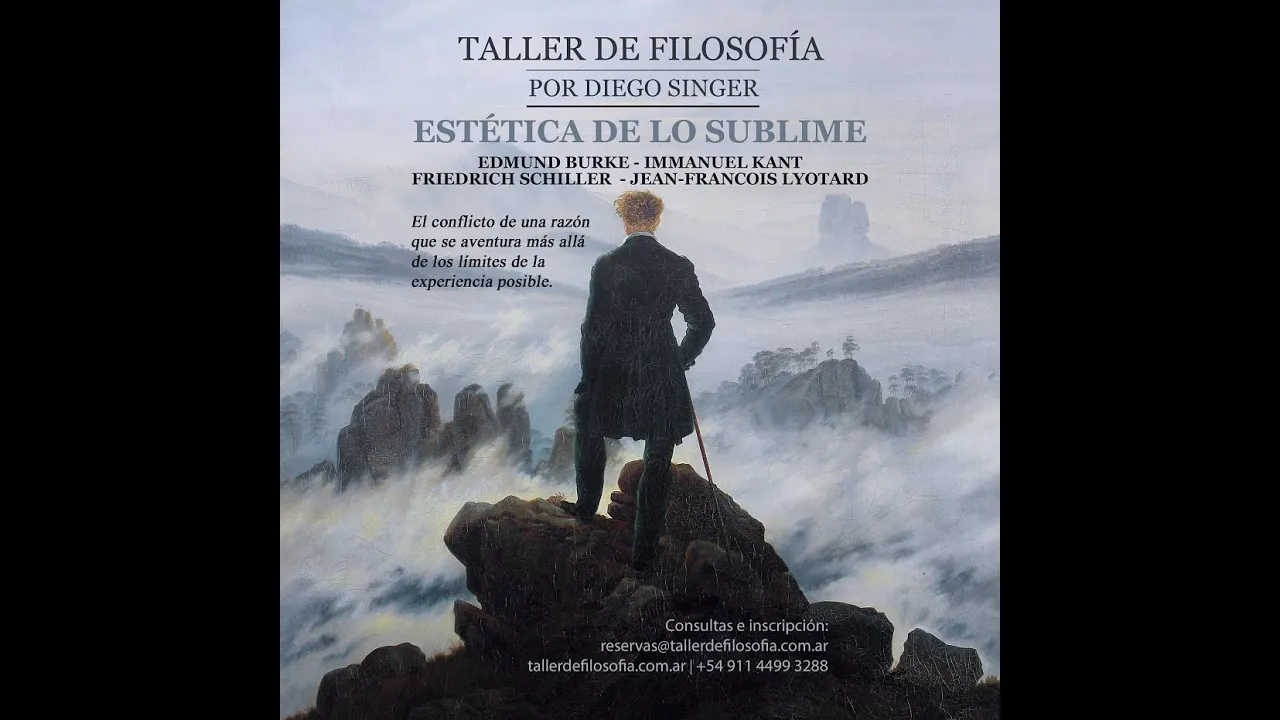
An introductory concept of the 'Sublime' in aesthetics, particularly how nature was viewed as an awesome, overwhelming force rather than just a scenic backdrop.
A comparative study of the First Generation (Wordsworth, Coleridge) versus the Second Generation (Byron, Shelley, Keats) of British Romantic poets.
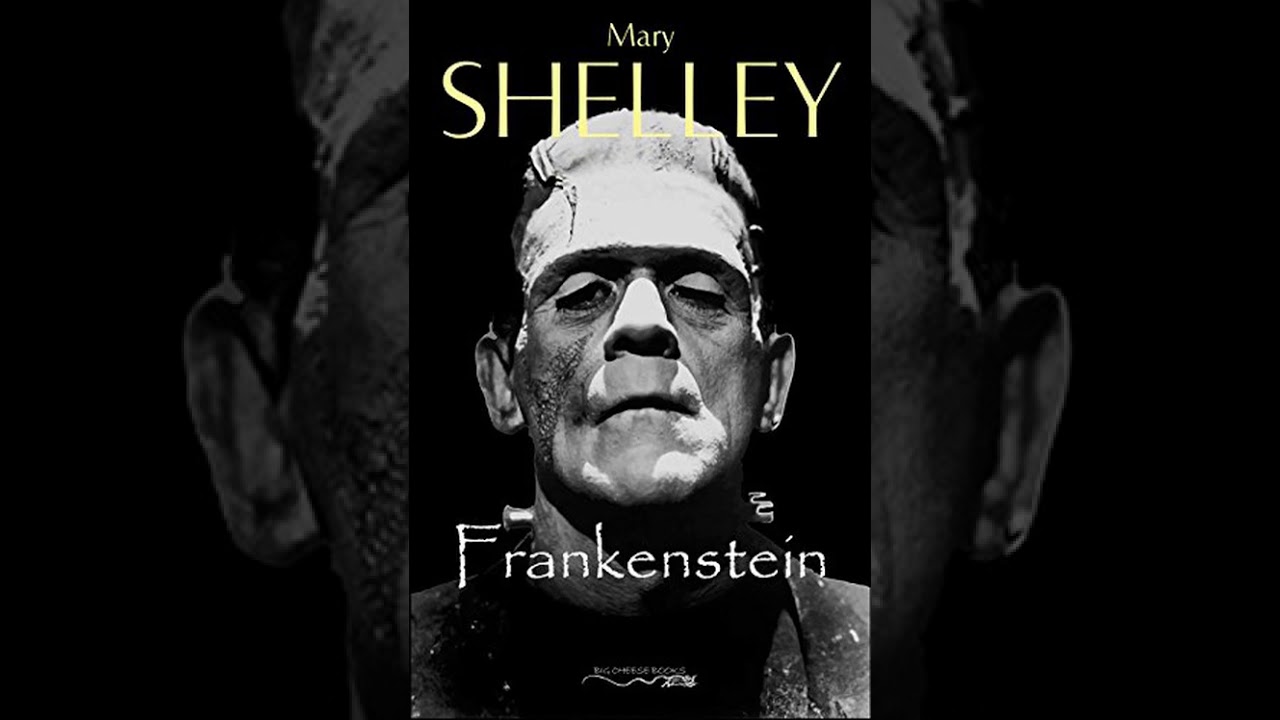
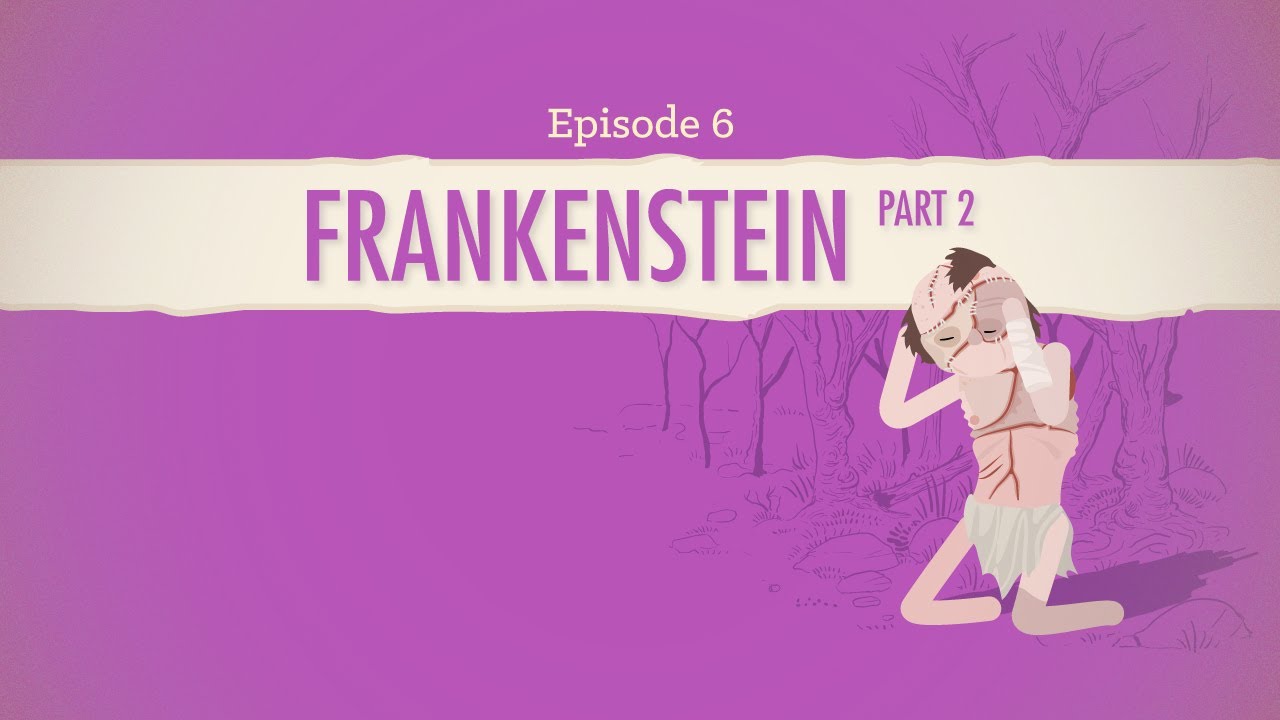
Analysis of the Gothic novel (such as Mary Shelley's 'Frankenstein') as an offshoot of Romanticism that explores terror, science, and the sublime.
Exploration of American Transcendentalism (Emerson, Thoreau) to see how European Romantic ideals evolved in an American philosophical and natural context.
Investigation of the transition into Victorian Literature, examining how writers reacted to or integrated Romantic ideals during a period of intense industrialization and imperial expansion.
An in-depth character study of the 'Byronic Hero' and its evolution into modern archetypes in contemporary literature, film, and television.
190.8K views2.5Klikes9:05Original Release: 2016-04-11
[Music] this video will Define romanticism consider the social and historical factors that led to Romanticism identify significant Romantic Poets and authors identify the major characteristics of romantic literature link Romanticism and transcendentalism Define the bonic hero [Music] this is the story of man's escape from the shackles of Commerce and Industry to the freedom of nature at a time when the world was becoming increasingly mechanized The Romantics sought an intense relationship with the natural world in so doing they would revolutionize our perception of life itself so what led to Romanticism Romanticism began roughly around the time of the stud of the French Revolution in 1789 and it finished around 1850 Romanticism was a reaction against the Industrial Revolution and the enlightenment to be a romantic is to take the side of nature against industry The Romantics viewed cities as grimy ugly and soless in William Blake's poem Jerusalem he links the Industrial Revolution to the ultimate Evil the devil and was Jerusalem builded here among these dark satanic Mills The Romantics challenged the scientific sociological outlook on life that was promoted during the Enlightenment in particular The Romantics disagreed with the enlightenments values of progress and rationality especially progress as defined by technological advancement and urbanization and just a quick definition of sociology which is the study of social behavior or Society so I've whipped up a quick table for you to look at to uh measure the the enlightenment against the romantics um the enlightenment was all about reason in contrast the romantics were about passion and emotion the enlightenment about human nature The Romantics about nature itself the Enlighten was man overcoming nature The Romantics it was about nature being more important than man the enlightenment were about material material positions The Romantics were more about spiritual um the enlightment was about La laboratory observation The Romantics were more about intuition and insight so here is like a very brief sample of Romantic Poets there are lots more that I've missed out but William woodsworth Lord Byron John Kats Christina Rosetti all very important Romantic Poets so some romantic authors again obviously there were lots more but some important ones were Charlotte Bronte Mary Shelly Anne Radcliffe and Emily Bronte so what characterizes romantic literature Romanticism is characterized by its emphasis on emotion the purity of childhood the glorification of the past and critique of progress absolute truth and the deification of nature Wordsworth summed up the importance that the romantics placed on emotion when he said that poetry began as the spontaneous overflow of powerful feelings which the poet then recollects in Tranquility Casper David Fredick a German painter also championed the idolization of emotion when he said the artist feeling is his law the purity of childhood the importance of a happy and playful childhood was a belief that developed during the Romantic Period William Blake championed the innocence and spiritual purity of childhood in the 19th century some working-class parents sold their sons these boys aged between 4 to 7 years would become chimney sweeps which was a miserable work many of the sweeps became deformed or were killed due to their work the glorification of the past and critique of progress The Cult of the Middle Ages is a significant theme in Romanticism Romanticism revived elements of art and literature perceived as authentically medieval in an attempt to escape population growth early urban sprawl and industrialism the romanticist is on a ceaseless quest for absolute truth as discussed Romanticism was a movement away from the objective truths of science towards the more subjective truth of art ultimately the romanticist would discover truth in nature there is a pleasure in the pathless woods there is a Rapture on the lonely Shore there is society where none intrudes by the deep sea and music in it's rule I love not man the less but nature more from these are interviews in which I steal from all I may be or have been before to mingle with the universe and feel what I can nare express yet canot all conceal transcendentalism was a branch of Romanticism it was a philosophical movement that developed in the late 1820s and 1830s in America transcendentalists believed in the inherent goodness of both people and nature they believed that society and its institutions ultimately corrupted the purity of the individual and had faith that people are at their best when truly self-reliant and independent I went to the woods because I wanted to live deliberately I wanted to live deep and suck out all the marrow of Life I'll second that to put to R out all that was not life and not when I had come to die discover that I had not lived the byonic hero is a character based simultaneously on Lord Byron's writing and his own character the traits that characterize a byonic hero are a dislike for social institutions an exile an outcast or an outlaw arrogance cunning and an ability to adapt cynical dark attributes not normally associated with the hero disrespectful of rank and privilege the bonic hero is also emotionally conflicted Moody high level of intelligence and perception mysterious magnetic and charismatic the power of Seduction and attraction self-critical introspective self-destructive Behavior socially and sexually dominant sophisticated and well educated struggles with integrity and has a troubled past and look a bonic hero doesn't need to have all these um characteristics um they may just have a few of them um but uh these are are different characteristics that make up a number of different bonic Heroes so you've made it look uh let's just go back and cover the key points of the lesson Romanticism is roughly the period between 1789 and 1850 Ro Romanticism was a reaction against the Industrial Revolution and the enlightenment to be a romantic is to take the side of nature against industry The Romantics disagreed with the enlightenment values of progress and rationality especially progress is defined by technical logical advancement and urbanization Romanticism is characterized by its emphasis on emotion the purity of childhood the glorification of past and critique of progress absolute truth and the deification of nature transcendentalists believed in the inherent goodness of both people and nature they believed that society and its institutions ultimately corrupted the purity of the individual and had faith that people are at their best when truly self-reliant and independent the byonic hero was a mysterious brooding anti-hero and that's it you've made it we've uh we're at the end of the lesson well thank you so much for for watching and listening um I hope you've enjoyed the lesson and I hope it's been interesting and educational um if you did enjoy it and you would like to subscribe you can press on the bottom right um at the button there we will be bringing out more similar videos in the very very near future and uh yes thanks again for watching [Music]
Up Next

16:33
Romanticism: Reaction to Enlightenment & Industrial Revolution
@tomrichey
316.6K views•2014-02-16

13:43
Formalism in Literary Criticism: An Academic Lecture Overview
@mattalberhasky9952
39.1K views•2015-08-05

6:08
Point of View in Fiction: First Person vs. Third Person
@magicalthriftyteacher
153.8K views•2014-03-31

15:25
1984: Orwell's Dystopian World and the Mechanisms of Totalitarianism
@AlternateHistoryHub
7M views•2017-03-04
Related Study Plans & Knowledge Roadmaps
Structured learning paths in Literature
literature
Graphic Memoirs: Visual Art, Trauma & History
01Foundations of Sequential Art and Visual Language
02Autographics and Processing Historical Trauma
03Visualizing Personal Trauma, Grief, and Graphic Medicine
+ 2 more learning modules
14h5 modules
Explore Roadmap
literature
Campus Novels: Evolution, Themes & Critique
01Introduction to the Campus Novel Genre
02Mid-Century Satire and the Post-War Academy
03Dark Academia and the Critique of Privilege
+ 2 more learning modules
14h5 modules
Explore Roadmap
literature
Theater of the Absurd: Philosophy & Plays
01Postwar Existentialism & Historical Roots
02Dismantling Narrative: Esslin & Absurdist Conventions
03Samuel Beckett and Tragicomic Existentialism
+ 2 more learning modules
12h5 modules
Explore Roadmap
literature
Revenge Tragedy: Justice, Madness & State
01Foundations of Early Modern English Theatre
02Anatomy of Revenge: Structural Conventions
03Psychological Complexity: Madness and Melancholy
+ 2 more learning modules
15h5 modules
Explore Roadmap