![The ENLIGHTENMENT, Explained [AP World History Review—Unit 5 Topic 1]](https://i.ytimg.com/vi_webp/teTYdvjpSoM/maxresdefault.webp)










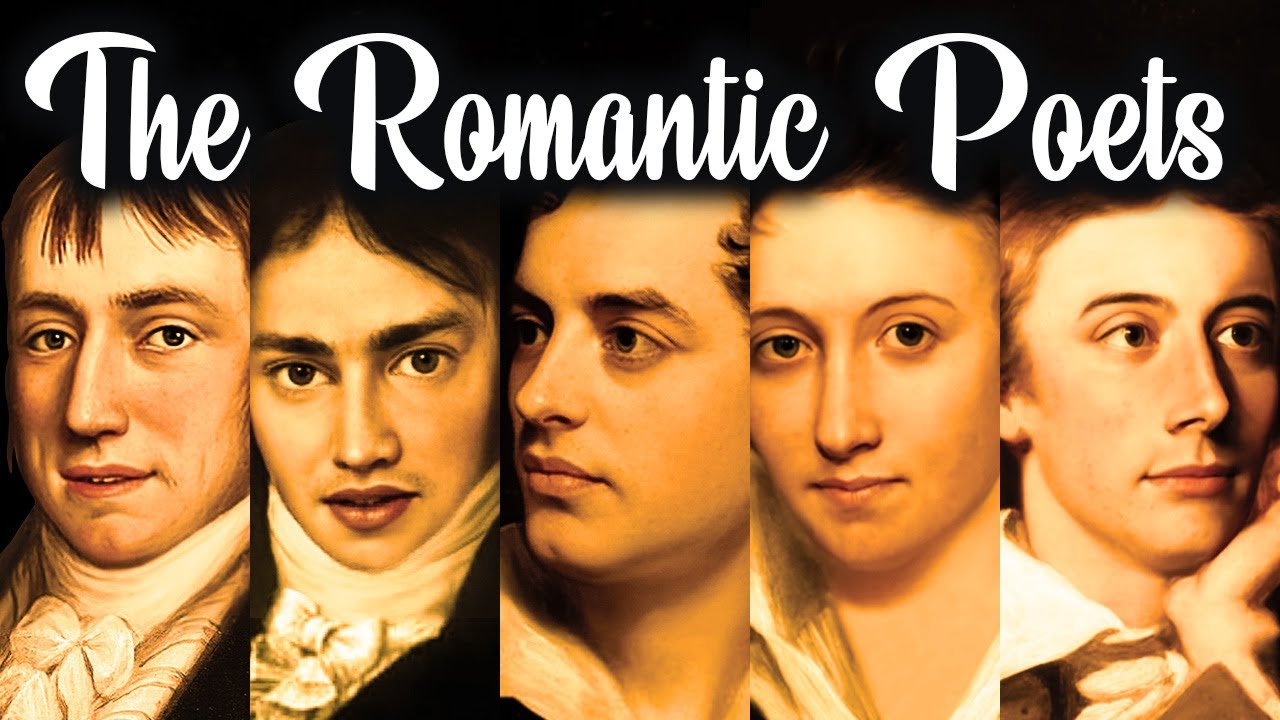













Romanticism (late 18th to early 19th century) was a cultural movement that emerged as a rebellion against Enlightenment values of reason, rationality, and technological progress, and against the ugliness of the Industrial Revolution; the Romantics valued nature, childhood innocence, emotion, mystical religion, romantic love, and nostalgia for medieval times, offering a critique that progress defined by technological advancement and urbanization destroys beauty and human connection, as exemplified in works like Goldsmith's 'The Deserted Village' and Blake's 'Jerusalem' which contrast idyllic rural landscapes with 'dark satanic mills.'
Romanticism: Reaction to Enlightenment & Industrial Revolution
Added:Understanding the core tenets of the Enlightenment, including rationalism, empiricism, and the belief in human progress through science and reason.
Basic knowledge of the Industrial Revolution, particularly the shift from agrarian economies to urban, factory-based manufacturing.
Familiarity with major Enlightenment thinkers such as René Descartes, John Locke, and Voltaire to understand the intellectual status quo of the 18th century.
An awareness of the immediate social and environmental consequences of early industrialization, such as rapid urbanization and changing labor conditions.
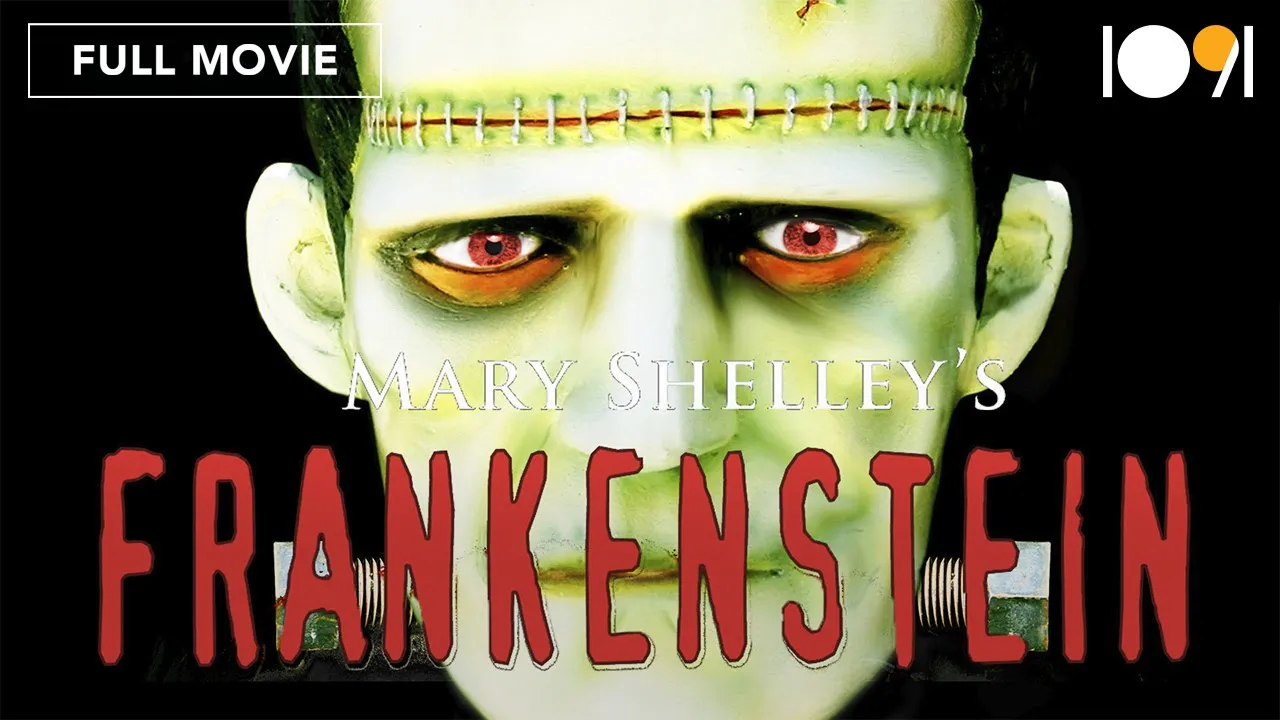
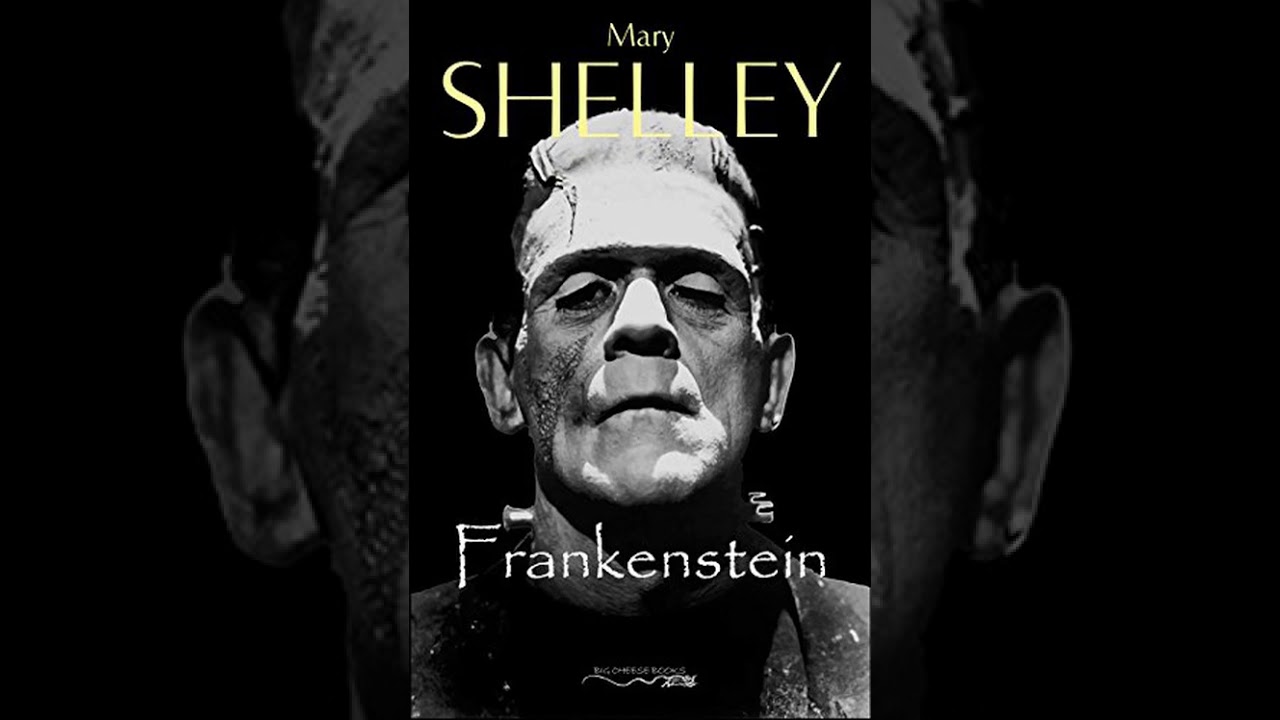
In-depth analysis of key Romantic literary figures and works, such as William Wordsworth, Samuel Taylor Coleridge, Lord Byron, and Mary Shelley's 'Frankenstein' as a critique of scientific overreach.
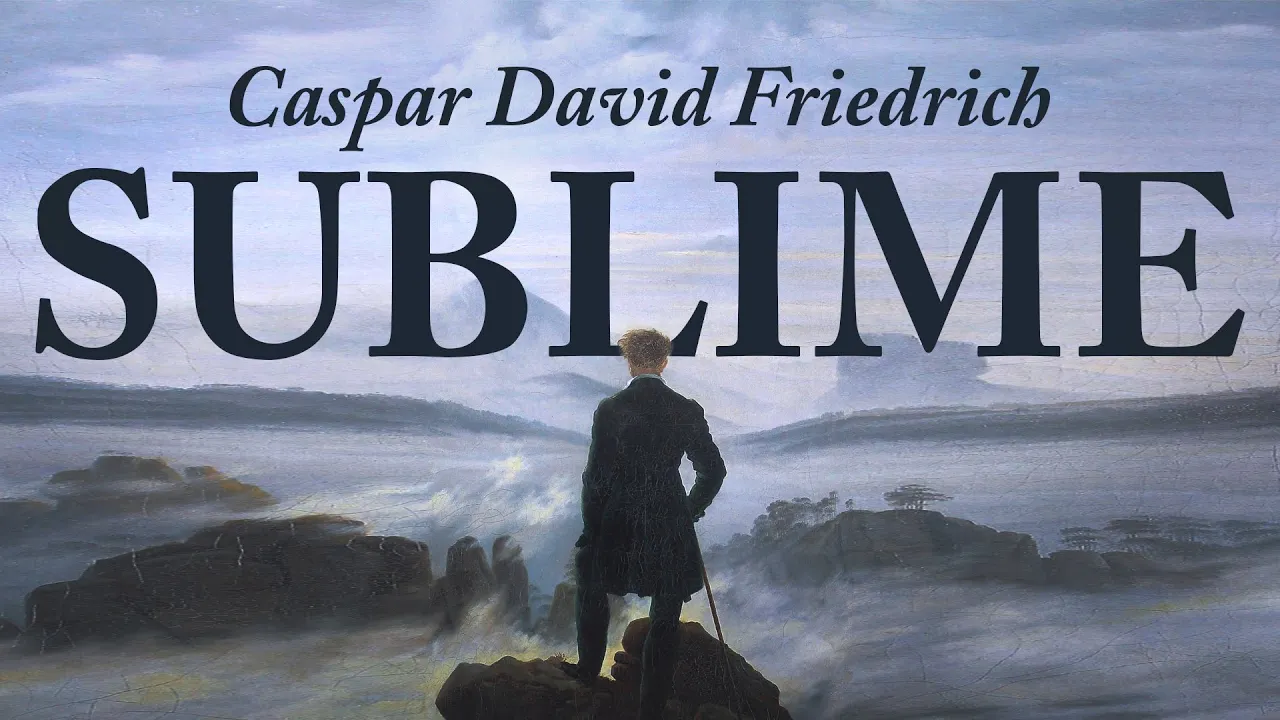
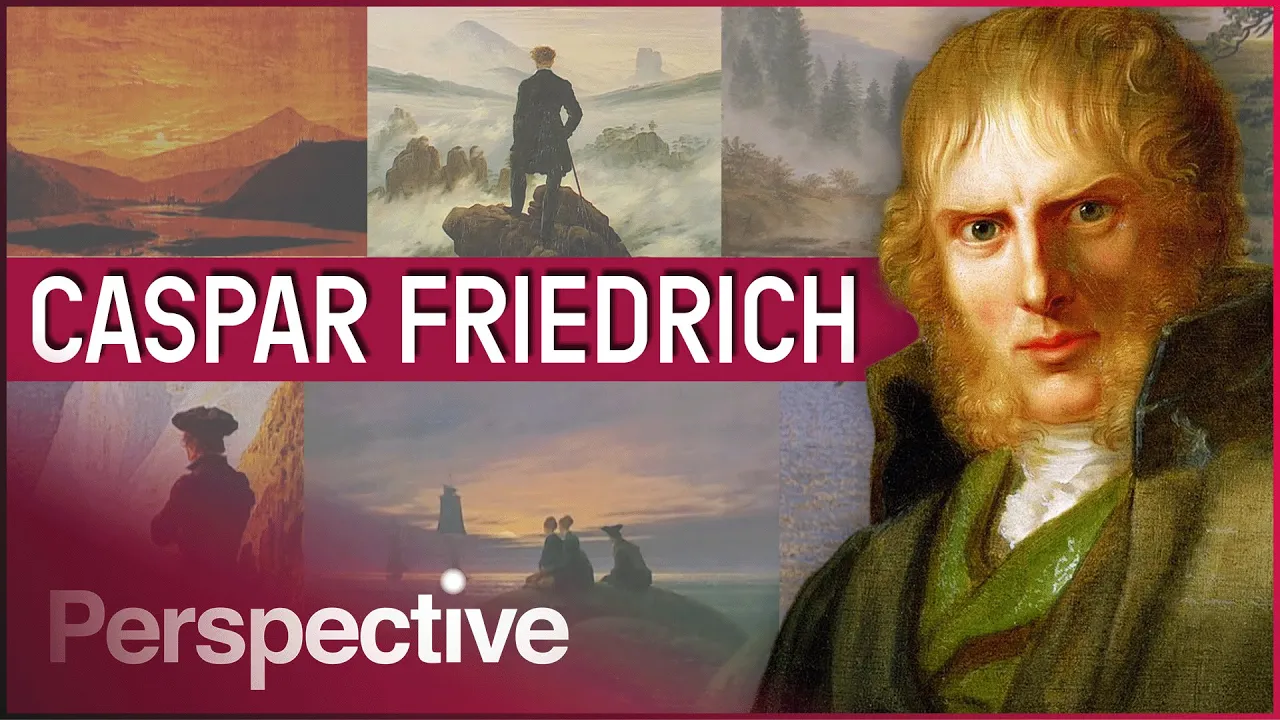
Exploring the aesthetic concept of 'the sublime' in Romantic art and philosophy, specifically through the paintings of Caspar David Friedrich and J.M.W. Turner.
Studying the subsequent transition from Romanticism to Realism and Victorian literature in the mid-to-late 19th century.
Examining American Transcendentalism (e.g., Ralph Waldo Emerson and Henry David Thoreau) as an evolution of Romantic ideas in a New World context.
Tracing the lineage of modern environmentalism and ecological philosophy back to the Romantic reverence for untamed nature.
316.6K views4.3Klikes16:33Original Release: 2014-02-16
Hey there students, happy Valentine's Day. I can't think of anything better to talk about on Valentine's Day than a little bit of romanticism.
That is if we have to talk about European history. This goes out to you, my Valentine, because anyone who watches my videos is my Valentine.
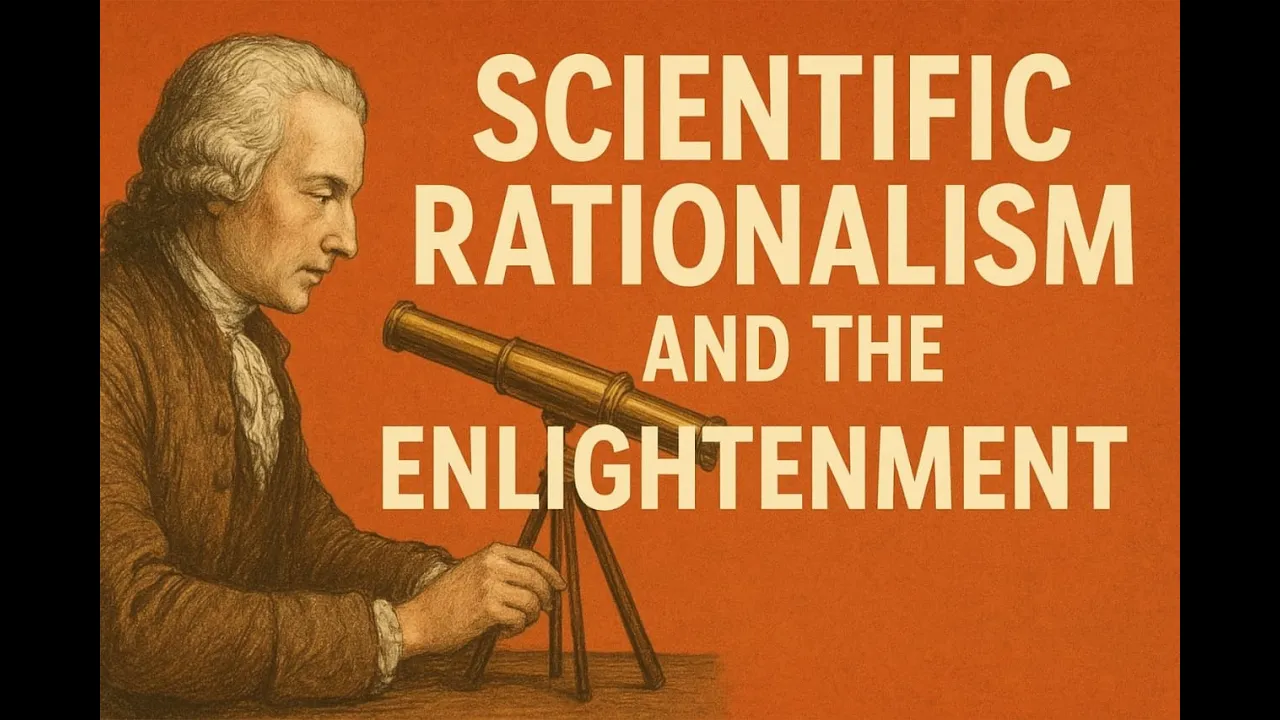
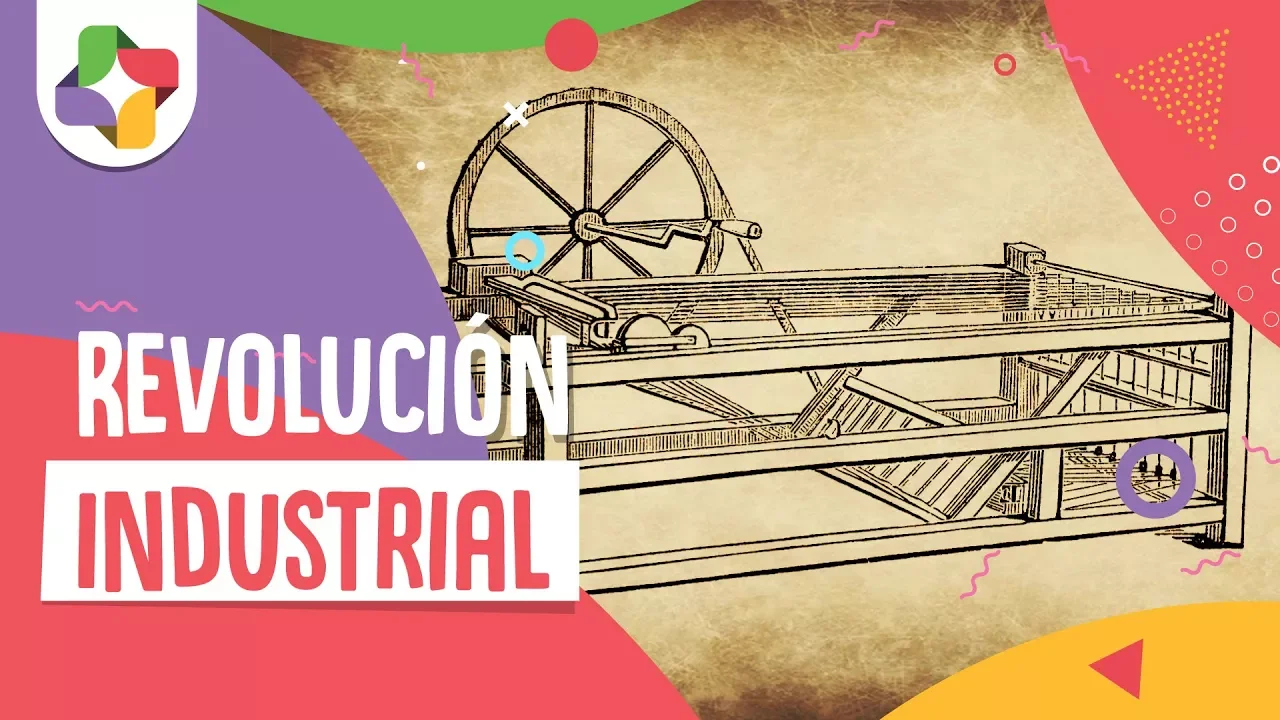
So, romanticism. Now, romanticism was a movement that gained steam during the late 18th and early 19th centuries. And first and foremost, we have to understand romanticism as a reaction. Uh Newton's third law of motion states that for every action there is an equal and opposite reaction. And this applies to human relationships as well. And the romantic movement is a reaction against the industrial revolution.
Yuck.
Against the enlightenment.
It sucks.
Okay, these people would have thrown some darts at Voltater. As much as I love the guy, the romantics weren't crazy about these enlightenment values of progress and rationality. So these romantics are reacting to the enlightenment, the industrial revolution, progress, especially progress as defined by technological advancement and urbanization. So it's a reaction and it's a critique of this enlightenment world view that has caused this filthy dirty industrial revolution.
So let's look quickly at the values of the romantics. First of all, the romantics value nature. A romantic would much rather look at a waterfall than look at a big dirty city. And a lot of times we forget uh to spend time looking at nature and admiring its beauty.
Childhood.
When we think today about children needing to enjoy being children, we get nostalgic about childhood and we think kids should be kids. This has its root in the romantic movement. Before this, people thought of children as just little adults that should grow up as fast as possible. But the romantics viewed childhood as this age of innocence that needs to be enjoyed before they encounter all of the problems of adult life.
Emotion, okay? Whether it's crying or laughing. [laughter] I don't need a reason to cry. You get it? Reason. These people don't like the Enlightenment that much.
Yeah, I know that was stupid. But anyway, the other thing is religion.
Keep in mind that Voltater and other philosophes, they favored deism because they didn't like this mystical religion, this religion that was revealed that required faith and all of that kind of stuff. But the romantics, they like this mystical element. They like something that can't be understood. Why is it that you have to understand everything? Just go into that church and light a candle, a pretty candle preferably. Smell the beautiful incense. Look at the beautiful scenery. Uh, religion is beautiful. And Catholicism actually experiences somewhat of a revival during this time because Catholic churches tend to be very pretty and very sensual compared to most Protestant churches. Romantic love.
Okay, that's where we usually use this term today. The romantic movement was a lot bigger than this. But the idea that you should fall in love and marriage should not be about economics, but it should be about love.
Uh, this has its root in the romantic movement. Nostalgia.
Any of you that have ever been to medieval times or anything like that or watched a movie about the Middle Ages, whether it be Monty Python or anything else, this nostalgia, this idea that the Middle Ages were cool. This is something that's gaining steam during the Romantic Movement. Keep in mind, folks from the Renaissance to the Enlightenment viewed this as a dark age, but now people are writing books about it. People are celebrating at this age of chivalry that happened before the world got so modern.
And did I mention nature? I think I did.
But that's important. Okay. Romantics like nature a lot. And especially if you put a castle in the middle of nature and bring in that whole medieval thing too cool.
So let's just take a look at a graphic organizer real quick. You can follow along here. It looks like we've got two columns and five rows. Um, comparing the enlightenment and romanticism. Now, while the Enlightenment is about reason, romanticism is about passion and emotion.
While the Enlightenment emphasizes human nature, romanticism just emphasizes nature.
And while the enlightenment is about man trying to understand nature and triumph over nature, [music] the romantics take a step back and they think, "Wow, let's stand in awe of nature and the power that it has over us."
The enlightenment is forwardlooking, emphasizing progress, emphasizing where we're going, what we have to gain.
Whereas romanticism is backwardlooking, taking a look back at nature at times gone by and thinking about what we've lost and trying to retain as much of that as possible.
While the Enlightenment philosophes weren't crazy about the Middle Ages, romantics saw that as a great [music] age of chivalry and innocence and all of that jazz.
Central to the romantic movement is the critique of progress. Now, you can look at this artwork here and you can see in the distance these smoke stacks, these dirty, filthy factories. And then you see at the bottom here this landscape with people and with animals. And you can see the beauty of the countryside contrasted with the darkness, the ugliness of this urbanized factory ridden dirty city. And although we're getting our clothes cheaper, although goods and services are being distributed more efficiently than ever, it's ugly. And that's what matters to these romantics that maybe we should look at progress in a different light than this. If this is where we're going, if this is progress, give me no progress or whatever regress or whatever you want to call it.
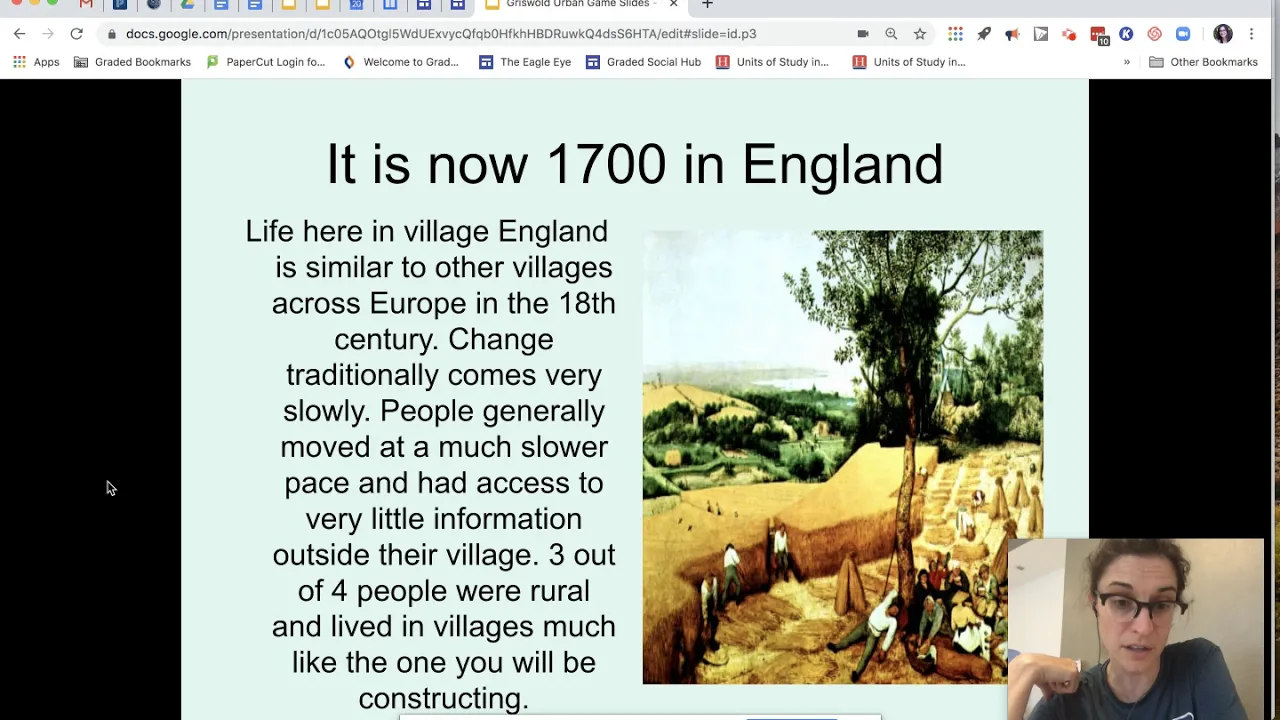
Now there was a lot of literature produced uh during this time a lot of romantic poetry a lot of romantic novels and a lot of romantic art which we'll look at now Oliver Goldsmith wrote a poem called the deserted village which is a pastoral poem a poem that glorifies rural life and it has a lot of romantic themes and emphasizes the depopul population of the English countryside. A lot of people are flocking to cities, but they're leaving the countryside alone.
And so, we've got a before and after here. Let's look at how things were before. Sweet Auburn, loveliest village of the plain, where health and plenty cheered the laboring swain. Dear lovely bowers of innocence and ease, seats of my youth when every sport [music] could please.
And yes, that is where Auburn University gets its name. Uh they call Auburn the loveliest village on the plane. Any of you who are Auburn fans out there, War Eagle.
And note innocence and ease. Of course, Goldsmith is kind of minimizing the perils of agricultural life. I'm sure that if you would have asked those people who'd worked on those little farms before this, they probably wouldn't have thought, "Oh, yeah. My life is a life of innocence and ease, sleeping in this straw hut with the pigs and whatnot for warmth." Okay. But looking back, it's easy to be nostalgic about this.
So that's how things were before. Now let's take a look at the after. The man of wealth and pride takes up a space that many poor supplied. His seat where solitary sports are seen. Indignant spurns the cottage from the green.
Around the world each needful product flies. For all the luxuries the world supplies, while thus the land adorned for pleasure all in barren splendor feebly waits the fall. The man of wealth and pride, this rich member of the gentry who now dominates the countryside after the enclosure movement and all of the poor are running off to these dirty, filthy, factory-ridden cities. And we have lost something beautiful. Why?
Because of luxury. Around the world, each needful product flies. For all the luxuries the world supplies. Now, yes, we have multiple pair of underwear and all of those things that would have been beyond the wildest dreams of someone living before the industrial revolution.
But it has come at a price. Look at what we've lost. And this is really the essence of the romantic critique of the industrial revolution.
And another critique comes in the form of Mary Shel's Frankenstein, which shares some of these romantic elements.
This idea that Dr. Frankenstein, a man of science, set out to do God's work, set out to create a man. This idea that science can solve everything. I can create the perfect man. That humanity through science can do anything.
But according to the Romantics, some things are best left up to God. Some things should be left in the dark and should be mystical. And it's okay that we don't understand everything. And in fact, when we take science too far, it can end in disaster.
Another famous romantic writer was William Blake, who was also a romantic painter, but wrote several poems known chiefly for the songs of innocence, songs of experience. Some of you might have read the tiger, ty g- r. Why he spells it that way, I have no idea. But I'm going to share a poem with you called most popularly by Jerusalem. Now of course like all of this poetry at the time it was titled by just its first line but a lot of people refer to this poem as Jerusalem. Now let me give you a little background. This is rooted in a legend that young Jesus Christ went on a journey with Joseph of Arythea [clears throat] to Britain. Now, Joseph of Arythea, this is the guy that makes a really quick appearance in the Bible. Jesus is dead.
They need somewhere to put his body just for a few days, nothing too long. And this guy, Joseph of Arythea, shows up all of a sudden says, "Hey, now this isn't permanent, right? Cuz I was kind of planning on being buried here one day." But what causes this Joseph of Arythea to suddenly step up? which leads people to believe, well, he must have been a family friend. And then he's a tin merchant. He must have gotten that money somewhere to build that fancy tomb. So then, well, maybe he took Jesus on a road trip. Maybe that's why we don't know where Jesus was from the time he was a little boy to the time where all of a sudden he shows up and he's teaching people stuff at the age of 30.
Well, no wonder nobody could find him because he was out there in England. And what this did for the people of England is it gives them this uh notion that hey, Jesus walked around over here. So, take it or leave it. You may believe that or not. There's really no documentary evidence. But then again, does a romantic really need documentary evidence? Do things really need to make sense to a romantic? The answer to both questions is no.
Let's read. And did those feet in ancient time walk upon England's mountains green?
The answer is yes, by the way.
And was the holy lamb of God on England's pleasant pasture scene?
Without a doubt.
And did the countenance divine shine forth upon our clouded hills?
No.
And was Jerusalem builded here among these dark satanic mills? These dark satanic mills? This is the ultimate critique of the industrial revolution that these mills are of the devil. Dark satanic mills.
It's got such a ring to it, doesn't it?
So, the industrial revolution isn't just unpleasant. It's of the devil.
Bring me my bow of burning gold. Bring me my arrows of desire. Bring me my spear, O clouds unfold. Bring me my chariot of fire.
Bring me a slew of obsolete weapons that would really probably get me killed if I tried to go against somebody wielding, I don't know, a rifle or something. But yeah, the more obsolete the weapons, the better.
I will not cease from mental fight. Nor shall my sword sleep in my hand till we have built Jerusalem in England's green and pleasant land. So this is going to be a fight. This is going to be about rolling back this industrial revolution, not accepting it, but rolling it back and fighting it with severely obsolete weapons. And you can see just this almost the hopelessness of it all. But these romantics still feel like there is a chance to reclaim what it is that we've lost.
If you like what you've heard so far, stay tuned. I've got another lecture on romantic art coming up once it's posted.
You can click through to it right there.
Until then, happy Valentine's Day.
Up Next
13:36
Close Reading of Shelley's Mont Blanc: Power and Mind
@natleach8508
2.4K views•2020-09-24

13:43
Formalism in Literary Criticism: An Academic Lecture Overview
@mattalberhasky9952
39.1K views•2015-08-05

6:08
Point of View in Fiction: First Person vs. Third Person
@magicalthriftyteacher
153.8K views•2014-03-31

15:25
1984: Orwell's Dystopian World and the Mechanisms of Totalitarianism
@AlternateHistoryHub
7M views•2017-03-04
Related Study Plans & Knowledge Roadmaps
Structured learning paths in Literature
literature
Graphic Memoirs: Visual Art, Trauma & History
01Foundations of Sequential Art and Visual Language
02Autographics and Processing Historical Trauma
03Visualizing Personal Trauma, Grief, and Graphic Medicine
+ 2 more learning modules
14h5 modules
Explore Roadmap
literature
Campus Novels: Evolution, Themes & Critique
01Introduction to the Campus Novel Genre
02Mid-Century Satire and the Post-War Academy
03Dark Academia and the Critique of Privilege
+ 2 more learning modules
14h5 modules
Explore Roadmap
literature
Theater of the Absurd: Philosophy & Plays
01Postwar Existentialism & Historical Roots
02Dismantling Narrative: Esslin & Absurdist Conventions
03Samuel Beckett and Tragicomic Existentialism
+ 2 more learning modules
12h5 modules
Explore Roadmap
literature
Revenge Tragedy: Justice, Madness & State
01Foundations of Early Modern English Theatre
02Anatomy of Revenge: Structural Conventions
03Psychological Complexity: Madness and Melancholy
+ 2 more learning modules
15h5 modules
Explore Roadmap