









![[3x12] "Картина мира: картина маслом", вебинар Л.Мехтиевой](https://i.ytimg.com/vi/-ITlN1D2Cgo/maxresdefault.jpg)
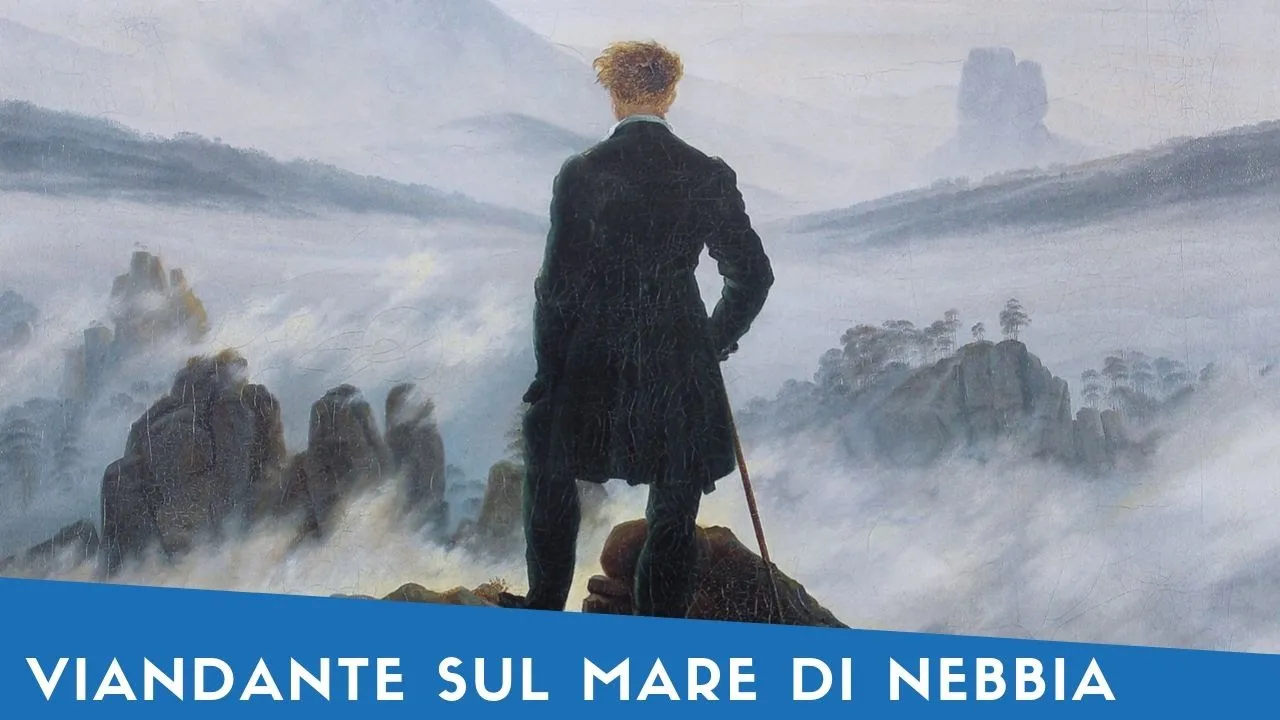

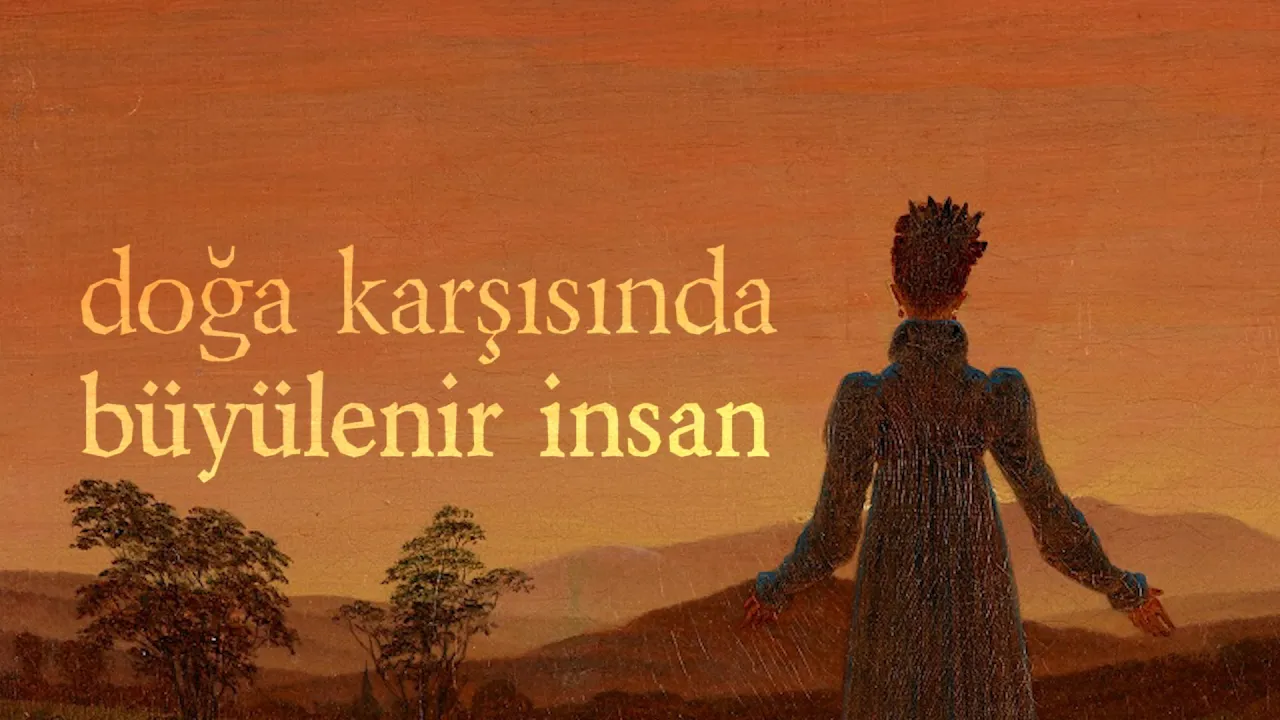





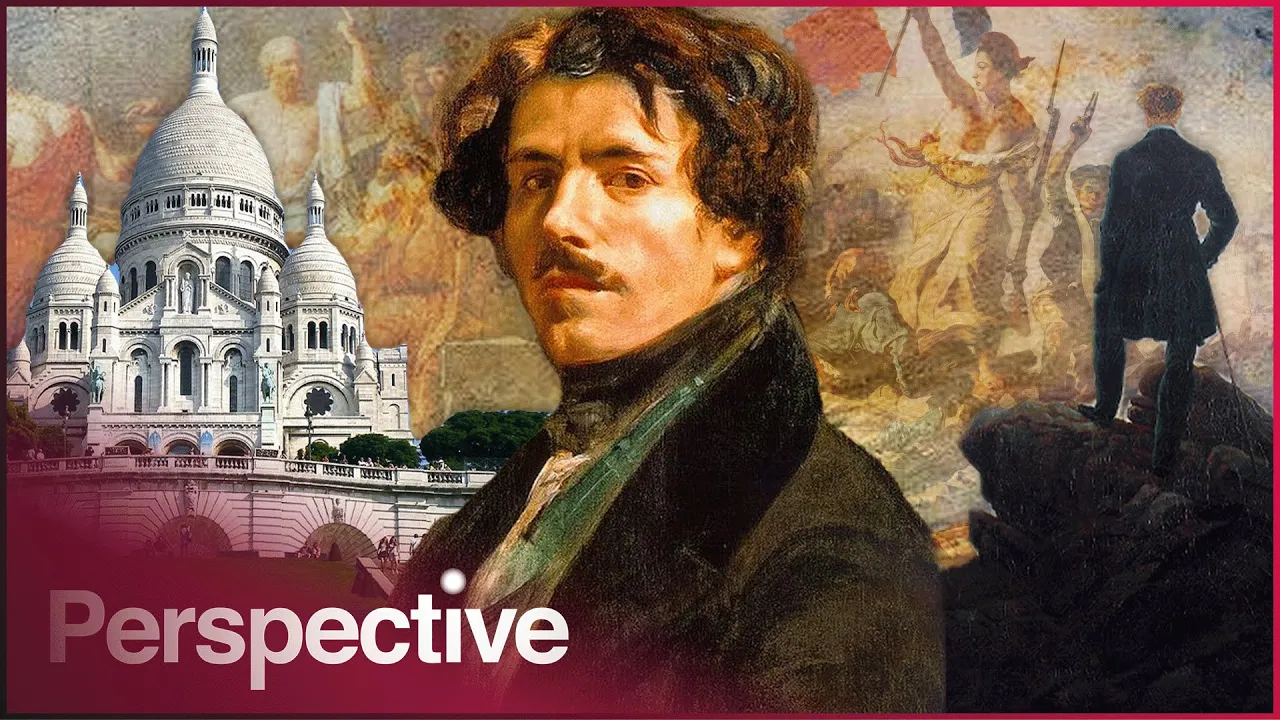


The Sublime is a subjective emotional experience where viewers feel overwhelmed, dwarfed, and powerless when contemplating vast, eternal natural elements or human-made structures; Friedrich's paintings teach us that the Sublime is found in nature's permanence and scale, the vastness of unobstructed spaces, and ultimately requires a human observer to exist, serving as a psychological mechanism that helps us cope with modern alienation by reminding us of our small place in the universe.
The Sublime in Friedrich's Paintings: Nature, Vastness, and Human Experience
Added:Understanding the core tenets of the 19th-century Romanticism movement, particularly its emphasis on intense emotion, individualism, and the spiritual power of nature over Enlightenment rationalism.
The philosophical definition of 'the Sublime' as articulated by Edmund Burke (feelings of awe, terror, and infinity) and Immanuel Kant (the mind's reaction to boundless magnitude).
Basic principles of visual analysis in art history, including how composition, atmospheric perspective, scale, and dramatic lighting are used to convey mood.
Exploring the specific compositional technique of the 'Rückenfigur' (a figure seen from behind) and its psychological role in mediating the viewer's experience of nature.
Tracing the influence of Friedrich's sublime on 20th-century Abstract Expressionism, particularly the color-field paintings of Mark Rothko and Barnett Newman.
Investigating the 'ecological sublime' or 'toxic sublime' in contemporary environmental art and photography, examining how the human relationship with vast nature has shifted in the Anthropocene.
Conducting a comparative analysis between Friedrich's quiet, introspective German Romanticism and the turbulent, dynamic representations of the sublime by J.M.W. Turner.
124.2K views7.3Klikes9:10Original Release: 2021-07-06
What is the sublime?
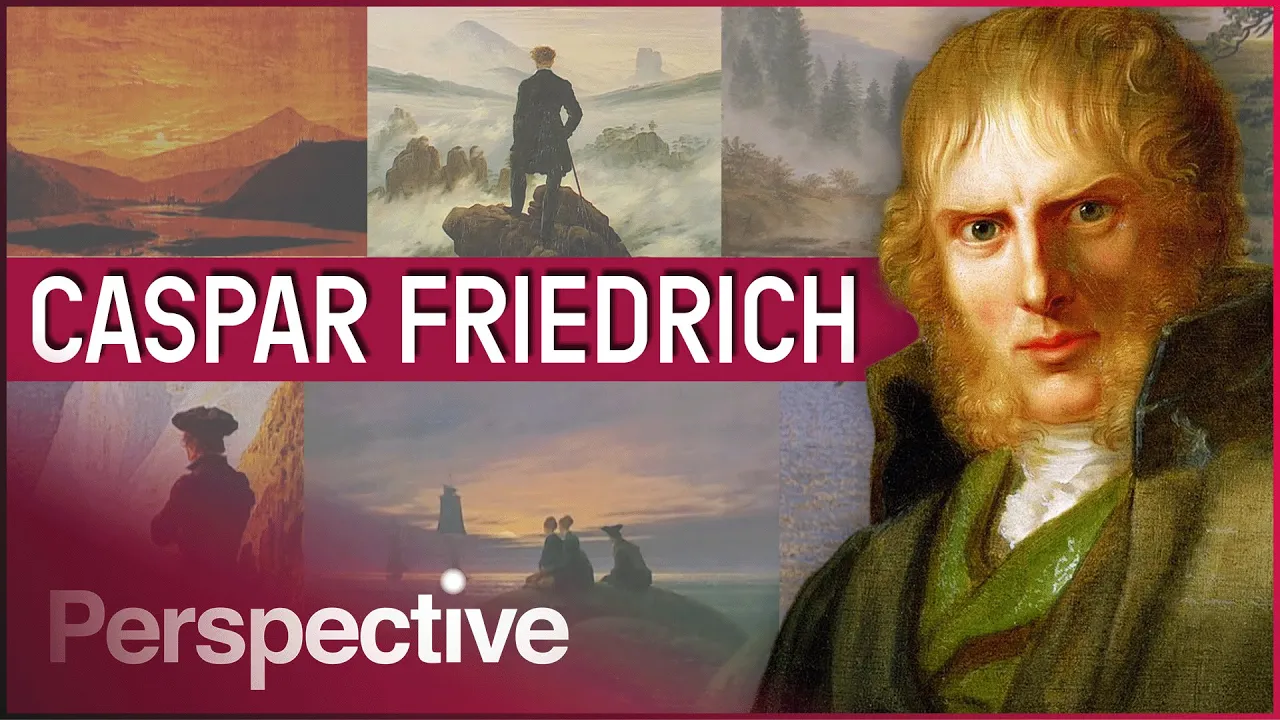
We know it’s something about greatness, power, immensity. There’s something spiritual about it, something transcendent. Some philosophers have tried to define it and to explain it. Many artists have successfully represented it. Today, I don’t want to compare Burke’s and Kant’s definition of the Sublime, but I want to look at a very specific artist’s representation of it. We’ll be looking at Caspar David Friedrich’s paintings and what they can tell us about the Sublime.
To do that, I want to try to look for the Sublime for myself in Port-Daniel, Québec where I recently moved to. And the first lesson about the Sublime that Friedrich teaches through his paintings is that you find it in Nature.
Most of Friedrich’s paintings depicting the Sublime actually depict Nature. Trees, mountains, rock formations, the sky, these are all elements of nature which will undeniably outlive us. They’ve been there for much longer than we have and they’ll remain there for much longer than we ever will be. Nature’s greatness isn’t only about the overwhelming size of mountains or trees, but also about their permanence. They are pretty much eternal when you compare them to us.
Take for example Friedrich’s series of Two Figures Contemplating the Moon. You see these two figures completely framed by nature. They are surrounded by it, even immersed in it. But amongst all that vegetation and these rock formations, the two figures contemplate the moon. The moon is great both for its massive size which can be hard for us to completely grasp, but also for its relative timelessness. Even if all the vegetation on earth was to burn away and all humans were to disappear, the moon would still be there, rising and setting.
Another depiction of the sublimity of nature can be found in Friedrich’s The Tombs of the Old Heroes. This painting is also known as Arminius's Grave, Arminius having lead successful germanic revolts against the roman empire 2000 years ago. He became a nationalist symbol in Germany during the Napoleonic Wars of the 19th century, and the two figures you see here exploring these tombs are some of Napoleon’s soldiers.
But notice how small and insignificant these men are in relation to their surroundings. When most artists would get closer to the action of their characters, to show what they’re doing, Friedrich decides to zoom out, to show the inconsequence of humans. This choice reveals Friedrich’s motivations, how he wants us to contemplate the almost eternal quality of nature. Humans are small as showed by the two figures, and humans are ephemeral as showed by the tombs. Nature however remains. The cliffs are massive as they tower over the figures and we can assume that they’ve been there for thousands of years.
And, by the way, the Sublime isn’t only found in Nature. I’m in front of Port-Daniel’s abandoned train tunnel right now and, I have to say, it’s sublime.
Friedrich often used human made constructions to evoke the sublime. For example, in Abbey among Oak Trees or in Ruined Monastery of Eldena near Greifswald, you see gigantic abandoned structures which, just like nature, convey the sublime in their size, but also in their permanence. The fact that these once strong structures turned into ruins confronts us, once again, with our mortality, our insignificance and our ephemerality.
So finding the sublime in nature isn’t that hard. It’s easy to be overwhelmed or spiritually compelled by the grandeur of trees, thinking that people, thousands of years before you, walked here. It makes you feel small.
And this is the second lesson about the Sublime that Friedrich can teach us. Vastness. We already talked about the sense of immensity Nature gives with, for example, the moon. The moon, or a mountain, however big it is, doesn’t, to me, really depict vastness. Vastness is the amount of unobstructed space you’re looking at. The sea behind me, for example, is the perfect embodiment of what vastness is. You see an extremely large area and this can be overwhelming, it can be Sublime.
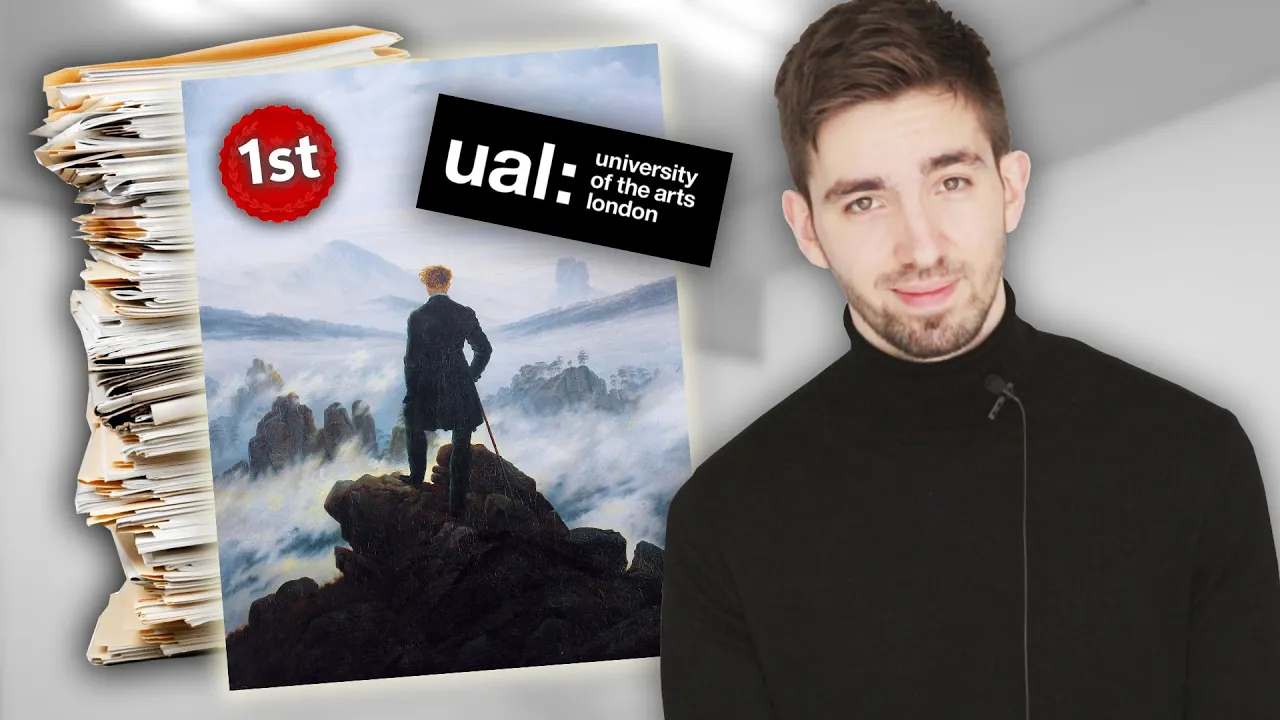
Friedrich depicted vastness in two of his most popular paintings which also happen to be my two favourites. The Monk by the Sea and The Wanderer Above a Sea of Fog. However, these two paintings depict vastness quite differently, yet very efficiently. The Monk by the Sea shows the vastness of both the unobstructed sea and, most predominantly, the sky. The Wanderer Above a Sea of Fog is different because it doesn’t show the vastness of neither the sea or the sky, but of land. The landscape, however, doesn’t have much detail in it and, as the title suggests, it looks more like a sea than a mountain range.
Vastness overwhelms through scale, like nature can do. But, while nature dwarfs you with trees or rock formations, vastness dwarfs your world. Vastness doesn’t only make you think of how small you are compared to the world, but how small your own world is compared to the actual world. Your house, your workplace, your grocery store, they embody your world and, seeing vast uncharted territories shows how much your world is tiny and insignificant. The best example of vastness is undeniably space and who hasn’t contemplated space and thought: “we live on a small speck of dust in the middle of the universe”?
And this brings us to our third and final point, humans. If there’s one thing that Friedrich can teach us about the sublime is that the sublime isn’t an objective characteristic of something, but the subjective experience of a viewer, of someone contemplating. If there’s nobody to contemplate a landscape or a scene, then it can’t be sublime because, for something to be sublime, you need someone to feel overwhelmed, to feel dwarfed, to feel somehow powerless.
Look at any of the paintings in this video and you’ll always see at least one figure contemplating. Why? Because the Sublime is an experience. And without somebody to experience it, the sublime can’t exist.
Now, why do we experience the sublime? I don’t think Friedrich can really give us an answer through his paintings. You can read different philosophers on the subject, but I believe what really matters isn’t why we experience the sublime, but why do we enjoy experiencing it? What can that tell us about ourselves?
Why do we love the feeling of being insignificant? Why do we love the feeling of deflating our egos? Why is it so important to us to leave our own busy little worlds and compare them to the larger one?
Let me know what you think, but I would argue that it’s because we feel deeply deeply uncomfortable with the world we currently live in. We need this readjustment in perspective to remind us that all the stress induced by our current social situation is perhaps not necessary. Maybe the sublime helps us break free from the alienation of the modern world.
Up Next
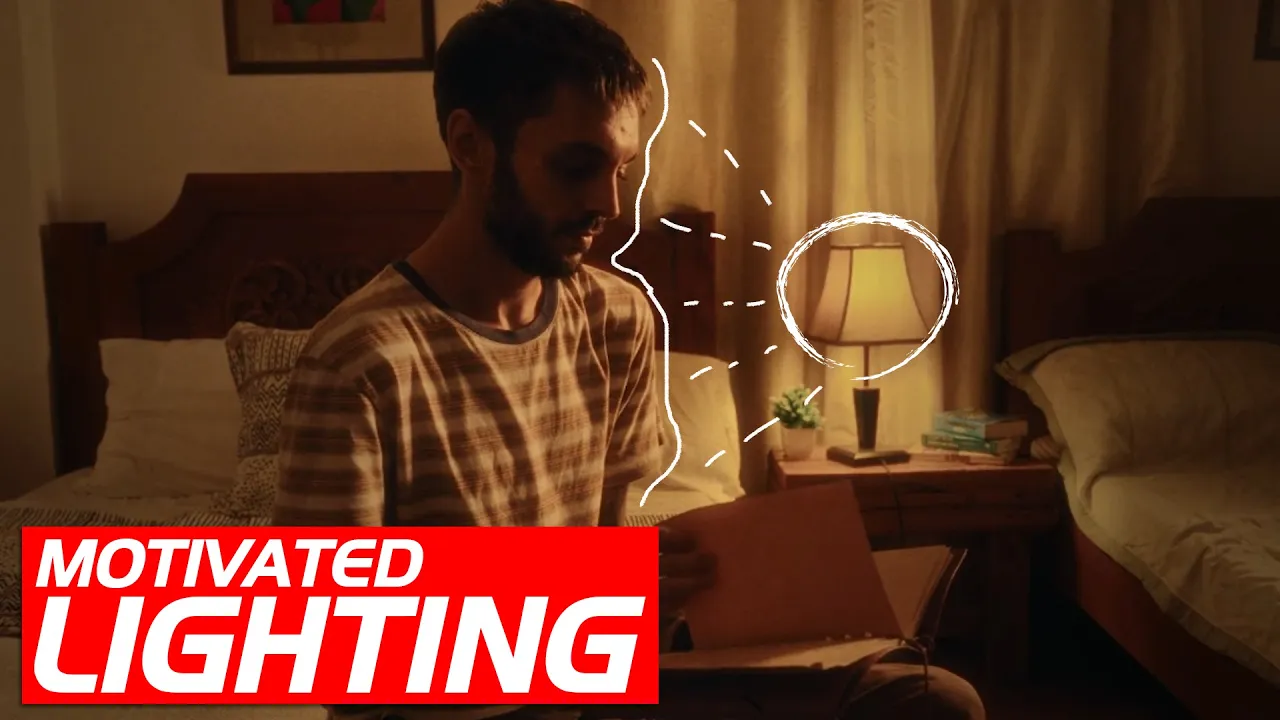
3:23
Motivated Lighting in Cinematography: A Practical Guide
@iFootageInternational
5.2K views•2023-12-19

12:54
Triumph of Orthodoxy Icon: Byzantine Art & History Explained
@BenCallan
2.1K views•2024-08-06

9:49
FastAPI vs Flask vs Django: Choosing the Right Python Web Framework
@TechWithTim
302.5K views•2024-05-26

1:42
Game of Thrones Opening Credits: A Cinematic Analysis
@gameofthrones
46.3M views•2011-04-18
Related Study Plans & Knowledge Roadmaps
Structured learning paths in General & Interdisciplinary Studies
general-studies
Elevator Engineering: History, Physics & Cities
01From Hoists to Safety Brakes: The Dawn of Vertical Lift
02Hydraulic vs. Traction: The Engineering Physics of Elevators
03Modern Speed, Safety, and Algorithms
+ 2 more learning modules
12h5 modules
Explore Roadmap
general-studies
Rubber: Material Science, History & Geopolitics
01Origins of Natural Rubber & Mesoamerican History
02The Chemistry of Natural Rubber & Vulcanization
03The Geopolitics of the Rubber Boom & Colonization
+ 2 more learning modules
12h5 modules
Explore Roadmap
general-studies
Containerization: Evolution, Logistics & Trade
01Ancient Trade & Bulk Cargo: Amphorae to Barrels
02The Industrial Revolution & Cardboard Packaging
03The Containerization Revolution: Malcom McLean
+ 2 more learning modules
12h5 modules
Explore Roadmap
general-studies
Textile Tech: Evolution, Labor & Global Impact
01Pre-Industrial Textiles: Handloom & Cottage Industry
02Mechanization: The Spinning Jenny to the Power Loom
03The Factory System & Global Labor Transformation
+ 2 more learning modules
10h5 modules
Explore Roadmap