















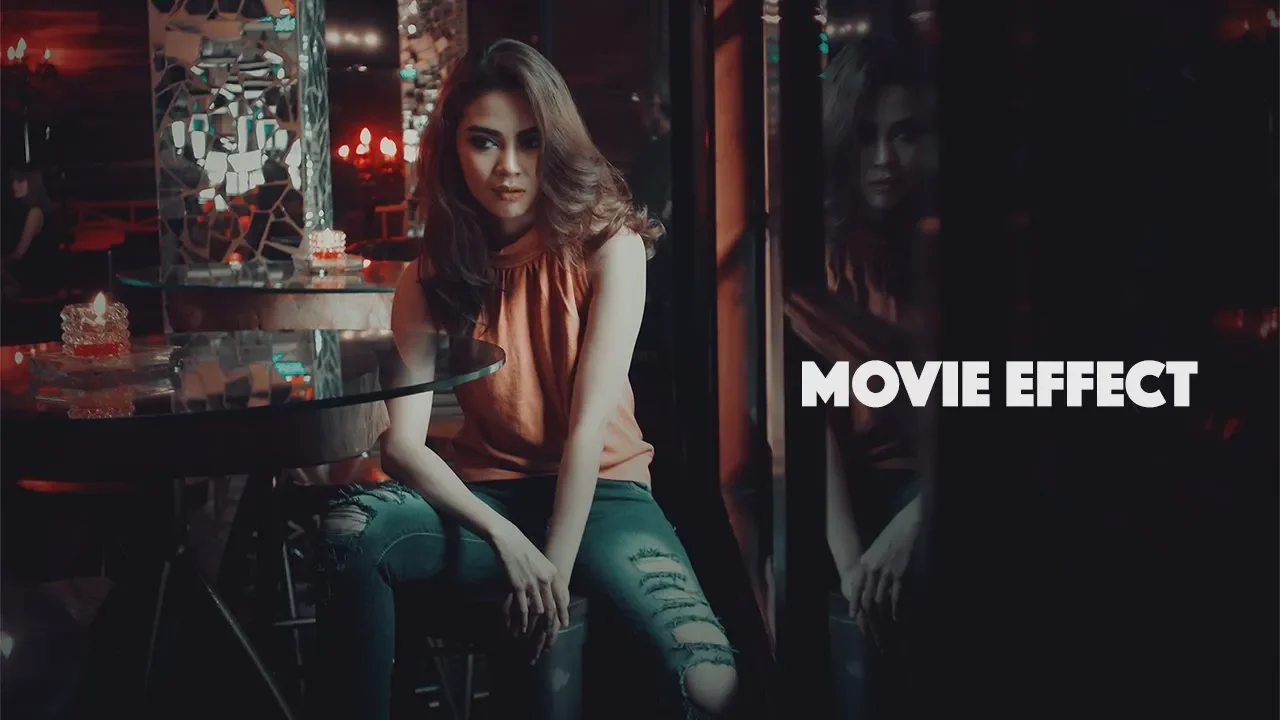
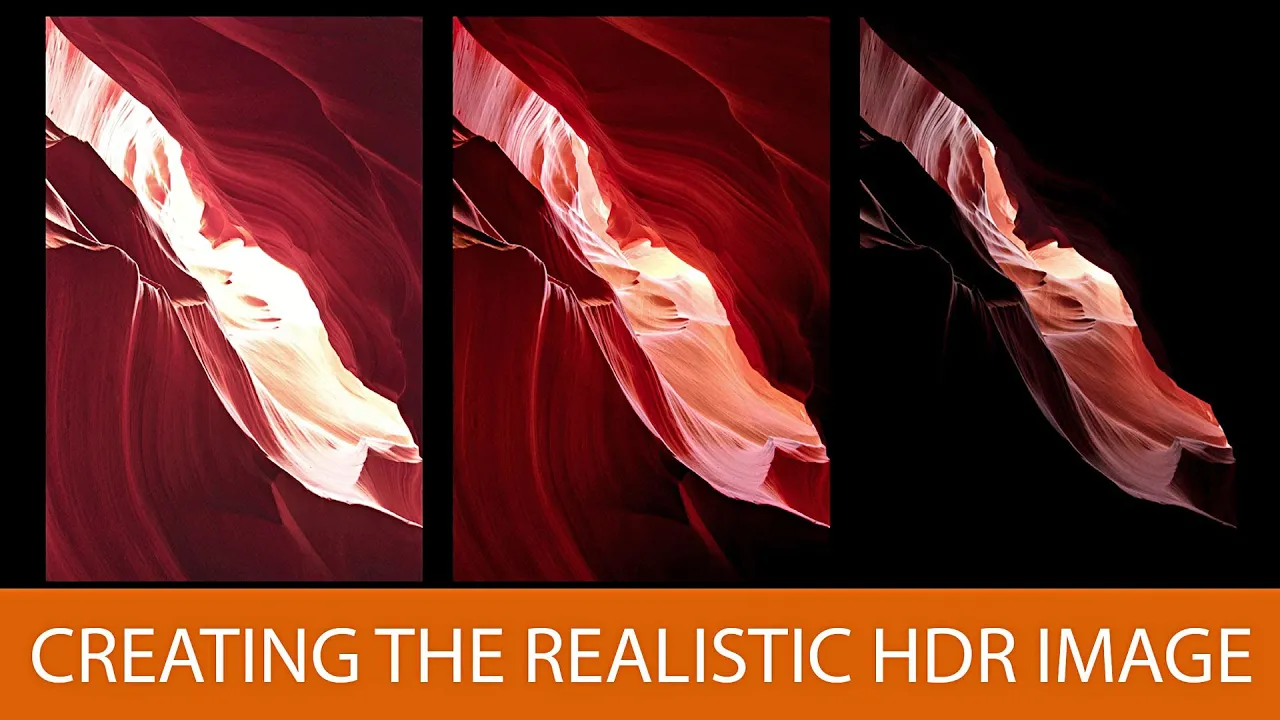
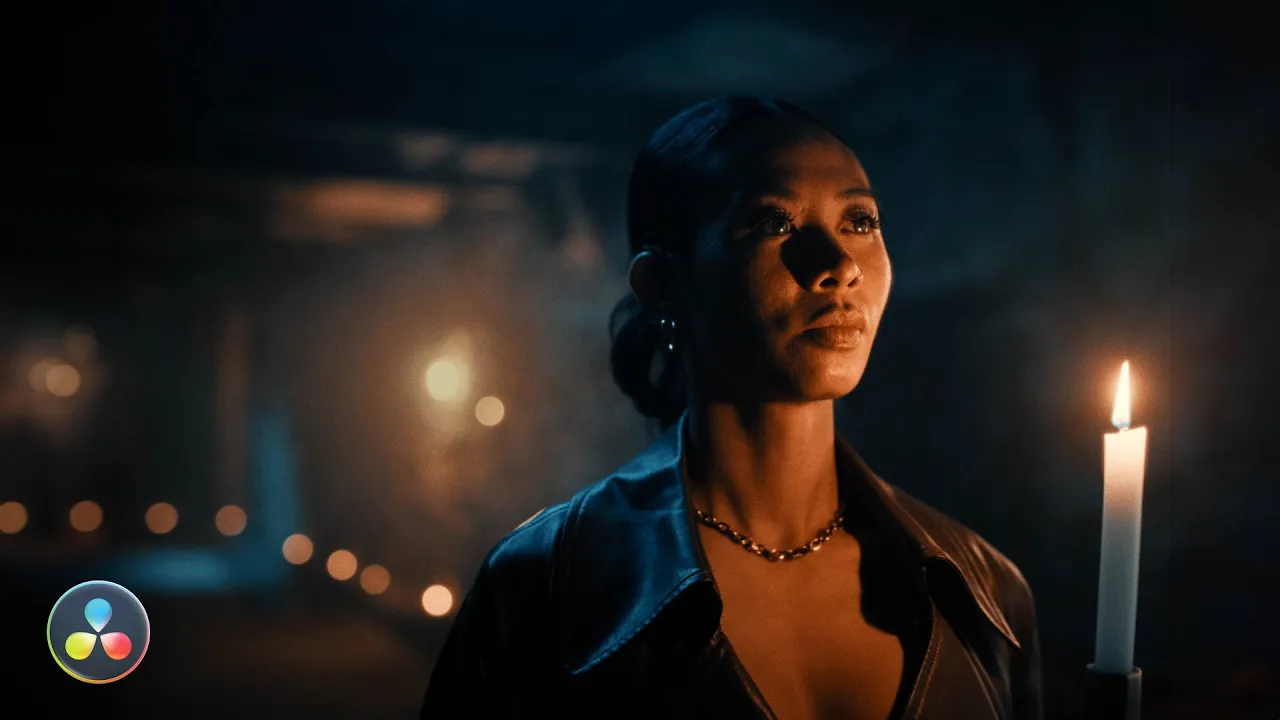



Motivated lighting is a cinematography technique where every light source in a scene serves a specific purpose and tells a story, rather than being placed arbitrarily; cinematographers achieve this by using real-world elements like windows, doors, or practical lights (such as lamps, candles, or street lights) as motivation for their lighting setup, ensuring that each light has a logical reason for its placement and creating natural, cinematic images.
Motivated Lighting in Cinematography: A Practical Guide
Added:Basic Three-Point Lighting Setup: Understanding the roles and placement of key, fill, and back lights in a standard scene.
Properties of Light: Familiarity with light quality (hard vs. soft), color temperature (measured in Kelvin), and directionality.
Distinction Between Practical and Production Lights: Knowing the difference between on-screen light sources (like lamps or candles) and off-screen film fixtures.
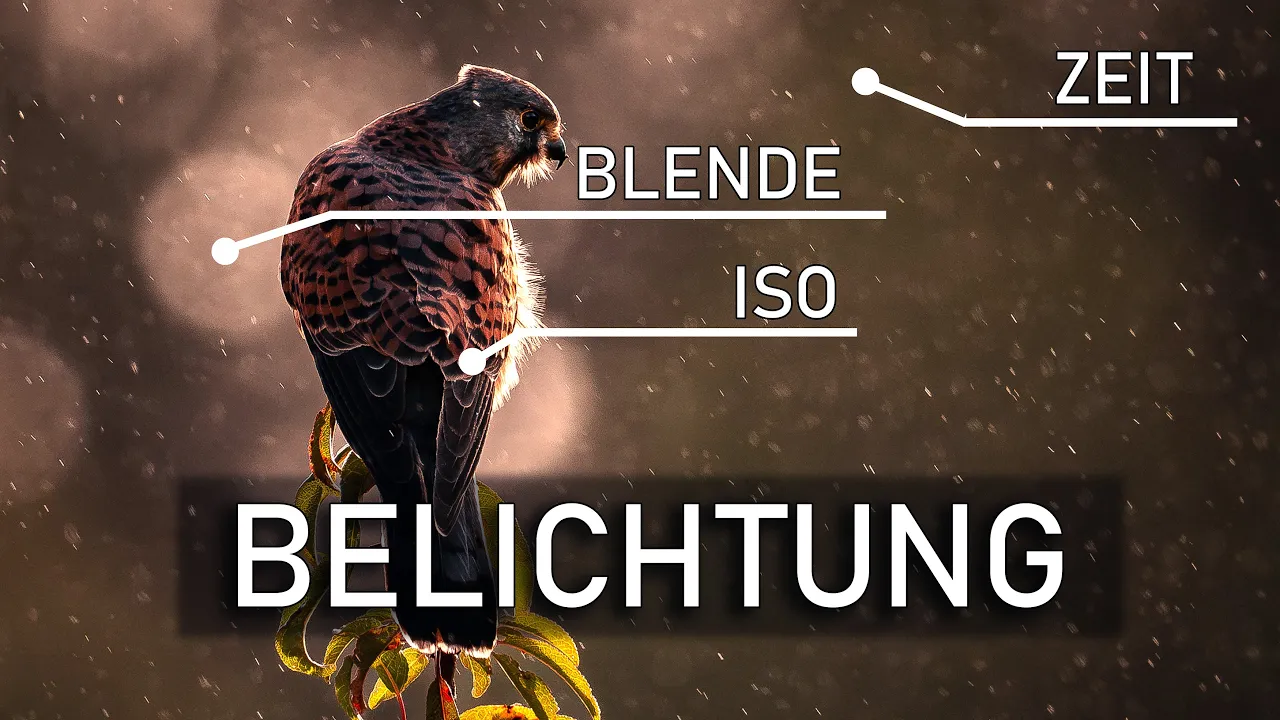
Camera Exposure Fundamentals: Understanding how aperture, ISO, and shutter speed interact to capture light on a camera sensor.
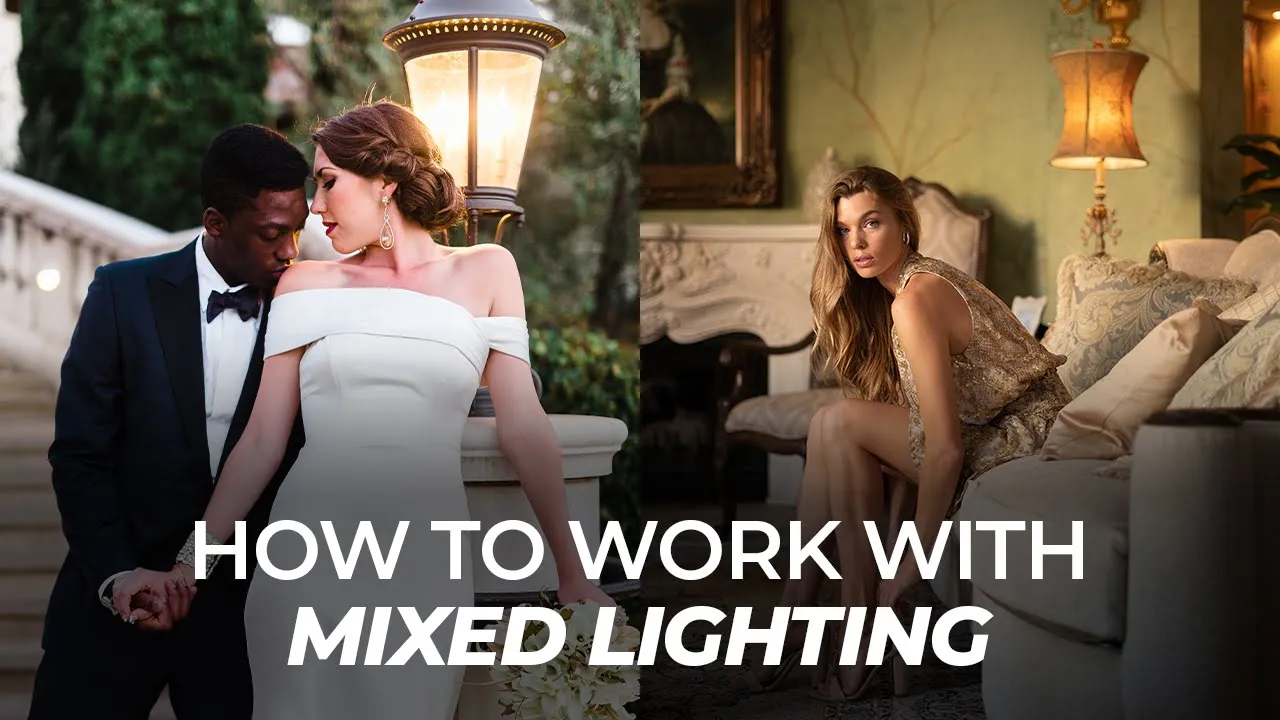
Advanced Mixed-Lighting Scenes: Mastering how to balance and color-match daylight, tungsten, and ambient practical light sources simultaneously.
Narrative and Psychological Lighting Design: Using motivated lighting techniques to convey subtext, character emotion, and thematic tone.
Cinematic Color Grading: Post-production workflows to seamlessly blend and enhance the contrast and colors established by motivated lighting on set.
High Dynamic Range (HDR) Exposure Management: Techniques for shooting scenes with bright on-screen practical lights without clipping highlight details.
5.2K views103likes3:23Original Release: 2023-12-19
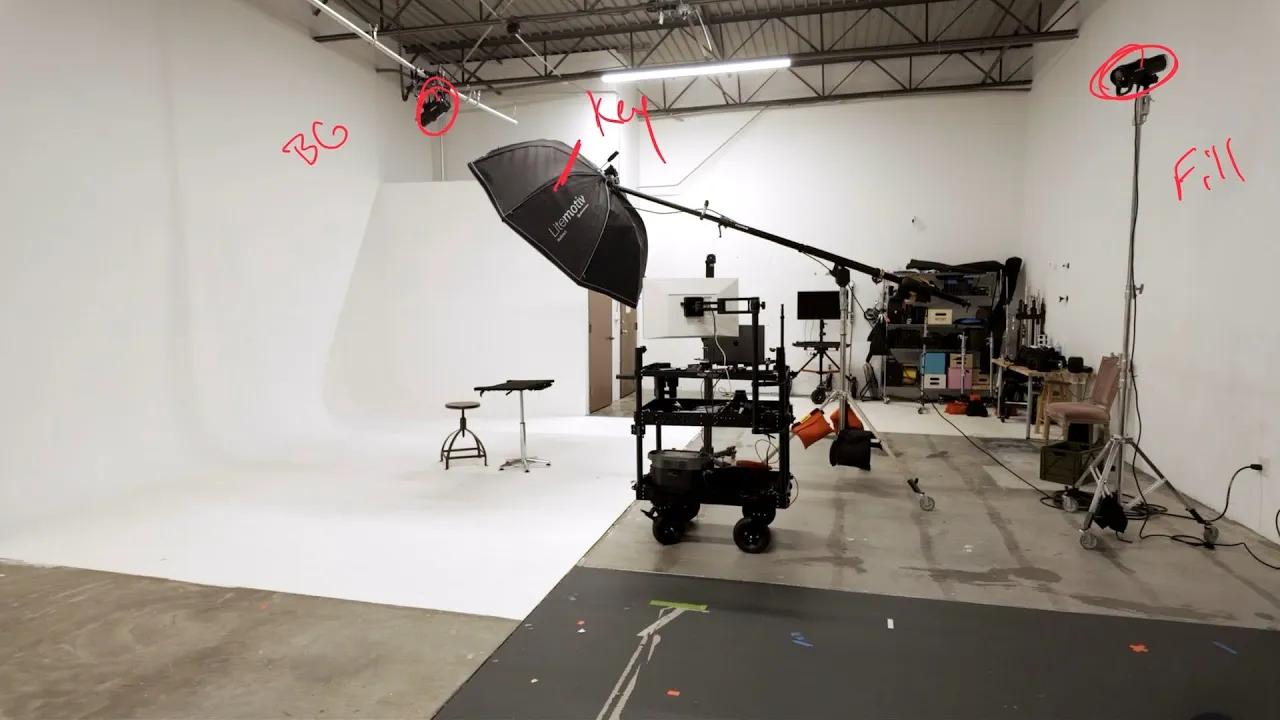
painters Express their art through paint while singers Express with their voice well us cinematographers we express it through [Music] light so let's talk about lighting how can we nail the lighting and keep it looking cinematic all the time well there's these techniques that I've been using throughout all of my projects and that's called motivated lighting if you look at Hollywood movies there's a certain look to it compared to the highkey look of commercials and some music videos in movies every light serves a purpose I guess you could say it tells a story in this shot of Harrison Ford from the movie Blade Runner 2049 you can see that as Harrison Ford steps forward you will notice that there is a light source on frame right now cinematographer Roger Dinkins didn't put the light source on the right just because he felt like it when we actually continue playing the scene we can see a window on the right and that window acts as a source of light hitting Harrison Ford and that is what motivated lighting is all about we take a look at the real world around us and we figure out how can we use this as an inspiration when lighting our scene we are supplementing what is already in the set and shape it to tell the story through light so let me give you some examples let's say you have a scene where the actor is sitting at a table and you notice there's a glass door on the left these doors naturally let light into the room but it is not quite bright enough to expose the face of the subject that is why we can use the door as a motivation for our key light and as well as our background light so let's set up two I footage 320 DN outside the door and expose our scene one for the background and of course one for the subject but if you look to the right there's actually another window that we can use as a motivation for our Edge light so let's set up the 220d and point it at the back of the subject and there you have it every light in this scene has a purpose creating a natural and cinematic image let's do another example what if it's already nighttime or your room doesn't have any Windows to act as a motivation for your light well this is where practical lighting comes in Practical lights are any lights that can be seen in the frame it can be a candle a street light a fluorescent light or even devices like your phone cinematographers use practical light in their scenes to create motivation if there aren't any so in this scene I will use this lamp as a practical light now that this scene has motivation I can now set up my 130 BN to act as an edge light and because this light is by color I can turn the temperature of the 130 BN down to match the temperature of the lamp because of the Practical light the warm Edge light does not feel off or unnatural because there is a reason why it is there so in your next project remember to light with purpose always scan the room and look for whatever motivation you can use to your advantage as always guys I had a great time creating this video with you today please don't forget to like comment and subscribe down below let us know what you would like to see next that's it for me [Music] bye
Up Next
12:05
Essential Lighting Concepts for Cinematographers
@InDepthCine
418.2K views•2020-11-08

12:54
Triumph of Orthodoxy Icon: Byzantine Art & History Explained
@BenCallan
2.1K views•2024-08-06

9:49
FastAPI vs Flask vs Django: Choosing the Right Python Web Framework
@TechWithTim
302.5K views•2024-05-26

1:42
Game of Thrones Opening Credits: A Cinematic Analysis
@gameofthrones
46.3M views•2011-04-18
Related Study Plans & Knowledge Roadmaps
Structured learning paths in General & Interdisciplinary Studies
general-studies
Elevator Engineering: History, Physics & Cities
01From Hoists to Safety Brakes: The Dawn of Vertical Lift
02Hydraulic vs. Traction: The Engineering Physics of Elevators
03Modern Speed, Safety, and Algorithms
+ 2 more learning modules
12h5 modules
Explore Roadmap
general-studies
Rubber: Material Science, History & Geopolitics
01Origins of Natural Rubber & Mesoamerican History
02The Chemistry of Natural Rubber & Vulcanization
03The Geopolitics of the Rubber Boom & Colonization
+ 2 more learning modules
12h5 modules
Explore Roadmap
general-studies
Containerization: Evolution, Logistics & Trade
01Ancient Trade & Bulk Cargo: Amphorae to Barrels
02The Industrial Revolution & Cardboard Packaging
03The Containerization Revolution: Malcom McLean
+ 2 more learning modules
12h5 modules
Explore Roadmap
general-studies
Textile Tech: Evolution, Labor & Global Impact
01Pre-Industrial Textiles: Handloom & Cottage Industry
02Mechanization: The Spinning Jenny to the Power Loom
03The Factory System & Global Labor Transformation
+ 2 more learning modules
10h5 modules
Explore Roadmap