








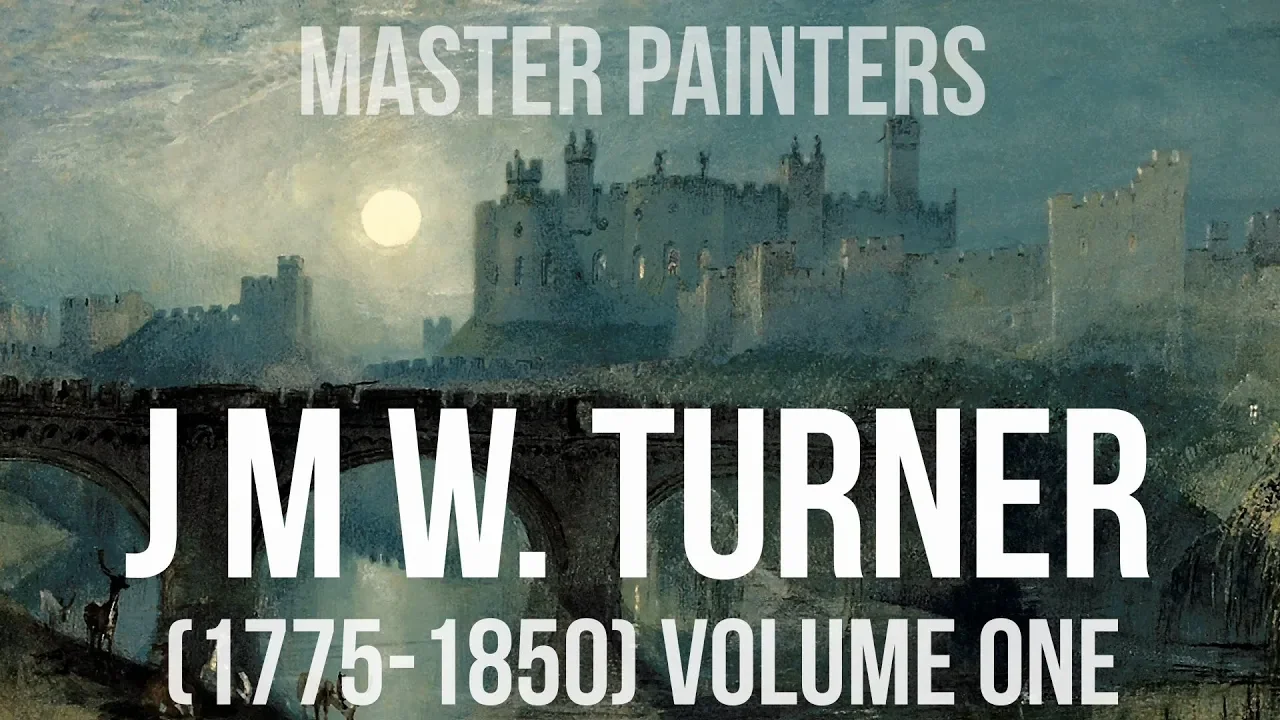



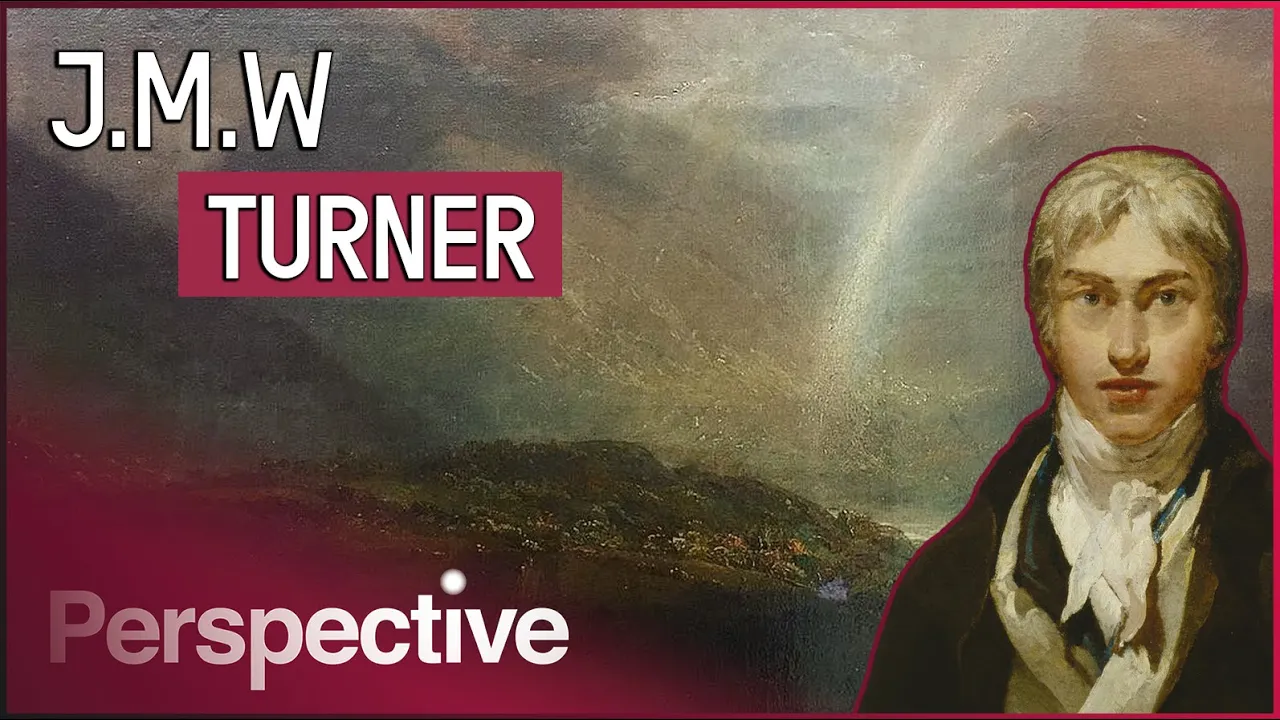



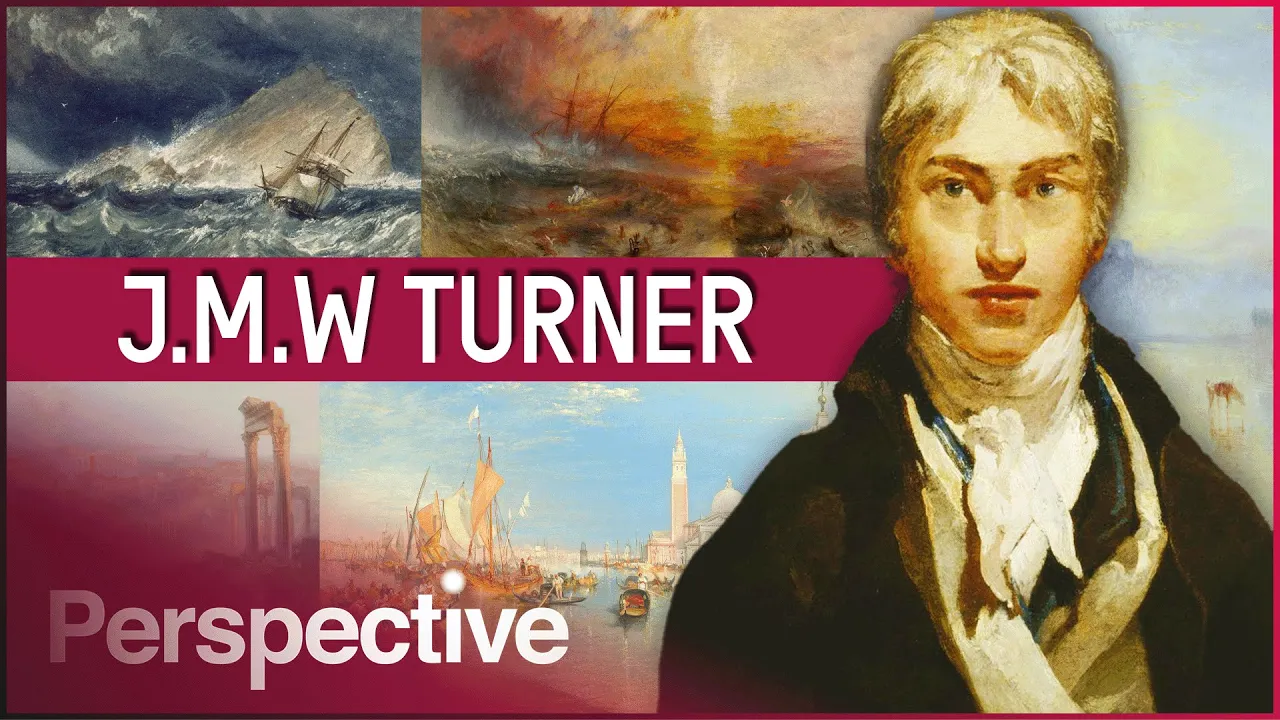

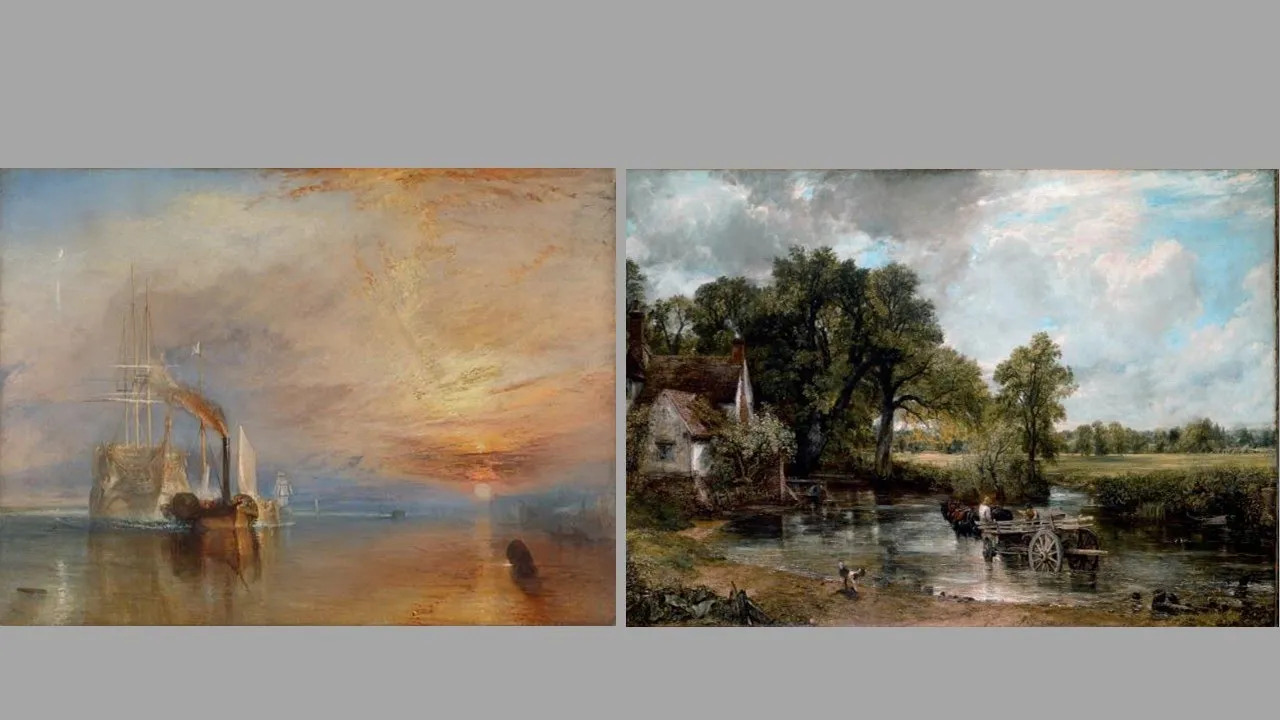
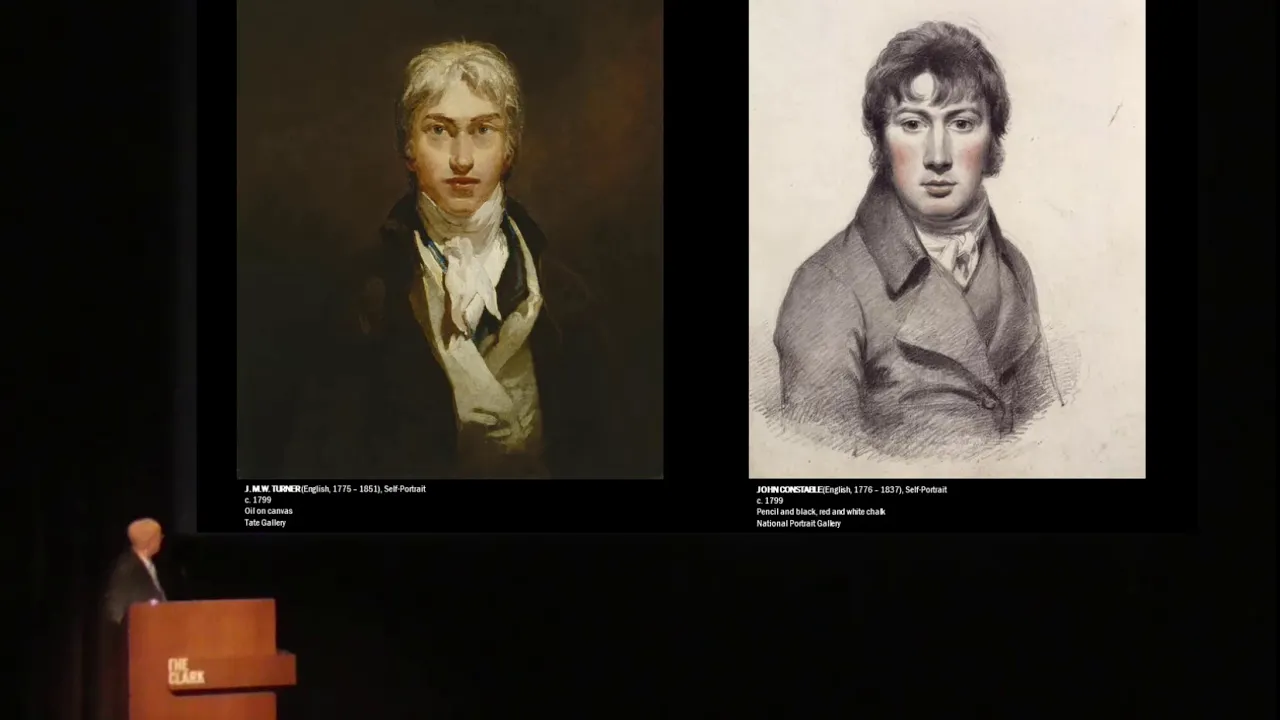
J.M.W. Turner (1775-1851) revolutionized British art by elevating landscape painting from a disdained genre to one of equal complexity and expressive power as history painting, through his innovative use of light, atmospheric effects, and emotional color manipulation that pushed painting toward abstraction; despite being considered awkward and difficult by contemporaries, his relentless hard work and visionary approach transformed him into one of Britain's wealthiest and most celebrated artists, leaving behind a legacy of masterpieces that bridged the gap between traditional representation and modern abstraction.
Turner: Master of British Landscape Art | Documentary Analysis
Added:Understanding of the Romanticism movement in art, particularly its emphasis on emotion, nature, and individual experience.
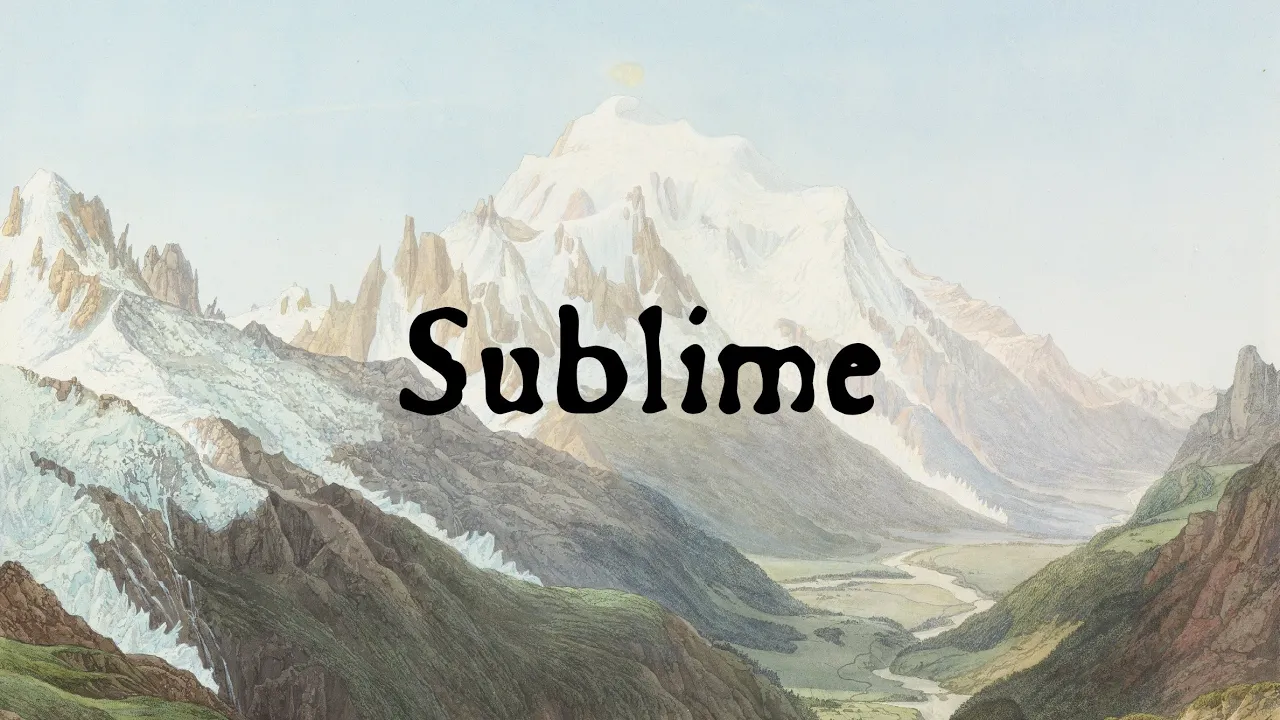
Familiarity with the aesthetic theories of 'the Sublime' versus 'the Picturesque' as formulated in the 18th century.
Basic knowledge of 19th-century British history, including the Industrial Revolution and the significance of maritime power.
Awareness of traditional academic landscape painting conventions that Turner sought to challenge and redefine.
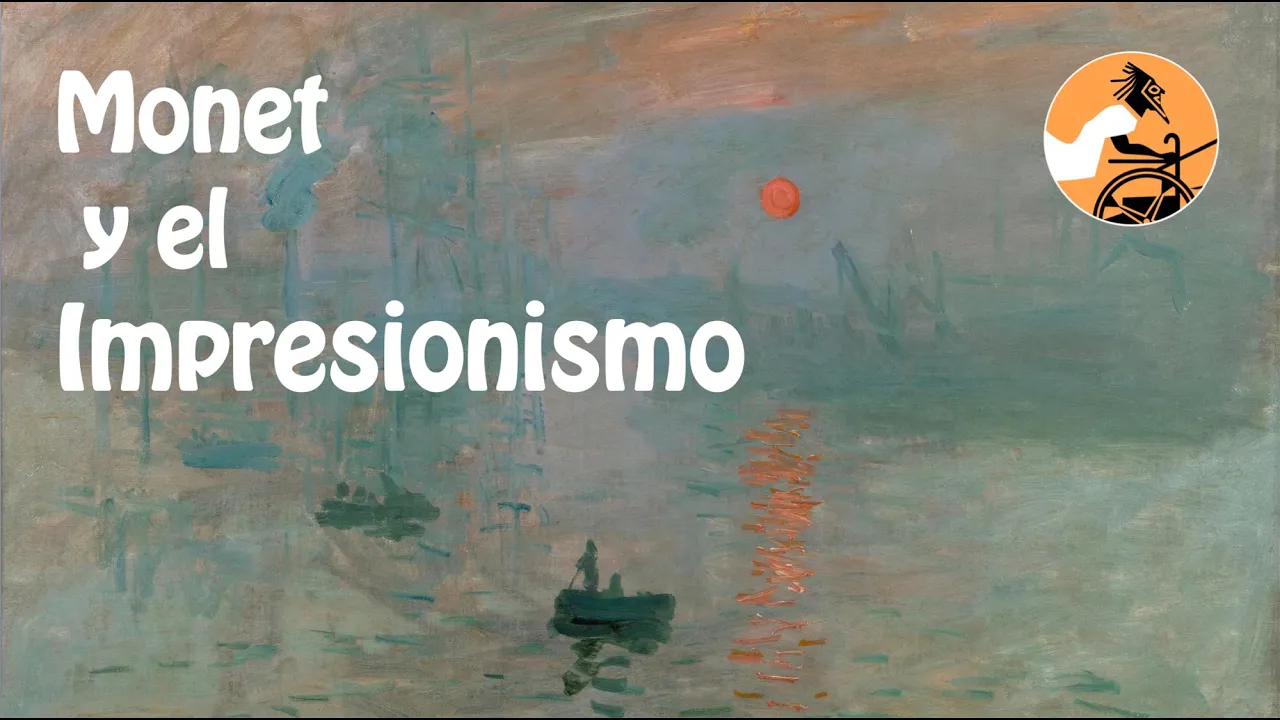
Exploring French Impressionism and analyzing Turner's direct influence on artists like Claude Monet and Camille Pissarro.
Investigating the lineage of abstract art, tracing how Turner's late, semi-abstract style paved the way for 20th-century Abstract Expressionism.
An in-depth study of Turner's experimental technical methods, including his innovative use of watercolor, impasto, and unstable pigments.
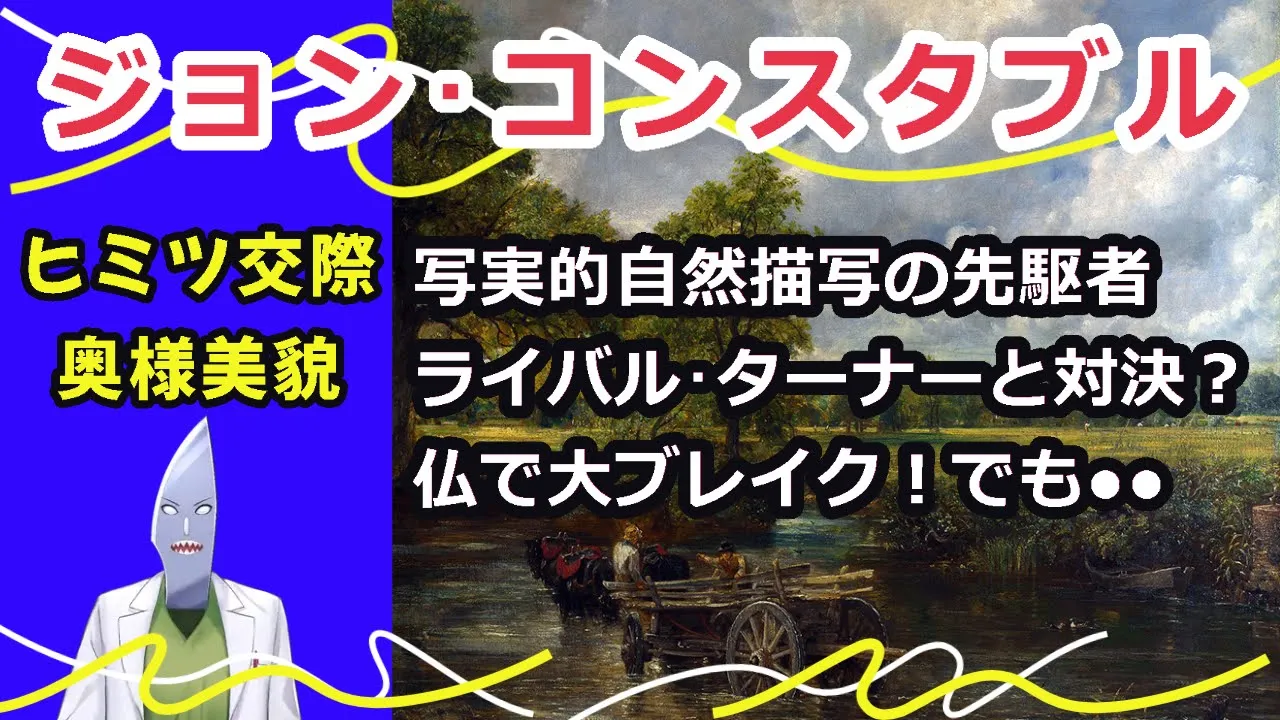
Analyses of key rivalries in 19th-century British art, specifically the contrasting styles and philosophies of J.M.W. Turner and John Constable.
339.2K views3Klikes14:05Original Release: 2014-05-30
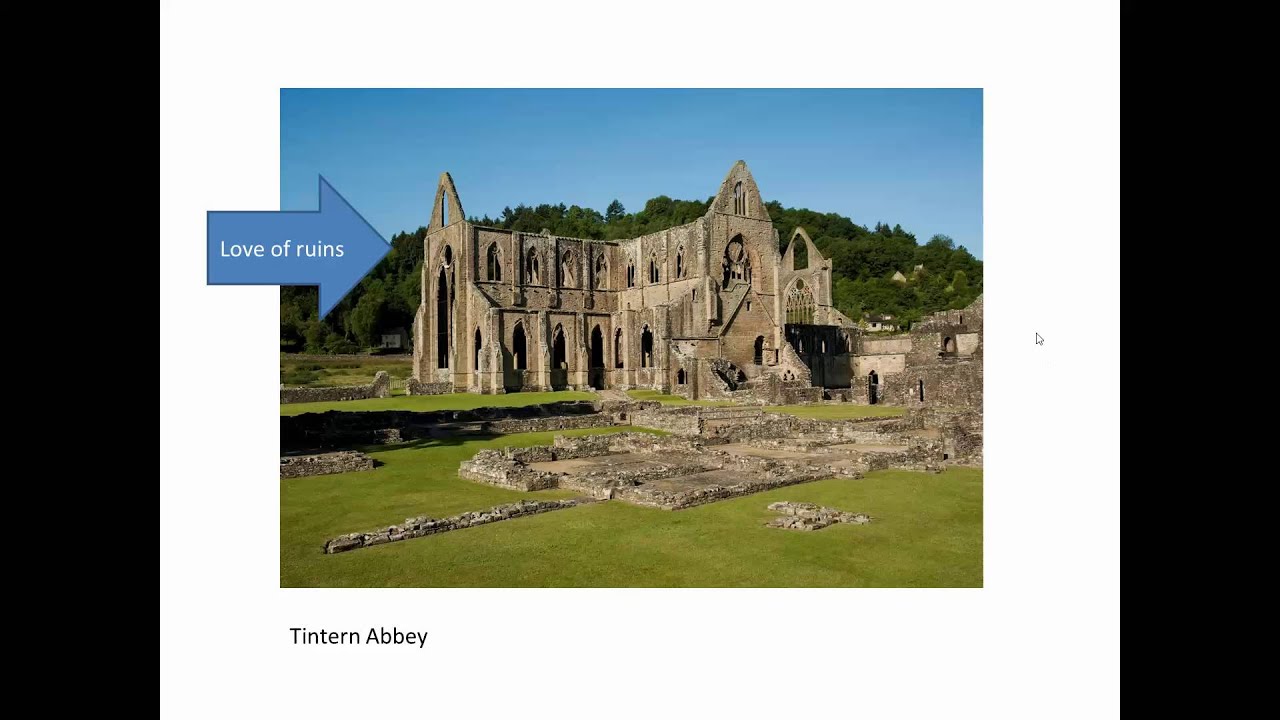
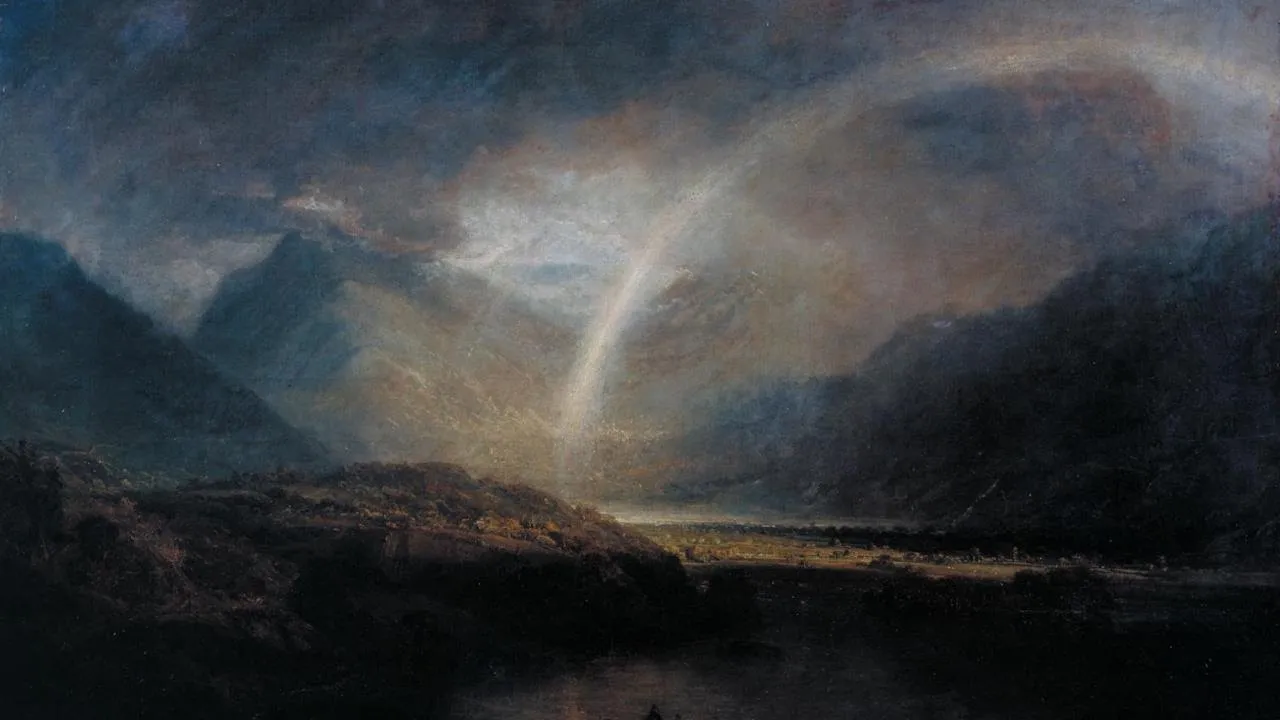
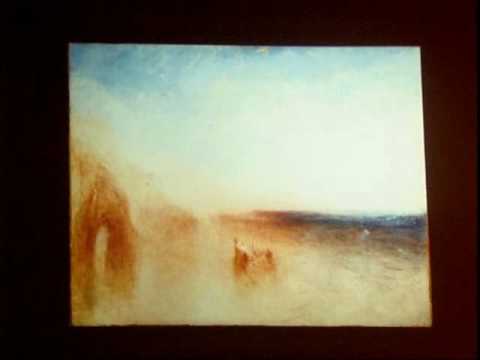
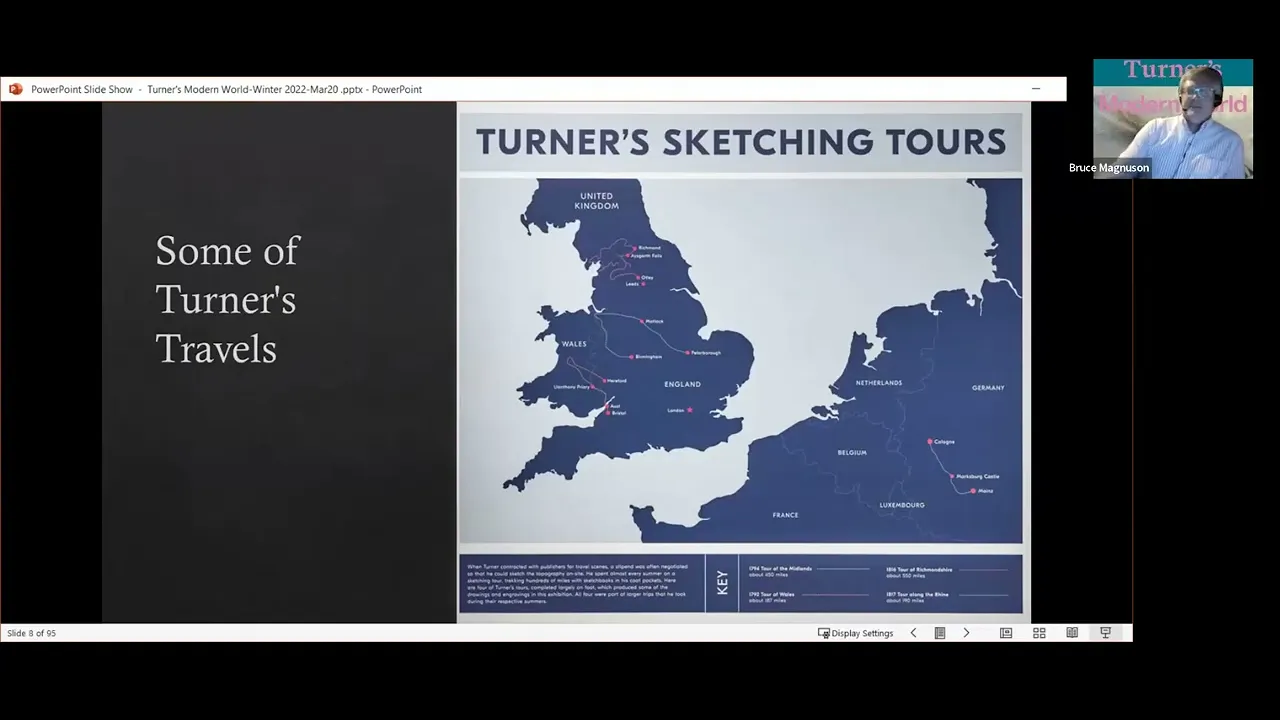
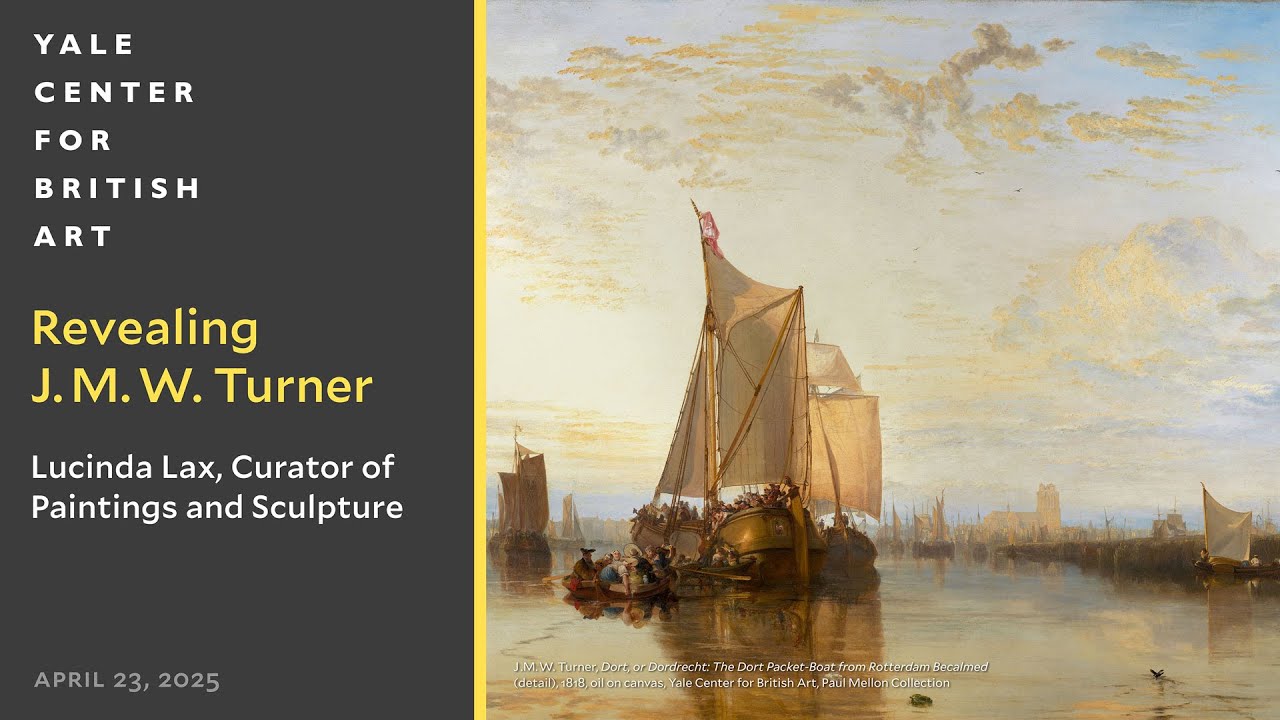
[Music] Joseph malard William Turner born in 1775 was an unlikely candidate to become Britain's greatest painter he was awkward short-tempered and often difficult to deal with he never lost his strong workingclass accent people attending his lectures had little idea what he was saying Turner traveled throughout Britain and Europe often on foot and carrying a paint box he sketched and painted lyrically beautiful landscapes that changed the face of British art when he died in 1851 he was one of the wealthiest and most famous artists in Britain's history throughout his career he was always well aware of the key to his success the only secret I've got is damned hard work Turner's life and career began in London by 1788 at the age of 14 jmw Turner was apprenticed to an architect as a draftsman architectural views appeared in his Works throughout his life the next year Turner entered the Royal Academy of Arts school at Somerset house its president the painter Joshua Reynolds endorsed the prevailing view that ranked paintings in a clearly defined hierarchy history paintings was considered the noblest because it could portray events drawn from historical incidents literature the Bible and mythology genre painting scenes from daily life came next because they also offered examples of virtue to inspire the viewer then came the more lowly categories of portraiture landscape and still life which were disdained as mere transcriptions of the natural world throughout his career Turner struggled to elevate landscape painting and demonstrate that it could equal history painting in complexity and expressive power in 1791 Turner began a routine he continued for 40 years after the Royal Academy's annual exhibitions held in the early summer he traveled in search of subjects the Y Valley was a favorite destination tinon aby's romantic associations were impeccable a remnant of England's medieval Splendor its nearby woods and hillsides celebrated in poetry by William wedsworth once again do I behold these Steep and lofty Cliffs that on a wild secluded scene impress thoughts of more deep seclusion and connect the landscape with the Quiet of the sky Turner adopted the picturesque approach but focused on the Abbey itself his precocious virtuosity as a watercolorist was beginning to emerge by the mid 1790s Turner had taken up oil painting he learned by looking at 17th century Dutch Marine paintings and especially the idealized Landscapes by two French artists who worked in Italy Nicholas pan and Claude Lorraine Turner followed claude's example by en nobling Landscapes with historical or mythological figures he made frequent visits to Wales as he moved further into the mountains he found subjects that were Central to one of the most powerful elements of late 18th century aesthetic thought the sublime the idea of the sublime embodied by the overpowering Majesty of Nature's Grandeur was an idea popularized by the philosopher Edmund Burke for Burke contemplating that Grandeur either directly or in paintings overwhelmed viewers with feelings of fear awe and exultation it also had a moral element emphasizing man's insignificance and humility in the face of the terrifying forces of nature Turner's interest in the sublime led him to travel to Switzerland in search of wild Landscapes that were thrilling vast and remote he turned Edmund Burke's Vision in any direction he [Music] chose he imbued biblical subjects like the fifth plague of Egypt with the awesome power of Nature's destructive forces the swirling Mists of the Alpine blizzard that the carthaginian general Hannibal and his army encountered while crossing into Italy merged the sublime with the vaunted genre of History [Music] painting Turner lived through one of the most patriotic periods in British history the French Revolution descended into violence Louis the 16th execution in 1793 shocked and appalled the British the Imperial Ambitions of Napoleon that followed the failure to establish a republic kept Britain at war with France and its allies for 22 years Napoleon led the French armies across Europe in Victory after Victory heightening the British fear of invasion that fear lessened in 1805 when the British Navy under Admiral Horatio Nelson destroyed the combined French and Spanish Fleet at trafala off the coast of Spain that Triumph was marred by Nelson's death from a snipers bullet Turner painted a highly original Recreation of the decisive moment that claimed Lord Nelson's life setting it amid the crushing congestion of towering masts torn sails and the fog of cannon fire at precariously Close Quarters the Napoleonic War ended in 1815 at Water the Duke of Wellington had called the battle a damned close- run thing the fragility of civilization intrigued Turner throughout his career the decline of the carthaginian Empire depicts the crushing penalty Rome inflicted on the carthaginians the architecture is elegant but the messy do side suggests the end of a defeated Imperial power the women of Carthage are bidding farewell to their men as they sail towards Rome human Spoils of War Bound for slavery or death with Europe at peace Turner was free to travel abroad sketching what he saw in notebooks and taking them back to London to use as a basis for his paintings in 1819 he finally reached Italy the goal of artists throughout Europe eager to learn from its history and Beauty it was Turner's long-held dream to visit the country he knew from claude's paintings he depicted an idealized Italian landscape and called it child Harold's pilgrimage after Lord Byron's poem in an attempt to lift the painting to the intellectual stature enjoyed by the Romantic Poets Turner included a fragment of Byron's verse in the exhibition catalog and now Fair Italy Thou Art The Garden of the world even in thy desert what is like to thee thy very weeds are beautiful thy waste more Rich than other climbs fertility thy wreck a glory and thy ruin graced with an Immaculate charm which cannot be defaced at Petworth house in Sussex Lord agront a curious mixture of rake and intellectual opened his collection of sculpture and paintings to visiting artists who could come and go as they pleased he provided t Turner with a studio Lord egrant commissioned several paintings from Turner including Petworth Lake a study for a larger painting it reveals how Turner's use of oils gained from the experimental work he was undertaking in water colors during the 1820s Turner planned images by laying down broad areas of primary color to denote forms he sought to represent [Music] the burning of the houses of Parliament in 1834 gave Turner one of his great subjects the destruction of a national symbol of unity and the horrors and agonies that accompanied it was the stuff of tabloids Turner made it the stuff of drama sequences of watercolors show he viewed the catastrophe from a variety of locations liquid splotches of red gray and blue fight dramatically with each other this contest between hot and cold colors would explode violently in the oil paintings he [Music] exhibited his 1835 version is viewed from the South Bank of the temps amid an immense crowd of Spectators who have gathered to watch their seat of government consumed by a wall of flames [Music] throughout the 1830s and into the 1840s Turner produced works with expressive brush work and an indistinctness that baffled critics tner continued to travel compulsively until the late 1840s when his health no longer allowed it a series of watercolors came out of a trip to Switzerland in 1841 that represent his Supreme achievement in the medium that launched his career they're marked by explosions of color and a poetic haziness that obscures topographical detail the abstract beauty of Turner's late canvases that dissolve into light are especially apparent in some of his unfinished paintings like norum Castle Sunrise returning to a subject he had painted years earlier he Advanced his composition to a point at which the subject is barely apparent its unfinished State shows how he could stretch the poetic possibilities of color and technique to the threshold of abstraction Turner died at his home in Chelsea in December of 1851 he lay in state in his Central London gallery and was buried at his request beside the grave of Joshua Reynolds in St Paul's Cathedral he left a fortune equivalent to $8 million to friends relatives and Charities leaving many of his paintings to the nation [Music] [Music] h [Music] [Music] h [Music] [Music]
Up Next
4:24
Willem de Kooning's Woman I: Abstract Expressionism Explained
@smarthistory-art-history
108.9K views•2016-10-07

114:18
Christian Iconography: History, Theology, and Meaning | Fr. Panayiotis Papageorgiou
@Trisagionfilms
58.8K views•2020-02-21
7:48
Ukiyo-e Art: History, Woodblock Printing & Influence
@japanathand
6.3K views•2023-06-08

16:34
Earliest Depictions of Jesus in Art: 10 Ancient Images Explained
@UsefulCharts
5.9M views•2022-06-03
Related Study Plans & Knowledge Roadmaps
Structured learning paths in Art History
art-history
Gothic Cathedrals: Engineering, Light & Society
01The Birth of the Gothic: Romanesque to Suger's Vision
02The Structural Triad: Pointed Arches, Ribbed Vaults, and Flying Buttresses
03Theology of Light: Lux Nova and Sacred Geometry
+ 2 more learning modules
14h5 modules
Explore Roadmap
art-history
Pre-Raphaelites: Realism, Symbolism & Critique
01The Victorian Art Establishment and Academic Formula
02The Founding of the PRB and Radical Realism
03Medieval Revivalism and Literary Symbolism
+ 1 more learning modules
8h4 modules
Explore Roadmap
art-history
Street Art: From Subways to Art Market
01Subcultural Origins in Philadelphia and New York (1970s)
02The Subway Era and Style Wars (Late 1970s - 1980s)
03The East Village Scene and Early Gallery Crossover
+ 2 more learning modules
10h5 modules
Explore Roadmap
art-history
Classic Maya Art: Iconography, Glyphs & Ritual
01Foundations of Classic Maya Visual Culture
02Deciphering Maya Hieroglyphs & Text-Image Integration
03Sacred Geography and Cosmological Architecture
+ 2 more learning modules
14h5 modules
Explore Roadmap