






















![ÍCONE - Imagens Sagradas [documentário] - Parte 1](https://i.ytimg.com/vi/hAL42wocNw0/maxresdefault.jpg)






The earliest known depiction of Jesus dates to around 235 CE, found in the ancient city of Dura Europas in Syria, showing Jesus healing a paralyzed man with a typical Roman appearance (short hair, no beard, simple tunic and mantle); earlier depictions from the 3rd century show Jesus as a young shepherd with curly hair and no beard, wearing Roman-style clothing, while later 5th-6th century icons show more varied features including beards, demonstrating how Jesus's appearance evolved significantly in Christian art over time.
Earliest Depictions of Jesus in Art: 10 Ancient Images Explained
Added:The historical context of early Christianity, particularly its status as a persecuted, underground sect in the Roman Empire prior to the Edict of Milan in 313 AD.
The concept of artistic syncretism, specifically how early Christian artists adapted existing Roman, Greek, and Egyptian pagan visual motifs to convey Christian theology.
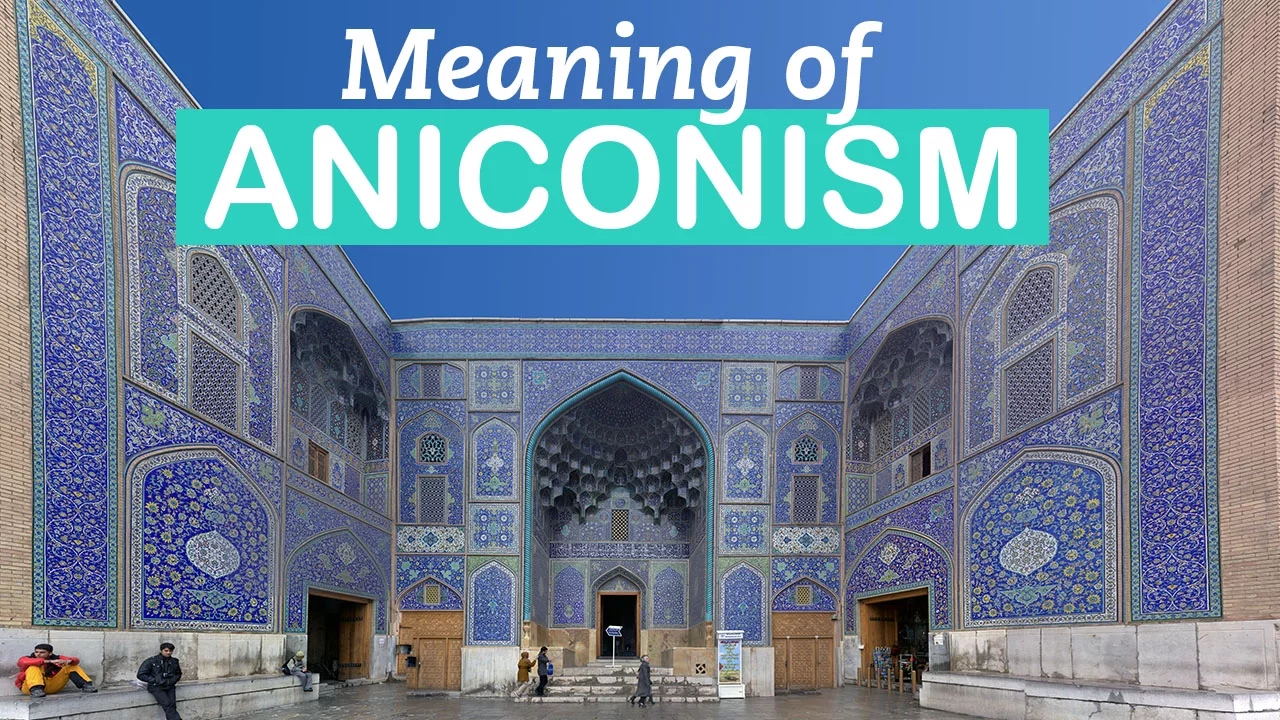
The religious debate regarding aniconism—the avoidance of material representations of the natural and supernatural world—inherited from Jewish tradition.
The basic structure and purpose of Roman catacombs and early house churches (such as Dura-Europos) as safe spaces for worship and burial.
The Byzantine Iconoclastic Controversy of the 8th and 9th centuries, exploring the intense theological battles over the veneration of religious images.
The evolution of Christological doctrine (from the Council of Nicaea to Chalcedon) and how these theological definitions of Christ's dual nature (divine and human) influenced artistic representation.
A comparative analysis of Eastern Orthodox iconographic standards (the preservation of sacred prototypes) versus Western Medieval and Renaissance artistic humanism.
The archaeological preservation and scientific dating methods used to protect and analyze fragile subterranean frescoes and early Christian mosaics.
5.9M views115.6Klikes16:34Original Release: 2022-06-03
hi this is matt baker today we're going to look at some of the earliest depictions of jesus over the last 2000 years jesus has been depicted in many different ways but as i'm sure you know nowadays he's usually depicted as a gentle looking european with long hair and a beard like in this famous 1940 painting of jesus by warner solomon of course jesus wasn't european though he was from the middle east so in recent years there have been attempts by several different artists to show what jesus really looked like such as this anthropological reconstruction by richard neve or this a photo realistic image by boss uderwick well another way to figure out what jesus might have looked like would be to go back as far as we can to see how he was depicted in art in the first few centuries following his death so that's what we're going to do in this video i'm going to be showing you 10 of the earliest images we have of jesus and i'll be doing it in the form of a countdown [Music] okay let's now look at some of the earliest depictions of jesus in art i'm going to start with an image that can be found here this is the saint catherine's monastery located in egypt near the mountain that is traditionally considered to be mount sinai this is also the monastery where the codex sinaiticus was found which i discussed in my video about the oldest bible manuscripts however i mention it now because it also houses this image considered to be one of the oldest byzantine icons still in existence dating to around 550 ce now if you know anything about the history of the byzantine empire aka the eastern roman empire you'll know that icons were a source of great controversy basically an icon is a religious image used for worship in the early medieval period there were some byzantine christians who felt that icons should be used and others who felt that they should not be used well during most of the 700s into the early 800s those who felt that they should not be used held sway and therefore during those years many of the oldest images of jesus were destroyed however this particular one survived because it was located in egypt which by that time was controlled by muslims now let me point out two things about this particular depiction of jesus first it is in a style known as the christ pantokrater which to this day is quite frequently used in eastern orthodox churches some of its main features include a halo with a cross in it a new testament in jesus's left hand and his right hand making a very specific gesture that represents the letters i c x c which stands for jesus christ secondly this particular christ pantocrator is unique in that there's something special going on with jesus's face at first glance the eyes look a bit weird and you might have assumed that the artist was simply not that good but the reason why the face looks a bit strange is that the artist actually painted two different faces this becomes clear if you mirror each side the reason for this probably has to do with the artist's attempt to symbolize jesus's supposed dual nature okay the next image we're going to look at is located in the israeli town of shivta which is actually not too far from the saint catherine's monastery it too comes from a byzantine site and dates to around 5 50. but as we're about to see it is quite a bit different for one thing the image is no longer in very good shape the church it is located in now lies in ruins and although the site was investigated in the 1930s it was only in 2018 that this image was noticed here's what it looks like if you can't see much i don't blame you let me zoom out a bit and add some lines so two things stand out right away one is that this jesus does not have a beard and two he appears to have short curly hair instead of long straight hair so although this image was created around the same time as the previous one it represents a very different way of depicting jesus one that we will see more of the further back in time we go a good example is the next image i want to show you which is over 100 years older and comes from the mausoleum of gala placa dia in ravina italy gala placidia was the daughter of emperor theodosius the first who was the emperor that made christianity the official religion of the roman empire this isn't actually her mausoleum or burial place though rather it is a chapel that she had built during her lifetime luckily it is very well preserved over the north entrance is this colorful mosaic of jesus as the good shepherd a theme that comes from the gospel of john chapter 10. once again note the curly hair and lack of a beard next i want to show you another image from the same time period roughly 425 ce this is a carving from the doors of santa sabina basilica in rome which is the headquarters of the dominican order of catholic friars what makes this image particularly important is that it is the oldest known image of jesus on the cross the other two individuals being the two thieves that jesus was traditionally said to be crucified alongside here jesus once again has a beard which goes to show that during the 5th and 6th centuries there was still some variation when it came to how jesus was depicted let's now move from the 5th century to the 4th century i.e the 300s ce most of the images from this century as well as any that are even older are located in catacombs catacombs are underground burial places and in ancient rome there were many of these it is often said that early christians used these catacombs to worship in secret for fear of being persecuted however generally speaking this is not actually true most of the catacombs were used by early christians as well catacombs a place to bury the dead but what's useful for our purposes is that catacombs were often decorated and because they were located underground and eventually forgotten many of the decorations survived longer than those that were located above ground take for example this next image from the catacombs of camadilla here we have what's likely the oldest surviving image of a bearded jesus dating to around 375 ce what's interesting about this 1650 year old image is that it's not too far off from the average image of jesus we see today the two symbols on each side of his halo are an alpha and an omega the first and last letters of the greek alphabet often used by early christians to represent the belief that jesus has existed for all eternity but take away that halo and the two letters and we're still left with an image that most people today would easily identify as being jesus however this is not going to be the case for the images that are even older than this one this is because originally jesus was always depicted without a beard and as we're about to see he usually just looks like a typical roman from the time of the roman empire take for example this image from the catacombs of marcellinus and peter here we see a woman depicted as touching the edge of jesus's garment a story that comes from mark chapter 5. according to the story the woman was healed automatically as soon as she touched jesus's clothes but what's important to notice is that he is depicted as looking very roman short haircut no beard and look what he's wearing a tunic with stripes over the shoulders something that in roman society was very common and indicated a person of authority he's also wearing a mantel on top of his tunic which take note is different from a toga the mantle was actually the more common garment at the time it was basically just a sheet that wrapped around a person and served as a simple coat what's notable about jesus's mantle though is that it has a visible tassel which is what the woman is touching this is likely a depiction of a tzitzit a ritual fringe that jews wear to this very day so note that jesus's jewishness is indicated not by the color of his skin or by his facial features but by something that he is wearing the rest of the images we're going to look at all come from the 3rd century i.e the 200's ce this one shows jesus raising lazarus from the dead again we get the short haircut with no beard combined with a simple tunic and mantle but this time he's got a wand yep that's right a wand just like harry potter in the roman empire during the 3rd century wands were a symbol of magic just like they are today and to romans back then the stories of jesus healing people and raising people from the dead were understandably seen as being stories about magic we've now come to our final three images the third oldest image we have of jesus is from this sarcophagus lid which is inscribed with the words sevira in deo vivas but note that the person shown to the left of the words is not jesus that's likely an image of savira the woman who was buried in this particular sarcophagus endovivus means may you live with god jesus is over here he's of course the baby being held by his mother mary standing behind them is presumably joseph and in front of them are the three wise men and the star of bethlehem so yeah image number three is basically a christmas image moving on to number two which is this image that comes from the catacomb of callixtus and dates to around 250 ce here jesus is once again depicted as being the good shepherd and this time he's wearing a short tunic the kind a shepherd at that time would have worn note that he also looks quite young as he most likely would have been considering that he died in his early 30s you should also note that seeing a religious figure with a lamb or goat around his neck was not something that ancient greeks and romans would have found all that strange in fact they were quite used to that imagery as it was commonly used in depictions of the god hermes or mercury okay we've now come to what is very likely the earliest known depiction we have of jesus unlike the last several we looked at which were all found in rome this one was found in syria in the ruins of an ancient city called dura europas the dura europa site is located on the euphrates river near what is today the border between syria and iraq but during the early 3rd century it was a thriving city and rome's easternmost stronghold luckily for archaeologists it was abandoned soon thereafter and never rebuilt and therefore it is a bit of a time capsule located at dura europas is the oldest church ever found as well as one of the oldest synagogues both contain artwork so not only does dura europas give us the earliest known depiction of jesus it also gives us the earliest known depictions of many other bible characters too such as abraham moses and david but in this video we are focusing on jesus so without further ado let me reveal to you the oldest known image we have of jesus this image is based on a story that is told in all three of the synoptic gospels in which a paralyzed man is lowered down through a roof so that jesus can heal him which he does so on the left you can see the now healed man carrying his bed and on the right you can see jesus in his typical roman form short hair no beard simple tunic and mantle our best guess is that this image dates to around 235 ce so basically we have nothing from the first 200 years after jesus's death well not quite there's actually one more bonus image that i want to show you i didn't include it on the main list because it doesn't actually show jesus's face this is actually a piece of graffiti made by a non-christian in order to poke fun at someone named alex amenos who was a christian the words written in greek and scratched below the image read alex menos worships his god depicted on the left is presumably alexamenos and on the right is jesus hanging on the cross but with the head of a donkey which was obviously meant as an insult to non-christians at the time it seemed absurd for anyone to worship someone that had been crucified and this graffiti expresses that sentiment okay so that was a look at some of the earliest depictions of jesus if you know of any that i've missed let me know in the comments thanks for watching [Music] [Music] you
Up Next

114:18
Christian Iconography: History, Theology, and Meaning | Fr. Panayiotis Papageorgiou
@Trisagionfilms
58.8K views•2020-02-21

49:29
Icons and Iconoclasm in Byzantine Art History | Explained
@EastTennesseeState
15.5K views•2014-01-14

7:48
Ukiyo-e Art: History, Woodblock Printing & Influence
@japanathand
6.3K views•2023-06-08
30:51
Caravaggio's Life & Artistic Evolution: A National Gallery Guide
@nationalgallery
2.5M views•2016-03-03
Related Study Plans & Knowledge Roadmaps
Structured learning paths in Art History
art-history
Gothic Cathedrals: Engineering, Light & Society
01The Birth of the Gothic: Romanesque to Suger's Vision
02The Structural Triad: Pointed Arches, Ribbed Vaults, and Flying Buttresses
03Theology of Light: Lux Nova and Sacred Geometry
+ 2 more learning modules
14h5 modules
Explore Roadmap
art-history
Pre-Raphaelites: Realism, Symbolism & Critique
01The Victorian Art Establishment and Academic Formula
02The Founding of the PRB and Radical Realism
03Medieval Revivalism and Literary Symbolism
+ 1 more learning modules
8h4 modules
Explore Roadmap
art-history
Street Art: From Subways to Art Market
01Subcultural Origins in Philadelphia and New York (1970s)
02The Subway Era and Style Wars (Late 1970s - 1980s)
03The East Village Scene and Early Gallery Crossover
+ 2 more learning modules
10h5 modules
Explore Roadmap
art-history
Classic Maya Art: Iconography, Glyphs & Ritual
01Foundations of Classic Maya Visual Culture
02Deciphering Maya Hieroglyphs & Text-Image Integration
03Sacred Geography and Cosmological Architecture
+ 2 more learning modules
14h5 modules
Explore Roadmap