Street Art: From Subways to Art Market
Learning Goal: Examine the evolution of American graffiti and street art from its 1970s subcultural origins in New York and Philadelphia transit systems to its institutionalization within the global contemporary art market.
- Prerequisites: None (An interest in 20th-century art history, urban sociology, or contemporary visual culture is recommended).
- Estimated Total Study Time: 10 Hours
Module 1: Subcultural Origins in Philadelphia and New York (1970s)
This module establishes the foundational socio-economic and geographical contexts of the modern graffiti movement. Students will examine the emergence of tagging in the late 1960s and early 1970s, comparing the pioneering work of Darryl McCray ("Cornbread") in Philadelphia with the rapid development of the subway movement in New York City spearheaded by figures like TAKI 183 and Al Diaz (SAMO©). The lessons analyze how urban decay, fiscal crises, and municipal neglect in 1970s East Coast cities birthed an autonomous underground network of youth expression.
Recommended Videos

- Why this video: This video provides a direct, historical overview of Darryl McCray ("Cornbread"), widely recognized as the originator of modern graffiti in 1965–1967. It offers crucial historical context on how his hyper-systematic tagging began in Philadelphia's juvenile facilities and moved to the city's walls, predating the New York subway boom.

- Why this video: A primary source document, this archival 1970s news report captures the immediate civic and institutional response to early NYC transit graffiti. It highlights the rapid shift from basic tags to elaborate "pieces" while demonstrating the cultural friction between marginalized youth seeking visibility and a city struggling with economic collapse.
- Why this video: Al Diaz, co-creator of the legendary SAMO© tag alongside Jean-Michel Basquiat, gives an insider perspective on early 1970s New York graffiti culture. This video is key for understanding the naming conventions (nickname + street number) of Washington Heights writers and the conceptual shift that occurred in late 1970s street writing.
Knowledge Checkpoint
- Detail the historical significance of Darryl McCray (Cornbread) and how his work in Philadelphia predated and influenced the New York tagging wave.
- Explain the structural origin of classic NYC tagging names (e.g., TAKI 183) and how geography dictated identity.
- Describe the socio-economic conditions of 1970s New York City that enabled graffiti to flourish on subway cars.
Module 2: The Subway Era and Style Wars (Late 1970s - 1980s)
This module moves from basic tagging to the complex, highly competitive "Style Wars" era on the New York transit system. It analyzes the formal elements of graffiti typography, including the anatomical breakdown of how writers construct wildstyle letters using structural "bars" (Balken) and 3D extensions. Additionally, it addresses the systemic municipal response: the Metropolitan Transportation Authority (MTA) crackdown, the "buffing" of the trains, and the Clean Train Movement that ultimately forced the culture off the rolling steel canvases and onto the streets.
Recommended Videos

- Why this video: Culled from the seminal 1983 documentary Style Wars, this segment examines graffiti as a core discipline of early hip-hop culture. It details the internal competition among writers, the social organization of crews, and the concept of "style" as the ultimate metric of status within the subculture.

- Why this video: To address the aesthetic analysis gap highlighted in the review feedback, this video teaches the literal engineering of wildstyle graffiti lettering. It demonstrates how letters are constructed using individual structural bars (Balken), showing how extensions, connectors, and overlapping blocks create legibility and flow.

- Why this video: This video fills the historic gap concerning the systematic eradication of subway graffiti. The speaker recounts the pivotal transition year of 1988 when the MTA intensified the "buffing" process, establishing the Clean Train Movement and forcing the subculture out of transit layups and into permanent street bombing and galleries.
Knowledge Checkpoint
- Define the typographic differences between a basic Tag (signature), a Throw-up (two-color bubble letter outline), and a Wildstyle/Burner (complex, interlocking letterforms).
- Explain the structural function of "bars" (Balken) and extensions in maintaining letter balance while creating stylized graffiti designs.
- Identify the operational impact of the 1980s MTA Clean Train Movement (the "buff") on the geographical dispersion of graffiti artists.
Module 3: The East Village Scene and Early Gallery Crossover
This module examines the historic migration of street-born aesthetic forms from illegal public spaces to the commercial art market during the early 1980s. Focusing on New York's East Village, students will study how experimental exhibition spaces, most notably Patti Astor’s Fun Gallery, bridged the gap between uptown graffiti writers and downtown conceptual art collectors. The module highlights the meteoric rise of Jean-Michel Basquiat, Keith Haring, and Fab 5 Freddy, tracing how they navigated commodification, myth-making, and structural racism in the blue-chip art world.
Recommended Videos
- Why this video: Produced for the historic Art in the Streets exhibition, this video chronicles how the Fun Gallery legitimized graffiti as contemporary fine art. Featuring first-hand testimony from Patti Astor and Fab 5 Freddy, it provides a vivid account of the early 1980s crossover and the intersection of hip-hop culture and high-society galleries.
- Why this video: This deeply analytical biography explores the life, work, and tragic commodification of Jean-Michel Basquiat. It traces his trajectory from SAMO© street tagging to his global superstar status, critically examining how the contemporary art market fetishized his background while exploiting his genius.
Knowledge Checkpoint
- Explain how Patti Astor and the Fun Gallery challenged typical gallery structures to present street artists to elite art collectors.
- Trace the conceptual connection between Basquiat's early SAMO© street tags and his complex, multi-layered neo-expressionist canvases.
- Analyze the socio-economic and racial tensions that street-born artists faced when transitioning into high-dollar fine art markets.
Module 4: The Global Post-Graffiti and Street Art Movement
This module analyzes the evolution from traditional, letter-based graffiti to "post-graffiti" or modern "street art." Students will evaluate the conceptual shifts that led to character-driven, figurative, and graphic public interventions. By comparing traditional writing to the stencil art of Banksy and the pop-propaganda, poster-based campaigns of Shepard Fairey (Obey Giant), this module explores how street art established a direct, unmediated communication channel with the general public.
Recommended Videos
- Why this video: This video establishes the clear formal distinctions between "graffiti" and "street art." It outlines how traditional graffiti centers on letter structures and internal subcultural rules, whereas street art uses public spaces to deliver broader graphic, figurative, and illustrative concepts designed for general public consumption.
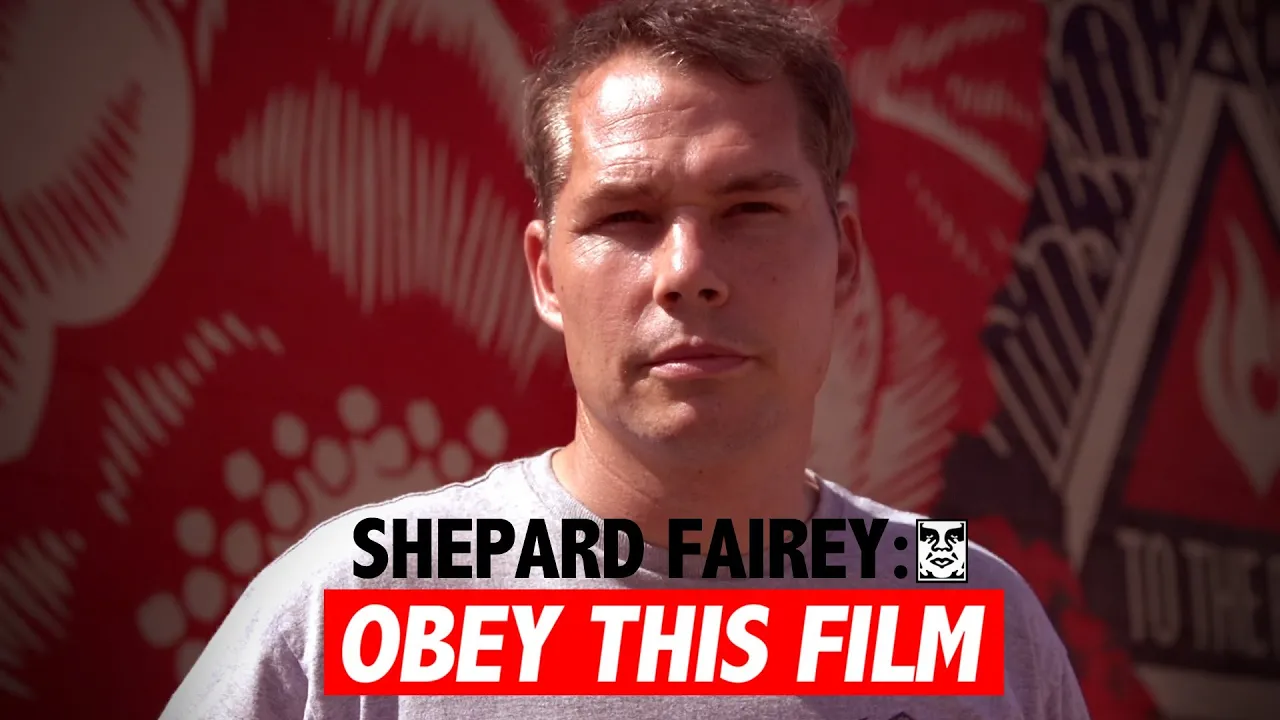
- Why this video: A deep profile of Shepard Fairey, this film explains the mechanics of pop-propaganda and sticker culture. Fairey breaks down how his "Andre the Giant Has a Posse / OBEY" project transformed from a skateboarding inside joke into a global phenomenon, demonstrating how simple graphic repetition can disrupt urban commercial spaces.
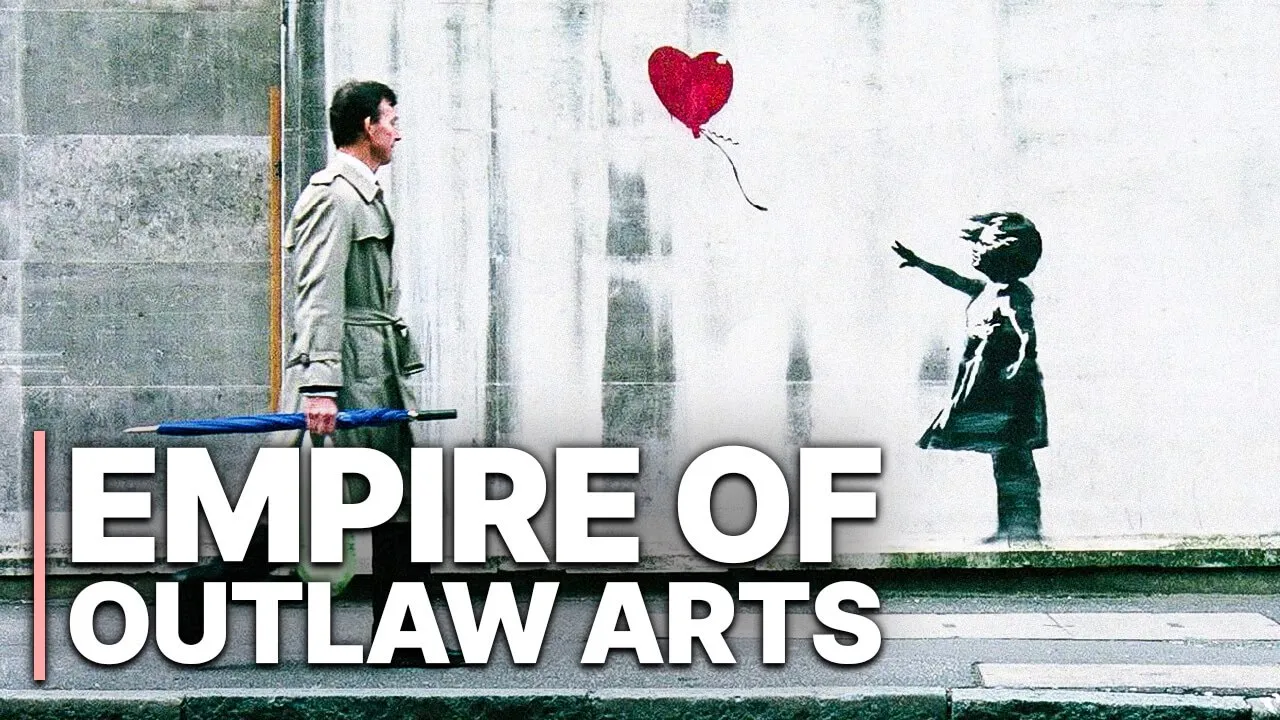
- Why this video: This comprehensive documentary explores Banksy's rise from Bristol's underground scene to global renown. It unpacks the stencil technique—explaining how its speed minimized arrest risks—and examines his political messages targeting capitalism, war, and the absurdity of the art establishment itself.

- Why this video: This short documentary clip contrasts traditional tagging with stencil street art. It explains how stenciling allowed artists to paint complex images in under two minutes, altering the risks of illegal painting and helping post-graffiti styles gain widespread public appeal.
Knowledge Checkpoint
- Contrast the core objectives of traditional Graffiti (focused on letters, style, and peers) with Street Art (focused on graphics, characters, and the general public).
- Explain how Shepard Fairey's "Obey Giant" campaign uses repetition to provoke questions about public space and advertising.
- Analyze why stencils became a dominant aesthetic medium for modern street artists like Banksy, focusing on both artistic and practical considerations.
Module 5: Institutionalization and the Contemporary Art Market
The final module investigates the complete institutionalization of street art within the global contemporary art market. Students will analyze how raw public rebellion was transformed into a multi-million-dollar industry. This lesson covers key market developments: massive museum surveys (like MOCA's Art in the Streets), real-estate-driven mural parks (Miami's Wynwood Walls), the highly lucrative commercialization of "art toys" (pioneered by KAWS), and the dynamics of blue-chip auction houses where street art is traded as a luxury asset class.
Independent Research Suggestion: While the videos below cover institutional exhibitions, art toys, and high-end auctions, students are highly encouraged to independently search for academic papers or articles on "Wynwood Walls and real estate gentrification" and "the street art gentrification paradox" to deepen their understanding of how public murals are used to boost local property values.
Recommended Videos

- Why this video: This case study of KAWS (Brian Donnelly) explains how street artists can build commercial empires. It analyzes how low-cost physical entry points, such as $100 vinyl toys, can cultivate a hyper-engaged collector base that ultimately drives the value of original paintings into the millions.
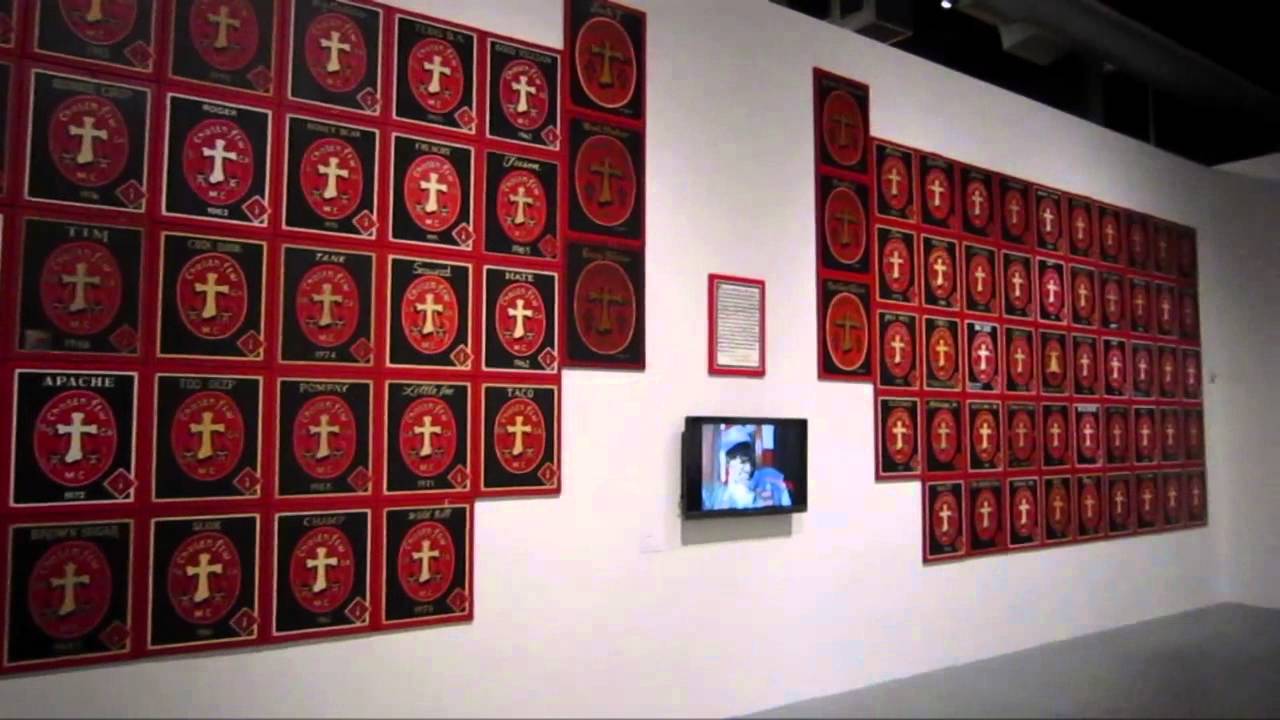
- Why this video: This video documents the landmark 2011 exhibition Art in the Streets at the Museum of Contemporary Art (MOCA) in Los Angeles. It captures the moment street art received institutional validation from a major American museum, highlighting both the scale of the exhibit and the paradox of moving street-born works inside gallery walls.

- Why this video: This video provides a direct look at the luxury secondary art market. It features a high-stakes Sotheby's evening auction where street-derived art, including works by Banksy, is sold to international elite buyers, demonstrating the institutional market value of these once-illegal public interventions.

- Why this video: This travelogue segment highlights Miami's Wynwood Walls (established in 2009). It visualizes how an industrial district was redeveloped into a world-famous outdoor street art gallery, providing a clear case study of how corporations and real estate developers use public murals to drive gentrification and attract tourism.
Knowledge Checkpoint
- Explain how KAWS used a tiered commercial strategy (mass-market vinyl toys leading to high-end fine art) to build his brand.
- Critique the museum institutionalization of street art using the 2011 MOCA Art in the Streets exhibition as a key case study.
- Describe the process of "mural capitalism" and explain how projects like Miami's Wynwood Walls use street art to drive real estate values and gentrification.
- Contrast the original anti-establishment ethos of 1970s street interventions with the contemporary reality of blue-chip auction sales at Sotheby's.
Course Map
Key People Index
- Darryl McCray ("Cornbread"): The undisputed pioneer of modern graffiti. In 1965, he began writing his name on walls and landmarks in Philadelphia, starting the graffiti subculture before it emerged in New York.
- TAKI 183: A Greek-American teenager whose pervasive tagging across New York's transit system in 1970–1971 gained mainstream media attention, establishing the "name + street number" tag format.
- Al Diaz: A key writer from Washington Heights who co-created the SAMO© tag with Jean-Michel Basquiat, introducing conceptual, poetic commentary to New York's streets in the late 1970s.
- Patti Astor: Co-founder of the Fun Gallery in the East Village in 1981. She championed graffiti writers and played a crucial role in bringing underground street artists into the fine art market.
- Jean-Michel Basquiat: A revolutionary American artist who transitioned from tagging "SAMO©" to painting celebrated neo-expressionist canvases, becoming one of the most influential and highly valued figures in modern art history.
- Shepard Fairey: Creator of the "Obey Giant" sticker campaign and the Barack Obama "Hope" poster. He pioneered pop-propaganda and direct public engagement through poster and sticker campaigns.
- Banksy: An anonymous British stencil artist whose satirical, politically charged street work challenged the art market, turning stencil art into a highly valued global commodity.
- KAWS (Brian Donnelly): An American artist and designer who began by subverting bus stop advertisements. He later built a multi-million-dollar global brand by merging high-end contemporary art with accessible designer toys.
Final Self-Assessment
Complete this comprehensive checklist to assess your understanding of the curriculum:
- I can explain how Darryl McCray's ("Cornbread") early work in Philadelphia established the foundations of tagging.
- I can analyze the social and economic factors in 1970s New York that allowed the subway graffiti movement to grow.
- I can break down the anatomy of a wildstyle piece, explaining how intersecting "bars" (Balken) are used to construct letters.
- I can describe the "Style Wars" era and explain how competitive dynamics led writers to form crews.
- I can detail the history of the MTA's Clean Train Movement and explain how the "buff" pushed graffiti off subways and onto the streets.
- I can evaluate the role of Patti Astor's Fun Gallery in introducing street artists to the contemporary art market.
- I can trace the career of Jean-Michel Basquiat from his SAMO© tags to his major gallery exhibitions.
- I can distinguish between traditional letter-based Graffiti and graphic-focused Street Art.
- I can describe how stencils, wheatpastes, and stickers are used to quickly create public art and minimize legal risks.
- I can explain the tiered marketing strategy that KAWS used to bridge high-end art and commercial design toys.
- I can explain the "street art gentrification paradox," detailing how developers use public murals to increase local real estate values.
- I can critically discuss the transition of street art from an anti-establishment subculture to a multi-million-dollar commodity traded at elite auction houses.