![PARAPPA - Who Dat? [Character Review]](https://i.ytimg.com/vi_webp/aSPC9Rt97f8/maxresdefault.webp)


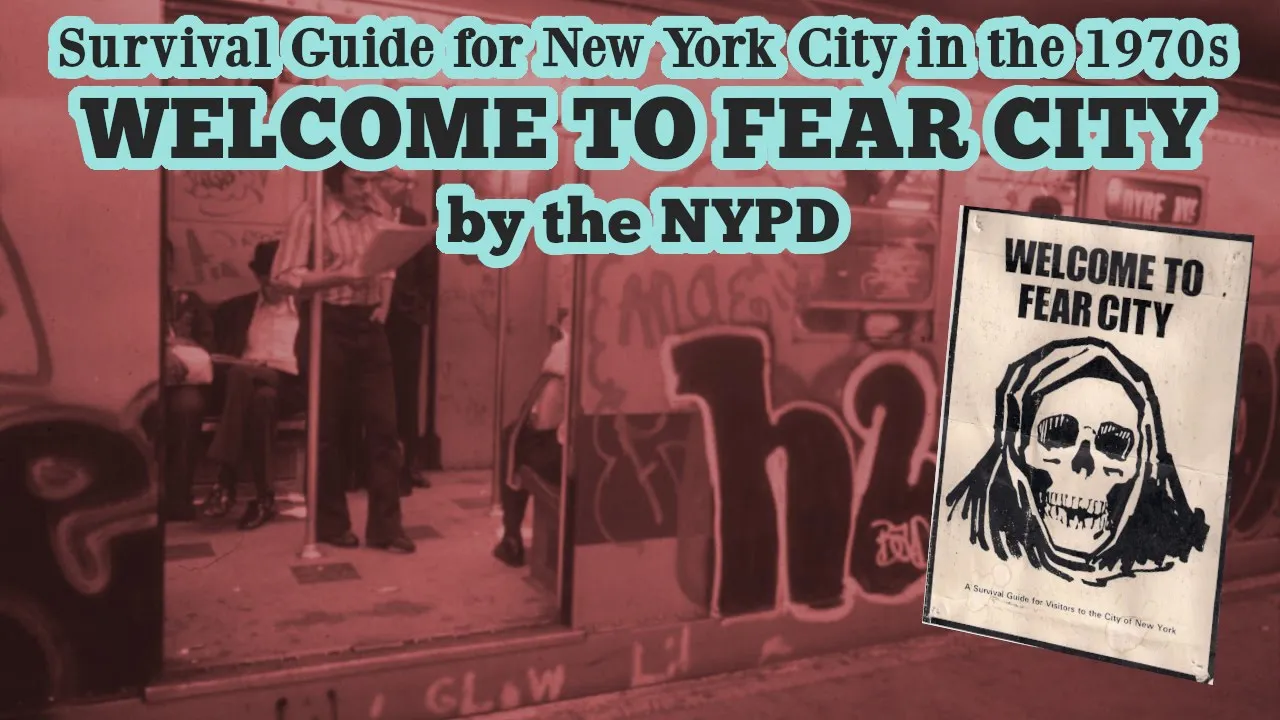


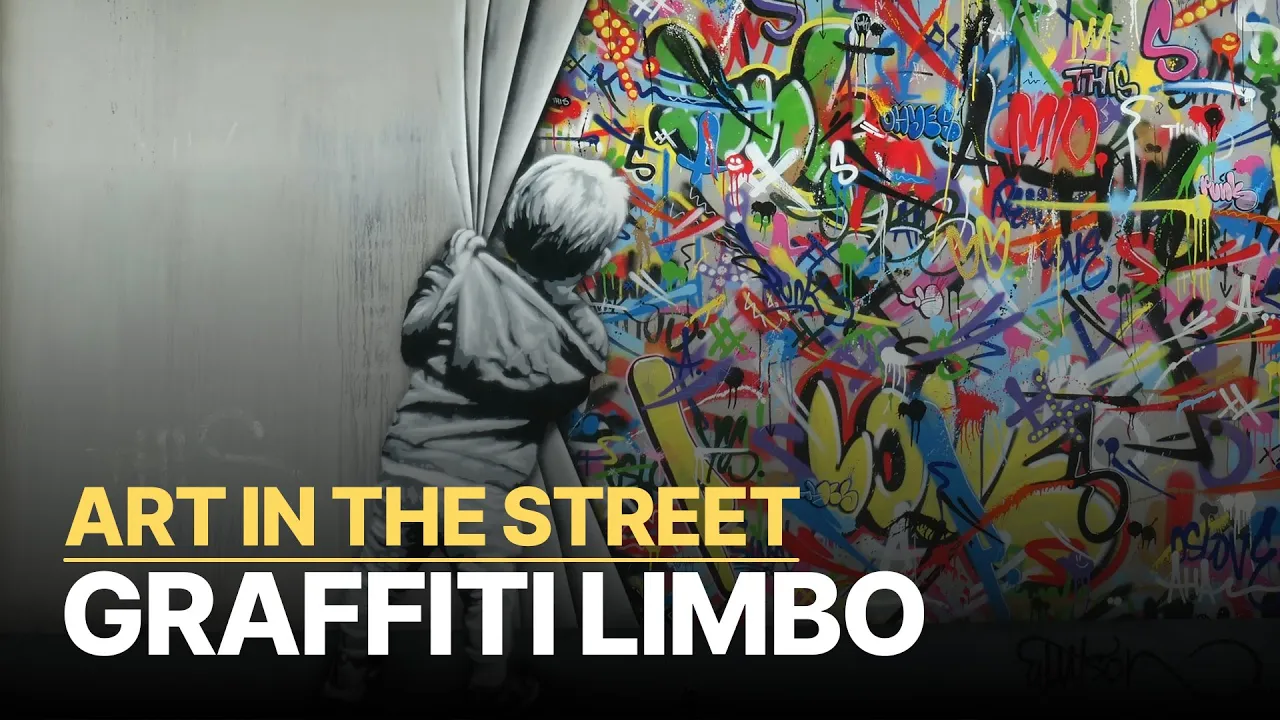

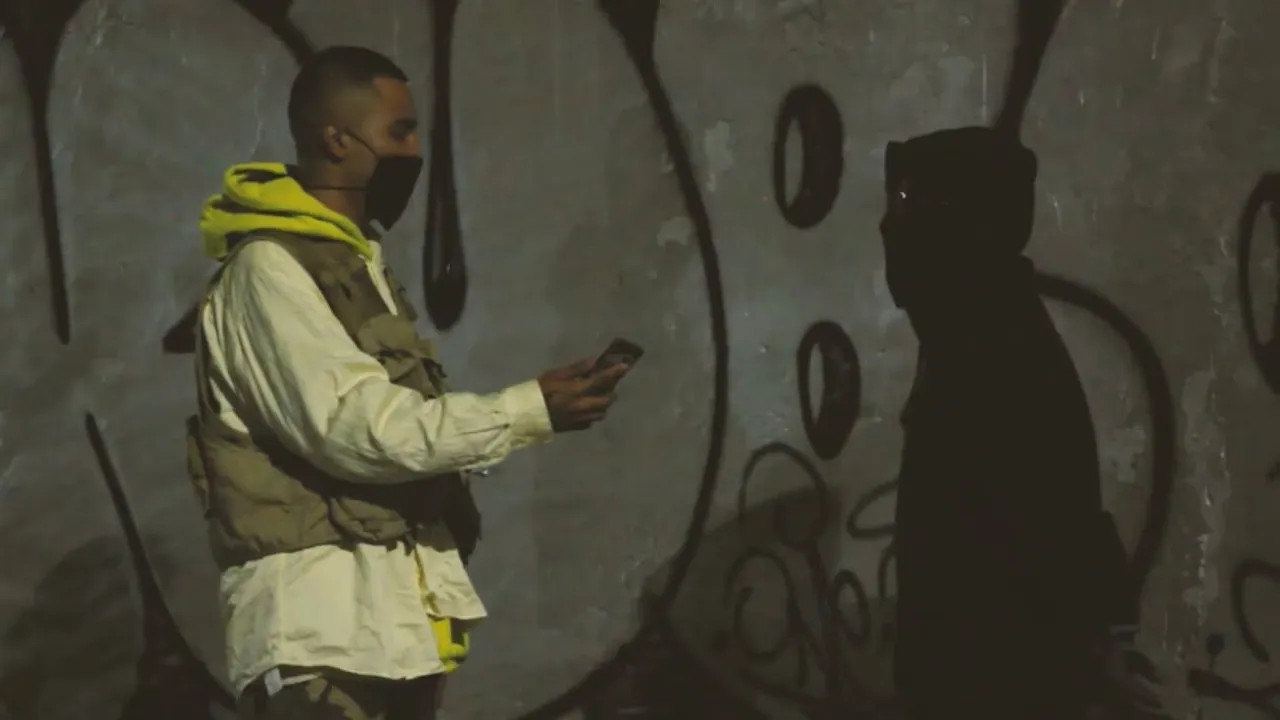








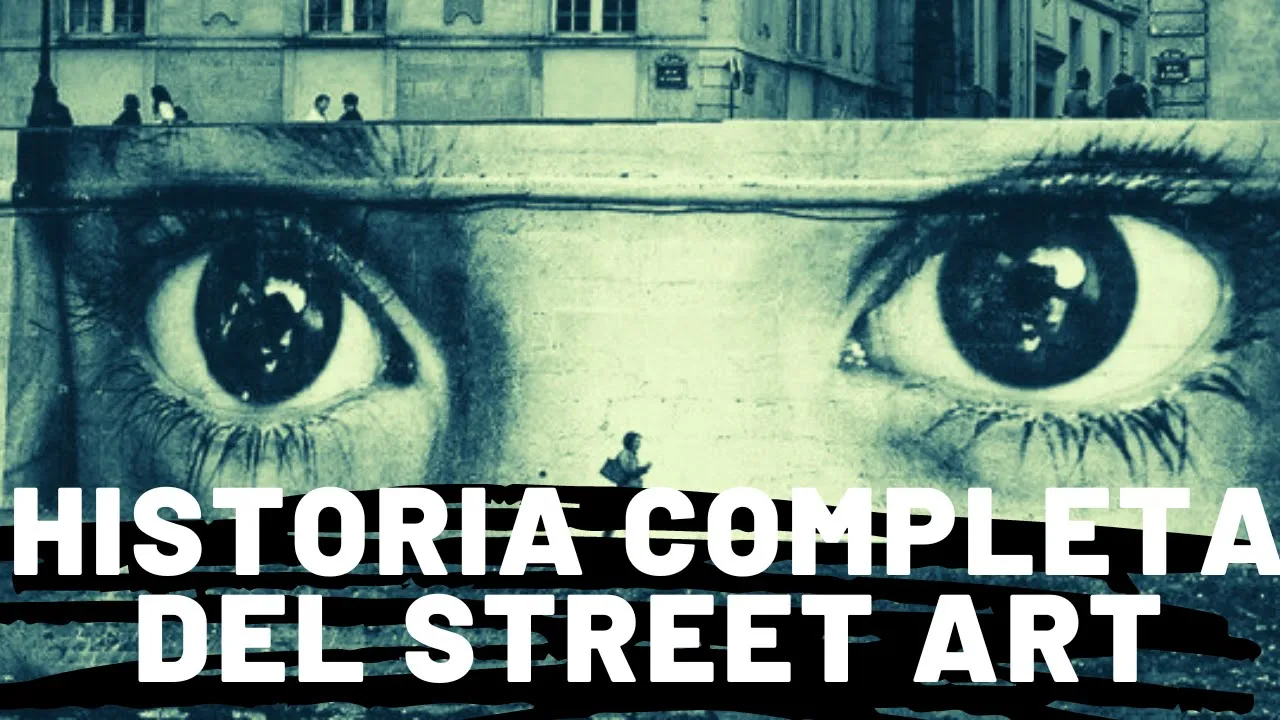

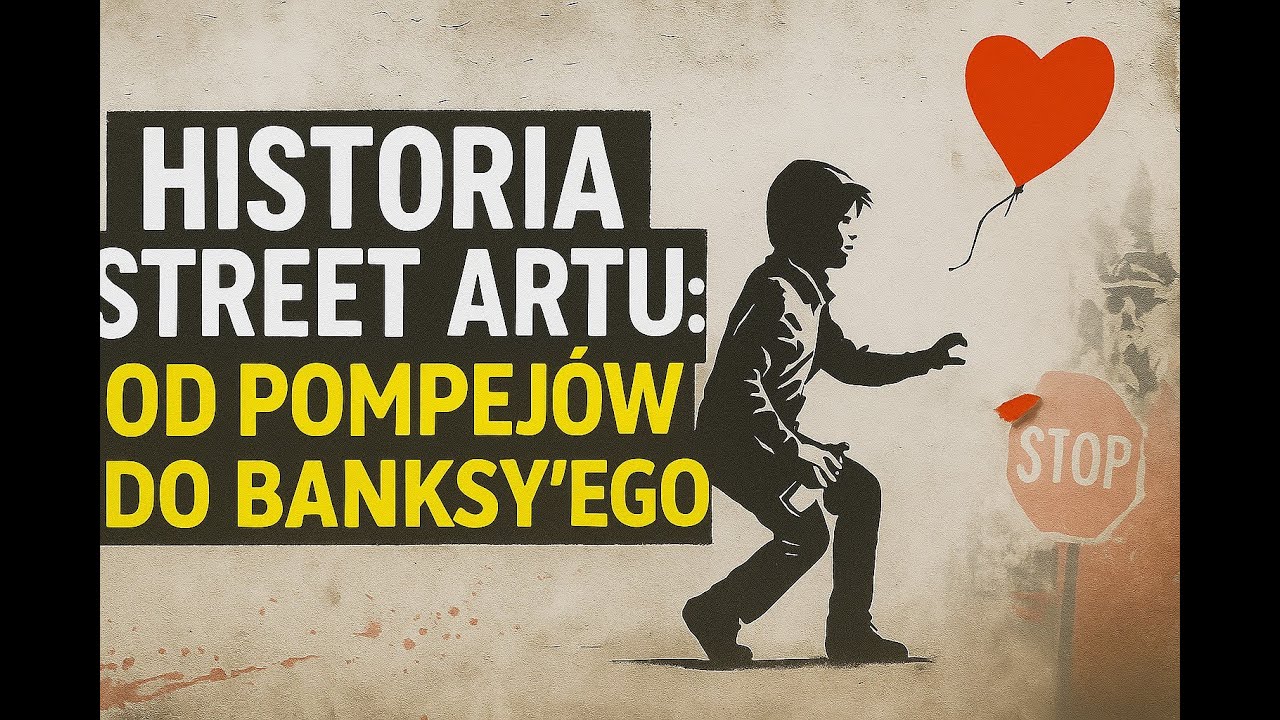
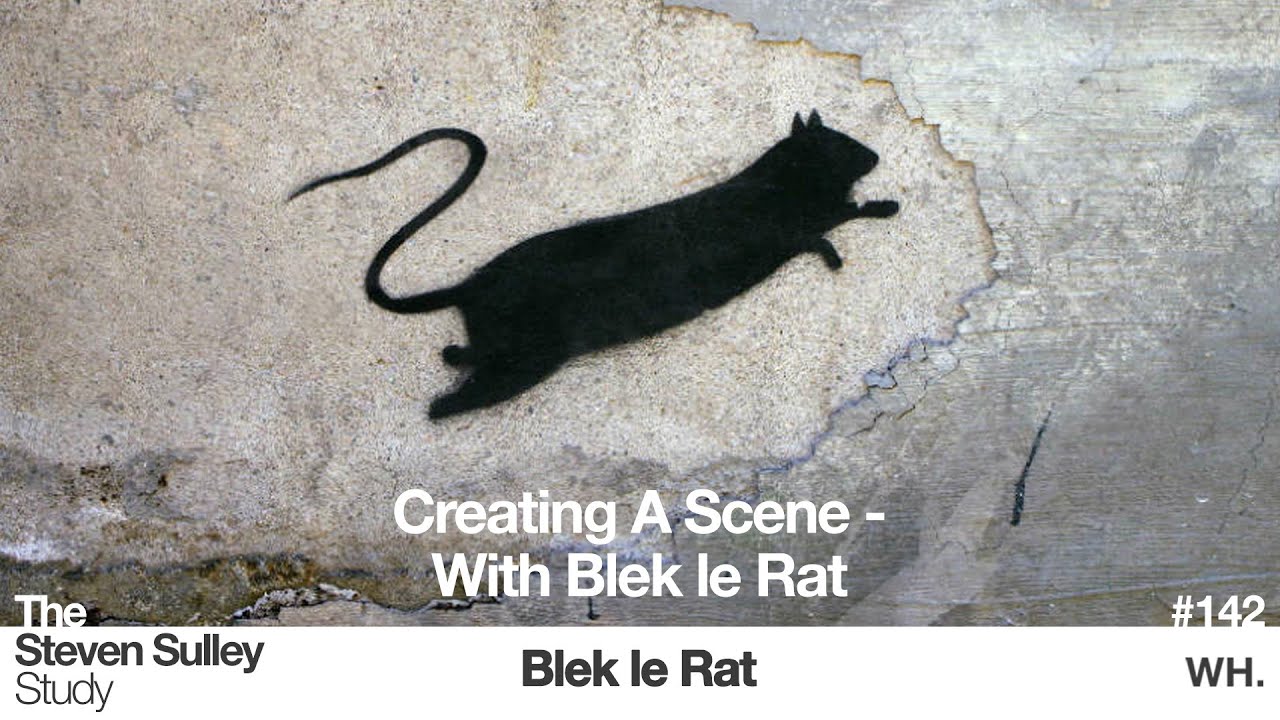



Hip-hop culture encompasses multiple artistic disciplines including graffiti writing, breakdancing, and rap music, all united by the concept of 'style' - the key to artistic excellence in each form; graffiti serves as a powerful medium for self-expression and identity, allowing artists to leave their mark on urban environments, though it also creates significant challenges for public infrastructure maintenance and community relations.
Style Wars: Hip Hop Documentary Part 3 - Graffiti Art and Culture (1983)
Added:The Four Pillars of Hip Hop: Familiarity with the foundational elements of hip hop culture (DJing, MCing, breaking, and graffiti writing) and how they interconnected in the late 1970s.
Socioeconomic Context of 1970s/1980s New York City: Understanding the urban decay, fiscal crisis, and social neglect in NYC boroughs (particularly the Bronx) that spurred youth self-expression.
Basic Graffiti Terminology: Knowledge of early street art jargon, such as 'tagging', 'bombing', 'throw-ups', 'pieces', and the concept of 'writing' versus 'graffiti'.
The NYC Subway System as a Canvas: Understanding the physical infrastructure of the Metropolitan Transportation Authority (MTA) and how trains functioned as a communication network for artists.
The Transition to Fine Art and Galleries: Exploring how underground graffiti writers like Keith Haring, Jean-Michel Basquiat, and Futura 2000 bridged the gap to the mainstream art world.
Criminological Policies and the 'Broken Windows' Theory: Analyzing the legal crackdowns, anti-graffiti campaigns (e.g., Mayor Ed Koch's administration), and the criminological theories used to justify them.
Global Proliferation of Street Art: Studying how graffiti evolved into a global phenomenon, influencing international movements and contemporary street artists like Banksy and Shepard Fairey.
Graphic Design and Typography Evolution: Investigating how 'Wildstyle' and other complex graffiti lettering styles influenced modern typography, branding, and fashion design.
63.5K views224likes14:53Original Release: 2011-03-13
do you what's up get some K huh you ain't getting nothing get some candy man you ain't got no chance oh hey jigo what you know jigo where that [ __ ] at man yeah yeah yeah I dig it we going on the other side right word the beach Master do you want take chance instead of that eye yeah word look at that eagle word look at the eye it's like his eye know where he got that from right gold and who Frank way the letter is breaking Epic Adventures of a new kind of hero that's where we going to be the fresh extraterrestrial Brothers you know what I'm saying to L knowing we the best you know what I'm saying it's a de de and a casy case and D5 we going to rock the place and if your Bas in the place you will get disgrace because we all the we got the rock in the pocket Rock in the that girl front up train took her to the do that cut through the keep my hand on my gun cuz they got me on the run I feel like an outlaw broke my last glass jaw hear them say you want some more living on a [Music] seaa broken glass everywhere people pissing on the stairs you know they just don't care I can't take the smell can't take the noise got no money to move out I guess I got no choice rats in the front room Roes in the back junkies in the alley with the baseball bat I tried to get away but I couldn't get far cuz a man with the toucher repossessed my car don't push me cuz I'm close to the edge I'm trying not to lose my head but I know one thing about graphity man niggga say it played out niggga said this [ __ ] say that but it's going to keep going on you know cuz look I might be old and quit you know but you coming up younger [ __ ] is coming up is going to keep going and keep going you know so you going to be a king soon too you know he's like a son to me in the way you know I look out for him he looks out for me you know I won't let nothing happen to him you know you know he won't let nothing happen to me if he could help it you know I know from his age he's 14 now you know and I'm 16 by the time he get my age he be like one of the best people out know if he continues to go on in the years he could be another [Music] [Music] Picasso life Ain no more joke it's a serious thing when you dealing with the you can't explain it's the funky be and it's the funky me and it's the funk the funk and it's the funky be like a little jelly be like make get down this is one [Music] the the idea of style and competing for the best style is the key to all forms of rocking for the rap m C it's rocking the mic for the B boys it's rocking your body and break dancing or for writers rocking the city with your name on a train in the in [Music] place right now he's doing the the footwork with um the original breaking came out yeah he's doing the baby and a turtle back bridge yeah did the head spin and then just went up I got a certain back that I made up want me to show you it I started off doing like this and landed like that right so then I just decided not to do the freeze and keep on spinning so it goes like like this I put my arm right here and it's easy and I push on my arm and swing my left leg my my right leg both of [Music] them other Crews they're not as good as us you know cuz we have the breaking form you know the original style yeah original style you know other Crews like Dynamic Rockets you know they bite let me tell you about these people Dynamic [Applause] rockets in the bck Rock the [Music] break this goes back when I used to go out to the RO United States of America and queen right I used to go over there to break against all them and take them all out you know burn them make him look stupid you know they had no kind of style at all those beginners I've been breaking way before [Applause] [Music] that we started doing better routines and they were they got to a point where they got mad at us because we was taking them out with our moves and then that started getting out of hand because they had the crowd and we didn't yo whoever ain't in Rock Steady or dynamic get behind the barriers yo both Rock and Cruz can you please listen yo nobody's listening to me we're not going to start until you move rocket get [Music] ready up it's just like humiliating you know doing things in people facing all [Music] that [Music] [Applause] and down rocking as you know trying to see who can compete against moves on the floor straight through my door I went to the back to get the G I was out toll only one I shoot the [ __ ] yeah shot in his never so Happ so who won who won the rocking contest y all know we took them out right put it this way we're out of sight and they they bit they bit my turtle into a hop I could have cried when I seen you know that [ __ ] that was flying around it with his funny legs and [ __ ] what so what that's not even breaking man that's all fairy fly I call that fairy fly who goes for Rock Steady Dynamic rocket hold hold it hold it down it was a tie it was a [Applause] [Music] tie I'll be back for they he [Music] T hey girl hey girl the lb rocking in Rocking The yes is rocking it rocking it yes he is rocking it rocking it yes he is rocking it rocking it yes he is rocking it we're all rocking it you should be rocking it rocking it rocking it how do you fill up a train like that you can't do it overnight you wait for the same train coming back into the same station no you get the Park train and you just Oh you mean you go to the you go to the train layup or the train yard does your mother wonder why you come home with that all over your face face know she knows I write the graffiti I told her I said I'm going up on the trains I'm going to go write some graffiti yeah she says if uh cop's cold don't come run to me um I I never realized they they it meant so much to them you know I just thought they were writing just writing anything but I guess it has a deep meaning huh um well like he said uh he's writing his girlfriend's names and and he's dust whatever that means what is dust supposed to mean no it's just a name it's a word you know everybody see it's a game it's like they give you a name and they say here take this name and do something with it like he got the name seen he can walk around and just say hey my name is seen and say yeah yeah I see that there I see it there it's a name it's just like I'll give you a name and you say hey how big could you get his name up how hot trains are routinely washed but because of the graffiti problem we have to use an graffiti removal solution which at best is detrimental to the physical makeup of the train itself this is what I'm assign the car wash 8 a.m. J make yard hold your nose we spent a lot of money replacing broken and damaged side windows we cannot use acrylic plastic windows in the train because the same graffiti removal solution fogs the windows the problem often is that often it doesn't produce a sparkling clean car but rather a uh sort of sort of vomitous color uh which is is some of the graffiti artists argue less attractive than what they consider to be their artwork so it's all together sort of an unsatisfactory result watch out they might get wet now coming in watch your shoes it's not the best smelling stuff but so far it hasn't hurt you know it hasn't uh bothered me some fell are bother that's my money that's being diverted from providing me with good safe secure Rapid Transit look at this junk graffiti doesn't make your life better it just makes your neighborhood look worse you know how I made something out my life I'm using my hands but only in the ring don't use them to mess up the walls with graffiti I practiced all my life to make moves like that and I worked every day to be a singer so if you really want to make something out of your life use your hand or your voice but don't waste your time making a mess Make Your Mark in society not on society this happens to be a poster that is uh the first in a series that's going to be used in New York City Subways and buses where we've used Hector kamacho who's a boxer North American lightweight champ and Alex Ramos boxer leading middleweight Contender take it from the Champs graffiti is for Chumps Make Your Mark in society not on society it's really very clever put your mark on society in uh in uh doing something in society I've scooted it up a little bit but nevertheless you got the message realistically you think it can work well you say realistically I'm hopeful that it will work nobody thought that we would be as successful as we were in the uh campaign against the drought and Water Conservation nevertheless if that worked I'm hopeful we will have equal success here time will tell Mr mea those posters were feedy proof time will tell what you doing be fresh fresh little signature Ser word Lord son you getting fresh on a niggaer man that [ __ ] Still Got The Touch boy but B with the tiger skin I see you did the case with the ceas this time and you know who I am though anyway you know the king of what king of style shoot I got Styles already that's more complex that nobody know about I mean Super Duty tough work see this is just semi like what I would call it but if I really get into it and start camouflaging it I don't think you even be able to read it don't go nowhere little little semi thing here it wasn't no severely bad accident it's just that I got burnt by wires that's all a long time ago electrical wires and then they rushed me to the hospital and they just had to amputate cuz my tissues and muscles was burnt bad know I was young I was playing and I I wasn't know too sure on what I was I knew what I was doing but I just didn't know not should I grab a y or not and I don't know if I grabbed it or not but I know I just you know got hurt cuzz it had knocked me out so I didn't remember you know but it don't mean nothing in general I mean I'm okay it's just there was a bad thing to happen at the time you know but that's why people's amazed about me now cuz of going through that and then dealing with what I'm dealing with even though it's common L bull craap in a way you know people look at a person what you ran on trains or you vandalism all that yeah I'm vandalism all right but still in general I know what I'm doing I did something to make your eyes open up right so why is you talking about it for you know
Up Next
40:15
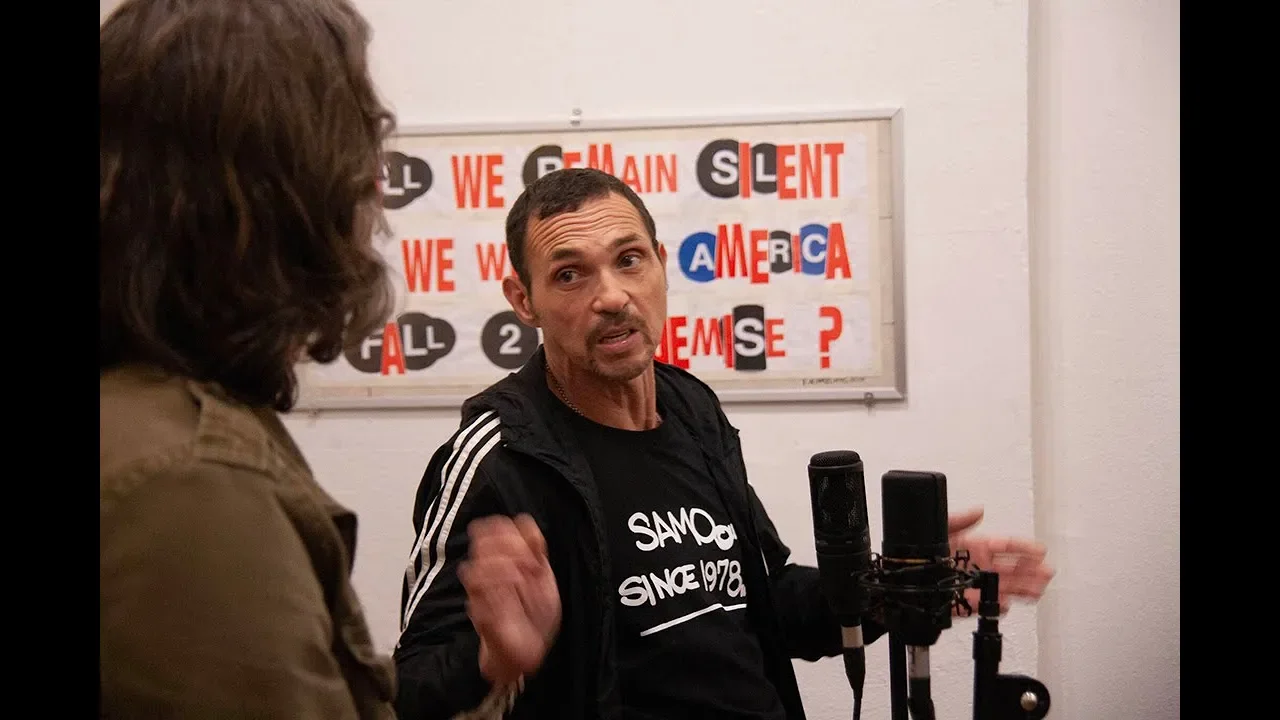
Al Diaz on SAMO, Basquiat, and NYC Graffiti History
@cherokeestreetgallerystlou6655
55.2K views•2018-09-13

12:54
Triumph of Orthodoxy Icon: Byzantine Art & History Explained
@BenCallan
2.1K views•2024-08-06

9:49
FastAPI vs Flask vs Django: Choosing the Right Python Web Framework
@TechWithTim
302.5K views•2024-05-26

1:42
Game of Thrones Opening Credits: A Cinematic Analysis
@gameofthrones
46.3M views•2011-04-18
Related Study Plans & Knowledge Roadmaps
Structured learning paths in General & Interdisciplinary Studies
general-studies
Elevator Engineering: History, Physics & Cities
01From Hoists to Safety Brakes: The Dawn of Vertical Lift
02Hydraulic vs. Traction: The Engineering Physics of Elevators
03Modern Speed, Safety, and Algorithms
+ 2 more learning modules
12h5 modules
Explore Roadmap
general-studies
Rubber: Material Science, History & Geopolitics
01Origins of Natural Rubber & Mesoamerican History
02The Chemistry of Natural Rubber & Vulcanization
03The Geopolitics of the Rubber Boom & Colonization
+ 2 more learning modules
12h5 modules
Explore Roadmap
general-studies
Containerization: Evolution, Logistics & Trade
01Ancient Trade & Bulk Cargo: Amphorae to Barrels
02The Industrial Revolution & Cardboard Packaging
03The Containerization Revolution: Malcom McLean
+ 2 more learning modules
12h5 modules
Explore Roadmap
general-studies
Textile Tech: Evolution, Labor & Global Impact
01Pre-Industrial Textiles: Handloom & Cottage Industry
02Mechanization: The Spinning Jenny to the Power Loom
03The Factory System & Global Labor Transformation
+ 2 more learning modules
10h5 modules
Explore Roadmap