








![SOSIOLOGI PERKOTAAN - TEORI RUANG [PODCAST CIC]](https://i.ytimg.com/vi_webp/lf0Z3-dty5Y/maxresdefault.webp)
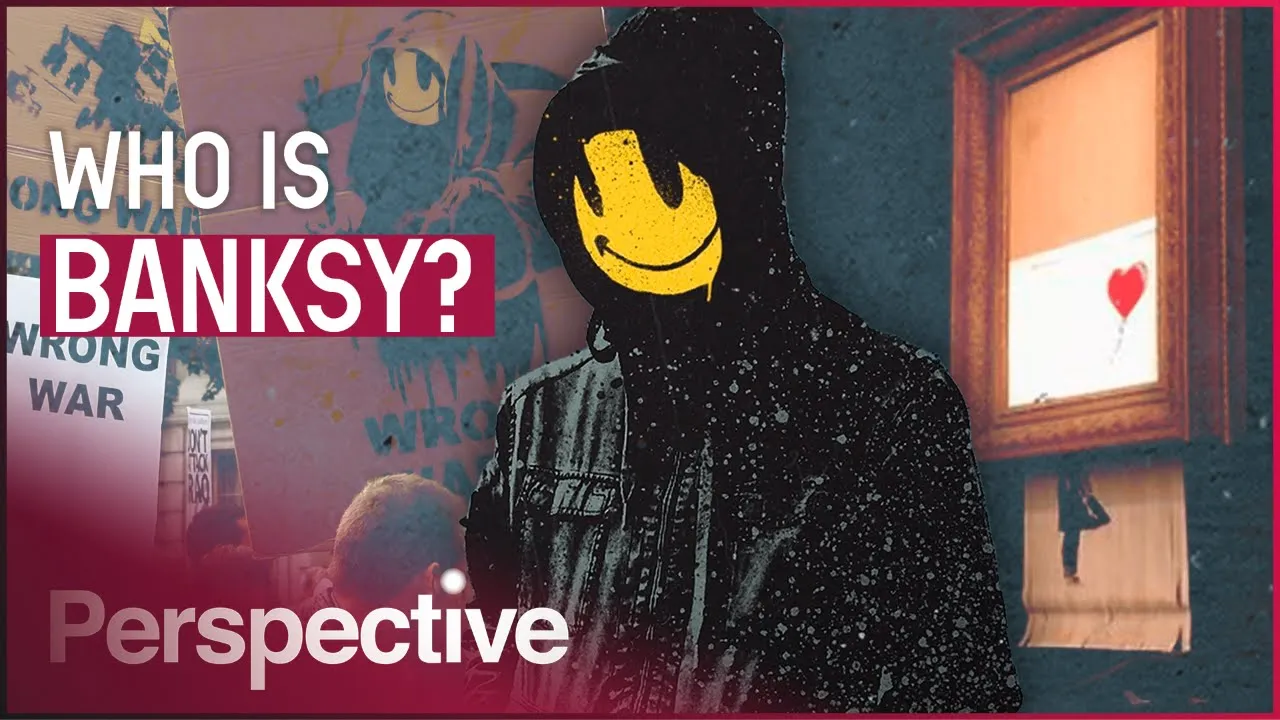
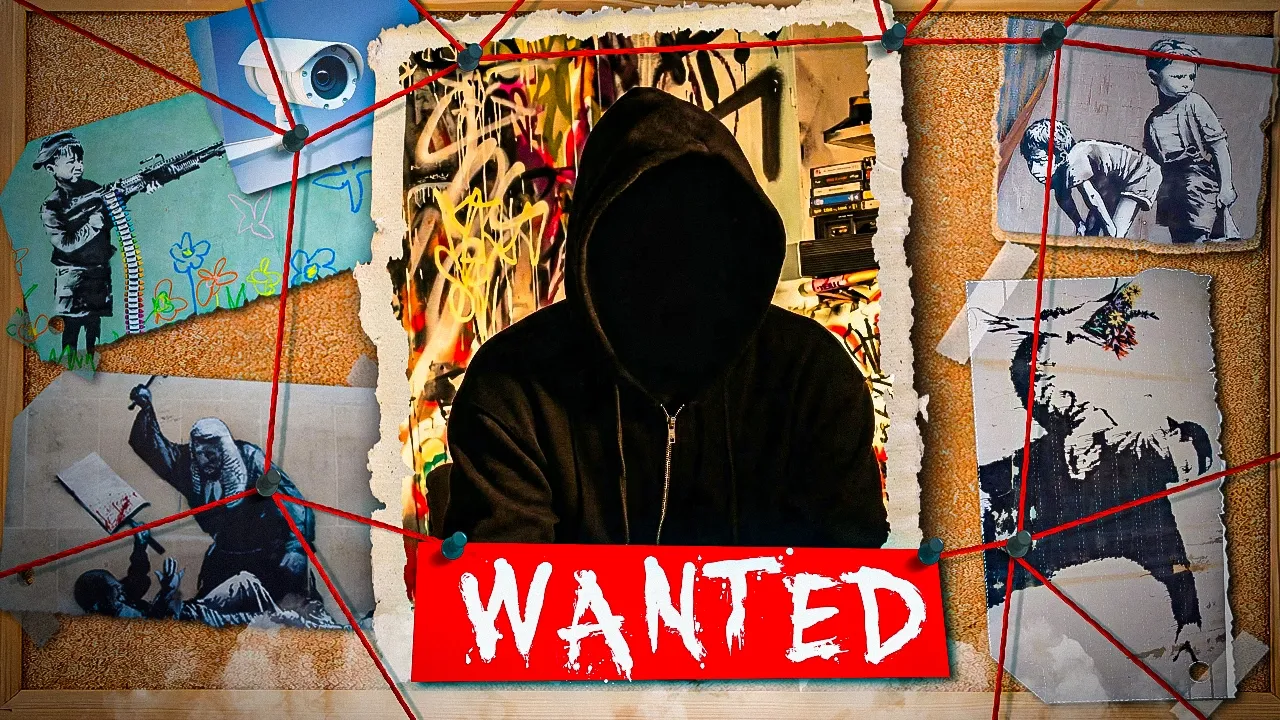







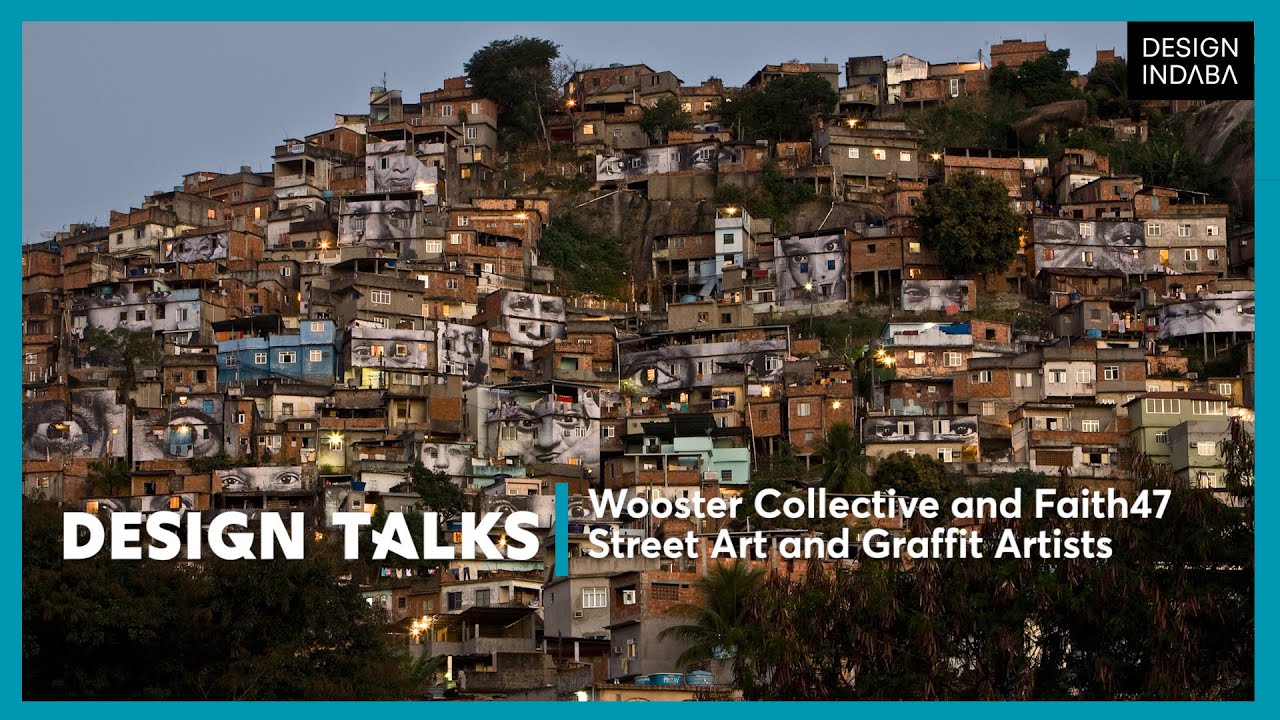

Street art has evolved from a subcultural vandalism practice rooted in hip-hop culture to a legitimate form of fine art that now appears in galleries, museums, and even the White House, with artists like Ben Eine demonstrating how the fundamental attitude of 'doing it regardless of obstacles'—originally used to overcome barriers like fences and permission—can be applied to transform public spaces and convey meaningful messages about social issues.
Street Art Documentary: The Evolution of Typography and Urban Culture
Added:An understanding of the historical distinction between traditional graffiti (tags/throw-ups) and contemporary street art.
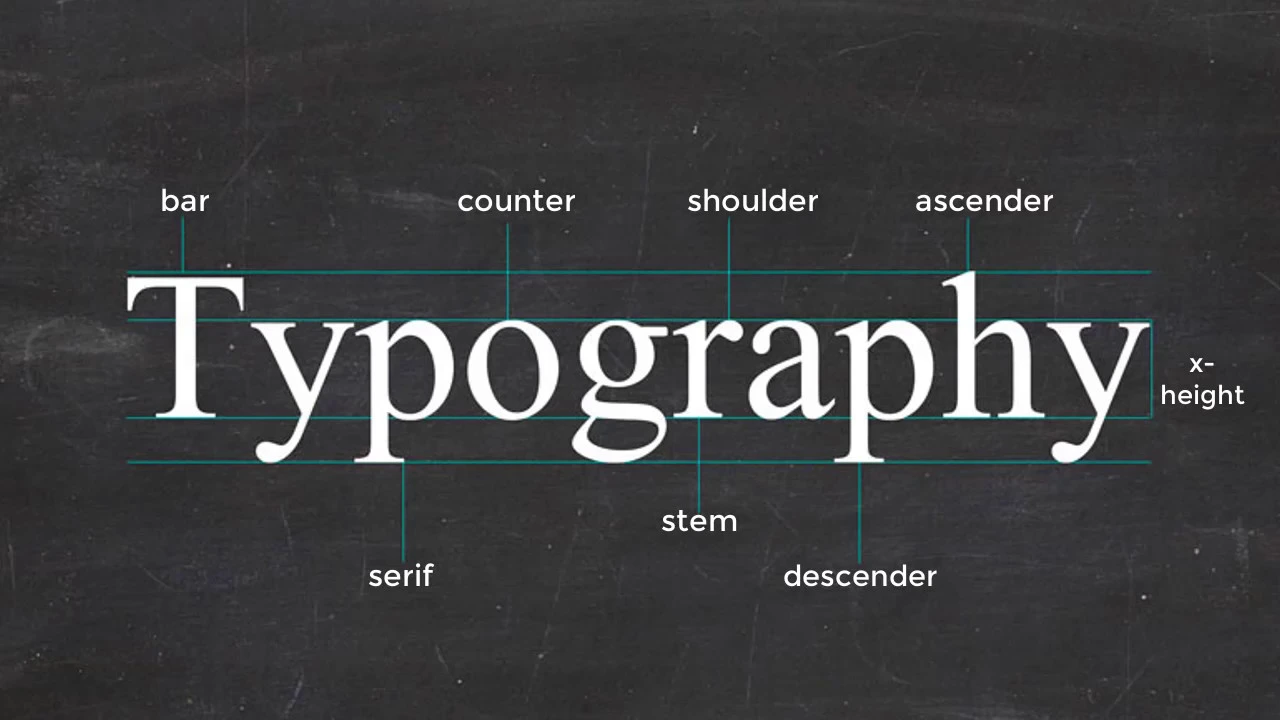
Basic principles of typography, letterform anatomy, and graphic design history.
The social and historical context of the 1970s and 1980s New York City subway graffiti movement.
Fundamental concepts of urban sociology, specifically regarding public versus private space and municipal anti-graffiti policies.
Analyzing the economic impact of the 'Banksy Effect' and the commercialization/commodification of street art in the fine art market.
Exploring environmental graphic design and how typographic installations alter spatial perception and community identity.
Studying intellectual property and copyright law as it pertains to unauthorized public works and commercial usage.
Investigating the role of street art in urban regeneration, gentrification, and political activism (social practice art).
224K views2.6Klikes41:27Original Release: 2025-09-12
Like, when we were kids, you'd get into, like, graffiti wars with somebody because somebody had gone over your things and you then went out to go over their things and they'd go out to go over your things and you'd just wind up just writing over everyone's sh*t and now I'm just like, oh, I can't be f*cking bothered.
I'm f*cking 52, what, I'm going to get into a graffiti war with some little 19-year-old kid?
I'm like, what, and then I confront him at 2 o'clock in the morning and punch some little kid in the head, and he stabs me and I'm like, what, all of this because you went over my thing?
It's, like, pathetic.
You know, some people play football, some people go swimming.
I'm like, I f*cking hate swimming.
I literally hate it.
I can’t understand why people do it.
I like painting things.
The other thing, Ben, you're mic'd up so if you want to point anything out if you see, like, a mural... that's sh*t, that's sh*t.
Ben Eine!
Oh, my God!
Like, I didn't realise it at the time.
I thought I was just painting big things in the street for fun because I liked getting away with sh*t.
But I wasn't.
I was painting huge adverts saying buy Ben Eine’s sh*t.
Or I was just painting stuff because I'm an idiot and I like painting things.
Like, the percentage of the people in this country that actually go to an art museum or an art gallery is, like, f*ck all.
So if you want people to see your art put it on the street where 100,000 people walk down every day.
It is totally the evolution.
It's like, if you do it, like if there's a movement of... That's stop nattering and get on with it.
I was, like, young when, like that whole kind of, like hip-hop.....movement got f*cking imported from New York and it was, like, rappers and DJs and breakdancing and graffiti was an element of that hip-hop culture.
And there were kids that could breakdance and I was sh*t at breakdancing and I had a vague interest in art and I was really fast at running.
So... I started doing graffiti.
I love putting something where it shouldn't be or where I'm not allowed to do it.
I like that, I really do and I don't think that'll ever go away.
You get into the train yard topping over fences or cutting through fences you walk down the tracks tired, a train comes.
Creep up to the train.
Lights are off, it's dark weird noises.
You start painting, you get into it you relax you do your piece.
Get night-time photos, leave.
So how was that, then?
Yeah.
It’s funny isn’t it?
You go to the station in the morning, your train rolls in and, like, you call it your train, it's not the train it's like, yeah, my train's rolled into the station.
And then there's, you know there's a dedicated team of people that are trying to catch you you know Vandal Squad and British transport police.
So there's also this cat and mouse thing.
It's classed as criminal damage, you know you can wash it off, like like really, who gives a f*ck?
Scary.
So this has been here for like, 12, 14 years.
Like, I didn't paint it thinking this is going to be here in like 10 years time or whatever but yeah it's still here.
Shoreditch wouldn't be the same if scary wasn’t here.
Ben Eine!
Hello Yeah... I can't believe it I just told them about you now look you have to see... you have to see yourself.
That's me!
Oh there's another one... that's down brick lane.
By the way he's the only one that knows how Banksy looks like.
Yeah.
So you need to... you need to blink.
If you blink two times it’s him.
And if it's one time it's not.
I'm just kidding I'm just kidding.
Oh my God!
Ben Eine!
Yes!
Are you excited like me?
So, that happens every day, right?
Yeah.
Around that time it wasn't like now people were kind of like scared and intimidated by... graffiti.
Back then it was like you couldn't really use spray paint because people would be like spray paint graffiti I'm phoning the police.
So, I thought I'm gonna write scary really big under some railway tracks in a dark corner of Shoreditch.
Cool, man, thank you.
Have a great day.
Enjoy!
And see how many are scared by my bright happy painting.
Like I didn't have permission to paint scary.
We just came and painted it.
Ladders, jackets loads of spray paint and some bollards and a bit of wet paint tape and did it in the daytime looked like we were supposed to be doing it.
No one said sh*t.
Just look like it's your job and you hate it.
Do you get recognized by a lot of people?
All the time.
Do you?
Yeah.
You like it?
It's part of the game, isn’t it?
You can’t say oh f*ck off I'm having a bad day.
When I got into graffiti I thought it was like the most amazing thing I'd ever seen.
And I thought it was going to change the world definitely going to change the art world I thought graffiti would be in museums and galleries and it didn’t.
There were these rules within graffiti that were kind of self-imposed like you can't use stencils you can't use tape you've got to rack your paint you had to do everything freehand and that just held back the evolution of graffiti.
I looked at stencils as a really quick interesting and clever way of painting something that you couldn’t paint free hand.
And Banksy, he came up to London and he was doing stencils, and I'm like mate, that looks good, people are taking pictures of it and it's literally taking you two minutes.
And people look at them and like why’s someone stenciled a f*cking rat holding a placard saying because I'm worthless on it?
Rather than going out with a can of paint and doing 50 tags and everyone going, ugh, I've got to clean that off in the morning.
You know, it was just a little bit more interesting, it was more appealing.
It's a bit like when cats and dogs were domesticated.
It didn't happen in one place it happened around the same time everywhere.
You could see what was going on in other places around the world and you knew that it wasn't just you painting in sh*tty Shoreditch it was a bunch of people doing this all over the world.
And it was inspiring because it was street art it wasn't just another boring wall of like, wild-style graffiti and a b-boy character standing in front of a stereo another New York skyline.
It was like, f*ck, I wish I'd thought of doing that.
Like, just simple, funny sh*t like turning street bollards into cigarettes or pencils.
I'd been nicked loads for graffiti like f*cking untold times and I knew that the next time I got nicked for graffiti I was going to get sent to prison.
And it's hard to get nicked doing a stencil because you could walk up to a wall, stick a stencil on a wall with a bit of gaffer tape and stand there and wait for like a little break in the people walking past and then you go... and then peel it off and walk off.
Like, you can't get nicked for sticking something on a wall with a bit of gaffer tape ‘cause you haven't done anything.
So I kind of started doing kind of street art but still based around typography and the letter form which that's what I consider graffiti to be is kind of exploring the letter form.
Oh, here’s these stickers can I pinch one of these?
Yeah, of course.
Can I have one?
One of the differences between graffiti and street art is street art, you should naturally start thinking about who's going to see it, what are they going to take from it.
You know, what's my idea?
What message am I trying to portray?
Because it's an opportunity to say something.
Whereas graffiti writers generally don't give a f*ck what people think they just want to get their name up.
So this is my latest, ta-da painting.
And it says, let's try dramatic pause and be happy because of f*cking, you know the financial... not crisis, what's it called?
Financial credit what’s it called?
The pinching on your purse.
The cost of living crisis.
The cost of living crisis that's it.
Yeah, everyone's doom and gloom because of the cost of living crisis.
What I was trying to say is let's try... and do it with a smile on your face.
Whatever you're trying to do just... try.
It's worth it.
And smile.
I'm not trying to ram stuff down someone's throat.
I'm just trying to plant a little seed.
A little flicker of hope.
I'm an optimist.
Sometimes it's in response to something that I've read or something that I've just thought is wrong.
Sometimes it's just, you know how I'm feeling.
And then sometimes I just write the word vandalism.
Because it's a good old-fashioned proper word that invokes a bit of passion in people, vandalism.
And this one here says I don't like this anymore.
I painted it towards the end of COVID lockdowns when nobody liked anything anymore.
Just, I don't like this anymore.
I want to go home.
It's like when you go on holiday with your kids.
The thing is with street artists or at least like clever street artists is they do really consider their location.
You know, you obviously want people to see it.
And if you're trying to say something then you want your audience to take note of what you're saying.
We painted this car park that was 17,500 square metres.
Each letter was like 30 metres tall.
And got our painting photographed by the International Space Station.
Do you like think back to like that time you and Banksy were like running around the streets just wreaking havoc?
Like, what do you think about that like now?
It was really good fun you know.
We were just like two... drunk... nearing middle age men with nothing better to do than cycle round London with rat stencils painting nonsense.
But, you know, it went on to blah blah blah.
It was fun.
We were so innocent back then.
There was no galleries knocking on our doors saying we want to do a show with you artists, you're amazing.
So, you know, we'd do our own shows.
We'd make cheap affordable prints, basically duplicates of what we paint on the street and flog them for 50 quid.
And that's what we did.
Yeah, I bet they're worth a few more quid nowadays aren't they?
Some of them are worth hundreds of thousands of pounds.
What's on that?
21st Century City, Vandal font.
Yeah.
Shall we get it out?
Do you want to see it?
Isn't that the one that ended up in Obama's place?
Yeah.
I'm selling them.
Do you want to see it?
Yeah, I want to see it, of course.
So, is the original actually up in the White House then?
I was the only living artist to have a painting hanging in the White House.
David Cameron gave it to Barack Obama.
Barack Obama's daughter it was hanging in her bedroom... the entire time that they lived at the White House.
And when they left the White House the other daughter took it, and apparently it's still hanging in her bedroom now.
That's cool, right?
Yeah.
Stop touching it.
F*cking touch the Mona Lisa.
Art handlers.
Did you just say Mona Lisa?
All the press talked about was a vandal in the White House.
Yeah, I'm not like churning them out.
I've never done a print of it.
I value and appreciate the fact that it's a rare thing.
Yeah, I respect that massively.
But then I think what there is is there's always room for error.
It gives it that handmade feel doesn't it?
You know, like you can see, here.
It's just... There's, like... that’s... obviously not how it would be printed.
Yeah, it's authenticity, right?
Yeah, and you can see it's handmade.
There's a guy called Steven Powers And he says, perfection comes as standard but mistakes cost extra.
Which is why I hand cut all my sh*t.
And what are the fonts then?
There's that one, which I call the Vandal font because the first time I ever painted it, I painted a wall called Vandals.
There's a neon font.
There's a shutter font.
Then there's a font called Leon.
So, let's try and be happy.
So I went down and measured the wall.
This wall is 21... meters, 80 centimeters long.
And it's 2 meters 40 high.
Each letter, pretty much apart from M's, W's and I's is 3 wide and 5 high.
So I then cut stencils for the straight lines and I drew a grid that was there, there there, there there, there, there, there on one sheet of card and I sprayed that all along the wall and then I free-handed each letter.
So rather than my drawing saying let's try, my drawing was this 40 centimeters 5, 1, 2, 3, 4, 1, 2, 3, 4, 1, 2, 3, 4. So that was my grid all the way along.
Big gap for some dots and it fitted exactly with a 40 centimeter gap at the end.
But with regard to like the circus font it’s the thing that I can have most fun with.
Because most letters have to fit and act and react in a certain way, in a space and next to each other.
Whereas the circus font I can f*ck around with and just play and I can stretch that bit and shrink that bit.
You know, like look at violence.
What about, f*ck Boris?
Speaks for itself.
What about all the tats then?
You kind of made yourself like a canvas.
I know I'm a walking piece of art.
No.
My dad said to me when I was little, don't get a tattoo.
You're gonna live to regret it.
And the honest truth is you live to forget it.
Like I don't see my tattoos I don't think to myself.
I really regret having that done.
Like I watched a video of me the other day and I was like.
Oh, I totally forgot I got those stupid goalposts tottoo on the side of my face.
And it's like when I shave my hair really short, I'm like oh yeah, I've got ruthless on the side of my head.
Like I don't see it.
And people that know me don't go, oh, he is a bit scary he is covered in tattoos.
They're just there.
It's me.
You know, and it's the same as graffiti.
Like literally all I've done is changed the colour of my skin.
I haven't done anything else.
I'm still me.
Same as graffiti same as street art.
All we've done is changed the colour of something.
Do they have meaning behind them though?
They are... like stickers you put on your suitcase as you travel around the world.
I try to get a tattoo when I go to different places.
And that could be inspired by...?
Nonsense.
Yeah, just they're just all crap.
So there's something quite addictive about it, right?
Mate I've got loads of tattoo machines in there needles, everything.
I had to stop.
I started getting drunk and just tattooing lines on myself in different colours.
Just bored.
I've got Postman Pat's cat, Jess on my leg which I tattooed. Made in China Beijing Kangaroo, Melbourne.
Can we just get some tights on this... Kangaroo, Melbourne.
It's upside down.
Well it's down under, isn't it?
Yeah.
Exciting, isn't it?
I kind of imagine it to be like a sculpture.
So the top of the letters are kind of fun, and then the bottom of the letters is where you kind of get the balance.
The way that I kind of approach this is the bottom of the, the bottom of this font should be heavier, so I will use like a darker colour to give the bottom of the letter weight, and then the top of the letter kind of grows out of the bottom.
And then I need to fix that sh*tty bit of black.
Do you find you have like go-to combinations?
I do, and I purposely try to avoid them.
I also like it when I'm like running outta paint or running outta colours and then I have to start doing things or start use using colours that I wouldn't necessarily use and that creates something different.
Myself, Banksy we went to, uh, Palestine and uh, Palestine has a really, really big wall.
We didn't do anything political at all.
We weren't writing free Palestine.
We were painting kids with sand buckets and and a girl with balloons.
Oh, the, the fact that they were put on a segregation wall itself, where Palestine... We graffiti writers, we paint walls.
Like, what else are we gonna paint?
Like we, we, throughout history, people that have written on things generally write on walls.
So what there was no like you were saying in terms of location, the message picking that location.
The thing is with street artists or at least like clever street artists, is they do really consider their location.
There was no like idea from you guys in terms of that, that commentary?
We hadn't seen the wall.
Obviously, when you're in that process of thinking about you know, what you're gonna paint, you should naturally start thinking about who's going to see it, what are they going to take from it you know, what's my idea?
What am I, what message am I trying to portray?
Because it's an opportunity to say something.
Like, we'd seen the wall in like newspapers and if you Google what does the wall look like?
But no, we didn't have any locations.
It goes over f*cking miles.
You just get in a car, drive down the road, find a bit of wall that hasn't got anything on it and paint it.
Well, it's more the location of Palestine.
Yeah.
We were in the location and the wall was there.
I'm just trying to plant a little seed a little flicker of hope.
I'm an optimist.
Yeah, but then I, I mean, I don’t know like looking at that art like It’s, yeah obviously because of the situation that Palestinians are in, right?
On that side of the wall and then the holiday kind of, you know, imagery and stuff like that.
Yeah, it was all very you know, tongue in cheek and a little bit sarky and and a little bit humorous.
You know, we did a painting of two massive like Chesterfield armchairs.
With a f*cking little table and a vase on it was some flowers coming out of it, but no one sitting in the chairs.
And it was like, you know your typical kind of front room scene painted in sh*t cartoon style that's just a sh*t painting.
It's not political, but it was on the Palestinian wall.
And when you put those photographs in a newspaper with a story.
Then it becomes a political statement.
But on their own, they weren't political at all.
Yeah, from having lived out there for so long I know people, it's like a, it's a comment for them on the wall itself.
Like, like this, this f*cking wall is like holding us is always held us back.
You know what I mean?
Like for, for those guys and like... You know and also, you know.
We were incredibly naive about the situation in Palestine, Israel.
You know, I think it made me appreciate the responsibility that we can have as artists and appreciate the freedom that we have to go to these places and paint stuff.
The responsibility to open people's eyes.
You know, it made me really appreciate that and not want to squander that opportunity by just designing interiors for hotels.
And how do you take that responsibility now?
You think about that a lot?
Yeah, I do.
I have a responsibility.
You know, I think it's important.
You know, I'm not interested in just making money.
You know, I'm interested in learning about things visiting people, hearing people's stories, seeing things and expanding my mind and learning truths about things.
You know, we are manipulated so much by the media that you don't know you know, what's the true story?
You know, everybody in the media has an agenda, whether it's your boss and the multi-billion dollar company that he's running in America.
Or f*cking an Instagram influencer.
Everybody has an agenda so we get to hear their version of the story.
You know, you’re trying to tell a story.
You have an agenda.
This story is gonna be your agenda, but hopefully your agenda is honest and genuine.
So we're going to get a truthful story, but it's gonna be your version of the truth.
You know, there's... always three versions of the truth, your truth my truth, and the truth.
How many kids have you got then, Ben?
Seven.
I’ve got sit down.
I've got seven.
Yeah, seven.
Seven.
What are their ages?
8 to 30.
I've been in this sh*t for mad long.
All of them planned.
I think I've struggled with the demands that parenthood puts on me.
Me being kind of selfish and wanting to do what I want to do.
I struggled with like parenthood when like my older children were young, so I kind of regret the fact that I missed out on the fact that they were young and me being a father to them.
Like they're all amazing people.
So what got in the way then?
Like... It was drugs alcohol, ego, graffiti.
Wanting to carve my own path, and I put that above everything else.
Do you think you'd be where you are as an artist?
No.
No.
Everything I've done has led me to this moment in time.
These were the decisions that I made when I was a f*cking idiot.
They're the decisions I made and it's led me to this point in my life and this is where I am and I can't turn the clock back.
I don't think that I've really suffered from like mental health problems but if you make a conscious decision to spend 10 years smoking or injecting one of the most deadly drugs in the world.
You've obviously got a problem.
You know, normal people don't do that.
You are an addict.
You crave this thing.
When you put this chemical whether it be a drug or... or alcohol in your body your chemistry changes in your body differently to how your chemistry changes.
Like I go to the pub and I have a drink and I'm like another, another another.
Double Jameson's, double Jameson's.
And you’re like, oh, two pints.
I've gotta go home I've got three kids.
I'm like, yeah, f*ck the kids.
Let's go to a nightclub.
One thing that addicts alcoholics, et cetera are really good at doing is walking into a room of 200 people and within five minutes zoning in to the one person that will drink or take drugs like you do.
It's perfectly natural, and I had pretty much 15 years of relationships like that.
Of just meeting somebody and I was like, you’ll drink and take drugs like I do.
Let's move in together.
And they always wind up as disastrous.
Was it hard getting clean?
It wasn't hard giving up drugs 'cause I was so sick and tired of that lifestyle.
Alcohol was a different story.
You know, drugs, you actually have to go and get.
Alcohol you just walk past the shop at the end of the road.
Now, that you’re out of it how do you kind of look at that kind of level of addiction now?
So, interesting thing you say, now you are out of it, like there's a cure.
Like... You have this problem and you go to recovery and then you are cured, and it doesn't work like that.
It's a continuous process of recovery.
It's not like taking a Nurofen and going my headache's gone.
It doesn't work like that.
Do you miss anything about taking drugs or drinking for instance, hanging out with mates in the pub or...?
No, I never... I didn't hang out with mates in the pub for f*cking years.
I'd sit at home in my one bedroom flat and drink bottles of vodka and phone up my drug dealer and he'd deliver heroin.
Do I miss that?
F*ck no.
Do you think you got better at art?
I enjoy what I do more now.
You know, it's a little journey.
It's like, you know, I learned something from doing these things whereas before I'd just be interested in making money 'cause I had a hundred pound heroin a day habit.
And now I'd rather just work with friends and you know, work with people that I enjoy their company.
You’re quite clearly a......an AA junkie?
Well, you, well you're a no, but you’re an addict.
With your art you’re pretty f*cking relentless as well.
Yeah.
I, yeah, I'd like, you know, I don't think there's I don't think there's any point mucking around like, do it or don't.
And you know, that attitude has obviously helped me in some respects and obviously got me in pickles in other respects.
So what is, what the f*ck is happiness then?
Like, I, I don't like... What is happiness?
Happiness is... just waking up without anxiety that your dishonesty has as imposed upon yourself, being honest, being truthful, being present.
Helping other people basically being a decent person.
But just being in a position where you can deal with life without having to take drugs and drink to block everything out and run away and hide.
You know, I spent a lot of my time needing recognition for sh*t that I was doing.
And now I'm in a place where I can do some, I can do certain things and I don't need recognition, and I don't need people knowing I'm doing it.
I just do it because it's fun.
You know, and that's why I do it.
And I think that's kind of quite pure.
It's a nice place to be.
Yeah.
But it's still f*cking vandalism.
So... Yeah.
I was a kid at school.
I didn't do well at school.
I got into graffiti.
I got into art, and I've achieved something through graffiti, through art that I would never have achieved by studying really well at school and getting a good job in the city.
Like that wouldn't have happened.
I just notice things that look sh*t and it annoys me.
Like my girlfriend's always saying to me can’t you just relax?
I'm like, I hate relaxing.
When I was heavily into tagging streets, it would be like I'd always have a pen or a can of paint on me.
And there was a period where me and a friend of mine decided that we were going to tag every door of every carriage on the circle and the little met and we pretty much did every door on every carriage on those two train lines.
So that kind of took up a bit of my life.
My mum came home crying one day going, why is it everywhere I go, I have to see your tag.
So, yeah, it's funny.
But yeah, my mum's super proud of me and the sh*t that I've done.
Like literally, I've been painting with spray paint since around the age of 14.
Everything I've ever painted and I must have gone through f*cking, if not millions hundreds of thousands worth of spray cans.
Everything with the exception of about ten things have been painted over.
I think like, graffiti as much as anything else is an attitude.
And I have that attitude and I've taken that attitude from graffiti into the street art that I do.
You know, the do it yourself movement, you know, and it's like, oh, we can't paint that there's a fence.
Well f*cking jump over it or cut a hole in it what's, why is a fence going to stop you?
I haven't got any money.
We haven't got any paint.
Well go and nick it.
There's all these excuses that you can put in front of yourself to stop you doing stuff.
And successful graffiti writers have an attitude where by, they don't listen to those things.
They're like, yeah jump over it go and nick it get it.
Paint it.
I just think that looks amazing like, and they've done all of it.
So sort of tell me about like how it works.
What qualifies as street art?
I don’t know what qualifies as street art?
You know, they are fundamentally people that are interested in writing their names.
So I think by just writing your name continuously over and over again, it falls into the graffiti category rather than street art.
But, you know, they're not, you know, two separate things anymore.
You know, I'm sure lots of people because it's bright and it's bold and it's colourful and you can read what it says.
I don’t know, yeah the two things have merged a lot more than it used to be.
Used to be two opposing camps loathing and just wanting destruction for each other.
And now we've bonded.
Up Next
12:06
Art in the Streets: Graffiti Art History at MOCA
@jameskalm
4K views•2011-06-26

114:18
Christian Iconography: History, Theology, and Meaning | Fr. Panayiotis Papageorgiou
@Trisagionfilms
58.8K views•2020-02-21
7:48
Ukiyo-e Art: History, Woodblock Printing & Influence
@japanathand
6.3K views•2023-06-08

16:34
Earliest Depictions of Jesus in Art: 10 Ancient Images Explained
@UsefulCharts
5.9M views•2022-06-03
Related Study Plans & Knowledge Roadmaps
Structured learning paths in Art History
art-history
Gothic Cathedrals: Engineering, Light & Society
01The Birth of the Gothic: Romanesque to Suger's Vision
02The Structural Triad: Pointed Arches, Ribbed Vaults, and Flying Buttresses
03Theology of Light: Lux Nova and Sacred Geometry
+ 2 more learning modules
14h5 modules
Explore Roadmap
art-history
Pre-Raphaelites: Realism, Symbolism & Critique
01The Victorian Art Establishment and Academic Formula
02The Founding of the PRB and Radical Realism
03Medieval Revivalism and Literary Symbolism
+ 1 more learning modules
8h4 modules
Explore Roadmap
art-history
Street Art: From Subways to Art Market
01Subcultural Origins in Philadelphia and New York (1970s)
02The Subway Era and Style Wars (Late 1970s - 1980s)
03The East Village Scene and Early Gallery Crossover
+ 2 more learning modules
10h5 modules
Explore Roadmap
art-history
Classic Maya Art: Iconography, Glyphs & Ritual
01Foundations of Classic Maya Visual Culture
02Deciphering Maya Hieroglyphs & Text-Image Integration
03Sacred Geography and Cosmological Architecture
+ 2 more learning modules
14h5 modules
Explore Roadmap