
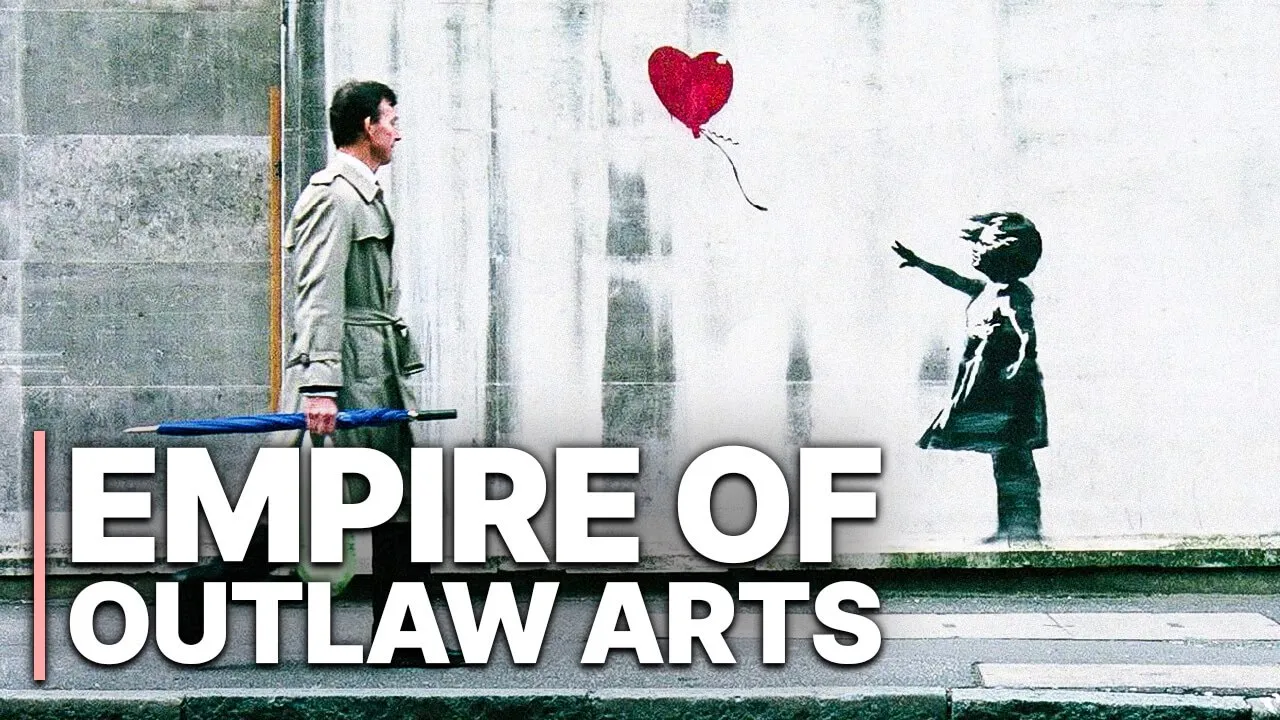

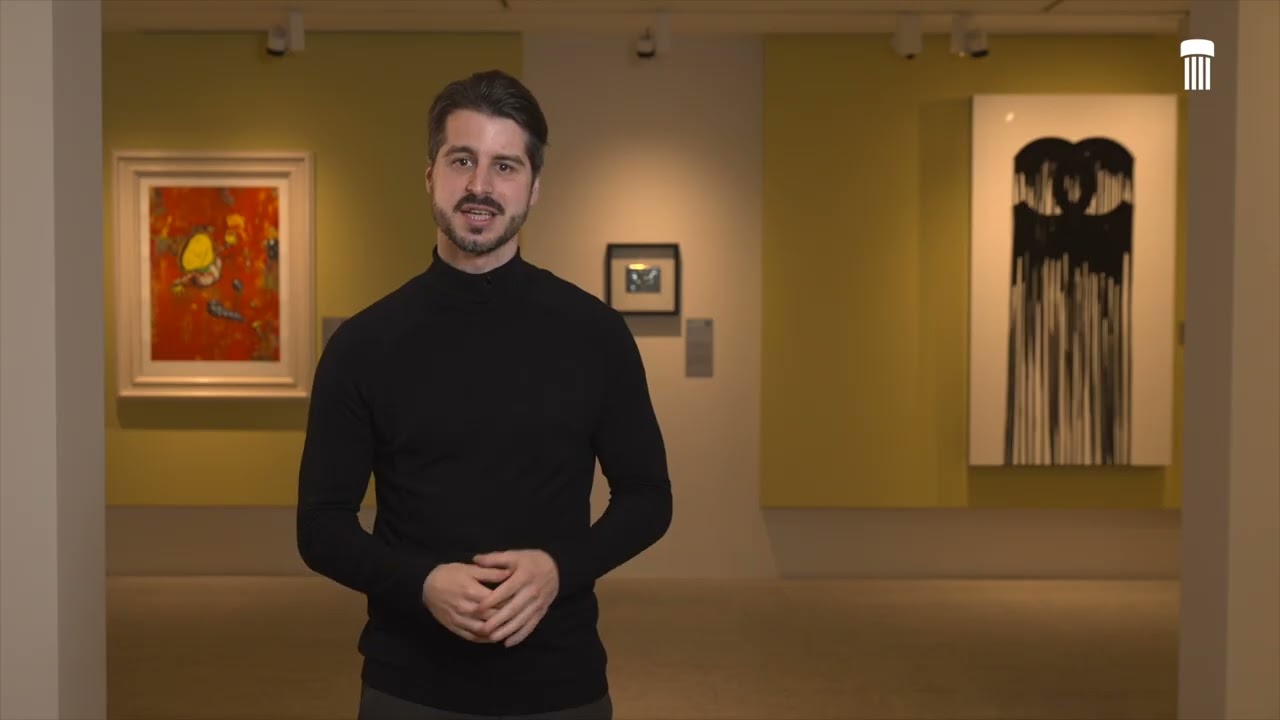

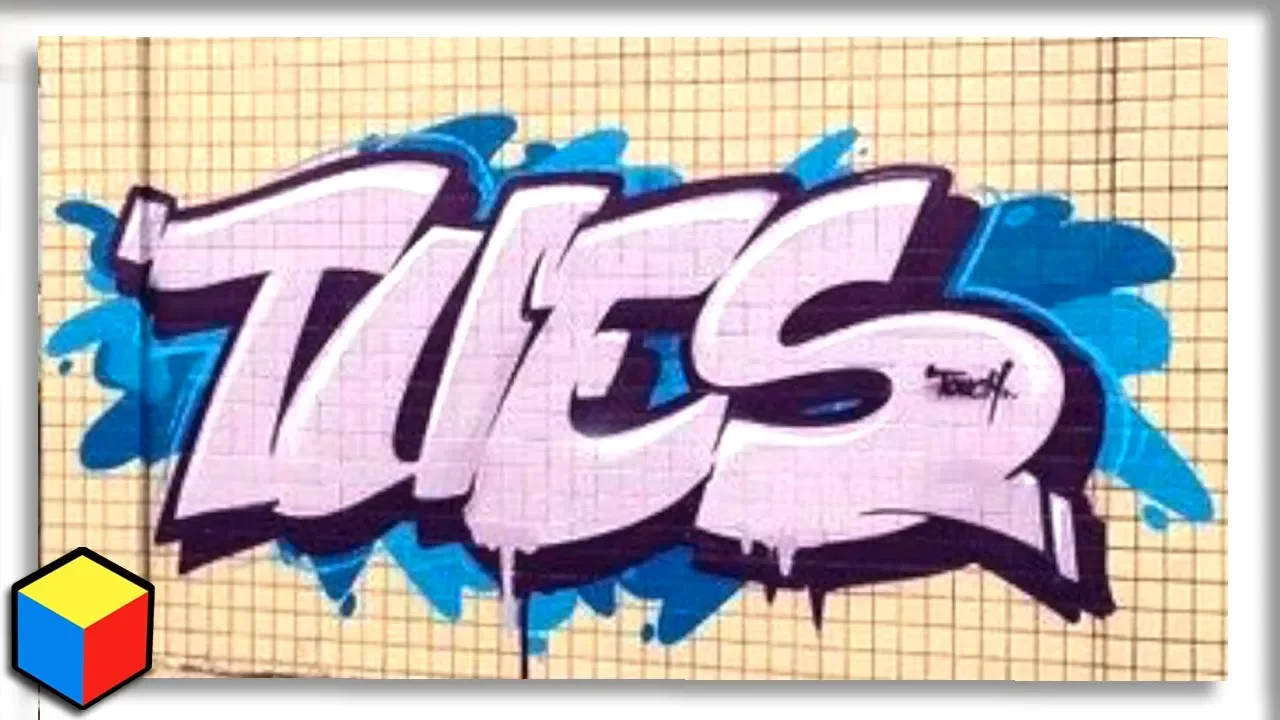











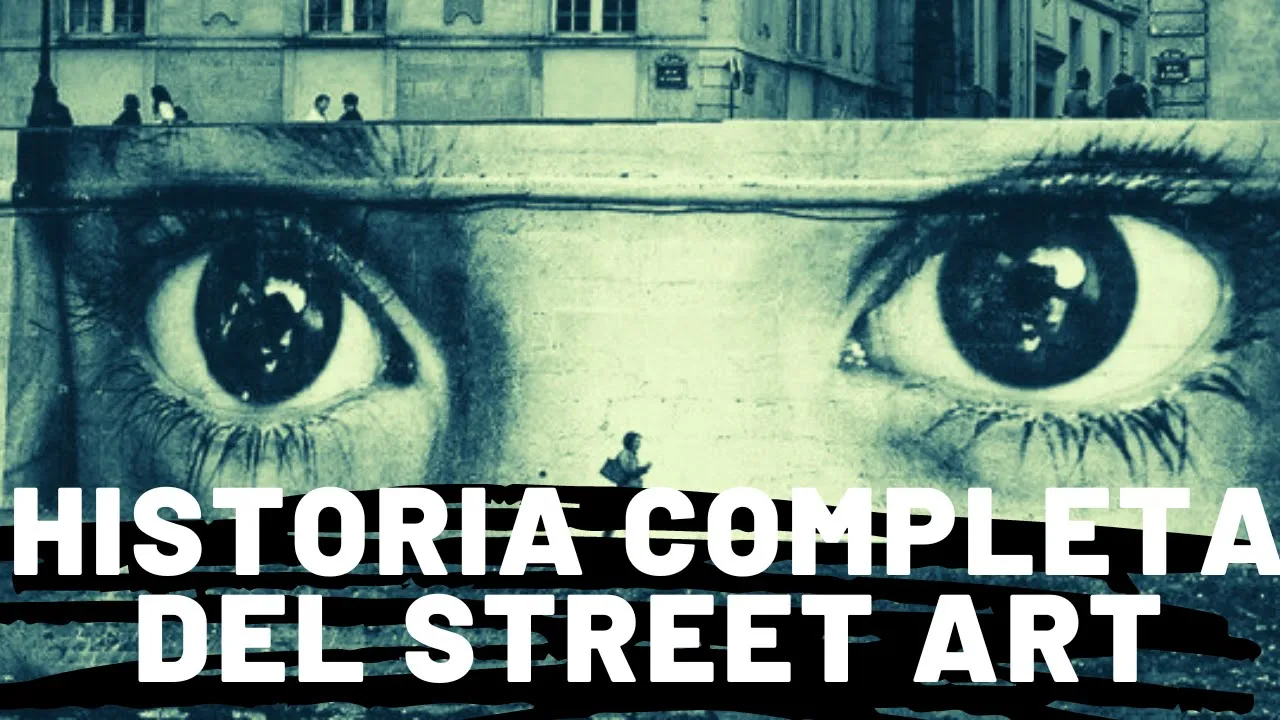

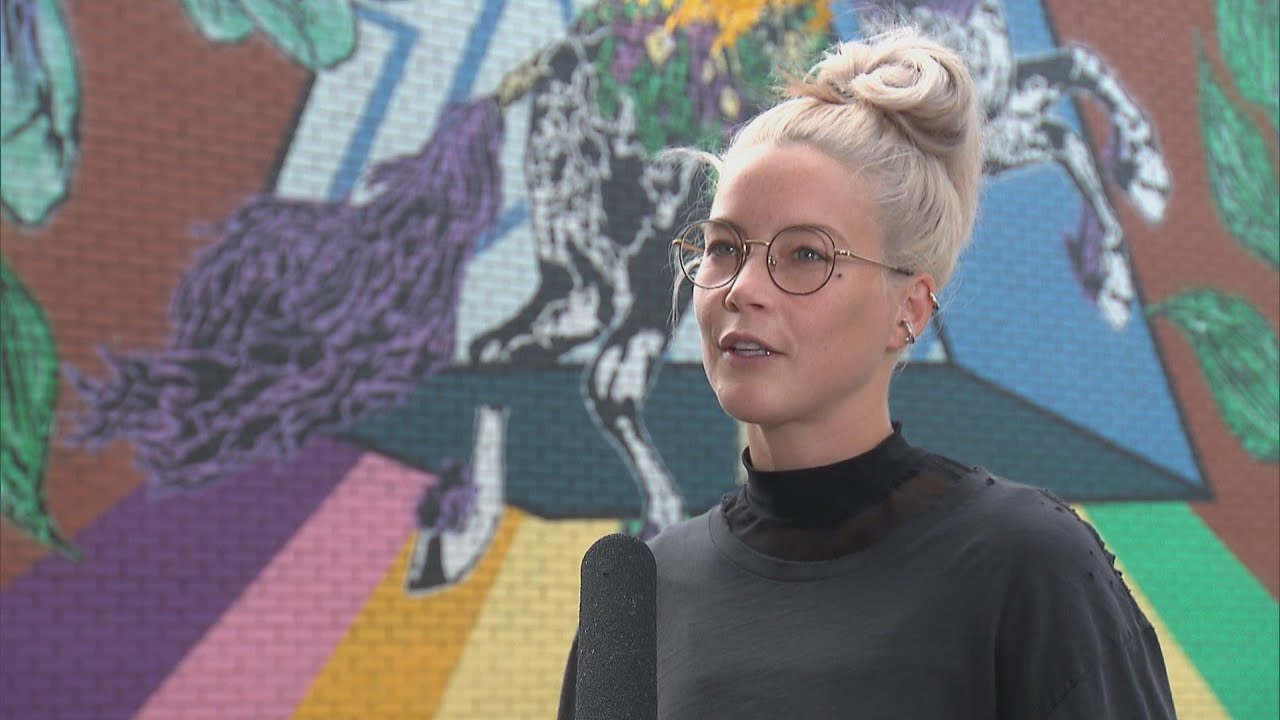


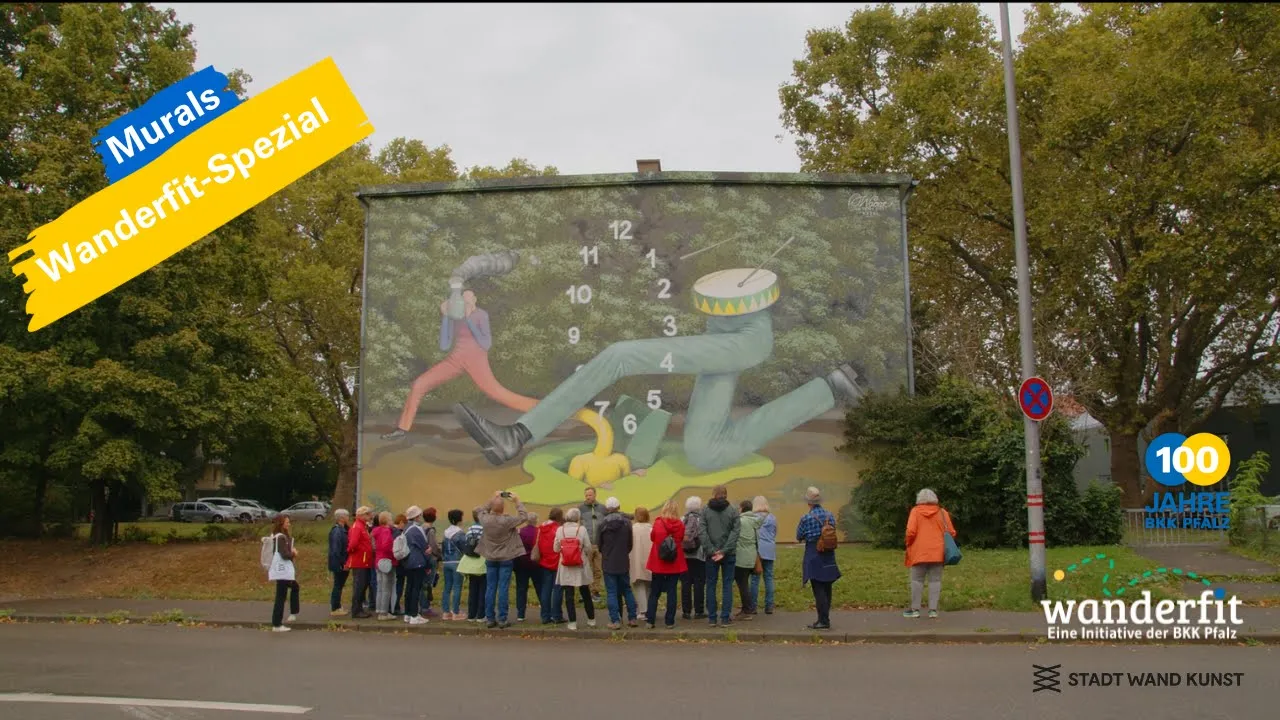
Graffiti art has evolved from a form of vandalism and military propaganda (such as the 'Kilroy was here' phenomenon and Napoleon's defacement of the French flag) into a recognized art form, as demonstrated by the 'Art in the Streets' exhibition at MOCA featuring works by artists like Lee Quiñones, Futura, and Shepard Fairey, which challenges the traditional negative perception of graffiti as mere property destruction.
Art in the Streets: Graffiti Art History at MOCA
Added:An understanding of the socio-economic climate of Philadelphia and New York City in the late 1960s and 1970s, which fostered the emergence of modern graffiti.
Familiarity with foundational graffiti terminology, including the distinction between 'tags,' 'throw-ups,' 'pieces,' and 'wildstyle' lettering.
Knowledge of the historic tension between mainstream art institutions (museums and galleries) and grassroots countercultural movements.
A basic awareness of the four core elements of early hip-hop culture (DJing, MCing, breaking, and graffiti) and how they influenced one another.
Analysis of the commercialization and commodification of street art, examining how the market transition affects the authenticity of the movement.
Study of the legal and ethical complexities of public art, including vandalism legislation, copyright ownership of unsanctioned works, and preservation versus removal.
In-depth research into the career trajectories of key figures who bridged the gap between the streets and galleries, such as Keith Haring, Jean-Michel Basquiat, and Banksy.
Investigation of the role of street art in modern urban planning, particularly how municipal mural programs are used in gentrification, community revitalization, and public spaces.
4K views41likes12:06Original Release: 2011-06-26
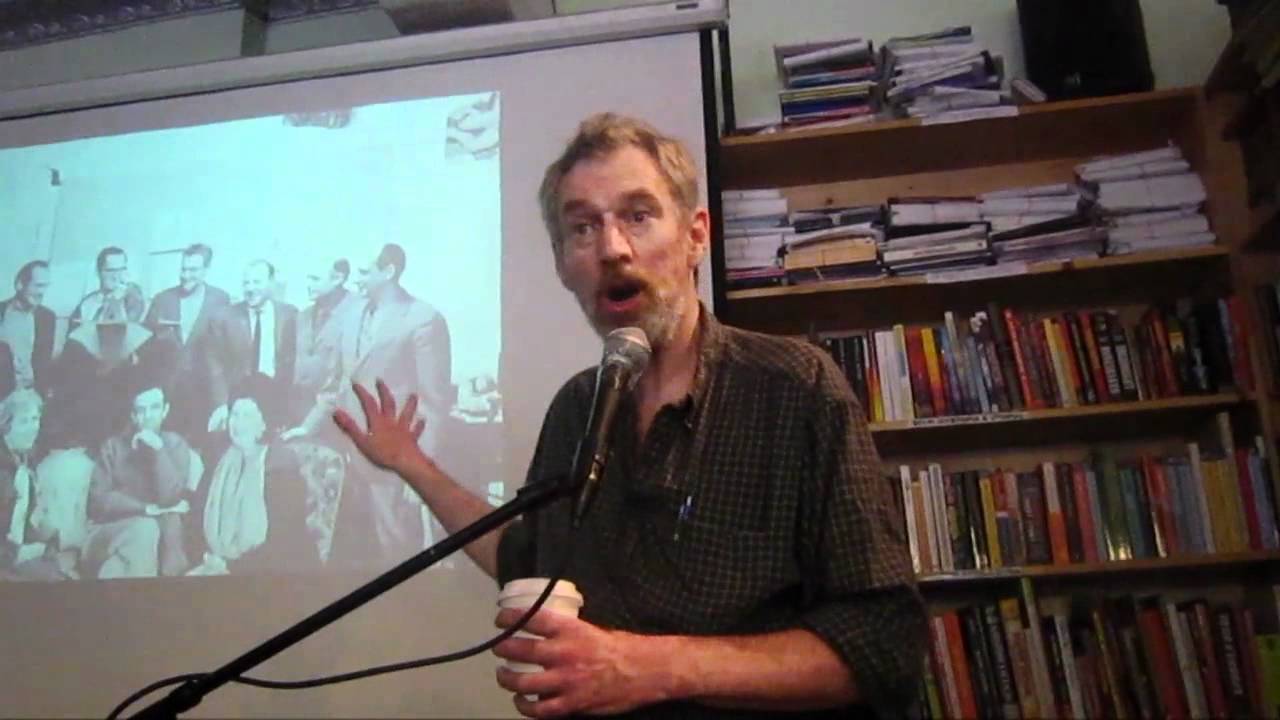
[Music] this is James col G the bike welcome you all back for another half ass production and today we're coming to you from Los Angeles California this is the line in front of the Gein Center at the Los Angeles Museum of Contemporary Art and we're going to go in and take a look at Art in the streets well so we're here at lamoka this is the David geffin wing and we're taking a look at Art in the streets oh this is nice this is like a 1964 Buick special this was painted by Keith Herring pictur Love video is not video is not allowed no okay thank you now I'm not supposed to be taking video so this is all undercover folks and there is keny shar's looks like a Cadillac well this is by leaky notice there's Le f f Freddy Lady Pink Big M wow the fun Gallery this is where I hung out a lot on East 10th Street wow this is the fun Dy [Music] white here's a little Subway diarama by Kylie Jenkins phase two the Kenny sh [Music] room oh here's a major mural by Kenny sharf who also had a lovely piece in unfinished paintings well we've got some doors from a cabinet of 51x and look at that there is the world famous ratzel Ruck to of people complaining that there were only two California artists or maybe two La based artists in this we just talked about Martin Wong he uh was one of the first people that got into the graffiti in a serious way a curatorial way and donated it to one of the museums in New York you know how Fant some clips from Wild this by Craig R st the third one of the California Street artists florescent posters shepher fairy kind of like this uh Gothic text BR brushed oh this is Retina it's like Chris Pap oh man this is sweet well this show is huge and they've got uh I don't know what maybe 70 or 80 different Graffiti Writers in the show it's by the hobo graffiti this is we by Margaret kill gallon [Music] there's another massive miral that must be about uh 120 ft long well these are all motorcycle tags from one of the biggest uh clubs in Southern [Music] California it's got to be one of the sharpest custom vans I've ever seen check out that paint job Oh California car culture oh killer clowns [Music] well I just saw Jeffrey Deutsch and I'm going to follow him in and we're going to watch a few minutes of a lecture by Carla McCormick on Creative destruction I remember like I I had really thinking about what I was going to talk about and then someone of the Communications Department at this Museum asking me what I was going to talk about that was only a week ago so it's was probably 2 weeks before I was going to think about it I had done this big book and I did a bunch of stuff for the book that came out for this show and then I remembered something actually has fundamentally changed what's changed actually is the show itself uh changed things that's a kind of C change for for this work because uh it changes the way we have uh the kind of discourse around I had been able to see that so I've been hearing back for like a month from people uh who made the pilgrimage out here and and went saw this show and like really tough guys who uh don't really get emotional about anything like choking up uh because everything's been like demeaned if not vilified for so long to see it get wed in institutional kind of love but more importantly to see this many people to see that there is this audience lining up every day like you know down the street to see this why do people really hate it for feeding you know what well because it destroys property so I said okay I want to talk about what's you know the creative creativity and destruction but I don't really have the props to do that but I what I'm going to do is I'm going to show you just some uh kind of [ __ ] up stuff which is which doesn't have the mutual Aesthetics behind it um I I I'm not going to address uh uh any of the issu which came up around this piece of mocha it's not my place to do so U I have actually have a reason for showing this this blue mural which was here but just to say without addressing the issues uh I'm a big fan of the do Shion silence like the way he his absence resonated the work or the way cage use silence uh I think these things are uh this was up for a day basically and it's been seen by so many more people uh just by it its absence uh subsequent to then and we should remember that the reason why the Mona Lisa is the most famous painting in the world is not because it was really ever thought it was the greatest painting but this the huge stir that happened in I don't know not good story 1911 or something like that this it was yeah this this janer at the Loop stole the painting and it's it people flocked to Museum like was crowds like this for 6 months looking at the empty space in the wall it became iconic by its absence but the reason I'm showing this however is because if we're going to talk a little bit about some of the negative attachments to rafiti actually one of the things we need to think about is a l part of its history this is obviously an anti-war thing a lot of the the history these modes of expression are propagated through the military really in America one of the things which really got people thinking about this kind of vernacular was killboy was here which is documented well in the show especially that the timeline uh upstairs but uh that was Soldier you know it's a long time of story Parker of a myth but the uh this guy started putting on bombs and Spector of bombs like this Kilroy was here and that people just became this mean the same way graffiti spread around the world later this is a very famous event in the history of Def basement Napoleon uh ordered his troops to uh shoot the nose off the FX and and the defacement is is an interesting term it is I'm not going to pontificate about it but kind of keep it in your head and think about what that history is what it actually means to to Def face something especially when it's religious or cultural imagees this stuff plays out in the news regularly this is it it's not just it's not just a violent act there's a strategy and there's a logic attached to it this is a uring p famous very famous photographer this is an image he uh did of Italian Graffiti and I want to show you some of that stuff because um uh as best I can I'm not the the best researcher in the world but like as I was trying to find out where does where's all the stencil art come from like all the we paste art all the Italian fascists were the ones who if they didn't invent it they certainly could be responsible for his Golden Age you're have to see a lot of pictures of Rini if you wonder who that guy [Music] is see that's extensive they really got into it when the times do something they do it with a passion and this is this is the one which is killer wow yes yes yes so this is James Comm reporting on Art in the streets at the Gein Center here at the Los Angeles Museum of Contemporary Art thanks Kate [Music] oh [Music]
Up Next

81:09
Sotheby's Modern & Contemporary Evening Auction Highlights
@sothebys
85.6K views•2025-03-05

114:18
Christian Iconography: History, Theology, and Meaning | Fr. Panayiotis Papageorgiou
@Trisagionfilms
58.8K views•2020-02-21
7:48
Ukiyo-e Art: History, Woodblock Printing & Influence
@japanathand
6.3K views•2023-06-08

16:34
Earliest Depictions of Jesus in Art: 10 Ancient Images Explained
@UsefulCharts
5.9M views•2022-06-03
Related Study Plans & Knowledge Roadmaps
Structured learning paths in Art History
art-history
Gothic Cathedrals: Engineering, Light & Society
01The Birth of the Gothic: Romanesque to Suger's Vision
02The Structural Triad: Pointed Arches, Ribbed Vaults, and Flying Buttresses
03Theology of Light: Lux Nova and Sacred Geometry
+ 2 more learning modules
14h5 modules
Explore Roadmap
art-history
Pre-Raphaelites: Realism, Symbolism & Critique
01The Victorian Art Establishment and Academic Formula
02The Founding of the PRB and Radical Realism
03Medieval Revivalism and Literary Symbolism
+ 1 more learning modules
8h4 modules
Explore Roadmap
art-history
Street Art: From Subways to Art Market
01Subcultural Origins in Philadelphia and New York (1970s)
02The Subway Era and Style Wars (Late 1970s - 1980s)
03The East Village Scene and Early Gallery Crossover
+ 2 more learning modules
10h5 modules
Explore Roadmap
art-history
Classic Maya Art: Iconography, Glyphs & Ritual
01Foundations of Classic Maya Visual Culture
02Deciphering Maya Hieroglyphs & Text-Image Integration
03Sacred Geography and Cosmological Architecture
+ 2 more learning modules
14h5 modules
Explore Roadmap