















Banksy represents the evolution of street art from underground vandalism to mainstream artistic recognition, demonstrating how anonymous artists can use public spaces to deliver powerful social and political messages that challenge institutional authority and democratize art consumption.
Banksy and the Rise of Outlaw Art | Street Art Documentary
Added:The history of graffiti culture and the key distinctions between graffiti tagging, street art, and vandalism.
Basic mechanisms of the contemporary art market, including how art is valued, auctioned, and institutionalized.
The use of stencil art in public spaces as a rapid, political, and historical medium for social commentary.
The concept of 'culture jamming' and how artists use existing media and public spaces to subvert dominant political narratives.
The 'Banksy Effect' and the economic commodification of counter-culture and street art by major auction houses.
Legal and ethical dilemmas surrounding public art, including intellectual property rights, copyright ownership, and property defacement laws.
Institutional critique in contemporary art, exploring how artists challenge the power structures of museums and galleries from within.
An analysis of other influential street artists and collectives, such as Shepard Fairey, JR, and the Situationist International, to compare global socio-political impacts.
42.2K views581likes1:52:44Original Release: 2023-04-23
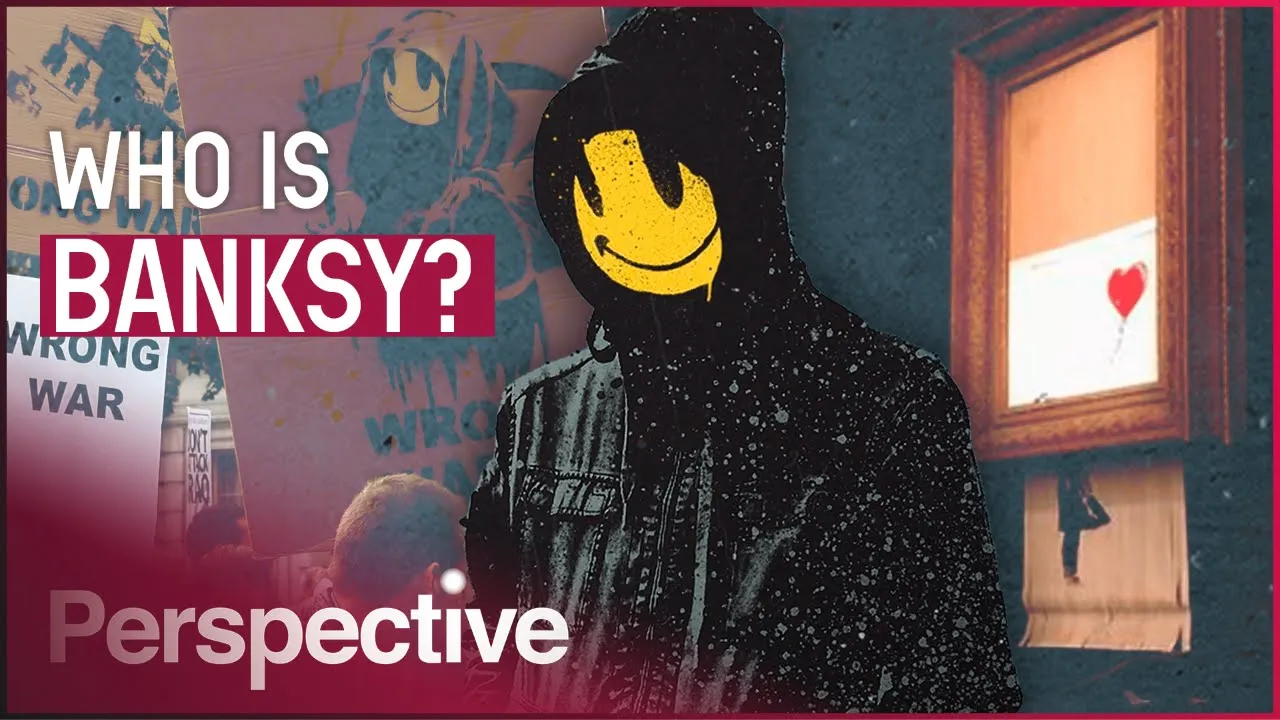
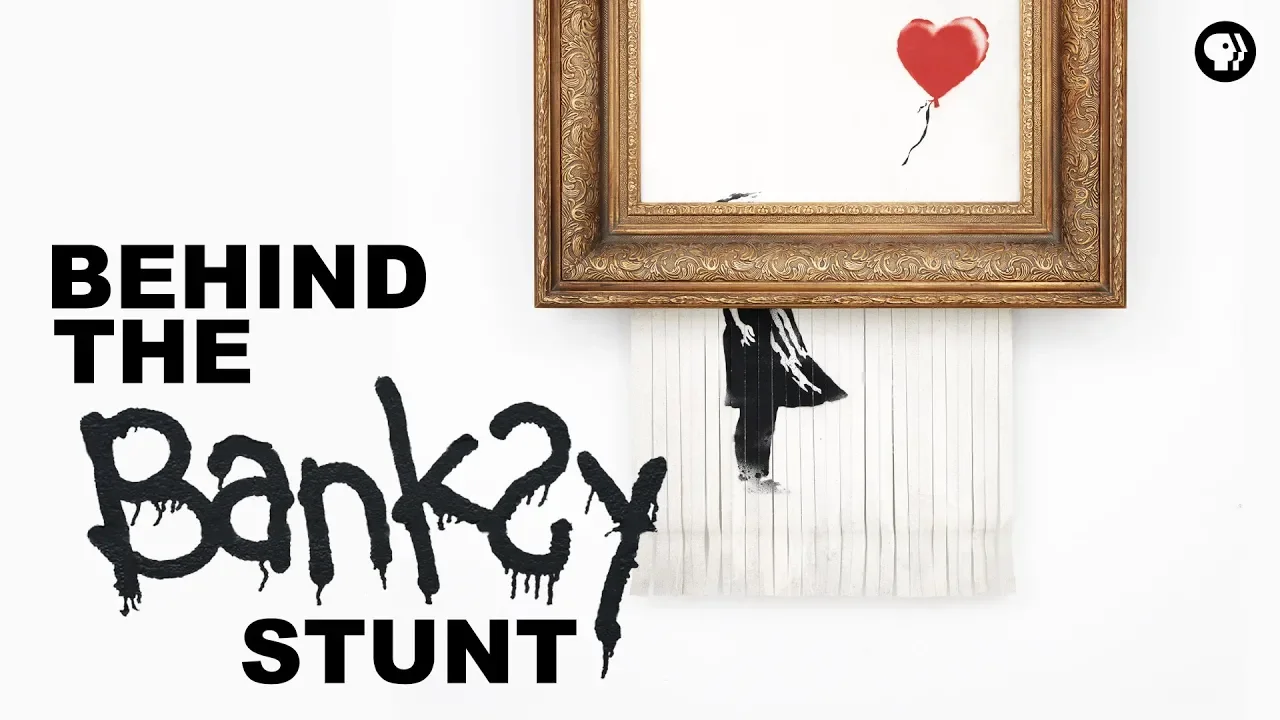
foreign [Music] October 2018 the anonymous street artist known as Banksy published this video online in it he can be seen preparing a custom frame for his painting girl with balloon painting is about to be offered for Sailors Sotheby's one of the world's most exclusive auction houses [Music] the event was typical Art Auction Bank sees lot was the last lot of the evening the piece sold for over a million U.S last chance at 850 000.
the gavel came down sold gone sold setting for 860 000. as the hammer struck the work started to fall through the frame [Applause] [Music] then as it did it shredded and everybody witnessing her as it was destroyed I was like ah street artist Banksy pulled off one of the greatest pranks in the history of the arc World it caused a huge stir I mean nothing like that had ever happened that stunt has already increased the value of that painting up to seven million dollars it plays on people's fears and emotions and what true value is where do we place value in society who does art belong to he created an art history moment and wrote himself again into the history books [Music] foreign [Music] [Music] wasn't the first time that Banks he had ambushed one of the August institutions of the art world 15 years earlier in the winter of 2003 a mysterious figure entered Cape Britain one of the UK's most prestigious art museums and placed a painting on the wall over the following 18 months fake exhibits appeared in London's Natural History Museum the Louvre in Paris and the Museum of Modern Art in New York all covertly installed by the same Anonymous stranger went through seven different galleries putting seven different works of art up in these galleries the one in the Metropolitan Museum of Art only lasted two hours which was understandable because it was a painting of a rather Posh looking lady she had a gas mask on and that was spotted very quickly but the one in the museum of art that lasted for several days because it was a painting of a Tesco can of soup and it looked just like the Warhol cans of soup and no one noticed it it was a daring thing to do he did it he got away with it and everyone suddenly knew his name but her name was all the public had everything else remained a mystery who was the secretive artist that had evaded some of the world's tightest security to hang his own work alongside that of Monet Picasso and Warhol was he just one person or was Banksy a group of people was he hiding his identity because he was already famous someone known to the public perhaps a musician or actor [Music] stunts themselves contained Clues Banksy had launched an audacious game of cat and mouse at the Tate he had risked a rest to bring his art to the public they met his piece had been quickly removed by curators who was sure that it didn't belong in a gallery and as Sotheby's Banksy had performed an act of vandalism and it was with vandalism that it had all started [Music] graffiti has been used to start revolutions stop Wars and generally as the voice of the people who aren't listened to graffiti is one of the few tools you have if you have almost nothing and even if you don't come up with a picture to cure World poverty you can make someone smile when they're having a piss graffiti isn't an art form graffiti is a reaction an Impulse is like a spark Dynamic explosive unpredictable some people say graffiti ruined my life and some people say you know graffiti saved my life a rush um it's an addiction the rush I think is sort of a consequence of it all you're scared and your blood is pumping and your adrenaline is pumping but really you're doing it for the recognition and not the rush running around a city and getting your name up in as many places as you possibly can the more risky the better you want your name as big as possible in lights you know so it's [ __ ] ridiculous but graffiti is always the heartbeat of society that captures what's going on at that time in that moment for every Banksy that's on top and it's visible you've got hundreds that may be underground and invisible [Music] graffiti emerged in Philadelphia and then New York in the late 60s and early 70s the city was in quote-unquote crisis it was a city that didn't have much revenue there was a lot of crime there was a lot of drugs a lot of poverty graffiti writing started in neighborhoods like the Upper West Side of Manhattan the Bronx Flatbush Avenue Brooklyn and it was a movement started by young kids that were writing their names with their street numbers on the walls around town to get recognized in some way sort of a game of tag you're actually putting your name on a place and sort of putting it more and more and more and exposing yourself more than someone else is coming and following you and doing the same thing the game exploded when kids decided to leave their streets and go to the next street and the next street and the next street the next neighborhood in the neighborhood after that and it became hugely popular the taller and wider people sprayed their names then somebody came up with the bright idea of putting a second color around their name and before you know it the stick letters of small names on the back of bus seats had turned into seven foot high letters on the side of subway trains and so then it really exploded and became an art movement [Music] thank you painting or bombing New York Subway system soon became the primary focus for young Graffiti Writers obsessed with having their name seen as widely as possible the nascent art movement developed its own grammar rules and culture all based around rendering letter forms from the tag a signature scrolled quickly with a spray can or marker pen all the way up to the piece a large-scale stylized depiction of the artist's name in 1983 the public was given its first Glimpse inside the graffiti underground with Tony Silva and Henry chalfant's Landmark film style Wars for many Star Wars depicted a strange criminal and dangerous subculture but for others it proved to be an inspiration it was a new universe that was being showcased then it was like oh my God I gotta get a piece of this it became a guidebook for many people you know where it was like this is how it's supposed to be done [Music] people don't know what I look like until now until they start going to the movies are you gonna see my face big deal traveling around the city on transport and just like there's my tag there's my tag there's my tag it makes you feel like you own the city it's like when you paint a train and you see your train running you know just the terminology I saw my train running isn't the train that somebody catches to work this is my train with my name on it and it's running graffiti gives these young individual some kind of ownership when they have nothing it's a matter of bombing knowing that I can do it you know every time I get in the train almost every day I see my name I say yeah you know what I was there I bombed it it's a matter it's for me it's not for nobody else to see I don't care I don't care about nobody else seeing it or the fact if they can read it or not it's for me and other Graffiti Writers that we can read it all these other people who don't write they're excluded I don't care about them you know they don't matter to me but the Young Writers soon found that the pursuit of their art meant facing the full Wrath of the law as complaints from the public increased New York Civil Authorities announced a war on graffiti describe the artists as Outlaws and Link the prevalence of tax to an upsurge in other more serious forms of crime I think it's the most disgusting discussed in New York City it's recently painted a couple of weeks ago and they seem to know when you're going to paint the station and at night the station will be end up almost just like this graffiti in New York has become a deep-rooted social problem that has bubbled Up From The Underground to consume public buildings road signs bus shelters and what's even more disturbing people's homes it's just a general and pervasive lack of consideration for other people I think it's the bottom line I think graffiti is what do you want us is ah you know it's not a crime but you know the government give us some right to do we can make it look nice you know what I'm saying well for example say you lived in this building yeah but you don't live in this building you're coming into your house you're drowning in this guy's house this argument that graffiti is bad and the graffiti should be treated as a blight and that it should be treated as a as a crime became more the accepted point of view the legal argument did actually hijack the art discussion it was an approach that has come to define the relationship between Street artists and Authority ever since and would ultimately become a central theme in banksy's work battle lines were drawn and the artists were permanently cast as belonging to the criminal Underground mayor Ed Koch signed a law a few weeks ago that makes it illegal for a merchant to sell spray paint or broad tip markers to minors but Graffiti Writers for the most part don't buy their paint they steal it ski one who writes in Upper Manhattan says that while a friend distracts the storekeeper he fills a bag you say some kind of kind that they don't have but it could be hard for them to look look for it by the time they look for I'll have um 250 cons 300 in your duffel bag yeah could ruin your career your family your relationships if you decide to be that kind of a person that kind of an artist you have to be well aware of those consequences you want your work to be seen by as many people as possible but conversely you want to stay as Anonymous as possible graffiti was only one part of the broader youth culture that emerged from New York in the 70s and 80s although it had developed independently the art form became inseparably linked to hip-hop a new type of music and dance that like graffiti was an improvised DIY scene born of the same desolate Urban Landscapes of the Bronx Manhattan and Brooklyn Star Wars presented DJing wrapping breakdancing and graffiti as expressions of this same hip-hop subculture when Tony and Henry created this film it seemed like it was all together and it was all this hip-hop package the young kids that received their film around the world decided that it was only one thing they didn't just do the graffiti they didn't just do the DJing or the dancing they had to do it all alongside style Wars Henry chalfant published Subway art a book of the best images from the subway system in collaboration with photojournalist Martha Cooper the music book and film spread graffiti beyond the perimeter of New York City to walls trains and overpasses across the planet [Music] I consider Star Wars and Subway art the Holy Grail of graffiti right I went out and I stole two cans of spray paint which I learned became part of the sport of graffiti and Iraqi paint and I went to my high school that night I had like two cans of white two cans of red and I sat out there I was waiting for it to get dark and I couldn't even made it was like dusk jumped the fence went there did this big surface it was terrible I mean just the ugliest thing you ever saw the next day I got the school's all bummed out you know because it wasn't like the photos I saw but I saw a huge crowd around it and I was like that's so cool and I was like that's cool I'm off uh Cooper and Henry child from completely changed the direction of my life I was a little kid I was down the King's Road I went into wh Smith's and I saw this book called Subway art and it was the first thing that I stole and it became my Bible I was like oh my God there's this place where people are painting trains and you don't know that they're trying this and need to do this for some weird reason hit pop and rap as being exported from New York I was listening to Grandmaster Flash and Sugar Hill Gang and I was kind of into break dancing but I couldn't break dance at all I wanted to be part of this saying so graffiti kind of like did it for me [Music] I come from a relatively small City in Southern England when I was about 10 years old a kid called 3D was painting the streets hard I think he'd been to New York and was the first to bring spray painting back to Bristol I grew up seeing spray paint on the streets way before I saw it in a magazine or on a computer [Music] Bristol is a port it's a City built on trade most notoriously its trade was the the slave trade the transatlantic slave trade old Bristol was destroyed in the Second World War and so the whole demographic of Bristol changed because of working-class community were moved out from the center of town and it took a long long time for Bristol to be rebuilt certainly when I was growing up in Bristol in the 70s and 80s an awful lot of it was still bomber sites and that coincided in the 70s with the closure of the the city docks then the sun Troopers to become a bit of a wasteland a very Multicultural City in the last 30 or 40 years it's been an incredibly kind of like creative environment you know if you look at the people that have come out there you have Massive Attack tricky ports head that have shaped like a new form of music you have something like Banksy that's gone on and become you know famous worldwide Bristol is big enough to have interesting things going on but small enough that people connect very quickly and ideas spread quickly Bristol had the opportunity to have a really healthy scene I'm very focused and healthy scene growing quite quickly in the 80s that scene it's our music and its politics would come to shape Banks's future career in the mid 80s however he was still a young Schoolboy trying to find out what he might be good at Banks's background is a regular middle class Bristol boy I think I got an e in art he never went to art school but people who studied with him at the time said he had something in his artwork that they hadn't seen before gotcha Harmony where there is error may we bring Truth where there is doubt may we bring Faith and where there's despair may we bring hope [Applause] you need to see what they're doing the 1980s was a time in which Britain was rocked by civil unrest and economic turmoil as the conservative government of Margaret Thatcher sought to completely reshape the country tearing up the old social contract Thatcher launched a capitalist Revolution that placed money on the market at the center of national life good evening Mrs Thatcher has said it again her government intends to see its economic policy through to a conclusion Industries went out of business parts of the UK particularly the North and the Midlands were de-industrialized very rapidly and became like ghost towns there was this sort of almost overnight desolation that descended on a lot of the UK no prospects for young people some of them turned to heroin it was a bleak time Bristol at the time was suffering from a lot of Industries going unemployment conflict there were riots it was like much of Britain at the time quite an unhappy City it was still that old British mentality of Friday night fight night and it really was it was that kind of you know went out drinking on a Friday he had a fight you went home it was a good night Bristol rebelled against the culture of factorism the idea of everything having a value for example and it manifested itself in the growth of the alternative culture in Bristol and Bristol adopted Hip-Hop New York hip-hop particularly as its dominant subculture and it's from there really that this anti-authority kind of attitude seems to have come about not by design by accident the arrival of hip-hop made a spectacular impact on Bristol's music and art scene clubs in the largely black and Irish Community of Saint Paul's began hosting hip-hop nights and several of the city's sound systems started to incorporate emceeing and break Beats the Wild Bunch sound system emerged as the dominant force on the scene and its Knights performing at the Dugout Club in central Bristol quickly became the stuff of Legend the Wild Bunch was a group of DJs and rappers out of the world Bunch grew Massive Attack Nelly Hooper one of the great producers of the late 20th century were with sold to soul and Bjork it was sort of like the the training ground for people who would be defining cultural figures of the British 90s [Music] they were definitely the coolest guys on the scene at the time and a lot of people wanted to imitate them being able to put on a party in a house charging 50p on the door hiring a reggae sound system from some guys down the road who had some really big speaker boxes and having an illegal bar in the corner and filling the house with a couple of hundred people was relatively straightforward [Music] thank you [Applause] [Music] there was no coincidence that the explosion of both graffiti in Bristol at that time and Hip-Hop culture and sound system culture especially in Bristol both seem to mushroom simultaneously together the twin art forms of music and graffiti were personified by the single figure of Robert Del Nair a founding member of the Wild Bunch also variously known as 3D delge or simply D but spent some time in New York during the early 80s and when he returned to Bristol he brought graffiti with him 3D was also icon in the UK's first graffiti artist he was really a Visionary he always had his eye on the big picture he would wander around and paint full color fully blown pieces of graffiti in very very public spaces free hands with very neat outlines very precisely well thought out color schemes it was like New York had arrived in Bristol for us you know there's kids growing up you know on Estates and everything else is like suddenly you started seeing this art form that belonged to us you know for the first time ever like I'd never been in a gallery I'd never gone to a museum and then suddenly start seeing this kind of visceral art form come out of New York it was you know at that time tied in with hip-hop as well and you know I used to get the bus into town to like travel around to see these pieces 3D started painting in 1983 and not long afterwards the film wild style was shown at the art center cinema in Bristol how could you call people to hang out in Windows and watch trains Riders man you gotta rate you gotta do the actions man you know you gotta go out there rack up you gotta go out and paint and be called an outlaw at the same time myself and a group of friends sat and watched this window on New York and all the different aspects of the hip-hop subculture to then walk out the cinema and see all this graffiti with the name 3D and the Zed boys which was the crew that he was painting with right there and then it was immediate there were a number of Crews that started that night and whilst I was first shown at the Arts Center cinema this proliferation of budding graffiti artists coincided with the retirement of their spiritual leader Robert Del Nair issued with a final warning by the police Del Nair hung up his spray can to concentrate on his music career he went on to form Massive Attack one of the most important British bands of the era dalnayov was a Pioneer alongside him there you had guys like Zed boys Ian Dar Jaffa fade you add Felix Inky knit Walker those for me were the originals [Music] thank you while Robert Del Nair had been a lone Gunslinger roaming the streets of Bristol stalked by the police the wave of writers who came after him benefited from the appearance of an unofficial graffiti headquarters in the east of the city amid the social difficulties of the 1980s and Bleak prospects for most young people a local youth worker named John Nation offered up the walls of his youth club to any artist brave enough to travel to the Badlands of Barton Hill [Music] I'd heard there was a graffiti Hall of Fame somewhere in Barton Hill but my dad was badly beating up there as a kid and at his trousers stolen so I would always put the fear of God into me about the place of course it turned out to be the most inspiring stretch of concrete in Bristol and I made a pilgrimage there every weekend what it showed us was very powerful that there was a choice between compromising and following your own strange little dreams Barton Hill was an area which had a terrible reputation it struck fear into if you were not from Barton Hill you didn't go to Barton Hill why working class hostile to Outsiders from the area very territorial strong sense of community but also um Barton Hill had a reputation as being a tough place and a lot that was to do with and all the generational ads that were predominantly into football hooliganism um a lot of them were deemed as being into right wing National front Barton Hill youth club provided a meeting place for disaffected youth from across Bristol kids who are getting into a lot of trouble and channeled their energies into a far more creative way through what John always referred to as aerosol art two young guys had visited New York and they approached me to paint the external facial of bar in Hill youth club now at that time the front of Barton Hill youth club was adorned with political statements National front emblems Barnhill boot Boys Bristol City service firm football hooligan crew that kind of culture was what was being displayed on Byron youth club at that time so we decided this is something that is fresh and the fact that these two guys are born Hill locals and that they want to do this was encouraging that really was the the beginnings of laying and sewing the foundations for Barton Hill to grow a huge reputation in the city the one place in Bristol where you could paint legally all day long on the walls of the ball court and laterally on the outside of the building it was Bliss it was luxury we could sit around take our time the other thing that Barton Hill youth club had was that it backed onto the railway tracks painting safely and legally at a youth center was one thing but it lacked the glamor of New York Subway art the danger the rush and crucial the ability to achieve city-wide renown the young Graffiti Writers at Barton Hill used the club as a staging post for bombing rates on trains buses and walls across Bristol and before long their names and styles became a familiar part of the urban landscape you had artists like Inky Felix choro era chaos and Sham I started painting with a crew called crime Inc and we followed the template set down by 3D and as much as we would sneak out after our parents were in bed and go and paint pieces of graffiti around the city and the level of tagging that took over in Barnhill encroached on the quality of people's private and public property the auto shop was getting knocked off in Barnhill proper break-ins they managed to find a way in through the back of the premises and relieved them with hundreds and hundreds of tins of pain many of the houses that were on the house of the state adjacent to born a new club their front doors were tagged their bins the local pub the wall was absolutely caned with tags there was a trail you could follow you would know that there was a center where graffiti was taking place and that this trail of tags and throw-ups and dubs led to that one Center Point which was Barton Hill and this antagonizes a lot of the local residents it got to a point where the council and the police and British transport police specifically were starting to talk to one another and they got to a point where they felt that something had to be done a city that can't control its vandals is seen by many to be a city that's out of control in the summer of 1989 the British transport police launched a series of raids to arrest Bristol's most infamous graffiti artists the raids with the culmination of operation Anderson a year-long investigation into Barton Hill the biggest anti-graffiti operation ever to be undertaken in the UK a total of 72 people involved in the graffiti scene were rounded up and charged with criminal damage John nation was interrogated and pressured to divulge the real names behind the city's tax if he refused to cooperate he would be charged with conspiracy the most serious offense that the police could allege most of the artists were convicted but I didn't divulge one person's identity to the police and so they charged me with conspiracy to organize and incite individuals to commit criminal damage I had a trust placed in Me by those young people in the confidentiality and the respect and the bond that I had with those young people would would be the determining Factor [Music] it might sound a little crazy but I think John nation that shouty red-faced little social worker who made it all happen has had more impact on the shape of British culture over the past 20 years than anyone else to come from the city and I bet none of the cops who arrested him can say that so the consequence of operation Anderson was that the majority of the writers stopped which was what the authorities of course wanted the other consequence was that those that continued went completely underground and lived completely outside the law so you had a smaller group of very very hardcore writers who were taking on the authorities and it was into this vacuum if you like that Banksy emerged a generation younger than the first wave of Bristol Graffiti Writers Banksy showed up on the scene in the early 90s where he fell in with one of the crews that had remained active in the aftermath of operation Anderson Banksy first appeared working with the dry breads crew which is the Loki in Cato and Dems he was a snotty kid hanging around saying can I spray something as well when it was largely ignored until he just hung around so much that eventually they relented and he started working with dry breads or bad apples Crews were essentially the same crew I think they probably all came together around the same time probably slightly dismayed that people had actually been able to be put off painting by what happened during operation Anderson I'm sure it made a young Banksy more determined to get his work out there they very quickly realized that there was something a bit special about Banks you know this little kid was pretty good as a freehand artist at that time and had some really interesting ideas a lot of those ideas were around the placement of the work sometimes the pieces which dry breads or bad apples were putting up were put up in places where they were quite dangerous for them to paint so quite public places and there was a reluctance for them to go there because they thought they'd be next until they realized the next day when they were on the bus that it was directly opposite the bus stop and at eye level with the the top deck of the bus and so he thought out where the work was going to be most visible which is a theme which is really important to banksy's word is where it goes whether it's opposite a bus stop on a busy Main Road in Bristol or whether it's the Waldorf Hotel in Palestine the placement of the work is absolutely crucial to Bazaar I feel when he first started he he was painting letters you know he was in all sense and purposes a graffiti artist whether he was a great graffiti artist that's debatable in my humble opinion he's gone on to progress from being a half decent graph writer I would say to a totally different conceptual artist from the guys that he was with he was off the radar at that point you know he wasn't one of the known writers from operation Anderson the police didn't have his number they didn't know who he was hence's anonymity was so important to his work banksy's early work suggested that he was a different breed of graffiti artist his pieces often included social comments or vaguely political messages highly unusual for an art form that was mainly concerned with letter forms and striking visuals foreign Banksy emerged during a time when British culture was changing following the arrival of house music from Chicago the sound systems and three parties of the 1980s had evolved into large-scale illegal rapes fueled by a new drug ecstasy shut out of graffiti by operation Anderson many of Bristol's underground artists drifted into the Rave scene where they continued to disregard society's established rules State response to Rave would be one event among several that directly politicized Banksy by the early 90s the conservative government which had always been repressive towards minority groups and those outside of the mainstream were struggling to maintain its Authority the poll tax a new system of Taxation felt by many to be an attack on the poor provoked Fierce writing in London pit the police against the people and led to the downfall of Margaret Thatcher right after John Major replaced Thatcher as prime minister his government launched a campaign against groups that it considered to be socially disruptive in 1994 the deeply unpopular criminal justice and public order act paved the way for a Crackdown on Raves it gave the police sweeping powers to stop and search evict squatters and to take action against a gathering of as few as five people listening to what it termed repetitive Beats hulo also discriminated against both Gypsies and travelers an attenuate community that traversed the British Countryside in Caravans and was associated with anarchism environmentalism libertarianism and other radical ideas [Music] I got politicized during the poll tax riots the criminal justice Act and the heartcliffe riots that was Bristol's Rodney King I can also remember my old man taking me down to see the Lloyd's Bank what was left of it after the 1980 Saint Paul's riots in Bristol it's mad to see how the whole thing of having to do what you're told can be taken back and how few people it takes to grab it back Sy was close to the traveler Community who were a large presence in the southwest of England the Glastonbury Festival Britain's annual summer celebration of Music peace love and alternative living took place not far from Bristol and travelers were a fixture at the site in 1998 he painted this piece inspired by hip-hop and rave on the side of a trailer at the Glastonbury Festival The Unofficial logo of Rave appears in many of his later stencils by the close of the 90s Banksy pictured here during a trip to visit the left-wing zapatista rebels in Mexico had become an artist for whom message was as important as image certainly in the early days you know it was that very kind of simplistic like left-wing attitude of emotions of Travelers which you know I'm a lifelong labor supporter but you know I can't stand that traveling scene never could never will yeah but you know I can see where bits of that came through to him in his mentality in the way he thought he was reflecting the anti-captism the anti-authority the anti-war feelings which were prevalent among the Bristol underground at the time and a genuine belief that the world could be changed to be a better and fairer place at the same time Banksy was evolving stylistically stenciling a technique that had notably been favored by Robert Del Nair became an increasingly important part of his work [Music] something that if you were doing freehand would take you hours and if you're using a stencil would take you less than five minutes and you probably won't get caught doing it you have an idea you have an image you print it out you then project that image onto a piece of card in your studio you cut it out into like a three layer stencil you then walk up to a wall and you stick the first layer of the stencil on the wall which isn't illegal and you stand there and you wait for No One to come take it down give it to you mate let's take the next layer up which again isn't legal so it's pretty hard to get caught painting stencils everyone can understand them they're not this dense tagging you see them you click immediately it's the time that you spend in your studio thinking of the idea and doing the preparation [Music] is why I think it's slightly better than graffiti [Music] I think stencils initially were met with quite a lot of division they weren't taken very seriously a graffiti artist would never be caught dead doing that that's the main differences we would never do that [ __ ] traditional graffiti artists have a lot of rules that they like to stick to and good luck to them but I didn't become a graffiti artist so I could have other people tell me what to do if you're gonna do graffiti you've got to steal your spray paint and you've got to paint trains and you've got to tag stuff you know if you want to sit there in Your stagnating Graffiti it has to be like this world then poor you because everything evolves and moves on [Music] foreign [Music] that Evolution dates back to the very early days in New York at the time that the hardcore Graffiti Writers were bombing trains work appeared on the streets and in the subway stations that shadowed the underground culture of tags and pieces but was recognizably different together with his friend Al Diaz a young artist named Jean-Michel Basquiat toured Lower Manhattan writing the attack Samo an abbreviation of same old [ __ ] accompanied by thought-provoking slogans and epigrams another Young artist Keith Herring was tracking the same old pieces while developing his own form of illegal public art drawing chalk outlines of figures and characters on vacant advertising boards in the New York subway and attaching mock headlines to lampposts around Manhattan Basquiat and Keith Herring were really the beginning of street art modern street art as we understand it in that it was taking the tools and the philosophy and the kind of ethos behind graffiti but stepping to one side with it statements that have more to do with newspaper headlines or the kind of posts you'd see outside of church say looking at the ideas of public space and how one could create art that would be seen by a mass audience rather than elitist audience and that's kind of the key difference banksy's well aware of the history of the art form and those kind of key players at Key moments and for Banksy there was no influence more important than the French stencil artist Black lorat black who had first encountered graffiti during a trip to New York adapted the idea of street art to the European tradition of stenciling political statements on walls his project to bring socially conscious art to the public began in 1981. when stencils of rats started to appear in the streets of Paris black lorat's signature wasn't black lorat it was the rat [Music] rats like everywhere like running around and you see multiple Rats on the walls it was also painting homeless people on walls and so he basically was an artist that had a message his message was look at these things that are wrong in the city look at the homeless population there's something wrong that there's so many homeless people they're invisible to us I'm going to make them more visible by painting them on the walls right high on concept low on technology whereas the graffiti artist may be the other way around you know where it's definitely about say this technical skill with the spray can that kind of thing these you know intricate letters which is great and fantastic but you know who are you speaking to and ultimately what is the goal at the end but if the goal at the end is I really want to say change the world like I want to deal with these bigger headier Concepts and that's where uh Banksy change the game he's taken the best of all these different worlds the graffiti world and how he operates in the street the stencil world and what he creates as an image and sort of this social activist point of view the three different let's say personality types packaged into one person you have a really high profile art Terrorist on your hands right in the mid 90s a British television program Shadow People captured a young Banksy at work the program provides a fascinating insight into how Banksy was painting around Bristol in the wake of operation Anderson and how he viewed himself as an artist the footage also showed that by 1995 stenciling rather than freehand painting had become Central to his art [Music] yeah I've decided that I don't ever want to do a gallery show off the proper gallery show and I don't think um you know salty came to me with a lot of money I turned the [ __ ] off you know and I don't I don't feel the need to go to a gallery to make my art for a legitimate and that if I go to the pub and somebody says that they like what I've just done and I might get a beer or I might meet a girl that likes what I do and that's enough [Music] by the close of the 90s Banksy had become an important figure on the Bristol art scene together with the graffiti artist Inky he organized walls on fire a landmark event supported by the city in which street artists legally painted over 400 meters of hoardings in Bristol Harbor while sound systems pumped out hip-hop a few months later Banksy painted the mild mild West his first large-scale mural on the side of an abandoned building in the stokescroft area the mural soon became an iconic Monument to Bristol's local culture I've always seen it as being a welcome to Bristol sign it's actually a reference to a particular party which was broken up by the police and its banksy's protest if you like against the police taking on the Rave scene we might be peace loving we might just be after a good time we might be just trying to do our own things but don't push us too far it kind of distilled his aesthetic and though it was painted freehand Banksy stenciled his name along the bottom if you take wolves on fire as a comparison he was still painting traditional New York graffiti up to that point the mild Mile West made it very clear where he was going from there Banks's direction of travel was away from graffiti and towards a career as a new type of contemporary artist in 2000 he graduated from the streets with a small Exhibition at the seven Shed Restaurant in Bristol show with its canvases painted by an Infamous local Vandal attracted the attention of both public and media alike yeah were the two rats then the rat up there with the propeller what do you think of it I think it's both strange can I just introduce you to the man who actually sprayed that thing would you call him a vandal well I suppose you are being a fan of really graffiti has taken Banksy to cities across Britain as the original Street Outlaw but recently he's moved to London started accepting commissions and is now holding a conventional exhibition well I'm kind of old-fashioned and I like to eat you know so it's always good to earn money and also I'm trying to make canvases work better than graffitian workers or she can take time on it because he doesn't always come out the way you like it because you're rushing you're panicking or whatever every artist has to develop and it's time for Banksy to face new challenges that show really caught people's imagination people who didn't know his work went there and thought wow this Aunt talks to me it's radical it's clever it's witty it's got a political point it's well executed I know several people who bought pieces there who said it was the first time they'd ever bought any art though exhibiting in Galleries and working on commission Banksy remained active as the legal artist his street work no longer belonged to the graffiti scene but neither was he associated with the Contemporary Art World in instead Banksy was part of a new group of post-graffiti artists who like Basquiat Keith Herring and blechlerat before them were experimenting with new forms of an authorized Urban art I thought graffiti was going to change the art World Shake everything up and it didn't do that it just stayed relatively underground you know the most success that graffiti had was working with Brands you know it didn't really make it into art galleries it wasn't picked up by collectors and as I was becoming more and more disillusioned with graffiti this weird thing called street art started to happen Graffiti Writers reinvented themselves and he had people like costume revs who started putting wheat paste up everywhere with all kinds of messaging and then you have the emergence of people like Shepard Ferry who also saw the potential of just like putting posters like Rock Club announcements or Punk announcements [Music] all of a sudden these little rats started appearing and more people were doing stickers that weren't based around a skateboard brand there was Shepherd fairy there was bash there was fowl Banksy Ross geminos people using an opportunity in the street and turning it into their advantage you know turning bollards into like missiles and you know and it sounds like corny and [ __ ] but it was just something different there was a bunch of people around the world that were doing something that wasn't graffiti and at the time it didn't have a name [Music] the nascent street art movement found a home in shoreditch a rundown District in London's East End where a new underground was thriving tomorrow it was a mixed place where immigrants people without much money all could mix this whole new Street Scene began to move in artists went there of all types because the rent was cheap Banksy now living in London was a fixture at the Dragon small bar tucked away in a side street near the old Street roundabout that had become the informal headquarters of the street art community Dragon Ball was this unique weird place that was run by a guy called Justin pigger who was an ex-junkie but ins are and it was modeled on like a Lower East Side kind of divey skateboardy graffiti bar and at the back of the bar they had this car park and we used to put parties on there and because it was just that little bit out of like the Beaten Track would keep it open all night you know we had a license to 11 o'clock and we keep it over serving booze until three o'clock in the morning and it just became this like weird loyal Zone it was just like a you know a three-wheeling kind of Madness where you know yeah everybody knew each other you had artists coming in you had fail coming into town bass Invader Shepard like all these guys congregated there and it was an epicenter really of the beginning of the scene at that time shortage and Tower hamlets and Hackney they were the poorest boroughs in London so you could do stuff in the street and it wouldn't get cleaned off and then it was like the whole place became a wall of fame [Music] me and Banksy we painted all the posters that used to go on shortage Bridge upstairs in the dragon bar [Music] you know we'd go there we'd cut stencils make posters and then two o'clock in the morning when we were pissed enough go out and jump over Railway Bridges and paint stuff thank you armies of rats monkeys and other images started to appear all over London a new type of visual language that became part of the fabric of the East End and which locals came to associate with a single mysterious name it's about underground culture the things that come up from the sewers like most people I have a fantasy that all the little powerless losers will gang up together that all the Vermin will get some good equipment and then the underground will go overground and tear this city apart they'll be like oh yeah I'm going to go out and paint some wraps so yeah we'll come look out and help your pain and yeah I was just like yeah get some cans of beer from the [ __ ] from the Kebab shop and off on your bikes and cycle around and it was just fun it was like really like innocent and naive and just fun we were literally just having a laugh I don't think any maybe Banksy did maybe he had more of a plan than the rest of us but I don't think any of us thought really had like we were just doing it for fun it was a really interesting fun time that was nothing to do with Finance or hammered money things cost like these guys were just doing it for shits and giggles it was like no one at the time thought they were ever going to make any money out of it they just had something to say it reminded me of graffiti we were running around stenciling climbing over Bridges it wasn't about putting your names up there it was about putting your imagery up there [Music] there's an interesting mix of traveler Anarchist Punk politics combined with end of the pier uh misses English Seaside humor the jokes are easy to get but the imagery is accessible and digestible very palatable to the everyday person to walk by and say oh okay because you don't choose your audience if you're putting work on the street the work is talking to people of all classes or Creeds or colors or religions or ages it didn't make people feel stupid they're trouble with a lot of Art galleries museums I think it intimidates people and this was something that was easy to get and people could understand and felt that it belonged to them this is Arts were not made to feel stupid for the first time I can like art is that juxtaposition of iconic imagery that many times we took for granted you put that over here you're going to say this about it and then it's like okay now we almost have like this tension filled conversation that you just can't walk by now you got to stop now you gotta you know think about it and you didn't have to pay for it [Music] there are jokes always like the signs saying designated graffiti area or designated Riot area it makes you laugh and it makes you think about the issue he's raised there's a lot of imagery related to innocence there's often children there's often nature animals things that we associate with people or things that need to be cared for Banksy has a pretty wide repertoire of recurring figures in his work the mice they're typically engaged in some weird hijinks also frequently appear they're often shown to be kind of smarter more interesting than humans that they will probably take over once we've finished screwing up the whole world and destroying it the kids I think show the precociousness that exists the joy that exists the sort of naivete the fun that can still exist in the world and how children sometimes are oblivious or even smarter than the adults they're a very important piece of his work and really communicate really strong messages about where we are as a society then policemen often appear too they're shown as figures of authority who should be questioned but they're also shown sympathetically people who are in roles of authority that sometimes they feel a conflict with thinking also of the two policemen kissing and that being something to think about policemen in a different way maybe than we sometimes do He is wanting to uphold the beauty and power and selfhood of the everyday person in contrast to institutional systems that are kind of weighing things down and controlling things [Music] the street art scene arrived at a time when the established Contemporary Art world had to some extent lost its way British art and culture had thrived during the 90s the conservative government of the poll tax and the criminal justice act had been swept away by the wave of optimism that carried Tony Blair into office and the phrase cool Britannia was coined to capture the sense of pride in British culture music film and fashion it was all happening in Britain there was a new spirit a new confidence and Youthful energy [Music] Britain was swinging again almost like a replay of the 60s go-getting like we're going to take over the world you know the Contemporary Art scene was dominated by the so-called young British artists or ybas a loose grouping of insurgent artists led by Damien Hurst and celebrated as daring and rebellious eye comiclasts but by the early 2000s cool Britannia had burned itself out and the yba's luster had faded big money had moved in and for many it was hard to escape the feeling that normal service had been resumed one million six the art world is the biggest joke going it's a redstone for the overprivileged the pretentious and the weak the modern art is a disgrace never had so many people use so much stuff and taken so long to say so little still the plus side is it's probably the easiest business in the world to walk into with no talent and make a few bucks the young British artists have become the establishment Hearst started off as a revolutionary he was now the establishment Damien Sarah nanga Saul showed together in a seminal show in 1988 called Freeze 16 years later they're exhibiting together but it taped Britain rather than in a warehouse we're not we're no longer at ybas we're oaps Autumn becomes glamorous become fashionable Charles arches Gallery made it into an important source of money for artists and something had to crack in this because this is not what art is supposed to be all about and what came out from it was street art straight art was always really good at being the little cheeky chappie doing that little thing behind your back oh it's kind of funny oh he's having a problem of the government your older brother was into Damien Hurst and your younger brother who's necking pills and going raving is in a Banksy the art would completely ignore it because it's a populist art form and I think the art World hate that populism isn't a bad thing it doesn't mean something's crass and [ __ ] sometimes it just means that people like it this was like a movement that became powerful through the people not through museums and Galleries and curators this was driven by a general love of the art form by the general population I'm frustrated by many things but trying to get accepted by the art world isn't one of them this seems difficult for people to understand you do not paint graffiti in the vain home that one day some big fat toriel discover you and put your pictures on his wall if you draw on walls in public then you are already operating on a higher level but whereas the ybas had benefited from Studios galleries grants and patrons London Street artists had few resources beyond the beer stain floor of the Dragon bar for Banksy a friendship that he had formed with photographer and fellow bristolian Steve lazaridas soon became key to promoting his art Steve lazarides was vital to Banks his career for a time what they did was show that you didn't have to have a gallery be attached to a gallery to be a well-known successful artist they could make their own Gallery they could attract people to it through various means that lazaridis was absolutely King at what love readers did with Banksy was to establish a new way of getting art to the public [Music] the do-it-yourself ethos of the graffiti and free party scenes carried over to the project of building a system for the sale and exhibition of street art one of the first installments came in the winter of 2002 with Santa's ghetto an exhibition of work by Banksy and benign that went on to become an annual event we've been painting stuff on the streets and I think some of us had websites so we were aware of an interest in people that wanted to consume or buy what we were doing but we didn't really have anything for sale or way of selling it so we did a science ghetto party and yeah the first one was upstairs at Dragon Ball friend of ours and Marcus was the drunk horrible stinky Santa in the corner and yeah we sold everything for like 50 Quid or something it was completely an Arctic I was walking through Shore dates from the offices to the um to the dragon bar with like handfuls of Banksy prints that would never be worth you know millions of pounds so just taking them up there and then yeah I kind of ran it and sold it and it was completely mental take over a building and don't turn it into an art gallery you know just anti-art Gallery antique establishment you know and yeah go and wrap that punk kind of like ethic we were selling the multiple canvases so at the time it cost 250 quid so a girl in bloom was 250 pound for a canvas and he painted them all um in in the upstairs of where we were so we had like 25 canvases laid out as he was spraying them like I was numbering them then he'd sign them and then we'd take them downstairs and sell them as we were going out so and that was the whole idea really at the in those early days was to make again like affordable art for people public interest in the movement was soaring work that in earlier times might have been seen only by a handful of people who pass it on the street could now be preserved and shared online greatly enhancing the profile of the artist Banksy was clearly emerging as the most prominent of the street artists at a time when youth culture was turning its face against governments on both sides of the Atlantic and protesting the war on terror and invasion of Iraq banksy's anti-war anti-authority Angie prop chimed with a popular mood the war was very important to banksy's development the no war the wrong War Arts very much came from that period it was a perception that new labor and Tony Blair had let down the generation the post-stater generation the same people running society and Banksy and his generation I think very much came out of that there's a real distrust I think you could see a lot of the spirit of that 80s and 90s only growing scene in a lot of his earlier political work definitely and that's for me what struck an accord with the vast majority of the British public who tapped into the Banksy phenomena was that spirit he was able to articulate a lot of things that you know people were thinking but not having to say wherewithal or the tools or the Ingenuity to say you know this is what it is [Music] in the summer of 2003 Banksy staged his breakthrough exhibition Turf War a collection of his street work sculpture and vandalized live animals some of which were painted in homage to Graffiti folklore cattle pigs and sheep are the latest raw material for this man he calls himself Banksy but that's not his real name he's a graffiti artist and he believes that anonymity is essential oh this guy's because um you know you can't uh you can't really be a graffiti writer and then it's called public time it's like the two things uh you can't quite go together the event caused a sensation in London with celebrities jostling to get in and the media crowning Banksy the UK's most fated underground artist I wish I was hilarious it was like in this huge squat up on Kingston Road and the thing with banks is like even in those early shows like where wherever he did it and whatever period there were always like supremely well attended it's like just chaotic there were queues outside models trying to get in everyone trying to get in and the rspca was tipped off that he was being cruel to animals Banksy fears not the critics but the inspector from the rspca who's come to see if the animals are being maltreated the farmer from Somerset who owns the animals there's no qualms but will the Animal Welfare man agree the artist and the farmer have assured me that they they've been painted using animal identification sprays which is non-toxic washes off very easily so there's going to be no harm done even if the animal licks itself it's hard to make an entertaining picture at the best of the time but at least if you have something that kind of wanders around and licks its nose and urinates in front of you then it's gonna it's gonna make the picture a bit more interesting right despite having a proper exhibition like this Banksy insists he's still a graffiti artist now graffiti is trying to climb into the pan to spray the cow I'm trying to explain to me it wasn't actually spray paint on it it was it was animal diet and then we had a animal rights protester that came up and chained herself to the scaffolding what she didn't know all we had to do was kind of undo the thing and slide our handcuffs off but we left it there all day because we thought it was a good look you know we give her some food and some drink and everything else and actually quite politely at the end of the day kind of packed up and went off that was the one really that kind of kicked off that kind of Big Show mentality with like multiple things going on you know he had pigs who had sheep you had cows you had two Vans up on top of each other in a squat in the middle of nowhere it was only on for three days and thousands of people turned up this was the exhibition that established him that meant that street art was a phenomenon that had to be recognized he just had like this great vision to be able to put on shows that weren't in white walled spaces and to show people that art could be viewed in a different way and I think yes on that level I think he was one of the forerunners to do those kind of shows well at that point in time wasn't even a movement it was just you know it was just us running around doing stuff that was about to change with the founding of pitchers on walls another step in the reimagining of the art economy a print house started by the artist Jamie Hewlett Banksy and Steve lazaridas with benign as the printer Peaches on walls aim to bring together Street artists from around the world and make their work accessible to the General Public I went to pick Banksy up from Bristol I acted he diverted me and we went to some print place to pick up some prints so it was a stack of the rude copper print and I'm like so but what what are you gonna do with him so I'm taking them to the anarchist book fair and I'm going to sell them for a Fiverr each then I was just like well you're an idiot I'll buy them I'm selling for 20 quid come on let's see you know we can do better with it than that and then you know he kind of came up with the concept of pictures on walls and again the whole ethos for pitched on Wars was to make cheap affordable art for the masses I was always into the American screen print system whereby you'd have like artists like Frank Kozak and cope that would design gig posters for beauty boys Nirvana and every time the Beastie Boys did a gig as they taught Across America there would be a poster that you could buy for 30 quid people were producing these really affordable [ __ ] call what I consider to be cool piece of art by people that I consider to be artists and you could buy them really really cheap and the only screen prints available that you could get in England were like for higher and I wanted to try to do something that was more based on the American gig poster system and that was kind of the idea behind pigeon walls when we started it and again in that kind of not knowing what we were doing so you know we were making print runs like 600 and 750 not knowing that that wasn't really considered a limited edition but you know still went on and did it and then started sucking in other artists to work on it as well like Invader mode two so then like everyone got involved in suddenly it was like a focal point for the movement about like picking people to come and do print you know no one's earning money back then so you know you do a premium pictures and walls you could earn like you know six grand you know which is a lot of money back then so I saw it as a way whereby I could make these artists money and do something that I thought was kind of like quite important and showcase their work and the first print I did was a print by an artist from Norway called doc and it was a labrador [ __ ] R2D2 really high brow stuff we were doing moment although simple in concept Banksy and lazarida's activities were at the time revolutionary street art movement had managed to bypass all the established structures for producing exhibiting and selling works of art and as laser readers established himself as an art dealer banksy's became increasingly valuable properties Banks is pretty good at kind of like working people and getting into different crowds and different scenes you know jugal or some Jude Law was coming down and giving us 10 grand for painting I was like drug dealers at that point they were great people to buy heart there was loads of cash I thought this art movement was cool they you know they understood it a lot more than the ybas it was affordable and we were the cheeky little [ __ ] running around London and people want to buy into that we had no idea what we've been doing pricing wise I just made it up as we went along so my theory was if someone had 500 quid they've probably got 1500 so if we did something at 500 quid and it sold out next time around it would be 1500 and then it was like well it's about 15 then they might have five and it just jumped like that and it you know and in the end when it started to get to like tens of thousands of pounds I could only do it if I didn't say the full amount that the piece cost it's like oh Christ have I tell them there's 15 grand I'm just going to burst out laughing and it's like yeah mate it's 15.
we made it quite difficult for people to buy pieces and like I said it was like I had no plan I never wanted to open a gallery it was just we just made it up [Music] foreign [Music] that winter Banksy entered tape Britain placed a painting on the wall and walked into the history books with the incursions in museums and Galleries and other stunts that followed Banksy pioneered a new type of illegal performance art and in doing so he began to transcend the street art scene what really set him up was his interventions in galleries in New York London and Paris that suddenly gave him the publicity that was needed to make him into an artist that everyone knew who he was careful planning those were almost like a bank job you know you'd sit and plan it out work out how it was going to work if you think that he took a box that was this size with a freeze-dried rat in it drilled into the wall in the middle of the day in the Natural History Museum during a half term and put this piece up on the wall [Music] it's not just Banksy there is a team although it's Banksy who's got to face up to putting the picture on the wall and possibly getting arrested [Music] one of the gallery invasions some of his team stays the sort of gay Tiff an argument going on so that there was a disturbance which allowed Banksy to go and put a picture on the wall once they set things in motion you know I was always maybe you know like 20 30 50 feet away kind of photograph and everything thinking like there's nothing I can do to tip them off or stop it if like they're about to get caught [Music] did folks attention on somebody who was Anonymous and so you've got a dilemma there immediately it also confirmed his relationship with the art world as being an outsider as someone who was not didn't have access to galleries it owed a lot to Graffiti going into at Disneyland and handcuffing Guantanamo prisoner to railings and getting out without getting caught the stakes are much higher and the audience is much bigger um but the thinking is is largely the same I think I think Banksy was becoming a different kind of an artist he became this sort of hybrid street artist social activist ad hacker graffiti guy all into one in 2005 Banksy embarked on his most eye-catching project yet accompanied by benign he traveled to the Middle East to paint the West Bank barrier a controversial wall erected by the Israeli government the barriers separated the Palestinian territories from Israel and was felt by many to be a supreme Injustice aimed at annexing Palestinian land and subjugating the population in traveling to Palestine a territory under military occupation Banksy combined his Flair for highly planned audacious and risky stunts with his use of striking imagery and sense of social mission the collection of paintings that resulted were met with International Acclaim we wanted to go to Brazil because none of us have been to Brazil and the girls were really fair in Brazil and all of their girlfriends put their foot down and said no you're not going to go to Brazil there was three of us at the time now you're not going to go to Brazil that's ridiculous so fundamentally the biggest rule in the world and it seemed like something that was continually in the Press always a problem the most religious crazy insane hot spots and the biggest rule in the world so as a bunch of people that likes painting walls perfect destination I think we probably spent two weeks there and we painted a load of stuff and none of it was particularly political which is why we got away with what we got away with gun paint the soldiers have come up they Point guns at us let's ask us questions we'd be like oh we're idiots artists from London and they'd be like okay go now go now and be like yeah can we just quickly finish we're gonna be finished in like two minutes and then okay Finish if you we see you again we get you arrested and then we drive like 20 miles down the road or something the challenges were getting stuff into the country and getting stuff out of the country getting the photographs and the memory sticks and the laptops out of the country getting ladders getting a car throwing somewhere to stay we stay in this hotel and no one had stayed there for like three years I think we did quite a few workshops with like local kids in Palestine so we use that as a bit of an excuse to like get art equipment in there's not a Montana shop in Palestine she can't just get your mum's credit card and Order load of [ __ ] online and it turns up the next day this idea of upping the stakes and challenging yourself to go one step further his produce some of his best work the work that Banksy created in Palestine in 2005 was very powerful the ones that I remember are as if the wall the barrier between Palestine and Israel were cracked open you know and on and you could see through it but you see Paradise you see blue skies you see nature you see children and that really was such a stark difference from the Palestinian plight and from what's Happening there looked nothing like what he painted certain people were becoming a lot more kind of like understanding the way that the pr machine works so it wasn't until we came back that those images became political and there was the message behind what we were doing if banks you painted a big wall in London then maybe the Arts editor in the guardian would write something about it on one of the back pages but this was one of the first times when it actually kind of blew up I think the first trip to Palestine elevated him to being a more serious artist than perhaps anyone had taken him for because don't forget this was only two years after he'd been into galleries putting art on walls and Harry was saying yes I can joke around like this but I'm also God I've got serious points I want to make the plight of the Palestinians would become a recurring theme in banksy's life and work and in 2007 he held the annual Santa's ghetto in Bethlehem the underlying message is that people should come and see the harsh daily reality for themselves and some Palestinians are impressed actually I like the towers the towers I like them because I see them everywhere where I travel in the West Bank but it's the first time that I see them like in a colorful way or something like I wish that the Israeli Army is influenced by this eight years later Banksy journeyed to Gaza where he made a two-minute film that Drew attention to the devastation caused by recent Israeli airstrikes in 2017 he opened the walled off Hotel a dystopian art installation that marked the hundred year anniversary of British control over Palestine the strongest work that Banksy has done in Palestine for me is the Waldorf Hotel in Bethlehem this is a hotel that he calls the hotel with the worst view in the world in that it overlooks the Israeli wall that they built to separate Palestine from Israel it marks that whole Palestinian Israeli conflict you walk in and there is a reflection of the part that Britain played in this with the sort of colonial Lobby where the piano that plays concert music you've got Banksy pieces of art all around the lobby and you then go from that sort of colonial path into a museum which goes through the whole history of the israel-palestinian conflict and then you've got these rooms one of them painted by Banksy a couple painted by others I just think as work of art questioning what's going on reminding people of what's going on it's a fabulous piece I don't want to take sides but when you see entire Suburban neighborhoods reduced to Rubble with no hope in the future what you're really looking at is a vast outdoor recruitment center for terrorists and we should probably address this for all our sakes this guy who doesn't live in this country traveled all the way over there and took it upon himself to make a statement concerning a people that are not his people an injustice that's not necessarily his Injustice and so he painted with great clarity what people around the world could imagine are the dreams of the Palestinian people it showed how powerful street art could actually be if you have the proper context and if you gave a [ __ ] the paintings on the Israeli separation barrier earn Banksy a global following and in 2006 he opened his first major exhibition outside Britain entitled barely legal the show was designed along similar lines to Turf War it was staged in the inglamorous surroundings of a warehouse in downtown Los Angeles to the live painted animal this time an elephant and attempted to bring banksy's alternative concept of what an art show could be to an American audience Banksy doesn't do exhibitions the whole thing is an experience I think it made a huge impact I think that it really showed people that yeah we can do this and there is no limits we don't have to go to a gallery and listen to what they say about you have a white wall this is your space you do it now you can say no I'm not gonna do that I'll do my own thing we opened it was insane we didn't know anyone so I made everyone cue so the only people that we'd let in ahead of anyone else was Dennis Hopper it's the only person I recognized and Sasha Baron Cohen so like we had Studio bosses and all sorts of queuing up it was a huge success a lot of work was bought the suggestion was that Banksy sold three million pounds worth of art which nowadays doesn't seem like a huge figure but then it was Hollywood royalty was there it was a sort of sensation suddenly like everything's bathed in blue light and Flash balls gone off oh my gosh what's going on and then next thing that is like Brad and Angelina getting out of a car now they'd not been seen in public together for almost a year so they turned up to the show [Music] suddenly there was this exhibition of an artist no one had heard of in America much and it was a thing to do as a place to go a place to be seen the place to buy but the place to be seen and the place to buy was not where street art had started and the success of barely legal brought with it a problem although Banksy was at pains to ensure that his shows were light years from the traditional Gallery experience they nevertheless remained art exhibitions the original concept of street art images placed anonymously and illicitly in public spaces as free out for the masses had nothing to do with guest lists celebrity glamor and hype street artist the whole thing it's everything about site location it is a democratic art form it's about feedback it's all these other things that happen I mean you know site-specific you know this a lot but then you have to take a bite-sized piece of that and that goes over here right and so then there's a change yes can it be authentic not in the same way when he blew up here in the states it's because Angelina Jolie and Brad Pitt bought his work that was like whoa who are they buying and what are they collecting and we should probably follow them because we have no minds of our own and we only follow celebrities Banksy said it weirded him out he said he couldn't sell another painting for the next couple of years he enjoys some of it but doesn't like what comes with it some of the time when I was at the airport I saw it was either on the Banksy shows on the front covers like over like okay her hello and you're like wow that's you know this has just gone nuts [Music] banksy's soaring profile completely upended the established order in the art world together with Steve lazaridas he had managed to create a system for art that was entirely independent of the galleries auction houses museums and financiers but which they could no longer ignore the phrase the Banksy effect started to appear in the media used to describe the explosion of interest in a collection of previously obscure underground artists we didn't engage with the artwork because we didn't need to you know I don't think anyone had any intention to wanting to be part of the artwork you know if you think that you know most of these guys were it was more of a sticker to the man kind of like attitude rather than well let's try and get into the tape when did the contemporary art movement start taking notice of street art when the press and magazines were writing about street art more than they were writing about Damon Hurst and then you see Damien Hurst collaborating with Banksy these people aren't stupid are they street art had to be looked at Art critics had to look at it that it was work that should be seen as proper art not some Vandal just putting out a bit of paint on a wall and it should be considered and thought about and shouldn't be just painted over [Music] thank you by 2008 street art was a feature of urban Landscapes across the planet and had become the most significant art movement of the 21st Century [Music] thank you the key figures in this movement were Shepard Ferry with his Obey poster and his hope poster which was a significant part in the Obama presidential campaign fail the Art Collective sort of beautiful work very intense intriguing work Ron English who would change adverts in an entertaining way [Music] Swoon one of the few women graffiti artists who paced up her woodcuts retina in Los Angeles who was more graffiti but was very strong Ben Ein Pure Evil Invader a French artist named after space invader he put these small tiles in cities across the world people like that were making the difference the Banksy effect has kind of leveled out the playing field so it's like if an individual says I can't afford six figures to get an actual Banksy but I can go and support this other local artist or this other artist who does work that they may like that's similar whereas 10 20 30 years ago that conversation simply didn't happen they actually truly believed that this is an art movement and the bigger you can make this movement the better and if you can make it a global movement and I think he always tried to position himself as the leader of this movement and he's achieved that if you think about it since the ybas there's been no other New Movement of our outside of what the graffitially finger and it's probably one of the most powerful art forms globally and has millions and millions of followers [Music] foreign [Music] [Music] the worldwide growth of street art inevitably attracted money big money [Music] the Christina Aguilera bought a Banksy original the price of his work doubled overnight Banksy auctions at Sotheby's saw record bids with sales reaching many times their upper estimates having suddenly discovered street art collectors now clamored to buy up as much as they could it was like a new [ __ ] Gold Rush yeah it was mental we put a fail show on at Greek Street and people were literally like fighting each other to buy the paintings we did a mick left show in Los Angeles where we opened the doors and people literally ran at us to come and buy buy the paintings it was insane and you know I think this was being whipped up by the commercial art world as well that were buying stuff and suddenly seeing the returns that you can make on on Art when people buy art today it's not always based on what art they're drawn to personally at the highest echelons the real sort of super rich it's often because of what is considered valuable at the time see that's the that is part of the quandary you're you're dealing with artists who essentially give their work away and now we come out of you're trying to commodify pieces of it and that is a challenge good evening ladies and gentlemen and a very warm welcome to Sotheby's the money was just a byproduct no one was going out to kind of make money we were just trying to keep up with the people that were buying it and flipping it so it was like well if we charged bloody 250 quid and they're charging 20 grand for it and would be an idiot but I think that ultimately it's been the thing that's at the moment destroying the scene because I think people are just looking at it it's a cash cow and like you know all the artists I ever worked with none of them went into it for money you know Jr Invader all these guys they went into it because they wanted to say something thank you trade in prints and original canvases intended for sale was one thing but after people began to remove sections of walls that had been painted in the streets and then offer them for sale at auction Banksy moved to try to exert some control of the market in his work he established Pest Control an organization that would issue valuable certificates of authenticity or coas only to certain of his Works leaving the remainder difficult to sell what does that artist want to do with it you know and I think if the artist wants it to be in the gallery that's fine but if he doesn't want to be high that's not fine she's dealt with this a lot right and his stuff gets stolen and it's it's an issue but I think he's come with a solution right he doesn't give it a COA so it really has no value in the high art institutions they're still gold diggers out there that are grabbing it and selling it on black market and I'm sure that'll last for a while but eventually people are going to realize that the end game is not worth it pieces that we sell at bottoms are pieces that have been purchased they come with certificates there's a very traceable or element of elements of a traceable history if you like to them so absolutely not encouraging people to remove pieces from walls Street pieces are straight pieces they were created and gifted to whatever city they're in I think take them off the street the morally wrong they were created for the people to get enjoyment from not for like one guy to go and pay someone 50 Grand to chop his wall off and then try and sell it to a billionaire it's you know it's wrong nevertheless the billionaires were interested at all showed how far graffiti had come in 2008 fancy held the cans Festival in a tunnel under London's Waterloo Station a celebration of the movement over 40 of the world's most famous street artists were invited to participate with an estimated 30 000 people queuing to get in over the May bank holiday a year later Banksy returned home to Stage Banksy versus Bristol Museum his largest exhibition to date the show was organized in partnership with Bristol city council once enthusiastic participants in operation Anderson and Scourge of Bristol's graffiti artists [Music] Banks's fantasy that the rats the powerless losers might one day get some good equipment and take over had finally been realized for me the best of banksy's exhibitions is Banksy versus the Bristol Museum [Music] this was a museum that was not getting a great deal of support from bristolians but then banks have started hanging his work next to pieces and suddenly the museum came to life what was so outstanding to me was the way it expanded art it brought in people who never would have gone to that museum who were seeing work that existed in their city that they probably knew nothing about quite apart from Banksy and Lucas was Banksy it encouraged people to explore the museum and look at the collection in ways they hadn't before [Music] putting a sex toy in amongst the stalactites and stalagmites and putting a pipe with weed in amongst the collection of Ceramics all those things I followed this elderly couple around and I was struck by the fact they were laughing it's not very often you hear people laugh in art shows and museums putting a cordon around the Gypsy Caravan you know it made a serious point about Travelers and the plight of Travelers in the way that that Caravan you know that's been in Bristol museum for many many years has never been able to do just changing flipping the context [Music] the combination of the animatronics the interventions in the museum itself the large-scale models like the ice cream van and the gallery space which is always used as the gallery space in the museum being used as a kind of a retrospective complete with a mock-up of his Studio it was a really bold statement about where he got to and to do it in Bristol was great it was really good for Bristol concept of popularizing Art making it accessible to the public by rethinking the context started to inform much of banksy's work which moved away from the amusing Street stencils and into Landmark artistic statements along the lines of Bristol Museum 2015 he opened dismaland in Western Superman a seafront holiday Resort not far from Bristol that had fallen on Hard Times build as a amusement park dismaland was visited by over a hundred and fifty thousand people in little over a month all of whom had come to see an art exhibition reimagined as a drab miserable and hostile amusement park the small land was the legacy of the museum show I think it exemplified so much of what events is about the humor the quality the ambition it was also partly about the artists you really liked he had 60 other artists exhibiting there what was interesting was that they came from across the world from where Banks had met them so you had Palestinians and you had Israelis everyone was seeing art they'd never seen before and there were all kinds of things going on there the union banners the squatting and housing action groups which were represented there the anarchist groups which were represented there was a wonderful thing I think any of us really expected him to create something quite as magnificent as discipline it's as if Jeff Coons was a graffiti writer right and he had the resources to do whatever the [ __ ] he wanted to do well that was Banksy in his core he was still a street graffiti guy who understood communication to the masses high production value for the Common Man he's become the people's favorite artist he is more though than just a people's artist he's an artist who is questioning the whole art scene which we are all part of actually and the whole money for art and the whole glamor for art and the way art is being used as more than just pictures on walls and it's that questioning and that clever questioning that I think is important those questions surface persistently in banksy's art his 2010 documentary film exit through the gift shop explored how art is marketed by transforming a closed shop owner named Thierry Guetta into a celebrated street artist from whom people were prepared to buy millions of dollars worth of work irrespective of its quality conversely a store that Banksy set up in New York Central Park offering his work for sixty dollars a piece failed to do much business without the art industry to hike them the canvases were largely ignored a tourist from New Zealand who purchased two pieces of the stall was later able to sell them for 125 000.
through it all he's able to make us laugh at ourselves this machine of the art world and I think also laugh at himself this type of performance art was as much a commentary on what Banksy had become as it was on the art economy with the status as the world's most famous artist Banksy was now an escapably part of the over-inflated commercialism fashion and celebrity of the mainstream art World in a rare interview he openly wondered whether he had become part of the problem his celebrity was enhanced by his much prized anonymity a further Paradox that reached back to the early days of graffiti in which the writers simultaneously sought city-wide Fame and yet carefully hid their real names ever since he was filmed at Tate Britain the public had been able to associate the name Banksy with a real figure not just an army of rats and monkeys stamped across British walls and yet his true identity remained Out Of Reach for some the hunt for Banksy became an obsession journalists academics and amateur detectives scoured public records business data and archives in Bristol some even mapped the appearance of Banks's pieces around the globe correlating them with massive attack performances and confidently announcing that Banksy had been none other than Robert Del Nair all along others concluded that Banksy was a phantom that whoever he might have once been the name and mystery were now just part of a well-designed publicity campaign perhaps this was the point about street art a democratic Force started by kids with nothing but marker pens and spray cans the world's most famous artist could be anyone the anonymity with banks was never a kind of marketing thing for him I think it was self-preservation rather than self-promotion and I think it just became so ingrained in his soul that I don't think it'll ever go [Music] that adds a mystery and aura you can't really divorce that from the work I think and how it's understood it's a great story to not know who he is even when people know who he is they don't want to know who he is it's a better story not to know the theories sort of go on and on researchers can spend days weeks years deciding this proves it's someone else this is part of the game in 2018 Sotheby's auctioned girl with balloon a work originally conceived as cheap art for the masses final price was one million forty two thousand pounds a figure that had been driven ever higher in part due to the enduring mystery surrounding the world's most famous artist and the persistent question of who he might be [Music] the gavel came down and London's Elite started to applaud the public finally received their answer [Music] he was a vandal [Applause] foreign [Music] [Music] [Music] [Music]
Up Next

41:27
Street Art Documentary: The Evolution of Typography and Urban Culture
@ToyGreenFilms
224K views•2025-09-12
60:59
The Mathematics of Perspective in Renaissance Art and Modern Applications with Sarah Hart
@GreshamCollege
29.8K views•2021-10-25
7:48
Ukiyo-e Art: History, Woodblock Printing & Influence
@japanathand
6.3K views•2023-06-08

16:34
Earliest Depictions of Jesus in Art: 10 Ancient Images Explained
@UsefulCharts
5.9M views•2022-06-03
Related Study Plans & Knowledge Roadmaps
Structured learning paths in Art History
art-history
Vienna Secession: Rebellion, Klimt & Schiele
01Fin-de-Siècle Vienna & Academic Historicism
02The Secession Movement & Klimt's Decorative Symbolism
03Gesamtkunstwerk & the Wiener Werkstätte
+ 2 more learning modules
9h5 modules
Explore Roadmap
art-history
Gothic Cathedrals: Engineering, Light & Society
01The Birth of the Gothic: Romanesque to Suger's Vision
02The Structural Triad: Pointed Arches, Ribbed Vaults, and Flying Buttresses
03Theology of Light: Lux Nova and Sacred Geometry
+ 2 more learning modules
14h5 modules
Explore Roadmap
art-history
Pre-Raphaelites: Realism, Symbolism & Critique
01The Victorian Art Establishment and Academic Formula
02The Founding of the PRB and Radical Realism
03Medieval Revivalism and Literary Symbolism
+ 1 more learning modules
8h4 modules
Explore Roadmap
art-history
Street Art: From Subways to Art Market
01Subcultural Origins in Philadelphia and New York (1970s)
02The Subway Era and Style Wars (Late 1970s - 1980s)
03The East Village Scene and Early Gallery Crossover
+ 2 more learning modules
10h5 modules
Explore Roadmap