








![Hokusai จุดเริ่มต้นของ มังงะ ... [ศิลปะล่ะ EP.20]](https://i.ytimg.com/vi_webp/4sRl1eYFKOY/maxresdefault.webp)

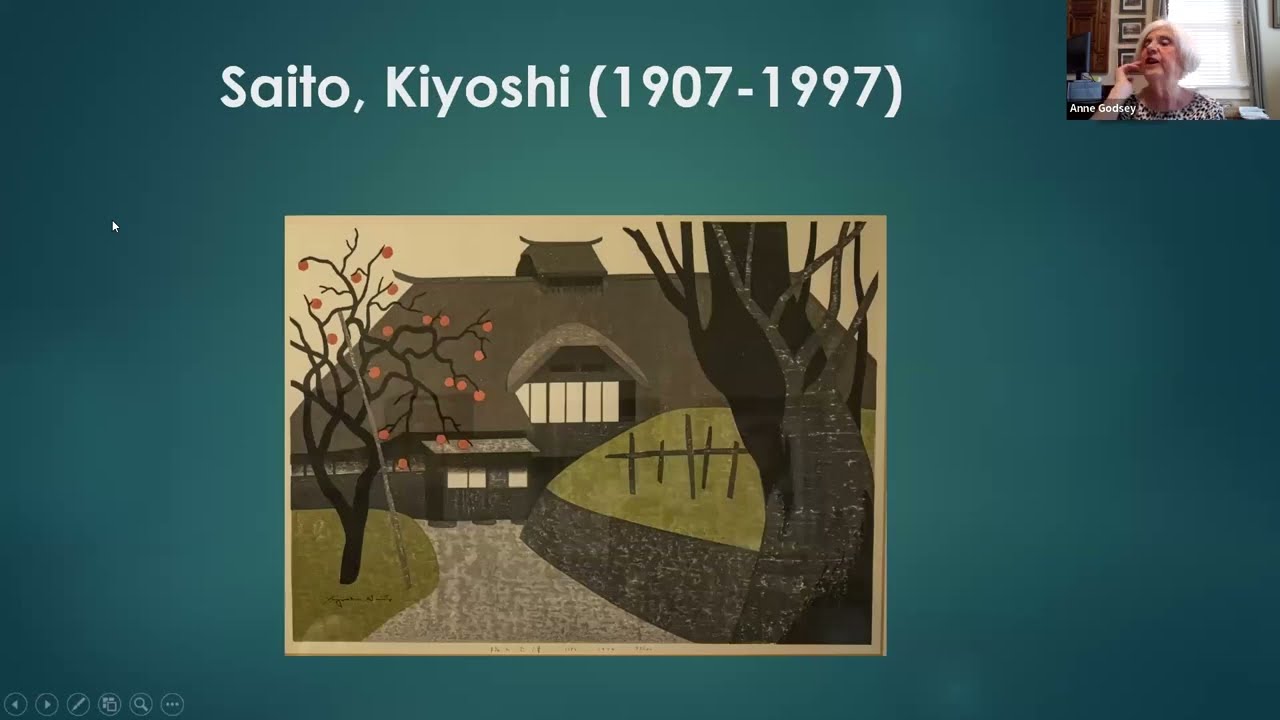


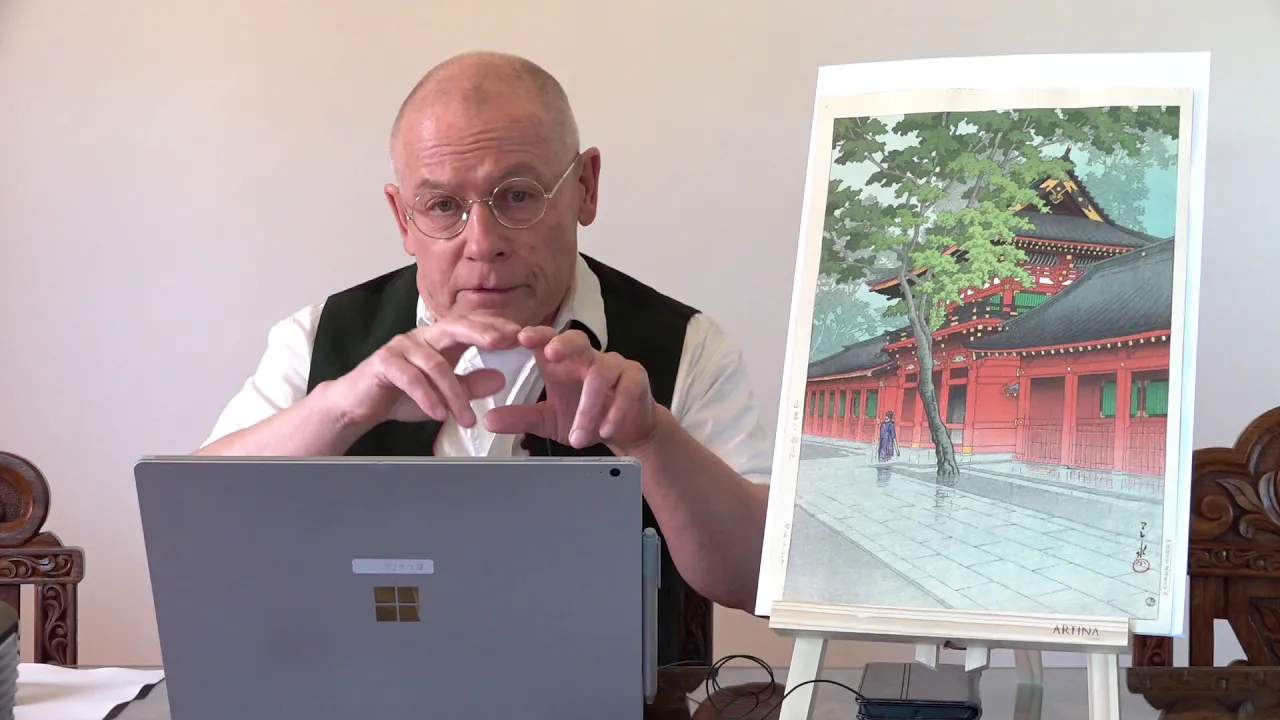




Ukiyo-e (woodblock prints) is a distinctive Japanese art form that emerged during the peaceful Edo period (1603-1867), characterized by bold colors, clear shapes, and unusual perspectives, typically depicting everyday scenes, landscapes, and portraits; the traditional production process requires collaboration between an artist who creates the line drawing, a carver who prepares woodblocks for each color, and a printer who applies ink sequentially; this art form significantly influenced Western artists including Manet, Monet, Van Gogh, and Degas, who incorporated its stylistic elements into their own work, with Hokusai's 'The Great Wave off Kanagawa' becoming one of the world's most famous artworks.
Ukiyo-e Art: History, Woodblock Printing & Influence
Added:Familiarity with the Edo Period of Japanese history (1603–1867), characterized by economic growth, social stability, and an isolationist foreign policy.
Basic understanding of relief printmaking processes, where the negative space is carved away to leave a raised printing surface.
The cultural concept of the 'floating world' (ukiyo) in Japanese Buddhist and secular thought, reflecting the transience and pleasures of urban life.
A baseline awareness of 19th-century European art, which sets the stage for understanding how Japanese aesthetics disrupted Western academic traditions.
In-depth artistic analysis of prominent ukiyo-e masters, particularly the landscape masterpieces of Katsushika Hokusai and Utagawa Hiroshige.
A comprehensive study of 'Japonisme' to analyze how specific Japanese compositional techniques (such as cropping, asymmetrical balance, and flat areas of color) transformed Western artists like Vincent van Gogh, Edgar Degas, and Henri de Toulouse-Lautrec.
Exploration of the 20th-century evolution of Japanese printmaking through the Shin-hanga (new prints) and Sōsaku-hanga (creative prints) movements.
Investigation into the technical preservation and chemical composition of traditional organic pigments (like Prussian blue) used in historical woodblock printing.
6.3K views182likes7:48Original Release: 2023-06-08
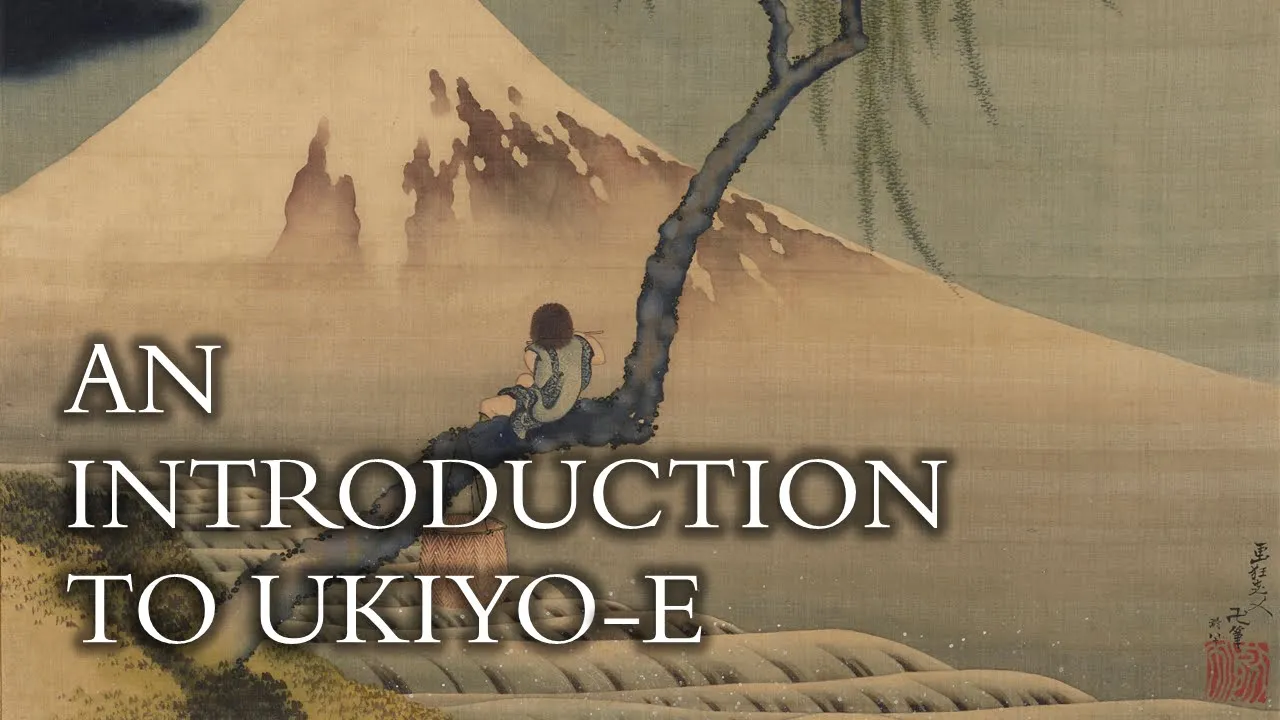
Ukiyo-e is a Japanese art form that utilizes woodblock printing as its medium to create striking works of art.
Bold blocks of colour, clearly defined shapes and edges, and unusual perspectives are just some of the traits that make ukiyo-e truly distinctive.
Many works focus on seemingly simple everyday situations and scenarios such as natural scenes and landscapes, as well as portraits and scenes of women in a category known as bijin-ga. Though there is also a good number of fantasy or mythical pieces. Despite many works falling within these two or three categories, each print is often vastly different to the next and their simplicity only adds to the desire of wanting to fully understand the context of each piece — its much like peering into the window of another life.
Ukiyo-e stands as Japan’s most popular form of art that has both excited and inspired for centuries.. Ukiyo-e came about during the relatively peaceful Edo period (1603 - 1867) during the rule of the Tokugawa Shogunate, prior to which, countless wars, rebellions, and feudal conflict between ruling lords was common. The battle of Sekigahara was the catalyst of this change. The stability that was brought during this 250 year period led to an increase in the enjoyment of arts and culture, as well as the ambition to capture and depict the times the people were living in. Ukiyo-e was one such art that emerged The term ukiyo-e translates as ‘pictures of the floating world’ in English, and while this expression is certainly a bit ambiguous in describing its style, The truth is that ‘the floating world’ was a term used to refer to the entertainment and pleasure districts in Japan, and the earliest prints depicted typical scenes you would find within.
Hishikawa Moronobu is one of the earliest artists accredited to advancing ukiyo-e, producing prints closely related to the pleasure industry; courtesans and entertainers featured heavily in his work.
yet, ukiyo-e evolved beyond this, where the processes and techniques were applied to other themes, alongside the continuation of painting so-called beauties.
The late 18th century was when a broader use of colour started to be included in the printing process. Before this, black and white prints were most common with perhaps some simple colour appearing up until the mid 18th century. The other popular subject of landscapes started to appear following this transition.
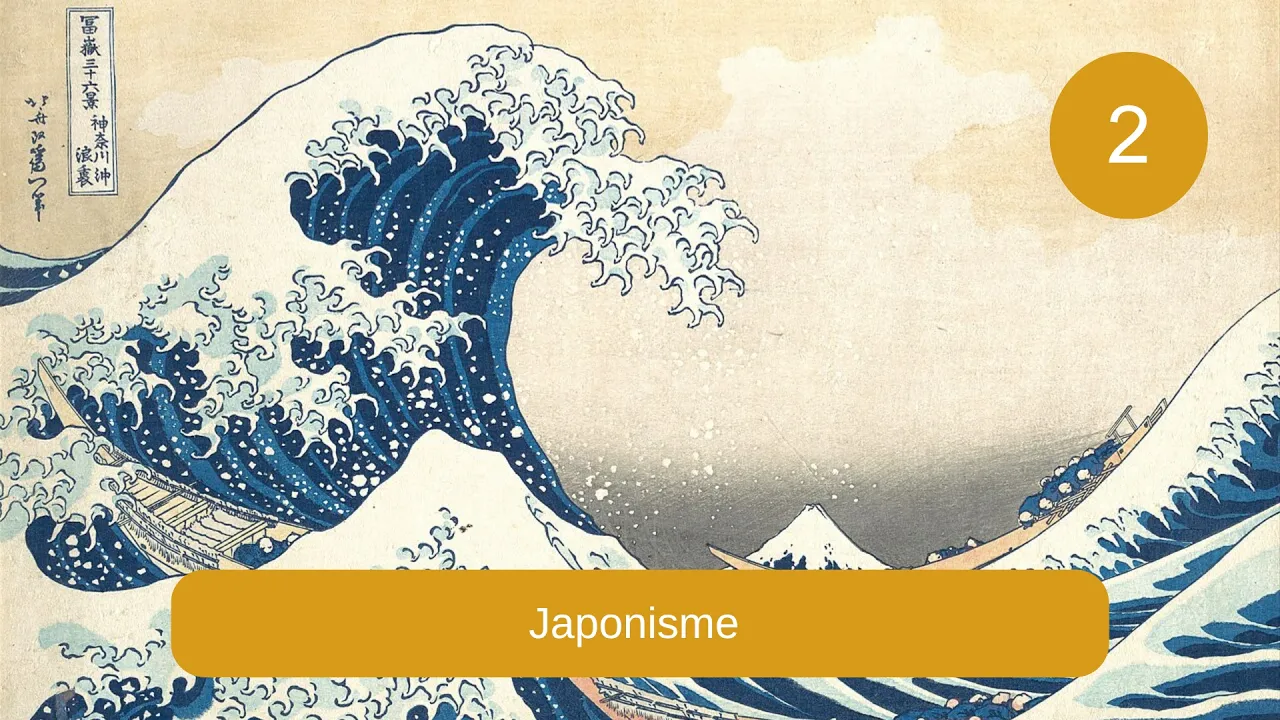
Scenic views and nature, with the inclusion of towns and structures became increasingly popular and peaked in the early 19th century. It is around this time that two of the most well known names of Ukiyo-e, Katsushika Hokusai and Utagawa Hiroshige can be found making their mark on the movement, with Hokusai’s ‘The Great Wave off Kanagawa’ also known as ‘Under the wave off Kanagawa’ was printed in 1831 becoming one of the world's most famous pieces of art.
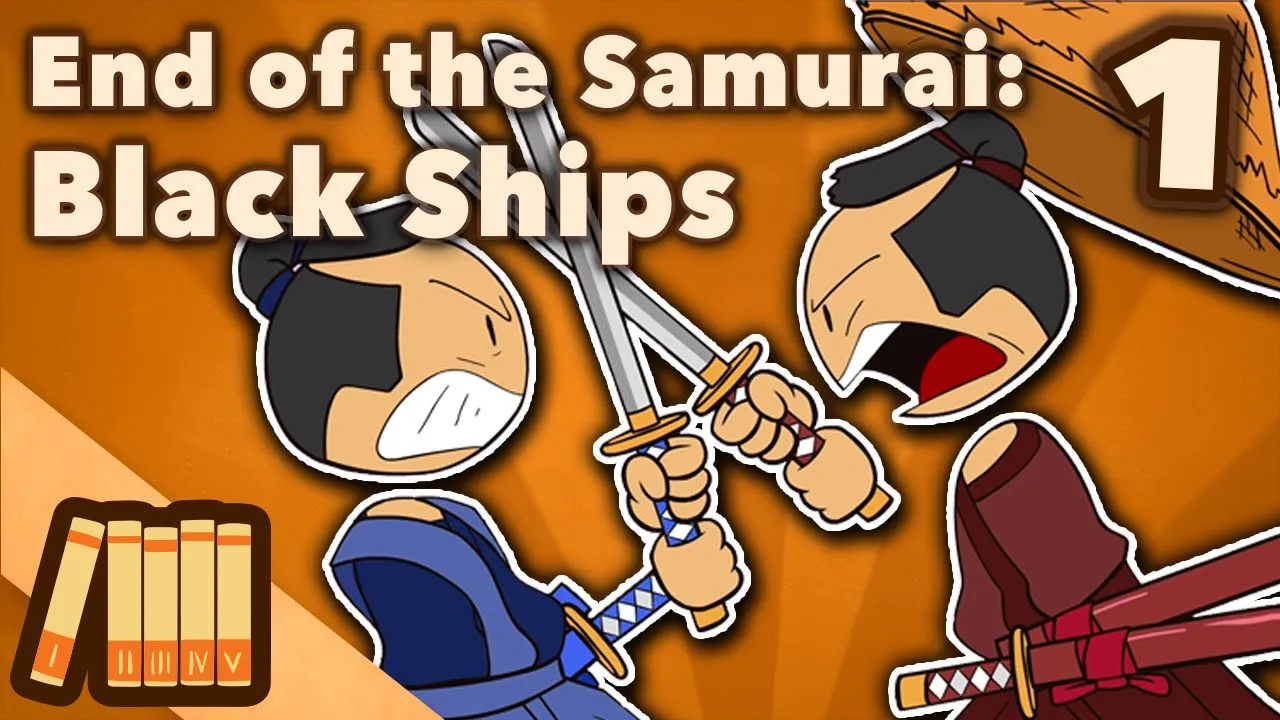
The introduction of the Edo period of Japan marked the beginning of the country's self-imposed isolationist period which ended in 1854 with the signing of the treaty between America and Japan. However this also signaled the decline of ukiyo-e.
With Japan once again open to the West, competition and new technology diminished ukiyo-e’s importance and status. While it continued on to the very early 20th century, the themes once again changed to depict current and factual events with darker tones.
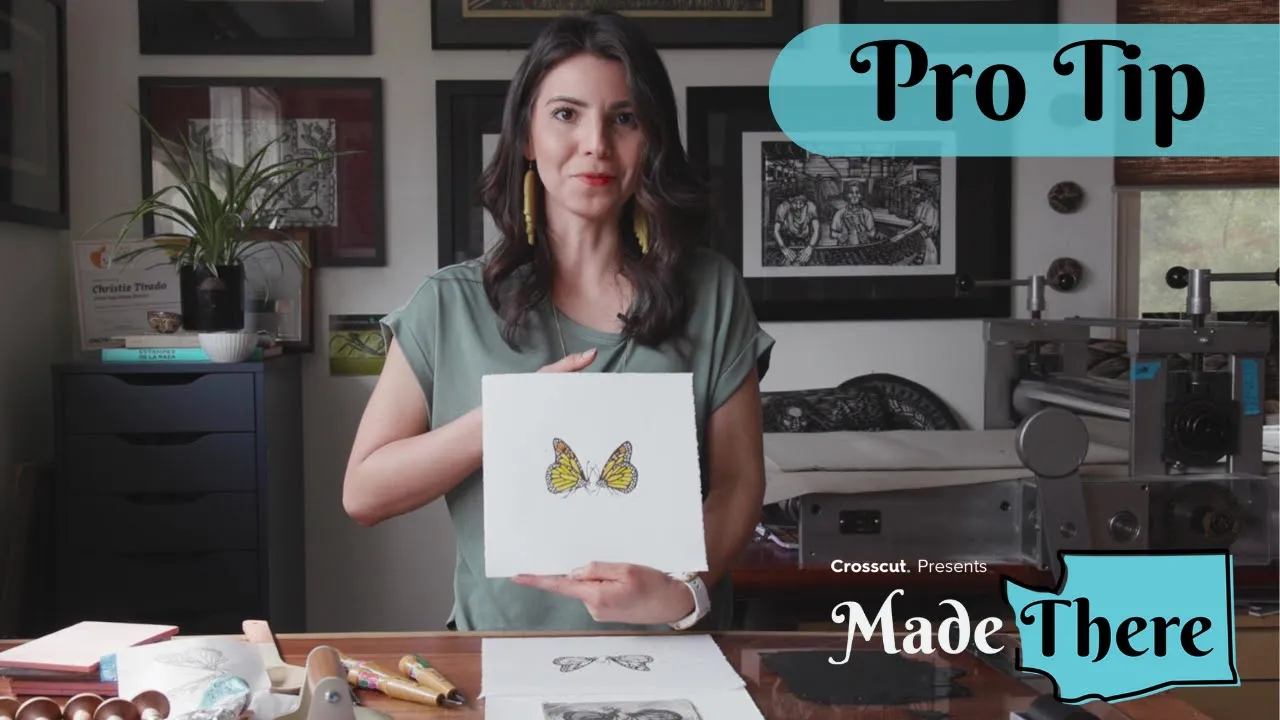
Creating a ukiyo-e print is not a straightforward affair. Traditionally there would be at least three different people working on a single project: the artist, the carver, and the printer.
Let's explain the process with an example: Here is a print titled: A Young Lady Playing a Musical Instrument by Chobunsai Eishi also known as Hosoda Eishi.
First the artist will create a line drawing of the proposed piece, from this, numerous copies can be produced by tracing over the original image often using basic ink. Sometimes only the most important features are copied with some of the details excluded which can be added via printing later.
From this a number of woodblocks are created for each different colour that is intended to be used, here, about eight seems reasonable but prints produced later into the movement can often move beyond double figures.
The carver will then carve away all parts of each woodblock that doesn't use a specific color, so one block will be just the purple part of the robe, another will be just the red and so on, the rest of the image is chiseled away.
The printer will then use these in turn to print each colour separately until the print is completed. Special marks on each woodblock allow the paper to be placed in the correct spot each time.
While ukiyo-e by and large was an art movement unique to Japan, it came to have great influence in the west following the end of Japan’s isolationist period.
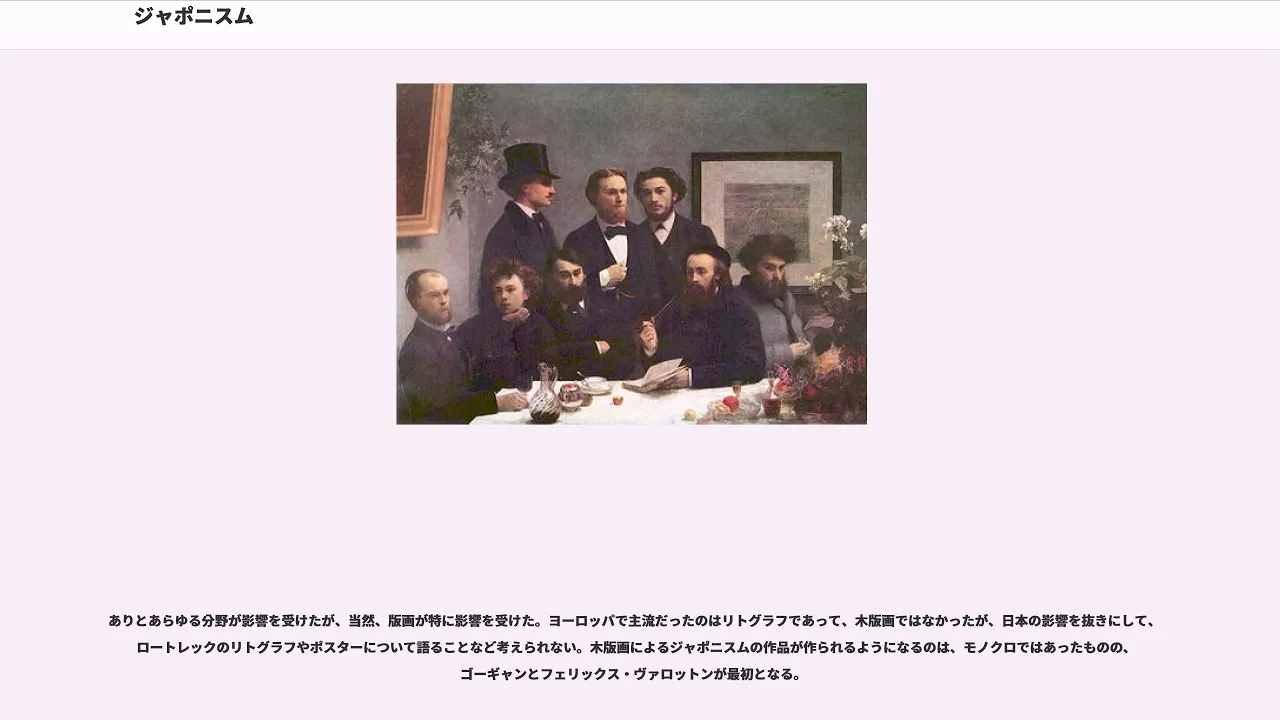
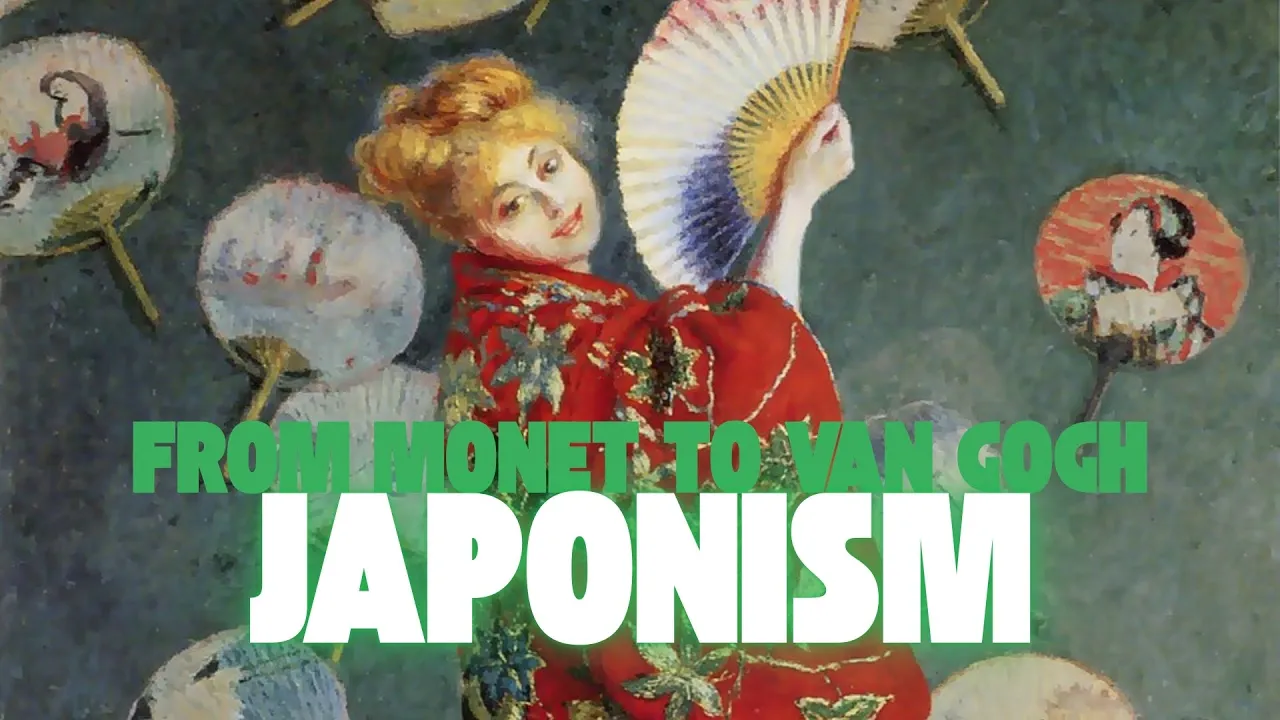
The term Japonism, first coined by the French, was a trend that arose from the exposure of these new Japanese woodblock prints.
After the initial enthusiasm for ukiyo-e many artists took to incorporating some of its aspects into their own work. Some western artists were influenced more than others and a number of now well-known names were among them: Édouard Manet Claude Monet Vincent Van Gogh Edgar Degas Gustav Klimt For example, some of Édouard Manet works included subtle inclusions of Japanese items within his paintings which can be seen in ‘Woman with Fans’ and ‘Portrait of Emile Zola’. Claude Monet on the other hand created a Japanese garden in his home followed by paintings such as ‘Water lilies and Japanese Bridge’.
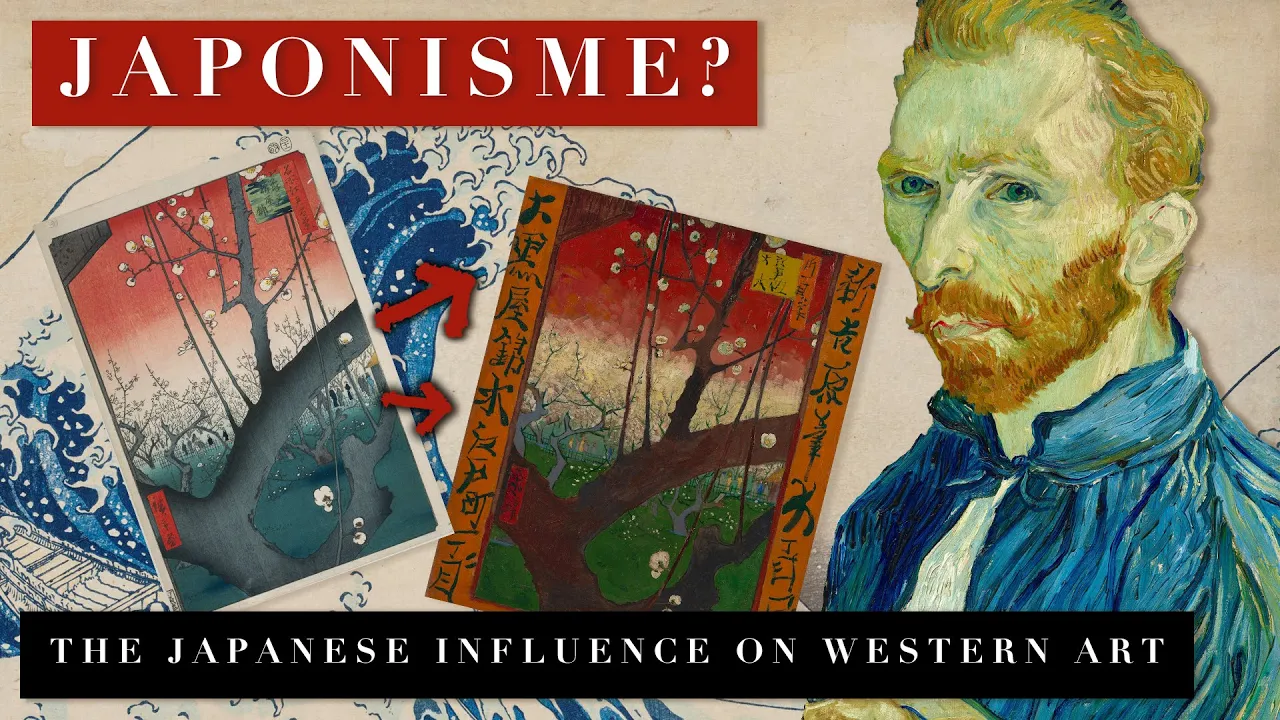
Ukiyo-e had perhaps the biggest effect on Vincent Van Gogh. One of his first incorporations of Japonism inspired by Ukiyo-e, was in the famous ‘Portrait of Pere Tanguy’. However, In the same year (1887) he proceeded to directly re-create a handful of Utagawa Hiroshige’s prints to better understand the work.
Take a look at ‘The Flowering Plum Orchard’ and ‘Bridge in the Rain’, there can be no doubt of the Japanese influence, what with the kanji inlaid borders however these are recreations of Hiroshige’s ‘Plum Park in Kameido’ and ‘Sudden Shower over Shin-Ohashi Bridge respectively but painted rather than printed in Van Gogh's own style.
Despite the peak of the ukiyo-e production and influence being well and truly passed, it remains a popular form of Japanese art that is admired and collected by many.
The images of ukiyo-e have successfully transitioned into parts of modern culture most notably in product designs, and none more so than the image of The Great Wave off Kagawa by Hokusai which is seemingly everywhere. However replica prints of original works are also now commonly available and importantly inexpensive to acquire meaning that anyone can appreciate and enjoy this piece of Japanese art history.
Up Next

100:51
Exploring Ukiyo-e Prints: History, Techniques & Master Artists at the MFA
@mfaboston
238.7K views•2017-02-22

18:06
The Lewis Collection: Modern Masters of the Human Figure
@sothebys
417 views•2026-06-10

36:46
Reframing Japonisme: Rachel Saunders on Japanese Art at Harvard
@harvartmuseums
4.9K views•2021-08-03

16:34
Earliest Depictions of Jesus in Art: 10 Ancient Images Explained
@UsefulCharts
5.9M views•2022-06-03
Related Study Plans & Knowledge Roadmaps
Structured learning paths in Art History
art-history
Vienna Secession: Rebellion, Klimt & Schiele
01Fin-de-Siècle Vienna & Academic Historicism
02The Secession Movement & Klimt's Decorative Symbolism
03Gesamtkunstwerk & the Wiener Werkstätte
+ 2 more learning modules
9h5 modules
Explore Roadmap
art-history
Gothic Cathedrals: Engineering, Light & Society
01The Birth of the Gothic: Romanesque to Suger's Vision
02The Structural Triad: Pointed Arches, Ribbed Vaults, and Flying Buttresses
03Theology of Light: Lux Nova and Sacred Geometry
+ 2 more learning modules
14h5 modules
Explore Roadmap
art-history
Pre-Raphaelites: Realism, Symbolism & Critique
01The Victorian Art Establishment and Academic Formula
02The Founding of the PRB and Radical Realism
03Medieval Revivalism and Literary Symbolism
+ 1 more learning modules
8h4 modules
Explore Roadmap
art-history
Street Art: From Subways to Art Market
01Subcultural Origins in Philadelphia and New York (1970s)
02The Subway Era and Style Wars (Late 1970s - 1980s)
03The East Village Scene and Early Gallery Crossover
+ 2 more learning modules
10h5 modules
Explore Roadmap