





![ÖMÜR BOYU AĞLAMAKTAN, VATANSIZ KALMAKTAN İYİDİR [Hafıza 2. Bölüm]](https://i.ytimg.com/vi/1CzAb1urcUE/maxresdefault.jpg)


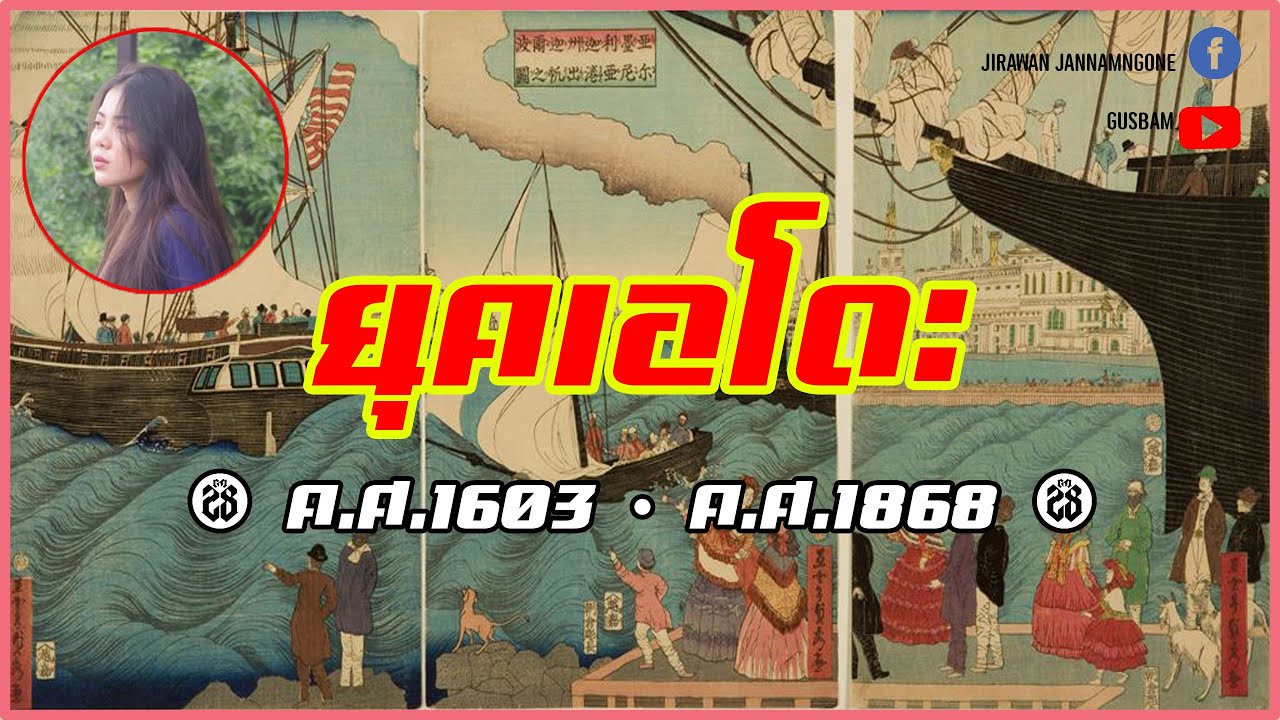








The arrival of Commodore Matthew Perry's Black Ships in 1853 forced Japan to abandon its 220-year isolation policy, triggering a rapid transformation that ended the samurai-dominated Tokugawa shogunate; this opening exposed Japan's technological backwardness and created social upheaval as merchants gained power while samurai became obsolete, ultimately leading to the Meiji Restoration and the establishment of a modern nation-state.
The End of the Samurai: Black Ships & the Fall of the Shogunate | Extra History Part 1 (60 chars)
Added:The structure of the Tokugawa Shogunate, including the socio-political roles of the Emperor, Shogun, Daimyo, and Samurai.
Japan's Sakoku (closed country) policy, which severely restricted foreign trade and relations for over two centuries.
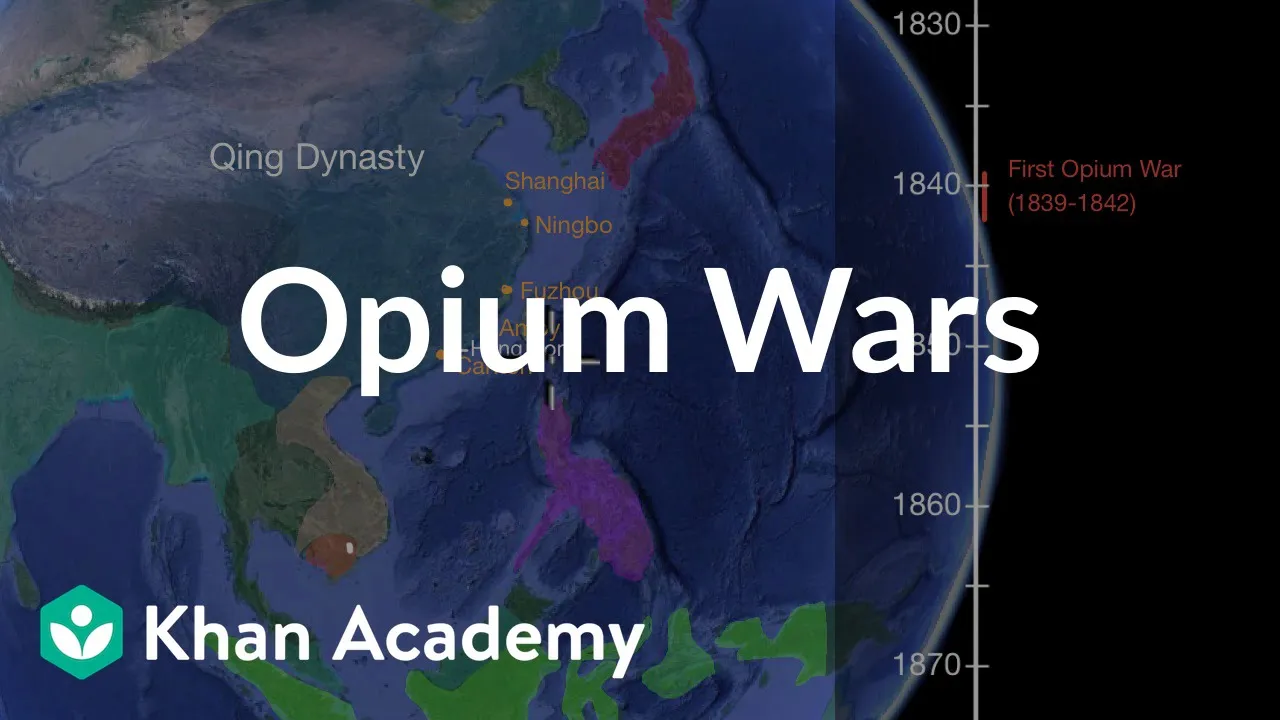
The concept of Western gunboat diplomacy and the broader geopolitical context of 19th-century imperialism in Asia, such as the Opium Wars in China.
The strict four-tier class system (Shinokosho) of Edo-period Japan and how it maintained social stability.
The political upheaval of the Bakumatsu period, including the internal conflicts between pro-shogunate and imperial loyalist factions (Sonnō Jōi).
The Boshin War, which officially ended the Shogunate and led to the establishment of the Meiji government.
The rapid modernization, industrialization, and westernization of Japan during the Meiji Restoration.
The formal dissolution of the samurai class, their resistance (such as the Satsuma Rebellion), and their integration into modern Japanese society.
1.6M views41.1Klikes9:32Original Release: 2020-11-14
edo bay july 8th 1853 four western ships sail into the bay headed for the capital of the tokugawa shogunate ignoring warnings that this port is close to foreign ships they anchor turn their heavy guns toward a coastal trading town and opened fire but their blanks intended they claim to celebrate the 4th of july but the intention of this fleet and its leader commodore matthew perry is not so benign he has a letter from u.s president millard fillmore requesting the japan open its ports to trade but perry also sends his own letter along with the gift of a white flag he says that if the shogunate refuses the request it will lead to war a war that japan will certainly lose and in such case they should use the white flag to indicate surrender the shogunate will accept barry's terms and in doing so bring the era of the samurai to a bloody [Music] end eight months after perry's arrival and under the threat of military action the japanese government caved the resulting treaty gave the u.s trading rights in two japanese ports an american consulate in japan the right for american ships to purchase coal and ensured good treatment of shipwrecked american whalers and in doing so the tokugawa shogunate abruptly ended a policy of isolation that had kept it sheltered from the outside world for 220 years that period of isolation began shortly after the shogunate's founding in nisengokujidai or warring states period which you can learn about in our series on them when the tokugawa closed itself off to minimalize destabilizing factors the first move was to avoid military campaigns abroad unless victory was absolutely assured a policy inspired by shogun toyotomi hideyoshi's disastrous invasion of korea and clever diplomacy between the equally insular kingdoms of china and korea ensured that the three powers would stay out of each other's way then second they banned and brutally repressed christianity which hideyoshi believed undermined the traditional structures of confucian loyalty and barred spanish and portuguese from entry in hopes of stopping catholic missionaries dutch chinese and for a time english ships were allowed to trade in a limited capacity using an offshore island but japan essentially sealed itself off few japanese were allowed to travel outside for diplomatic missions and those who did were not allowed back foreign books were banned at first this insular policy upheld the shogunate's stability no major losses in overseas wars no chance for the tokugawa's rivals to make foreign allies and no disruptive revolutionary ideas challenging the shogun's strict caste system in fact it created one of the most peaceful periods in japanese history but it also came at a cost without access to or knowledge about the outside world technological development slowed to a crawl now while that wasn't a problem in an era where japan's rivals were china and korea the shock of britain defeating china in the first opium war showed that japan was woefully unprepared to counter foreign invasion added to that the shogunates enforced caste system where a family's rank was permanently fixed came under strain at the top of the pyramid were the emperor and court whose power was only ceremonial then it was the military leader the shogun though technically ranking below the emperor who actually ruled with his daimyo or lords followed by the warriors of the samurai beneath next came the farmers and artisans and at the very bottom was the merchants but here was a problem the samurai were a class defined by war it was how they made their money and their whole purpose was to obediently fight the shogun's enemies and japan had largely been at peace for two centuries so you could start seeing the writing on the wall in that time most samurai ended up turning into bureaucrats and estate managers for their daimyo they still kept warrior codes and trained in swordsmanship but that was largely ceremonial others let go when their lords cut their militaries took to the roads as masterless samurai called ronan some of which little better than bandits and rendered unnecessary and impoverished by peace the samurai class increasingly fell into debt but you know who didn't the merchants yeah those lowly merchants at the bottom of the pyramid kept gaining financial power from even the limited foreign trade essentially upending tokugawa society they became a new middle class living increasingly urban and decadent lives in the cities engaging in an entertainment and artistic culture called the floating world which encompassed red light districts with theaters brothels tea houses baths and geishas and new forms of art like kabuki puppet theater painting live comedy and political satire flourished within these districts it was also a world where there was no recognition of rank in these districts a rich merchant got better service than a poor samurai so even before perry's arrival the discontent was rife among the samurai especially among the historical enemies of the tokugawa in the south so when the shogunate officials signed a treaty with perry it exposed the weakness anti-foreign daimyo rallied against the government for their shameful surrender rather than fighting the americans with honor yet as internal discontent reared its head the shogunette was more concerned with external threats after the signing perry had presented the shogunate with official gifts of rifles cult revolvers a sample telegraph system and a waist high model locomotive technologies that stunned the japanese officials if they were ever to stand up to these western barbarians they needed to modernize fast the shogunate quickly entered negotiations to buy steamships rifles and modern cannons plus they sent officials overseas to scout for new technologies but they weren't the only ones arming up daimyo that opposed the treaty began purchasing weapons as well preparing for conflict with the shogun discontent grew foreign trade crashed the currency and caused massive gold and silver outflow plus three powerful earthquakes rocked the country within two years one striking the shogun's capital of edo and another triggering a tsunami that hit one of the new american ports even the gods seemed disquieted and in the next five years even more western treaties were foisted on japan with many of the negotiations overseen by chief minister inaosuke foreigners were now exempt from japanese law and christianity would be tolerated an opposition party coalesced centered around the slogan revere the emperor expel the barbarians it was a party that was particularly strong in the eastern province of mito and in the south among the long-time tokugawa enemies of setsuma and shoshu increasingly they began to talk about overthrowing the shogunate and replacing it with a government centered around the currently ceremonial emperor among the southern nobles were three men that would play a key role in events to come becoming known as the three great nobles but we'll meet them later the emperor was after all still technically the head of government and he was privately furious about the unequal treaties for the anti-foreign and pro-imperial parties it was an opportunity to finally do away with the tokugawa and rally behind the emperor instead it was a particularly convenient time for a coup since there was also a succession crisis in the shogunate because you see during the negotiations with perry the shogun had died leaving the position of shogun to his sickly son who only lived five years then when he in turn died multiple factions tried to back their favorite candidate one faction backed tokugawa yoshinobu who would be key to later events but ineosuke managed to steer tokugawa iamoce to the position despite the fact that he was only 12 and the other candidates were adults inaosuke became regent for the young shogun assuming most of the official powers and he immediately used his new influence to purge court of opposing factions putting yoshinobu and his supporters under house arrest banishing the anti-foreign party from court and beheading their two most prominent leaders for plotting against the government it was the start of what would be an increasing cycle of political violence edo castle march 24 1860 a festival day inaosuke is needed at the castle for meetings his train of attendance 60 guards and balakin bearers are all on the lookout there have been threats suddenly there's a shot from a cult revolver shouts sunlight on blades a group of ronin for meto crash into the front of the guards the attendants drop east palikin and search forward to protect their daimyo they don't see the man coming from the side approaching the now unguarded sedan chair it's a samurai from satsuma he drags the minister out of the chair and decapitates him right there on the road as the guards turn stunned they see the samurai holding their master's head aloft in triumph one guard cuts the assassin as he tries to flee and then mortally wounded the assassin falls on his sword rather than be captured there's no going back from here the violence will only worsen and the streets of kyoto will flow red with blood [Music] we see you ahmed zion turk alicia bramble casey muschia dominic valenciana gunner clovis kyle murgatroyd and o reals one thanks so much for being legendary [Music] patrons [Music] you
Up Next

23:17
Meiji Restoration: Japan's Rise from Feudal Isolation (Documentary)
@KingsandGenerals
142.9K views•2025-10-02

33:02
The Great Schism of 1054: Causes and Consequences
@SacredCathedrals
113.5K views•2026-02-19
8:49
Mali Empire Origins: Sundiata's Victory and the Gold Trade
@extrahistory
2.4M views•2018-04-14
17:05
Understanding the Cold War: Superpower Conflicts and the Road to Détente
@OverSimplified
46.1M views•2019-01-24
Related Study Plans & Knowledge Roadmaps
Structured learning paths in History
history
Byzantine Iconoclasm: Theology, Art & Politics
01Foundations of Byzantium and Early Christian Images
02The First Iconoclasm: Leo III and the Crisis of Images
03Empress Irene, Nicaea II, and the Second Iconoclasm
+ 2 more learning modules
9h5 modules
Explore Roadmap
history
Iranian Revolution (Causes, Events & Legacy)
01The Pahlavi Dynasty and the Roots of Discontent
02The Spark of Rebellion and the Rise of Khomeini
031979: The Fall of the Shah and the Climax of the Revolution
+ 2 more learning modules
8h5 modules
Explore Roadmap
history
Mali Empire: Mansa Musa, Trade & Timbuktu
01Foundations of the Mali Empire
02The Trans-Saharan Gold and Salt Trade
03The Reign and Pilgrimage of Mansa Musa
+ 1 more learning modules
6h4 modules
Explore Roadmap
history
1947 Partition: Politics, Borders & Legacies
01Foundations of British India and the Divide
02The Political Negotiations and the Mountbatten Plan
03Drawing the Boundary: The Radcliffe Line
+ 2 more learning modules
8h5 modules
Explore Roadmap