












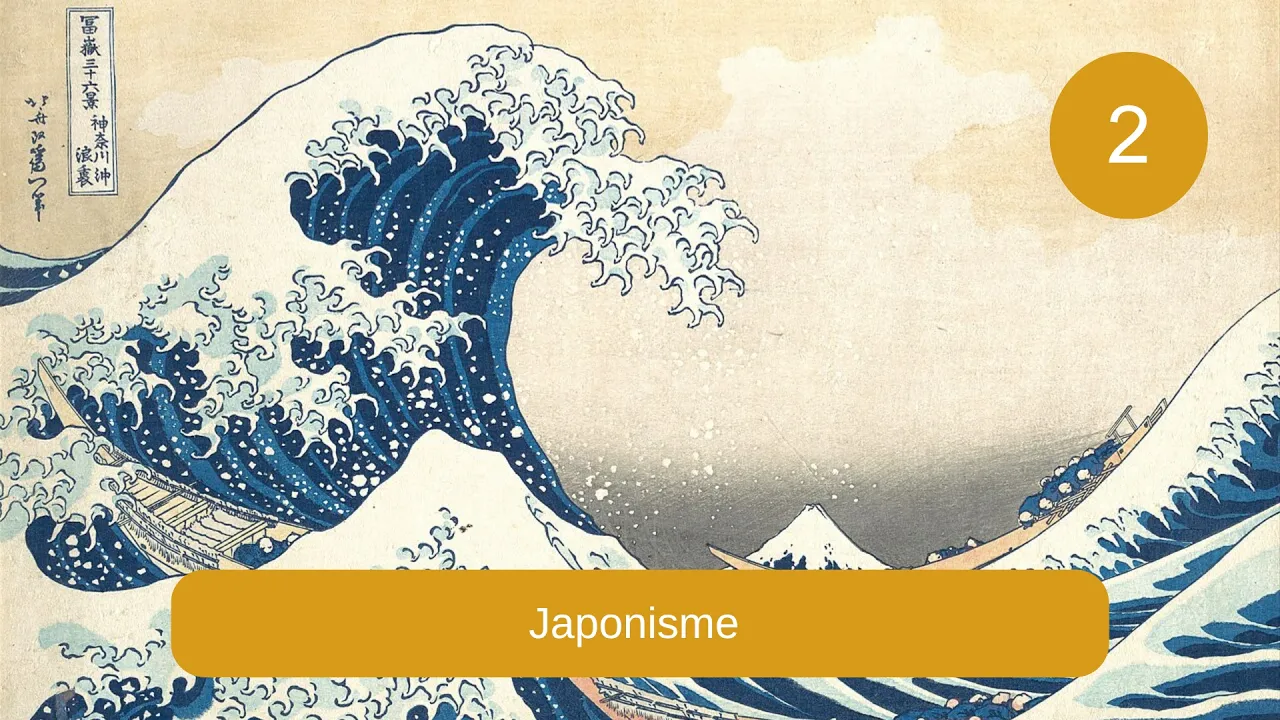




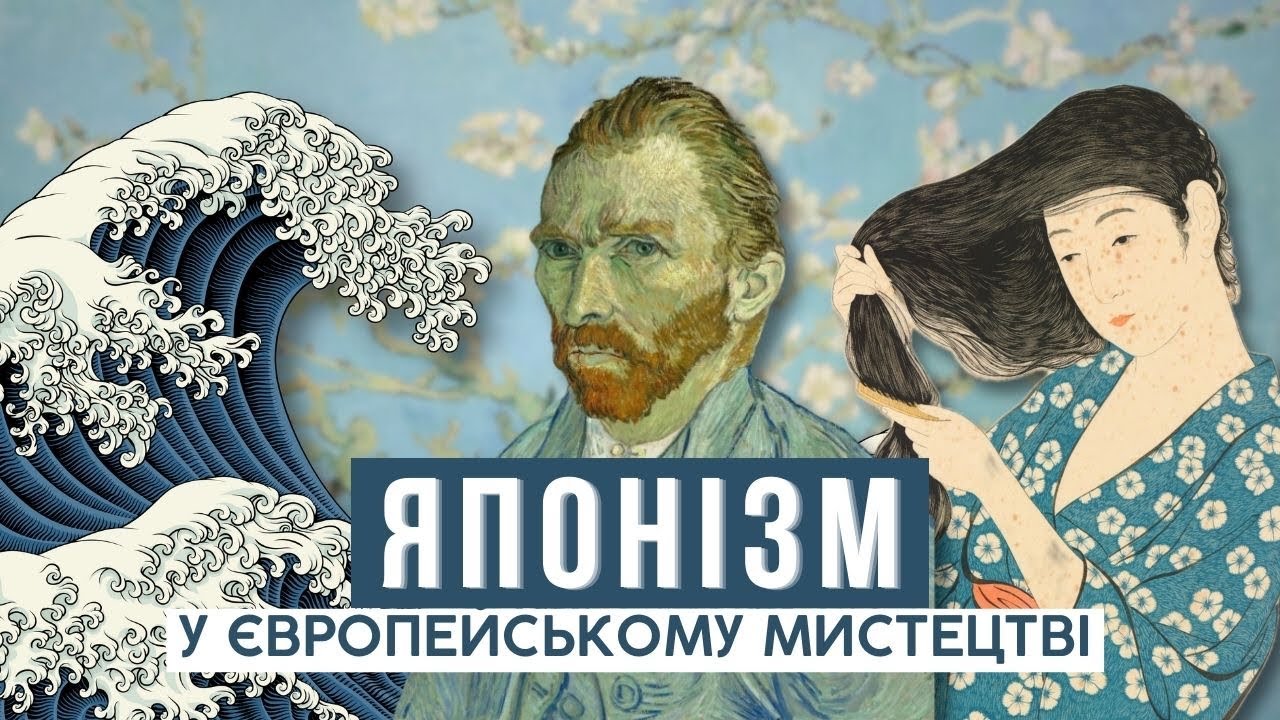

In the 19th century, Japanese ukiyo-e woodblock prints revolutionized Western art by introducing three key innovations: flatness (freedom from linear perspective), vivid decorative color, and radical dynamic composition. These elements attracted Western artists like Monet and Van Gogh, who integrated Japanese aesthetics into their work, breaking away from academic conventions and paving the way for modernism.
How Japonisme Transformed Western Art: Van Gogh, Monet, and Ukiyo-e Influence
Added:Understanding of 19th-century European Academic art standards, particularly the traditional use of linear perspective, chiaroscuro, and realistic depth.
Basic familiarity with the Impressionist and Post-Impressionist movements, including the core stylistic goals of artists like Claude Monet and Vincent van Gogh.
Historical context of the Edo Period in Japan, specifically its policy of national isolation (Sakoku) and the subsequent reopening of trade with the West in the 1850s.
An introductory concept of what 'Ukiyo-e' (woodblock prints depicting the 'floating world') represents in Japanese cultural history.
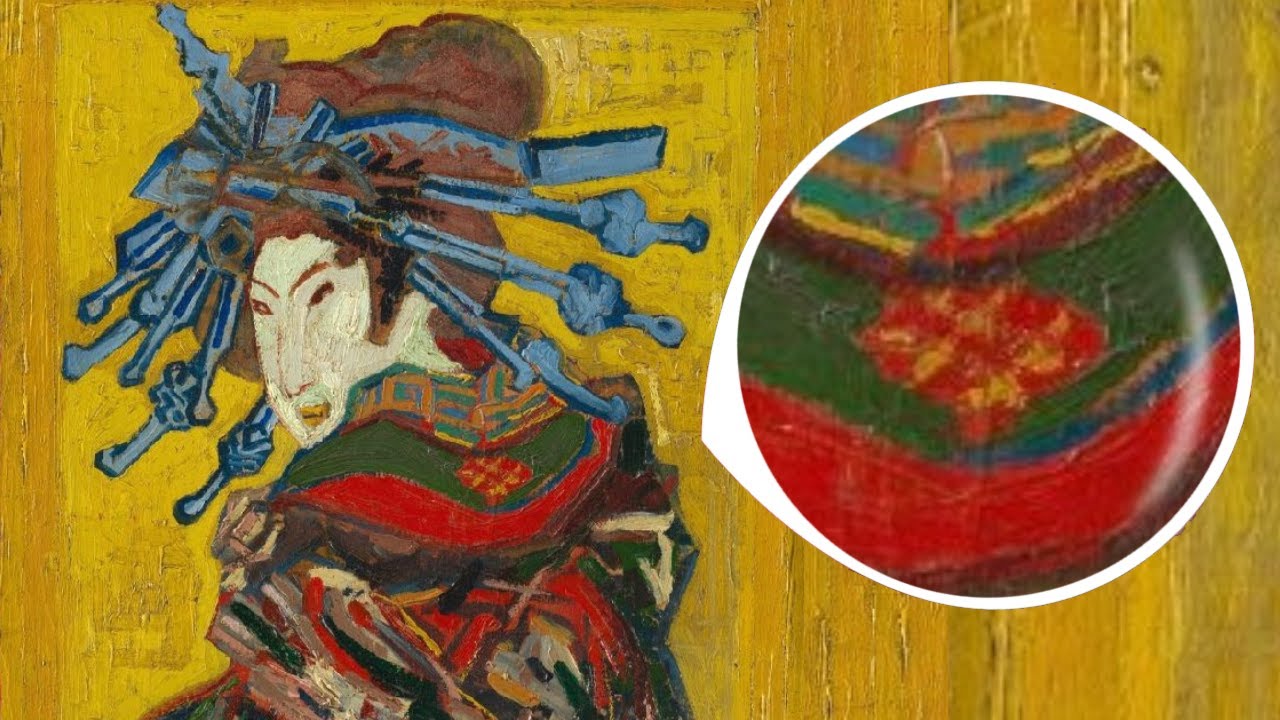
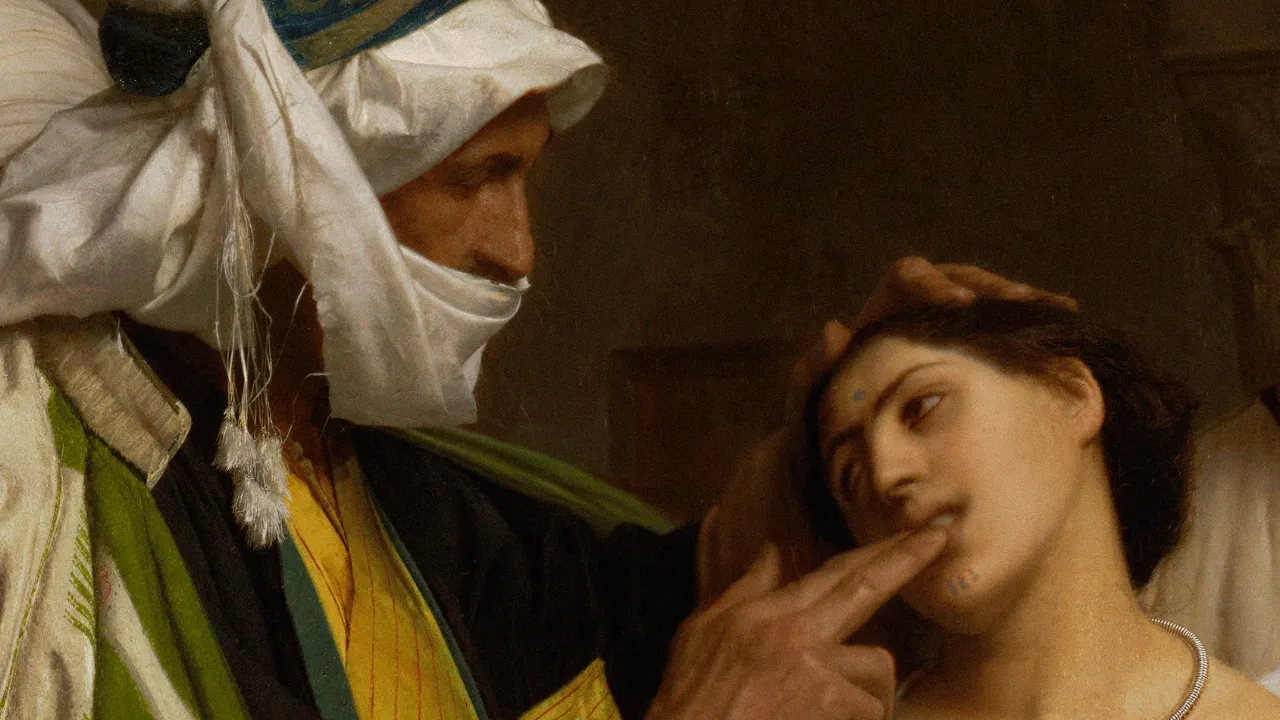
In-depth analysis of specific artworks, comparing Japanese originals (e.g., Hiroshige or Hokusai prints) directly with the Western paintings they inspired (e.g., Van Gogh's 'The Courtesan').
Exploration of Art Nouveau and its deep aesthetic debts to Japanese organic forms, flat patterning, and linear curves.
Critical study of 'cultural appropriation' versus 'cross-cultural exchange' during the colonial era, examining how Western artists exoticized or integrated Eastern aesthetics.
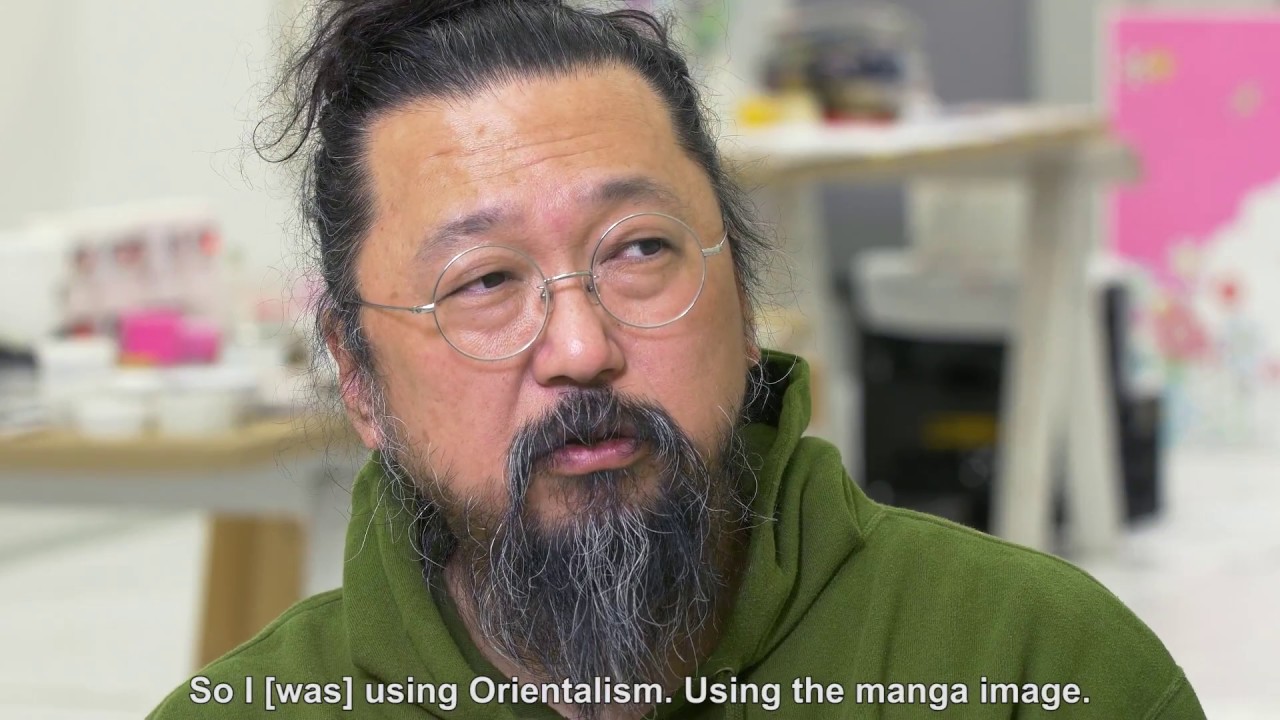
Tracing the legacy of Ukiyo-e's spatial design, flat colors, and bold outlines into modern graphic design, comic books, and contemporary Japanese pop art (such as Takashi Murakami's Superflat movement).
616 views27likes8:53Original Release: 2025-11-30
What you’re about to see is a story of artistic shock, a wave that traveled across oceans and ignited a revolution in 19th-century Paris.
This movement is known as Japonisme.
When Commodore Perry arrived in Japan in 1853 and the long era of isolation ended, Japanese objects: raw silk, green tea and ukiyo-e prints began flowing into Europe.
At the time, many Western artists— especially the emerging Impressionists, felt increasingly constrained by the academic rules and conservative aesthetics that dominated European painting since the Renaissance.
They were looking for alternatives to the heavy, highly finished realism encouraged by the Academy.
And what they discovered almost by accident were Japanese prints.
In fact, many ukiyo-e sheets did not enter Europe as “artworks.” They arrived as packing material for ceramics.
Art dealers and painters noticed them, pulled them out of the crates, and were stunned by their colors, compositions, and the exhilarating sense of freedom in their designs.
A full-blown Parisian craze had begun.
Why Western Masters Fell in Love with Japanese Prints Western artists were drawn to Japanese prints for three key reasons: flatness, color, and composition.
In the late 19th century, when painters like Monet and Van Gogh were looking for alternatives to long-standing academic conventions, ukiyo-e offered a fresh visual approach that suited their search for new ways of seeing.
So, what made these prints so compelling? Let’s break it down.
1. Flatness: Freedom from Linear Perspective For centuries, European painting relied heavily on scientific perspective and realistic modeling.
Depth, shading, and the creation of visual illusion were central concerns.
Ukiyo-e, however, ignored these conventions.
Japanese prints used flat planes of color, minimal shading, and bold areas of empty space.
This emphasis on flatness gave many Western artists a new way to think about how a picture could be built, freeing them from strict realism and allowing more graphic, modern arrangements of form.
In short, flatness provided a new visual grammar that opened doors to modern expression.
2. Vivid, Decorative Color Ukiyo-e prints used bright, unshaded colors, defined by clear black contours.
This stood in sharp contrast to the muted, earth-toned palette typical of academic European painting.
For artists searching for a more expressive visual language, these colors felt liberating.
They suggested that color could carry emotion, rhythm, and design—not just realism.
This fresh approach encouraged Western painters to rethink what color could do.
3. Radical, Dynamic Composition Ukiyo-e prints frequently broke with conventional structure: diagonal movements, daring cropping, dramatic close-ups, and elevated viewpoints.
These compositions felt strikingly fresh to Western artists accustomed to balanced, centered layouts.
They provided new ways to guide the viewer’s eye and capture movement, atmosphere, and immediacy.
It offered a new sense of freedom in how an image could be framed.
Flatness, color, and composition—these three qualities of ukiyo-e not only captivated Western artists, but also provided the tools to break away from tradition and explore the possibilities of modern art.
Vincent van Gogh — “Portrait of Père Tanguy” In this portrait, the influence of Japan is impossible to miss.
Traditional Western portraiture typically used simple backgrounds to highlight the sitter, but Van Gogh makes a completely different choice.
Instead of an empty backdrop, he fills the entire space behind Père Tanguy with ukiyo-e prints, Hiroshige landscapes, kabuki actors, even scenes featuring Mount Fuji—layered together like a vivid, colorful mosaic.
The background doesn’t quietly support the portrait; it pushes forward, competing with the sitter and at times even overpowering him.
It was a bold, unconventional decision, merging the decorative flatness of ukiyo-e with the format of a Western portrait.
For Van Gogh, this wasn’t just a stylistic experiment.
Japan represented something deeper for him—an artistic ideal, a vision of harmony between nature, color, and everyday life.
So this painting becomes more than a portrait.
It turns into a personal tribute, almost a visual homage to the Japan he admired from afar, and to the culture that energized his creativity during one of the most important periods of his career.
Claude Monet — “La Japonaise” In this work, Monet places his wife Camille at the center of the canvas, dressed in a striking Japanese-style uchikake decorated with bold samurai and carp motifs.
Rather than following the Paris Salon’s preference for grand historical or mythological themes, Monet turns his attention to something more contemporary.
He presents fashion, exotic taste, and his growing interest in Japan on a scale usually reserved for more traditional subjects.
The vivid red of the robe, the elaborate patterns flowing across the silk, and the fans arranged behind her all reflect the rising fascination with Japanese aesthetics in late-19th-century Paris.
Through Camille’s dramatic appearance, the painting captures the early excitement of Japonisme: not only as artistic inspiration but also as a fashionable cultural presence that colored the modern life of the time.
Vincent van Gogh “Plum Garden at Kameido” (after Hiroshige) This painting is Van Gogh’s reinterpretation of a woodblock print by Utagawa Hiroshige—one of the artists he admired most.
Rather than copying it exactly, he absorbs the structure of the original and transforms it through his own color and brushwork.
He keeps the essential elements of Hiroshige’s composition: the thick plum tree trunk placed boldly in the foreground, cut sharply at the edges of the canvas.
This kind of dynamic asymmetry and dramatic cropping was unusual in European painting at the time, but completely natural in ukiyo-e.
Van Gogh adopts it wholeheartedly, using it to create a sense of immediacy and visual impact.
The colors, too, reflect the influence of Japanese prints.
Instead of modeling forms with shading, he fills the background with flat areas of bright color and defines each shape with strong outlines.
For viewers in the 1880s, this approach would have looked refreshingly different from the tonal realism that dominated Western art.
Along both sides of the composition, Van Gogh adds stylized Japanese-style characters: a playful yet sincere gesture toward Hiroshige.
It shows just how closely he looked at the original print, and how deeply its visual language shaped his own.
Japonisme was far more than a passing fashion in 19th-century Paris.
For artists who were searching for new ways to see and paint the world, Japanese prints offered a fresh visual language: one built on flatness, bold color, and dynamic composition.
These ideas challenged the expectations of academic art and opened up unexpected possibilities at a moment when Western painting was ready for change.
From Monet to Van Gogh, and from Impressionism to the beginnings of modernism, ukiyo-e served as both a model and a catalyst.
It encouraged artists to rethink how an image could be framed, how color could be used, and how emotion and design might coexist on the same surface.
The influence of Japanese art would continue to echo into the 20th century—shaping not only painting, but also design, fashion, and the visual culture of modern life.
What began with a handful of prints arriving in Europe by chance grew into one of the most significant artistic exchanges in history.
Japonisme didn’t just bring Japanese art to the West.
It changed the way Western artists imagined what art could be.
Up Next

51:33
Origins of Impressionism: Philippe de Montebello Tours The Met (1994) | Art History
@ManufacturingIntellect
58.9K views•2016-05-24

114:18
Christian Iconography: History, Theology, and Meaning | Fr. Panayiotis Papageorgiou
@Trisagionfilms
58.8K views•2020-02-21
7:48
Ukiyo-e Art: History, Woodblock Printing & Influence
@japanathand
6.3K views•2023-06-08

16:34
Earliest Depictions of Jesus in Art: 10 Ancient Images Explained
@UsefulCharts
5.9M views•2022-06-03
Related Study Plans & Knowledge Roadmaps
Structured learning paths in Art History
art-history
Gothic Cathedrals: Engineering, Light & Society
01The Birth of the Gothic: Romanesque to Suger's Vision
02The Structural Triad: Pointed Arches, Ribbed Vaults, and Flying Buttresses
03Theology of Light: Lux Nova and Sacred Geometry
+ 2 more learning modules
14h5 modules
Explore Roadmap
art-history
Pre-Raphaelites: Realism, Symbolism & Critique
01The Victorian Art Establishment and Academic Formula
02The Founding of the PRB and Radical Realism
03Medieval Revivalism and Literary Symbolism
+ 1 more learning modules
8h4 modules
Explore Roadmap
art-history
Street Art: From Subways to Art Market
01Subcultural Origins in Philadelphia and New York (1970s)
02The Subway Era and Style Wars (Late 1970s - 1980s)
03The East Village Scene and Early Gallery Crossover
+ 2 more learning modules
10h5 modules
Explore Roadmap
art-history
Classic Maya Art: Iconography, Glyphs & Ritual
01Foundations of Classic Maya Visual Culture
02Deciphering Maya Hieroglyphs & Text-Image Integration
03Sacred Geography and Cosmological Architecture
+ 2 more learning modules
14h5 modules
Explore Roadmap