


![캔버스 위의 혁명, 인상파가 세상을 본 방법ㅣ전원경 세종사이버대학교 교수 [아트앤더시티]](https://i.ytimg.com/vi_webp/8DRss7IduRg/maxresdefault.webp)
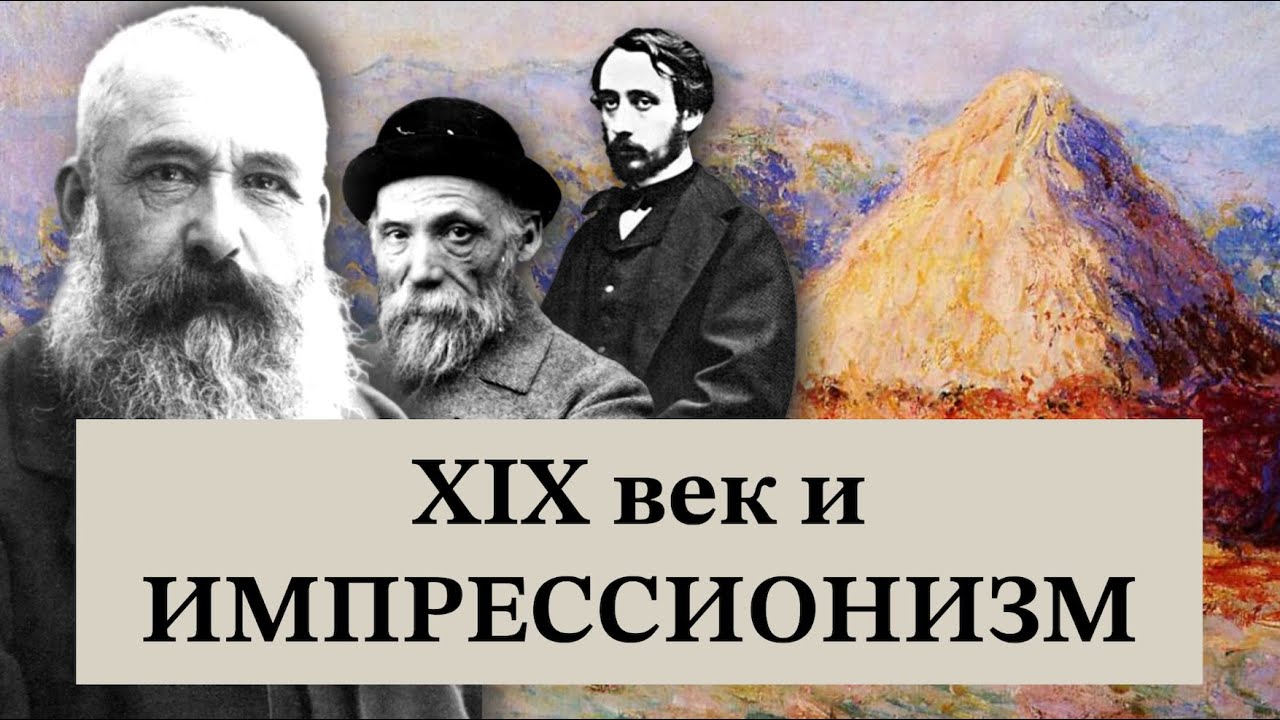


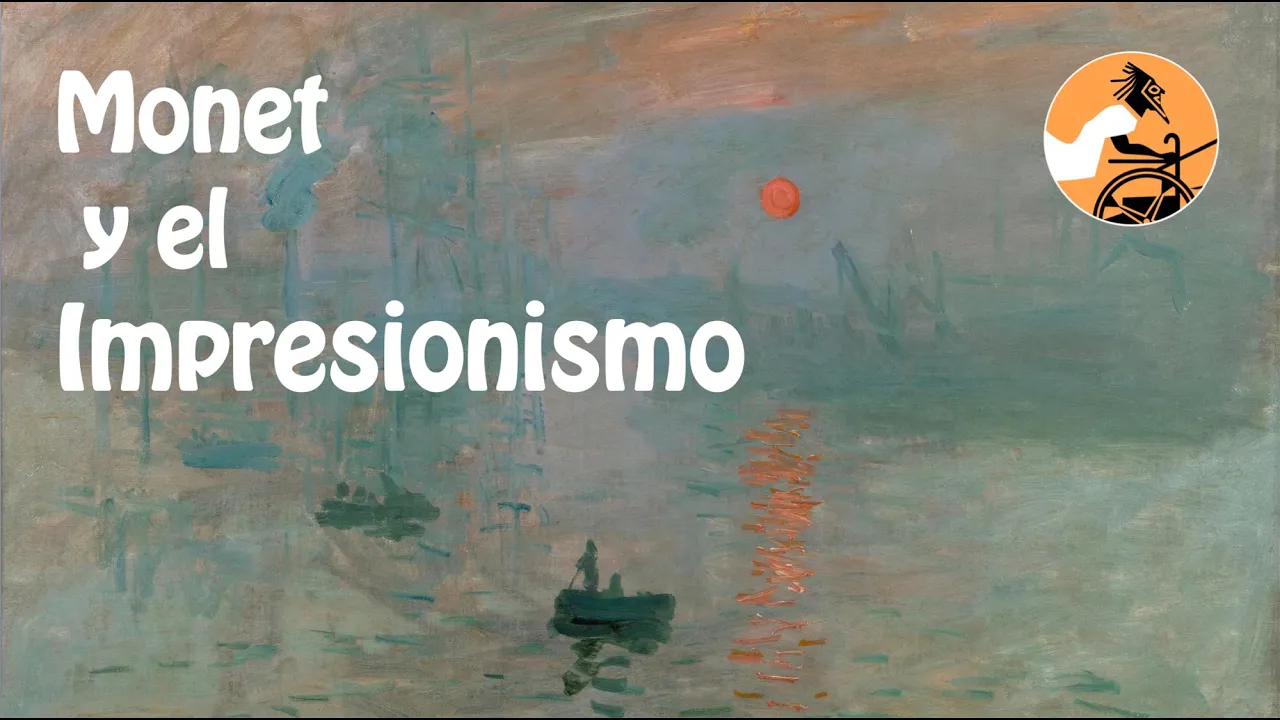









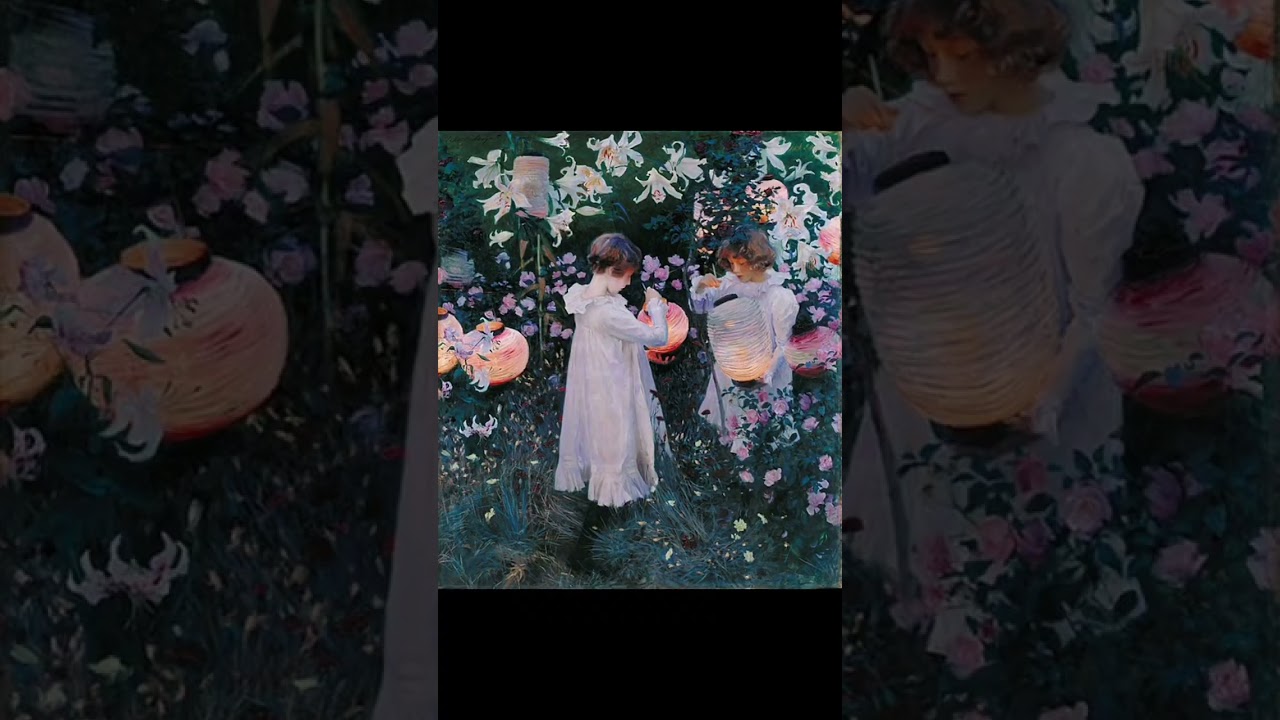


Impressionism emerged in 1860s Paris as a revolutionary artistic movement where young painters like Monet, Renoir, Degas, and Sisley broke away from academic traditions by painting outdoors en plein air, using pure unmixed colors, visible brushstrokes, and focusing on capturing fleeting moments of light and atmosphere rather than idealized subjects; this radical departure from the established Salon system and its rigid conventions represented the first major stride toward modern art, paving the way for movements like Post-Impressionism, Cubism, and Abstract Expressionism.
Origins of Impressionism: Philippe de Montebello Tours The Met (1994) | Art History
Added:Familiarity with the French Academic art system, particularly the role of the Académie des Beaux-Arts and the annual Paris Salon in defining artistic standards.
Understanding of the Realist movement and the Barbizon School, which initiated the shift toward painting everyday subjects and working outdoors (en plein air).
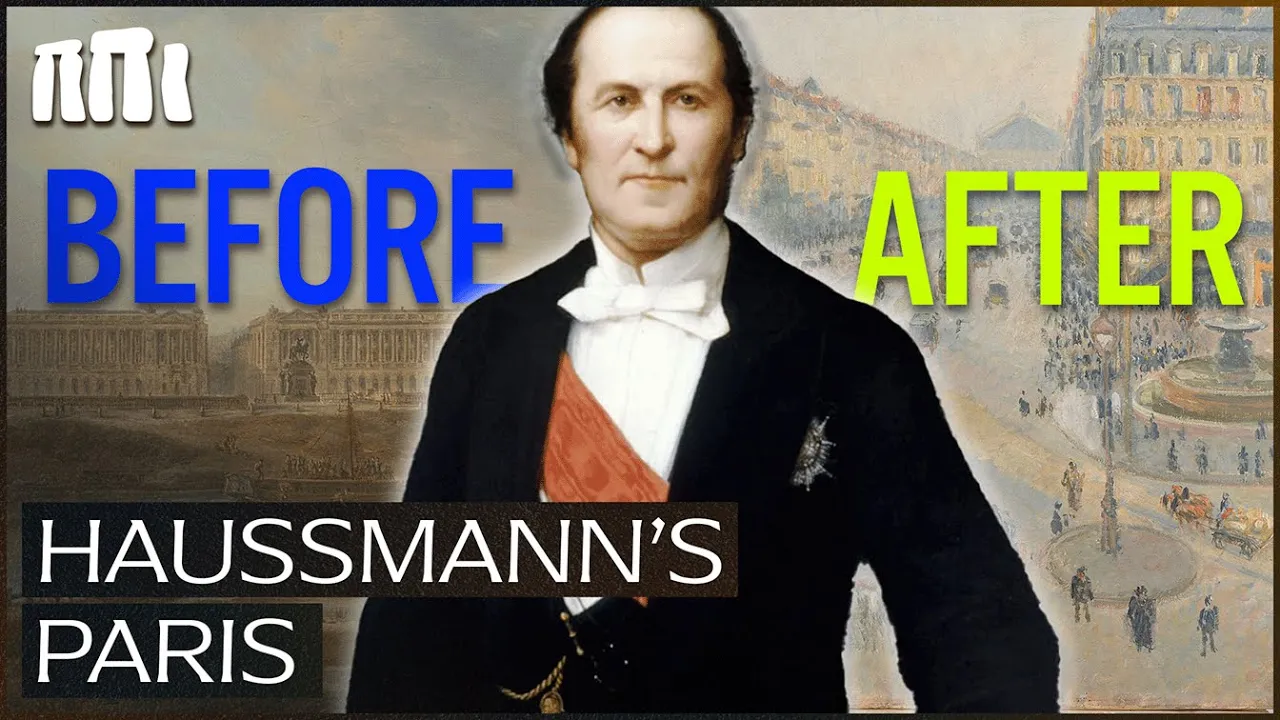
Basic knowledge of the social and urban transformation of 19th-century Paris under Baron Haussmann, which provided the modern subjects favored by early Impressionists.
A general understanding of traditional painting techniques, such as the 'finished' academic style, to appreciate the contrast with the loose brushwork of Impressionism.
In-depth study of the mature styles and individual philosophies of key Impressionist figures like Claude Monet, Pierre-Auguste Renoir, Edgar Degas, and Camille Pissarro.
Investigation of the technological innovations of the era, such as the invention of pre-mixed paint in metal tubes and new synthetic pigments, and how they influenced artistic practice.
Analysis of Post-Impressionism and how artists like Paul Cézanne, Georges Seurat, and Vincent van Gogh responded to or challenged the limitations of Impressionism.
Exploration of the international spread and legacy of Impressionism, including its impact on American Impressionism and the transition into 20th-century modernism.
58.9K views679likes51:33Original Release: 2016-05-24
[Music] Welcome to the Met. This is one of the great museums of the world. The Metropolitan Museum of Art has many exhibitions. The one that has been attracting attention since September 1994 and will run through January of 1995 is called Origins of Impressionism.
We are pleased to give you a tour of some extraordinary artist. Our guide is the director of the Metropolitan. His name is Phipe De Monttoello. He has been here as director since 1977.
And I want to thank you for letting us do this. This is indeed an honor for me to be here. And uh thank you for taking us. This is is about what? Help us understand what we're going to see on this tour.
Well, I think what you're going to see in coming to the show is how impressionism was born because we tend to accept today impressionism. What we're providing is the context out of what is it born? Does it emerge fully formed and armed as Athena from the brows or is there a moment of ferment?
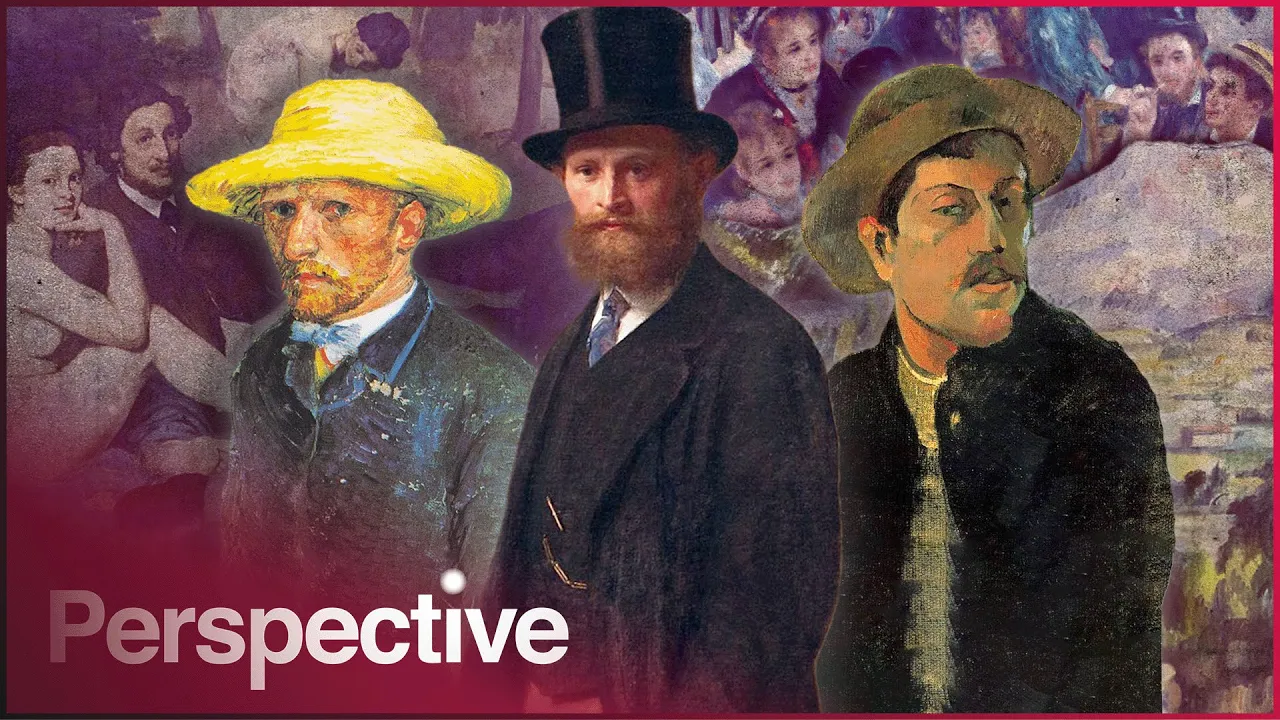
Is there a lot of interaction and struggle? And I think we'll find the latter. We have right here all of the impressionists together represented by Fontalur in the studio of Manet who was really the guiding light of them all. And Gary Tindero, the curator of this exhibition has organized it so that we come into the first room and see all of the academic painters. And why was there a reaction to the academic painters? You could be a great academic painter if you were in the 17th century pus or in the earlier 19th century a who has great sense of style. But there was clearly by the middle of the century a sense that it was a tired set of movements and tired old repetitions of the same mythologies and religious pictures and there was somehow a need that coalesed at that moment for something new. in this room is something called the salon of n 1859. What does that represent? I mean, is that a beginning point for this sort of decade that ends? I think it's I think I think it's a good beginning point because it's it's really the one salon the the picture put the the the exhibition put together by the French government at the time where all of the young artists many are teenagers Monet is 18 see for the first time the kind of painting that is available and it's being done all over France and they just find it boring and they find it uh repetitious and hackned and they're bursting with energy and vision and they want something And coming out of the decade in 1870 uh is a clear sense that a new era of painting is dawning. That is true. Going through this show, ending up in the last gallery, one suddenly realizes that the road is open for postimpressionism, for cubism, for abstract expressionism, that the world is suddenly opened. One thing about the organization of this exhibit, we will be going from room to room to room, but it's organized differently. It is not chronological. Uh why did you do it this way? We wanted to show the artist together uh painting the same subjects. So we grouped together the still lives, the figures in the landscapes, the portrait, the landscapes themselves because that's the best way in which you can see since the subjects are the same, how um close together were these artists, but also the divergences in their styles. Whereas if you had a landscape chronologically next to a still life, it's much harder to make those comparisons. It's a choice. You could have done it any number of ways.
We thought this was the most effective.
Okay. We will now take you on a tour. Uh we will go from room to room to room. We will see uh over the period of this decade Manet and Dega and Monet and Sesan and we will also see Ren Renoir. I may be leaving some out. But as we go from room to room to room and and look at the different classifications, we will reflect on this extraordinary period in which the beginnings, the origins of impressionism were there in Paris in 1860.
Tell me about this room.
Well, what we've done here is to put together a group of pictures painted essentially by the those who would be the new impressionists, the paint the the artists of the new painting of uh figures in a landscape. Uh which was something very new because in the old days, academic painters and so forth, figures in a landscape tended to be mythological figures, figures from the Bible. But part of the novelties of this is that the artists are looking at daily life and they are painting their families and uh Parisians on a on an outing. And here and here you have one of the most ambitious paintings done by Monet on loan to us from our partner in this show which is the Muse Dors in Paris uh of a very large canvas that he meant to show at the salon. The salon is the annual exhibition that the French government would hold and often two to three to 4,000 pictures by the practicing artists were brought together and it was really the way to be known and Monet painted this very large painting. They needed to be large because if they were small they were not noticed with so many pictures in the show. Uh also it it it's measure of one's ambition but of a measure of the artist ambition how big his pictures should be. Well to a large extent yes the bigger the more noticed. uh also it's more difficult. You really have to have a very careful composition before you can dare to have it on such a large scale. The figures are literally uh life size. And what he's done here uh is to represent uh these uh ladies and one with the parasol in a fairly formal garden. But the novelty of it first of all is that they're not figures from mythology but figures from everyday life and that he paints them out of doors.
This is the first element really towards impressionism actually painting the whole picture not just the sketch for it which they would often do. Even Koho would paint his sketches out of doors but then he'd go to the studio and then finish the picture but there um Monet actually planted his easel and the canvas out of doors to paint this picture. And because of the size of the painting, if you stand in front of it, even if it's on the ground, Monet couldn't reach the top and do the sky and do the uh the leaves, he actually dug himself with a shovel a trench. And as he moved up to paint the leaves, the picture came down in the trench. So he was at all times outdoors painting the picture. And I love Why is it that before impressionism, painters did not paint out of doors? because painting was much more thought of as a cerebral academic exercise.
Uh it was simply the norm uh that you did not need really to do more than observe either the model in in the studio or occasionally sketch out of doors. Claude Laura in the 17th century we know went and made a lot of sketches out of doors but the finished picture was done according to fairly conventional rules. Here what the artists wanted to do in the middle of the 19th century is break with all rules and really bring everything about daily life and that meant the changing light caused by the sun or the rain or the clouds real people real people real light which is why uh these pictures are so much more keyed up when you compare them uh to old masters or even to the academic painters of the 19th century this is much much brighter painting a lot of blacks and browns have been dropped uh another thing that uh really makes a great step forward is that the modulations and the half tones moving from the shadows to the lights is no longer gradual. Had to be gradual for good careful painting before that. Here you've got really almost like enormous spots of color, zones of just pure color set side by side. And that was thought to be and was absolutely revolutionary at the time. What else should we take note of in this room? In this room, well, there's a whole group of pictures painted out of doors. But what is interesting is how different they are one from the other, even though they're all painting painted within a four to to five year period. One of the original things we did in this exhibition is to group pictures by subject matter. And one of the reasons we did this uh is so that one could see when Renoir was painting um how does he compare with exactly how they are either very close to each other because you have to or very different from each other because you have to remember that these are a group of artists who know each other who work together. They often paint the same sub even responded to each other in terms of painting and counterpainting call and response. They did that with some degree of collegiality but occasionally some degree of competition.
But to to see uh money in 1865 or 66 next to a renoir of just five years later shows you just the tremendous strides that were made also in the development towards the pure impressionist style. Do you lose anything by grouping in these kinds of genre categories? It gives you the opportunity to compare artists of the same time and see what they thought and how they were painting because they knew each other and related to each other and had conversations about art. But is anything lost in that process rather than seeing a chronological element? I was about to say what is lost is the sense of chronology. But in every exhibition you have to make choices. And we could have had all of the paintings by one artist in one room or mix them as we did here within the same genre or have it done entirely chronologically.
We could also have had the academic paintings against which these painters react h side by side all along the way so that you would be constantly reminded of the contrast. We chose in this instance to put them all in the first room and not to disturb from the great to remind you what what impressionism and the origins of impressionism was reacting to. Exactly. Let's take a look at a one right here.
What do we see? We see two pictures each very different from the other. They're two years apart. Uh the one on the left uh with a single figure uh in front of the landscape. And my phraseiology explains the difference between these two. This is a figure in front of a landscape. visa figures in a landscape.
And one of the great achievements of impressionism and it's not just Renoir money also a few years after the picture we've just seen is they they are they treat the figure in a sense as if it were a tree or a cloud or the ground. Uh there is an overall an object it's the whole thing bathed in daylight. It's the reflections of light as it strikes object. There's nothing anecdotal. There is no storytelling. Um it's simply uh u looking through the temperament of Renoir at really things seen the reflections of light and the great advance of a picture such as this of those two figures in the landscape over the large Monet that we've looked at before which is about four painted four years before u is how much more integrated into the landscape are the figures and how the light is now achieved through the multiplicity of those little flexcks. of brush strokes.
And this is a device they use to lead you more into a sense of reality of the shifting uh quality of the light uh the sun at all times moving the wind uh making the the the the leaves uh flutter. There is something rather more still and staged in the big painting that we just saw by Monet instead. Now this one this one is the more conservative uh Renoir. He's looking back at Corb Corb and Manet, the two great heroes of course of this story, the generation just before, and he hasn't yet learned or really figured out quite how to deal with the human figure out of doors. The chances are this is picked in the studio, whereas the other picture is clearly so this represented in a sense the older way of doing it. It does. uh I mean they are learning they are studying you you you can't achieve uh the greatness as an impressionist as a modern painter unless you have all of the techniques behind you unless you know how to paint the human figure uh unless you're a great draftsman and colorist and so forth you're you're looking at at a period one of the things about this exhibition that is um so poignant in a way is that one is one is looking at the struggle of the artists had we done a show of the 1870s or 80s everything would have been comfortable uh these artists would have been uh merely improving upon themselves. They would already have found their style.
These are artists struggling to gain something and to find something. The 60s was it would 1860 to 1870 or thereabouts was the time that they were in a sense going through this evolution themselves, not quite knowing where it was going, but beginning to feel the sense of being outdoors, the the the use of color and light in a much more dramatic way.
That's exactly it. You have to wait till the 70s. In fact, the exhibition of 1874 before even the word impressionism is used about them. So this is what room?
Well, this is a room devoted to still life. We have to remember that planer painting painting out of doors carries with it one element of risk. It does occasionally rain. Yes. And in fact, a lot of them painted in Normandy where it rains a fair amount. And when it rains, you paint portraits or you paint, as you see here, a still life. Right. This still life is by So you go inside when it rains. You go inside. But there is also, of course, a long tradition of painting still lives in in in the history of art because it allows you to organize the objects. So that you're doing paintings twice. You're really painting first by moving objects on the table, imitating either a table that is set for lunch or vase of flowers on it.
Or in the case of Sesan in this picture, a table set really for nothing except a work of art because we're not about to have breakfast. We're not about to eat the sea shell or its contents and there's a clock. We're about to paint a picture. Yeah, we're about to paint a picture. And that's true. That's really very much what modern art is about. Uh the main subject of the picture is objects busy being in a painting. And this is one of the first great masterpieces of the young Sesan. This is done in in 1870. What makes it a masterpiece?
I would say probably first and foremost the fact that neither you or I can articulate it. There is something that just touches us, makes us realize we're in the presence of something unforgettable and important. We can't quite pin it down. And if you can start really to be able to decorticate a picture, to peel it leaf by leaf as an onion, you're dealing with a fairly ordinary work less than a master. Yeah.
Uh here you've got Sesan making an extraordinary classical composition um all in in horizontals and verticals.
Although he was by far the most provocative, the most outrageous of the young impressionists. In fact, they all desperately wanted to show at the salon, at the official government sponsored exhibition. But this is a man, Sesan, who would have been absolutely broken apart had he ever been accepted.
I mean, he wanted to to to throw mud in the head. So, he was of the avantgard of his time. Totally avongard much more than the others. And and what here? He uses a pallet knife, a very thick paint. And that is a significant thing in terms of the development of modern art because it means that uh he is he is focusing your eye our eye on the surface of the canvas itself. He's saying I'm painting a picture. I'm not trying to make you believe that you've got just a tablecloth and a cup. This is really a painting of a tablecloth. You see the brush stroke and the paint is there thickly. Corb did this. They learned this from Cork who uses pallet knife and this came to be associated as as flotting the establishment. It is said that Manet is the hero. You you would characterize him as the hero of this exhibit. Was he also the hero of the period or was Sesan? I mean did who was the leader among this group of painters Renoir and Sesan and Manet and and Manet? And the leader was clearly Manet. First of all, they're all, you know, they're they're teenagers. They're 18, 19, 20. Sesan much is the youngest of them all. Much too young. He's certainly not a leader. Uh Manet on the other hand is already a mature painter and Manet unlike Monet and Pisoir Sesan and so forth doesn't has much more of a political agenda. Manet really wants to to to to fight the establishment not just to find a new way of painting a more modern way of painting. the others following Manet see the the the visual advances that he makes and it's art for the rest of them it's art but for Manet it's politics and also he has a social agenda that's right man and corbe have a stronger social agenda than these others all right what shall we see next they're over here there is a well here we have a money and side by side again the value of this exhibit because you can see how both of them won in in 1869.
Same painting. 1869. Same year. And same vase. And same vase. They painted it at the same time. Uh, and as you were remarking earlier, they were all friends and they worked together. And what's fascinating here is that they're painting the same flowers in the same vase with the same fruit probably within a day or two apart. But the flowers are different in terms of their place, arrangement, right? uh and uh but there in fact what one sees is a moment you know in the late 1860s where Monet and Renoir Monet is the larger picture here uh are very close in the way they paint they're looking over each other's shoulder they're as I mentioned earlier they're trying to they're learning they're developing a new style and so uh it's not just competition but gee oh yes you're right you're using this tone this color you're using a lot of little brush strokes I think I'll do the name and so here it's almost indistinguishable which is which there's something a little grander about the Monet the contrast are tougher because Monet is a is a tougher artist than Renoir wherever you see Monet and Renoir what's interesting is the two there's something always a little more well I wouldn't say so much is effeminite but a little more um a little more tenderate delicate uh and and I think less bold in Renoir Monet File much more interesting in in contrasts. Yeah, you can see it here clearly. Yeah.
Where did these paintings come from?
These two. Where were they? Just to take one example. Well, the one on the right cames comes from the uh Getty Museum.
The one on the left is from the Boston Museum. Uh the two biggest lenders to show ourselves with more than 20 pictures. The museum say with more than 20 with the two organizers. And I guess you it's divided 1/3 2/3 among private collections and museum but museums all over the world. Yeah. The sizes we looked at a moment ago was a uh the still life is from a private collection.
Yeah. And is it easy to get uh collectors to give up their paintings for an exhibition? One of the toughest things about organizing an exhibition is not so much the guiding intelligence and the organization behind it, but it is frankly uh controlling and luring pictures away from both uh collectors and museums. Museums don't like to take a major picture of their walls. Uh sometimes you have to lend a picture in return. It it increases cost. Sure.
Absolutely. And private collectors often don't have a store room. And so if it's the main picture in the dining room or over the sofa, they can be very hesitant. As we go from one still life room to another still life room, you mentioned that Bazil was kept the others what? Well, he kept them alive. Bought their pictures, given a little money. He was the only one who came from a relatively wealthy family and the others were poorest church mice. And here in fact, you have a absolutely perfect example of those artists working closely together. You have three paintings representing. You have Basil painting still life of Herands. You have a painting by Renoir of Basil painting this very picture. And then to the left you have Alfred Sizle, another one of the impressionists painting in the same studio at the same time the same heron and the little partridges or whatever they are on the uh on the cloth. So there you have it. Brazil studio. Has there been a time in the history of art where so many eventually widely regarded and well-known artist were together at one point at one time in one city? I think probably the closest parallel to France in the 19th century until the first world war as really the mecca for artists who felt they were nowhere unless they were there would have been Rome in the 16th and 17th century. Everybody had to go to Rome and you know the grand tour later center and it was where everything else revolved around. Let's go over to the fulllength portraiture here and we stop here. What do we see? Well, we see basically a street singer. Another Manet. Another Manet. Great Manet from the Boston Museum. And uh what is startling about this picture and it's hard to say startling. one stands in front of a picture like this and one simply admires it today because we don't come with all of the baggage that people at the time would have. But first, the format. This is a large picture. It is a fulllength painting and it is a format that was reserved in the 19th century to portraits of the Empressi to kings and queens and nobility and great people.
And to have painted a simple street singer, a girl from the streets with that format was felt to be outrageous and insulting to the dignity of other people. Did the dignity of all that had come before? Absolutely. Um this is in fact the same sitter as in the great Olia of Man and he keeps repeating it.
Also what was shocking is that uh this was a recognizable figure someone that they knew was a kind of a demi main but pictorially it's it's it's one of the wonderful pictures in the show.
Whatever the word is if if it would be a writer it would be prolific. Were most of these artists prolific?
Were they painting all the time and constantly producing? Yes they were painting after painting after painting.
Yes they were. Also in this room is a a startling example uh looking at two paintings of what this exhibit is about. Tell me what Well, that's true. You have the old and you have the new in a sense. This painting of Kus Don, a large fulllength portrait of a lady of a certain social standing removing her white glove from her hand in a black dress uh in a simple interior with all of the light focused as was traditionally done whether it was Van Dyk or the English portrait painters on the key things of a portrait that please the sitter uh the face and the hands and then the rest in a kind of uh shadow and the figure nice and and and uh centralized in the canvas. And then one turns here to something totally different where all of a sudden the the the dark tones are gone. Also a portrait of a lady dressed in fashionable clothes. But what is startling here is that the light doesn't just illumine the hands or the face, but everything in the picture. And there's as much attention drawn to the flowers on the carpet as the flowers on the table uh as the shawl around her waist. In fact, Monet, this is by Monet, this was by Carl. Monet is so intent on showing you a Parisian lady occupying a space and that everything about the space is equally important that he has his sitter or should I say stander. Yes. Turn away from you. How often do you find someone pictured actually looking away from the painter?
I mean that is bold and in the end what you look at is an overall picture. You turn to the car and instantly you see the face and you see the hands. The rest is inconsequential. When this was taking place uh did those people who write about art take note? Was it an object of of discussion and controversy in the press about painting of the time? Yes.
And this style was then derided. Yes.
People felt that it was uh it just they didn't understand it. They said, "Well, this is not how you paint a portrait and uh you haven't paid attention to the face and your brush strokes are too visible. Uh you know, don't give the illusion of reality. It's just a lot of gobs of paint on the canvas. As you say, the word impressionism in the beginning was a word of derision rather than a word of admiration. And it was also true, as you said, about Baroque and Baroque or Gothic. Yes, Gothic was a term that was meant in opposition to classical, the architecture of the Goths, the people in the north. And what do we have here? This this is another example. We have one of the great icons of uh of French painting in a sense, the Fifer uh the boy playing the F. And this was immediately immediately recognizable. sense that it's a fabulous picture where all of the attention is really devoted uh to uh the boy against a simple background. Just the action of playing the F, the bright colors, the the zones of black and red and yellow.
But uh at the time it was criticized for its flatness. Uh a flatness that was deliberate on the part of Manet. The flatter you are, the closer to the canvas you are, the more as an artist you assert yourself, the more modern you are and you move towards contemporary painting that is very flat. But also they criticizes it looking like they said, "Well, where's the other where are the other figures in this deck of cards?" Um uh the picture next to it uh we've hung next to it because it's it's by a student of Manet and we have it there in a sense uh to show the difference in quality uh between and and between genius and mere talent and I think it's very obvious that you've got on the left a very timid slightly conservative approach to the subject and on the right an artist who is really making a statement breaking your ground. When you use that phrase genius rather than talent, it reminds me as part of the lore about you. Your father said once to you, you thought about being a painter.
You aspired to be a painter. I wanted to be a painter. It did. It did. And your father said, my father said, who himself had been a painter early in his life and an art critic before doing a lot of other things, kept looking at my things and said, "You've got maybe a little talent, but you have no genius, and therefore you really should do something else." I've been eternally grateful to him since because it enabled you to what? Well, it made me mad at the time. Uh, but this was a generation when children obeyed their parents. So, I did what he wanted and I studied history of art instead.
All right, let's go to our next room.
We're now entering what room? We're entering a room of landscapes. All right. At long last, landscapes. Long last Impressionist show and no landscapes. Exactly. Uh and we'll see first here. And we see first uh not a sunlit landscape but a stormy uh cold day uh with in the Jira in the mountains east of France done by Kurb uh of a number of figures in the snow and uh I mentioned earlier that both Kurb and Manet had in a sense social agendas as well as visual aesthetic agendas and preceded. Yes, you have the great figure of Kurbe comes first and the next leader is Manet and then you move on to the impressionists and what we see here uh is a marvelous landscape in the snow and it feels cold and rather desolate and it's people with a goat and a low lady low old lady carrying wood uh and a little child carrying bread and you would think this is simply uh Well, peasants coming back home and so forth is no. But it isn't. Uh this was painted at a time when some critical human rights were denied by the government uh to the peasants. One of which was the right of their goats to graze on communal ground. The other of people to pick up firewood on communal ground and the other is to bake your bread on communal ground. So we see the political statement. This is a political statement but in in wonderfully pictorial terms. uh and it's interesting to contrast it with the work of Clude Monet which to me is just one of the great masterpieces of the 19th century and really one of this picture is one of the great masterpieces yes of the 19th century should I declare that it is so because it is well uh it really why let me put it another way uh this and the great bgal of the hunters uh in the snow in Vienna are the two great uh paintings of of snow. First, because uh they're the ones that once one has experienced uh and been moved in front of them, one absolutely cannot eradicate them from one's memory because you stand in front of this picture and you're no longer so much aware that you're in front of a picture but in front of cold, of wet, of heavy snow, uh of a of an artist having really captured something of the essence. It becomes irrelevant in what village it is whether it's in Germany, in France or in Sweden. Uh this is the the in a sense the the quintessential uh the day after the snow scene with uh the sun streaming and hitting the ground. And looking closely at this picture, it's astonishing how unwire foreground is speckled with any number of colors, the reflections of uh the range of colors of the sun against the snow. How the shadows are very blue. The impressionists understood this in the in the Kmet we saw before.
They're already much grayer. It's gray and white. And here just how warm uh the whole thing is and just how he's captured it all uh simply with paint on a brush uh on a canvas. Uh the magpie, the little bird with its black beak sitting on the u on on the fence off center. There's a kind of a dynamism about this picture way in which the light strikes it uh that uh uh makes us all struck. We should make a note here is that there are other impressionist you know a lot of paintings here will reflect the the great impressionist painters and you can come to this museum. This show this show closes on the 8th of January but more than 150 impressionists are in our galleries at all time. So if that picture isn't here a lot of others uh along the lines are too. Do you particular as the director of this museum have a favorite? As the director of this museum I would be very careful not to tell you that I have a favorite, but I can I can explain myself on this one because we don't own it. It's enough to say and I don't but but as as as a um student of art, do you have a favorite?
I'll tell you. I give you an honest answer and it's not flippant. It changes from day to day. It changes according to mood. There are days when I would want a brightly lit picture. There are days when I would want to stand in front of a dark and brooding Rembrandt self-portrait. There are days when I want to look at the craftsmanship of a shan dynasty bronze. Um it's like music. There are moments when I want to listen but to nothing but Bach and I'll put on the the Goldberg variations time and again in my car times when I want to suddenly switch to Shopan and do something totally different. So hard to say what is hangs in your office. Oh, I would not deny the public anything with that grant. I have a I have a mediocre clude and I have a panini view of Rome.
All right. But u I have posters and things but I do change them around.
Let's go to our next and final room.
We could stop for one second in front of the address. One of the great influences on the impressionists was the discovery midentury of Japanese prints. um you know in the 19th century Chinese, Japanese, all of that meant the orient uh they weren't being very scholarly about it and what he really meant was Japanese and in fact others who looked at it said this is a Japanese picture in fact the broad planes of color the kind of a perspective that rises up the canvas more than it goes in depth owes a lot to the prints of Hokusai and the other great print makers in Japan in the 19th century and Monet himself collected Japanese prints and were fascinated by a simplicity and a high-pitched color.
This is an example of an adaptation, a very vague subliminal way almost of the imagery of the Japanese onto a French landscape. Uh, a landscape that is just on the cusp of being impressionist, still very broadly, thickly painted. uh look at the wonderful white uh uh parasol of the lady in the foreground and and the sharpness and crispness with which things are done. We are beginning to see here and and correct me I may be wrong but we're beginning to see here among all the things that we have seen something that I think the most of us would say begins to take on the form because of color of what we think of as impressionism. You're right. Um they are using pure colors out of the tubes. Uh uh leaving aside all of the darker tonesu that were associated with academic painting and the old masters.
Look at the flag. Yeah. And and the green and the and the flower from nature. They just wanted to to go straight from the the notion. You ought to smell the briny air, feel and sense the uh the wind uh moving those flags, the light of the sun uh beating down on the landscape, on the hats, on the parasol, on the chairs, the shadows, the ground, a kind of an overall sense of the reflections of of light. That's really what they are painting. Did Manet in a sense provide someone wrote about this and and they were talking about the exhibit and they said somehow what did Manet do for Mano for Manet do for Claude Mano? Well, Manet was the father figure. He was he was really the the impetus. He's the man who dares first and the others then pick up on that.
What is interesting is the twist that as you move into the late 60s and early 70s, Manet begins to look at Monet. Yes.
And he then lightens up his palette even more and starts to paint more as an impressionist. Got you. Let's go into the next room and we'll see our final series of paintings. This the uh the room is called I guess modern life and devoted to the painters who look at modern life which is one of the things that they do. What do we see over here as we move to our final sort of collection? Well, it's the KOD in a sense uh this is pictures from the 18 from 1870 from the last year 6970 of the show. Again, while they are landscapes, uh they are painted painting modern life, a place where Parisians went to the countryside to enjoy themselves.
And both Monet and and Renoir come and sit side by side and paint the water, the reflections on the water and the people amusing themselves. And in the paintings by Renoir uh there is a greater concentration on uh the the greater concentration on the figures themselves and greater integration of the figures into the landscape with Monet was always much less interested in the anecdote. Renoir in fact over over his entire career becomes much more of a painter of figures in a sense than of landscape and and and and Monet is doing what he's more interested in the landscape itself than in than in the characters and the personnel the faces the everything is painted with the same brush strokes very broad uh very strong and what is in fact interesting these are sketches towards what was a much larger picture we look at them today as as finished and wonderful pictures but there was a much bigger painting than this in which he combined all of these sketches which was lost in fact destroyed during the second world war. This big the sort of the end I'd love to sit down with you and talk about some other things in in addition because you have noted this whole thing is about art and and the origins of impressionism. Impressionism in a sense comes full flower when we're almost there with the series of Lanuier. Uh the term itself of course starts in 1874. I would say the decade of the 70s and I think most of the pictures everybody would recognize immediately as impressionists were done probably in the 1880s. And then what you have is the artist beginning to diverge and go in different routes. Sizes becoming something very different continuing to to do what he has always done in a sense never really joining the movement. And then you've got the others pisu siz and so forth. And even in impressionism you find in the later years even a formulaistic quality where it becomes a system and then it needs to break out and do something else and then you've got cubism preceded by fism and other things later on. All of these isms um what does impressionism mean uh for you?
What does it represent?
It's a first great stride towards uh modernity. It's the first moment when uh the art of painting really breaks out of all of the conventions uh of the past. Conventions that certainly didn't stop Leonardo or Rafael or Tishan or Verasquez from being great painters. They were great painters within a whole set of conventions. Uh it's the first time in a sense that painting becomes anarchic anarchistic anarchy. There are no more limits. It it allows then for cubism, for daism, for and you see it in the color. You see it in the lines and no and you see it in in the in the fact that there are no holes barred. Yeah.
Then the painters can go in any direction in which they want. All color, all brush strokes, any subject is permissible. Whether it's u a nude in a landscape with dressed gentlemen as with manet or just simply pure landscape.
You are the director of this museum.
Tell me about the Met and and what it represents and what it ought to do and what ought to be its mission.
Oh, you want this in 30 seconds? I want the brief. The Met is with the Louvre and with the Armitage in St. Petersburg, Russia. They are the three largest museums in the world, probably in the order Lou Metropolitan Armitage. But the Met is different from the others that it is the only one uh that is a true total encyclopedia of the art of the world over 5,000 years in the entire continent under one roof. the Louvre. If you want to see Asian art, you won't find it there. You have to go to a separate museum in Paris. If you want to see arms and armor, you have to go to the museum l uh the same in London with its three great museums, the Victorian Albert, the British Museum, and the National Gallery. Three separate institutions.
Here under one roof, you have the arts of all of the world represented a very high level of quality and that is unique. Yeah. I want to come back to what you're doing here at the Met because this exhibition ends on January 8th, but you've got a lot of impressionism here represented here.
Finest collection outside of Paris. The finest collection I assume is where in Paris, but is it at the Louv or is it at No, it's at which is the Cove. But this in fact this exhibit began there. Yes.
Uh Hermatage in St. Petersburg, right?
uh they just discovered or at least they revealed they revealed they discovered 92 so they say well they we don't know but what did they find and what's the significance of it in terms of of works of impressionist and painters including some of those here including Van Gogh what they found the significance of their of their find which is uh several dozen very fed impressionist and postimpressionist everything several dozen Apparently, it's several done.
There's 40 to 50 pictures. And how do they get there, do we think? Um, I know what I read in the press and I've spoken to the director of the Hamitage Center and the curator. Here's the conver here's the conversation. When can I get those paintings here? The day after it came out, but the words you took the words out of my mouth. The literally the director of the Amitage happened to be in New York the day the article broke in the New York Times. I had lunch with him and the first question was if ever those pictures were to leave Russia for an exhibition I'd like to be on record as being the first museum requested it which he took note of. In fact the next day we had a corporate sponsor call up.
I suspect the litigation uh the threat of seizure and so forth is going to be such that it'll be months and years before that threat of seizure comes from the fact that these paintings were stolen from private homes I guess or museums or we don't know where and then somehow the they went from the Germans to the Russians some public institutions some private some families with heirs some without paintings that we have never seen before perhaps painting that certainly have not been seen uh really since before the second world war you're talking now half a century and which we thought were lost and some very great pictures among them. I bet you can't wait to get to Moscow to see them. Uh to St. Petersburg and I'll be there in Maine and the show will be up. All right. Um I said this ends here. You've got a Duning coming up which was at the National Gallery which I saw. Now when an exhibit goes from one museum to another, do you change it? Do you set it in different way? I mean essentially the choice of pictures is the same. You owe that as a as a just respect for the curatorial expertise that puts into it.
But our galleries are different shapes, different configuration and our curator installs them often with somewhat of a different I want to get to that point.
So what difference does a curator make?
I mean how can you make it with all respect for the national gallery which I love. How can you make it better? What does a curator bring to the table?
I'm glad you said better. I would have said different. Um but I I I don't quarrel not at all. Um well we bring to the table first the experience of having seen it in the first place and advantage to be second. it often is then you can say well these two don't work together or this configuration if we gave more space to this group uh so we've given it more space its area and the way in which Nan Rosenthal our curator here installed it I think uh is well there's a certain coherence to it that I think perhaps was uh it's different at least from what was in the national gallery you also have here an exhibit of I think early Florentine early Renaissance Florentine absolutely wonderful and unique exhibition renaissance art of of Florence with a whole group of pictures by Frangelico.
Uh I mean there simply are no exhibitions of Renaissance painting anymore because most of them are on panel and museums are hesitant to lend works of on panel that is on wood because they tend to to suffer more in fluctuations of humidity at different museums in different climates. But we've achieved more than 100 works from from Florence which is incredible. Finally, there's not in this conversation but finally in terms of exhibits that I know about. You've got this thing which is I'm calling Greek jewelry. Greek jewelry of the fifth and fourth and and and this is a show you spoke of Spain St. Petersburg before. This is an exhibition drawn entirely of the holdings of the British Museum in London of ours and of the Amitage in St. Petersburg which are the three strongest collections of Greek gold of the fifth and fourth century BC.
Absolutely astounding work and an exhibition both that and the Renaissance show on through March in the in a world of art. You'll know more about this than I do. Bill Gates the the billionaire owner of Microsoft and chief executive officer is buying up what the rights to great pieces of art so that he can dig put them on digital. Well, he's trying to. Uh the thing is that uh I think a lot of museums are resisting this for the moment because uh of the matter of control not only of the rights and the potential profits and revenue source of having your own images available for the internets and and the world out there through digitalized images that would last for a long long time. Uh but also resisting uh selling those rights because we feel very strongly about the proper content of works of art. If too many images go out and we lose control over them, they can be used in advertisements. They can be used in very shoddy and inaccurate ways. And we have a responsibility to truth. And uh we feel very strongly that works of art uh as the greatest manifestation of the creative mankind at the highest level of its uh perception uh and vision. uh should have a context uh that is serious, that is accurate and scholarly like museums. Well, like museums and that museums have an opportunity themselves to formulate the programs and to so organize the diffusion of those works on the outside that I think it serves a greater uh purpose than to be simply in the for profit world and uncontrolled when you what's is a threat to how we doing in terms of museums? I'm not sure what there's a question here somewhere, but basically um are museums in good health for the most part in the United States. I would say certainly if you judge by attendance, they've never been higher. In fact, attendance has gone down slightly in the performing arts has not in the museums here. Uh we have the luxury as we're filming this to be in an empty gallery. But uh this show has been seen in less than three months by close to 600,000 visitors. And that's not just all of visitors to the Met.
We've had many more. So certainly we provide a service, an atmosphere, an ambiance that clearly the public clamors for and finds. And I would say on the whole that museums are What do you love most about your job?
I mean here at this great place that you've considered one of the three great museums.
I serve geniuses of all time. I feel as if I were somehow the the instrument of of of greatness and so I feel a sense by proxy of doing something useful for mankind.
It's somewhat masanistic, but why not?
And why not? And how how long can you do this? Well, I've been director now 17 years and uh well, I still feel excited about what I'm doing. There's absolutely I think so. I mean, there's a lot still to be done. I've got many projects. I'd like to see a few of them accomplished by myself. And you're now planning works and exhibits through 1997 9798 and major reinstallations, which is now Greek and Roman collections and a lot of things that need to be done. And when you go out and make a speech, as I know you're doing u early next year about the philosophy of museums, what's the cogent point you try to make? Well, the cogent point for me at least in in in large encyclopedic museums such as the Metropolitan is that we should stay uh at arms length from the swings of political passion. Uh that we represent a sense of permanence and history. uh that the integrity of the work of art is our reset and that and is really the what we must follow uh as our credo and that in many ways uh the services that we provide. The ambiance and the nature of the museum as it is today is one that is threatened on all sides by increased commercialization uh by a kind of a theme park mentality of amusement and entertainment over seriousness. And I think the role of museums paradoxically and this is not a conservative view is that um they ought not to change for the sake of change and maybe uh focusing on that which they do well and and keeping that sacred may be one of the great challenges of future in a sense. How do you stay the same? How verse our difficult world and and maintain its strength? Well, to come here, you get a sense of how an institution can be reflective of the evolution of a civilization. I thank you for this tour.
It's been a great pleasure. Introduce us to some of the geniuses uh that are reflected on these walls and in other places in this museum. Phillip, thank you very much. Thanks for the opportunity. Great fun. We thank you for joining us this evening. We look forward to seeing you again on Monday. See you then.
[Music]
Up Next

13:56
Claude Monet's Giverny House and Garden: A Full Tour
@ParisienneFarmgirl
62.2K views•2023-02-09

114:18
Christian Iconography: History, Theology, and Meaning | Fr. Panayiotis Papageorgiou
@Trisagionfilms
58.8K views•2020-02-21
54:20
Van Gogh Museum Tour: Curator Insights at National Gallery
@ManufacturingIntellect
474.2K views•2016-07-30

16:34
Earliest Depictions of Jesus in Art: 10 Ancient Images Explained
@UsefulCharts
5.9M views•2022-06-03
Related Study Plans & Knowledge Roadmaps
Structured learning paths in Art History
art-history
Gothic Cathedrals: Engineering, Light & Society
01The Birth of the Gothic: Romanesque to Suger's Vision
02The Structural Triad: Pointed Arches, Ribbed Vaults, and Flying Buttresses
03Theology of Light: Lux Nova and Sacred Geometry
+ 2 more learning modules
14h5 modules
Explore Roadmap
art-history
Pre-Raphaelites: Realism, Symbolism & Critique
01The Victorian Art Establishment and Academic Formula
02The Founding of the PRB and Radical Realism
03Medieval Revivalism and Literary Symbolism
+ 1 more learning modules
8h4 modules
Explore Roadmap
art-history
Street Art: From Subways to Art Market
01Subcultural Origins in Philadelphia and New York (1970s)
02The Subway Era and Style Wars (Late 1970s - 1980s)
03The East Village Scene and Early Gallery Crossover
+ 2 more learning modules
10h5 modules
Explore Roadmap
art-history
Classic Maya Art: Iconography, Glyphs & Ritual
01Foundations of Classic Maya Visual Culture
02Deciphering Maya Hieroglyphs & Text-Image Integration
03Sacred Geography and Cosmological Architecture
+ 2 more learning modules
14h5 modules
Explore Roadmap