
















![[#벌거벗은세계사] (60분) 빈센트 반 고흐를 포함한 유럽 화가들의 예술적 영감을 불어 넣어준 '녹색 요정' 압생트🍸 도수가 무려 70도?😫](https://i.ytimg.com/vi/FBHg1WttoJg/maxresdefault.jpg)
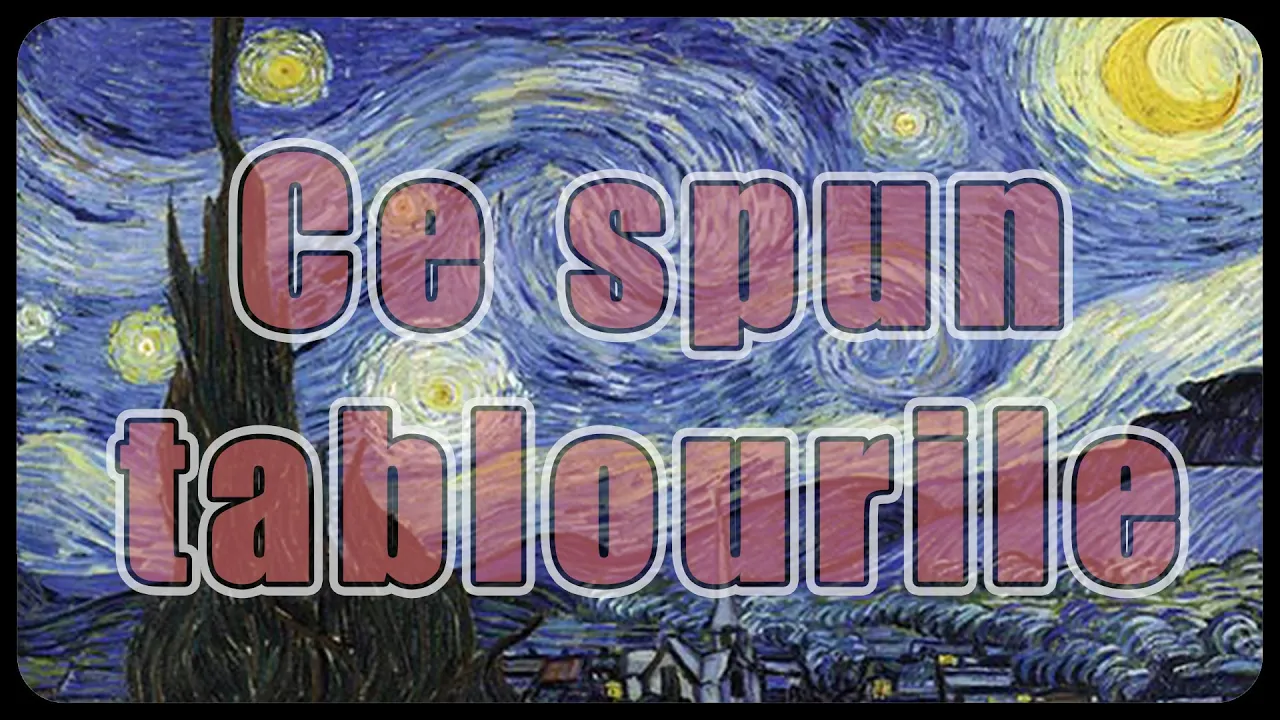


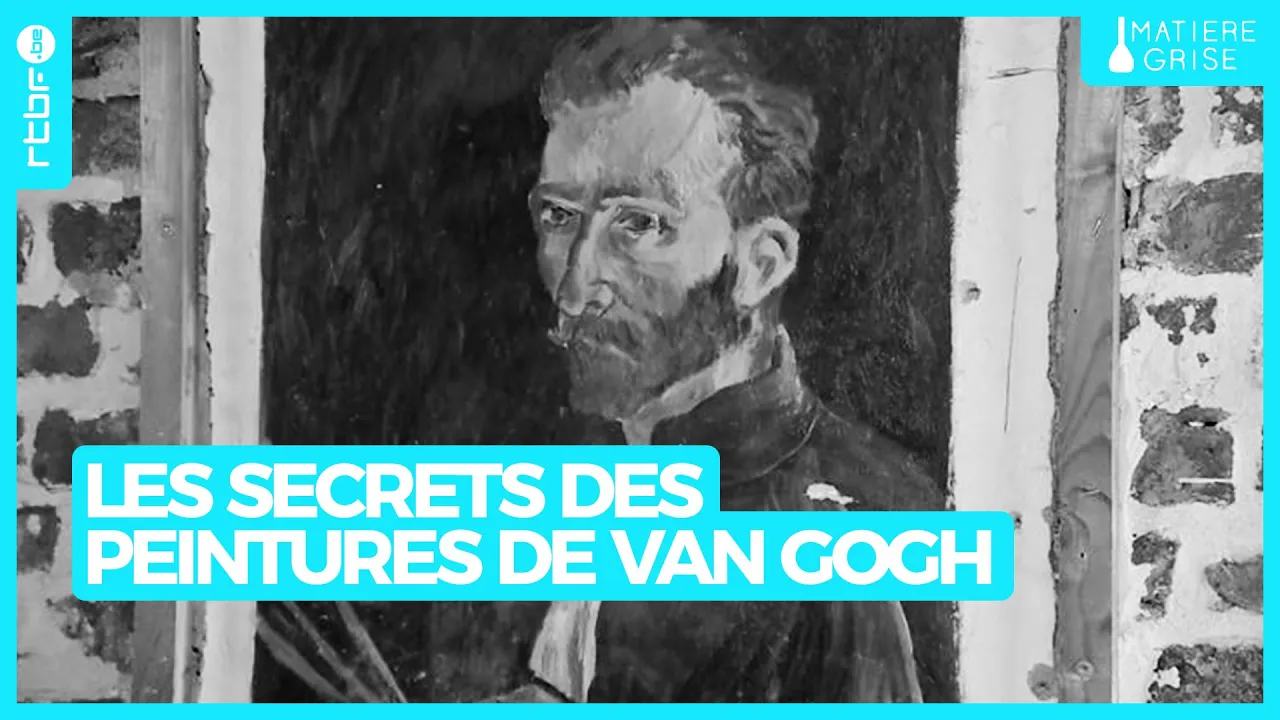



Vincent van Gogh's artistic development demonstrates how an artist can transform their style through deliberate experimentation and exposure to new influences; beginning with somber Dutch landscapes and peasant subjects, he evolved through Parisian modernism and Japanese printmaking to create vibrant, emotionally charged works that capture the essence of nature and human experience.
Van Gogh Museum Tour: Curator Insights at National Gallery
Added:Understanding of the Post-Impressionist movement, its departure from Impressionism, and its emphasis on subjective, emotional expression over realistic representation.
Familiarity with Vincent van Gogh's biography, including his self-taught background, his transition from the Netherlands to France, and his mental health struggles.
Basic knowledge of key painting techniques, specifically 'impasto' (thick paint application) and the symbolic, non-naturalistic use of color.
Historical context of late 19th-century European art and the rejection of traditional academic art standards.
Analysis of Van Gogh's direct influence on subsequent modernist movements, such as Fauvism, German Expressionism, and Abstract Expressionism.
Exploration of curatorial studies and museum practices, specifically how national galleries design retrospectives and manage single-artist collections.
In-depth study of specific thematic periods of Van Gogh's career, such as his Arles period (yellow house) or his final months in Auvers-sur-Oise.
Investigation of art conservation challenges unique to Van Gogh's works, such as the chemical degradation of his experimental pigments.
474.2K views5.6Klikes54:20Original Release: 2016-07-30
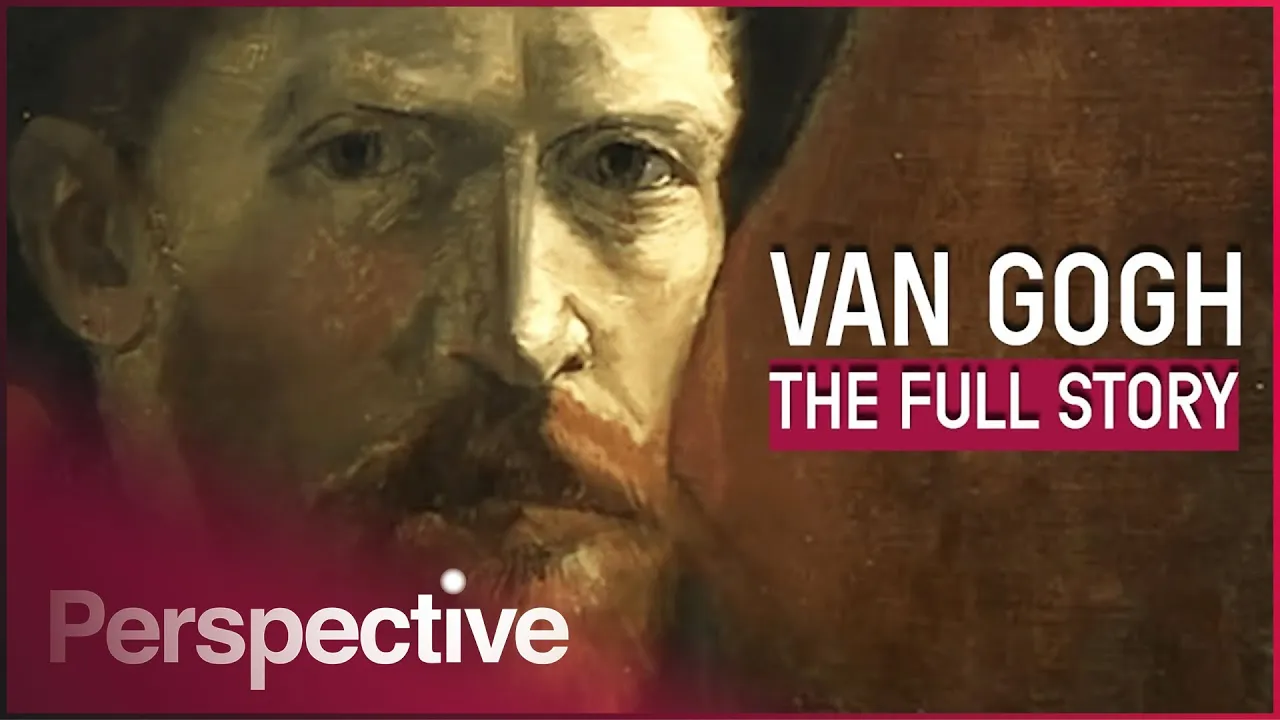
here's what's interesting to me here's a guy as we have said only painted 10 years is famous for what he did in the last three years of his life but didn't start until he was 27 years old son of a preacher did he have skills did he have obviously at potential what do we see when we take him to his first paintings what's in this painting what does it tell us why is it important other than it's the first thing I think the answers potentials the word you used this is an artist who's learning how to paint but at the same time you can see threads of interest which he's going to take right away through his career this upended in a storm we know from the meteorological records we know precisely when he did it and we know what the weather was we know what a force of a gale that it was and he stood there on the beach and he painted this picture and in fact the wind lashing in his face was too strong he had to then go back to to a cafe and finish it off the sand embedded on the surface of this picture which blown up there by this wind so straightaway you have an artist who's looking for extremes in nature we've talked about the emotion of this of this artist he's looking for a vehicle to express those emotions that's one point I think the other thing is this is Van Gogh working on the beach near the Hague in Holland and goes a Dutch painter he's born in Holland and like so many Dutch painters you have that tremendous sense of the force of nature you could relate this picture two centuries of dutch seascape painting but with the boats and the figures and so on but here those figures they're tiny they're pitted against this storm that boat doesn't look like one of those confident Dutch crab approach where we wanna see is yeah and the there is a sense that what are they doing are they perhaps going to try and assist the people in that boat there's a sense of activity it's all bound up with this that's that stormy sky the whole event of the the wind and the rain and so on before we go look at the cottage which is across the gallery here what is the primary influence on his life on his work at this point he has has he been to art school this is he has been working with some Dutch artists he's distantly related to to quite an accomplished das Dutch artist called Anton move who he's working with in the hague at this time this studying works by the hague school which was an important movement in the 19th century in Holland these were artists who knew about French painting and knew of the the more recent developments in French art but yes he still here a provincial painter all right let's take a look at the cardiff when we go see that we will see a different point of view from him we're jumping quite a few years and in a way from one of the first hesitant exercises although it's a great painting you're going to see van Gogh really after with quite a few paintings under his belt and becoming a more accomplished artist let's take a look it's three years later this is the cottage he's still living with his parents he's Dylan Halle what do we see different now what's the evolution well it's a more accomplished painting it's first of all first of all this is larger than many of the other pictures apart from the potato eaters that he produces in this year so he's thinking about doing more monumental pieces also I think he's a more focused now about the type of art and the type of subject this is a peasant subject you would think straightaway you would think that this is going to be a picturesque painting if I just described it to you without seeing the picture you'd say oh there's a cottage and as a thatched roof and there's a little lady in it and there's some trees behind you think all that sounds nice then you look at this picture it is grim it is a leap I mean the only thing you see is a little bit of light there but everything else is a little fire in there mm-hmm but the fat fruit it's all dark look at that interior eye you have this idea of the picturesque cottage this nice rustic ideal I don't want to go inside that cottage so that's dark that's black that's full of smoke and I think that's one of the important things about Van Gogh's paintings of the peasants he really isn't idealizing peasant life at all he wants to paint it as as it is and and in fact he makes statements and letters to his brother Theo who's in Paris that he wants to make sure that he doesn't do that that he wants to capture what he thinks is the essence and the beauty there is of the light which is the remnants of it it's you have an artist who is identifying very strongly with it with his subject when he was in Belgium working as an evangelist he had tried to live the same life as the people amongst whom he was preaching and now as an artist he was when he was staying in his parents house he was dressing up as a peasant and acting a peasant life away much to the distress of his family because they were a respectable middle-class family and his father was the pastor he didn't want to have his son dressing up in these in these old clothes as a van Gogh once said but for my parents I'm like a scruffy dog in the house yes how much time between this painting the cottage May 1885 and the potato eaters which is the first painting that people began to see this is probably painted just in the aftermath of the potato eaters so it's one of a whole series of rather confident pictures which come in the months after the potato eaters and in that sense you could probably describe the potato eaters as a bit of a breakthrough picture he's done this monumental piece and having got that out of the way he can move on and there is that sense of confidence here which comes in after that period or let's take a look at the potatoes which we'll see right over here in the next room here we are potato eaters April 1885 he says in a letter to Theo I would be wrong I think to give a peasant picture a certain conventional smoothness if a peasant picture smells of bacon smoked potato steam all right that's not unhealthy what's going on in his head well I suppose in one way peasants are a real people there are the people who live off the land are the people who are closest to nature and like so many artists in the 19th century when goes setting that up in opposition to the artificiality of the city life to the artificiality of bourgeois conventions examine this this these are the real people these are the salt of the earth if you like but he takes that really a stage further than any other artists in the 19th century and this is still a it's a it's a frightening picture actually they those faces are so ugly the way that he pins them is in a way so crude so almost close to caricature in a way that you read the the quote about not glossing over smoothing over and this is the absolute going to the extreme of that this is a rough tough scary picture was it recognized as it is now as the beginning of his achievements as a painter no not at all in fact Vincent was very proud of this picture he'd worked very hard on it he made lots of studies he'd assembled those studies into this composition we can look at it now and it's almost a sneering way and say gosh it's it's bit contrived isn't it and lots of things don't seem to work such as that that figure with her back to us blocking out the main focus of the composition that hand there on the coffee pot which doesn't seem to be actually holding the handle you could you could point to that and say okay there are these there are these crudities in it but no it wasn't recognized because people did just what I've done now in for example one of his close artist friends anton van rapa said yeah this is a this is not a good picture and if it was so offended by this remark that he broke off the the friendship he was very sensitive to criticism of this work he wanted to show it he wanted to exhibit it he wanted to be an important exhibition piece but of course it could never be this could never have made his reputation at a huge exhibition in Paris and it remained in the the artist family for at least with Van Gogh you he thought about these paintings and he thought about the composition this wasn't a passionate outburst for him he wanted to capture something but he planned it carefully I think that's a very important point because often people have this image of this wholly intuitive artist creating works on the spur of the moment in this kind of frenzy of creativity but of course he was a very careful picture painter in many ways he did plant his compositions he often used drawings sometimes even when there aren't drawing separate drawings there was a drawing underneath the the painting itself and in this case as we said he worked for months putting together the information for this picture doing you know as many as 40 individual studies of peasant heads and then gradually piecing together this really quite complicated composition no evidence yet of what we will see in Paris Paris changed everything for Van Gogh yes yes that's the that's the period when he was most exposed to an array of different influences in modern art and he met other artists who were yeah yeah and he's coming into contact with a whole range of avant-garde artists who have a lot to offer him what does he think of himself at this period he's usually and I think this runs through his entire career he's usually fairly modest about his own achievements his own ambitions but a run but now he's beginning to say I think I have the the makings of a painter in me and there are some of course quite nice quotes at this time for example when he talked about painting being in his blood in his flesh and so I think however much he might to be modest about his talents in comparison to other artists I think by now he's certainly sure that he wants to be a painter above all else let's take him to Paris in the next gallery is in Paris he writes his brother for you and says I'm in Paris I'll be at the Louvre no notice nothing been talking about coming to Paris for some time and I think for Theo he was partly encouraging part of discouraging he was through his brother in Paris trying to build up his career as an art dealer in this whole world of the artistic world in Paris I don't think Theo was quite convinced that he was ready to have his unruly older brother on the scene just yet but Vincent he couldn't wait in a way because he'd been hearing from Theo but things were going on he'd been hearing about the work of the Impressionists he wanted to see it he wants to see it for himself and be a part of it and try and be a part of it young yeah he says in one of his letters on June 3rd 1890 I should like to do portraits which would appear as revelations to people in a hundred years time what we see in this room self-portraits this is self portrait as an artist when or 1887 1888 what do you see well I think this is a picture where van Gogh is saying take me seriously as an artist a lot of the works we've been looking at today in a way exercises studies he's trying things out this is a serious painting when you look closely at it you can see how hard he has worked to build up those paint surfaces in a way he's almost tried too hard and it's become an innocence almost contrived look at the amount of marks there are in that face he's really drawing with that with that pen there are some beautiful passages and I think the way that he's captured that palette there's a lovely double taken away painting a palette with paint with paint on a palette in an artist picture the little the little holders for the turpentine all that's beautifully captured yet the image that he project projects here is there's something quite constrained about it it's a serious artist portrait in a tradition of self portraiture that goes back hundreds of years but yeah it doesn't quite have the life and the vitality of some of the other images and he recognized that himself he said himself that he'd gone too far he wanted most of all at this stage in his life to be a portrait painter that's an ambition that he carried right way through above all else he wanted to paint portraits and of course like so any younger artists had difficulty finding people to pose for him and difficulty finding people to take him seriously enough he would have loved people to commissioned him to do portraits but of course for obvious reasons there weren't many of those around so like so many other artists before him he turned back on his own image as that they alternative and in a whole range of self-portraits he projects himself in different ways of all the self-portraits which is the best is your conventional wisdom about that I don't think there is a conventional wisdom and I think there are ones which are better known than others and I think this is clearly the standard image of Van Gogh as as a painter if you were going to go out and advertise for a band go this would be one of the things when he would use this is the one you'd use yeah absolutely it has so many of the elements that we associate with him it's not just the the studied serious expression but the color to that combination of blue and orange we have a lovely description of Van Gogh by one of his fellow artists at this time who says he describes him as a-- at turning round hissing over his shoulder through gritted teeth blue orange blue orange it was almost as if he's associated with this combination already helped us understand how he's come to appreciate color and how he uses color I think partly it's the the revelation of things that are going on in Paris at the time his idea of color until he went to Paris was based very much on what he knew either from from books from reading about it or from seeing for example paintings by old masters in the museum's in in Holland or he'd of course been to London but in Paris in the when he came here in 1886 he was really exposed for the first time to some of the most exciting things that were going on in in the avant-garde that's not just the Impressionists but it's artists like Seurat for example The Strokes yeah easier here using the those small touches of paint which one associates first of all with Impressionism but also with artists like Sora and the neo-impressionist and the next room we will begin to see what we'll see more of the experiments in Paris and I think that's the essential point about the the the two years that he stayed in the in the capital he tried a bit of everything it's like somebody who only had one suit suddenly going into the department store and trying everything on he tries a bit of everything and it's a real melting pot all right let's take a look at that right over here so here we are these are the gardens at home art painted what 1887 is still in Paris but this is the landscape it's more horizontal what else do we see well it's a in a in a way it's rather like a Dutch landscape transferred into into Paris isn't because those windmills perched up there what is that saying hey hey maybe he's homesick the I think the main thing here is its we've been looking at these rather dark sombre pictures from the earlier period now this I think shows you what a revelation Paris was in terms of the light and the color of artists like the impression is it's almost like somebody has open the blind and that lights come flooding in and look at they never again be the same no no look at the brightness of this picture yeah as we have closed our eyes when we look at it the whole the whole thing is flooded with light and you can see when you when you move in you can see how he's also using quite a lot of different types of brushstroke to convey the different textures the different surfaces the little dots along here little dashes here little strokes there and whereas before a pet a peasant was that big heavy form of the canal fingers and so on here the the figures are dainty little fingers made out of little dots and he's got to have been looking at an artist like Sora when he was painting this do you see any other influence from any other artists that he might have known in Paris in this landscape well then in a way it's almost like an encyclopedia of influences I mean we can see a little bit of Monet there one thinks of Monet had worked in in Holland two in one of the world thinks of Monet's windmill straightaway one thinks of Pizarro the impressionist painter Pizarro who had painted peasants working away in the in situations just like this I thinks of artists like scene yak who van Gogh knew knew at this time in the way that the color is all divided up and we've just talked about Sora so as I say it's a whole range of different range of different people this is quite a complicated subject if you think about it he's he's painting the view of the paths going up a hill so you've got this double effect of the perspective and it's quite that's very tricky to get across and in a way it works and it party works but to help him with that complicated perspective he used this frame which he planted in two poles in the ground and he looked through the frame which had these lines threads drawn across it and it was like drawing through a window and it enabled him to transfer the design onto the other picture I'm struck also perhaps this is insignificant what is happening here half of this painting this horizontal canvas is sky yes and it's got this all on the lower half except for the windmill of the painting yes it it's perhaps in a sense it's more conventional than many of the compositions we'll look at in a moment and perhaps less striking in its design but that that sky that very bright sky has become a kind of a neutral field for all this busyness for all this activity for all this exploring around the little dots and dashes and that sort of Morse code of painting we have not yet seen though and I guess we get this when we go to the South of France the explosion of the Sun yes no no you're quite right I mean this is he's still in the north he's still a painter of the north and the whole revelation of color equals light equals Sun and from the south that's yet to come there is one comparison we want to make though here the Hills of Montmartre with stone quarry mmm contrast to this paint when Van Gogh first comes to Paris he's still painting as if he's still in Holland and the early pictures from Paris have that sombre restrained palette and if you compare the stone quarry to this you're going from it's like from night to day from dark to light and it's it's rather nice that in the exhibition you can see almost side by side these two examples to bring through that effect of the the new light and new color in his work as we go into the next room and the next room getting to what everybody knows the most about which is the South of France and anthem and about with illness and in the end of his life we will go through a room here at the National Gallery which is sort of dedicated to the Japanese influence I want you to tell me about that because I've always read about it I've never quite understood but let's go through that room on our way to the South of France there we go so we're leaving Paris and we're on our way down to the South of France but I just want to take one moment to talk about Japanese art and its influence on Van Gogh why Japanese art well in some ways it was an artistic thing here was a type of art which was so utterly fresh van Gogh likes many other artists had they had the idea that he'd seen everything under the Sun in Western European painting and then the exposure to these wonderful brightly colored prints was like something completely new and yet so simple so direct so yeah astonishingly clear that he wanted to be able to paint like that almost that childlike simplicity you could say take a look at the corners in and tell me what you see there this is rather fascinating because on the one hand it's a copy after a Japanese print but on the other hand he's made something completely new out of it what he did in fact was he borrowed the central motif of the the courtesan he's taken that from the cover of a Paris magazine peri illustrate he made a tracing of that and a superimpose it onto his canvas and then around the edges of that and this is when it starts to get individual and they know in some ways old he's he's put that flat print against a kind of an open background a special background with details and such as the bamboo and the the lily pads and he's taken the little frog in the foreground that's come from a completely different Japanese print and so has the crane in the background and a lesson all the illusions going on here because the word in French for a crane and the word in French for a frog were both common slang terms for prostitutes so together with the with the courtesan he's making it into a in some ways it's van Gogh's attempt to make a kind of a sophisticated urban joke based on the best on the the print he never saw the original print which inspired the painting that's right we have in the van Gogh Museum we actually have van Gogh's collection of Japanese prints some four hundred of them and he did use some of those as basis for his pictures in this case the original print by Eisen is one that isn't in the collection so he we assumed didn't know it I missed which wall we over here this is still like with lemons 1887 what's interesting is not only the painting which I want you to talk about but also love free like other office of this time van Gogh had Bank clear ideas about the way he wanted to present his pictures he was thinking quite carefully about different types of frame different types of molding different types of wood also crucially he was thinking about the the colors and of course the frame is a very important medium between the picture and its surroundings and he wanted the able to experiment with colored frames and this is one that he's painted himself of course it has to be it's that wonderful bright yellow and it just brings the whole picture to life out of his deal compare would say cézanne painted that you're also an expert well of course Suzanne won the thinks of above all with that close my Newt scrutiny of the forms and I do you associate in I suppose were almost a sense of stillness when he paints a subject like this look at this picture and the extraordinary dynamism in the brushwork how he the the brushstroke seemed to leap around the forms and you talk about still life and in in French nati or more there's nothing dead about this pictures and seeing inanimate about those objects they could almost still be living on the living fruit on the trees this is one of the last paintings in Paris that's right and rather nicely it carries a dedication to his brother Theo in the in the corner which has that nice personal touch as we go into the next room we begin to see the things that for most Americans and most people around the world he's identified for it self portraits of course were beginning to see in our own his painting in 1888 with color with the Sun he's he's doing what he's coming to define himself what he's going to be nothing that's right we're seeing signs of the the growing confidence here in this this yellow still life that we've just been looking at but away from Paris and away from the factionalism away from all those sometimes confusing influences the road ahead becomes clear one could say and he knows what he has to do and the style comes right the technique comes right and the ideas come together and there's this extraordinary period of creativity in the summer of 1888 the most important painting in that room is what it has to be the harvest picture which he himself thought of as one of his greatest pictures let's take a look at the harvest what amazes me about him as a citizen the evolution from he goes from one place here we are the harvest 1888 he's clearly confident that's right I think that's one of the first things one would notice about the picture we've been looking at pictures where we pointed out perhaps a certain unsureness in the in the drawing maybe a more tentative handling of paint or maybe a design that wasn't in some way convincing or whatever and an evolution immune sea in evolving to this and he's clearly here now with his full command of color and The Strokes he wants to use and and his sense of how he can communicate what he feels that's right I mean this is an artist who is as you say in command of his meetings we've had through the years in Holland and through the period in in Paris had an artist who is very much learning searching experimenting he's got those means now and he's at the height of his part that there's a real feeling of confidence now that he's in the South of France I think along with that is the fact that he knows now also the type of subject which he wants to paint and he does a whole series of pictures through the the early summer and the mid summer of 1888 based on the cycles of nature and here we have we have the harvest a steam which he comes back to time and again where did that come from it was that because he'd been thinking a lot about life and death or or what this is a consistent thread in his work the way that in a in a sense you could say that a conventional idea of religion of Christianity is replaced in Van Gogh by more belief in the continuity of nature and that what he describes as something up there as the expression he uses to describe a sense of divinity that that is animating nature and contributing to this sense of birth regrowth renewal and death what I love about this by the way he loved this pain is he he describes it in a letter was one of his best yet that's yet best yet and he's clearly proud of what he's achieved and as I said it has this sense of optimism he feel we feel that he's arrived at something what I like about it is so much is going on I mean there is such detail sky the top you got blue yellows in the middle greens up close you got something here here help me understand what's happening and and why this painting is so recognizable and so extraordinary yes well first of all I think you have that wonderful breadth and depth he clearly loved this view across the plane where you're looking into the the distance to the foothills in the in the background and a zero as he lead your eye almost step by step through the composition first of all you start with the texture here of the the corn growing in the foreground through those wonderful pictorial device for the the paling of the the fences with those big spiky brushstrokes yet again into another zone there where the the bushes where the people are working and behind it the car step by step gradually taking you through almost in a linear way through the little carts and the buildings through to the distance and as I describe it you would think this is a fussy picture that's talking about but it's not it's in one blue it's like it's equivalent of the visual experience you're taking in so much all in one go ok what about color here well yes and color here is being orchestrated again with the confidence that that really defines this period you might think I associate van Gogh with a really bright explosive color so yet this this is in some ways a little bit muted but it's the way that he's playing off one color against another to get the most out of it that kind of whole orchestration of a range of colors it's now incredibly sophisticated for all the seeming naivety of the of the picture the judgment of critics scholars museum directors curators would be that this is a masterpiece it's one of the to put it into a wider context I think usually has one of a series of masterpieces from that summer period it has to be the height of his career the crest if you like this period in our he is for example for the first time talking about exhibiting his works but typically he says well I need to get together some 30 works like this and then I'd have an exhibition but yes it has to be one of the the greats the keynote of this exhibition is that 70 of the 72 pains come from your museum so we have Van Gogh's Van Gogh's I mean the van Gogh that you see at your Museum when it's not under construction to from the permanent collection here at the National Gallery having said that also here in this room is filled with flowers near Arles also we feel tell me about a fishing boat on the beach at st. Mars Delamar kalimera tell me that some of those speak start with fishing boat on the beach yeah well again in this glorious period in the summer van Gogh took some time out to go to the coast at all you're quite a little bit inland but he went to the coast of samory and he took three canvases with him and some paper for drawing and he only has painted a short pit was stayed a short period of time less than a week but he found a whole new range of motifs we saw him painting the stormy sea at the beach by the hair gave a light at the beginning but here the sea is much more benign it's much more this wonderful decorative blue but I think what particularly attracted him were the the boats which have been pulled up onto the beach and it's an extraordinarily intimate piece of drawing with these blocked in with these wonderful colors like the colors of the the painted wooden boats but he pulls it off and again it's a sign of this artist who's a master of and coming into full command of all of his factors in all of his genius and artistry speak to me about the draftsmanship well one of the sides of Van Gogh that you perhaps don't see in this exhibition is Van Gogh the draftsman yes in the van Gogh Museum we have over 500 drawings by the artist that's almost half of the drawings that he made and like many other artists he became more proficient earlier in drawing than he did in painting but there's always this kind of link between drawing and painting in Van Gogh the one goes with the other and at this time in all for example he was producing these wonderful drawings with the reed pen in ink making these wonderful almost Japanese like marks across the paper and some of that graphic exploration feeds into the paintings because of course you get them trying to imitate effects and paint of what he's been achieving in his drawings but he is a superb dress when he has an eye for extracting the essence of a subject and setting it out there in a very forceful way on paper in the next room a room that I really look forward to as we talk about then go this is a picture that we would recognize the self-portrait as a victor will recognize in the next room is the yellow house where he hoped to gather all the artists and and in a sense celebrate the act of creating art but it's also the bedroom another famous van Gogh let's take a look at that well here's the bedroom which everybody I think identifies is one of those singular visions about Van Gogh he wrote Theo and he said it's just simply my bedroom only here a color is to do everything and giving by simplification a grander style to things is to be suggestive here of rest or asleep in general in a word looking at the picture ought to rest the brain or rather the imagination tell me about this painting well I think the the quote you just read out tells us quite a lot again if one was to subscribe this picture at sun's deadly ordinary yes I bed some chairs a table a window and it is quite simply his bedroom as he as he says it was part of a wider a decorative scheme that he had in mind for the yellow house he wanted these rooms to be filled with his own colorful paintings and he was linking them through the sunflowers the famous sunflowers for example was to be part of that decorative cycle but anyway if you if one describes it it's very ordinary but first of all you have the sophistication of the way that he's able to describe objects now and the way for example that he uses that paint to convey the idea of wood the sort of granular texture of the the paint to conjure up that bed then the the accumulation of the the details the hat bounced up there on the peg this drip down here from the the door lovely details such as the the light filtering through the the green shutters into flooding in into the room so enough sense you think okay it's a it's a description of the bedroom but as that quote suggests he's thinking not just in terms of color and what it can do to describe everyday objects but he's thinking of the way that colors can be used and combinations of the colors can be used in a more evocative way and so this whole idea of this potential symbolism of color is beginning to become more important for him now here's where I'm confused a little bit he very much would paint something and take lots of Liberty lots of Liberty in his paintings correct that's right he always have I'm not about photographing that's right I'm not about direct compressions what we have here is an exact replica of his bedroom except the colors may be different or something I don't know you wouldn't want to sleep a night in that bed you wouldn't get a wink of sleep in that bed so I wanted these colors no they I think the point is in some ways you can describe van Gogh as a realist artist an artist who is depicting what he sees he's certainly basing his paintings on the world around him and that's what he wants to do but in another sense he's filtering his impressions filtering those perceptions through his temperament and that's what he wants to do he wants to give his idea of the world his view of the world filtered through his own very powerful very heightened emotions and in that sense he takes liberties of course he plays with the drawing he exaggerated the form we've said not that that bed would be uncomfortable this bed ends huge in comparison to the rest that's a tiny chair and so of course these liberties with the drawing he takes them to make it for expressive ends really and the same goes for color exaggerated heightened simplified and also you see using two shades of the same color to contrast the two or to accentuate one gasps right he's very much setting a colors against each other playing with primary and complementary colors to really make them zing against one another how great is Vincent van Gogh a colorist it has to be the central element of his of his expressive means if you like on the one hand you can say that he's a intuitively brilliant as a colorist that he just has an instinct for focusing on these combina combinations these nuances of color by the other hand he studied it he read color theory he read what these writers were saying about how you juxtapose colors he looked hard at what other artists were doing so he's a great colorist because he's instinctive but he also because he studied so Cox his favorite color yellow seems to be prominent for him I mean he fell in love with young yellow is is important it's a it's a color which in a way evokes sunlight it's of a direct equation Yellow Sun and but also he does impose levels of meaning or layers of meaning on this he talks for example one of letters about yellow being the color of friendship which is not an idea that you know the you and I would automatically associate it with it so beyond the purely descriptive is as I say looking to color to evoke sometimes rather abstract ideas let me take you to a very different painting the yellow house this room was in that house the yellow house but this is almost in a dark blue sky the house certain sense of architecture a minute what else well we talked about Van Gogh's ambitions as a portraitist yes and in a way this is a portrait of a house yes this is where he wanted to live this is where he wanted to set up this artists colony the studio studio of the South in the yellow house it's the it's the room with the green shutters and okay the the building was perhaps in this yellowing color that was associates with the with architecture in our land in Provence but that is quite some yellow and look at the sky that kind of that seems to be like a night sky so he set this brightly almost luridly colored house against this dark midnight sky so the picture does take on this quality almost of a hallucination we go into the next room and I guess there we go to Rimi saint-remy that's right and where he's in the hospital that's right and we see we deal with a reaper also almond blossom which was a celebration moment after the birth of Theo's son Vincent let's go into that room and take a look and see what we see in there slide by we're now in the last year or so of his life and some of the more famous paintings and this is clearly one we feel with a reaper before we talk about this and what he said about it put me in Sun Rimi and what's going on well after the the famous incident with Goga and when he cut off part of his left earlobe the famous ensign he claimed that go Gant claim that he tried to do it there's some question about that but then he went cut off his own that's right after that after that break done if you like in the the spring the following spring van Gogh voluntarily committed himself to this asylum at surimi which is near all then in the beginning he wasn't allowed to paint but gradually he was and first of all in the grounds of the the aside of itself and then was able to wander a bit more freely but the view that we have here is more or less the same view that van Gogh had from the window in the asylum so he was looking out every day at this view he saw the Sun rising above those hills in the background and he painted the same view right through the season he painted it when they when the corn was still green and young he painted it as it as it matured and became yellow and here he's painting it with the reaper harvesting he says in a letter to his brother Theo I see in this Reaper the image of death in the sense that humanity might be the weight he is reading but there's nothing sad in this death it goes its way in broad daylight with the Sun flooding everything with a light of pure gold he beginning to think about death well I think one has to put it into the context of what we were talking about before this is interest in the cycle of nature and as he says in that in that code it is about death in that sense but he doesn't see it as a negative thing he sees it as a positive thing just as in the harvest those tweets will be cut done but it's going to be soon again and it will grow again remember he's 36 years old what tell me what we see that's different if that all about the talent expressed here or the way he uses the town well in a way after the the brick done in our there is a period of crisis if you like and the coloring changes again the the way that he handles paints that also that also changes this picture in some ways is a bit of an exception because you're going back to the to the strength of the vibrancy of the color of the all period and it's you know it's flooded with this this yellow and also and look at the the texture of that weed he has found a very convincing equivalent in paint for the the movement of those of those stalks of wheat and the wind rustling through and as that quote that you read suggests this is in a way a picture which seems to carry quite a heavy symbolic burden rather more perhaps than some of the other pictures of this view and he's just as he painted many canvases of people suing so this is the other end of the cycle this is reaping the harvest reaping the harvest across this gallery is almond blossom painted what's the context of the painting before we talk about the painting itself what was painted very early in 1890 to celebrate the the birth of his nephew Theo and Theo wife had had a baby boy who was to become named Vincent after his uncle uncle the Vincent the bender it just shows that at this most difficult time when he was having these attacks when he was uncertain about his future uncertain what was going to happen to him because of the illness because of his illness because of the the fact that he was an increasing financial burden if you like on on his brother he could still paint this picture which expresses this wonderful sense of optimism and confidence and vitality and it's really with the blossom an image of birth and renewal so celebrating the the coming of this child and what is of course for us at the van Gogh Museum of special significance of this picture is that that little baby would grow up to become the founder of our museum what's interesting about the van Gogh family a number of them are coming here for the opening of this exhibition yes Lafleur's van Gogh family take an interest in the collection still the pictures that are here all belong to the van gogh foundation which is on which the family are represented so in a way they still fulfill the role as guardians of the collection let's go in the next room and see we filled with crows painted just before he died here it is this is we filled with crows one of the last paintings if not the last most people don't think it's the last it clearly reflects something he said in a letter to Theo their vast fields of wheat under troubled skies and I did not have to go out of my way to try to express sadness and extreme loneliness tell me about this painting where he is in his life and what's he going through within weeks he ends his life a lot of people have looked at this picture and seen it as a very pessimistic image associated with the the artists suicide and you look at the picture and you see for example there's the three pathways that seem to diverge pathway in the middle here which seems to cut off and not lead anywhere they look at the the color of the the corn with that flash of sunlight which seems to suggest something temporary and they look at those above all they look at those dark birds with those flapping wings which seems to be associated with with with with death I don't know I think if one forgets for a moment that idea that this could be one of his last picture and seize it against what we've been looking out through the exhibition this whole idea of nature has an ongoing cycle I think you could turn it around and say that this is actually a very positive picture that it is a picture which is bursting with energy in life which is filled with the vitality of the the growing corn and sure yeah you have this very dark sky but I think in a way if we think right back to that very first picture of the beach at near The Hague he has that same sense of nature's being a productive thing that that's where you make your living from but also the sense that at the same time it could be overwhelming and so it's this combination this combination of joy and sorrow this what he talks about in that quote you read art he talks about loneliness and sorrow at the same time in the very same letter he talks about and this conveys the forces of health and regeneration that I see in the countryside within two weeks he went out into a wheat field with a gun we don't know where he got the gun I don't think do we know he shot himself not in the heart but in the stomach which suggested he just wanted to send a message or he wanted to cry out in pain for two days he stayed alive brother came to see him and then he died mm-hmm 70 works from the van Gogh museum I hear what do you hope people come away mm-hmm with in this extraordinary reflection of one of the great artists certainly that century if not other centuries I think above all and this is what we want to do with the van Gogh museum is to put the emphasis on the art rather than on the man on the biography I think it's important to know the story it's important to know how they impinge on the art but at the same time there's that always that threat that the biography will take over so that when you're looking at a picture like this all you can think of is the art of suicide I think in a way you've got to start with the picture itself start with your reaction to it think of it as they this artist who's wanting to express so forcefully his emotions his engagement with the outside world and then move outwards you know like the the ripples in the pond when you throw the pebble in we move outwards to the biography to the to the wider context of his times just soaking go ahead look at the pictures okay if you just look at the pictures what do you come away with where is Vincent van Gogh in this broad spectrum of art I think the there are three things which make Van Gogh's such a memorable and powerful artist we've talked a lot about the color and that fantastic sense of color I'd put alongside that his ability to create these wonderfully memorable compositions however complicated the subject is it's this ability to extract something simple direct and memorable like an image like this and then thirdly I think there's this extraordinary appeal in the inner subjects that he chooses ordinary subjects everyday scenes yet he animates them with a sense of the extraordinary and I think that's the key the color of the compositions and what lies behind the surfaces I would add one thing the intensity and the power of his ability to reflect the emotion that about what he sees I think I'm going to let you have the last word on that thank you John I know you have to go catch a plane it's a pleasure to go on this journey through the life of any work and the art of Vincent van Gogh thank you very much been my pleasure thank you have a good flight back to Amsterdam thank you very much thank you my thanks to john leighton the director of the van gogh museum and after them but also we want to thank all the people at the National Gallery in Washington DC van gogh's then goes on exhibit from October 4 1998 to January 3rd 1999 then it travels to Los Angeles and the LA County Museum of Art it is an extraordinary exhibition of the work of one of the world's great artists Vincent van Gogh we thank you for joining us see you next time
Up Next
49:01
Van Gogh's Mid-Career: Art History Analysis of the Prolific Period
@PerspectiveArts
360.9K views•2020-10-18

114:18
Christian Iconography: History, Theology, and Meaning | Fr. Panayiotis Papageorgiou
@Trisagionfilms
58.8K views•2020-02-21

51:33
Origins of Impressionism: Philippe de Montebello Tours The Met (1994) | Art History
@ManufacturingIntellect
58.9K views•2016-05-24

16:34
Earliest Depictions of Jesus in Art: 10 Ancient Images Explained
@UsefulCharts
5.9M views•2022-06-03
Related Study Plans & Knowledge Roadmaps
Structured learning paths in Art History
art-history
Gothic Cathedrals: Engineering, Light & Society
01The Birth of the Gothic: Romanesque to Suger's Vision
02The Structural Triad: Pointed Arches, Ribbed Vaults, and Flying Buttresses
03Theology of Light: Lux Nova and Sacred Geometry
+ 2 more learning modules
14h5 modules
Explore Roadmap
art-history
Pre-Raphaelites: Realism, Symbolism & Critique
01The Victorian Art Establishment and Academic Formula
02The Founding of the PRB and Radical Realism
03Medieval Revivalism and Literary Symbolism
+ 1 more learning modules
8h4 modules
Explore Roadmap
art-history
Street Art: From Subways to Art Market
01Subcultural Origins in Philadelphia and New York (1970s)
02The Subway Era and Style Wars (Late 1970s - 1980s)
03The East Village Scene and Early Gallery Crossover
+ 2 more learning modules
10h5 modules
Explore Roadmap
art-history
Classic Maya Art: Iconography, Glyphs & Ritual
01Foundations of Classic Maya Visual Culture
02Deciphering Maya Hieroglyphs & Text-Image Integration
03Sacred Geography and Cosmological Architecture
+ 2 more learning modules
14h5 modules
Explore Roadmap