


















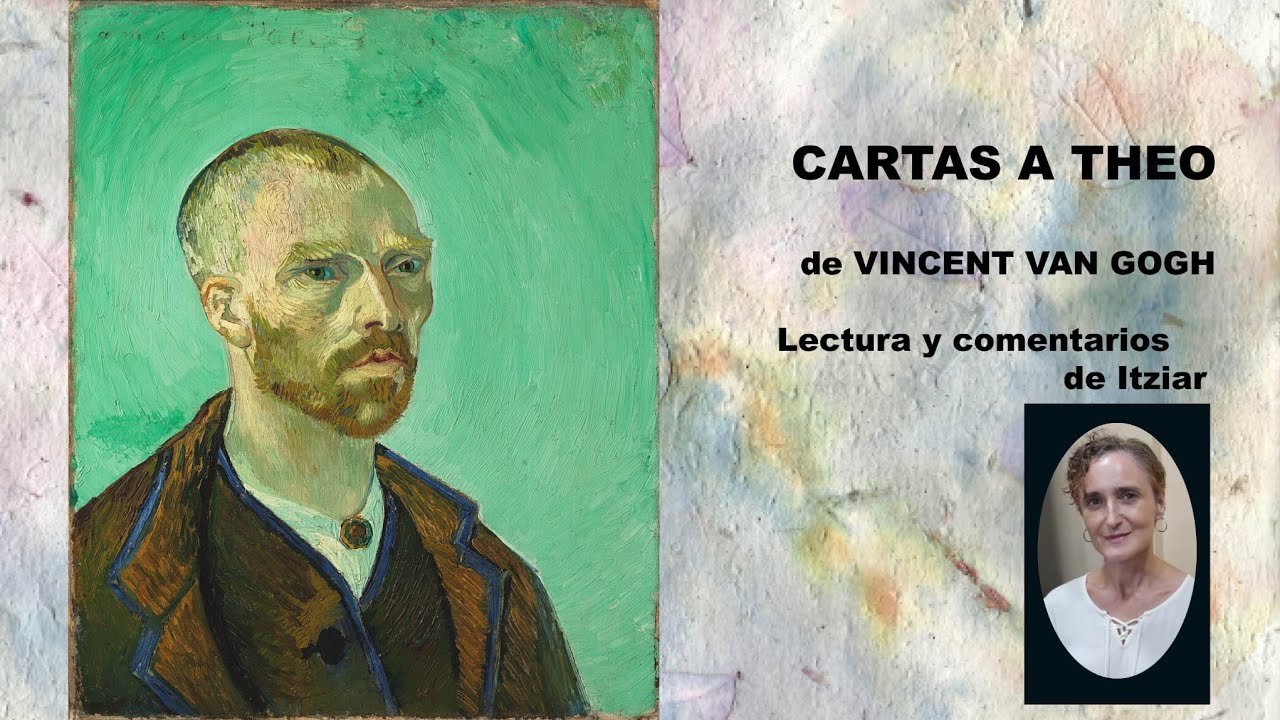







Vincent van Gogh's most prolific artistic period occurred during his two years in Arles, France (1888-1889), where he produced approximately 200 paintings, including his famous sunflower series and the Yellow House; this creative explosion followed years of personal turmoil, including failed relationships, mental health struggles, and financial difficulties, demonstrating how adversity and emotional intensity can fuel extraordinary artistic achievement.
Van Gogh's Mid-Career: Art History Analysis of the Prolific Period
Added:Familiarity with Van Gogh's early life and Dutch period, characterized by dark, somber tones and social realist themes such as 'The Potato Eaters'.
An understanding of the Hague School of painters and their focus on realism and gray-toned landscapes, which heavily influenced Van Gogh's early style.
Basic knowledge of Impressionism and Neo-Impressionism, particularly the revolutionary shifts in color palette, light capture, and brushwork that Van Gogh encountered in Paris.
Foundational concepts of color theory, specifically the visual and psychological effects of complementary colors.
An investigation of Van Gogh's late-career masterpieces produced in Saint-Rémy-de-Provence and Auvers-sur-Oise, analyzing his shifting psychological state and artistic style.
A study of Van Gogh's profound influence on 20th-century modern art movements, specifically Fauvism and German Expressionism.
A critical analysis of Van Gogh's letters to his brother Theo, using them as primary sources to cross-examine his technical intentions versus his historical legacy.
An examination of the 'tortured genius' archetype in art history and how biographical narratives impact the valuation and reception of an artist's oeuvre.
360.9K views4.9Klikes49:01Original Release: 2020-10-18
[Music] this is where the hospital stood in which vincent van gogh was treated for the clap in the summer of 1882.
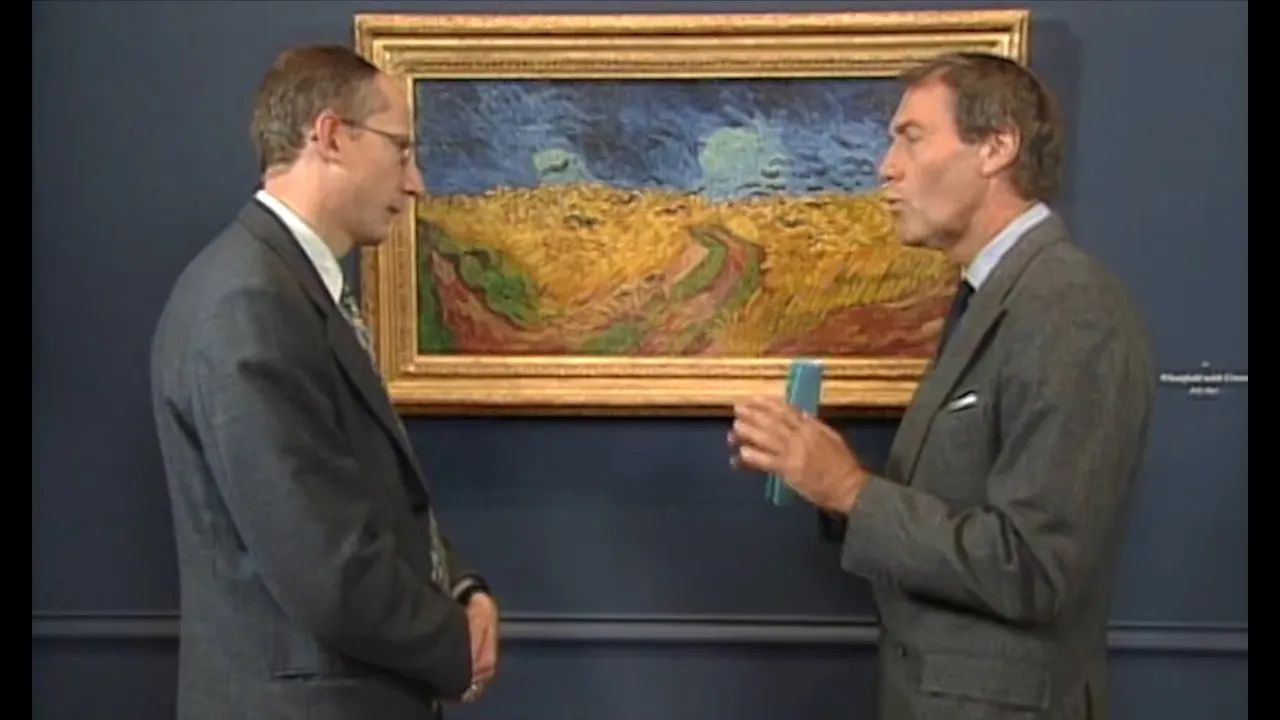
for some reason there's no plaque he'd caught gonorrhea and he's left us a detailed description of the treatment he received a catheter would be inserted into his bladder through you know wear and gradually enlarged because that's what happens to men who consort with prostitutes in the hague with your long blonde hair and your eyes of blue the only thing i ever got from you [Music] when we left you in program one vincent had set up house here with a prostitute called scene [Music] had two children and the gossips of the hague were suggesting that the youngest was vincent this is the beach at scavenging it's on the seaside outskirts of the hague and in vincent's time hague artists used to troop out here for the day to draw the wild seas and the undulating dunes vincent would stay the night here with seen so bohemian he bragged they'd sleep together on the dunes and in the morning they'd drink hot coffee together and watch the sun going up and then vincent would get down to work vincent sent his brother tayo a drawing of himself using a contraption called a perspective frame here on the beach at scavenging it had it built for him by the carpenter whose workshop was round the back of vincent's studio you can see this carpenter's workshop quite clearly in the most luminous of the hague watercolors so it was all going so well he had a woman a studio the pictures were pouring out of him when suddenly bad luck sniffed him out again someone discovered he was living with a prostitute this someone was almost certainly his old boss from gupfield's in the hague mr tastic testic wrote to vincent's father who responded by trying to have his son committed in a lunatic asylum it was nearby a place called heel i've been there and it's not somewhere a father should seek to lock up a son in any case it proved unnecessary [Music] vincent had pledged to marry cena never ever to desert her but after a year of getting to know her he changed his mind it's impossible to know exactly what went wrong between them cene's mother certainly played a part she was now living in the house with them and since she was the one who originally sent scene out onto the streets she can't have been a good influence or a welcome presence i found vincent's changing attitudes to seen hugely disappointing i didn't expect this fickleness from him one moment she's his savior his soul mate the only one then suddenly she's become that woman lazy bad tempered stupid tayo did his part he was now sending vincent 150 francs a month and not unnaturally resented his brother keeping a prostitute and her family on his money teo wanted vincent to leave the woman leave the hague smarten up and concentrate on his art and the usually headstrong vincent found some unexpected meekness within him and came round to the idea but before we too flee the hague and head back into the dutch countryside as vincent did i want to pay tribute to christine clacina maria hornick whom everyone called seen with your long blonde hair [Music] maybe she drank maybe she was a prostitute maybe she was lazy but she stuck with vincent for a year inspired his best art so far and deserved better from him than she got we're north east of amsterdam just about as far as you can go in holland before you drop into the north sea this is drenta with its sudden bogs and sunken fence this is and was one of the poorest bits of the netherlands people scratched the living here digging peat and picking potatoes and because it was so grim and damp and melancholy drenta was cheap to live in so this is where vincent fled from the hague and how well this melancholy landscape suited his mood the people lived like troglodytes half above ground half below in lumpy humpy cottages with moss roofs ghostly barges loaded with shadowy black baggage floated gloomly across the vistas vincent was here for about three months he was in an awful state when he got here having decided to desert cena and the children he tormented himself with it daily when he encountered a stooped mother working in the fields or a bundled-up wife trudging along the paths she reminded him invariably of scene and made him feel tearful well maybe but he abandoned her nevertheless van gogh wrote some of his longest and most philosophical letters from drenta he obviously had a lot of time on his hands in the evenings and i guess looking around at all this there wasn't much else to do vincent wrote to his parents as well about how the sunny autumn days in drenta alternated with stormy wet ones he preferred the storms he said he liked rain and i don't think anyone's ever painted it as fondly or as often as he did all vincent's early work is glum working people digging bending plowing again and again in their endless toil none of it's cheerful but by general repute the grimmest work he ever produced was here in drenta but you know what he never complained about the landscape or demeaned it he always found it inspirational to you and me we get in a place like this and all we see are melancholy browns but when you look at vincent's pictures from drenter there's so much radiance in them so much color i think it's one of his greatest talents where everyone else saw heartbreak and bleakness vincent van gogh found beauty in the end it wasn't the bleakness of drenta that drove him out of here but the lack of money teo was having problems at work with the risk of teo losing his job the only place left for vincent to go was back into the arms of his family [Music] but when vincent turned up here a few weeks before christmas 1883 this was somewhere notoriously bleak right in the middle of the dutch poverty belt it's difficult these days to think of the dutch as impoverished peasants toiling in the fields from morning till night digging potatoes dying young what a makeover they've had but vincent's art from noonan is compelling evidence of just how dark and tragic and miserable and exhausting life was right here his parents weren't pleased to see him the affair with the [ __ ] in the hague had upset them mightily he told teo that they shrank from letting him in as if he were a big shaggy dog who'd leave muddy footprints in the living room this is the house they lived in look at it it's splendid vincent's behavior was at its uncompromising worst at dinner he'd refused to join the rest of the family and sat apart on his own chair with his food in his lap eating old bread crusts and cheese which he'd have trouble chewing because his teeth were going when they'd got over the shock of him turning up they allowed him to clean out the mangle room at the back of the house where the washing was done vincent put in a stove he put a few bits of modest furniture and was soon working furiously in his first ever studio newnan specialised in two types of rural poverty farming and weaving vincent's pictures of weavers are perhaps his most original early works they're such strange and awkward machines these black monsters of grimy word as he called them in the middle of which sit and i'm quoting him again dark monkeys or gnomes or ghosts clattering away with the sticks from morning until night a quarter of newnan's battered working population used to be linen weavers and now there's just one weaver's house left in the entire town it's become a new age shop selling occult and religious knickknacks but when you walk in it's still eloquently tiny and easy to imagine how little room there would have been in here for the people once the black mechanical monster was installed and chattering he'd begun collecting people as well with the same pictorial greed painting peasant heads time and time again at least 50 of these face paintings still exist and who knows how many more have been lost it was almost like a scientific collection of peasant specimens he'd got interested in phrenology that disquieting pseudoscience that was terribly fashionable in the middle of the 19th century and whose followers believed that you could tell a person's character from the shape of their phrenology was the dodgy precursor of some truly terrible ideas the racial stereotyping of the nazis for one had phrenology as its original inspiration it's utterly discredited now but not then and vincent was interested in it in his paintings of the peasants he often distorts the physiognomies of the noonan people to give them animal characteristics snout like noses sloping foreheads not to denigrate them i'm sure but to categorize them a touch spookily perhaps into rural types the culmination of vincent's manic investigation of country faces was the most ambitious painting of his dutch years the dark and entirely melancholy potato eaters vincent's father pastor theodorus died in march 1885 and he's buried here on the spot where that tower used to stand that you see in the background of so many of vincent's noonan pictures they weren't really speaking by then they'd fallen out but i don't think there's any doubt that the darkness of this event infected the picture that vincent began a few days later potato eaters shows a family of knobbly noon and peasants sharing their evening meal potatoes with coffee tomorrow for a change they might have coffee with potatoes vincent was inordinately proud of this painting he considered it his masterpiece so far it's endearingly clumsy and very him it's potato heaven around here they're everywhere potatoes potatoes potatoes potatoes but they're not just a staple food of the peasants there's more to it than that vincent said when he was painting the potato eaters that he wanted them to feel like potatoes the people themselves they had hands like potatoes they had faces like potatoes to be honest i never quite knew what he meant by any of that until i got here and felt these things the people are indeed like that they're of the earth they're gnarled they're brown they're like potatoes once you get out of newnan the landscape hasn't changed that much with these plunging avenues of poplars that he so loved to paint and vincent had a peculiar outdoor hobby he used to collect birds nests and apparently had about 30 of them all different while he was actually here and he used to display them in a line arranged on a decorative branch some of the nests came from rare birds including i was sad to see the nest of a golden oriole why paint birds nests they're so difficult i rather disapprove of vincent collecting bird nests he took the eggs as well there is this ruthlessness to him that we tend to overlook we've become so mushy on the subject of vincent van gogh later on when he was already at the insane asylum in san remi he painted this beautiful study of an emperor moth he said it had turned up in the asylum gardens at night and that he had to kill it to see it properly that's meant to be vincent going to work in the fields he would have hated it it's so twee these days newnan is ever so proud of the fact that van gogh lived here for two years produced some of his most powerful early works here they love vincent all right now but they didn't when he was here one of the girls from the potato eaters got pregnant they said vincent was responsible and the catholic priest from that church over there forbade his parishioners from posing for him the town campaigned against him kids began throwing stones at him they ran him out of town so now they're milking him for all he's worth that's not true of his next location one of the world's most cosmopolitan cities in november 1885 just in time to avoid the dreaded christmas get-together of the van goghs vincent left for antwerp antwerp is only 25 miles or so from where vincent was born in zundat so although it's in belgium it was always geographically on vincent's doorstep but symbolically this throbbing brabantine metropolis famous for art and beer and diamonds was another world in antwerp the priests didn't take to their pulpits whenever someone got pregnant because they would have had to stay up there all the time the first place he explored was down here the port typical vincent this was where antwerp's low life was concentrated wandering through these streets in the rain he saw a sailor being chased out of a brothel by a gang of angry prostitutes which amused him he was out of newnan all right after two years of grim country living being treated as the village idiot this was the urban shot the complete change he needed from now on vincent was in exile a man on the move and he never went back to holland the [ __ ] and the cafe girls were the only models he could get he painted their portraits and paid them for it what he really wanted was to paint them nude but he couldn't afford it he was living on bread and coffee from the time he moved out of his parents house in newnan to his first winter here which is over half a year he'd only eaten six or seven hot meals vincent was literally starving and some interesting evidence has emerged quite recently that vincent was treated here in this house by a doctor cavane for syphilis not only were syphilis fatal it also drove you mad the insane asylums of the 1880s were full of syphilitic lunatics vincent's doubts about his own sanity had good reason to increase his teeth had gone he went to the dentist here in antwerp and had to have ten teeth pulled out if you've ever wondered why vincent never smiles in any of his self-portraits it isn't just that he's not the smiling kind it's also because he doesn't want you to see his teeth he was only 33 and already he was falling apart he knew he was smoking too much but he did it deliberately to subdue his hunger and with a grim sense of humor that's untypical of vincent although it is admittedly rather belgian he painted what i think should be seen as a comic self-portrait a skull with a [ __ ] in its mouth vincent only 33 yet already facing death with a smile vincent joined the academy here in january 1886.
he'd already been in antwerp a couple of months and was of course a lifelong mistrust of academies [Music] the trouble with academies vincent wrote to teo from noonan in the summer is that they teach you to paint louis xv and arabs but not weavers or diggers or sowers vincent loathed academies and at the age of 33 he was singularly ill-suited to entering one [Music] but the academy in antwerp was the only place he could get free models particularly nude ones [Music] another student vincent hargerman has left us some delightful memories of vincent's time here he wore a blue smock of a kind usually favored by flemish livestock merchants and his fur hat of course hargerman remembers the cast of the venus de milo being brought in and vincent drawing her with great big hips the august professor picked up this drawing and covered it with corrections slimming down the new child bearing hips of the venus de milo vincent exploded you clearly don't know what a young woman's like he bellowed a woman must have hips buttocks a pelvis that can carry a child and out he stormed the academy board met in march 1886 and decided unanimously that vincent should be put back to the elementary class but they were too late he'd already gone [Music] on the 20th of february 1886 teo van gogh was at work at gupil bussard and valedon just here in the boulevard mall mart when a porter from the guardian nord arrived with a note unfortunately it was from vincent i say unfortunately because teo had been pleading with vincent not to give up his studies in antwerp not to come to paris teo had troubles at work he had troubles with his health troubles with his mistress and his flat was too small but all this pleading made no difference vincent came anyway [Music] teo's apartment was far too small for both of them so the brothers moved here to the rue lapiz a notably steep road up which you must puff to enter montmartre you don't need me to tell you about more mart in vincent's time you've seen the film attempted the can-can this was paris's chief nocturnal pleasure ground busy with dance halls drinking dens and cabarets a shameful hill of fun that marked the edges of civilized paris [Applause] van gogh's stay in paris is surprisingly mysterious he wasn't writing to teo obviously because teo was here so there's a huge gap in their correspondence there are bits and pieces of testimony from other parisian artists but it tends to feel unreliable and boozy [Music] let's try and put this in context when vincent arrived in paris in the winter of 1886 impressionism had been the art fashion for a decade already and the hunt was on for the next big thing [Music] but vincent had never even seen an impressionist painting there were no impressionist pictures in newnan there were no impressionist pictures in antwerp so he had an awful lot of catching up to do a couple of vincent's first parisian landscapes look out towards the city that way but most of them don't most look deliberately that way back there on the slopes of the butt mon mart you could still find a curious half rural scrub land of overgrown allotments and pocket-sized urban vineyards and vincent's first paintings of the half rural monmart may be stylistically undecided and a touch hesitant but they do give you a strong sense of the bleak character of the scrub land lots of people's dreams were broken here not just vincents [Music] was complaining to anyone who would listen about the state of the apartment were wet paintings propped up in every corner clothes everywhere and all this stuff that vincent had picked up on his walks around montmartre it was a disastrous domestic arrangement did vincent ever screw the top back on the toothpaste tube i doubt it worse even than vincent's chronic untidiness was his genius for picking quarrels with anyone over everything there are these touching letters from teo back to the family in holland in which he complains that no one came round to see him anymore they were all too frightened of vincent the only solution was to get him out of the flat by enrolling him in some kind of art school thus vincent briefly became a pupil of the fashionably grotesque parisian painter fernand cormon cormon specialized in neanderthals great hairy primitives acting out violent scenes from the bible this is kane and his tribe fleeing after the murder of abel horrible isn't it [Music] cormon's studio was here on the boulevard de cliche at the bottom of the monmouth hill [Music] cormon had a particular reputation for tolerance and seems to have had a nose for picking troublemakers the head pupil in cormon's studio a kind of artistic prefect who was supposed to set the best example was toulouse-lautrec what an error of judgment that was on cormon's part and vincent became close they'd go drinking and whoring together and latrek produced a memorable pastel drawing of vincent in a cafe much like this staring thoughtfully into the distance either because he had lots on his mind or more likely because he'd been drinking too much of that absinthe in front of him and his elastic had snapped absent was the drug of choice in my mart and you know how when you pour some water into it it turns yellowy green well they used to call it the green fairy and vincent liked it so much that he painted a still life of a glass of absinthe that feels almost like a loving portrait of it the chief hallucinogenic ingredient of absinthe is called wormwood which gets its name from the biblical story of satan disguised as a snake hiding in the tree of knowledge and tempting eve a sensible man steers clear of absanth but tulas lotrek and vincent van gogh didn't or couldn't this is where a cafe called the tamburan used to stand it served delicious italian food served up by fetching wenches dressed in italian peasant outfits the tables were tambourine shaped and presided over by the tambourine's interesting owner agastina segatori she was from naples originally but came to paris to be a model and with her dark neapolitan beauty she made a passable egyptian slave girl or turkish harem wife in those absurd orientalist fantasies that cormor and his friends were producing when vincent encountered agustina she was in her late forties swarthy a faded beauty his kind of woman he painted her in the corner of the tambourine dragging on a flag [Music] vincent and agustina had some sort of affair this is surely her in the rather frantic and angrily sexy nudes that vincent suddenly emerged with it's not the vincent we're used to [Music] i don't know how good your geography of paris is but if you imagine the hill of more mart here with sacrecur on top the river sen flows along the front and then doubles back on itself in a sharp loop so if you walk down from one mart hill in this direction you end up where i'm standing now at any the notorious riverside pleasure ground of the impressionists the monets and the renoirs made something terribly pretty out of any but vincent didn't vincent's impressionism has a bleakness to it that no frenchman would have sought out or admitted to he used to walk here from walmart with a new pal the painter signiac who was a plantalist a dot painter that work around here all morning and then stop off for a late lunch on the way back vincent painted a couple of the restaurant interiors that he and signiak used to drop into and they're done hilariously in the full dot manner that was all the rage that year [Music] when you look at van gogh's parisian output it's like looking at a big box of samples shall i paint this way or that way shall i be an impressionist or will i take up the dot and quantile van eyes produced 230 paintings in his two years in paris and hardly any of them seem alike [Music] a certain siegfried bing had opened up an exotic oriental emporium in the rue de provence packed with imported japanese goodies vincent was soon a regular visitor and with tayo's money he was buying in bulk the brothers began manically collecting japanese prints hundreds and hundreds of them geishas actresses musicians courtesans the left is a courtesan from vincent's collection on the right is an exact copy of her that vincent did [Music] it's slightly erotic but then so was he [Music] here's another of these peculiar copies plum trees in flower originally by hiroshige vincent added some extra calligraphy to it i've had it translated it's an advertisement for a brothel called yoshiwaras and you know what the van gogh museum still has the tracing paper he used squared up exact [Music] japanese prince changed van gogh's art as the sun coming up in the morning turns night into day as they say around here the great divide in his work is between his pre-japan pictures and the post-japan ones his colors become clearer brighter the perspective's less western shadows are banished and a striking japanese flatness enters his work vincent was so excited by his own japanese prince that he organized the mon mart exhibition at the cafe tambourine to show them off you can just about make them out on the wall behind agustina sigatori [Music] the umbrella on her stool that's definitely japanese it was probably bought at bing's a gift from vincent perhaps [Music] this is agostina too after extreme japanese surgery [Music] vincent fell out with her vincent fell out with everybody [Music] gay parish nearly finished vincent off and certainly ruined his health he later complained that he'd become an alcoholic here his nerves were shot from the constant arguments the late nights the absent the bitching and the backstabbing his fellow painters he spat disgusted him now one of van gogh's more reliable character traits was a tendency to rush into decisions once he'd made his mind up to go away from somewhere he was on the next train out the departure from paris was as abrupt as the arrival had been as the train puffed out of paris all vincent could think about he wrote to teo was his arrival in japan he meant it as a befuddled metaphor i suppose where he was really going was the town of all in the south of france [Music] he stepped off the train on monday the 20th of february 1888 to find all blanketed with snow who would have thought it i spoke to a chap at our hotel who's lived here all his life and he's only seen snow once so this was truly exceptional weather but vincent was far too excited to let this unlikely snow dampen his enthusiasm besides these were the only possible weather conditions that could make the south of france resemble japan a vague resemblance perhaps but a resemblance nevertheless [Music] if you've never been here and you only know all through vincent's art which is how most people in the modern world first get to know it and it's my duty to tell you that all is none of the things you think it is when i first came here i was expecting a sleepy and cute provincial country town surrounded by sunflowers and lavender populated by kindly country folk brown as nuts because that's the image of the place vincent has left us but arl isn't like that at all and wasn't then vincent complained that it was a dirty town surprisingly industrialized the manufacturing center of french rolling stock trains carriages they were all made here look carefully at the horizons of his distant views of all and you'll see as many belching factory chimneys as there are church steeples where there are factories and the railways there's misery and all had plenty of that a few days after he arrived vincent was walking through here the red light district deval in those days when a commotion broke out outside of brothel two italians that murdered a pair of local soldiers zwaves they were called light infantrymen stationed in the town vincent took advantage of this murderous commotion and popped into the brothel himself he became a frequent user but as a result of this sensational double murder every italian in town was run out of all all was good at running people out of town as vincent himself would later find out [Music] but not just yet while the snow was still on the ground that marvellous weather defying nut tree the almond was already blossoming vincent picked a branch took it to his hotel put it in a glass and watched it so fondly there was snow outside but in his little room spring had come and soon everything was in bloom in the orchards and vincent embarked upon an orgy of blossom painting he produced 14 pictures in a few days pears peaches cherries and he envisaged them hanging in threes to form triptychs like religious pictures here at last was a religion he could give his all to once again the religion of nature you know so many people come to all hoping to find the real van gogh the trouble is there's not much of the real van gogh left what the good people of all didn't knock down the second world war bombers got rid of however if you really poke about and search hard there are some places that come up as a little bit of a surprise i mean he did so much work when he was here so many paintings so many watercolors so many drawings that if you look around you're bound to come across some of them again at this beautiful little bridge here [Music] ah [Music] one of the chief reasons vincent had chosen to come to lowly all out of all the places he could have gone to in the south of france is because the town was famous for its women les aguiles yen they were called they were picturesque black costumes and were said to be the most beautiful women in france vincent was disappointed to find when he got here that the town wasn't overrun by beautiful arlesians as he'd imagined it's one of the first things he complains about but just as he was to edit all itself to fit his mental image of it so the proprietress of the cheap bar he'd found rooms in madame chinook she was called was turned into the enticing arles yen of vincent's imagination this was a pub land lady who ran an all-night bar but vincent who'd always had this thing about women in black makes her noble and thoughtful and if you line up all the women he ever yearned for in his life you'll find a powerful family resemblance sad dark women with much on their mind were vincent's preferred type no one's ever said anything happened between vincent and madame chinooks and i don't suppose it ever did but this was his kind of woman but look closely at the back of this compelling billiard scene he painted of madame jinoux's night bar isn't that her and couldn't that be him in the night vincent drank in the days he painted this was his preferred route out of all the tarascon road vincent did a painting of himself striding into these fields unfortunately it was destroyed in the second world war perhaps the greatest loss there's been in van gaal's art it's such a poignant image of him trooping off to work like a peasant farmer i really wish i could show you the real thing but at least we've got this someone had the wit to take a photograph before it was burnt vincent in his splattered blue overalls and straw hat lugging around his painting gear like a porter at paddington station as he trudged along these roads in this heat way down with all sorts of painters luggage it's not surprising that vincent started to look for ways of losing some of that luggage in any case he was running out of paint and canvas because he was so alarmingly prolific but with a typical piece of vincent ingenuity he soon found a new way to work outdoors luckily for him the roadsides of all are overgrown with these things the camargue reed now vincent knew that rembrandt had used reeds and made great works with them the thing is they're absolutely everywhere they're free plenty full and they're terribly easy to turn into pens all you need is a knife a decent stout reed and look at that it sharpens up so beautifully into a lovely point and they're surprisingly versatile when you look at vincent's drawings the re-drawings he did here all that stippling the dots the lines they really do represent the hay fallen over the harvest growing the trees blossoming he really was so masterful with this and i think there's something very fitting about the fact that this stuff gathered from nature's bounty should have been responsible for so many of his most delicate old pictures so light to carry around so easy there you go this is montmartre a complex of medieval ruins on a hill from which there are splendid views to be had of all in the distance with the plane of la crow in between vincent produced one of his finest reed pen drawings from this viewpoint he walked here a considerable journey from al with his soldier friend second lieutenant milie the suave to whom vincent was now giving drawing lessons read pen is black and white of course but when the two of them looked down at this great vista they must have noted how yellow it was the harvesters the wheat fields and in this golden sea some particularly vivid patches of yellow would have stood out [Applause] it's just a cheap cash crop around here grown in bulk to make cooking oil for frying sausages but by the time vincent van gogh had done with it this cheap yellow cash crop would have been transformed into the most famous flower ever painted
Up Next
47:58
Toulouse-Lautrec: The Art of Parisian Nightlife | Documentary
@PerspectiveArts
98.9K views•2023-10-21
60:59
The Mathematics of Perspective in Renaissance Art and Modern Applications with Sarah Hart
@GreshamCollege
29.8K views•2021-10-25
48:03
Rococo to Neoclassicism: Western Art Landmarks
@PerspectiveArts
29.2K views•2023-07-08

16:34
Earliest Depictions of Jesus in Art: 10 Ancient Images Explained
@UsefulCharts
5.9M views•2022-06-03
Related Study Plans & Knowledge Roadmaps
Structured learning paths in Art History
art-history
Vienna Secession: Rebellion, Klimt & Schiele
01Fin-de-Siècle Vienna & Academic Historicism
02The Secession Movement & Klimt's Decorative Symbolism
03Gesamtkunstwerk & the Wiener Werkstätte
+ 2 more learning modules
9h5 modules
Explore Roadmap
art-history
Gothic Cathedrals: Engineering, Light & Society
01The Birth of the Gothic: Romanesque to Suger's Vision
02The Structural Triad: Pointed Arches, Ribbed Vaults, and Flying Buttresses
03Theology of Light: Lux Nova and Sacred Geometry
+ 2 more learning modules
14h5 modules
Explore Roadmap
art-history
Pre-Raphaelites: Realism, Symbolism & Critique
01The Victorian Art Establishment and Academic Formula
02The Founding of the PRB and Radical Realism
03Medieval Revivalism and Literary Symbolism
+ 1 more learning modules
8h4 modules
Explore Roadmap
art-history
Street Art: From Subways to Art Market
01Subcultural Origins in Philadelphia and New York (1970s)
02The Subway Era and Style Wars (Late 1970s - 1980s)
03The East Village Scene and Early Gallery Crossover
+ 2 more learning modules
10h5 modules
Explore Roadmap