





















![한때는 아무도 사지 않았던, 모네의 그림에 관한 흥미로운 이야기들ㅣ전원경 세종사이버대학교 교수 [아트 앤 더 시티]](https://i.ytimg.com/vi/5zVd8siCbzE/maxresdefault.jpg)
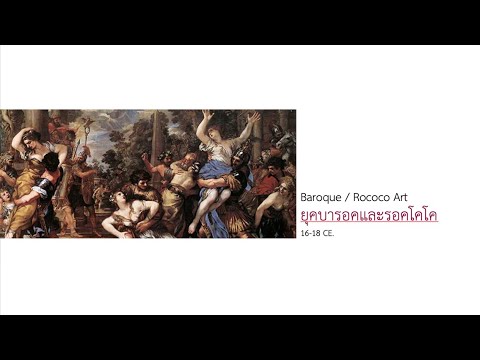
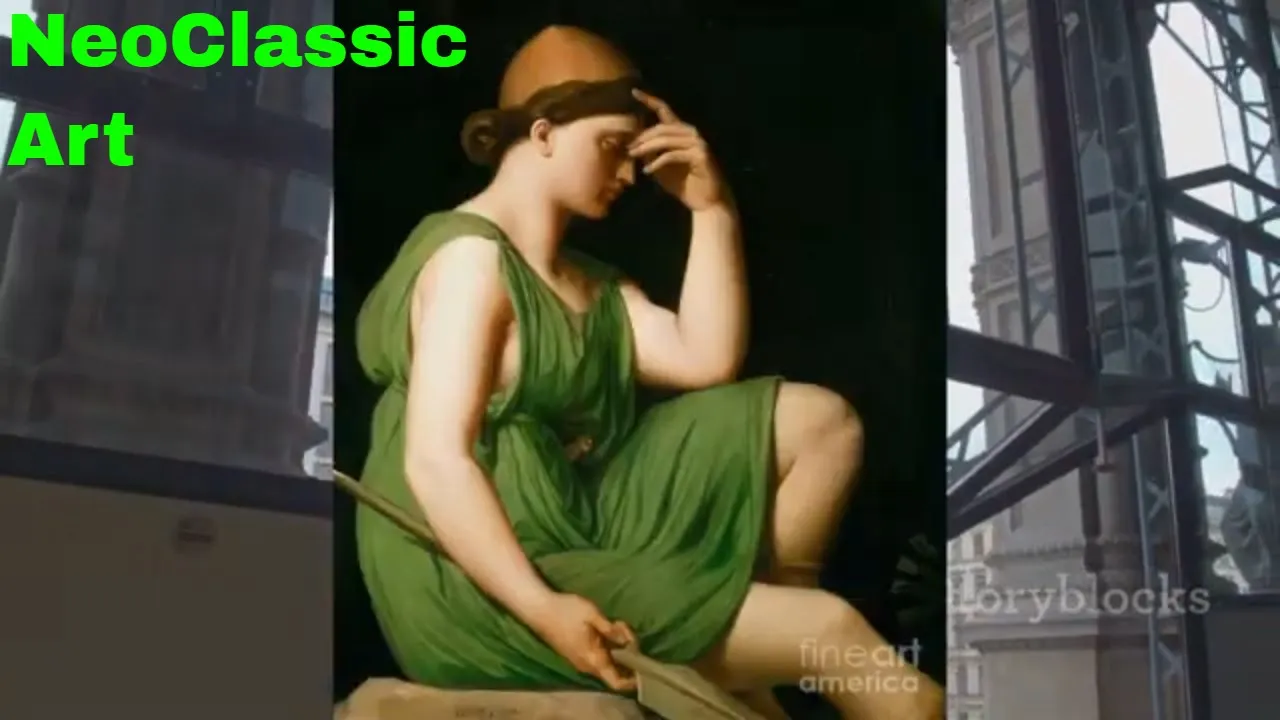
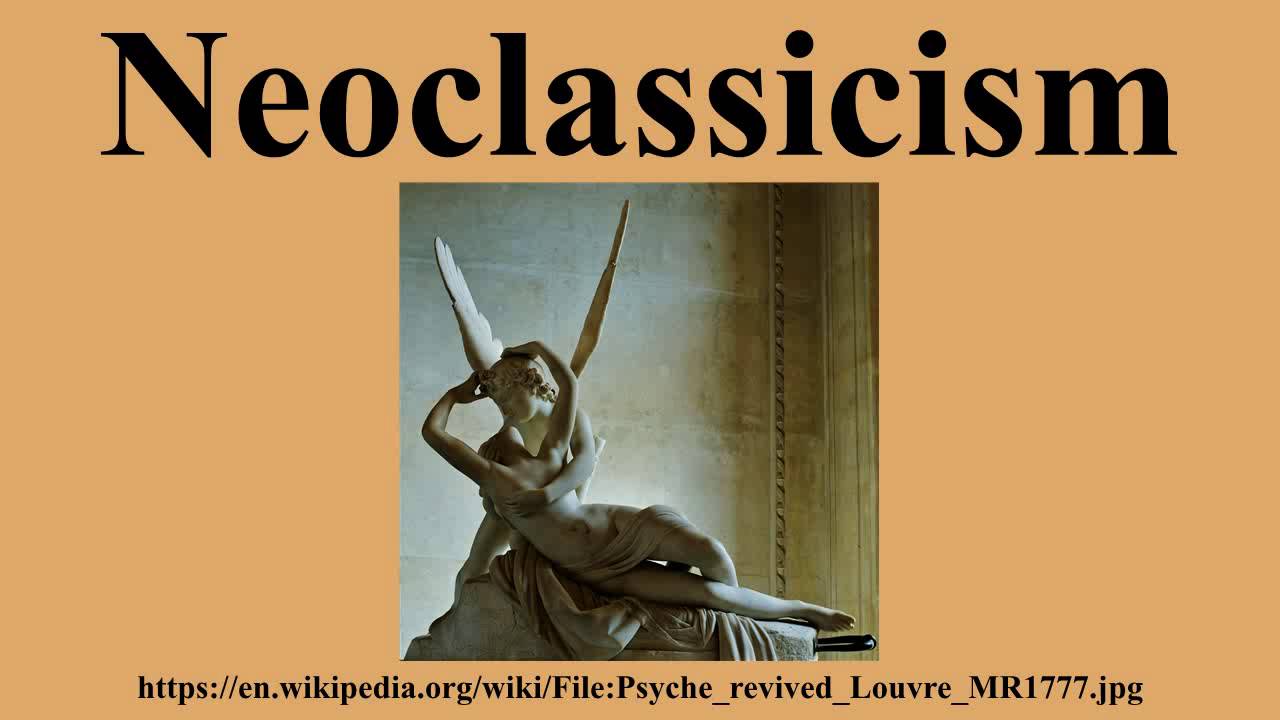
The 18th century witnessed a dramatic transformation in European art from the sensuous, decorative Rococo style to the austere, intellectually-driven Neoclassicism, reflecting broader political and social changes from the French monarchy to the Republic; Rococo, exemplified by artists like Watteau and Boucher, emphasized private emotion, sensuous color, and ornamental beauty celebrating aristocratic leisure, while Neoclassicism, championed by David and inspired by ancient Greek and Roman art, returned to classical ideals of restraint, moral purpose, and public virtue, serving as the official artistic language of the French Revolution.
Rococo to Neoclassicism: Western Art Landmarks
Added:An understanding of the Baroque art movement, particularly its dramatic use of light, shadow, and grand scale, which Rococo evolved from and eventually softened.
The core philosophical ideas of the Age of Enlightenment, specifically the emphasis on reason, empirical science, and secularism over religious and monarchical authority.
A foundational knowledge of Classical Greek and Roman art and architecture, which served as the primary aesthetic and philosophical inspiration for Neoclassical artists.
The socio-political climate of 18th-century Europe, including the decadent court culture of Versailles and the burgeoning socio-economic conditions leading up to the French Revolution.
The rise of Romanticism as a passionate, emotional counter-reaction to the strict rationality and academic rules of Neoclassicism.
The political utilization of Neoclassical art and architecture, exploring how Napoleon Bonaparte and the early United States used classical imagery to project power and democratic ideals.
The role and power of the French Royal Academy and the 'Salon' system in defining, regulating, and censoring artistic taste during the 18th and 19th centuries.
The transition from Academic art toward early Modernism, studying how later movements like Realism and Impressionism rejected the classical canon established by the Neoclassicists.
29.2K views636likes48:03Original Release: 2023-07-08
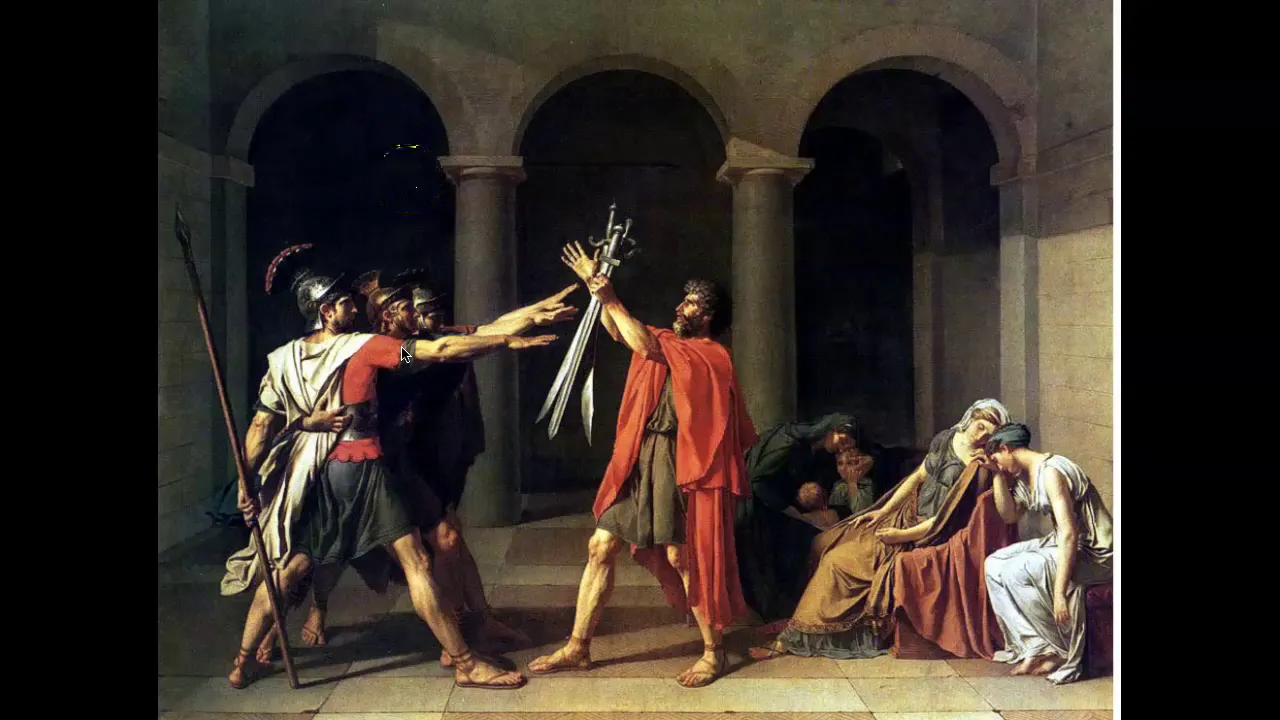
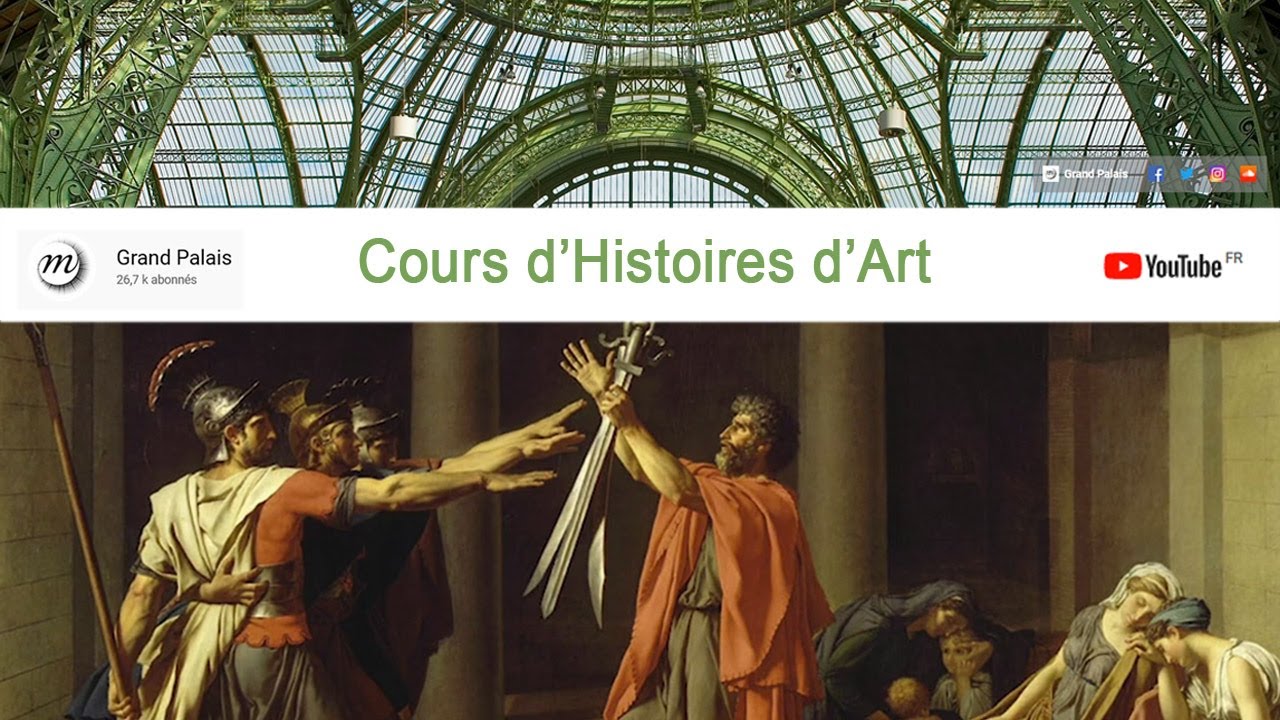
[Music] we're here in birmingham's museum and art gallery today to talk about roko and neoclassical painting whereas roko was the last style of the French monarchy neoclassicism was the first style of the new French Republic now the roko borrowed many of its techniques and forms from the Barack it used a tonal type of painting soft edges and Luscious color if Barack painting treated serious and Noble issues from the Bible and classical literature roko art was quite different it looked to a more private and refined emotional experience it was full of sensuous Delight it was about love [Music] roko is a French style and it's really synonymous with the the reign of Louis the 15th it's comes out of the Brock style but where the Brock in the 17th century was a very Dynamic movement when we come to the 18th century in the roko it takes this dynamism from that earlier period And refines it rather into delicate Swirls and little curling designs feathery patterns so it's a much more Elegant Style rather rather more aord style than than the earlier work the point about the roko I think is that it actually shows a hedonistic lifestyle an enjoyable lifestyle um and many people who had made their fortunes invested in this kind of style as well because it wasn't heavy it was the kind of style that you could live with and it celebrated life the word roko doesn't really have a precise meaning which relates very well to the type of art which was produced during this period however the the word roko does have a precise origin its Origins lie in the word roai which was a word you used to describe a type of decoration using shells this was used to decorates kind of architectural features of French palaces French country houses the art that was produced during this period like its name suggests was quite ambiguous it was concerned with kind of lots of different types of ideas with an emphasis on decoration a lot of the images produced during this period seemed to be quite frivolous with an emphasis on froth and fluff and hearts and Cupids the term roko was soon used generally to describe a style of architecture painting sculpture interior design and even music in painting especially the works of the roko age present us with an idealized world of pleasure a feminized world of romantic love music and human figures in dreamlike poses living as it were without a care in the world this painting intended for the shop front decoration of the actual premises depicted in the work is called Len de garon it depicts the premises of a fashionable art dealer of the time a room full of fashionably dressed patrons it is one of the last great works of a painter regarded as the true great of the age of the roko Jean andan wau born in 1684 in Flanders wau moved to Paris at 18 to make a living as an artist in succeeding in his aim he painted images that Define the roko spirit in art influenced by the great Flemish artist Rubin and the great Venetian artists like tishan and georgeon wat's fame rests on his so-called fat galon paintings which depict outdoor scenes in which ladies and gentlemen of society pass their time away in beautiful gardens and Landscapes individuals whose only worries if any concern the ever important business of love fat in a park one such scene produced in 1719 provides a wonderful example of wat's [Music] approach in all of votto's paintings there is a kind of amorous instinct and in something like a fate in a park we observe the kind of courting process going on so we have couples trying to entertain each other and also pair off in lots of votto's paintings if you like this this pairing off instinct is is very prominent what we also find in a lot of votto's paintings is that we see statues now these these statues very often seem very alive uh particularly in the Fate in a park the statue is roused and very often these statues give us the idea that love is progressing so if the statue is sleeping there's some problem going on but if the statue is awake awakened then the process of love can carry on the Curious Thing about vacho which makes him different from the other roko painters painters like busher and fragar and lanre is that Louis the 15's style Louis 15's period was one in which the elite lived such a rarified life that they had so much done for them that all they had to do was uh live this very much more grandio life than had hitherto known the problem with that which V was able to show was that it then becomes rather an aimless life because there's nothing to strive for in life and the people that we see in the painting they spend all of their days dressing up living this life playing in the park but there's a strange sense of aimlessness they have a kind of a sense that they're going nowhere and where the other painters of that period could only see the surface could only see the surface glitter V was able to show us that there was another side to what appeared to be a perfect life wat's fet ventian provides another memorable painting of gay Carefree life and includes amongst its fashionable figures a bagpipe player musicians featured in many of wat's finest Works along with clowns but in his true Masterpiece the departure from the island of Si it is love and lovers that provide the subject matter matter C is itself the mythological island of eternal love here we see a procession of individuals about to depart from the island after one can only assume a day of hazy sunshine romance and music it's difficult to experience anything other than a sense of sheer idealized pleasure in a wau such as this although some critics feel he also succeeds in capturing a sense of melancholy perhaps a sadness at the inevitable passing of time which cannot be avoided even in a setting such as this perhaps wat himself knew that he did not have long to live four years after creating this image he died of tuberculosis at the age of 37 despite wat's early death the spirit of roko painting lived on in France as can be seen clearly in the works of franois bue born a generation after wat and heavily influenced by him highly successful in his lifetime bushe became the favorite artist of the famous Madame de pomidor the powerfully influential Mistress of the sun King's successor Louis the 15th he painted her portrait on at least eight occasions and her influence led to buer eventually becoming the official painter to the French King women would provide the subject matter for Bush's greatest roko paintings and his love of the nude can be seen time and time again Bush's nudes are always warm and sensuous with the artist's Mastery of painting flesh readily visible in such works as Diana after the hunt and the reclining girl the first of these paintings represents a goddess from mythology while the latter is almost certainly an image of one of L the 15's other Mistresses but who the women are actually supposed to be as individuals does not perhaps matter to bue it's the idealized curves of the Flesh and the even voluptuous quality of these nudes set in soft sweet luxury that draws the viewer towards the picture in Cupid and a captive from 1754 we see these themes once more it's difficult not to think of a rose when one considers the pink used by bushe to depict this scene of fantasy the capture of the sun of Venus but Cupid would rarely be a captive in the art of the roko love and sensuous Pleasures were never far away in the works of the finest artists working in this style in French roko perhaps the idea of love was never depicted more memorably than in the swing a painting by Jean onir fragar from 1769 with the swing in terms of composition it typifies the roko period as there is an emphasis on fluidity of movement fluidity of line the dress in fragar swing is particularly important because he is concerned with materiality he's concerned with emphasizing the tactile qualities of the material with all with the with the frilliness of it the size of it the the sort of layers of underskirt and the colors of the dress relate well to the slightly naughty theme of the swing with the gentleman looking up the lady's skirt a painting like the swing is almost theatrical in its effect it's difficult to see the figures depicted as being anything other than actors an approach which fragar may have learned during his early career in in Italy when he came under the influence of the great Italian artist of the roko age Giovani tippo born in 1696 it's perhaps unsurprising that tippo hailed from Venice home of the great georgion like the French roko Masters tippo created a colorful indulgent world of near make believe in his banquet of Anthony and Cleopatra a fresco at the patoo labia in Venice we can perhaps see in the image of Cleopatra the approach of bue she is a woman first and a queen second it was the overall effect of the Fresco that mattered more to tippo it's important to emphasize Tio's influence in the development of European Roco not only did he influence fragar and thus the French tradition but in 17 1950 he traveled to Germany to work on the residence of the ruling Prince Bishop at wburg the palace itself represents the highest achievement in German roko architecture but it is indoors that tippo created his Masterpiece decorating the Kaiser Hall the Imperial Salon this room is perhaps the Ultimate roko Experience Chapo was commissioned to Fresco scenes from German history but he brought to his work the same approach he had adopted back in Venice in one of the scenes the marriage of Frederick of Barbarosa and beatric of burgundy the viewer is left in little doubt that it is the bride and not the groom who is the star of the glittering wedding scene perhaps more than any other period in art history roko paid little more than lip service to the kind of muscular masculinity best rendered in m colangelo's cine [Music] Chapel roko art with its emphasis on private inner emotion produced few Monumental public buildings Barack monumentality after all was no longer the fashion more typical is the attempt to add small touches of pleasure to the City of Paris typical of this is the Fountain of the Four Seasons a little space of rest spite that keeps its politics lowkey this is the Fountain of the Four Seasons commissioned by Louis the 15th it's a much less Grand affair with much less political rhetoric in it than the work made by his father such as the Lou it's more domestic smaller in scale here on a quiet Paris side street while its proportions are smaller and more intimate so too we see the theme of The Four Seasons in one Tableau we see summer with babies wearing garlands playing in the field for Autumn we see the Harvest in winter it's wine making and in the spring we see them Fanning the flames and bringing warmth to the new season it's much less aggressive in its political statements and indeed during this time Europe was blessed with almost 80 years of Peace by 15 74 after tippo had completed his work at the Kaiser Hall the roko spirit was beginning to fade even in the first half of the 18th century with roko at its height not all artists were concerned with creating ornate decorative fantasies and with the work of Jean batist shardan we can see the beginnings of a different approach to painting aristocratic fantasy was giving way to a more realist and more IST [Music] style born in 1699 shardan paintings could hardly be more different in approach to the extravagances of the roko Dutch art particularly the art of someone like verir has a huge influence on shaan in terms of subject matter and style shaan's kitchen made seems to be a humble scene of Domesticity however what is very interesting about this parallel is that Dutch painters such as ver they were painting specifically for a merchant class this can be seen as a parallel with French society at this time which was experiencing a type of Boom which allowed the Bourgeois and the courtly class to really become immersed in art and culture so a painting such as shaan's the kitchen made would appeal very nicely to this type of buying public with its emphasis on good words its emphasis on Surface detail and its accessible quality with another of chardon's most significant paintings however we can begin to see a new direction of subject matter and theme in his painting Grace at table of 1740 shardan depicts a mother with her two daughters about to eat shardan saying grace is painted in 1740 he actually presents it to the king king Lou the 15th and he also presents another one of his paintings uh to Lou at the same time Louie likes them so much that he keeps them in his personal study now in the 18th century the status of still life painting was quite low but Sharda greatly improves the status because of his extremely Exquisite and careful compositions um shardan is always called a kind of painters painter because of the problems of organization and color harmonies that he solves in his work saying grace is a humble domestic scene what we've got is the the mother ladling out the meal with her two children seated at the table the younger of the two children is stumbling over the words of Grace and you can see that the older child is looking down with some kind of pleasure at the discomfort that the child younger child has about speaking the words of the grace it's terrific ially observed as well because if you look at the Red Hands of the mother it's clear that she's just been exposed to heat and the hands have got read by working in the kitchen and there are lots of extra details that add to our information about the painting as well there's a child's toy drum on the back of the chair his use of handling the paint creates a kind of material quality in the objects he produces so that they seem almost irresistibly real to was the painting saying grace on the surface appears rather almost as a Sentimental painting but it's this quality of being able to portray all of the materials and the small still life on the table which takes it out of that sense of sentimentality Sharda always said that he painted not only with colors he also painted with feeling and one of the most famous critics of the day a man called dedo called Sharda a magician for his ability to conjure up these very believable and very poignant still lives there's also a clear message in the painting there can be no doubting shardan enthusiasm for the ritual of Grace and indeed he uses this painting to express his principles there is more than a hint of moral instruction about this image and in his twet de maton the sense of moral teaching is perhaps even more striking stimulated by artists and writers a new sense of moral seriousness would influence European attitudes in the mid 18th century in France this moral approach can perhaps be best seen in the genre paintings of Jean batist gruz an artist born in 1725 whose Works satisfied the new found enthusiasm for seriousness though the whole canvas may seem somewhat contrived to the modern viewer images like these proved extremely popular in the Newfound moral sensibilities of the day perhaps more than any other French artist of the age gruz was a widely popular artist with a moral message that could be readily understood by the public this was an approach that had already been taken up by an artist in England possibly the first great English painter but certainly not the last as we shall see he was a man whose Creations remain well known and well loved to this day William [Music] Hogarth born in 1697 Hogarth like gruz would become extremely popular with the public of his day for from an early age this was hogarth's Express intention to achieve his aim he chose a new approach in subject matter the mocking humor of satire it was a sensible decision here we are at birmingham's Museum and art gallery to have a look at one of the finest paintings by Hogarth the final scene of the Beggars opera during the Barack period painters in England had a rather ult time there were limited commissions from both the church and the state however in the roko period the artist Hogarth found a new way to make paintings he turned instead to the market for prints and Engravings making paintings that would then be sold in the popular Market this meant that he could do things like tell stories make satires of social manners without having to worry about what his patrons would say Hogarth took advantage of the Great British love for the theater and here he's developed a style specifically for telling stories indeed he presents us with a stage space its backdrop and floorboards and the characters clearly placed in the foreground the style is soft edged typical of the Roco painting in France at the time the early 18 century was a truly golden age of English language satire with the writings of men such such as Alexander Pope Henry Fielding and greatest of them all Jonathan Swift the creator of Gulliver's Travels it was a time when the hypocrisies and contradictions of the day were brilliantly revealed in the written word in the enlightenment Spirit Hogarth became a master of visual satire and he succeeded in painting images not only amusing but shot through with moral tone as well with his famous marriage ala mode from 1745 we can gain a flavor of hogarth's highly original approach hogar marriage alamode can be seen as a dactic piece of art its dactic nature is emphasized by the fact that it is a narrative based on a series of six paintings which run in sequence in the six paintings Hogarth tells the story of the downfall of an arranged marriage between the son of a man of means a man of means who is greedy and mely and a girl from a lower class hogra is in his satirical work is concerned with the false nature of such alliances and man's transparency Hogarth goes through the various stages of the marriage and eventually this marriage reach which is a terrible climax but the terrible climax is important in teaching the viewer a lesson which is what Hogarth was concerned with doing hogarth's intention was to reach as wide as possible an audience to achieve this he issued Engravings of the marriage Alam mode series which proved extremely popular with the public as had the Engravings from an earlier and perhaps even better known satirical series The rakes progress with the rake's progress completed in 1735 hogar sought to illustrate the inevitable consequences of a reckless feckless existence the life of a rake over the course of eight paintings we follow the life of a wealthy young man as he squanders his inheritance through gambling and intemperance not even marriage for money to an older woman can save him from the ruin which he's lack of virtue brings upon him by the time we reach the last painting in the series The story's protagonist is abandoned by his wealthy friends and reduced to a lunatic asylum London's notorious bedum it is perhaps this final image of the series that gives us the clearest insight into the artist's ability to mix the roko style with high moral purpose Hogarth was the great social commment Ator of the 1730s from 1730 on 31 onwards he painted a sequence of so-called modern moralities that were looking at contemporary issues and being slightly satirical about the state of England at the time the rake's progress is all about uh a young Heir Thomas rawell who inherits his father's money and then proceeds to spend it on debauchery and vice there are eight scenes in the rake's progress and the last one is The Rake in bedum now bedum was the mental institution at this time and you can see the rake naked writhing around in the foreground at this time there was no sympathetic treatment for the Mad uh in very many cases the Mad were not even given clothes because it was thought that they would just tear them up or soil them and this is actually the rake dying so after being uh imprisoned for death and losing all his money he finally goes mad and if you like this death struggle shows a kind of Rel from the torment of Life what you can also see in the painting is you can see Sarah Young who was his jilted fiance that she stayed faithful to him throughout all of his escapades we can also see comic interludes of the other inmates of the Asylum so there's a false King who's got his own crown and scepter he's actually urinating in the corner of his cell um you've got a religious fanatic there and you've got uh a wouldbe astronomer with a rolled up telescope well but what's also interesting in the painting is that you've got two visitors at this time you could pay tant and go and walk around the wards of bedum so we've got a lady of quality and also her servant who are looking at the insane and they're very amused by the king who's urinating all of hogas uh were became in fact so popular that the Engravings for example began to be pirated and what he did to overcome this was begin the copyright act so that in 1735 the Copyright Act was brought out specifically to protect the rights of people who produced Engravings and written documentation hoggart's Fame is based so much on these popular picture series that it's easy to forget his consumate skill as a conventional portraitist this is unfortunate since portraits such as his rendition of the great actor David Garrick as Richard III and the shrimp girl provide the modern viewer with superbly executed images of the characters of mid 18th century England perhaps these portraits have suffered relative neglect because of the work of two great artists born a generation after hogar two men whose portraiture is amongst the greatest art ever produced in England sir Joshua Reynolds and Thomas Gainesboro born in 1727 in suffk Thomas Gainesboro Rose from humble beginnings to become a truly great landscape painter and one of the best known portraitists of his age by the end of his life in 1788 he' painted over 200 portraits of royalty and nobility as well as London's literary Society this depiction of the wife of of the dramatist Richard Sheridan from late in the artist's career shows a Charming elegant and graceful woman sitting in a beautiful landscape of all gainsborough's 200 portraits however one image more than any is associated with his work an image familiar to people with only a passing interest in art painted around the same time as Miss hfield of 1780 it is an image of a young man which remains one of the most memorable in the history of English art the blue [Music] boy so in 1770 gainsb Paints the blue boy the sitter is Jonathan butle the son of a Soho ironmonger it's very likely that gainsb paints this work for his own Amusement because he reuses a canvas x-rays have shown that underneath the blue boy there is another painting of an older man uh you wouldn't usually reuse a canvas for a brand new commission what gainsb is very keen to do in his technique is to show opulence and fine clothes we know that gain used very long brushes and he thinned down his paint to a an extreme level so he uses long brushes at a great distance away from the the canvas and so when you get close to a gainsboro the marks seem almost meaningless it's when you get back from them that these marks fall into place in a kind of magical way and even Reynolds his great rival had to admit that there was a supremely decorative effect when you stood back from these works as a painter he had a vision that an artist could produce images which were unique rather different from the the norm one of the main ideas that directed the way how painting was supposed to be produced was this notion of aerial perspective which had come all the way down from Leonardo and that idea was that colors should recede into the distance and move from warm colors to cool colors so that all of the colors in the foreground would be warm colors and all of those that we see in the background would be cool co colors blues and greens and the blue boy is in fact the complete reverse here we have a a boy who stands for square in the middle of the canvas and he wears a bright blue outfit which should be the color for the background and all of the background all of this is warm Browns oranges now an old Legend says that gainsb painted the blue boy as a piece of rivalry with Reynolds Reynolds is supposed to have said that blue should never be the predominant color in a painting and gainsb did this despite him there's probably no truth in this but we know that Reynolds painted a so-called Brown Boy earlier on it's very likely that gainsb painted his own BL blue boy in rivalry to Reynolds brown boy though the artistic output of Sir Joshua Reynolds may not have included a work as famous as the blue boy there is no doubting his importance in the history of Art while his eventual Knighthood gives a clue to the unprecedented status he achieved in his lifetime born in 1723 his achievements were formidable a painter of over 2,000 portraits he also lectured and wrote extensively on Art theory he became the first president of the Royal Academy in 1768 4 years earlier he founded the literary Club alongside figure such as Dr Johnson and James Boswell in addition to David Garrick and Richard Sheridan before becoming painter in ordinary to King George III Reynold's activity with the Royal Academy seemed to cement his belief in this Grand manner this belief that art should be an intellectual Pursuit art shouldn't have anything to do with craft or production or handiwork for Reynolds there could be no separation between art and intellect he was inspired by Italy he was inspired by the classical tradition and the classical tradition of History painting in his portrait of Joseph beretti the figure is engrossed in thought he is an intellectual Joseph baretti doesn't look directly at the viewer he is grossed in what he's reading he's entirely focused on this intellectual Pursuit but for Reynolds everything must come back to the general and to the ideal there's no space for individuality or anything that detracts from this intellectual superiority but for sheer sentiment in portraiture one must surely turn to a work created by Reynolds only 2 years later a canvas depicting a girl of about four Miss BS and her dog The Story Goes that Reynolds visited the little girl the day before he was to paint her spending the day with her telling her stories and playing games the next day Miss BS was so Overjoyed to see the artist again that the tedious business of sitting still for the portrait became a pleasure for her the joy and the girl's face as she hugs her beloved dog would seem to confirm this well-known tale Hogarth Gainesboro and Reynolds can be seen as the first great English artists and at the time they produced their finest Works England was beginning to exert a greater cultural influence in Continental Europe most notably after the great French writer Vol published his philosophical letters on the English English developments in science and literature grew to be widely admired as did the nation's study progress in social reform in art the English were admired for their informality and for their love of nature by the time of Reynold's greatest portraits though many younger artists were actively pursuing a new approach inspired by the ancient past this was called neoc classicism and although the neoc classicists started in Rome the greatest of them would be a Frenchman a Frenchman who would become intimately involved with a revolution that would announce the start of the Modern Age roko painting became a much more relaxed style it was Private it was seductive full of sensuous color very often treating matters of love all of this was to change however with the fall of the aristocracy and the arrival of the new French Republic and the Revolution neoclassicism was again a more serious style of History painting showing the heroes of the French Republic and their values of the new French State as a style neoclassicism had a very restrained and exacting handling of paint it used a crisp linear style it had reduced color it tended to be an intellectual ual rather than an emotional style of art and it often used welldefined forms against a very shallow space very much like Roman and Greek low relief sculpture neoclassicism can be traced to the discoveries of the ruins of herculanum and Pompei in the first half of the 18th century alongside the Contemporary rediscovery of the architecture of ancient Greece in the 1760s a group of artists formed in Rome under the German art historian yon Von winlan who reacted against the ornamentation of roko art instead they sought a new simpler approach to their art inspired by what their leaders called the noble Simplicity and calm grander of Ancient Art in 1774 a young artist arrived in Rome as winner of the prestigious PRI d roome a prize which enabled him to spend several years studying classical art his name was jacqu Louie David David was concerned with introducing a new austerity to Art his style and subject matter could not be further removed from the style and subject matter of the roko David was concerned with austerity in terms of emotion and in terms of intellect dav's oath of the heri epitomizes this return to classical ideals classical ideals in terms of style but also classical ideals in terms of subject matter the of the heri uses a classical subject matter which is concerned with fighting for the common good and personal sacrifice to comment on the political situation in France at the time he's here mainly concerned with the idea of an oath the idea of Alle legiance to one cause and he uses ostere rigid classical gesture classical pose to allow everything to be focused on one idea he relied on the Harmony and balance and cleanness of neoclassicism to put across an almost harsh message of staunch resoluteness to a collective need it would be these themes that would make the neoclassicist Style the official art style of the French Revolution by then just four years away lead would be the artist most closely connected with that turbulent event the late 18th century of course saw Revolution not only in Europe the American Declaration of Independence in 1776 initiated revolutionary change across the Atlantic leading eventually to a fully independent United States but even before the 1776 declaration America had produced its first memorable artist John Singleton Copley a Bostonian originally influenced by the roko style it would be in Europe however that Copley would find Fame in 1775 at the suggestion of Reynolds who admired his work Copley moved to London and became a member of the Royal Academy one work of from the following decade is especially significant having taken up history painting in 1785 he painted his image of one of the most dramatic moments in British political history the title of the painting says it all Charles I demanding the surrender of the five impeached members of the House of Commons 1641 now in 1641 Charles the sent a message to Parliament saying that he wanted the five members accused of treason delivered to him there was no reply and so he went personally to the House of Commons and demanded from the speaker to know if these members were in The Chamber or not and the speaker lentil gave the immortal reply I have sir neither eyes to see nor tongue to speak in this place but as the house is pleased to direct me whose servant I am here so this opposition to the king led to the English Civil War we see in the painting Charles I in the center the speaker lentil is on his knees delivering this Proclamation and just behind lentil we see Oliver Cromwell so there's obviously a link there between the future action of the English Civil War we know that Copley goes to a huge amount of research there are something like 58 different portraits in this painting and in fact when Copley produced his painting he specifically tried to find out from the actual records and from people who' had accounts given to them exactly what had happened who stood where so that he could produce a picture which was almost like a a recreation of the scene in this rather dramatic historical fashion four years after copley's great work was exhibited in London across the channel it became fr his turn to rise up against its monarchy in Revolution in the aftermath of the cataclysmic political events of 1789 the creator of the oath of the hesai became deeply involved with Robespierre Danton Mara and the other leaders of the early Revolution but as Revolution descended into Terror a political murder took place in 1793 which provides the subject for perhaps the most famous painting from jacqu Louie deid the death of [Music] Mara Mara was a radical politician and his extreme policies eventually led to the terror the purging of all hostile elements to the revolution in France he's assassinated in 1793 by a moderate a woman called Charlotte cord she decides he's a dangerous fanatic who's hijacked the revolution so he has to be removed she inv vages her way into his apartment and stabs him with a kitchen knife it's important when you look at this painting to realize that this is not the dead Mara but this is the dying Mara and David uses all of the references of religious painting to suggest that this is not just a dying politician but this is a dying martyr we're also invited to think that Charlotte cord is only a few steps away from us feel like she's just out of frame because on the floor there's a knife now we know that that knife had a black handle but davidi changes it to a white bone handle so therefore you can see the murderous traces of Charlotte C and it's a very restrained picture he's David's cut out all of the periphery so that we see a very blank wall we see a very restricted perspective everything is rather straight up in front of us and Mara's arm lies down onto the floor Mara had a skin disease so he's forced to work at home in his bath he used a packing case as a work surface and David shows us that packing case and inscribes on it the words Amar David So Tam Mara from David as a kind of Memorial and as a tombstone and we know that David and the other revolutionaries of the time meant this to be a kind of Republican alterpiece people were meant to come and look at this to show how a virtuous death could benefit the revolution Perhaps it is fitting then to conclude the story of 18th century art with a tomb in 1792 the French Republic sought a new style a neoclassical style in architecture to house the remains of the heroes of the French Revolution the smooth sparse walls and replica of a Roman Temple front made the pantheon in Paris strike a rationalist anti- Roco note that made it highly suitable to such a secular Monument this is the pantheon right in the center of Paris it was designed in 1755 by the architect suo and it was the first attempt at making a building in the neoclassical Style they like this style because of its calm sense of grandeur its Simplicity of design you can see the Triangular pediment at the top and the Fantastic collection and arrangement of columns below it it's very much like the front of a Greek classical Temple originally it was designed as a church but during the revolution it was secularized many of the Great Men of the Revolution are in fact buried here including mirabo rusa and even Vol D's influence would extend beyond the revolution into the Napoleonic era which followed as would the close relationship between the Arts and the French State whether it be Republic or monarchy he would prove a significant influence on the next generation of painters in France and Beyond as we shall see in the next program on the romantics though an age of great contrasts of sensuous pleasures and auster discipline the 18th century was still an age which produced many remarkable landmarks in Western Art [Music]
Up Next
63:24
William Holman Hunt: Pre-Raphaelite Art Explained
@long19th
245 views•2021-03-24

114:18
Christian Iconography: History, Theology, and Meaning | Fr. Panayiotis Papageorgiou
@Trisagionfilms
58.8K views•2020-02-21
49:33
Rembrandt Biography: The Life and Art of a Dutch Master
@PerspectiveArts
140.2K views•2023-07-25

16:34
Earliest Depictions of Jesus in Art: 10 Ancient Images Explained
@UsefulCharts
5.9M views•2022-06-03
Related Study Plans & Knowledge Roadmaps
Structured learning paths in Art History
art-history
Gothic Cathedrals: Engineering, Light & Society
01The Birth of the Gothic: Romanesque to Suger's Vision
02The Structural Triad: Pointed Arches, Ribbed Vaults, and Flying Buttresses
03Theology of Light: Lux Nova and Sacred Geometry
+ 2 more learning modules
14h5 modules
Explore Roadmap
art-history
Pre-Raphaelites: Realism, Symbolism & Critique
01The Victorian Art Establishment and Academic Formula
02The Founding of the PRB and Radical Realism
03Medieval Revivalism and Literary Symbolism
+ 1 more learning modules
8h4 modules
Explore Roadmap
art-history
Street Art: From Subways to Art Market
01Subcultural Origins in Philadelphia and New York (1970s)
02The Subway Era and Style Wars (Late 1970s - 1980s)
03The East Village Scene and Early Gallery Crossover
+ 2 more learning modules
10h5 modules
Explore Roadmap
art-history
Classic Maya Art: Iconography, Glyphs & Ritual
01Foundations of Classic Maya Visual Culture
02Deciphering Maya Hieroglyphs & Text-Image Integration
03Sacred Geography and Cosmological Architecture
+ 2 more learning modules
14h5 modules
Explore Roadmap