













![pollo [생활과 윤리] 12-1강 도덕주의와 심미주의 비교](https://i.ytimg.com/vi/QaTMElmuvY8/sddefault.jpg?sqp=-oaymwEmCIAFEOAD8quKqQMa8AEB-AH-CYAC0AWKAgwIABABGDsgTyhyMA8=&rs=AOn4CLAM7ROnJ30QBGLGy3N-N0lLyDXlyA)
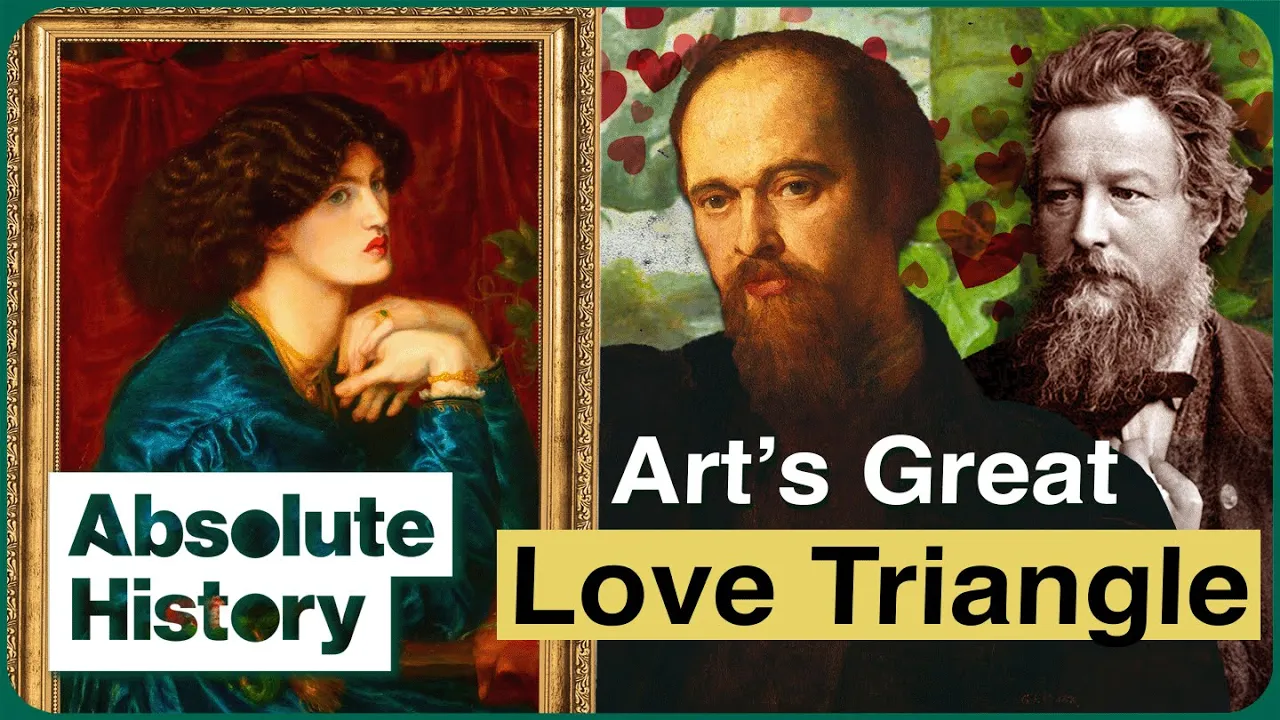


Holman Hunt (1827-1910) was a founding member of the Pre-Raphaelite Brotherhood who revolutionized Victorian art through his commitment to painting truthfully from nature, employing meticulous detail and symbolic imagery to convey moral and spiritual messages; his innovative techniques, including painting outdoors with portable oil paints and using tiny brushes for extreme detail, along with his extensive documentation of the movement, helped define what Pre-Raphaelitism meant as an artistic philosophy dedicated to truthful representation of both nature and human experience.
William Holman Hunt: Pre-Raphaelite Art Explained
Added:Understanding of the academic art conventions of the mid-19th century, particularly the dominance of the Royal Academy of Arts and the legacy of Raphael.
Basic familiarity with Christian iconography and biblical narratives, as Hunt's work heavily relies on complex religious symbolism.
The historical context of Victorian England, including the social tensions arising from rapid industrialization and shifting religious perspectives.
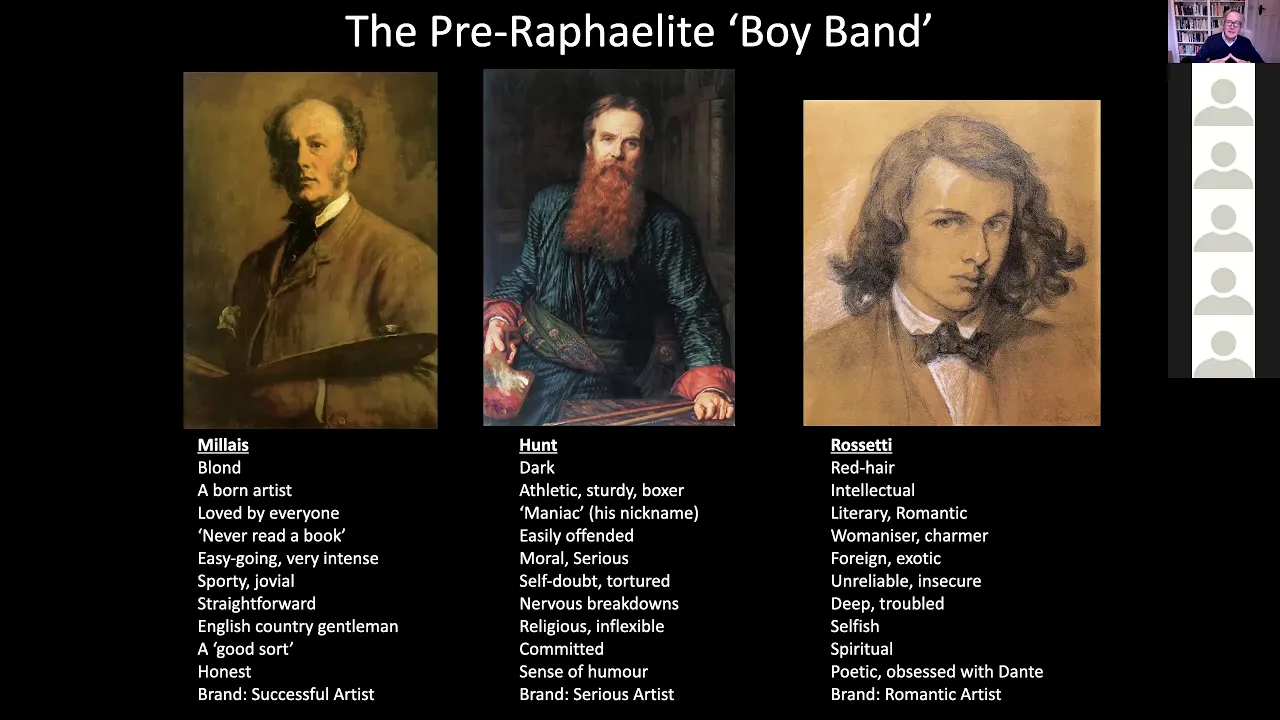
A general introduction to the formation and core tenets of the Pre-Raphaelite Brotherhood (PRB) and its key members like Dante Gabriel Rossetti and John Everett Millais.
In-depth formal and iconographical analysis of Hunt's major masterpieces, such as 'The Light of the World', 'The Scapegoat', and 'The Awakening Conscience'.
Exploration of Hunt's travels to the Middle East and his commitment to ethnographic and geographical realism in biblical painting.
A comparative study of the ideological split within the PRB, contrasting Hunt's lifelong commitment to moral realism with Rossetti's transition into Aestheticism.
Investigation of the Pre-Raphaelite Brotherhood's lasting influence on the Arts and Crafts Movement, Symbolism, and the development of early Modernism.
245 views0likes1:03:24Original Release: 2021-03-24
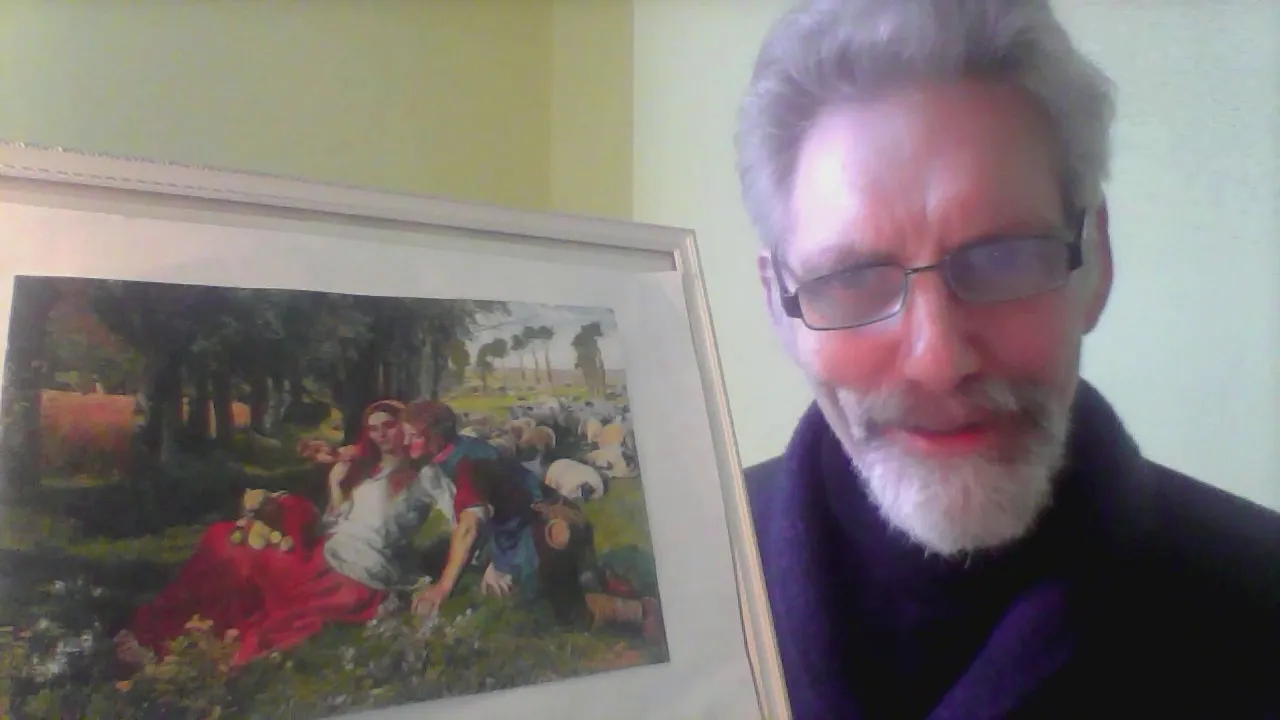
and there we have a painting on the left of the church at yule where he was beginning to show an interest in painting outdoors and painting accurately from landscape now it was at around this time in 1847 uh that hunt was beginning to become acquainted with the works of john ruskin and about going to nature and he he took up ruskin's dictum the landscape should be not uh mediated through um uh rather the the great masters like claude or or um artists like wilson from from britain in the past but actually by as close as attention and scrutiny of nature hunt um joined the royal academy schools um uh drawing basically back in 1840 46 and he's seriously engaged with painting and drawing initially from the cast and making copies after old masters indeed it's quite funny funny to know that he actually made a copy of joshua reynolds early on and so he was well acquainted with joshua reynolds discourses uh being as he had admitted to the role academy himself so here we are but where did it all really begin to make um holmen handed an artist that was distinguished from others well really um there was a little group meeting of like-minded young men called the cyclographic society and they would meet very often at each other's houses but most mostly at milay's house where he had already struck up a strong friendship for john everett miller and they would share drawings together and uh talk about art and a lot of them being hot-headed young men would would discuss um ways to maybe um improve upon the art that was so evident in their day now the dominating figure obviously of the royal academy was its founder sir joshua reynolds there's a painting by him on on the left uh that one is in the dunge picture gallery in london in its own way a wonderful painting but reynolds was the better noir of what was to become the pre-raphaelite brotherhood and if we look at little um drawing to the right of the renault regionals this is in fact a drawing by dante gabrielle rossetti of milay uh parading the idea of of reynolds he was known as slushio reynolds basically because his art was all grand and um he would throw uh figures into deep cheer obscura it was over dramatic and in a sense it didn't engage uh with the world as they knew it and they wanted to paint a lot and they wanted as artists to start to engage with uh the world that they saw a rapidly changing world around them and perhaps to strip out a way of some of its pretence and um to bring out a new art in england as exposited by john ruskin uh the engraving on the right was uh significant in the formation of the early pre-raphaelite brother brotherhood it's uh lasino's um engravings after uh gonzoli and um if we if we have a look at the engraving there these um are in a way uh some of the first introductions that um the prerequisites had to italian art many of them hadn't uh traveled hadn't done the the grand tour and uh so we're only exposed to certain art that so charles eastlake had had a purchase for the nation uh during the uh the for the former ten ten years before period the prerequisite paintings as such were known in in britain at that time so the psychographic society shared shared um drawings together uh milay rossetti and harland being the principal members uh william michael rosette brother uh anacritic and frederick george stevens and collinson as well and but the main three are milay rosetti and hunt and together they discussed uh some new principles on which to um build a sort of society which which was born out of the cyclographic society the pre-raphaelite brotherhood and it was um it very much appealed to someone like dante gabriel rossetti and of italian backgrounds italian family emmy gray family to have this little society that was um somewhat uh secret and um uh was going to be a great uh challenge and to nurture art in england so here we have the very first painting that we can consider pre-raphaelite fully pre-raphaelite in character is uh hunts um the flight of madeleine and poffio during the drunkenness attending the revelry from uh the poem eve of syntagnus by the john keats now john keats was a great in inspiration to all the preaphelites um his his poetry inspired them as did his youth and the tragedy of his early demise too and so um hunt began this painting um in the spring and of 1848 and um he worked in milay's studio and they actually painted certain sections of this painting which you can now see in the guildhall art gallery in london and if you see the figures of the feast feasting as the revelry through the through the arches uh a couple of the heads there are painting black melee and hunt in turn helped work on uh melee's painting cyan nephrogenia but uh in fact milay's painting was actually rejected at the academy this this particular year whereas hunts was accepted and hunt's painting um was noticed and notable uh for its uh flattening of the picture plane it didn't have a pyramid type construction to its uh composition uh so it was very novel in effect and uh whilst other artists like daniel mccleese and william mulready had shown a great attention to detail and some of uh and you can you can see some of those elements in their paintings uh this was a break with the past really also notice the figure of the drunka the drunken um steward on the ground and his foreshortened body which uh replicates things that one would see in a painting by paulo euchello um in his battle of san romano in the national gallery um also for hunt two he as we will see and other paintings i'm gonna share with you almost every object in an holman hunt painting has symbolic significance and he believed that art should entirely the whole work of art which could communicate see very early on did animals beautifully and wonderfully and seem to have a great um sense of of how to actually capture them um in a way he he he was as good as edwin lance here in in that respect i've just taken a detail here from uh the uh drunken steward lying on the ground i took a real close-up uh view in the guildhall art gallery and i would recommend you go to that particular art gallery it is interesting for the study of victorian art now the pre-raphaelites too made many many drawings for every single painting that they did um rather replicating what their their great um the great masters of the early renaissance did that they would make many many studies which they would then pinprick through uh before they made uh laid them down as fresco and here hunt certainly has made a great deal of use of his life drawing studies at the royal academy schools to come up with this wonderful foreshortened um body but that was very radical at the time um it may not look so now and actually you can see that still hunters it's it's tentative moves towards pre-athleticism but uh it's certainly identifiably pre-raphaelite the the painting that um really broke through and declared uh the new movement happened the furniture following year we know of um john f milley's claudio and isabella uh the wonderful painting with the fourth shortened table uh also based upon keith's poem but here we have um paul williamson's um a description of rienzie vowing to obtain justice for the death of his younger brother slain in the skirmish between the kelowna and orsini factions now this painting uh is a declaration of something new it is the only painting of hunt to bear the um letters prp uh as did miele's painting which was secret to other people um another wonderful another another another wonderful thing about the painting is it actually includes portraits of rosetti and milay and frederick broad stevens the man holding his fist in the air is dante gabriela rossetti himself so in a sense it is not only this description of uh this this um skirmish between the factions but it is this declaration of justice now milay and um rosetti attended a chartist rally that year and were somewhat inspired by the chartists it was a year of manifestos and new plans as we know and so a this um painting is a declaration of change in art as much as anything else it's also a painting that has been toyed with over the years so holmen hunts colors as we see them here probably were a little bit more like the foreground than they are like the background and i do detect that hunt which we know he retouched the painting in the 1870s and 80s it may have been over slightly more overworked later on so we can't know that these colors are necessarily as bright or as true as they were or later to become but they do show an interest in landscape and the background was painted on hamsted heath and whilst the towers look suspiciously like uh drawings that we find in um uh john ruskin's modern painters of dresden and here we have um i've taken a nice little detail from a holman hunt painting uh this one is in the take gallery claudio and isabella from uh measure for measure by william shakespeare now a thing that points out in in hallman hunts paintings the the contrast between light and dark is always very important and this has a moral significance as well uh the briefly the story of claudio and isabella um based on the shakespeare's measure for measure is is it is seen yeah thank you um isabella is is is made to choose between sacrificing her virginity uh to angelo or um to free her to free her brother and it it is this moment of moral choice and this is one that it constantly requires enhanced work so claudio is in the darkness and chains to the left of the painting to the right of the painting we have the blooming um the church uh which um alludes to her moral purity and uh as with all pre-raphaelite painting there it employs the language of flowers there's a broken string on the loop um so everything is narrative in some way so it wasn't just a wonderful painting and not just that they tried to get the as best they knew them the costumes which they took from bonnard's book of costumes but they also uh tempted to use absolutely every element of the painting to tell the part of the story um so look at the very close detail by this painting which is begun in 1850 hunt was employing a very new technique to um art and in fact what he did was he painted with tiny little sable brushes and underneath um the paint itself he would he would uh paint a small area of flake white which he would stipple with copper varnish and thin oil paint into the surface to engage to get an enormous translucence to the paint and it sort of replicated the idea of painting into wet fresco every day of a holman hunt painting he would paint only the sizes of florin um so these are fastidiously detailed paintings the like of which really hadn't been seen for many hundreds of years the art of the early renaissance how i come to who is of immense importance to the pre-raphaelite brotherhood thomas coombe of the oxford university press here he is depicted by hunt slightly later than the time when he first engages with the brotherhood um and here he was an early patron of the pre-raphaelites um he he took a great deal of interest particularly in hunt because of hunt's um religious affiliations and interests and uh he also significantly bought some of the very most important of the early pre-reference paintings namely miele's the return of the dove to the ark and this painting that we can see this person in front of uh the convert the the british family uh being sheltered from persecution um uh sheltering from persecution of the druids and the charles collins content thoughts and there is a bust by thomas walner another pre-raphaelite brother of uh thomas [ __ ] and thomas [ __ ] uh i think we're going to return to you later in this series when we talk about um oxford and a pre-raphaelite sermon steal my thunder on that or michael thunder if he's talking about the victorian churchmanship but certainly thomas coombe was absolutely crucial to our understanding of um the early patronage of the pre-raphaelites because all artists need patrons and need mentors and uh it wasn't until 1853 that ruskin uh ventioned in on the scene fully um he he did make comments on the uh chrysler house his parents which was a couple of years before but um this painting is one of the paintings uh um which is now in the ashmolean nick collection uh a converted british family sheltering a christian missionary from the persecution of the druids this is an absolutely astounding painting when you when you consider this is painted by a man in his early twenties it's also an astounding painting uh quite apart from symbolism it it is also the first time that uh shadows are being analyzed in color not just uh you know grays and blacks he's actually using blue and looking at uh contrasts which are something that people were beginning to understand about optics and hunt is bringing that into his own art and so there are blue and purple shadows this is much uh also brought about by the idea of tubes of paint could be now transported out uh rather than working like turner did where he had to mix up his paints on a sheet of glass in the studio hunt could work outside on little porcelain pallets with these small bladders of oil paint and actually work direct from nature so the whole background was painted directly from nature it's not a studio thing and you could also observe figures in sunlight as well um this of course was an absolute no-no in in the royal academy terms to paint figures in full sunlight like this now as for its subject and its inspiration well it quite clearly is a pieta so the um the british the missionary uh priest is in the arms of the british woman but obviously it replicates uh a pieta with christ in the arms of mary uh and there we have a van der veiden painting that could well have inspired uh hunt's um son the van der veiden uh robes um mirror those that we see on the priest um we also notice um the painting too is highly symbolic and it's the beginning of um hunt's fascination with christianity iconography so we have the booth that the um early christian family have made uh sort of framed by a vine and then we have the corn so that is the eucharist so we have both the grapes and the corn the wine and the bread we have the water of baptism which is in the little um clay uh dish on the ground and you can see part of the water spilt in and it possibly was used to baptize this family as well um we have a thorn being removed from the foot of the priest which obviously replicates uh the passion of christ the net is hung on silver and the net is alluding to christ's parable of the kingdom of heaven being like a neck um through the um oculus in the walls of the um of the booth we have um the druids now at this stage i'll point out in uh according to what hunt knew at the time he assumed the druids were entirely entirely pagan and uh they were involved in christian persecution uh it wasn't necessarily so but i i bow to other historians on that particular thing but even the arrows and the quiver allude to things in the bible uh and the clothing and the and the and the rough um the rough uh skins on on the man at the door also would allude to john the baptist who prefigures the coming of christ or is a sort of elijah figure at the door before the coming of christ so all of this is packed into this painting and many more symbols but we could talk about this painting all night perhaps hunt continued on his on his singular path and the pre-raphaelites were gaining more and more attention and indeed uh popular attention although charles dickens had fearmently criticized uh milay's christ in the house of his parents the cop also known as the carpenter's child they it did not put off these young men and you must remember they were very young when they were painting these pictures this one the harling shepherd is a take on uh quite a traditional subject actually in art in 17th century france boucher painted a shepherd piping to a shepherdess but this painting which was all painted out of doors at yule uh near epsom in surrey um was in fact a yet another breakthrough and here we see as fg stevens have a pre-raphaelite brother that we see a wonderful understanding of the color of sunlight upon the ground and upon shadows now with hunt it is the play of the left and the right in a painting so on the left hand side we have the sheep who are swollen and have gorged themselves because of the neglect of the shepherd on apples in the meadow and this painting is not purely a bucolic scene but it alludes to the fact that the church about the church the state of the church of england particularly at the time where the um harling the harling does not clear for the flock i.e the priest is not care attending to the needs of the flock of the faithful but is rather um it's a doubt is a dalliance and um so it's not just the scene of the the young man after the shepherd s and in fact this the red um skirt on a woman could be taken as a scarlet um woman uh from the book of revelation uh we noticed again the corn over the right hand side we noticed narigolds and the plant every single thing you have a dog barking every single thing is is a part of um is a part of the symbolism of the painting the shepherd holds a moth and it is in fact a death's head moth so hunt is clearly saying that by the shepherds neglect uh that the sheep are in imminent danger of death and it's in a way referring some of the things that were talked about in the uh by the tractarians about the state of the church that because the priests were not ministering to the flock properly that in fact uh the spiritual death would follow so the shepherd here holds the death head moth in front of the young woman and uh this painting um was re it was uh one that ruskin commented upon and it was now gaining quite a lot of attention and uh rightly so as it's a it's a marvelous piece of painting wonderfully detailed and wonderfully observed and what everyone thinks of it um it's worth going to manchester art gallery to have a look at it because it's still in a perfect state of preservation and a excellent excellent piece of painting uh as a result of this painting uh hunt was asked to paint paint some more sheep um now being not holmen hunt he couldn't just paint sheep uh this is a wonderful painting which is in the uh britain um it is called our english coasts uh but now known as straight sheep and i'll explain why it's uh changed its title slightly it's painted at fair light near hastings and again it was uh of um of sheep and as we can see there's one black sheep there there's one caught in the thicket reminding one of the biblical story of abraham and isaac and uh that perhaps alluding to the sacrificial lamb also to christ but also the idea that england itself might have been under threat so its title our english hosts is no is no surprise um it also must remember at this time other artists were painting sheep very very convincingly particularly people like lancia and in the bottom right i've also included uh daniel mccleese's painting far more conventional painting of the same date noah's sacrifice so it sort of echoes a lot of the other things that were going on at the time and yet this painting is is striking in its innovation and it was recognized as such it was it was exhibited at the universal exhibition in paris in 1855 where no less than delacroix commented upon it and and and he was astounded by the color within this painting and that is for a foremost colorist in europe to comment on a on a painting by very young man it was an accolade and indeed he was astounded both by the detail and also by the way that uh hunt has understood light in this particular painting but it's also to do with the threat across the water and so it has a nationalistic element to it and we can see nationalism rears its head in the paintings of the pre-raphaelites in some way and uh and the concerns of the victorians it's time for the protection of their english coasts i suppose hunt is known above all as someone who uh is often considered in the 20th century and 21st century as a moralist of some sort um it is slightly much more complicated than that and in fact hunt's own personal life was not as straightforward as we might imagine or exactly like uh a model victorian's life but this painting the awakening conscience is his um first foray into really a modern life subject and if we remember the principles of the pre-raphaelite brotherhood they were wanting to deal and re-engage again with truth to nature but also truth to life and the truth about life uh much in the way that charles dickens was was telling the truth about uh victorian england so the pre-raphaelites were telling the truth about in this case a kept woman or or a prostitute and here we have uh the play of light and darkness and the moment of her realization as she looks out towards nature that there is a better world out there than the one that the man is offering her and we can see the painting in the shadows is replete with symbols underneath the table we have the cat capturing the bird um we have almost everything about the painting was considered vulgar uh we we have the unfinished tapestry we have uh um music to tennyson's um poem it's tears idol tears i know not what they mean now hunt like many of the pre-raphaelites including ford maddox brown um were very much influenced by the art of william hogarth um from uh 150 years before but hogarth's imagery and storytelling very much appealed to the pre-raphaelites so it's no surprise that we have a hogarthy and pre-raphaelite painting but this is also interesting because it was to be as a pendant to the light of the world so in a way the light is dawning and here we have the painting which is in oxford the light of the world which is in keyboard college owned by the coomb family um the painting itself is probably the best known painting one of the best paintings of the victorian era it's often been copied and often what you see on postcards and uh reproductions are not actually the painting behind copies of the painting often by vastly inferior artists the painting itself was based uh although cam claimed he drew the thing on literally on the back of an envelope as a as an idea that he had he was going through um some sort of spiritual transformation himself as he as he painted the painting so it was a work of epiphany for him as well to paint uh the light of the world he this the little um engraving in the corner fig one is by philip feet a german artist and um he was associated with the nazarenes and um uh so it is it is uh to illustrate the um uh the passage from revelation behold i stand at the door and knock if any man hear my voice i will come to him and suck with him he with me so here is um the figure of christ knocking on the door uh hunt of course elaborates upon that enormously and uh he has the door of the human heart uh or the door in the in the orchard uh completely bound up with um weeds and with with thorns and brambles so it has to be open from the inside hunt also designed the costumes for the um for the figure of christ which he placed upon a lay figure many different people actually modeled for this including christina rosetti herself um which is quite unusual in a way maybe that is why the earlier version of the light of the world has a far more effeminate face than the later version of light of the world and also designed the lamp and we can see in figure 2 the design for the lamp um and i rather like it when i go to keyboard college look at this painting um you have to press you have to press a button it says press here to illuminate the light of the world which is rather strange because it's one of the darker pre-raphaelite paintings really um all painted outdoors at night by moonlight so that was unusual so hunt had to devise a system of actually painting this painting in a shed looking out through a small pin pinhole so he could analyze the effects of moonlight upon the orchard and this was another thing that was going on with coleman hunt all through his life it it shows a fascination with night time and with the play with the whole idea aspect of night and day and these these things are very constant in the work of holmen hunt as an aside i just included the little painting figure five of the lantern makers courtship which was painted after he went to cairo and uh hunts i think in sense is looking back to his own uh attempts at mountain making here and also his um relationship with annie miller at home it's called the lantern makers courtship anyway that little painting up in the corner um here we are this is an example of a translation into stained glass of the holman hunt image it takes great liberties actually with the original painting and then on the right i've done the reproduction from the second version the larger version of light of the world which was painted towards the end of his life and with the help of assistance as hunt's own eyesight was by that stage too poor to to to actually fully finish his particular painting which is now in some paul's cathedral and this this is the painting that actually toured the world all the all the commonwealth and was very very very very popular it's known as really a protestant icon if there is such a thing um very very different uh in a way to a portrayal of what might have gone on in in mainland europe at the time apart from possibly the nazarene artists now hunt as a result of light of the world and he and his dedication towards painting subjects so in his mind truthfully um decided that for him it wouldn't be good enough just painting christian subjects here in um in great britain but he would have to eventually go to the holy land to palestine to find authentic uh models and authentic subjects for his um christian subjects so here we have um the painting from his first trip to the holy land 1854 where he went out and um hunt had great difficulty obtaining um models because both in islam and in judaism uh people weren't really allowed to sit for painters as um to be models and uh in fact in later trips to the holy land um hunt used the services of sir moses montefiore to engage with the rabbinates in jerusalem to enable uh jewish models to see he did get some but he wasn't successful really in getting too many models um certainly among the orthodox which is the people he would have wanted to paint so um this particular subject the scapegoat which was his first major painting from the holy land was painted uh in by the dead sea very very difficult circumstance the lowest point on earth painted on the site of the uh city of sodom and um it looks across towards the mountains of moab a significant spot now it seems strange isn't it that uh he's his first major painting um of a biblical subject should be uh a goat and yet it wasn't strange for the hunt although he had to explain it with a pamphlet on it on his return it's actually taken from leviticus chapter 16 verses 1 to 34 which is um uh using the scapegoat is a type of christ and it is the goat which is driven out in the wilderness on yom kippur to take away the sins of the people so of the obvious parallel with that of christ and indeed if you look in the top right hand corner with um the lamb of god which is illustrated in the van ick painting which was well known to hunt from the gentiles piece and that may have been an inspiration for hump to paint the scapegoat um and down below is is a photograph a reconstruction in hunts garden of holman hunt painting the scapegoat and he did he hunt in a way you could say is quite masochistic he set himself up to paint in some of the most extraordinary difficult circumstances burning heat he also had to carry a gun in case he was attacked um you know he and goats are notoriously difficult to tether and to paint it wasn't an easy subject but anyway here it is the scapegoat no two versions of this one is in the lady lever art gallery which is this one in liverpool and the other one is in manchester art gallery now when hunt was in the holy land the first time he he met this character and this man was very important in many ways although um did particularly adhere to all the new works theories and uh religious speculations he did go along with quite some of them now wentworth monk was a canadian living in jerusalem a mystic and a millenarian who uh in his reading of the bible believed that um he fervently believed he wanted the jews to return to palestine there was a breakup of the ottoman empire uh going on and he uh was uh very very zealous uh um christian who who wanted jews to return to um to uh palestine as it was then and uh to set up um a new kingdom before the ultimately before he saw it becoming a christ and he wasn't something of a crank was when were monk uh there's many he produced lots and lots of pamphlets and documents but he was quite a charismatic figure too and so he is pictured by hunt almost like as a kindred spirit here in his portrait and here wentworth monk opens uh the bible at the book of revelation we notice the times is has a little bit of sealing wax on it and it's rather like uh the opening of the seals in the book of revelation um this is something that punt returns to in a later painting called the triumph of the innocents but um also wentworth monk had spotted a rather wonderful beard but his reason for growing a beard was that he wouldn't cut it again until christ came until the kingdom of god was established and it would be uh from jerusalem so here's wentworth monk an interesting figure a canadian he actually died in ottawa he also went through rather like uh ruskin through periods of um mental illness as well so he was he was a an inspirational figure um but he certainly was one as inspirational to hunt as thomas coombe or indeed as john ruskin himself and john ruskin was in con correspondence with henry wentworth monk as well at times although both of them found him quite bizarre and the costume that wentworth monk is wearing there is one that hunt found for him in jerusalem another painting that stems from this period is uh the afterglow in egypt and hunt here paints a young egyptian woman this one is interesting because this shows uh unlike many of the other hunts it's it's more to do uh with um you know a sort of mood rather than uh rather than a direct um subject that was based on shakespeare or the bible or any other form of literature and it also shows fascinations with um pigeons and if we go to the ashmolean museum and look at the festival of swithen you can see some of them hunt's beautiful paintings of pigeons it also gave hunt a glorious chance to really experiment with some of the new aniline colors and uh something the lapis lazuli that he had picked up in venice as well on the way to uh holy land and here he paints in egypt the afterglow of egypt alluding to uh that the glory hadn't fully faded and and there's some wonderful pictures by the nile he painted many many watercolors during this period so in a sense his allied with maybe some of the orientalist artists over the water leon jerome's painting of a mosque and they're not dissimilar in some ways in the attention to detail and the finish and indeed the visions so hunt's paintings often exist in two or three versions and those of you who have been to the ashmolean museum will notice that the the painting there is slightly different from the one at southampton art gallery which and there's an inclusion of a calf in the one at the ashman so you've got different things going on in ostensibly the same painting and there are these differences and the differences in the frame and in scale and possibly because it made it more interesting to hunt to actually do two versions of the same subject these things were very often extended over very very many years as well so something with holmen hunt that he can have an idea in 1850 and yet not fully realize it until the 1890s this is something quite uh quite peculiar to holman hunt um that shows that his determination and his um his ideas were consistent throughout his life um this painting is the replica of the finding of the savior in the temple which is a painting which started um in in palestine um but uh as hunt wasn't able to get uh jewish models as i've as i've said or not easily able to get jewish models it took him quite considerable time before the finding of the savior in the temple which was when it was sold through gambart uh for five thousand pounds which is an enormous sum of money 1965. um it was the the most expensive painting modern painting at the time and uh again it is a wonderfully studied piece of work not least because he has he's gone into um as much of the bible uh the study of the scriptures to get to get the backgrounds to this uh and he produced a pamphlet with it rather like wentworth monk everything has symbolic significance we haven't got time to go in all of it now but i just want to point out a few to you um christ the young the young christ as he enters the temple to in uh to discuss with the uh teachers of the law um is pulling upon his girdle so he's girding up his loins uh for what was to come ahead christ stands with his back to the mount of olives thus later predicting the fall of the temple we have the left we have uh someone that's a little boy who's whisking away any flies from defiling the law the law held by the rabbi on the left the rabbi on the left is blind so he's not he may be just old and blind but obviously hunt is saying something more about the two dispensations the new dispensation of light brought in by christ and the old dispensation of the so while some of the rabbis look attentively towards the young christ others uh seem to be bound up in their old ways one holds a phylactery others are examining the scriptures and here mary and joseph enter the temple to reclaim their son at the gate of the temple is is the [ __ ] who later 20 years later or so jesus will heal and if you notice behind the [ __ ] we have some stone masons and they are examining a stone and it in fact and it is in fact this emphasizing the scriptures that the stone the bilges rejected has become the most important and in fact uh so almost everything within this picture um amplifies scripture in some way and uh the descriptions of the temple are based upon those found in the second book of chronicles and uh the cloth too as i've already pointed out are things that hunt had gathered whilst in palestine and he tried where possible to gain uh authentic um clothing and cloth that would have been present in uh first century palestine um so an interesting painting in two versions the larger version is in birmingham art gallery and uh is well worth the study hunt produced an enormous document with this which helps you understand the painting now i've always said that hunt's life was not uh it was much more complicated than we might have thought um early on and during his early pre-raphaelite years in his twenties and early thirties uh well up to his late early thirties he was um uh interested and um his uh girlfriend or whatever we want to call it was um a a young woman called andy miller um but she was very much of a lower lower order she was a model um and she wasn't particularly faithful to holmen hunt and wasn't in a sense uh going to marry him so he ended up marrying into quite a good family the war family which we'd later of which michael may obviously speak to us about the war family later on uh he married fanny war um but this ended in tragedy in fact um after the birth of um their son cyril in in florence fanny took sick and died and this was devastating for harlem and hunt this was in 1866 in florence and on the left we have a posthumous portrait of uh fanning his first wife now cyril who had been born holmen hunt tried to look after cyril with the help of fanny's sister edith and eventually holmen hunt married edith war but this as you can see is this table of kindred certainly in the church at that particular time in the victorian era the victorian era it was you couldn't marry your wife's um sister and so this uh was very very complimented complicated for hunt eventually got married in switzerland and was able to marry edith war and it was a very happy and long marriage the needy war was was principally involved in in much of the uh background work um for uh holman hunt and arranging things for him and a tremendous tremendous wife to him and although he lamented fanny it was edith who um really um certainly was a great nurse to him in his in his decline and uh a great support to him uh throughout his um the years of his uh uh adulthood in in his sorrow paint holmen hunt painted isabella and the pot of bears or um we know this has already been tackled uh the keats poem um the the head of um is in the pot of basil as she mourns it we can see that um we can see as she clutches the pot which uh contains princess head um the uh little watering can below is is covered in mother of pearl echoing her tears and it also echoes hans ears of sadness at this time it also uh is a painting one among many uh during the 1860s where he didn't where he wasn't in the holy land and he painted many many beautiful studies which sometimes he referred to as pot boilers and they bought him a bit of money but to fund his more uh so-called serious paintings he painted a lot of beautiful little heads and studies of children of young women and they are wonderful things uh one of them's in the ashmolean the the schoolgirls hymn but eventually he returned to the holy land and in the early 1870s he painted this remarkable painting called the shadow of death um i've included on the right the engraving because a very important part of hunt's work was the fact that all of his work was reproduced in uh macetinton engraving and this was a wonderful way england for artists to make considerable amounts of money from the sale of their work um and hunt was uh no stranger to that um once again the shadow of death doesn't actually uh depict an actual um verse in the bible other than the uh well-known line from psalm 23 but it is a portent of of christ's death upon on the cross with the shadow um falling on the wall of the carpenter's shop and behind him possibly inspired by henry wentworth monk the plane of megiddo armageddon um and we have the skein of wool which again appeared on the scapegoat and the foreground which was to be tied around the scapegoat's head uh as it was sent into the wilderness to take the sins of the people we have the saw in the wood we have almost everything the pomegranates on the shelf are symbolic of the church we have the gift of the magi which marry the treasure chest on the left so all of that goes on in there and there's almost every single thing in here is a um is symbolic but i like to hear serious religious work we also have work that is in a way reportage and this painting on the left london bridge on the night of the marriage of the prince and princess of wales is is in fact um is in fact a a wonderful painting a study of knight and it actually includes many many of the portraits of people he knew and liked including thomas coombe and uh john everett milley's father and on the right we have a painting called the ship uh which is painted on the deck of a ship as he was going out across the mediterranean sea and um in fact he did he painted this painting as an experiment because he bought some canvas which he wasn't quite sure of in the far east and um he he thought uh am i going to make any use of this uh in the middle east on the forest um and uh he was trying it out and he painted this picture of the ship at night so that's just one of his ones um anyway this built up towards uh possibly one of his most major um religious works of his later years um i include on the left um one of his uh studies of um which done in palestine of a woman with a dowry uh just a drawing but these are beautiful things he he drew them uh when he was in palestine and he did many many such studies uh on the left we have um on the right we have um artemisia gentileschi's painting of the rest in the flight of on the flight to egypt but hunt didn't treat the subject in the time-honored way really he uh obviously brought something else to this idea of the flight into egypt um particularly poignant for so many victorians when we consider infant mortality was still extremely high and so the loss of children was almost ubiquitous everybody would have maybe a two children that they they would lose at some in in infancy and so uh for hunt this was this was an important painting but also was important to so many victorians and this shows um uh mary and joseph heading towards egypt heading out um along the way that hunt knew very well because he had traveled all this area he made many studs such studies uh this is painted at gaza in gaza which is now gaza so it was moving through there's a water wheel in the background there are hyenas in the background under the under the body um surrounded by the innocents who herod had had slain in in his attempt to try to capture the the christ and as you can see the the innocents examining their wounds and some of them have been waking up to a new heavenly life and they forsoon the way ahead uh rather like a a roman procession with flowers before the laid uh rather like the palm leaves before christ as he enters jerusalem they also screw his way with flowers and palms and christ the baby christ holds um the corn in his hand again a symbol of the eucharist um you notice these bubbles that appear from the stream and inside of these are very much a henry wentworth month type bubble because these concern the 144 000 from the book of revelation also the bubble it's curious because this was painted at the same period of time when john everett miller had a glass-blown bubble made for his own painting of his grandson uh for the famous painting bubbles and so both men were painting in bubbles in london but very different sort of bubbles um but uh there is that link there with with the two painters and we must remember melee and coleman hunt although that's a club could you um yeah uh although 1880s they both remained lifelong very very firm friends and both commented upon each other's art and indeed although holmen's hunt's art had changed significantly since the hurling shepherd of the 1850s it never broadened in the way that miele's did i mean holman hunt still painted with small brushes he still uh was fastidious in his attention to detail and surface and meant preparatory drawing whereas melee by the 1880s had given up almost all forms of preparatory drawing preferring to work rather like velazquez and titian ala prima on the canvas this was something anathema to holman hunt holmen hunt worked everything out in advance including the smallest detail when his painting was always drawn in sanguine drawing before it would ever be laid on canvas and here we come to my city oxford and this is a well-known painting from oxford uh 1890 of um may morning a modern tower it's in two versions the larger version is in um lady lever art gallery in port sunlight in liverpool and this is the smaller version which is in birmingham art gallery and i like this one because it has one of the beautiful frames that um has for many of his paintings because not only did holman hunt um paint the paintings but he also considered the frame a very very important part of the work indeed like many 19th century artists even in france the frame had become an important part of the work it either was an aesthetic addition to the painting as in the case of sura or van gaal or in britain in the terms of layton and hunt it became an architectural element or an element in hunt's case where it would contain a lot of quotations and uh illusions and the painting sort of spread beyond its frame and you've got to remember holmen hunt isn't just about painting it's about conveying a whole concept and here he captures the light on that may morning and moorland and this is also something you see on the right is an invitation because holman hunt by this stage has long given up showing at the royal academy he his paintings were very often viewed in uh smaller galleries or in in private um and he rather like rossetti he forged a way for people to see his work independent of things like the royal academy uh whereas milay melee doggedly stuck with the royal academy and indeed became its president in 1896.
so that is how you would have received your invitation to view may morning had you been alive and of a sufficient class to or wealth to be invited to um a later house uh the hunt lived in is milbury road in holland park um many men quite near lord layton's house near marcus stone the prince steps house where jeff what lived many many artists lived in holland park it must be said though that spent great periods of his time actually in jerusalem and in florence and he was well traveled he had finished his uh years at a place called the acre in sonny on thames and uh that house is now split into two so it's the acre and long acre in sunning on thames he had spent many happy years in his so-called retirement as he wrote the the work which really defines what pre-raphaelism is pre-graphicism and the pre-raphaelite brotherhood uh where once hunted had gone blind as certainly he was he was too his eyesight was too poor to paint after about eight 1903 he uh just spent all of his time writing and um he really defined what pre-athletism was and of course anybody who has writes the history and tells a story that is the story melee was not like hunt he didn't write it down in the way hunt did and so we have once word for it rather than the melees or indeed rosetti who didn't write history of it either we have letters of course and uh fg stevens and william michael rossetti did fine works on on the early days of the pre-raphaelite brotherhood but it was hunt who who uh sort of swung it his way in a way through queer athleticism and pre-raphaelite brotherhood uh and it's a it's a very well written and interesting book and uh certainly well worth getting hold out if you can um let's remember hunt two um he did many many smaller watercolors throughout his life and he was always working he was a very very hard working man i mean never a day went by when he didn't do some i had some writing on some painting and so uh this this is an example it looks almost like a little christmas card doesn't it but there's there's a little watercolor he did so many hundreds of these um beautifully recorded in uh the catalog resonate by bronchurst and and i love that because you can just examine these watercolors uh on the right is an interesting painting this is i consider this one of the first impressionist paintings actually because this was painted in 1849 at yule and it is a beautiful plein air study of a cornfield not as tightly painted as maybe some of his other paintings and uh beautiful in that it shows the one interesting thing about it is the sky is darker than the land and this is something that through uh photography have brought about our understanding of optics and how light falls upon upon the ground so an interesting and interesting work there um and that's a beautiful little study he did many such studies and they weren't in inspire people like ford maddox brown and many of the later school like atkinson grimshaw and voice another way of working um this is one of his very late paintings and this is um the miracle of the holy fire from the holy sepulchre church in jerusalem now this looks a confusing scene and indeed it is a confusing scene and that was hunt's point um it was to do really is it's almost like a hogarthy and comment upon religion gone wrong and uh it wasn't a particular dig necessarily at the greek orthodox of course not it was a dig at all uh forms of religiosity which um sort of got away from the colonel message of of christ and so uh the miracle of the holy fire on on on easter um hunt um believed was uh sort of um you know sort of a sort of a set up in a way and he he disliked um the uh church of the holy sepulchre uh because of its over ornate um interior um and the religiosity rather than uh the simple spirituality that he observed in um local folk to his islam and he um hunt was very well disposed towards both jewish and as he called it muhammadan people um he wasn't prejudiced he didn't he didn't he from all his writings he wasn't the least bit prejudicial against any any of the other practices of religion but what he disliked both in anglicanism and in and in orthodoxy and in catholicism was the very over religious and so this parody of what went on on the holy fire was his comment upon it it's a huge painting and there's a hogarth um uh print of bedlam which apparently was something of an inspiration to this particular painting and we see the islamic ruler of jerusalem bin pasha the second in command he leans upon his sword within his painting and hunt produced a pamphlet with this to sort of elucidate what was going on here and it's quite interesting reading it isn't a very satisfactory painting i don't think but uh it certainly is of interest and it does show hunts um hogarthy inside hunt like most artists in the latter part of the 19th century was very very influenced by tennyson and of course we know there are many wonderful paintings of the lady of shalott by victorian artists of william waterhouse comes to mind but hunt had illustrated the lady of charlotte for the moxen tennyson uh back in the early 1850s and in fact he did it his first drawings substantial drawing for this painting of the ladies of shalott uh back in 1850 but uh he continued throughout his life to to tinker with this and this is really his penultimate painting and here we have the lady of shalott who can only look at the world in a mirror and remember that for hunt mirrors are a very very important part of his work i think back to the awakening conscience think back to the painting of fanny war um the mirror is very often used within hunt's work and uh he is obviously like ruskin interested in optics and the way that light refracts and so it's not just about lady of shallots uh being faithful to the idea of looking in the crack mirror but it's also hunts interest in optics and color and light and no less so than this very highly or mate painting of the loom and she's getting tangled up in the in in the loom as she she weaves it and hunt even built um uh bass release sculptures uh to copy in different type forms of light so you get this painting right as he thought it um it is a remarkable piece of work and it's in two versions there's one in manchester but there's also one in in in the usa as well um and a huge huge painting really um and and very very brightly colored and quite wonderful um so hunt's life was um a complex one uh one of sheer dedication towards art um unwavering in so many ways uh uncompromising artist uh an artist who goes beyond just appearance is an artist who is very serious minded um he is someone who uh sees painting as more than just um just an engagement with material materiality of paint or more than just uh something to beautify your homes he had no track for asceticism his work was very much to do with conveying meaning and what it means to be human and indeed he engages with that in paint in the same way that tennyson engages with that in poetry so i'm just going to move us on um i many of my notes have been taken from the wonderful uh catholic resonate by judith bronkhurst and i i would recommend this book to anybody who seriously wants to study hormones it's um extremely detailed and scholarly and you really can't beat it there are um other works on holmen hunt but this one is is exhaustive in in in its scope um so i'm going to just quit this
Up Next
65:16
19th Century British Painting: Romanticism, Turner & Constable Subtitle
@TimkenMuseumofArt
140 views•2025-04-15

114:18
Christian Iconography: History, Theology, and Meaning | Fr. Panayiotis Papageorgiou
@Trisagionfilms
58.8K views•2020-02-21
7:48
Ukiyo-e Art: History, Woodblock Printing & Influence
@japanathand
6.3K views•2023-06-08

16:34
Earliest Depictions of Jesus in Art: 10 Ancient Images Explained
@UsefulCharts
5.9M views•2022-06-03
Related Study Plans & Knowledge Roadmaps
Structured learning paths in Art History
art-history
Gothic Cathedrals: Engineering, Light & Society
01The Birth of the Gothic: Romanesque to Suger's Vision
02The Structural Triad: Pointed Arches, Ribbed Vaults, and Flying Buttresses
03Theology of Light: Lux Nova and Sacred Geometry
+ 2 more learning modules
14h5 modules
Explore Roadmap
art-history
Pre-Raphaelites: Realism, Symbolism & Critique
01The Victorian Art Establishment and Academic Formula
02The Founding of the PRB and Radical Realism
03Medieval Revivalism and Literary Symbolism
+ 1 more learning modules
8h4 modules
Explore Roadmap
art-history
Street Art: From Subways to Art Market
01Subcultural Origins in Philadelphia and New York (1970s)
02The Subway Era and Style Wars (Late 1970s - 1980s)
03The East Village Scene and Early Gallery Crossover
+ 2 more learning modules
10h5 modules
Explore Roadmap
art-history
Classic Maya Art: Iconography, Glyphs & Ritual
01Foundations of Classic Maya Visual Culture
02Deciphering Maya Hieroglyphs & Text-Image Integration
03Sacred Geography and Cosmological Architecture
+ 2 more learning modules
14h5 modules
Explore Roadmap