



















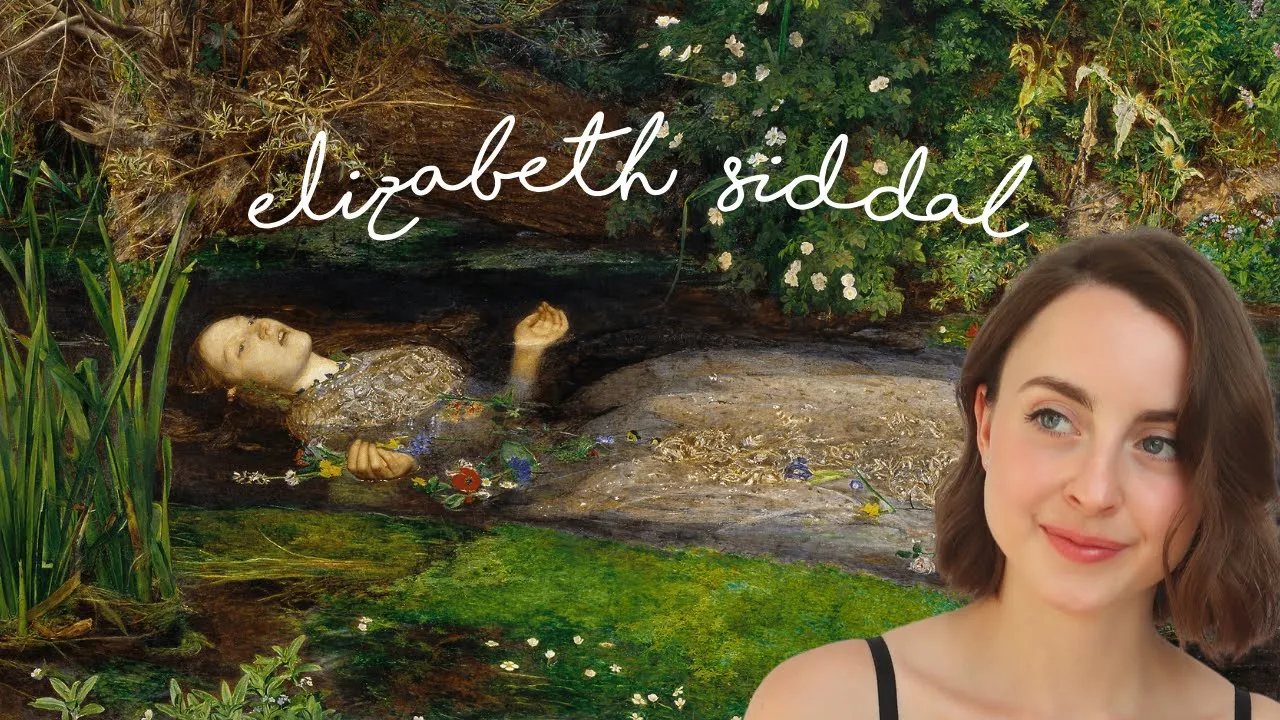
The Pre-Raphaelite Brotherhood (1848-1855) was a revolutionary art movement founded by John Everett Millais, Holman Hunt, and Dante Gabriel Rossetti, who sought to transform Victorian art by rejecting academic formulas and returning to nature-based, highly detailed painting; their works, such as Rossetti's 'The Girlhood of Mary Virgin' and Hunt's 'Christ in the House of His Parents,' challenged contemporary artistic norms and sparked intense controversy due to their unflinching realism and religious themes, ultimately influencing the development of social realism and Victorian genre painting.
The Pre-Raphaelite Brotherhood: Victorian Art Revolution 1848
Added:The dominant role and rigid academic standards of the Royal Academy of Arts in 19th-century Britain.
The cultural, moral, and social landscape of the early Victorian Era, including the rise of industrialization.
The artistic legacy of the High Renaissance, specifically the classical, idealized techniques championed by Raphael.
Basic principles of artistic realism and the traditional use of religious and literary symbolism in art.
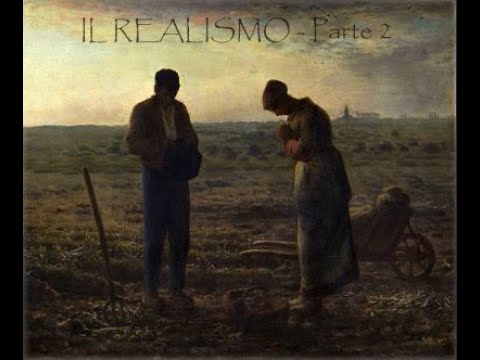
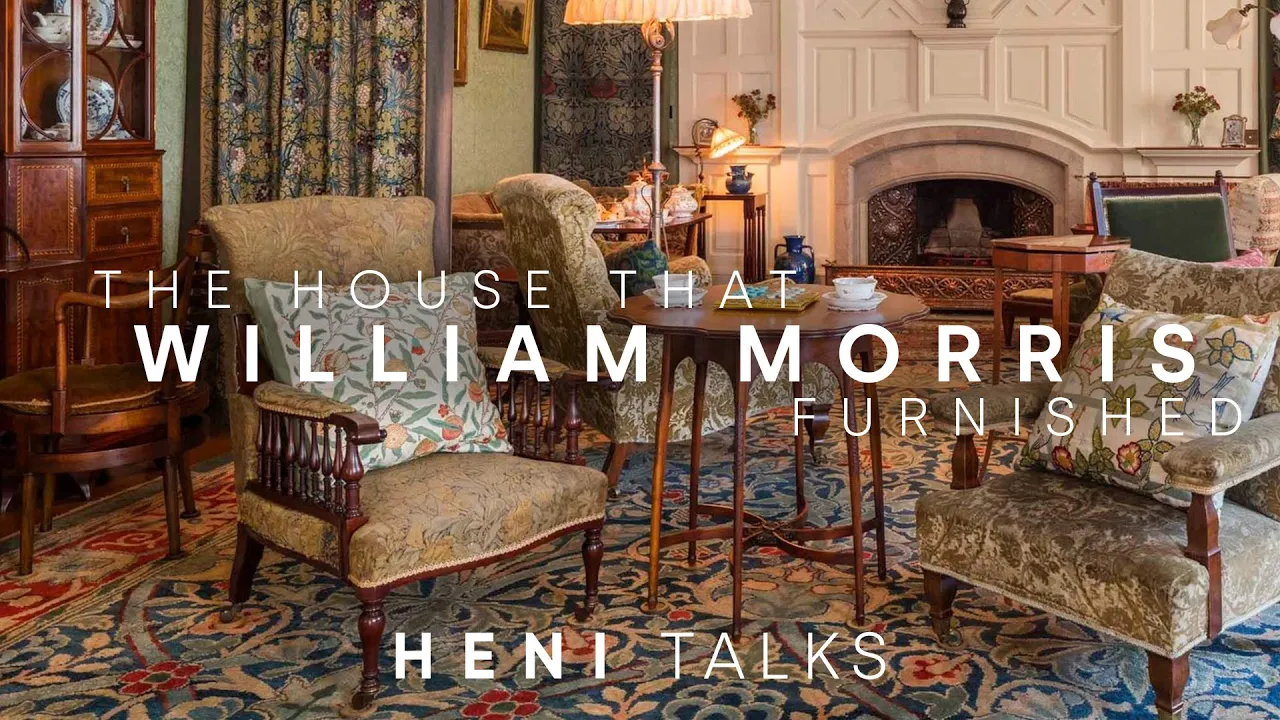
The Arts and Crafts Movement, particularly how William Morris integrated Pre-Raphaelite ideals into design and decorative arts.
The transition to the Aesthetic Movement and the philosophy of 'art for art's sake' in the late Victorian period.
The literary achievements of the Pre-Raphaelite circle, focusing on the poetry of Dante Gabriel Rossetti and Christina Rossetti.
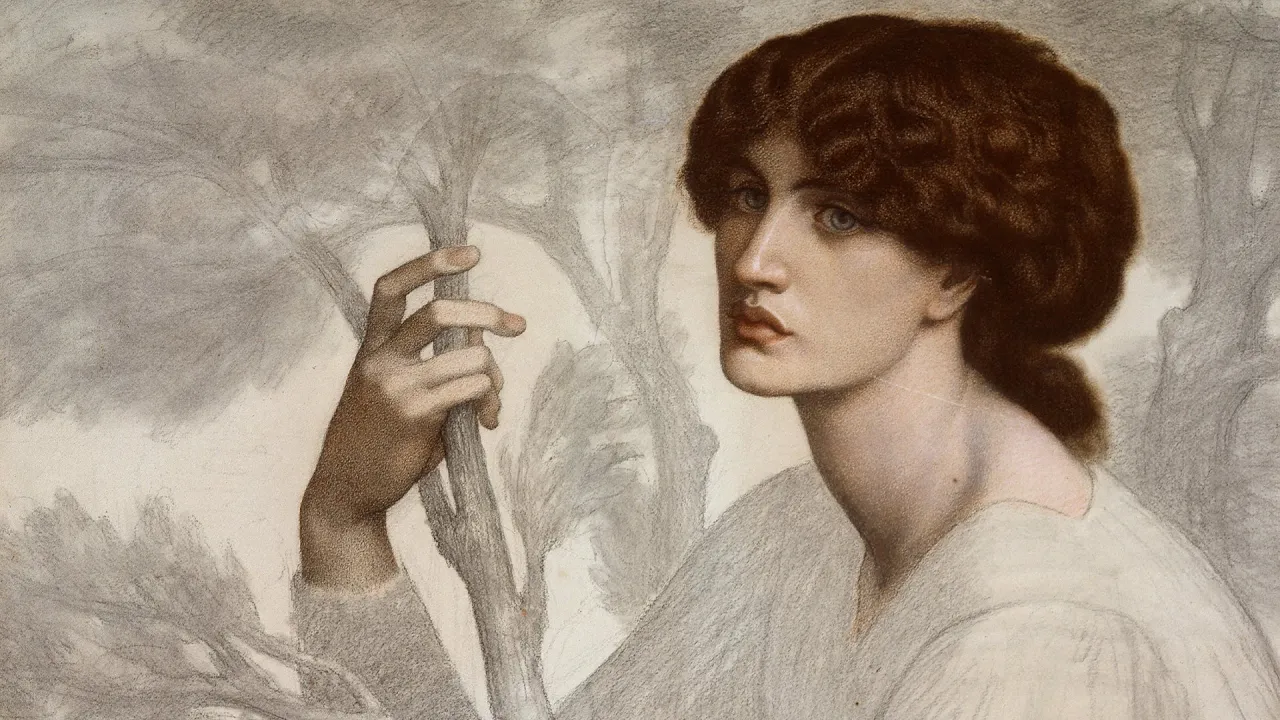
A feminist art history perspective on the roles, agency, and artistic contributions of Pre-Raphaelite models and artists like Elizabeth Siddal and Jane Morris.
10.6K views225likes1:18:01Original Release: 2021-01-20
continuing the the tour of tate britain with um the 1840 room and in that room there's a number of works which as you probably know are hung floor to ceiling and what i'm going to do is to spend two weeks in that room as there's so many works and the first week this week is going to be about the pre-raphaelites with some other works and then next week is the aesthetic movement where i go around the same room picking out some different pictures but before i get started on the pre-raphaelites i've got some introductory slides to give you some background on the pre-raphaelites and also the social situation at the time because they were founded in 1848 and that's a significant year across europe because there were a lot of revolutions of different types going on across europe and in the uk the chartist movement which was founded about 18 about 10 years previously about 1838 organized a large petition 6 million signatures although the the number of signatures varies accounts various to how many was going to be this petition was going to be handed in a downing street and charters came from all over the country to meet at um kennington on kennington common prior to taking the petition to downing street and you can see this is one of the few photographs it's actually from a pub on the what would be the west side of kenyan common kennington common is well known to me because you see these buildings at the back here they were pulled down later and a road called the lawn street was built there which is where my mother grew up so it's familiar to me it's very different today because in those days there was no restriction on where factories could be built and you can see here is the sulfuric acid factory there's a tannery um which which must have smelt terribly so the industry factories were mixed in with where people lived in the center of london now this revolution um was never turned into anything violent luckily by this is in the morning and by 10 o'clock uh the the the crowd had reached its maximum extent which historians think was up to 50 000 people from all over the country as i said but by two o'clock in the afternoon it had completely faded away everyone just disappeared i guess went back home and there were just children playing ball on in the in the con the common now there were two people who attended this but weren't in the audience there they stood outside of the railings and they were john everett milley and holman hunt who walked to see what was going on and they were that they weren't actually special constables but there were a lot of people who were observing the chartis and a lot some say over a hundred thousand special constables have been dry drafted in to make sure things didn't get out of control and those special constables included gladstone robert peel and surprisingly uh prince louis napoleon bonaparte who was living in england at the time in april it didn't get out of hand it faded away it never turned into a revolution the um the the petition was handed in by one of the organizers it was it it it didn't have a great deal of effect because the second reform act voting reform act uh didn't um it wasn't passed for about 11 years but the chartist movement faded away there's i won't go into why there's lots of different speculation as to why but let's stay with the the pre-raphaelites who attended this the important thing here that i was is is the this idea that it's a revolutionary time things were changing there was revolution across europe and the pre-raphaelites wanted to bring about a revolution in art now who were they they're they divide into two groups there were the the three well-known ones john everett millay the holman hunt and dante gabriel rossetti and they sat down uh one saturday evening in september 1848 a few months after they'd attended that revolution or or meeting and formed what they decided to call the pre-raphaelite brotherhood i'll tell you more about those three in a moment because they're the main three the three artists but shortly after they decided to form the prevaplates they invited four other people to join who are less well known thomas walner the one on the left was a sculptor who shortly well a couple of years after this um they were formed after 1848 he emigrated to australia but later he came back again and became a fairly well known sculptor and poet james collinson was a an artist this is a so that there is a self-portrait of him and um but he was very very religious i say but because uh the just to give you an example of um how religious he was he fell in love with christina rossetti the poet and changed from being a roman catholic to a high anglican in order to marry her but he decided that leaving the catholic church was too much for him so he broke off the engagement became a roman catholic again later became a jesuit priest and he renounced his membership of the pre-raphaelite brotherhood a couple of years later when what he regarded as a blasphemous painting was exhibited by john everett miller more later the final two fred george stevens and william michael rosetti who was a brother of rossetti um were poets and more significantly for our story they were art critics and so the pre-raphaelites got a a good publicity over the next few years because two leading critics were um members of the pre-raphaelite brotherhood the um let's tell you more about the three main ones like so you can see from this that the three artists really uh were the three at the top and they were a bit like um i've called it a boy band in the sense that they were completely different personalities and they reinforced each other now of course the pre-raphaelites only stayed together as a a society for five years of quite a short time but and in that time they were quite controversial but let me describe the personalities so you can get a better understanding of the people behind the paintings i'm going to show you first of all john everett milley was a child prodigy he he was one of these people who could paint from the age of three or draw from the age of three and he was the youngest person ever to join the rod academy school when he was 11 11. he was so he was a born artist he was very sociable he loved everybody everybody loved him he was one of those people that loved he was like a country squander a country gentleman he loved to hunt he loved to shoot he he said he never read a book he um got on well with people people got on with him he was a good sort uh he was a um and he worked extremely hard he was described by everyone as one of the hardest working artists he he never let up he just um dedicated his life to art uh but he had fun as well so he was a party person good to be around and an honest jovial sociable person hunt was dark dark-haired but also dark personality athletic strong wouldn't get the wrong side of holmen hunt he was a boxer in his spare time um he was called maniac by his friends as a nickname that gives you an idea of the sort of person he was he was very easily offended so you had to be careful around him but he had a lot of self-doubts about his abilities and about his uh life and so on he suffered from breakdowns he was very religious of the three of them he was the most religious by far the other two were hardly religious at all particularly rosetti uh but he was committed to art he worked very hard at art so for melee it came naturally hunt work had to work at it which he did he worked hard so he was a serious artist and finally rosetti was the intellectual his father was a professor his father was an italian who had left italy um and um he came to england was made professor at king's college so he grew up in an intellectual family he studied poetry italian poetry he studied at dante he was a dante expert he was a romantic a womanizer charmer he was unreliable though an insecure troubled uh a selfish person but a spiritual person interested in deep meanings of things and as a final sort of way of looking at them let's think about them as a brand and think about why would a patron why would somebody buy one of their paintings you'd buy millet's paintings because he was definitely going somewhere he was um a child prodigy he became an associate of the royal academy at the earliest age and an academician and so on so he was a successful artist home and hunt you would buy because he was serious and uh you could trust him and he if you had religious inclinations he was the most religious and worked so a hard worker and fairly well known and rosetti i think you'd buy his paintings because he was a an intellectual a romantic artist a sort of a typical romantic genius type of artist so let's get on with the works now we've been you'll remember that we came down here the center of the davine hall turned left and went into the tudor room the 1540 room went through the other rooms and came out into with today the 1840 room there's actually a much quicker way you can just turn left and go through the other door but let's imagine we're carrying on with the tour and we come through this door here which is this door and we we go past um uh john singer sergeants carnation lily rose we go past john william waterhouse the lady of shalott and will turning to the right here and we're going to go down to the end of the gallery which is where there's a little group of early pre-raphaelite paintings so let's um go into the corner here and you'll see there's three that i was four actually that i might look at but there's three that i'll take in the order in which they were painted the earliest is this one by rossetti then i'll go on to this one by melee and then this one by holmen hunt so let's start with this painting by dante gabriel rossetti the girlhood of mary virgin rosetti actually wasn't a religious person so we don't know why he painted this apparently deeply religious painting maybe because this is the symbolism he was just intellectually interested he um let's start with um the virgin mary over here you'll notice that they've got halos which has got their name written in them this is the virgin mary this is her mother anne and this is her father joachim and the virgin mary is engaged in producing an embroidery which is of this lily here which of course is a symbol for the virgin mary this lily in front of her it's interesting in that embroidery you normally work from a pattern but here she's working from still a still life so it's it's what this is saying is that embroidery is an art like other arts it involves creativity and and can be done from life so what rosetti is doing is he's making a comment on the unity of all of the arts including embroidery which wasn't really recognized as an art until much later the vars or this uh vars here in which an angel is holding or in fact just about see pouring some water into this lily is resting on some books which are labeled and represent the the virtues and this first book it's hard hard to read these so i'll read them out and they're in latin as well it's charity faith hope prudence temperance and fortitude oh and i've just seen dante gabriel rossetti 1849 and prb the pre-raphaelite brotherhood and as i said this is the first pre-raphaelite painting to be exhibited now it wasn't actually exhibited at the royal academy because uh typical of rosetti his he was very unsure of himself he didn't think he or he thought he might not be accepted so he displayed it down the road at the hyde park gallery which was a free exhibition in other words anybody could submit their work and it would be displayed uh it got some attention this work uh quite positive in a way it was bought for 80 pounds um by the martian s of bath the the wife of the marquis of bath and um they were friends of the rossetti family the rossetti family was quite well connected uh because his father was a professor at kings and we see other symbols it's full of symbols you can see here the cross you can see the holy dove here in the distance on the hill you can see it's either jerusalem or new jerusalem uh the the symbolism is quite complex and rosetti actually wrote two sonnets explaining the symbolism of the dove uh the lamp here and it's meaning the rose the uh flower the vine the colours he used he used gold for charity blue for faith green for hope and white for temperance he explains in the sonnets so um i mean rossetti himself was um an agnostic but um i think he he enjoyed uh going through the symbolism but let's um let's move on to the christ in the house of his parents which was revolutionary the the uh pre-raphaelite brotherhood was formed as a revolutionary organization but a revolution in art the reason they call themselves pre-raphaelite is they thought that all artists from raphael onwards had followed a a sort of formula which was still being taught and the the high renaissance uh was revered by artists in the victorian period and the number one artist they revered was raphael and so what they pre-raphaelite brotherhood said is that when we look at art before raphael it seems to us more more honest and more um direct and more less contrived less exhibiting playing with skills someone's just asked me what's the significance of the the person pruning i i i that's in the previous painting that's joking that's the father i i don't know the exact sorry i don't know the exact significance of of pruning but it's that i think the ivy represents the the church growing over the cross and so i i think he's tending the church is the way i would interpret it but coming back to the symbolism or all the meaning or what we're looking at in this painting and why it was regarded as so controversial well maybe i should talk about what some of the critics the critics said first because then you'll get an idea it was called ugly but but let me quote from what dickens wrote where it is possible to express ugliness of feature limb or attitude we have it expressed here such men as the carpenter might be undressed in any hospital where dirty drunkards in a high state of varicose veins are received um it was described as horrible ugly disgusting no conceivable admission of dirt and even disease all finished with the same loathsome minuteness that's an interesting observation because one of the things the pre-raphaelites did is to paint from nature and to paint in extreme detail because just to give you an idea of how they thought about other painters sir joshua reynolds the founder of the royal academy they described as sir slosh so sloshua so they thought that artists of the previous hundred years were taught in a formulaic way to techniques to represent a tree for example they just sloshed on paint whereas the prevaphalites thought they should go back to nature look at exactly what was in front of them and painted in my new detail it's a sort of similar in a way to the impressionists who went back to nature but whereas they created a quick impression of nature the pre-raphaelites thought they should represent the extreme detail in order to be honest and true to nature so coming back to this painting we see in the center christ he's just cut his palm of his hand signifying later the crucifixion on the cross and the stigmata on he's cut his hand on this nail here we can see the bottom of the nail is blood the blood from his hand has dripped onto his foot signifying the stick the wounds of christ uh this is the virgin mary whose cheek is kissing this is um jacob his father the carpenter who is leaning forward and um anne mary's mother is offering a pair of pincers to extract the nail this is assumed to be um john the baptist because of what he's wearing here this sort of animal cloth and he's bringing water to signify baptism of christ to wash the wound uh we this isn't anyone in particular uh and they seem to be making a door uh milay actually went to the trouble of going down regent street where there were a lot of carpenter shops at the time well a small number of carpenter shops and he sketched the arms of carpenters of actual carpenters and used it here this this person here is i think he's um milay's father uh so that and this is milay's mother i think these are based on models where people they knew they didn't believe in using professional models where possible they used friends and relations because they thought they would be less stilted it'd be more natural and he he also from a butcher shop in regent street bought two sheep's heads which he used to um as models for the sheep's heads these sheep that's us the the flock outside so why was this apparently um religious painting so disparaged it's because and here i'll read a quote the art journal wrote the most beautiful souls must have the most beautiful body in other words they thought this was too realistic they were looking at the the holy family being represented as real people and that just wasn't on just to give you um an idea of what was barely acceptable it's this painting by john rogers herbert now in fact i think it was fg stevens wrote the one of the the seven pre-raphaelites the art critic he wrote that what the pre-raphaelites are actually trying to do is out herb at herbert so he was a well-known artist uh born about 18 years so 20 odd years before the pre-raphaelites so an established painter this painting of the holy family was also criticized but not so in such an extreme way a lot of critics liked it some thought it was going too far whereas you but you can see that in this painting he is idealizing jesus and the virgin mary and so on so um that's about as far as you can get away with showing the holy family in an in a natural way what you couldn't do is show them like this and so we didn't i i can hard i can't over emphasize the extreme loathing that people had for this painting it was as revolutionary as um some 20 years 13 years later edward manet's olympia was in paris at the paris salon that was revolutionary because it was so controversially honest about prostitution and sexuality and this painting was revolutionary because it was so honest about uh religion and to complete the trio holman hunt painted this painting between let's see i think it was august and december of 1852 and there's you can see it's got two titles our english coasts 1852 and straight sheep you might wonder why well there's two interpretations of this painting and also there's a third way of looking at it so first interpretation is that at the time 1852 the everybody was worried about the french invading and so this painting is um uh showing the beautiful what what we have to protect the beautiful english coasts but also how unguarded they are a lot of people were worried that um we hadn't done enough to guard our coasts and here it's just being guarded the coasts are being guarded by a flock of sheep so our english coasts refer to that political situation at the time now a couple of years later he exhibited it in france and changed the title to straight sheep so it's just a representation of a cliff and and some sheep and at that level it's probably the most um revolutionary pre-raphaelite painting in the sense of the well maybe until we get to ophelia in terms of the time taken to produce it john ruskin i haven't mentioned john ruskin yet but he's central really to the pre-raphaelite story some years before 1843 he'd written a book modern painters which went through a number of um someone just asked me how long would it this take i think it's this one take to paint it was every day excluding sunday uh of the same spot in front of the situation on plein air outdoors painting from august to december of 1852 the um so what ruskin wrote is go to nature in all singleness of heart and walk with her laboriously and trustingly having no other thoughts but how best to penetrate her meaning and remember her instructions rejecting nothing selecting nothing and scorning nothing believing all things to be right and good and rejoicing always in the truth ruskin was a very religious person and the the part of that that's often quoted is reject nothing select nothing score nothing as a description of what the prevaphalites were doing they were painting exactly what they saw without rejecting things selecting bits to paint and without scorning because for ruskin it was all an and for hunt it was all uh god's nature that was being represented uh one thing that's often pointed out i mean uh there's the the butterflies here he actually got some butterflies uh i assume um uh mounted bluffer flies in the studio which he painted the other thing that's often pointed out is the ear of the sheep here because you can see the blood vessels in the ear he's shown the sunlight shining through the ear accurately so everything is closely observed and accurately represented by the way by this this is a sort of um the the situation probably i don't know august september maybe the shadows are getting a bit long but by december he was painting in the rain the wind and the bitter cold but he's he stuck it out he had a big umbrella which he had to tie down because of the wind this is typical of the early pre-raphaelites and their dedication to painting in detail fairly bright or if you like natural colors accurate representation rejecting nothing um i i don't want to spend time on this one but i i think it's useful to show it to you it's by melee and it's a portrait of mrs james wyatt and her daughter sarah and i'm just showing it to you because they they're obviously you've noticed already they're so stilted they look like dolls and sarah's holding a doll and there's another doll here and there's a picture of doll like people in this book and they're not looking at each other and they're looking very stilted but behind them there's two there's a leonardo last supper but there's two raphaels which we know at the time milay rejected raphael so what is he doing here no one knows he's either emphasizing the something psychological about these two people which i don't think he is i think what he's doing is he's hinting at paintings like this giotto which is pre raphael and this is the madonna of genisanti the the um the enthroned or our lady of all saints but you notice the um the way she's sitting and the way christ is represented and the similarity and there was a lot of paintings of this sword and the way that he's represented the two there so i don't think there's a comment on their their relationship that she was a bad mother or anything like that it's a a reference to the style of painting of the pre-raphaelites before raphael that he was trying to return to i didn't want to spend long on that one though because there's quite a few on this wall and how are we doing for time oh okay um the where which one shall i start well maybe i should start with this one quickly because it's the follow-on to the previous rossetti uh ek ancilla domini is um it's like behold the lord and it's the annunciation and the archangel is it the art gabriel i think gabriel has come down to what's uh impregnate uh that mary and we see that there's a lily that he's pointing arguably pointing at her womb and she unusually is uh sitting looking on her bed that that's very unusual she's not she's usually seen at prayer and of looking afraid which we have seen in some previous paintings but it's it's a very unusual way of representing her and remember rosetti is extremely well read and what he's doing is he's representing um the way this scene is described in the bible much more accurately than the way it's normally represented the other thing that people oh and critics didn't like this painting it was um exhibited not at the royal academy again but critics saw it and they disliked this painting even more it partly because he it was by then thought that or or realized that the pre-raphaelite brotherhood were trying to undermine the ideals of the rod academy and the other word that worried people was the word brotherhood because it was associated with revolution and the other aspect that worried people is that these scenes rossetti painted and the way he's represented them suggested catholicism uh which was also very contentious at this time so what with the mixture of radical revolution and catholicism and a brotherhood all mixed together it's um was was fueling the criticism of the the reviewers they pointed out that they didn't they they thought he was never trained in perspective the perspective of this bed and the wall and the window are wrong it's all at the wrong angle they said that he's had weak technical ability and wasn't properly trained i don't think any of that's true i think he painted this symbolically in the way he wanted to paint it to get across the feeling he wanted to get across he wanted this angle here this space here between the bed and the angel he wanted um this is the holy dove coming in and uh he it's it's all painted intentionally he didn't want um wings on the angel he's got flames at the feet um he this was actually praised by ruskin who thought that the adding wings was the wrong way of showing a spiritual person and he admired the way rosetti was trying to show spirituality in a different way so a contentious painting and uh oh here we see the link to the previous rosetti painting this is the finished embroidery and which yes let me show you a holman hunt of a a few years a few years later 53-54 about the time the pre-raphaelite brotherhood were starting to break up and go their own separate ways this is called the awakening conscience and a lot of them the well not a lot some of the critics didn't get the meaning they thought what one critic in particular described it as brother and sister so here we have the sister and the brother have been singing a song together at the piano and she's just standing up because her attention has been take attracted to the view outside and this here if you can make it out this is the frame of a mirror see this is the frame of a mirror here which is showing the back of her head and what she's looking at we can see her looking out into the sunlit garden so she's just standing up to go and look into the garden but other people realize what it's really about and that is prostitution this is not a brother and sister this is a um a man and his mistress and to paint this holman hunt actually rented a property in st john's wood which is was known as an area where um men would buy rooms or rent rooms for their mistresses she doesn't wear a wedding ring they're singing off in the stilly night which was a which was a well-known song at the time where the person in the song has a sudden spiritual revelation so what what this is saying is that she is a mistress but god's work that is the garden outside and the sunshine has made her suddenly realize the era of her ways and she's just standing prior to rejecting him and being redeemed but of course there was no redemption and ruskin who understood all of this wrote the very hem of the poor girl's dress at which the paint has labored so closely thread by thread has story in it if we think how soon its pure whiteness may be soiled with the dust and rain her outcast feet falling in the street so the the end the trope for victorians was that a fallen woman um there was no hope the the only end was suicide um the the uh well i'll i'll talk more about that later the the other the the model i was going to say uh was annie miller who at the time was a uh the girlfriend of um holman hunt and um he well it's a long involved story because holmen hunt went off to the holy land and left her behind and left her books to learn to read and write but she became the model of um rosetti and um strayed shall we say that was typical of rossetti and uh when holmen came back there was a big argument but this is prior to him going off to the holy land and so this is a model that if you like he fell in love with and intended to marry as as long as she could improve herself just a few final points on this um particular painting the the cat under here you might not have noticed but this here is a bird is playing with a bird who would shortly die in the same way that he is playing with the woman the woman here this statue inside this glass dome is like the woman inside this um flat that's been rented and also the shape of this painting is same as the shape of the dome and then down here there's a gentleman's glove discarded in the same way that she will be discarded and this the tangled skeins of this um embroidery that she's working on indicate the tangled situation that she's trapped within just like this uh statuette is trapped inside this this glass container so again a lot of symbolism a lot of detail a lot of work has gone into it it would have taken months to paint and he painted it as i said in a an apartment he rented for the purpose in saint john's wood the so that that's giving you holman hunt was the of all of the three artists of the pre-raphaelite artist was the one that maintained the the faith if that's the right word we he maintained the faith both religiously and in terms of what the pre-raphaelites were all about right to the end of his life and he lived longer than the other pre-raphaelites and he always painted in this d he continued to paint in this detailed way um but milay didn't and rosetti although he continued painting spent far more time on his poetry the let me um maybe how we're doing for time uh let me quickly show you this john rodham spencer stanhope because for two reasons one is it's to show you that other artists were influenced this is 1859 were influenced by the pre-raphaelites who although they were vilified in the first few years they became accepted by society by artists and by critics as being the standard and the pre-raphaelite style of painting became very influential in a style that carried on all the way through the 19th century so even though they broke up what they'd founded what they'd started continued so here's an artist who was influenced by this detailed style and also he's showing it might not be obvious but this again is a prostitute in her lodgings this time near waterloo bridge that that's waterloo bridge in the background there and um you can tell it's a prostitute because of the disarray the down here the the the clue is a gentleman's walking stick and a gentleman's glove the fallen flowers showing that she has fallen the cheap jewelry the money here and the fact that she's wearing night clothes in the middle of the day and were all um obvious indicators to the victorians who again this doesn't show that she's going to be redeemed in an earlier version of this um he called thoughts of the past he showed her looking out of the window and up at the sky in the same way that saints pray to heaven so this this that painting could have indicated redemption but this painting just shows her as worried guilt-ridden if you like and also waterloo bridge was a center for prostitution and it was also the bridge that um women threw themselves from to drown more often than any other bridge it was it was known as the bridge that women committed suicide from and so that that indicator that symbolism in the background is another adds to the the meaning of this painting which again would have been obvious to any victorian so just showing their influence i'm i'm taking a slightly different turn now because although this is fairly detailed i don't think um and and this is 1857 i don't think we can see emily osborne as directly influenced by the pre-raphaelite she's painting in a similar detailed style but it it helps if i describe her history um to to justify that she um was born about the same year as the other pre aphalites and but she was um a child i think it's fair to say she was a child prodigy and she um didn't have a uh she didn't come from a very wealthy family but they managed to transfer to london and so she got schooling in art and she showed her work at the royal academy she got accepted in other words for her work to be hung at the rod academy when she was just 17 and that work was bought for 200 pounds when she was 17 and she was commissioned by queen victoria to paint a painting so in one leap she'd become a uh well-known um and not wealthy but well-established artist and she continued to exhibit nearly every year not quite every year but ev nearly every year for the next 40 years as long as she continued painting so she became an established artist that's emily osborne but what are we looking at in the painting itself called nameless and friendless you'll see that the woman just a quick overview first there's a woman with a boy who's probably from their ages her brother she's wearing black so she's in mourning she's given this painting here to this man behind the counter to examine we assume to sell to him um it's being looked at by this man here in a sort of an approving way but these two gentlemen here if that's the right word for them who are looking at a scantily dressed ballerina are ogling her so what's going on well this is another aspect of victorian life that because families there were very few jobs for women there were things like servant and governess and working in a shop occasionally but there were relatively few jobs for women and the uh the the household was maintained by the husband father so if he died the husband or the father in this case then they the family could become destitute overnight and that frequently happened middle-class fairly wealthy families became destitute overnight and so they would immediately have to look for work which if it was mostly women and young children wasn't forthcoming so what obviously what what's being signified here is a young woman who is been from a wealthyish family who's been trained in art as a as one of her accomplishments has brought along one of her paintings to try and sell it to make money to keep the to buy food to keep the the family going and she's accompanied by her brother who's looking anxiously directly at the man to see whether he's buying it it's left open as to whether he's going to reject it because he's looking doubtful or whether he's just looking doubtful uh to get a better price and my interpretation of this painting you interpret it how you like is that this young chap up the stairs he's not looking at her he's looking at the painting in an approving way that i think this man is going to buy it but he's going to go negotiate a very low price for it and that's why he's looking doubtful in the meantime just to explain that every victorian society would know that a woman like this trying to well presented well-dressed in mourning has just lost a father or husband and is looking to make money by any means possibly so that's um what's going that's what they're thinking there would probably acosta as she goes to leave the shop so hopefully what'll happen here is that she'll sell the painting get the money and leave the shop and become successful at art but that rarely happened but it did happen with emily osborne who this year the year this was painted 1857 uh was one of the founders of the society of female artists so she wasn't the only one but there just weren't many um whether to talk about this dad here let me carry on uh oh let me talk about this because it carries on this um this horrible theme uh wrong wrong painting let me go back um whoops i'll have to oh here we go the link was incorrect augusta's egg this is a sort of triptych uh it's in three parts there's three paintings but this is the key one to the story it's called past and present number one misfortune so what's going on here probably most of you by now from what i've told you about victorian society can guess what's going on but i'll i'll tell you quickly the the man who's looking distraught he's holding a letter which we assume we can work out is evidence of his wife's adultery because he is simultaneously a bit hard to see this but he's crushing a miniature of her lover under his foot she is begging him to stay but um she's wearing bracelets that look like shackles manacles and he has just cut open this ad this apple here with this knife and half of the apple has fallen to the floor and we can see that it's rotten in the core which should tell you that she's already prepared her bags and we can see in the mirror the open door by which she will soon be leaving the house in the meantime her two children are playing with a house of cards which has just collapsed the structure of the family has just collapsed and it's again hard to see this but in the original you can see it the book they're resting the cards on is um a french novel which was um french novels were regarded uh by the victorians as uh salacious and um encouraging adultery so that would be a novel that the wife has been reading so uh people would say well well typical that's the sort of literature she's been reading it's not surprising she's been led into bad ways and to emphasize that behind we see a portrait of her and here the expulsion from eden from paradise of adam and eve and over this side his portrait and above it a shep in a storm so i i really need to say no more the the symbolism is obvious so let's quickly move on to the next um one in the series here we see the two children some years later i think it's meant to be they look a bit older than this but i think it's only meant to be about um five five seven years later not not that long uh it serves a night scene it's important look at the the moon and the cloud we'll come back to that but you'll see that they're in mourning uh one one's in a night dress but the others in morning um because and on the wall they've got a portrait of their mother and their father and it's their their heartbroken father has just died so they're on their own now they've got to make a living and one is weeping in the lap of the other the final picture of the triptych um [Music] let me go whoops sorry about this the as i said the the link is wrong so i've i think i went i got to it this year the final picture shows the mother but notice the moon and the cloud it's exactly the same moment as the her children are sitting in that bed sit looking out of the window and at that moment the mother is underneath an arch these are the adelphi arches by the river thames and you'll notice underneath her cloak sticking out from under her cloak are the emaciated legs of a baby that we assume what happened is that she became the mistress became pregnant he rejected her and now she has nowhere to go other than to drown herself in the thames that's um what's indicated by this picture by the way a lot of the critics thought that this painting had gone too far that it was too extreme in showing what could happen to a family but it did happen on the wall here are two plays being advertised one called victims by tom taylor that's hard to see and the other called a cure for love and they're both about unhappy marriages and it's alongside here you can see just about pleasure excursions to paris which is a reference to the novel we saw just now by balzac in the first picture we don't know what's going to become of her but we can we can we can guess the yeah let me show you this picture because it's not that this remember that we're in the 1840 room and this is a picture that actually pre-dates the formation of the pre-raphaelites it's 1846 and the reason i want to show it is in some ways it's one of the most important or significant paintings in the room because although you might not notice it in passing this is the first representation accurate representation of the poor in victorian art which led to a whole series of what's called social realism the representation of the poor which became an established john but this is the first now it's not this painting about a seamstress that created awareness of the poor in fact this painting is illustrating a poem that probably did more than anything to illustrate the fate of seamstresses and that was called the song of the shirt and it was published a couple of years well in 1842 so four years before this painting and it began it was by thomas hood it began with fingers weary and worn with eyelids heavy and red a woman sat in unwomanly rags plying her needle and thread stitch stitch stitch in poverty hunger and dirt and still with a voice of dolores pitch she sang the song of the shirt what this did is bring to people's attention that um the there was a strata of society that were poor and that women in order to make a living one of the jobs they could do was sowing but the fate of women who sowed they were paid so little you can see her red eyes they often lost their sight in which case there was no hope for them and we see back here the medicine which is labeled from a london hospital it's called the mixtures written on here and for her eyes and we can see other women working outside and they used to work nearly all night long you can see it's half past two in the morning and they worked by just a single candlelight because they couldn't afford um more than just a single candle if they dropped a stitch their wages if that's the right word the piecework rate was reduced from making a mistake with a single stitch and so they barely earned enough to feed themselves and here we see a tiny little morsel of bread so this is the fate of those women that lose the support of their husbands because their husband has died and this was bringing in fact the poem is what brought it to the attention of society and led to the the distinction between the deserving and the undeserving poor middle-class women who had fallen on hard times who were taking on this terrible work were deserving and so deserve charity but most victorians thought of the poor as deserving it because they were born that way they were lazy they drank too much and so on and so they didn't deserve any support so this distinction arose between the deserving and the undisturbing undeserving poor from the poem which became a sort of cults the wrong word it became fashionable to buy song of the shirts produce um it seems a bit odd but things were embroidered with the song of the shirt poem so it became um fashionable to be seen to be supporting seamstresses and so on to work is where a lot of victorian women started to spend their time working for charities um on the other side of the room and in a different um style of painting is one i wanted to show you worth looking at when you're in the room william dice now william dice didn't typically paint this way and it it's it's in a lot of detail uh so it in that sense it's pre-raphaelite like he's he's maybe experimenting with the pre-raphaelite um manner style but what he's representing is again in a sort of a pre-rephalite um way he's representing a particular event it's called pegwell bay kent a recollection of october the 5th 1858 so why should we recollect that because and this is a bit hard to see but up here in the sky you can see a comet coming down it's don arty's comet which was visible in the sky at this time and was a big event and lots of people went out to see it um somebody's asking me how the previous paintings i think it must be the previous paintings were received and i've already told you that the egg had a mixed reception because people thought it went too far this painting was regarded as unusual because he mostly painted religious paintings and this is only religious in the sense that he's showing god's um a scene of god's world and god's comment but it's not apparently religious it's it has been it it is mostly seen as a comment on time and i think that's a good analysis i don't know whether that's what dice intended though but we can see the comet which has been uh it it returns ev i should have said it returns every two thousand years so here we have a reference to something last seen two thousand years ago we had the chalk cliffs which were laid down millions of years ago and what they're doing here and i think i might have a close-up let me just see if that works oh i i should also point out that over here the close-up's a bit fuzzy but over here is an artist and it's hard to see but this here is a maul stick uh artists used to balance their hand and over here is like a sketch pad so he's but maybe it's william dice is unusually showing himself in the painting uh this is the enlargement so we have three figures who are actually his relations i i think it's his uh sister sorry his wife and her sister and his son and they're collecting shells which was a well-known uh victorian hobby uh women would collect shells and and glue them to boxes and so on uh but it also represents geological time they're they're taking an interest in things that were fossils that were laid down millions of years ago and also shells of animals that have recently deceased so there's levels of time being involved and this is a very um popular dinner party discussion revolved around charles lyles principles of geology which laid out a time scale of millions of years far longer than the bible time scales that most people believed in so it was controversial and so and much discussed and it could be a reference to the interest in geology a lot of people had that's just another reason they collected fossils and shells at this time so it it remains a bit of an enigma uh it was produ we know he actually visited pegwell bay it was painted on the spot in 1858 and it was a popular holiday resort near ramsgate and um it's as the pre-raphaelites did it shows members of his family but it's it it hardly seems to be a portrait of his family maybe it's just the equivalent to a holiday snapshot i don't i don't know the um we're looking down we came in this door over here we're looking down to the end of the gallery i'll look at some more paintings in this gallery next week but i just wanted to show you the uh one of the most popular arguably the most popular painting in tate britain it's the one that most foreign visitors ask where it is more than any other painting it's in all the guidebooks visit tate britain to see john everett miller's ophelia to produce it somebody asked earlier how long would it take to paint well i've got much more accurate information about this painting because he he wrote letters and notes about his time to paint it he spent it was painted on the hogsmill river a local river in other words and if you um the if you know tolworth tower i'm sure you all know tollworth tower but if you go down the road opposite tolworth tower going south and at the second lot of traffic lights take a left towards worcester park on um it's the the hogsmill is there and there's a field there still there called the seven acre field and we know that's the field in which he put up his easel and painted for 11 hours a day six days a week over five months he said that he could manage to paint an area about the size of a crown an area about that size and each day and remember milay was a child prodigy was one of the fastest painters of all of the pre-raphaelites it's representing uh and of course because he painted over five months uh flowers changed and that there's flowers that bloom at different times in this picture uh it also because he was in a field it was owned by a farmer who often tried to chase him away and of course it rained often he said the worst thing were the swans who came to bite him and the midges when they came out he said he couldn't do anything about the midges he just had to sit there so he had an umbrella for to keep the rain off and off the easel and the painting he had to tie it down when it was windy uh but he stuck it out for five months eleven hours a day in fact all the daylight time he had it's of course ophelia from shakespeare's hamlet who drowns herself in a river after hamlet denies his love and inadvertently kills her father it we assume drive said i was going to say drive so mad but drives her to suicide and the flowers that are shown are those that are mentioned in hamlet and a melee has added a few more as well as flower symbolism was a a big thing in the victorian period uh people lovers used to send their beloved flowers with message me forming messages but poppies mean death so of obvious things dazes innocence uh pansies love in vain and so on all of this in fact if you look at flower books of the victorian period and they're available on the internet um the flowers actually have different meanings in different books but there were some the ones i just mentioned were sort of common um commonly accepted meanings some of the more obscure meanings i think you'd have to know the book that to decode the flowers you'd been sent so an extremely um arduous task a dedication to painting like this this is 1852 without going into a lot of detail you may know that john ruskin's wife effie gray um left john ruskin uh because um uh the the marriage had never been consummated so the it wasn't a divorce the marriage was just annulled and a year later uh married john everett miller i just gave you that bit of background my intention is not to talk about the life story of each of these artists but i gave you that bit of background just to um explain that from about the time he became married i think was 18 54 something like 54 55 he started to paint in a much looser style and much quicker and he and he sold everything that he painted uh and he became the wealthiest artist i think until recently probably the wealthiest artist britain has ever seen and um was eventually just before his death made president of the royal academy so extremely successful and he's remember the critics feedback on his christ in the house of his parents all of that was forgotten he he became a part of the establishment he became a royal academician painting in a style that everybody loved and um was accepted by everybody and was a very sociable fellow that and honest fellow that nobody could um really see anything to reject and and similarly his later paintings no one could starting i think with ophelia no no the critics were full of praise um i think i've got time for one more the the whistler i'll cover next week this is april love by arthur hughes a very popular painting for cards and so on partly because of the the bright colors but let me just there's a lot more detail in this one so let me just take the final three minutes to talk about derby day by william powell frith because it was a much more popular painting than april april love was um uh liked by the critics uh but this was liked enormously by the public who flocked to see it and they had to put railings up in front of it and people would spend i think literally hours examining each person in the painting uh it's derby day at epsom this is the old epsom um whatever it's called and um let's go through some of the people because it's it's all of life was there by the way frith uh took these paintings very seriously and this one was the first great success for frith and four years uh sorry ramsgate sand was the first uh successful one for frith and this was four years later and he hired for example a photographer to go round um epsom at derby day taking pictures of interesting people that he would frith would use in um producing these different portraits of people and he also hired models for all the major figures including the jockey uh the uh acrobat and so on and he he told the photographer take us take the picture of us as many queer people as you can find from the roof of a cab the looking over on the left here there's a gambling going on here i think this is the the thimble find the p underneath one of three thimbles this is outside it's a bit difficult to read it's outside the reform club which you've got a tent here and so there's some wealthy people going in and drinking and then because there's a lot of wealthy people going around there's this um ability to gamble there's a wealthy person here gambling someone here who we assume has just lost all their money what's happening here this is interesting this person is working with the gambler he's going around showing a five pound note and saying i just won this it's easy to see where the p has gone and this person a yokel if you like or a farm worker um is taken in by this all it's easy to win five pounds and his wife who spots there must be a catch is is stopping him for going to gambling so so there's a little scene here of what's um of what's going on this woman here i think i've got um yes uh this woman here was a well-known personality and um he's included her incidentally you might notice here and in fact in the painting her waist is so narrow that's corsets but also this is a photograph but photographers would manipulate the photograph to make the waste just a little bit i mean the wastes were very very narrow but to just to make them a little bit narrower narrower because this was seen to be surprisingly this was seen to be attractive this these extremely uh narrow wastes and she was um a woman who and this was a popular activity uh young women would ride up and down um the um horse guards parade or um the hyde park so that that's so a well-known person is being shown in the picture there's the acrobat uh who's there's a joke here the acrobat is waiting for his um boy probably his son to jump so he can throw him up in the air but the the sun has been distracted by all this food that's being laid out here as a picnic for this man here who uh he's he's probably his mistress is in the carriage here and there's a gypsy woman uh trying to beg from her or sell her something but he's got his eye on this young flower cellar i think i might have an enlargement of that part as well and um so oh i've got enlargement of the of the of the picnic because i wanted to show you the size of this pie here and that that i think is a chicken whole chicken there with an enormous pie in front of it that's what's attracted his attack his attention while everybody is standing around um waiting uh for the acrobatics and there'd be someone i can't see where he is now collecting money afterwards and then have i got yes i hear is the picture of the man who's eyeing up the young flower cellar and there's another achromat acrobat over here in the distance okay so that's um enough for today next week we go around the same room and pick out the pictures associated with the aesthetic movement and then after that there's another so we've had two so far after next week there'll be another five talks to complete our tour
Up Next
5:26
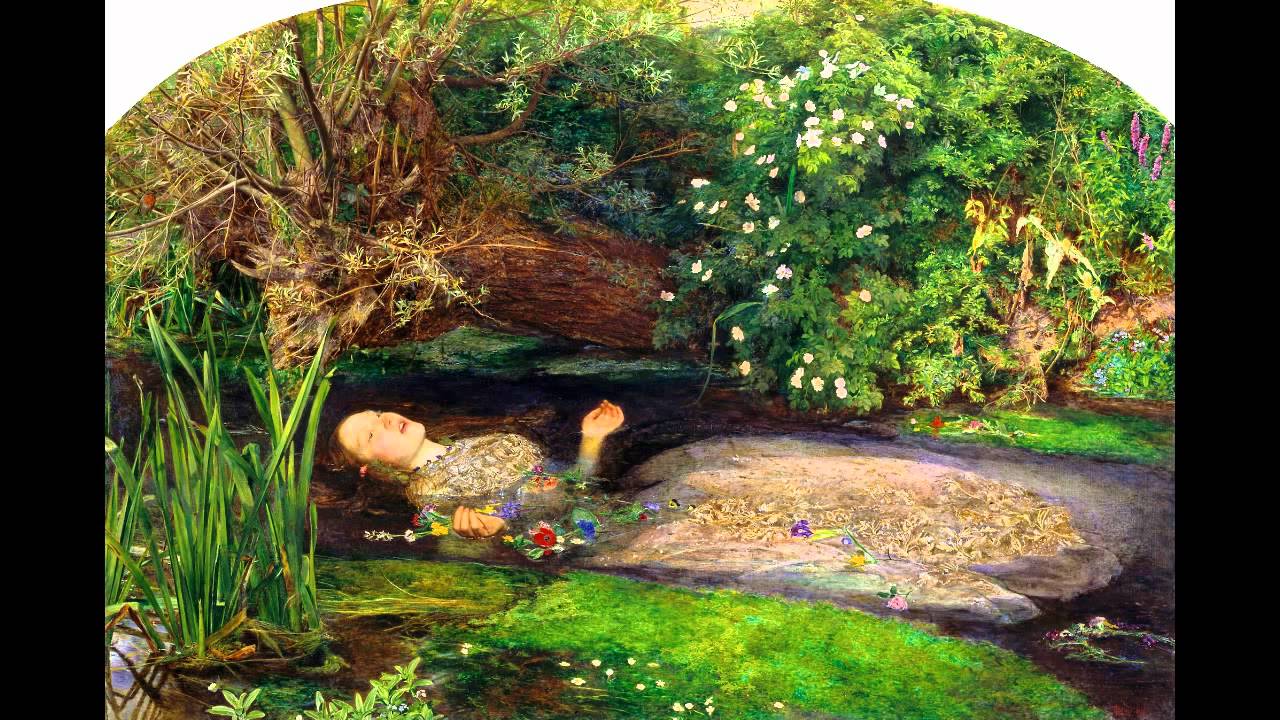
Millais's Ophelia: A Pre-Raphaelite Masterpiece Explained
@smarthistory-art-history
168.6K views•2012-04-02

114:18
Christian Iconography: History, Theology, and Meaning | Fr. Panayiotis Papageorgiou
@Trisagionfilms
58.8K views•2020-02-21

56:41
Byzantine Art History: Eastern Roman Empire Masterpieces
@LaurenceShafe
1.3K views•2024-04-05

16:34
Earliest Depictions of Jesus in Art: 10 Ancient Images Explained
@UsefulCharts
5.9M views•2022-06-03
Related Study Plans & Knowledge Roadmaps
Structured learning paths in Art History
art-history
Gothic Cathedrals: Engineering, Light & Society
01The Birth of the Gothic: Romanesque to Suger's Vision
02The Structural Triad: Pointed Arches, Ribbed Vaults, and Flying Buttresses
03Theology of Light: Lux Nova and Sacred Geometry
+ 2 more learning modules
14h5 modules
Explore Roadmap
art-history
Pre-Raphaelites: Realism, Symbolism & Critique
01The Victorian Art Establishment and Academic Formula
02The Founding of the PRB and Radical Realism
03Medieval Revivalism and Literary Symbolism
+ 1 more learning modules
8h4 modules
Explore Roadmap
art-history
Street Art: From Subways to Art Market
01Subcultural Origins in Philadelphia and New York (1970s)
02The Subway Era and Style Wars (Late 1970s - 1980s)
03The East Village Scene and Early Gallery Crossover
+ 2 more learning modules
10h5 modules
Explore Roadmap
art-history
Classic Maya Art: Iconography, Glyphs & Ritual
01Foundations of Classic Maya Visual Culture
02Deciphering Maya Hieroglyphs & Text-Image Integration
03Sacred Geography and Cosmological Architecture
+ 2 more learning modules
14h5 modules
Explore Roadmap