













![[AULA] Linha do Tempo da História da Arte](https://i.ytimg.com/vi_webp/SEyhdqLQ6lA/maxresdefault.webp)





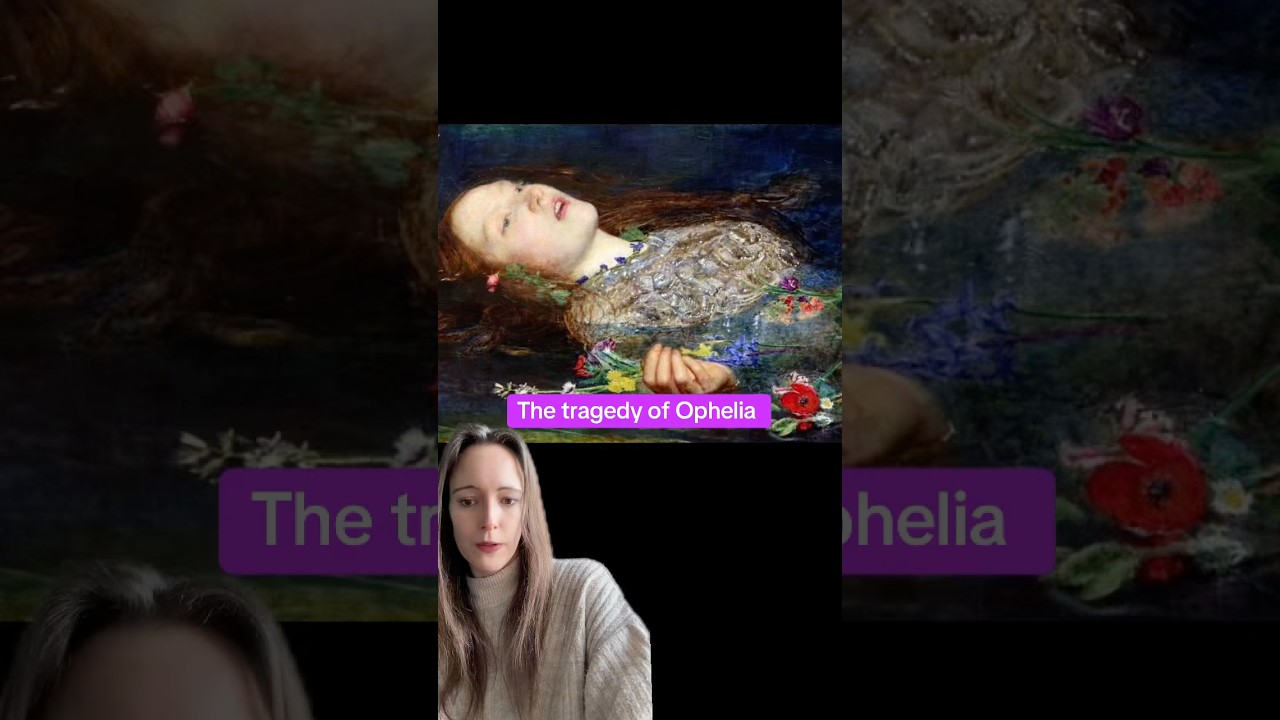
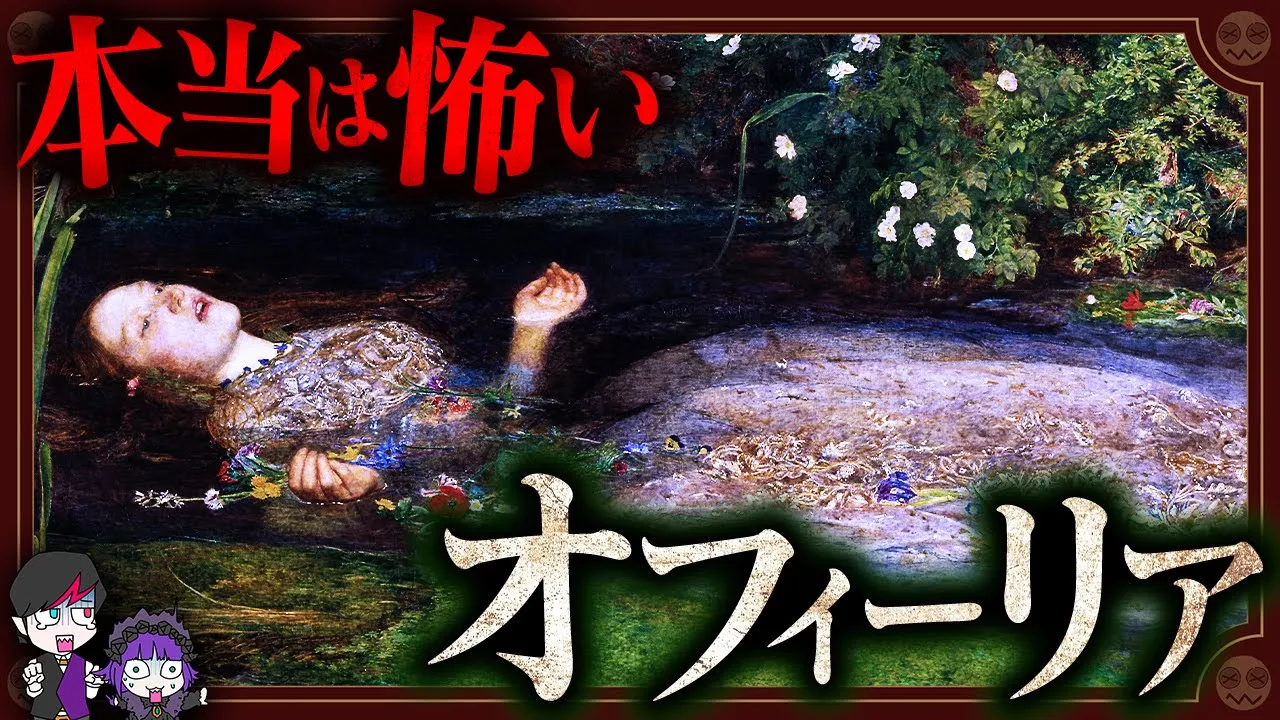
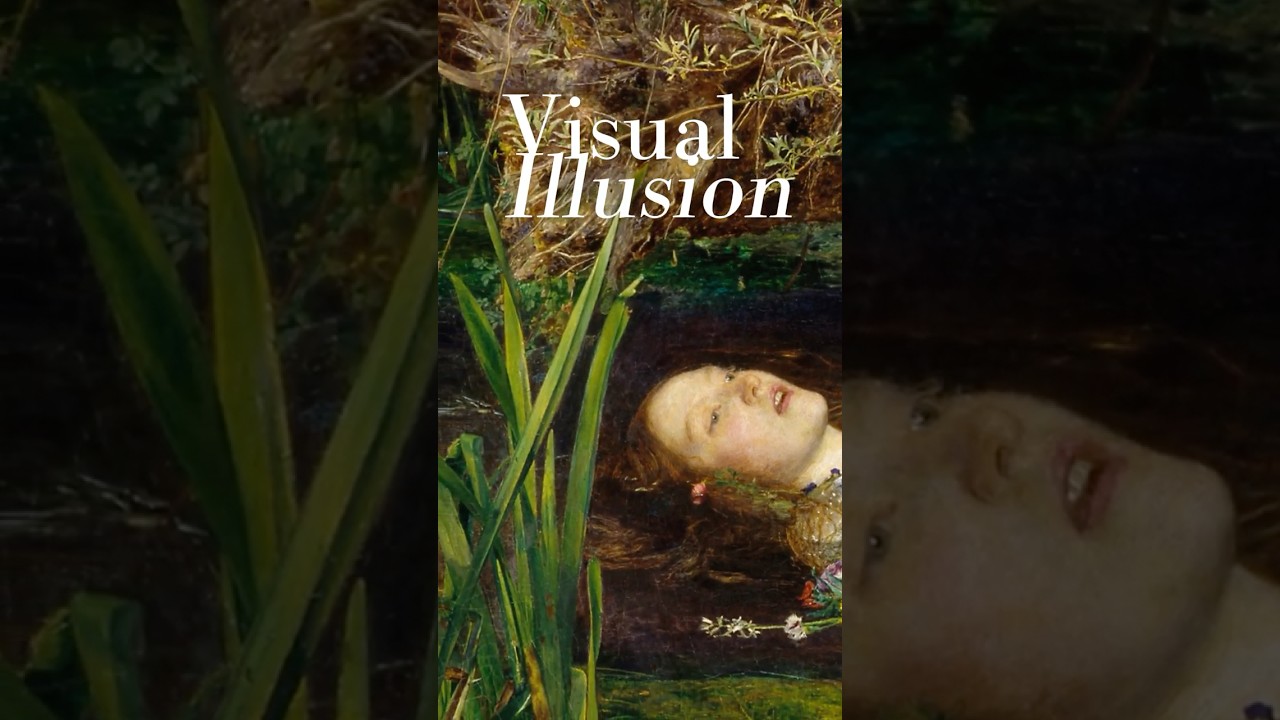
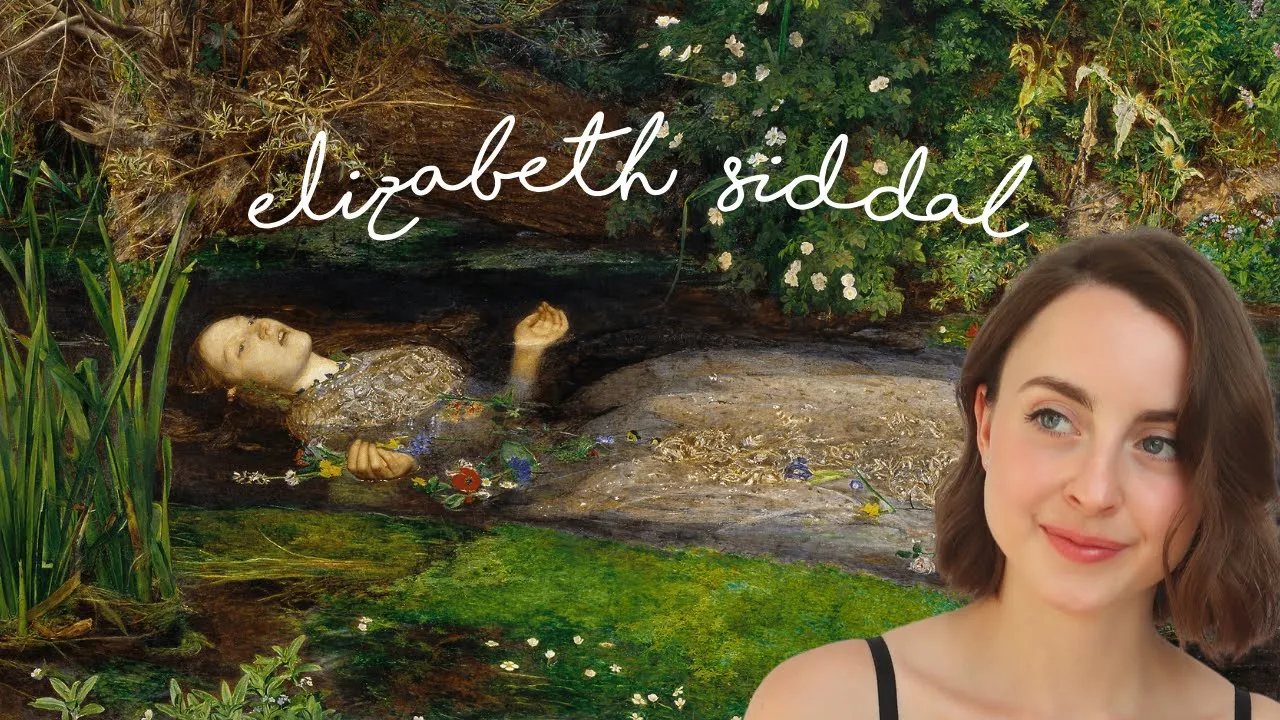
John Everett Millais' Ophelia (1851-52) exemplifies Pre-Raphaelite art through its revolutionary approach to nature study, where Millais painted outdoors with botanical precision, using Ruskin's principles of direct observation rather than academic idealization; the painting features symbolic flowers like violets (faithfulness) and poppies (death), with the model Elizabeth Siddal posing in a heated bathtub, and employs innovative techniques like painting on wet white ground to create luminous colors that shocked Victorian audiences.
Millais's Ophelia: A Pre-Raphaelite Masterpiece Explained
Added:Familiarity with William Shakespeare's tragedy 'Hamlet', specifically the character of Ophelia, her narrative arc, and the circumstances surrounding her death.
A foundational understanding of the Pre-Raphaelite Brotherhood (PRB), its core members, and their rebellion against the formulaic conventions of the Royal Academy.
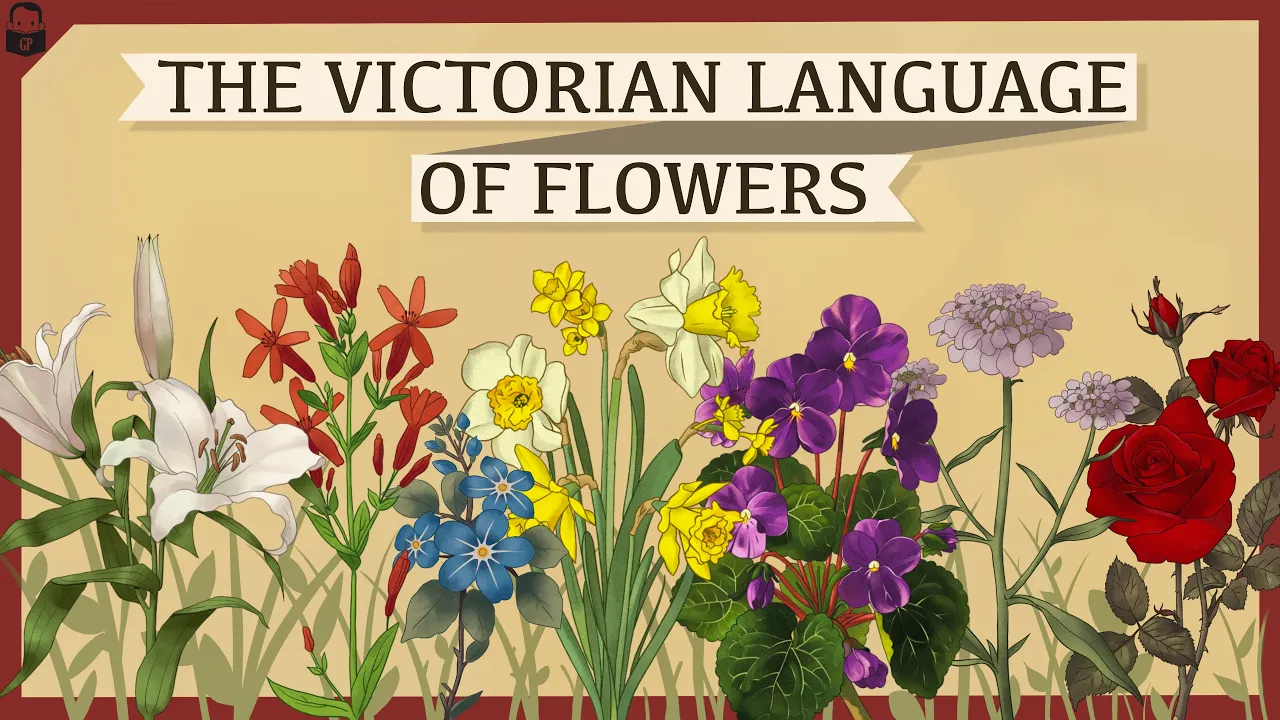
An introduction to Victorian floral symbolism (floriography), where specific plants and flowers were used to convey distinct emotional and thematic messages.
Basic knowledge of mid-19th-century academic art standards, particularly the influence of Renaissance painter Raphael on academic composition.
An in-depth study of the 'wet white' canvas technique used by Millais and other Pre-Raphaelites to achieve their signature luminous, jewel-like colors.
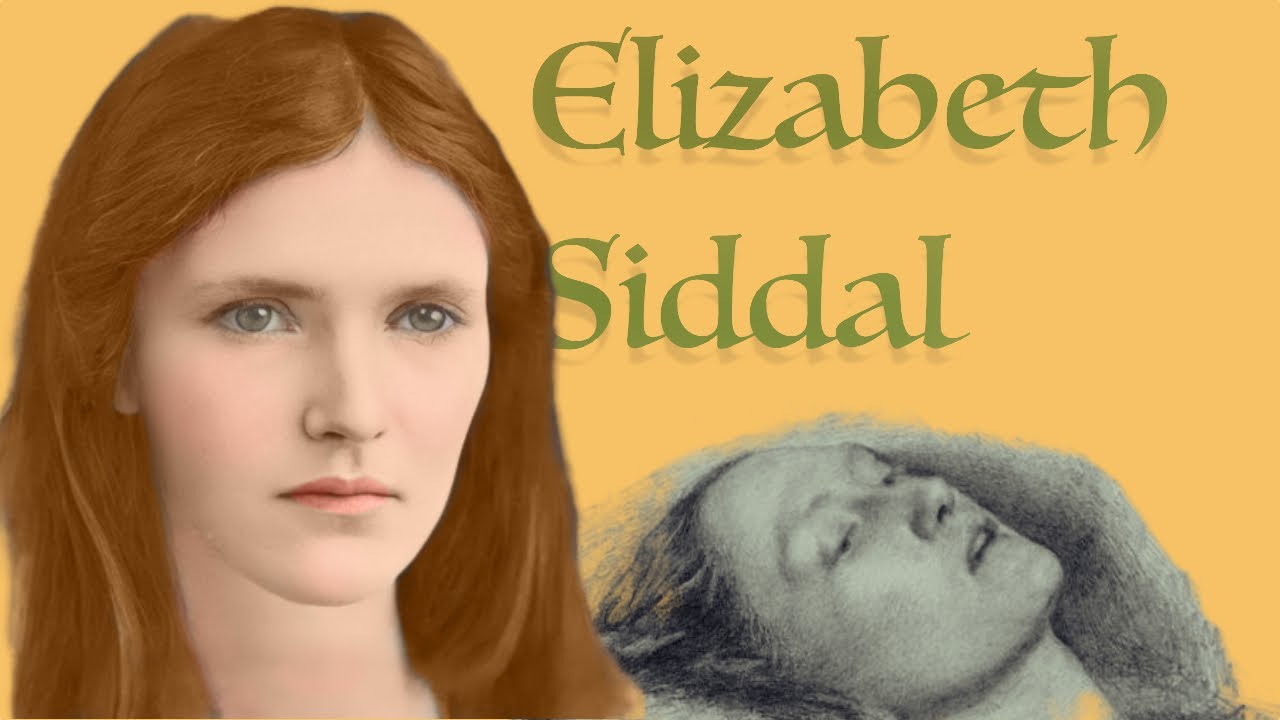
Investigation into the life and legacy of Elizabeth Siddall, the model for Ophelia, exploring her role as a muse, artist, and poet in the Victorian era.
A comparative analysis of Pre-Raphaelite realism versus the emerging French Realism and Impressionism movements of the mid-to-late 19th century.
Exploration of the transition of Pre-Raphaelite ideals into the Aesthetic Movement and the Arts and Crafts Movement led by William Morris.
168.6K views1.6Klikes5:26Original Release: 2012-04-02
DR. STEVEN ZUCKER: We're in the Tate Britain, and we're looking at John Everett Millais' Ophelia.
This is the quintessential Victorian and quintessential Pre-Raphaelite painting.
DR. BETH HARRIS: It is, and the Victorians painted Shakespeare quite a lot.
And they even painted Ophelia quite a lot.
But this is the painting that everybody remembers.
DR. STEVEN ZUCKER: It's that moment after Hamlet has murdered Ophelia's father, and she has let herself fall into this river and is letting herself drown.
DR. BETH HARRIS: Well, she goes mad after Hamlet murders her father and allows herself to drown.
And Shakespeare describes the place where that happens.
And he describes the flowers and the willow tree, and Millais picks up on that interest in the botanical setting and expands on it.
DR. STEVEN ZUCKER: Well, the botanical specificity, this is an artist who's really taking Ruskin seriously.
DR. BETH HARRIS: Ruskin advised artists to go to nature with singleness of heart, rejecting nothing, selecting nothing, and scoring nothing.
DR. STEVEN ZUCKER: That is that nature itself has a kind of spiritual power.
And who are artists to mess with God's work?
DR. BETH HARRIS: That's right, but that was the academic tradition to take from nature and improve on it and to idealize it.
That was what in fact Reynolds had advised.
That's the foundation of the academic tradition.
DR. STEVEN ZUCKER: And so Millais is completely rejecting that.
He's going into nature, and he's trying to be as true to what he sees as possible.
It's interesting, because when we think of painting plein air, that is when we think of painting outside, we often think of late 19th century French painting.
We think of the Impressionists.
But of course, the Pre-Raphaelites in England were taking this seriously mid-century.
DR. BETH HARRIS: Millais found a spot that was very much like the one that Shakespeare described.
DR. STEVEN ZUCKER: But it's not as picturesque as it sounds.
Painting outside is full of frustrations and difficulties.
You have insects.
You have weather variations.
You have animals.
And Millais speaks about this with a wonderful sense of sarcasm in a letter that he wrote.
DR. BETH HARRIS: Millais wrote, "I am threatened with a notice to appear before a magistrate for trespassing in a field and destroying the hay.
I am also in danger of being blown by the wind into the water and becoming intimate with the feelings of Ophelia when that lady sank to muddy death."
This is the funniest part, I think.
"There are two swans who not a little add to my misery by persisting in watching me from the exact spot I wish to paint.
My sudden perilous evolutions on the extreme bank to persuade them to evacuate their position have the effect of entirely deranging my temper, my pictures, brushes, and palette.
Certainly, the painting of a picture under such circumstances would be a greater punishment for a murderer than a hanging."
DR. STEVEN ZUCKER: So we have Millais really clearly at the end of his rope trying to paint this image.
DR. BETH HARRIS: Yeah.
The Pre-Raphaelites often show us images of solitary women expressing feelings of longing, and frustration, and in this case madness.
The model for this is the woman who would become Rosetti's wife and who was his model and muse, Elizabeth Siddal.
And she apparently posed for him in a bathtub that they kept warm with some candles underneath, although she did get sick, because the water did eventually get cold.
DR. STEVEN ZUCKER: I know he was quite proud of the dress that he had bought for her to wear, which was already an antique that was embroidered heavily with silver and is beautifully rendered here as it floats and almost becomes like the water weeds that we see around.
In fact, this painting was really praised in its day for being perhaps the most faithful to nature in terms of its botanical accuracy.
And we can see clearly not only a large willow tree that has fallen and then has regrown.
And it's actually a wonderful to look at the way that those upturned roots mimic the pose of Ophelia's arms.
DR. BETH HARRIS: And we see lots of flowers that we can identify very specifically.
DR. STEVEN ZUCKER: And that have symbolic purpose.
DR. BETH HARRIS: Right, we see forget-me-nots and poppies, which are a symbol of death, and violets, which are a symbol of faithfulness.
DR. STEVEN ZUCKER: In fact, she's got a chain of violets around her neck, which I think comes directly from the Shakespearean play.
DR. BETH HARRIS: So the symbolic meaning of all of the flowers would have been understood by the Victorian public.
DR. STEVEN ZUCKER: And interestingly, it links all the way back to Shakespeare, who, as you said, is very specific as well about some of the flowers that are mentioned.
DR. BETH HARRIS: So Ophelia floats with her palms upturned.
She's not dead yet.
Her eyes are open, and she seems to be floating down the river.
But there are lovely passages when you look closely not only at the flowers but especially in the lower left where we see the light moving through those reeds that are growing up in the water.
The intensity of the colors and the specificity, both of those things, I think, would have been really new and rather shocking to the Victorian public.
DR. STEVEN ZUCKER: Well, part of that was achieved because the Pre-Raphaelites rejected the traditional mode of painting.
That is painting on a dark ground.
And so instead, they painted on a brilliant white ground.
And some of that luminosity really comes through.
In addition, some of these artists actually painted not on a dry white ground, but on a ground that was still wet, which meant that that white is picked up by the colors and really creases this vivid luminousness.
DR. BETH HARRIS: And so the Pre-Raphaelites really were revolutionary.
We love them now, and they seem very familiar to us.
But they seemed really radical back in the late 1850s and 1850s.
Up Next

8:02
Ophelia by Millais: Symbolism and Pre-Raphaelite Art Explained
@inspiraggio
287.5K views•2025-09-07

114:18
Christian Iconography: History, Theology, and Meaning | Fr. Panayiotis Papageorgiou
@Trisagionfilms
58.8K views•2020-02-21

10:26
Redgrave's The Sempstress: Victorian Social Realism, 1846
@smarthistory-art-history
3.2K views•2011-10-22

16:34
Earliest Depictions of Jesus in Art: 10 Ancient Images Explained
@UsefulCharts
5.9M views•2022-06-03
Related Study Plans & Knowledge Roadmaps
Structured learning paths in Art History
art-history
Gothic Cathedrals: Engineering, Light & Society
01The Birth of the Gothic: Romanesque to Suger's Vision
02The Structural Triad: Pointed Arches, Ribbed Vaults, and Flying Buttresses
03Theology of Light: Lux Nova and Sacred Geometry
+ 2 more learning modules
14h5 modules
Explore Roadmap
art-history
Pre-Raphaelites: Realism, Symbolism & Critique
01The Victorian Art Establishment and Academic Formula
02The Founding of the PRB and Radical Realism
03Medieval Revivalism and Literary Symbolism
+ 1 more learning modules
8h4 modules
Explore Roadmap
art-history
Street Art: From Subways to Art Market
01Subcultural Origins in Philadelphia and New York (1970s)
02The Subway Era and Style Wars (Late 1970s - 1980s)
03The East Village Scene and Early Gallery Crossover
+ 2 more learning modules
10h5 modules
Explore Roadmap
art-history
Classic Maya Art: Iconography, Glyphs & Ritual
01Foundations of Classic Maya Visual Culture
02Deciphering Maya Hieroglyphs & Text-Image Integration
03Sacred Geography and Cosmological Architecture
+ 2 more learning modules
14h5 modules
Explore Roadmap