








!["악마가 나타났다" 나르시시스트였던 천재 화가 실레의 그림 속 숨겨진 과거 [전원경 교수의 아트 앤 라이프 2화]](https://i.ytimg.com/vi_webp/4PN0vpcAeOU/maxresdefault.webp)





Egon Schiele's 1912 painting 'The Hermits' exemplifies early 20th-century Expressionism by using fractured forms, a gold-brown atmospheric background reminiscent of Byzantine icons, and symbolic imagery (two entwined figures representing the artist and a Christ-like father figure) to poetically represent inner psychological states and existential anxiety, rather than depicting natural reality.
Egon Schiele's The Hermits, 1912: Expressionism & Inner Vision
Added:Introduction to Austrian Expressionism: Understanding how early 20th-century artists in Vienna rejected academic traditions to prioritize raw emotional and psychological states over physical realism.
The life and stylistic hallmarks of Egon Schiele: Familiarity with his signature use of distorted figurative forms, expressive line work, and themes of existential anxiety and mortality.
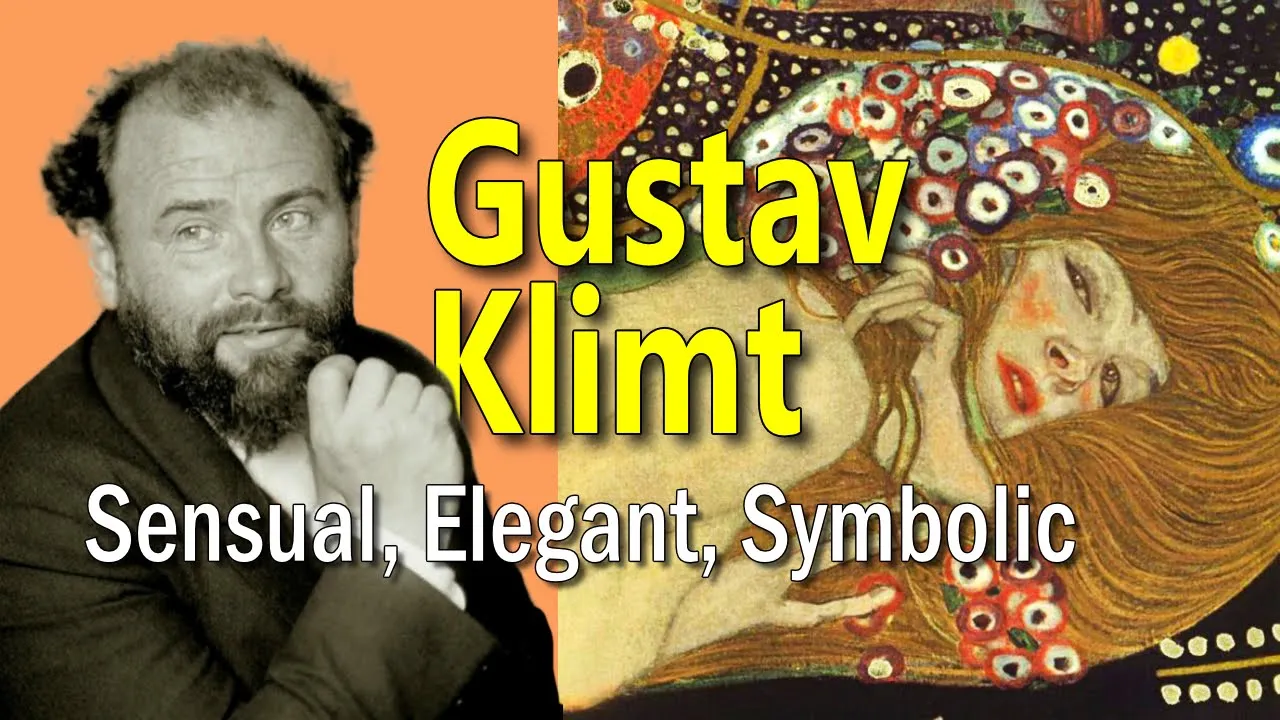
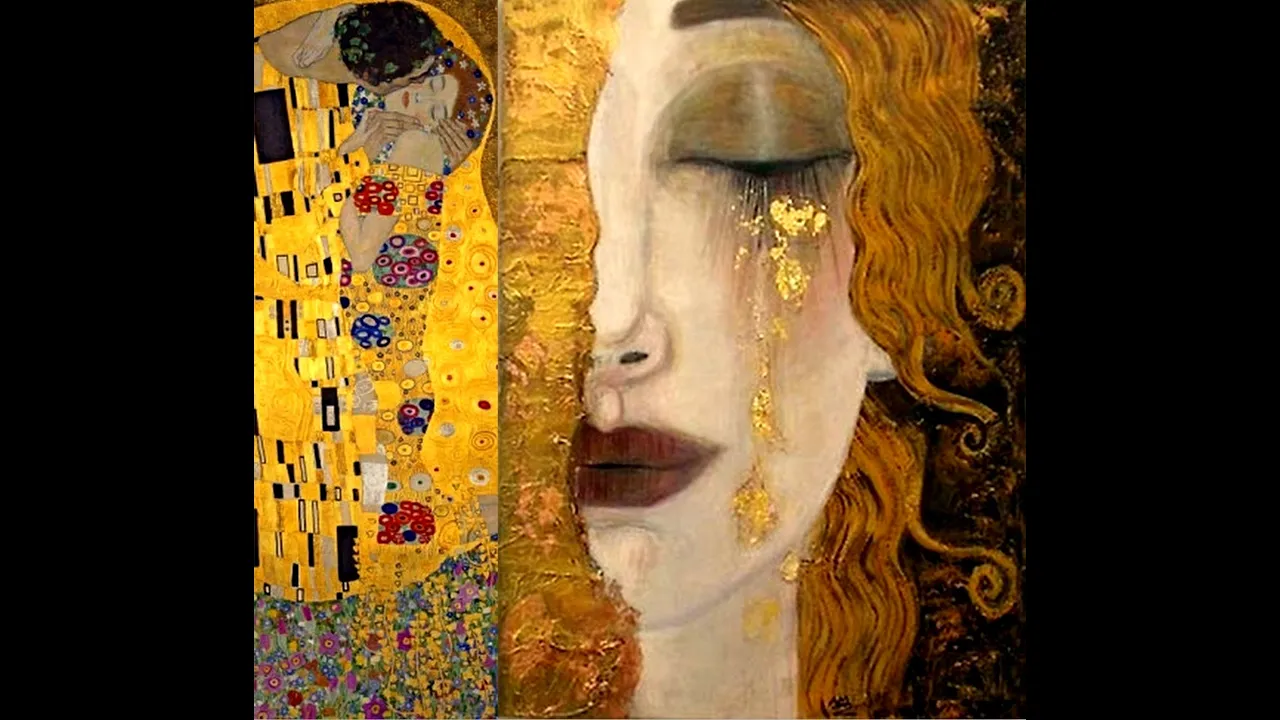
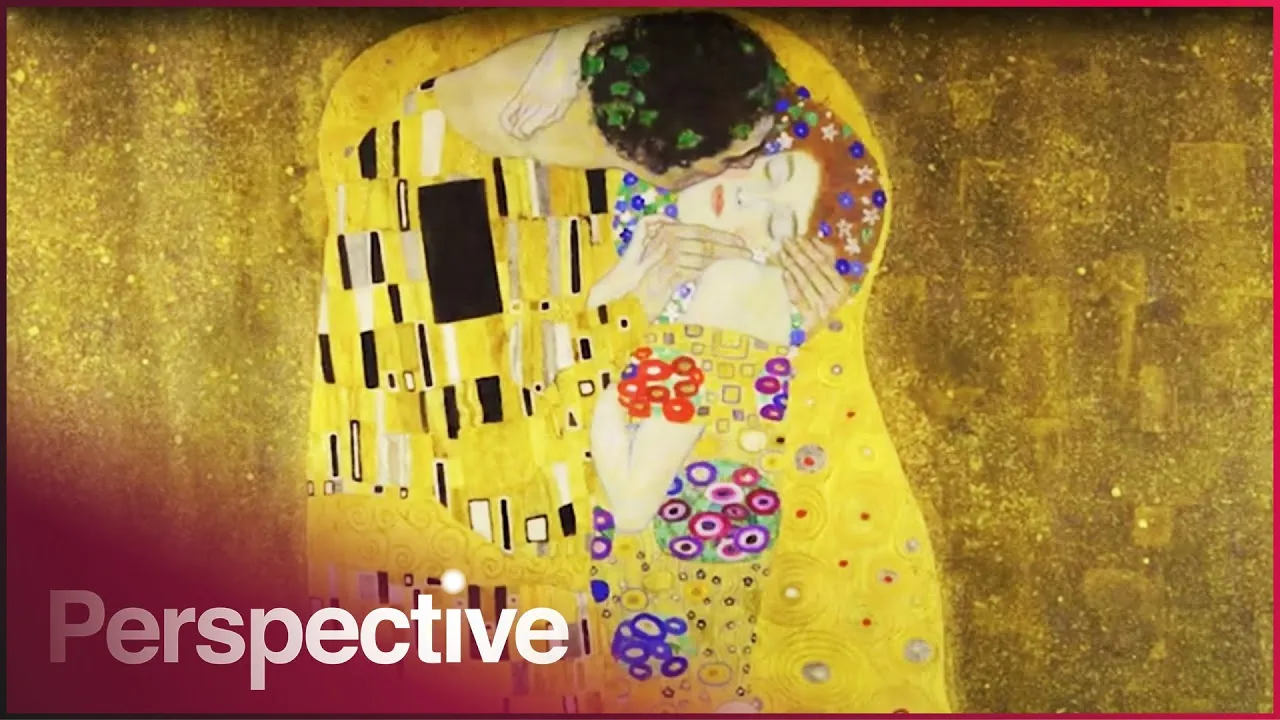
The Viennese Secession and Gustav Klimt: Knowledge of the artistic environment in Vienna around 1900, particularly Klimt's role as a mentor to Schiele and the shift from decorative symbolism to psychological expressionism.
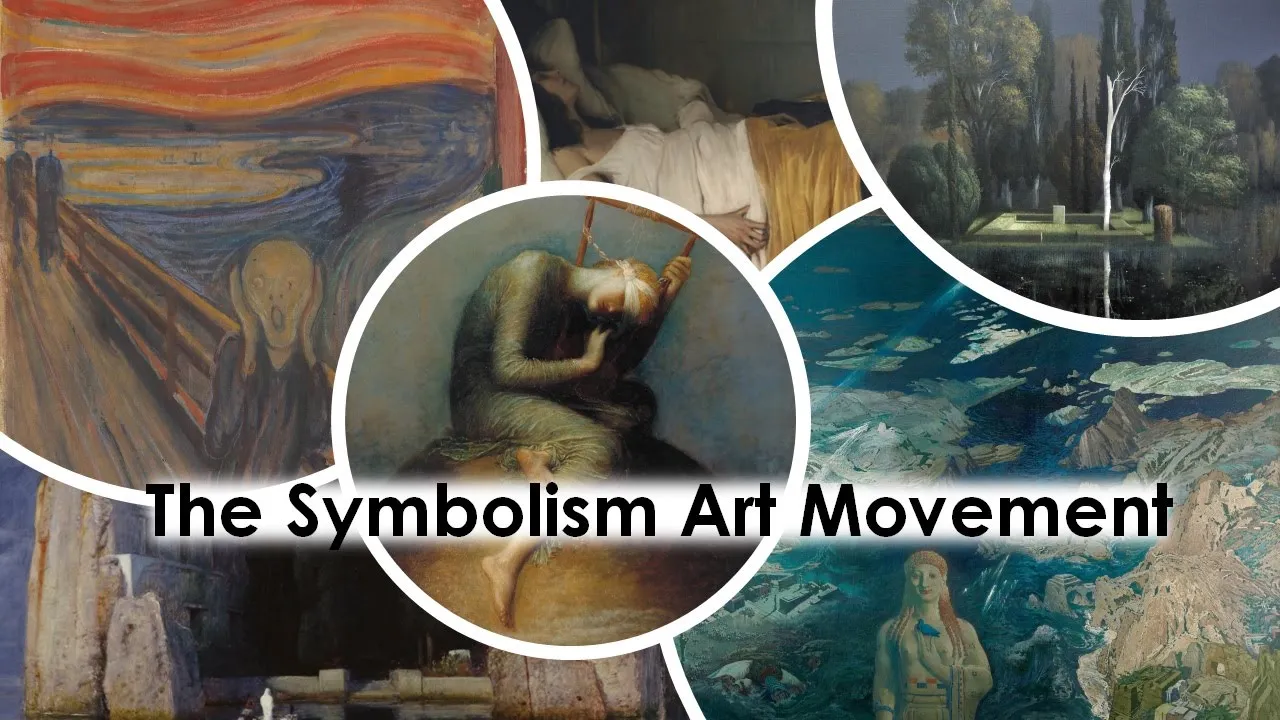
The concept of Symbolism in art: Understanding how modern artists used metaphorical imagery, color, and composition to represent abstract spiritual or psychological ideas rather than literal narratives.
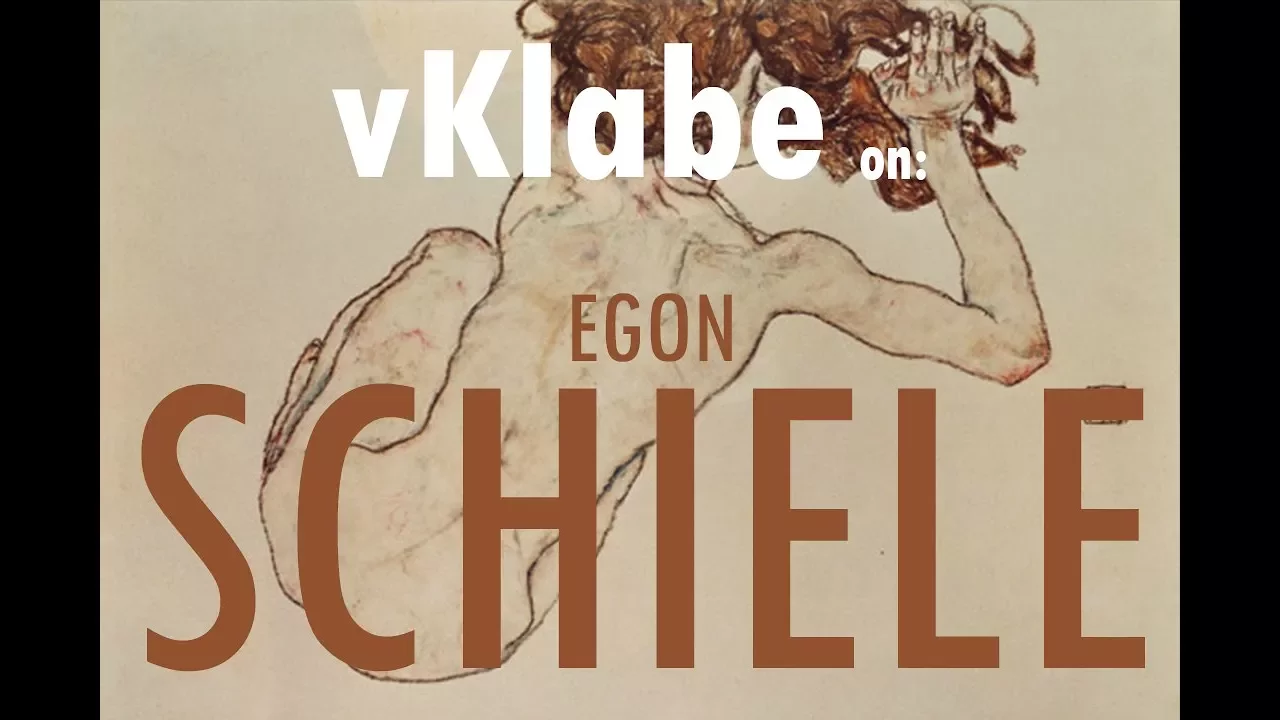
The Klimt-Schiele Relationship: A deeper comparative analysis of the dual portraiture in 'The Hermits', examining how the painting reflects Schiele's artistic debt to, and break from, his mentor Gustav Klimt.
Expressionism and Psychoanalysis: Exploring the historical intersection between Viennese Expressionist art and Sigmund Freud's pioneering theories of psychoanalysis and the subconscious mind.
Comparative Study of Austrian and German Expressionism: Contrasting the highly introspective, psychological focus of Viennese artists with the social and political critiques of German groups like Die Brücke and Der Blaue Reiter.
Influence on Figurative Art: Investigating how Schiele's raw portrayal of the human condition and existential isolation influenced mid-to-late 20th-century artists such as Francis Bacon, Lucian Freud, and the Neo-Expressionists.
25.6K views254likes3:55Original Release: 2012-04-02
(piano music playing) Steven: We're in the Leopold Museum in Vienna and we're looking at Egon Schiele's The Hermits.
It's a large, almost perfectly square canvas.
Beth: This dates from 1912 when Schiele was only 22.
He was an incredibly precocious painter.
Steven: I would say so. It's a really bleak image.
You have two figures that are so closely entwined, they almost seem to have merged.
They're on this barest reference of a ground and then in back of them, there's a kind of fractured atmosphere that almost reminds you of a stained glass window.
Beth: It's hard to call it an atmosphere because it's mostly golds and browns.
It almost evokes a medieval altar piece and from that grounds that you just referred to, sprouts two wilted, very small flowers right next to the artist's signature.
Steven: Well, that signature is interesting.
The artist has scratched his name in, not once, but three times, suggesting that there are almost three authors to this painting.
We're not sure about the identity of the two figures nor are we even sure that they're meant to be specific figures.
Beth: The figure on the left does look like Schiele, in the way that we often see him posing in photographs.
Steven: And some art historians have suggested that the figure to the right, the older bearded figure might be Gustav Klimt, but for me it's a very Christ-like figure, a very much of a kind of father figure.
Beth: The bearded figure doesn't really have eyes, so there's a way in which he looks skull-like to me and perhaps dead or sleeping.
And the eyes of the other figure are so prominent and alert.
Steven: You know, there's a long tradition of painting the blind as seers, as people who actually have a kind of extraordinary vision.
Beth: A kind of inner vision.
Steven: That's right.
Beth: This painting is certainly meant not to be naturalistic, but to rather be a kind of poetic representation of an inner vision or a summing up of Schiele's experiences.
In fact, that's how he described it in a letter.
Steven: There's a sense that he is fracturing the visual world.
Not only is the atmosphere fractured, the figures feel fractured.
Beth: It's interesting that there are two heads, only two hands and one foot and that foot is really planted in the ground or what seems to be a ground and so it seems like a root from which these two figures emerge.
Steven: It's true.
Beth: Schiele is really calling attention to the materiality of the paint.
There's a real sense of the activity of the artist here.
Steven: It's true, that culminates in a kind of agitation and becomes almost a kind of psychic state.
Beth: What we see in the early 20th century, is this interest in expressionism, right, an interest in representing those inner states and experiences and interest in anxiety and tension.
Steven: You know, it's so interesting because here we are, looking at this Austrian artist, this member of the Austrian avant-garde in the early 20th century and this moment of deep anxiety, but one who is going back to the byzantine tradition in some ways.
You could be gone by saying look at the way in which the background almost functions as a gold field.
It reminds me of byzantine icons and the way in which those medieval paintings were attempts to deal with anxiety and fear, in a sense that being brought here to the modern world, to our own modern anxieties.
Beth; The title is Hermits and so these art religious figures who've retreated into the desert or into the wilderness into some kind of private space for meditation and so there is a joining of the religious and the psychic here.
Steven: But in the early 20th century, for the group of artists that Schiele was working with, the idea of the religious could be a cultural religion.
Beth: Or the artist as prophet in the modern era.
(piano music playing)
Up Next
5:03
Klimt, Schiele, and Kokoschka: Portrayals of Women
@belvederemuseum
25.3K views•2015-11-17

18:06
The Lewis Collection: Modern Masters of the Human Figure
@sothebys
417 views•2026-06-10

10:26
Redgrave's The Sempstress: Victorian Social Realism, 1846
@smarthistory-art-history
3.2K views•2011-10-22

16:34
Earliest Depictions of Jesus in Art: 10 Ancient Images Explained
@UsefulCharts
5.9M views•2022-06-03
Related Study Plans & Knowledge Roadmaps
Structured learning paths in Art History
art-history
Vienna Secession: Rebellion, Klimt & Schiele
01Fin-de-Siècle Vienna & Academic Historicism
02The Secession Movement & Klimt's Decorative Symbolism
03Gesamtkunstwerk & the Wiener Werkstätte
+ 2 more learning modules
9h5 modules
Explore Roadmap
art-history
Gothic Cathedrals: Engineering, Light & Society
01The Birth of the Gothic: Romanesque to Suger's Vision
02The Structural Triad: Pointed Arches, Ribbed Vaults, and Flying Buttresses
03Theology of Light: Lux Nova and Sacred Geometry
+ 2 more learning modules
14h5 modules
Explore Roadmap
art-history
Pre-Raphaelites: Realism, Symbolism & Critique
01The Victorian Art Establishment and Academic Formula
02The Founding of the PRB and Radical Realism
03Medieval Revivalism and Literary Symbolism
+ 1 more learning modules
8h4 modules
Explore Roadmap
art-history
Street Art: From Subways to Art Market
01Subcultural Origins in Philadelphia and New York (1970s)
02The Subway Era and Style Wars (Late 1970s - 1980s)
03The East Village Scene and Early Gallery Crossover
+ 2 more learning modules
10h5 modules
Explore Roadmap