Vienna Secession: Rebellion, Klimt & Schiele
Learning Goal: Examine the Vienna Secession's rebellion against academic historicism, analyzing how artists like Gustav Klimt, Egon Schiele, and the Wiener Werkstätte integrated decorative symbolism, psychological expressionism, and the concept of the "Gesamtkunstwerk" (total work of art) to reflect the anxieties of fin-de-siècle Vienna.
- Prerequisites: None (A basic familiarity with 19th-century European history is helpful but not required)
- Estimated Total Study Time: 9 Hours
Module 1: Fin-de-Siècle Vienna & Academic Historicism
This module establishes the socio-cultural, political, and spatial landscape of late 19th-century Vienna. You will explore the construction of the grand Ringstraße boulevard under Emperor Franz Joseph I and examine the rigid, formulaic standards of Academic Historicism that dominated the official art world. Crucially, you will study the theatrical, opulent style of Hans Makart (the Makartstil), which served as both the pinnacle of Imperial taste and the primary catalyst for the Secessionist rebellion.
Recommended Videos
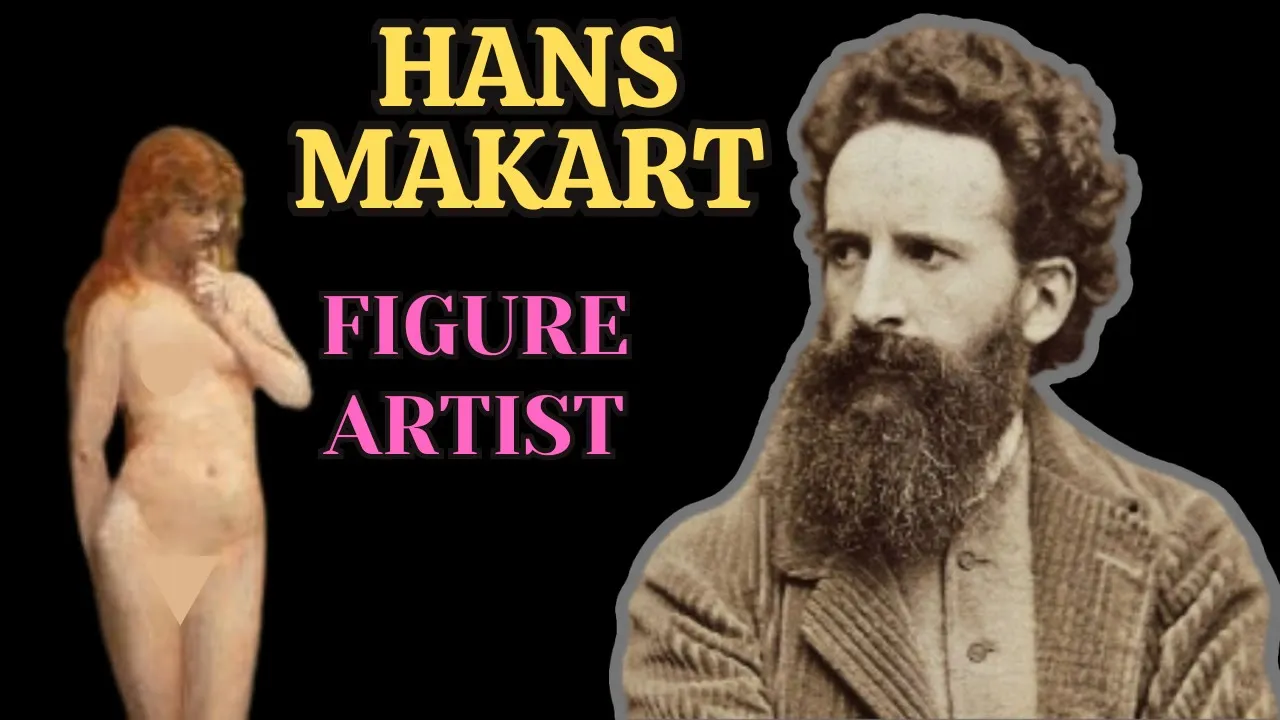
- Why this video: This video directly addresses a critical gap in traditional curriculum coverages: the specific style of Hans Makart. It breaks down how the Makartstil prioritized monumental, decorative, and sensory opulence over intellectual depth, showing how Makart defined the high-bourgeois taste of the Ringstraße era that the Secessionists later sought to dismantle.

- Why this video: To understand a rebellion, you must understand the establishment. This lecture from Yale University outlines the rigorous, formulaic training of the 19th-century Academic art system, demonstrating how state-sanctioned institutions controlled artistic production, subject matter, and exhibition spaces.
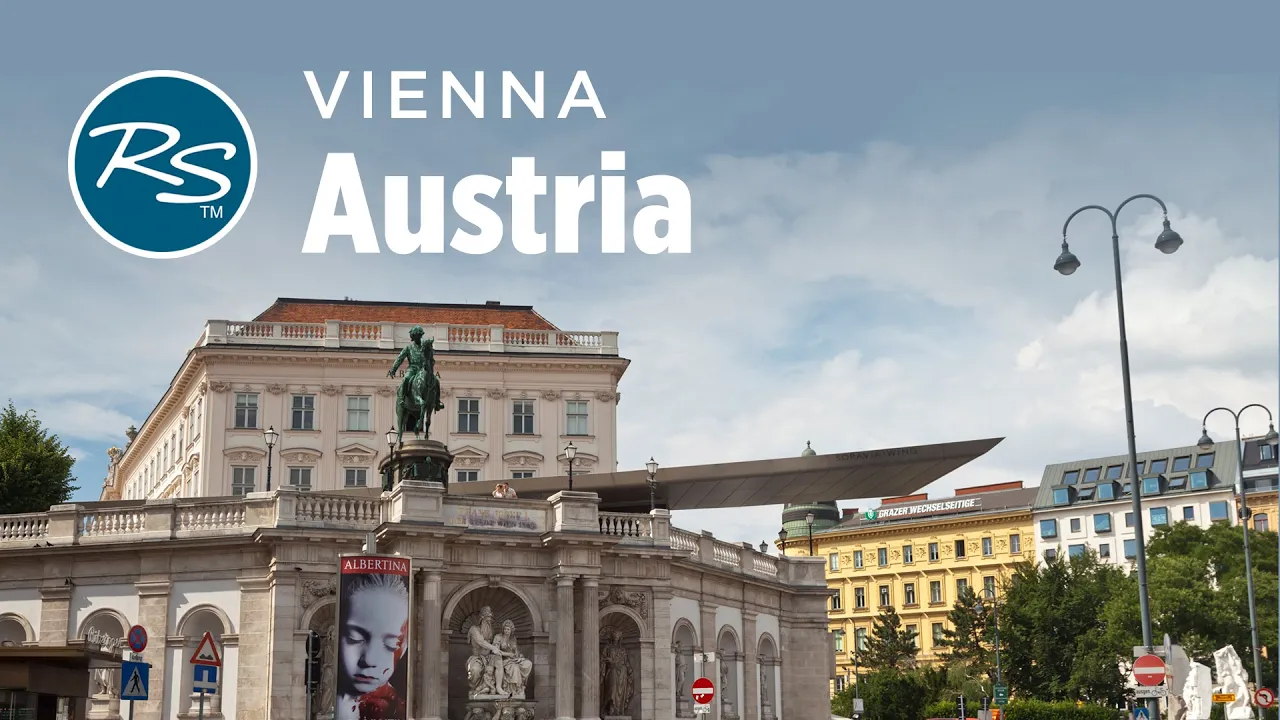
- Why this video: This visual guide details the construction of the Ringstraße, the monumental circular boulevard that replaced Vienna's medieval city walls in the 1860s. It illustrates how the architecture of the boulevard served as a physical manifestation of the Habsburg Empire’s historicist illusions.
Knowledge Checkpoint
- Explain how the demolition of Vienna's medieval city walls led to the creation of the Ringstraße and why its architecture is described as "historicist."
- Define the Makartstil and describe how Hans Makart utilized color, staging, and theatricality to satisfy the tastes of the Viennese elite.
- Contrast the objectives of State-sanctioned Academic art (which favored moralizing, formulaic historicism) with the budding desire for individual expression.
Module 2: The Secession Movement & Klimt's Decorative Symbolism
This module covers the historic break of 1897 when Gustav Klimt and 19 other avant-garde artists resigned from the conservative Association of Austrian Artists to found the Vienna Secession. You will study the construction of their radical exhibition hall (the Secession Building) and analyze Gustav Klimt's transition from an acclaimed academic muralist to a gold-leaf-infused symbolist who integrated Byzantine mosaic influences, flat patterns, and allegorical erotics.
Recommended Videos
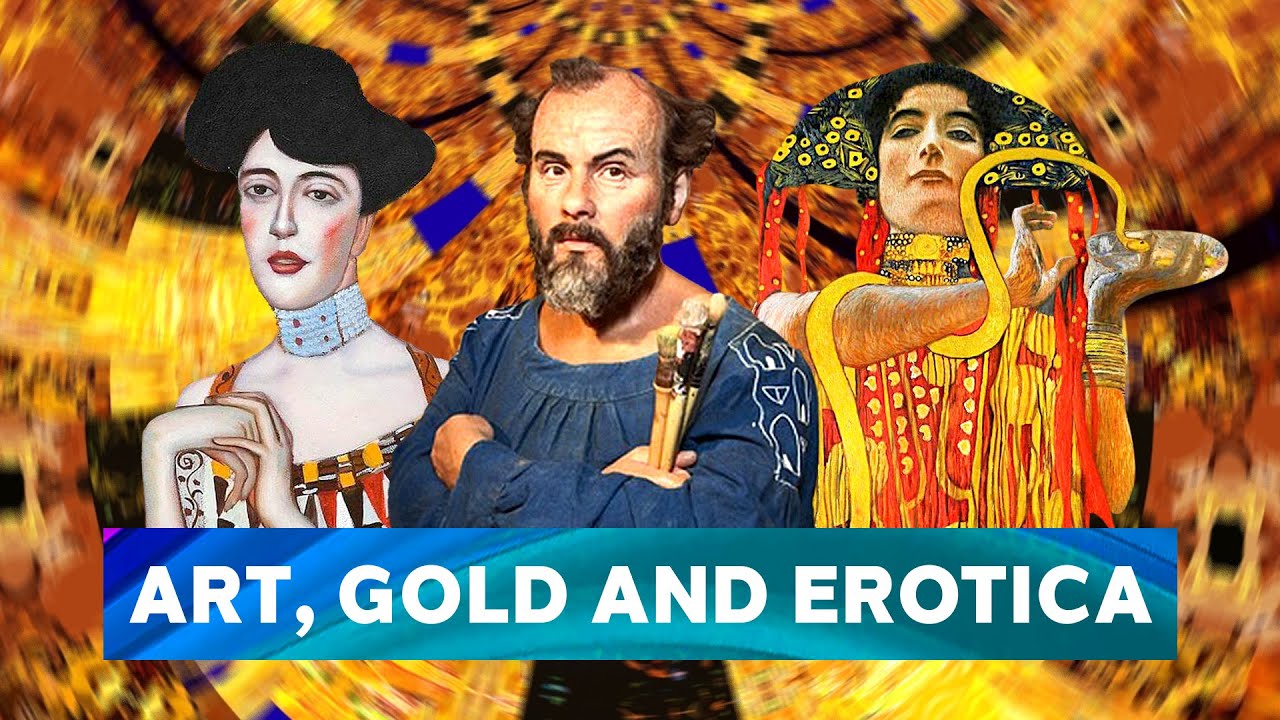
- Why this video: This is a comprehensive, highly focused visual overview of the Secession’s founding years (1897–1905). It explores the movement's motto ("To every age its art, to every art its freedom") and tracks Klimt's thematic fascination with the femme fatale, mythological allegory, and ornamental gilding.

- Why this video: The Beethoven Frieze (1902) is a cornerstone of the Secession's legacy. This analytical breakdown explains how Klimt translated Ludwig van Beethoven’s Ninth Symphony into a massive visual narrative of human suffering, hostile forces, and the redeeming power of art and poetry.
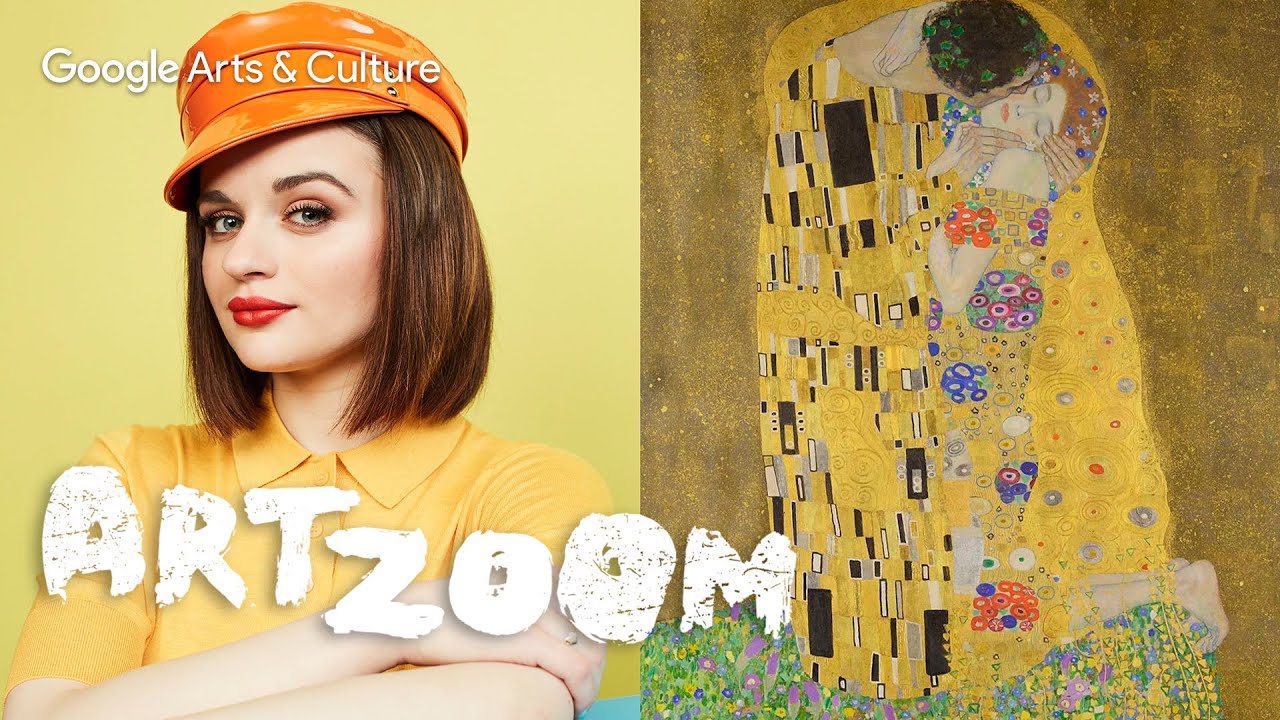
- Why this video: Utilizing ultra-high-resolution gigapixel zooming, this video allows you to study the micro-details of Klimt's masterpiece, The Kiss (1907–1908). It analyzes how Klimt used contrasting geometric patterns (masculine rectangles and feminine spirals) alongside real gold leaf to elevate physical intimacy into a spiritual, abstract plane.
Knowledge Checkpoint
- Identify the architectural features and the symbolic motto of the Vienna Secession Building designed by Joseph Maria Olbrich.
- Explain how Gustav Klimt’s exposure to Byzantine mosaics in Ravenna, Italy, influenced his "Golden Phase" style.
- Analyze the narrative arc of the Beethoven Frieze and how it embodies the Secession's mission to merge different art forms.
Module 3: Gesamtkunstwerk & the Wiener Werkstätte
Here, you will explore the conceptual core of Secessionist design: the Gesamtkunstwerk (total work of art). This module covers how the Secession sought to erase the boundary between "high art" (painting/sculpture) and "low art" (crafts/utility). You will examine the establishment of the Wiener Werkstätte (Vienna Workshops) in 1903 by Josef Hoffmann and Koloman Moser, studying their geometric design principles and their absolute masterpiece: the Palais Stoclet in Brussels.
Recommended Videos

- Why this video: This essential, long-form documentary provides an exhaustive look at Josef Hoffmann and the founding of the Wiener Werkstätte. It demonstrates Hoffmann and Koloman Moser's radical grid systems, their obsession with strict quality control, and how their functional designs laid the groundwork for modern industrial design.
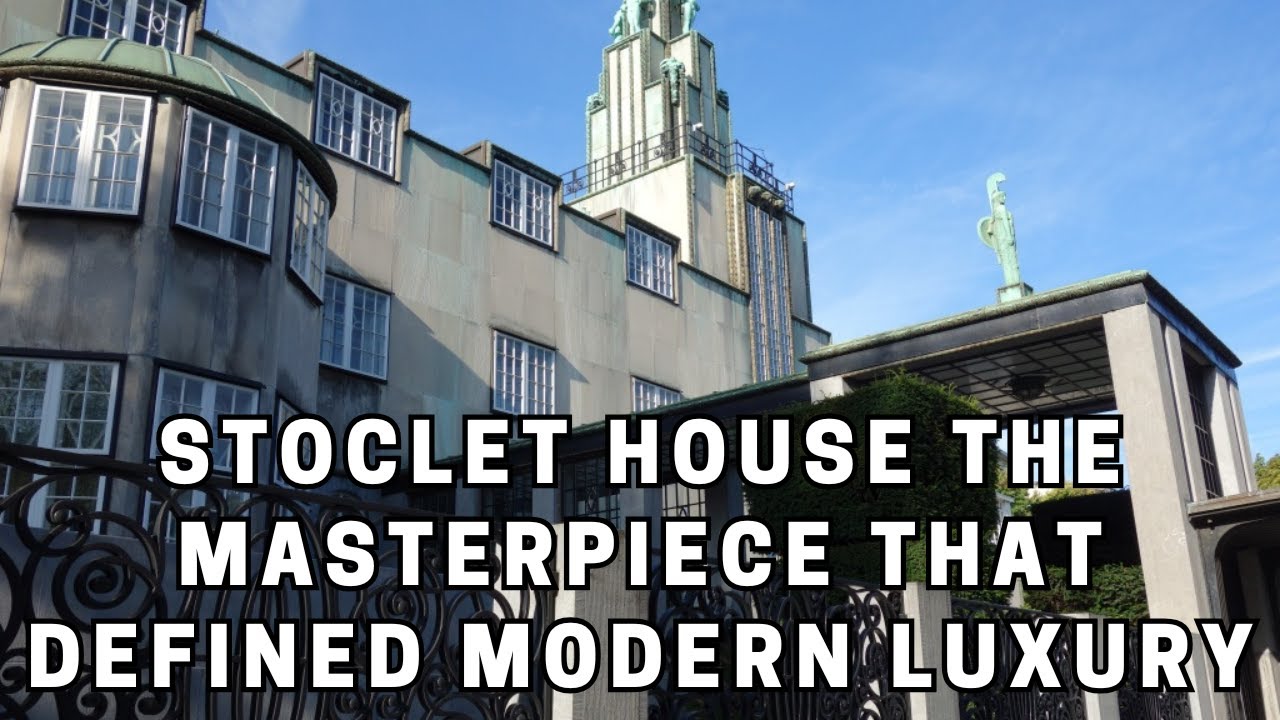
- Why this video: The Palais Stoclet is the ultimate realization of the Gesamtkunstwerk concept. This video profiles how Josef Hoffmann (architecture and exterior), Gustav Klimt (interior dining room mosaics), and the Wiener Werkstätte artisans unified their crafts to build a seamless, luxurious environment where every doorknob, spoon, and garden path coexisted in aesthetic harmony.
- Why this video: This lecture places the Wiener Werkstätte in an international context. It links the Scottish influence of Charles Rennie Mackintosh (whose work was exhibited at the 1900 Secession exhibition) to the geometric evolution of Hoffmann and Moser's workshops.
Knowledge Checkpoint
- Define Gesamtkunstwerk and explain how it sought to reform the relationship between the fine arts and everyday functional design.
- Identify the main design principles of Josef Hoffmann and Koloman Moser, paying specific attention to their use of rectilinear shapes, black-and-white grids, and hand-crafted materials.
- Describe how the Palais Stoclet in Brussels represents a "total work of art," citing specific contributions from Hoffmann and Klimt.
Module 4: Egon Schiele & Psychological Expressionism
This module transitions from the decorative, ornamental modernism of Klimt to the raw, visceral, and emotionally charged Expressionism of his protégé, Egon Schiele. By examining Schiele's distorted anatomical lines, stark negative spaces, and unflinching self-portraits, you will study how he used the human body as an active canvas to expose inner psychological turmoil, existential isolation, and the dualities of sex and death (Eros and Thanatos).
Recommended Videos
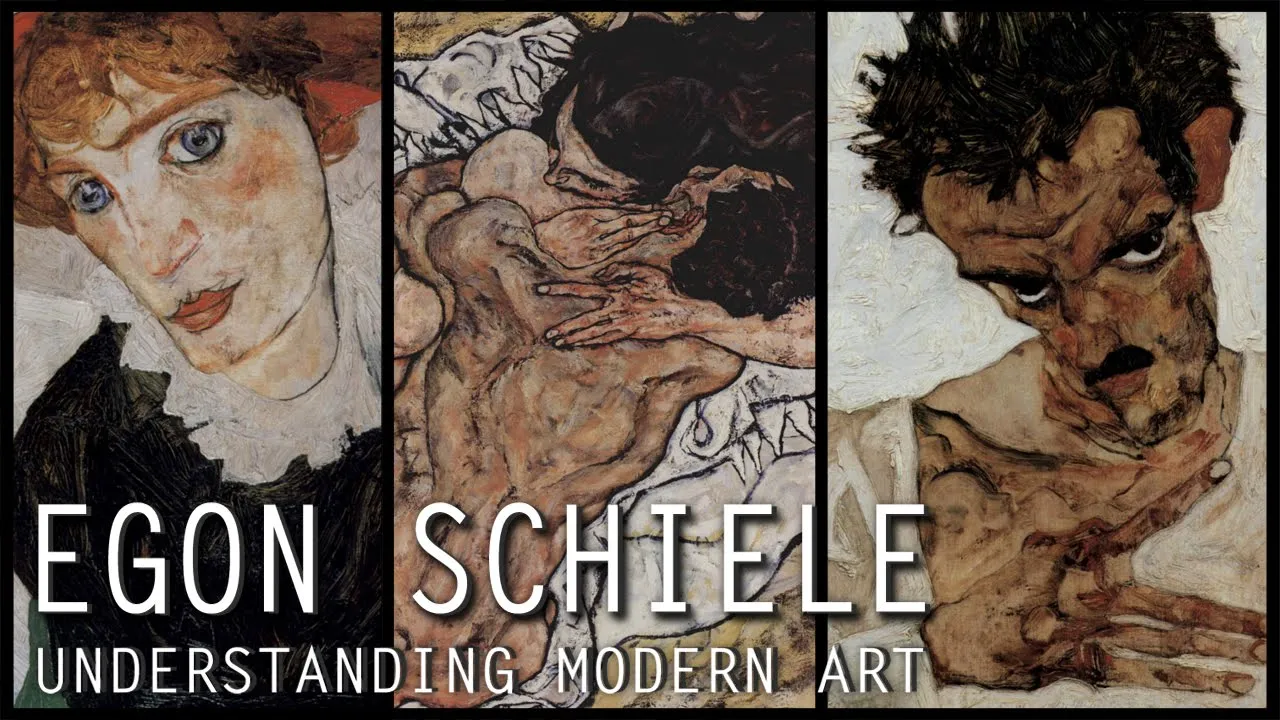
- Why this video: An exceptionally thorough art-historical documentary that tracks Schiele's short but prolific life. It deep-dives into his use of exaggerated, skeletal body contours, contorted hands, and saturated skin discoloration to capture the raw existential anxieties of his generation.

- Why this video: This video focuses on Schiele’s monumental 1912 painting The Hermits. Art historians analyze its crumpled, fractured forms, its dark, shimmering gold-brown background, and how the dual figures (representing Schiele and his mentor Klimt) symbolize the isolation and prophetic burdens of the modern artist.

- Why this video: This concise comparison explicitly contrasts Klimt’s aesthetic of surface refinement and romanticized idealization with Schiele's raw, unfiltered, and angular confrontation with human vulnerability.
- Why this video: Filmed inside Vienna's Belvedere Museum, this curator-led video explores how Schiele rejected the decorative "shielding" of Klimt's patterns in order to lay bare the raw psychological undercurrents of the female subject, capturing intimacy in its most vulnerable states.
Knowledge Checkpoint
- How did Egon Schiele's line work differ from Gustav Klimt's? Contrast Schiele's jagged, expressive contours with Klimt's fluid, decorative borders.
- Explain the symbolic meaning behind the twin figures in Schiele's The Hermits.
- Analyze how Schiele uses negative space and isolated bodies to convey psychological anxiety and alienation.
Module 5: Anxiety, Freud, and the Fall of the Empire
This final module synthesizes the visual arts of the Vienna Secession with the broader intellectual and political crises of fin-de-siècle Austria. You will map the radical artistic developments of Klimt and Schiele onto the groundbreaking psychoanalytic discoveries of Sigmund Freud, who was active in Vienna at the exact same time. Finally, you will study how this creative eruption functioned as a "dancing on a volcano"—a spectacular cultural climax occurring on the brink of the catastrophic collapse of the Austro-Hungarian Empire in World War I.
Recommended Videos
- Why this video: This superb, comprehensive academic lecture connects the dots of late imperial Vienna. Dr. David Perkins masterfully weaves together the political stagnation of the Habsburg Dynasty, Sigmund Freud's clinical investigations into dreams, and the anxious, progressive arts of the Secession.
- Why this video: This segment details the publishing of Freud's The Interpretation of Dreams (1900). It highlights the profound hypocrisy of Vienna’s dual moral standards—the rigid outer decorum of the imperial court versus the inner, repressed sexual and psychological urges that both Freud and the Secessionist artists sought to expose.

- Why this video: Focusing on the musical and cultural explosion in Vienna before the outbreak of World War I, this video highlights how artists, composers (like Arnold Schoenberg), and writers sensed the impending doom of their empire, transforming political instability into a radical modernism.
Knowledge Checkpoint
- Draw a parallel between Sigmund Freud’s concept of the "unconscious mind" and the subject matter of Egon Schiele's paintings.
- Describe the "double moral standard" of Viennese society around 1900 and how the Secessionists challenged it.
- Explain the metaphor of Vienna "dancing on a volcano" in the years leading up to 1914.
Course Map
Key People Index
- Hans Makart (1840–1884): The undisputed superstar painter of Ringstraße historicism. He pioneered the Makartstil, characterized by massive, richly colored academic allegories, theatrical staging, and sensory overabundance.
- Gustav Klimt (1862–1918): Co-founder and first president of the Vienna Secession. He bridged academic mastery with avant-garde symbolism, renowned for his use of real gold leaf, complex mosaics, and erotic representations of the female form.
- Josef Hoffmann (1870–1956): Radical modernist architect and designer. Co-founder of the Wiener Werkstätte, pioneer of the geometric block style, and architect of the Palais Stoclet.
- Koloman Moser (1868–1918): Versatile artist, graphic designer, and co-founder of the Wiener Werkstätte. His flat, geometric, and functional decorative styles greatly influenced 20th-century graphic and product design.
- Egon Schiele (1890–1918): Protégé of Klimt and pioneer of Austrian Expressionism. Known for his raw, angular anatomical drawings, tortured self-portraits, and explicit explorations of psychological vulnerability.
- Sigmund Freud (1856–1939): Viennese neurologist and father of psychoanalysis. His theories regarding the unconscious, repression, dreams, and sexual drives (Eros and Thanatos) directly mirrored the thematic shifts seen in Secessionist art.
Final Self-Assessment
Perform a self-directed review. You should be able to confidently check off each of the following:
- Explain how the Ringstraße symbolized the socio-political illusions of the Austro-Hungarian elite and why the Secessionists rebelled against its historicism.
- Detail the visual features of the Makartstil and explain why Klimt and his contemporaries found it intellectually hollow.
- Identify the founding year of the Vienna Secession (1897) and explain the conceptual goals of its founders.
- Analyze the narrative and allegorical symbols used in Gustav Klimt's Beethoven Frieze.
- Trace the evolution of Klimt’s style from academic historicism to the flat, glittering surfaces of his Golden Phase.
- Define Gesamtkunstwerk and give a detailed architectural and decorative example using the Palais Stoclet.
- Explain how the Wiener Werkstätte changed the public perception of functional crafts and industrial designs.
- Contrast the decorative, symbolic, and idealized paintings of Klimt with the raw, skeletal, and emotional Expressionism of Egon Schiele.
- Connect Egon Schiele's paintings to Sigmund Freud's psychoanalytic theories regarding repression and the subconscious mind.
- Summarize how the political decay and eventual collapse of the Austro-Hungarian Empire impacted the psychological tone of the final years of the Vienna Secession.