
![👩🎨[#아트인사이드] 국립중앙박물관《비엔나 1900, 꿈꾸는 예술가들》 | EP.91](https://i.ytimg.com/vi_webp/YsIe7_zLUqI/maxresdefault.webp)









![논란 많은 예술가가 오스트리아 빈에 많은 이유 [아트 앤 더 시티_빈 2부] f.세종사이버대학교 전원경 교수](https://i.ytimg.com/vi_webp/Q46BpR0l71g/maxresdefault.webp)

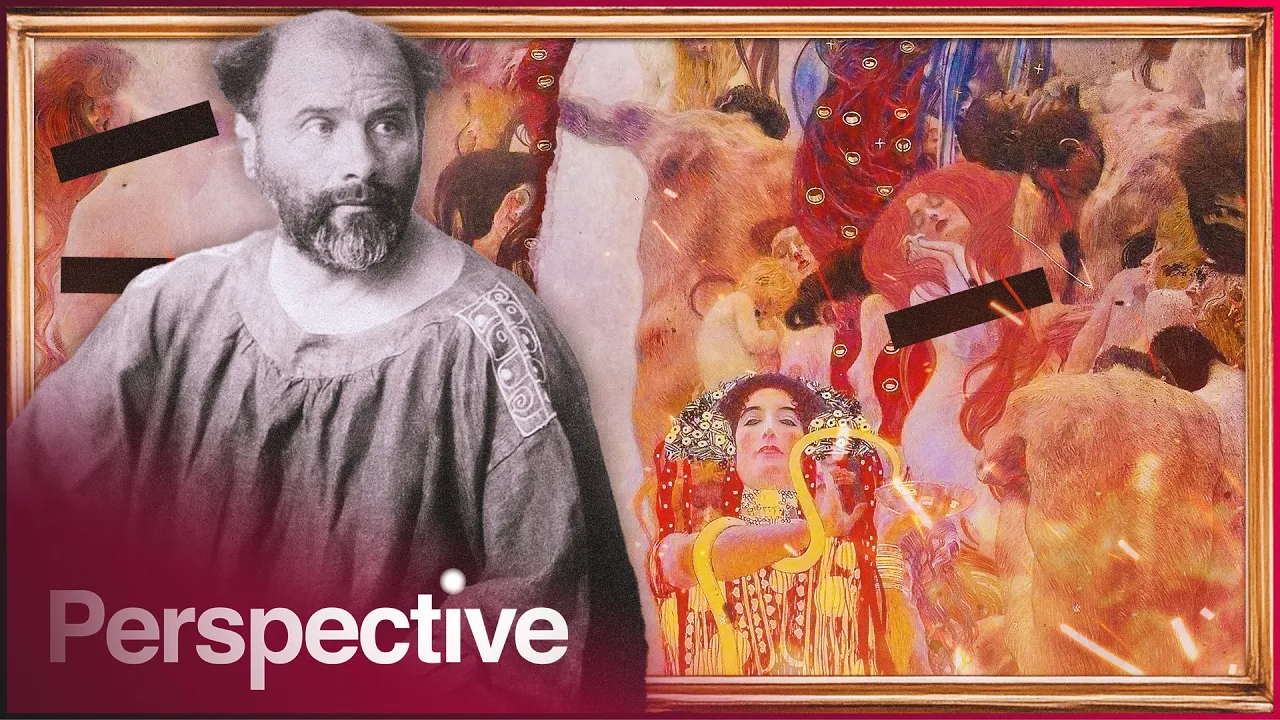


The Vienna Secession (1897-1905) was an influential Austrian artistic movement founded by Gustav Klimt and artists like Josef Hoffmann and Koloman Moser, which rejected traditional historicism and sought to create a Gesamkunstwerk (total work of art) integrating painting, architecture, furniture, and decorative arts; the movement promoted the idea that art should be part of everyday life, as exemplified by the iconic Secession Building designed by Joseph Maria Albrecht and Klimt's famous golden paintings like 'The Kiss' that combined erotic symbolism with Byzantine-inspired gilded ornamentation.
The Vienna Secession Explained: Art, Architecture, and Klimt
Added:The dominance of Academic Art and Historicism in late 19th-century Europe, particularly the conservative exhibition standards of the Viennese Künstlerhaus.
The socio-cultural atmosphere of 'fin-de-siècle' Vienna, marked by rapid modernization, intellectual ferment, and the decline of the Austro-Hungarian Empire.
The core tenets of the Art Nouveau (or Jugendstil) movement, specifically its emphasis on decorative arts and organic, flowing lines.
The philosophical concept of the 'Gesamtkunstwerk' (Total Work of Art), which advocates for the synthesis of all art forms into a cohesive whole.
The transition from the decorative Secessionist style to Austrian Expressionism, analyzing the raw, psychological works of Egon Schiele and Oskar Kokoschka.
The founding, production, and lasting legacy of the Wiener Werkstätte (Vienna Workshops) in the realm of applied arts and modern furniture design.
The architectural achievements of Otto Wagner, Josef Maria Olbrich, and Josef Hoffmann, and how they laid the groundwork for Modernism.
An in-depth analysis of Gustav Klimt's 'Golden Phase,' exploring his Byzantine mosaic influences, patronage, and the symbolism of his major allegorical works.
52.4K views1.8Klikes8:49Original Release: 2022-05-11
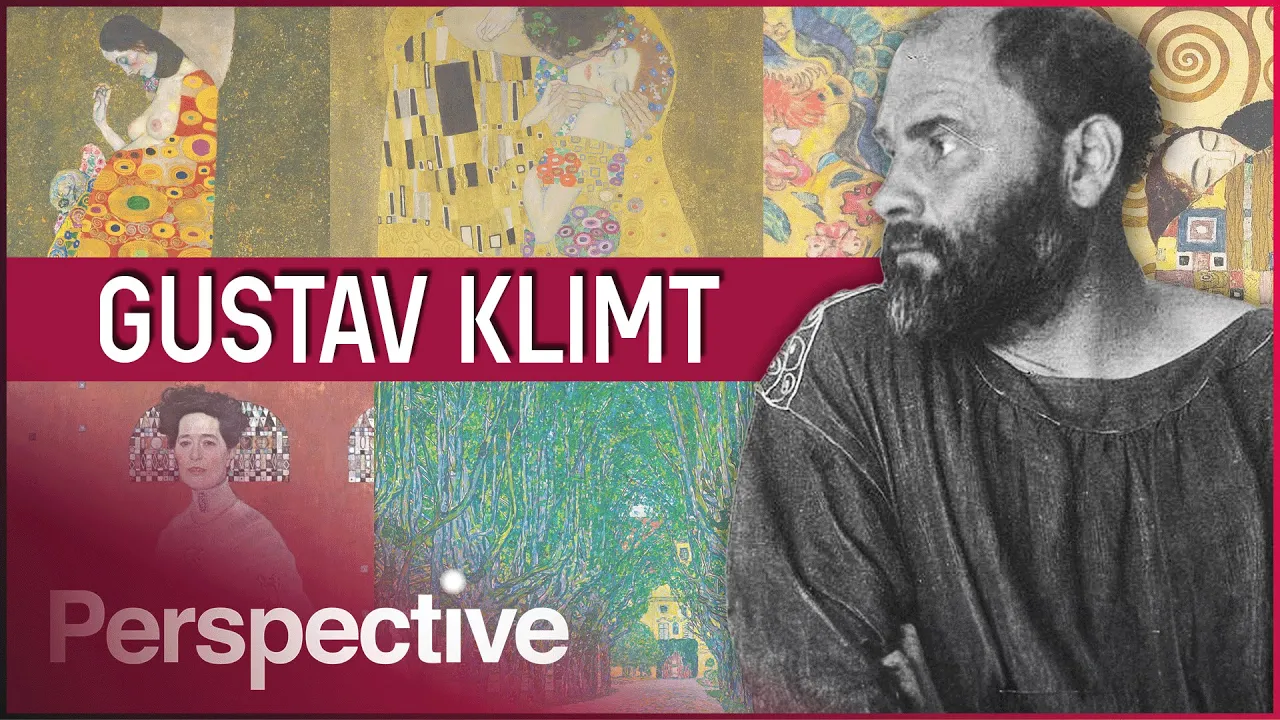
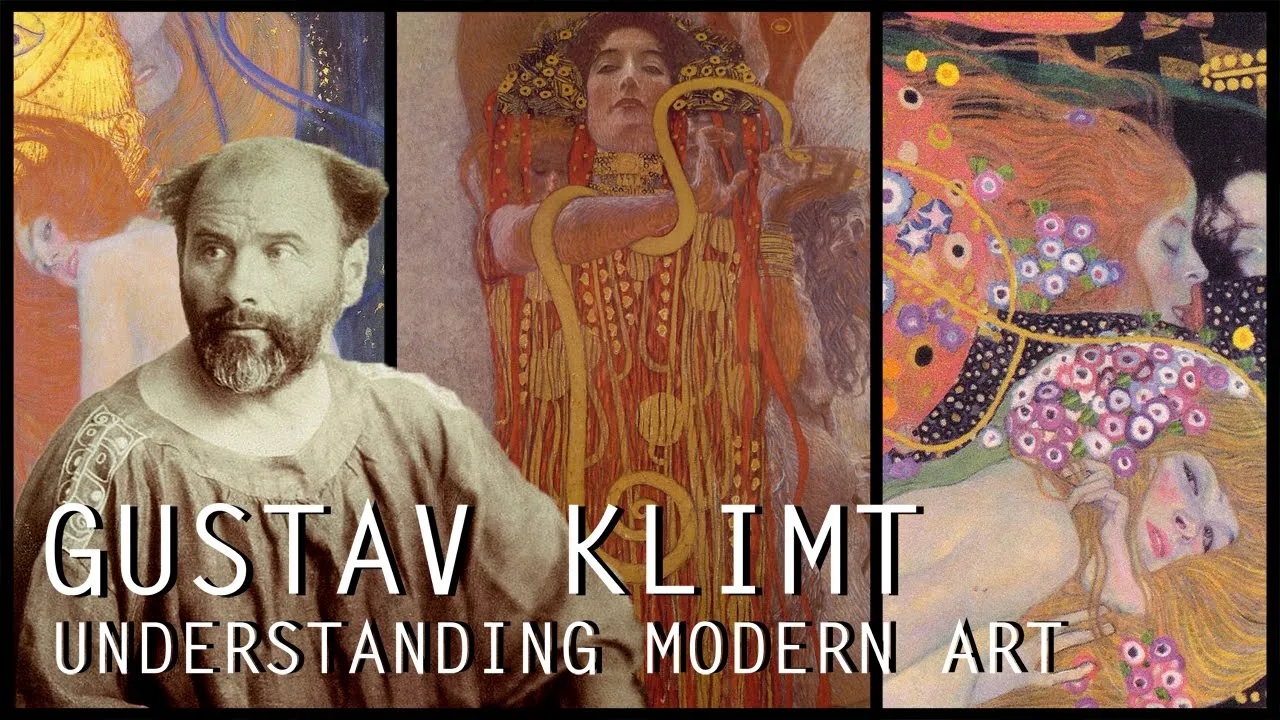
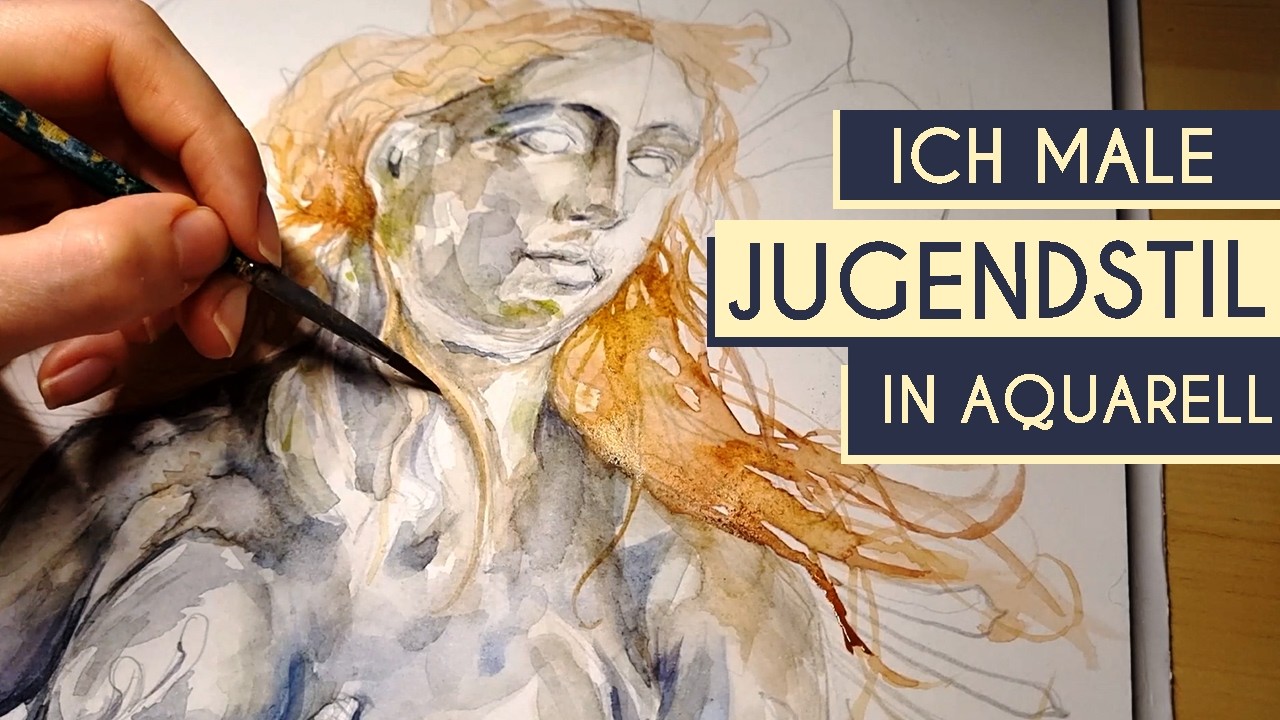
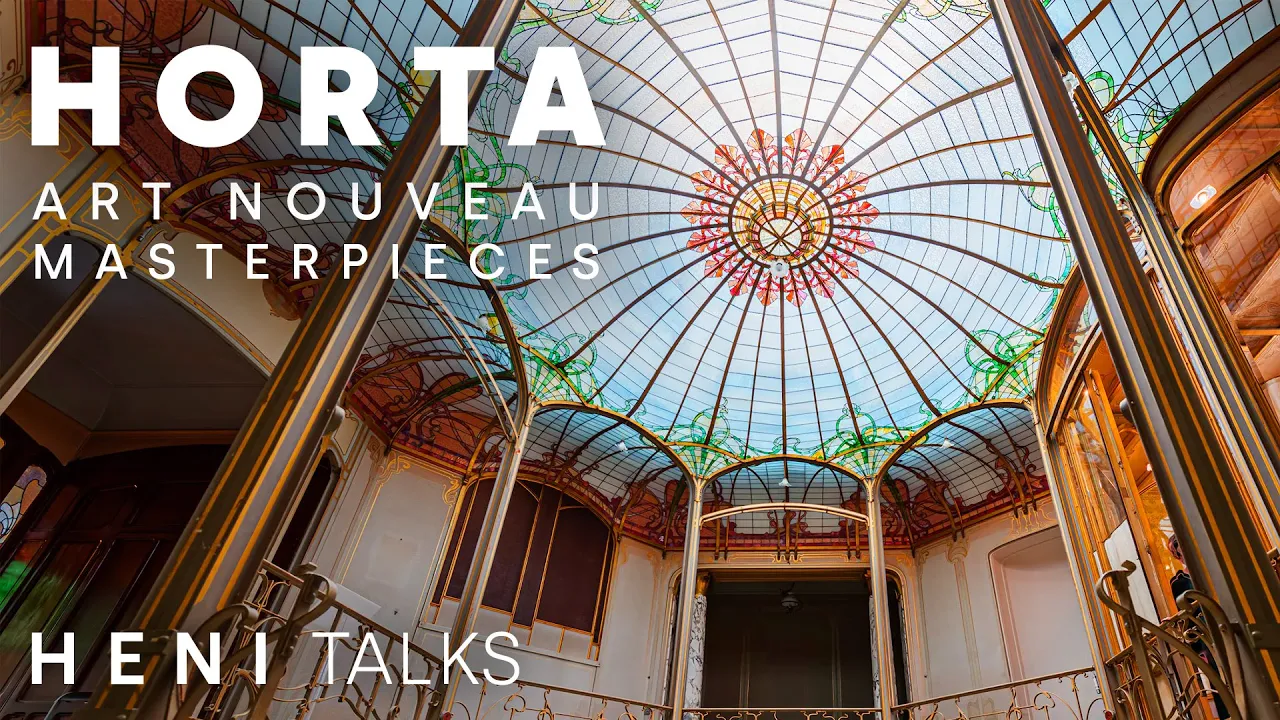
[Music] when people hear the words vienna succession they usually think of gustav klimt and his famous paintings but there is much more to this artistic movement it brought innovations to austrian architecture graphic arts and furniture design grab a seat in the curious news time machine and let's travel back to the end of the 19th century if you'd like to see more episodes on art on this channel be sure to give us a like and tell us which topics you want to learn about next in 1897 a new artistic group was formed in vienna its founding members included joseph maria albrecht joseph hoffman and coliman moser among others while the famous gustav klimt was named the group's president and the vienna secession was born these artists designers and architects wanted to bring new artistic trends to austria for inspiration they turned to western europe they looked at the art made by the french impressionists the german eugen steel artists and the english pre-raphaelites the artists of the vienna secession revolted against tradition and conservative ideas on art they fiercely rejected historicism and they wanted to discover and represent the ideas of a new modern man in the words of another secession member the architect otto wagner these artists aimed to show the modern man his true face the vienna secessionists believed that art should be everywhere so they aimed to create something called gesamkunstwerk or a total work of art that included every aspect of one's life so not just painting but architecture furniture fabrics ceramics and glassware too the members of the vienna secession also founded a magazine called their sacrum meaning sacred spring writers poets and designers were all featured in the magazine for the first issue of their sacrum klimt created a drawing named nuda veritas or the naked truth in nuda veritas the artist showed a woman holding up a mirror to the modern man the magazine always aimed to promote the rebirth of the artistic scene in vienna the group also became known for their exhibitions that were entirely dedicated to the art of the movement until 1905 23 secession exhibitions were held in total for the first vienna succession exhibition klimt created a poster showing the myth of theseus the austrian artist often used mythology and classical symbols as an inspiration for his works of art all of the secession exhibitions were held at the famous secession building the architect joseph maria albrecht designed the secession's main building that looks just like a temple this way art is presented as important as religion this mesmerizing building has huge white walls no windows and a fascinating jewel on the roof a sphere made out of big golden leaves that is also referred to as the golden cabbage the philosophy of the movement is inscribed on the building itself their site is meaning to each age its art to art its freedom inside the secession building lies clinched beethoven freeze from 1901 that has many ornaments golden details mythical monsters with snakes for hair and figures that represent death evil and grief or on a lighter note poetry and love especially in the detail known as this kiss to the whole world the peace celebrated beethoven and his famous ninth symphony and friedrich schiller's ode to joy [Music] beethoven was seen as a misunderstood genius artist which the secession artist liked to identify with and the secession's 14th exhibition was entirely devoted to the famous german composer like in this freeze the women klimt painted often had long hair and looked almost like mythical beings and mermaids erotic and sensual they represented the femme fatale that were dangerous to men like judith or salome klimt was representing the anxieties of modern men in a new world where gender relations were starting to change more and more another architect affiliated with the movement otto wagner designed buildings in the secession style one of his famous works is known as the myolica house the gorgeous building has a facade entirely filled with colourful tiles with floral motifs designed by alois ludwig during the time that was also known as the founder siekler or the end of the century austria got its very own form of art nouveau in the vienna secession just like art nouveau the vienna secession architectural style featured curvy lines floral motifs and organic ornamental designs wagner also designed an entrance to a train station known as karlsplatz stadbarn station golden floral and geometrical motifs resemble those seen in the architecture of art nouveau now that was a stylish way to use the subway today the eastern pavilion functions as a cafe and the western pavilion as an exhibition space the 18th exhibition of the vienna succession was dedicated entirely to the works of gustav klimt this was klimt's first solo exhibition klimt whose father was an engraver entered the school of arts and crafts at the age of 14.
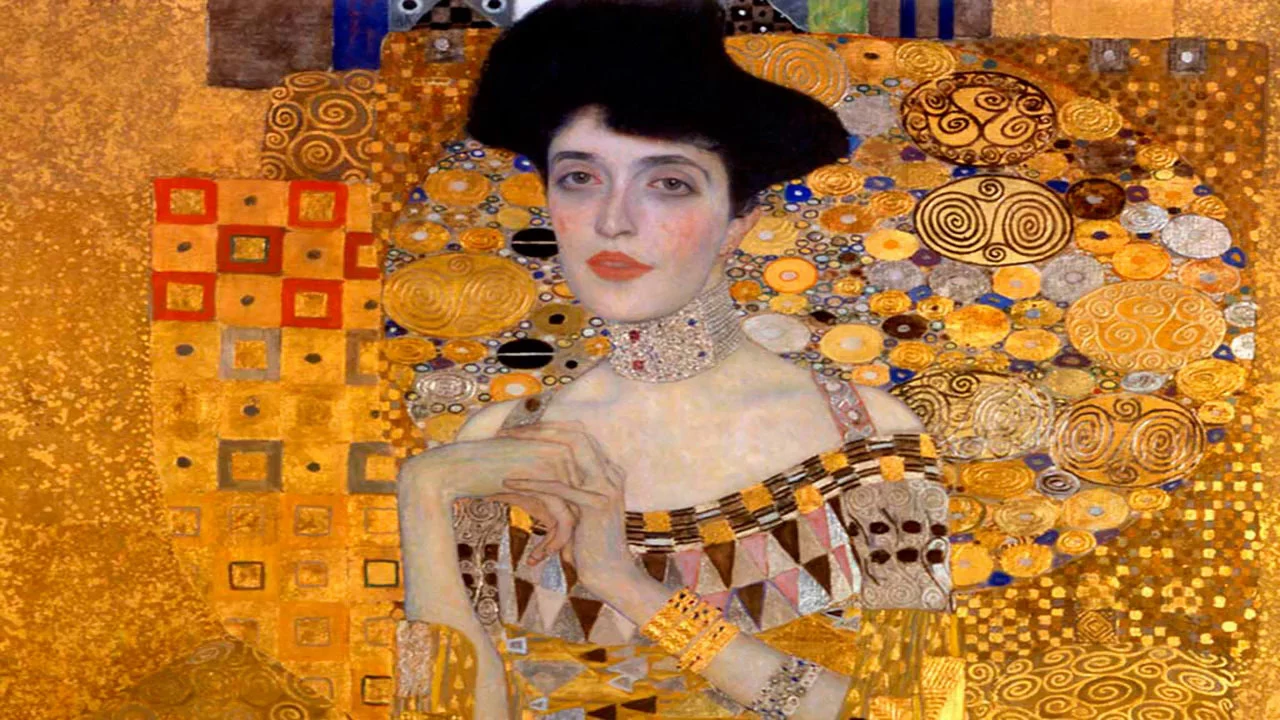
in his early works the artists showed a great talent for historical painting and he painted the interiors of important buildings like the bird theater klimt even sneaked in an image of himself as a member of the audience here klimt's best known work is most definitely a painting called the kiss and you've probably seen it a million times before on posters t-shirts or mugs while the painting was made in 1908 after klimt left the secession group the work still features a number of its core characteristics the loving pair in the painting even resembles the one we see embracing in klimt's beethoven freeze in the secession building a bit klimt used real gold and real silver in this work and the ornamental design took center stage the kiss represents the crown jewel of klimt's golden phase which was influenced by his visit to ravenna and the golden mosaics he saw in the san vitale church while there in 1903 hoffman and moser formed the vienna workshops an association dedicated to creating utilitarian objects and crafts and two years later in 1905 klimt left the secession group the secession continued to exist but its impact grew smaller today however the vienna succession represents one of the most important eras of austrian modern art tourists and art lovers enjoy visiting the secession building while pretty much everyone loves to look for klimt's alluring artworks in museums [Music] vienna secession aimed to show that art could and should be part of one's everyday life looking at all these artworks of different kinds can help us get a glimpse of what it was like to live in end of the century vienna so what do you think about the vienna succession do you like klimt's art how do you feel about his femme fatale what about vienna's modernist architecture that we saw here let us know in the comments below and don't forget to subscribe to us on youtube and instagram for your regular dose of culture from curious muse if you'd like to support us you can now do so by joining our channel your membership means we can keep this project running and continue to share knowledge with more curious muses thank you for your help [Music] you
Up Next
13:03
Gustav Klimt's Beethoven Frieze: Art Analysis & Symbolism in 1902
@brittanybroski
491.2K views•2020-09-14

18:06
The Lewis Collection: Modern Masters of the Human Figure
@sothebys
417 views•2026-06-10

8:13
Dadaism Explained: The Birth of Anti-Art and Its Enduring Influence
@CuriousMuse
473.3K views•2021-05-07

16:34
Earliest Depictions of Jesus in Art: 10 Ancient Images Explained
@UsefulCharts
5.9M views•2022-06-03
Related Study Plans & Knowledge Roadmaps
Structured learning paths in Art History
art-history
Vienna Secession: Rebellion, Klimt & Schiele
01Fin-de-Siècle Vienna & Academic Historicism
02The Secession Movement & Klimt's Decorative Symbolism
03Gesamtkunstwerk & the Wiener Werkstätte
+ 2 more learning modules
9h5 modules
Explore Roadmap
art-history
Gothic Cathedrals: Engineering, Light & Society
01The Birth of the Gothic: Romanesque to Suger's Vision
02The Structural Triad: Pointed Arches, Ribbed Vaults, and Flying Buttresses
03Theology of Light: Lux Nova and Sacred Geometry
+ 2 more learning modules
14h5 modules
Explore Roadmap
art-history
Pre-Raphaelites: Realism, Symbolism & Critique
01The Victorian Art Establishment and Academic Formula
02The Founding of the PRB and Radical Realism
03Medieval Revivalism and Literary Symbolism
+ 1 more learning modules
8h4 modules
Explore Roadmap
art-history
Street Art: From Subways to Art Market
01Subcultural Origins in Philadelphia and New York (1970s)
02The Subway Era and Style Wars (Late 1970s - 1980s)
03The East Village Scene and Early Gallery Crossover
+ 2 more learning modules
10h5 modules
Explore Roadmap