

![[백브리핑 라이브] 이게 클림트라니까! 속 터지는 바비박 f.한국디자인학회 박정호 상임이사](https://i.ytimg.com/vi/TCBM-yt543Y/maxresdefault.jpg)








![Gustav Klimt - 101 paintings (with captions) [HD]](https://i.ytimg.com/vi/AM5hoJtTZn0/maxresdefault.jpg)

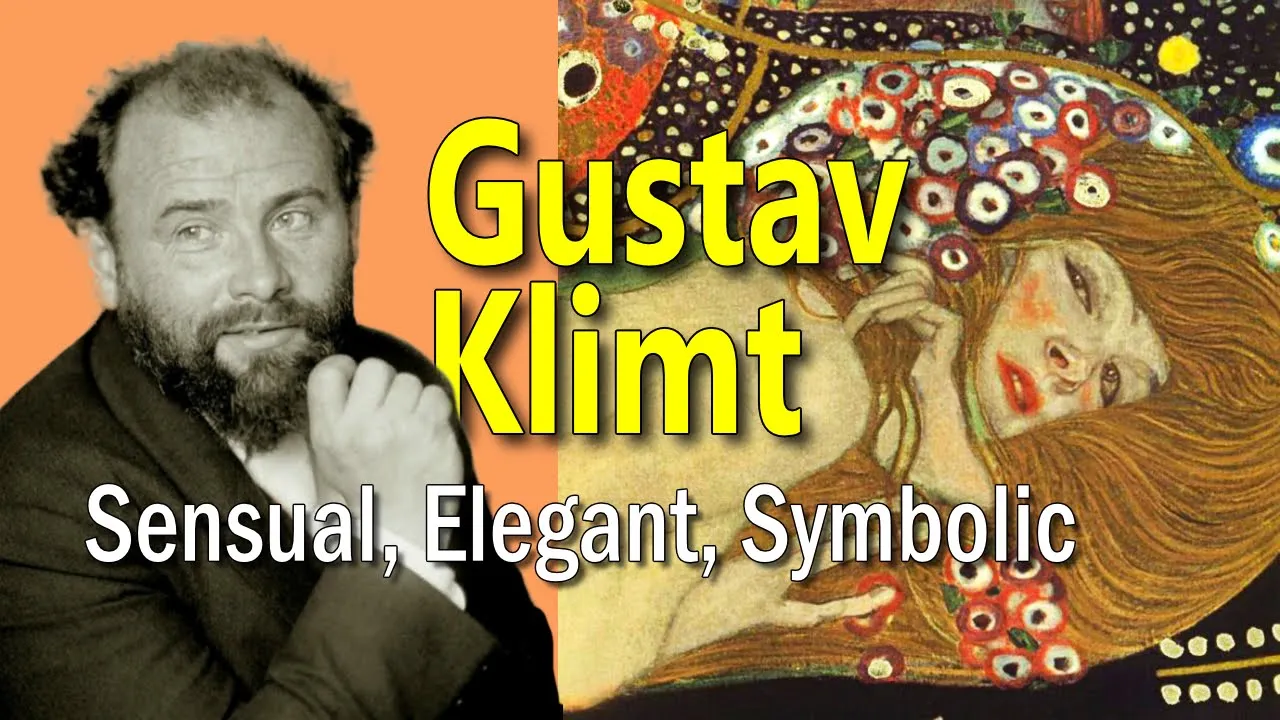



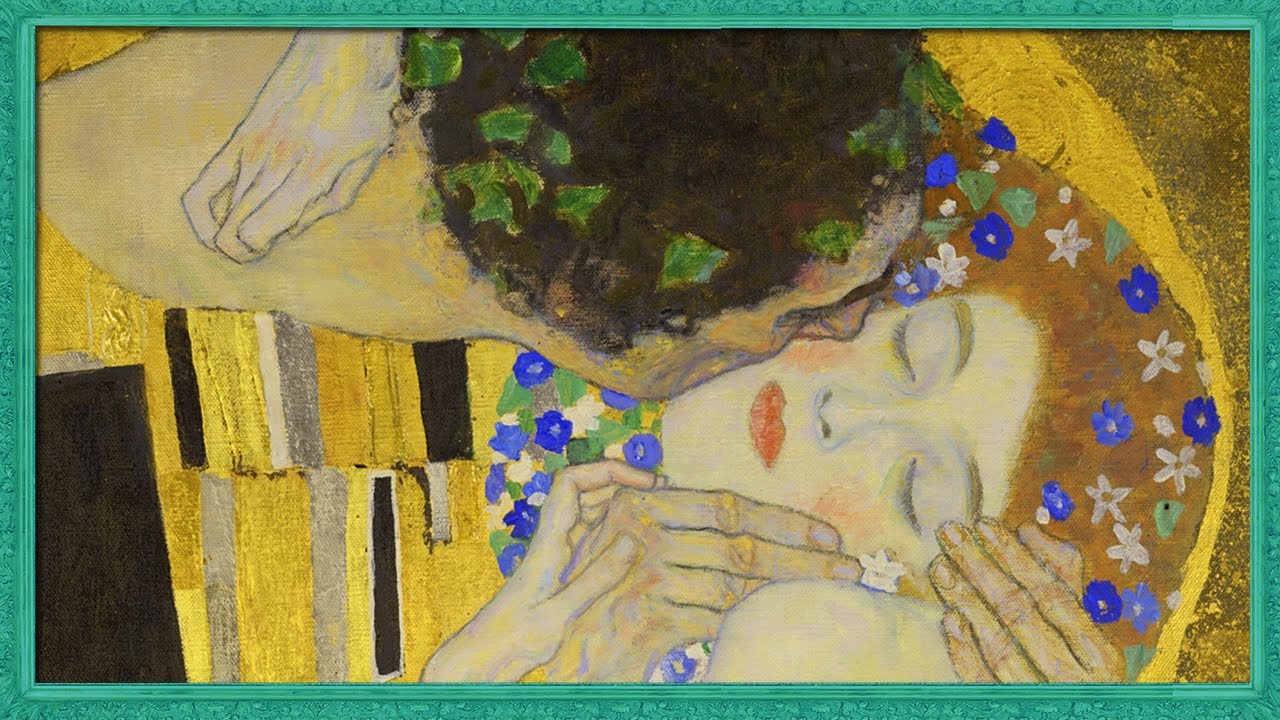


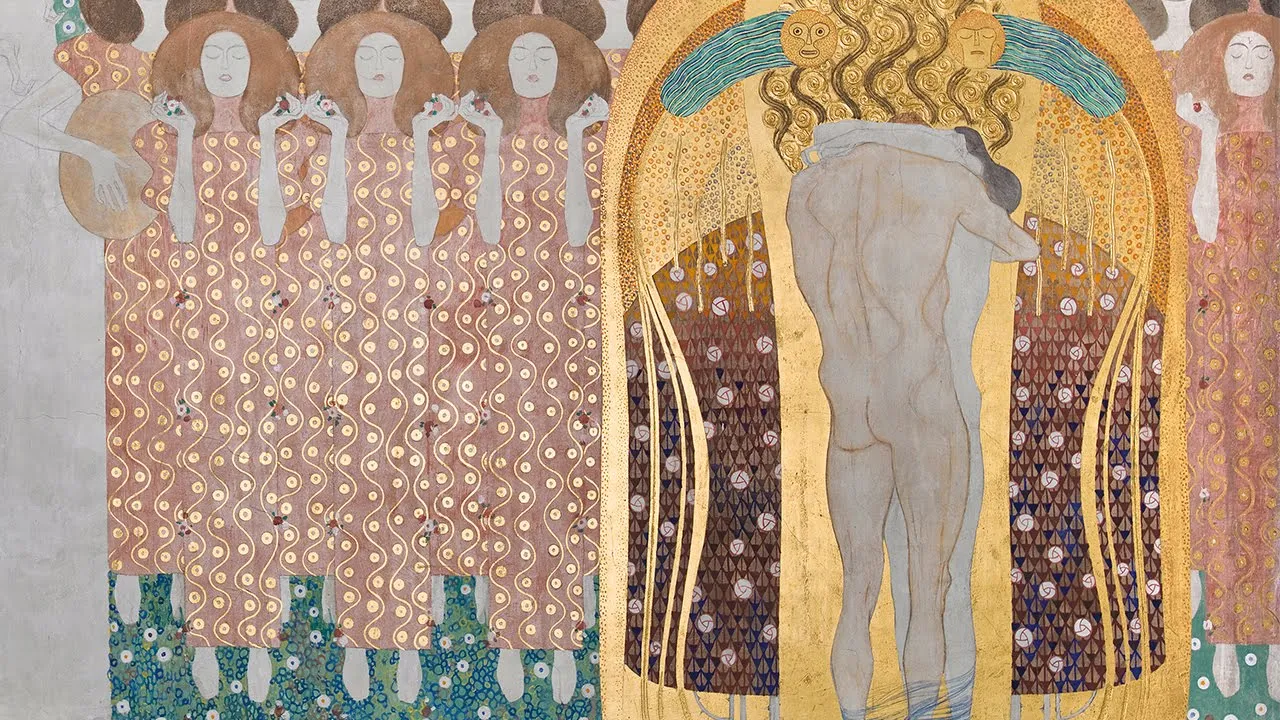
Gustav Klimt's Beethoven Frieze (1902), painted for the Viennese Secession exhibition, exemplifies the concept of Gesamtkunstwerk (total work of art) by integrating sculpture, painting, music, and poetry to depict humanity's struggle for joy through overcoming external evil forces and internal weaknesses, ultimately finding eternal bliss through art rather than religion.
Gustav Klimt's Beethoven Frieze: Art Analysis & Symbolism in 1902
Added:The origins and artistic philosophy of the Vienna Secession movement, founded by Gustav Klimt and other progressive artists in 1897.
The concept of the 'Gesamtkunstwerk' (Total Work of Art) and how it influenced collaborative, multi-disciplinary exhibitions in early 20th-century Vienna.
Ludwig van Beethoven's Ninth Symphony, particularly its themes of struggle, redemption, and the 'Ode to Joy' which the frieze visually interprets.
An introduction to Symbolism in European art, emphasizing the shift from realist representation to psychological, mythological, and allegorical expression.
The evolution of Gustav Klimt's 'Golden Phase' and his subsequent masterpieces like 'The Kiss' and 'Portrait of Adele Bloch-Bauer I'.
The connection between Viennese Modernism and the emerging field of psychoanalysis pioneered by Sigmund Freud in early 1900s Vienna.
The profound influence of Byzantine mosaics (which Klimt viewed during his 1903 visit to Ravenna) on his decorative, flat, and gold-leaf techniques.
The complex history of the preservation, relocation, and restoration of the Beethoven Frieze, highlighting issues of art conservation and cultural heritage.
491.2K views52.8Klikes13:03Original Release: 2020-09-14
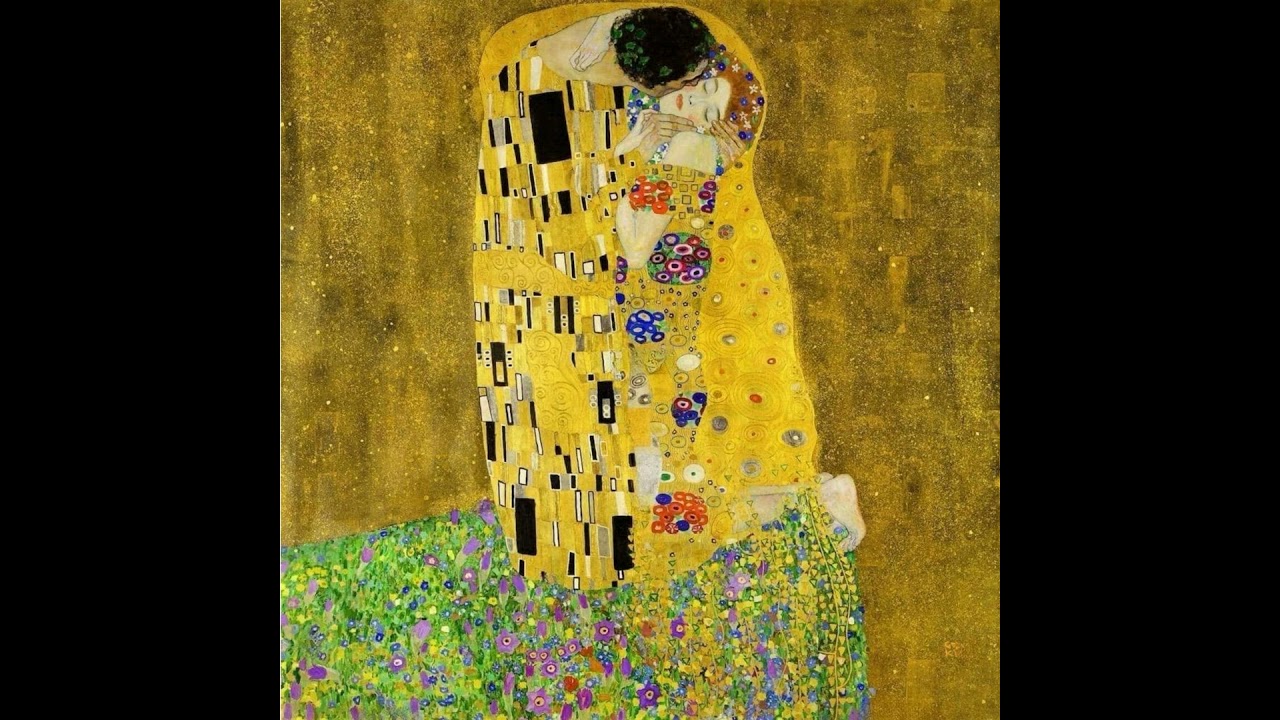
hey guys welcome back to prime tweak hours it's currently 3 27 and guess what we're learning about our history we're in full beat learning about our history no but i really did want to the more i've been thinking about like what i want this channel to be and as i'm reflecting on who i am and what i'm doing with my life i realize i'm in a unique position where i'm lucky enough for people to like me for me so why not share more of myself with you guys i'm missing a nail um so let's get started hey guys i wanted to take a quick moment to thank the sponsor of this video skill share i feel like a true youtuber now that i have a skillshare sponsorship skillshare is an online learning community with thousands of inspiring classes for creative and curious people like you all i know you so creative and inspiring explore new skills develop and expand upon interest you already have just get lost in your own creativity even how to make a perfect grilled cheese that's like definitely on there and i'm definitely gonna watch it and especially during quarantine where i'm just sitting in my room i've been trying to focus more on my art and like actually drawing and painting and let me tell you picasso is shaking in his boots no picasso is fine but i did want to share the current class that i've been taking which is become a better artist drawing essentials by ria sharon skillshare offers membership with meaning it offers a community of fellow creatives encouragement inspiration so whether you're looking to fend off boredom to self-care through creative means or just join a creative community skillshare is here to keep you learning keep learning and guess what people i've got you covered skillshare is doing two months of a premium membership for free literally premium membership for free and then after that it's like 10 bucks a month that's available to the first thousand people who click the link in my description okay back to the video i kind of want to make this a series on my channel because art history is so cool it's cool it really is and it's cool to see how human understanding of emotion and religion and all the things that we still grapple with today obviously because no one has any answers yet that dialogue has like shifted and changed over time it's really really interesting and i really enjoy learning about it so without being too nerdy it i want to tell you guys about this painting that i what's actually a it's called a freeze it's like a fresco fresco is what like michelangelo did it's like usually like a mural it's a wall mural but it's okay anyway i just learned about it and i'm kind of obsessed with it and um i think klimt is klimt is one of my favorite artists and he did a really interesting take on this so let's get into it i'm not wearing a bra and also um do you like my open sign [Music] the ac just kicked on so don't worry about it so today we're going to be learning about the beethoven freeze by gustav klimt painted in 1902 this was created for the 14th exhibition of the viennese secession and i have some notes here so don't mind if i read off the secession was a resignation from the association of austrian artists which was in protest of the support for like the traditional art style you know like kind of more conservative klimt and his peers wanted to take their artistic vision in a different direction that the current administration didn't really agree with not really administration but like you know what i mean so this exhibition was dedicated to um the genius of ludwig von beethoven it was centered around a marble sculpture that max klinger made this exhibition was really important because it was a prime example of pardon me german fans please gusompt kunstevock which basically means in layman's terms a total work of art it encompasses all the different forms of art sculpture painting music composition poetry it's all it all comes together and works together so this work i clamped was based on wagner based on wagner's interpretation of beethoven's ninth symphony which more commonly is known as eau de joy allen's clip [Music] which the ninth symphony let me read this quote because it's beautiful celebrates human kinds struggle on the most magnificent level by the soul striving for joy which is reached by the unification of all arts which is again this term and i really like this because it's the struggle of the human self with both external evil forces as well as internalized um the battles of the heart and mind the internalized weaknesses so let's begin shall we let's discuss the form of the art this is traditionally like they are a narrative you can see the same on the sistine chapel ceiling it literally tells the story this is the same it tells the story of the human spirit trying to find happiness and eventually finding it in art so it starts over on the left wall it's it's kind of a pie that's um the definition of a freeze versus a fresco i love artistry so on this first wall we encounter the genie e which yes kind of like genies it's the plural english there are these gliding female figures symbolizing the quest for happiness you can see their eyes are closed they're just drifting as we all are drifting through life looking for what is happiness how do i find it now they're followed by these figures which can be interpreted as suffering humanity they're pleading to this night in golden armor which the gold if you're not familiar with klimt he painted the kiss i'll put up here he's very well known for his use of gold and his paintings so we see this gilded knight which is supposed to represent you know this who is the one to embark on this quest to find joy to find meaning he's there ready to battle the evil thought of behind him we see ambition and compassion which are represented by two women ambition is holding a laurel ready to place on his head which a laurel is what old roman and greek heroes julius caesar used to wear on their heads it's just like pretty much the leaf the original flower crown and a laurel basically represents victory or triumph so now let's move on to the second wall this is the hostile forces ooh scary so what's striking immediately about this section is it's scary like it really is that's why i kind of like it let's break down who and what these figures are what they represent why he painted them like this so big monkey man this is typhus he appears in greek mythology he is the father to the three gorgons which the most famous of which is medusa with her snake hair a lot of our historians speculate that typhias in this painting specifically is a personification of typhoid which was kind of rampaging europe at the time specifically vienna in the 19th century what's interesting about his portrayal of typhus here is initially you see just big monkey man you know with some snaggle snaggletooth backhoe teeth but upon you know further investigation you see the giant blue eagle wings you see the snake of body um the snakes and the golden snakes might i add in the gorgon's hair i just like side note i really like this because it's fantastical it's almost like a cartoon it's scary you don't expect it if you're familiar with any of klimp's other work you really don't expect something like this and you know traditionally it's beautiful women and embracing couples and kissing like portraits of women and this is just like it's scary looks like crash bandicoot i kind of like it so above them are sickness madness and death which are all women thanks clamped now two typhius's right are bear with me lasciviousness wantonness and intemperance those are all really big words and they basically just mean human lust it's this human desire the sexual desire and our inability to control our desires we are beings that seek earthly pleasures and so much of religion is rooted in how to deny those earthly pleasures for whatever reason so this is really you know it's the temptation it's the greed it's the selfishness it's really the little green monster on your shoulder that's represented here if you keep going a little bit to the right this is grief personified she's real sad it's the human grief it's wanting to give up it's i can't find happiness it's sorrow it's it's all of the negative emotions in our spiritual journeys and our our close friendships and our relationships let's continue on to the third panel so on the final wall the yearning for happiness finds appeasement in ding ding ding poetry this is the figure holding the liar which a liar is a musical instrument and right after this there's an empty section in the freeze where this was originally when the exhibition appeared in 1902 this was where the marble sculpture i mentioned earlier by um max klinger that's where it was so that's it's just an empty space there it's still there i don't know where the statue is now so keep going and we see this chorus of women this is the arts capital t capital a the arts it's five female figures representing the ideal realm which is a place of pure joy pure happiness pure love and what's to be inferred is that you can only achieve this through the arts the phrase concludes with a course of angel singing ode to paradise which is ode to joy i like to imagine like if you're looking at it like if i was if i was there if i was looking at it in your headphones it's like you cue it there should be like a timestamp for each part that you're looking at that's how it's meant to be viewed and seen is as it's storytelling of this musical piece i mean it really just like it makes me smile it's like every this conglomerate of art and what it means and what it means to to experience it all together at once i wish they had it playing at all times or like they gave you a headphones so like as soon as you enter the room you know you can kind of it's like okay and go here anyway sorry so like i said the phrase concludes with a choir singing and then this powerful image of a kissing couple and this isn't by accident or just because he likes to portray romance this is actually because in the the lyrics to ode to joy the symphonies choir ends with the lyrics this kiss to the whole world these are schiller's lyrics by the way it's not i don't think beethoven wrote lyrics to joy now let's talk about this for a second because it kind of gets me hyped i like that klimt doesn't focus on religion there are no religious arguably there are no religious relics or symbols or icons in the whole work which is great because the entire ninth symphony is so like yes god can't wait to meet you can't wait to go to heaven yes and it's like so much of the music at that time you know all of it was dedicated to the glory of god and and finding salvation and this that and the other i think it's so interesting and it's so oddly like brave that klimt took that element out of it and just it was like here's art art can exist outside the scope of religion he literally is like that i want to find human happiness where does it exist how do i get to it what does it mean where do i find it who finds it so all in all it's 34 meters long the whole thing the night is actually full size it's seven feet tall so the night i imagine is probably like six feet and the gist of the entire work is finding eternal bliss and art which i think is very relevant it always will be relevant i think humans need art to find true meaning and to find place that's why we rely so heavily on music that's why we get emotionally attached to music it's why we get emotionally attached to tattoos it's why when any negative thing happens in the world humans always turn to art to express themselves because sometimes words aren't enough this is especially true in things like when surrealism became a thing after world war one it was like we literally could not deal with the fact that people were dying on such a mass scale for no reason we turn to art because that's the only way that we can really cope and it was just this reaction to the institution of like this is illogical it makes no sense anyway sorry this is really nerdy i don't know if i'll do another one of these but i just i just love it so much and if y'all like learning about this let me know because i'll make a million and seven videos like this if you want me to i have another one i want to do like a series on like you know these famous paintings that everyone knows but it's like what does it mean like andy warhol's soup cans like you recognize that but what does it mean like what's the history around it who was andy warhol like was he an [ __ ] i want to do one on picasso like a lot of these artists that we celebrate and we love we're really really troubled problematic people naturally they're artists okay guys let me know pee pee poo poo also do you like this look missing the forefront oh i think there's uh oh there's makeup on my and there's like hot cheetos stains under my fingernails okay i'm gonna end this video sorry bye
Up Next
2:13
Vienna's Ringstrasse: A Neo-Classical Architectural Tour
@RickStevesEuropeOfficial
109.5K views•2021-03-03

18:06
The Lewis Collection: Modern Masters of the Human Figure
@sothebys
417 views•2026-06-10
7:48
Ukiyo-e Art: History, Woodblock Printing & Influence
@japanathand
6.3K views•2023-06-08

16:34
Earliest Depictions of Jesus in Art: 10 Ancient Images Explained
@UsefulCharts
5.9M views•2022-06-03
Related Study Plans & Knowledge Roadmaps
Structured learning paths in Art History
art-history
Vienna Secession: Rebellion, Klimt & Schiele
01Fin-de-Siècle Vienna & Academic Historicism
02The Secession Movement & Klimt's Decorative Symbolism
03Gesamtkunstwerk & the Wiener Werkstätte
+ 2 more learning modules
9h5 modules
Explore Roadmap
art-history
Gothic Cathedrals: Engineering, Light & Society
01The Birth of the Gothic: Romanesque to Suger's Vision
02The Structural Triad: Pointed Arches, Ribbed Vaults, and Flying Buttresses
03Theology of Light: Lux Nova and Sacred Geometry
+ 2 more learning modules
14h5 modules
Explore Roadmap
art-history
Pre-Raphaelites: Realism, Symbolism & Critique
01The Victorian Art Establishment and Academic Formula
02The Founding of the PRB and Radical Realism
03Medieval Revivalism and Literary Symbolism
+ 1 more learning modules
8h4 modules
Explore Roadmap
art-history
Street Art: From Subways to Art Market
01Subcultural Origins in Philadelphia and New York (1970s)
02The Subway Era and Style Wars (Late 1970s - 1980s)
03The East Village Scene and Early Gallery Crossover
+ 2 more learning modules
10h5 modules
Explore Roadmap