Pre-Raphaelites: Realism, Symbolism & Critique
Learning Goal: Analyze how the Pre-Raphaelite Brotherhood (PRB) rejected academic conventions in Victorian England by synthesizing intense realism, literary symbolism, and medieval revivalism to address contemporary social critiques.
- Prerequisites: Basic knowledge of Western art history, 19th-century European history, and introductory Victorian literature.
- Estimated Total Study Time: 8 hours
Module 1: The Victorian Art Establishment and Academic Formula
In this module, you will investigate the highly institutionalized art world of mid-19th-century Victorian England. You will explore the structure of the Royal Academy of Arts, founded in 1768, and analyze the stylistic expectations of the "Grand Style" popularized by its first president, Sir Joshua Reynolds. This academic formula favored idealized forms, historical hierarchy, dark chiaroscuro, and rigid geometric compositions. Gaining this structural baseline is essential to understanding why the young, rebellious founders of the Pre-Raphaelite Brotherhood felt the need to break away.
Recommended Videos
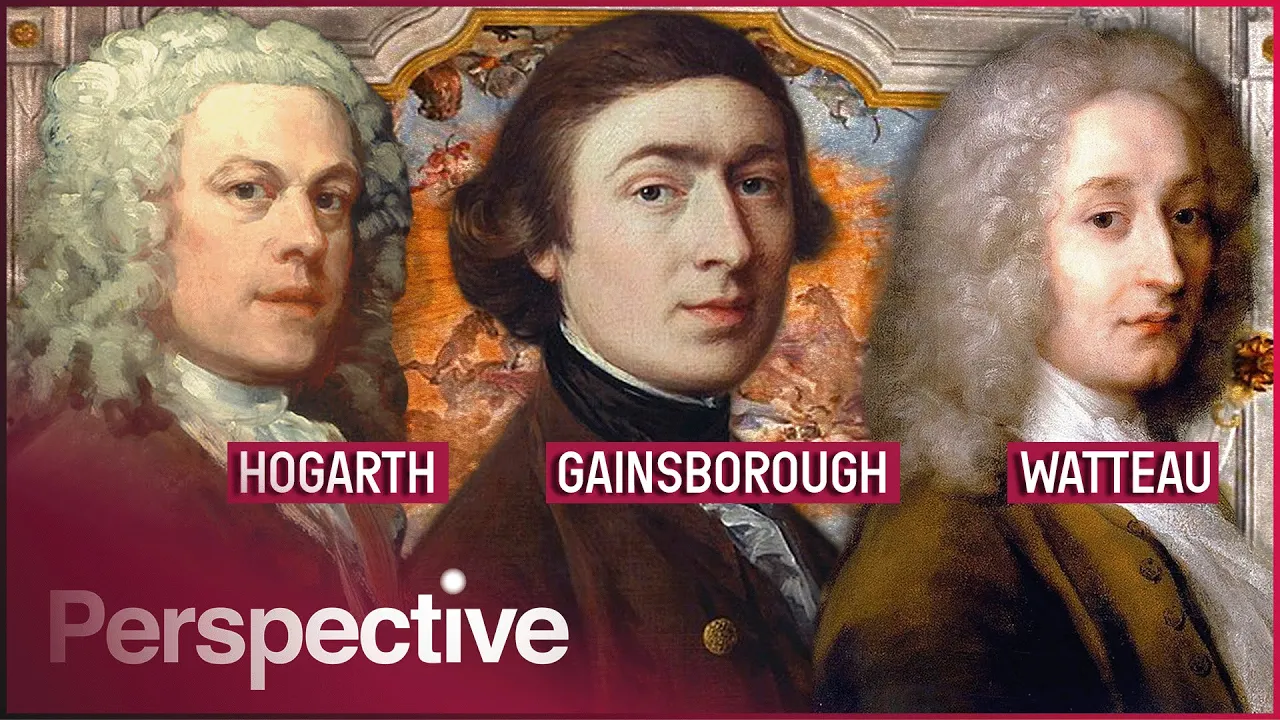
Why this video: This excerpt offers crucial historical context on Sir Joshua Reynolds, the founding president of the Royal Academy of Arts. It details his unparalleled influence in raising the status of British artists and establishes his core academic philosophy: that art must serve as an elevated moral and intellectual endeavor rather than a mere decorative craft.
Knowledge Checkpoint:
- Understand the role of Sir Joshua Reynolds in establishing the Royal Academy of Arts in 1768.
- Define the institutional objective of the Royal Academy in setting standards for British national art.
- Identify how neoclassicism and academic hierarchies positioned historical/mythological painting at the pinnacle of artistic achievement.

Why this video: This video unpacks the mechanics of Sir Joshua Reynolds's signature style. It directly addresses the concept of the "Grand Style," which emphasized the idealization of imperfect nature and adhered to the classical canons of the High Renaissance.
Knowledge Checkpoint:
- Explain the theoretical framework of Reynolds’s "Grand Style" and why it prioritized the generalization of nature over specific, hyper-detailed rendering.
- Identify the academic criteria for composition, palette, and subject matter taught to 19th-century art students.
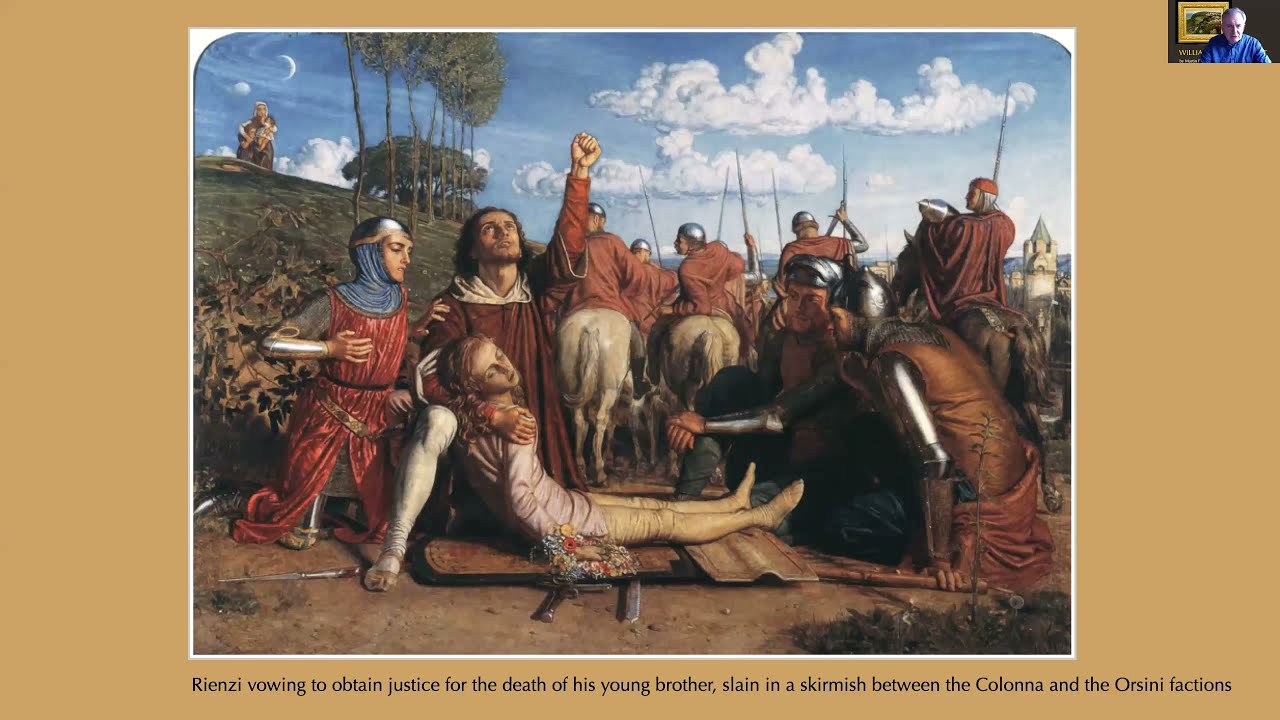
Why this video: This short archival segment introduces the direct clash between the Pre-Raphaelites and the legacy of Reynolds. It reveals the infamous nickname the young rebels gave him—"Slushio Reynolds"—due to his heavy use of deep, dark chiaroscuro and formulaic compositions that the PRB felt lacked organic honesty.
Knowledge Checkpoint:
- State why the Pre-Raphaelite Brotherhood derisively referred to Sir Joshua Reynolds as "Slushio Reynolds."
- Define "chiaroscuro" in the context of the academic formula and explain how its dramatic shadow-play was used to mask structural shortcuts.
Curriculum Gap Alert: High-quality video lectures specifically analyzing Sir Joshua Reynolds's written Discourses on Art are scarce in the current digital landscape. To fully master the academic baseline, you are strongly encouraged to independently search for and read excerpts of Reynolds's Discourses (specifically Discourses III and IV) to understand how the Academy formalizes "the imitation of nature."
Module 2: The Founding of the PRB and Radical Realism
In this module, you will trace the dramatic, clandestine formation of the Pre-Raphaelite Brotherhood (PRB) in 1848 by seven young artists—primarily John Everett Millais, William Holman Hunt, and Dante Gabriel Rossetti. You will analyze their radical "truth to nature" philosophy, which was championed by art critic John Ruskin. You will also examine their pioneering technical innovations, specifically their use of brilliant, jewel-like colors painted onto a wet, white canvas ground to achieve unprecedented luminosity and scientific realism.
Recommended Videos

Why this video: This landmark documentary is a premier resource on the Pre-Raphaelites. Featuring composer Andrew Lloyd-Webber's private art collection and expert historical commentary, it catalogs the initial, secretive 1848 meetings of the Brotherhood and showcases how their vivid canvases disrupted the dull, brown tones of the contemporary Victorian art world.
Knowledge Checkpoint:
- Identify the three primary founders of the Pre-Raphaelite Brotherhood (Millais, Hunt, and Rossetti) and the year of their rebellion (1848).
- Describe the secretive nature of the initials "P.R.B." on early exhibited canvases and the public scandal that erupted when the acronym's meaning was leaked.
- Contrast the bright, highly saturated colors of the PRB paintings with the dark, bituminous tones typical of early Victorian academic works.
Why this video: Millais’s Christ in the House of His Parents (1850) is one of the most controversial paintings of the Victorian age. This video details how the PRB's dedication to radical realism resulted in a raw, un-idealized depiction of the Holy Family, prompting a vicious public attack from writer Charles Dickens, who accused Millais of depicting Mary as an "ugly, wry-necked, blubbering woman."
Knowledge Checkpoint:
- Analyze how Millais applied radical realism to a sacred scene, rejecting the soft, idealized Italian Renaissance conventions.
- Explain how Millais researched his subject by visiting an actual London carpenter's shop, painting the dirt, wood shavings, and physical strain of labor.
- Identify the symbolic theological prefigurations hidden in the hyper-realistic details of the painting (e.g., the nail wound on Christ's hand).
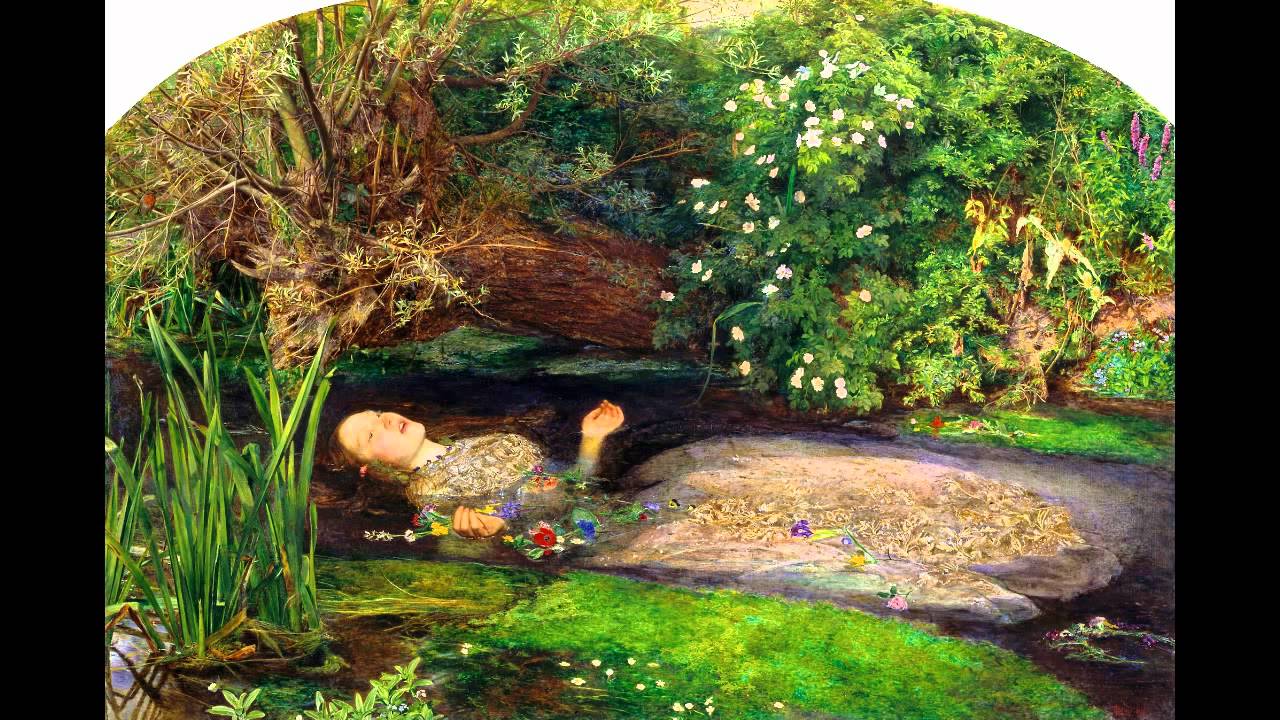
Why this video: This Smarthistory analysis dissects the quintessential PRB masterwork: Millais's Ophelia (1851-52). It focuses on the artist’s painstaking outdoor execution, showcasing how he painted the flora on-site along the Hogsmill River with near-botanical accuracy, illustrating John Ruskin's advice to select nothing and reject nothing in nature.
Knowledge Checkpoint:
- Define the core tenets of John Ruskin’s "truth to nature" doctrine and explain how they are visualized in Ophelia.
- Explain how Millais balanced literary narrative (from Shakespeare’s Hamlet) with extreme scientific landscape study.
- Detail the physical hardships endured by the model, Elizabeth Siddal, to capture the realistic physical weight of water-soaked garments.

Why this video: While this modern tutorial details the commercialized wet-on-wet ("Magic White") method, it serves as an excellent physical demonstration of the base technique used by the PRB. The Pre-Raphaelites famously applied their glazes onto a wet, pure-white lead ground, allowing the white background to reflect light back through the translucent oil layers, creating their legendary vibrant, stained-glass luminescence.
Knowledge Checkpoint:
- Explain the physical chemical properties of the PRB's "wet-white ground" technique and how it differs from traditional academic layering.
- Understand how a wet white base layer changes the behavior of glaze applications and enhances the optical brilliance of the final painting.
Module 3: Medieval Revivalism and Literary Symbolism
Here, you will investigate how the PRB looked back past the High Renaissance, viewing the art of Raphael as the point where classical artifice replaced honest, spiritual observation. You will explore their embrace of late-medieval Italian and Northern Renaissance art, noting how they revived flat perspectives, decorative patterns, and complex iconographic programs. Finally, you will study Dante Gabriel Rossetti’s synthesis of poetry and painting, analyzing how medieval literary themes (especially Dante Alighieri and Arthurian legends) became vehicles for complex symbolic systems.
Recommended Videos

Why this video: This short, energetic segment directly addresses why the Pre-Raphaelite Brotherhood rejected Raphael, defining him as the moment western painting took a wrong turn into artificiality. It lists their preferred influences, including Dante, Shakespeare, Fra Angelico, and Benozzo Gozzoli.
Knowledge Checkpoint:
- Articulate why the PRB believed the classical lineage starting with Raphael prioritized formulaic grace over genuine emotional and spiritual truth.
- Identify at least three pre-Renaissance or literary influences that the PRB looked to as alternatives to the classical academic model.
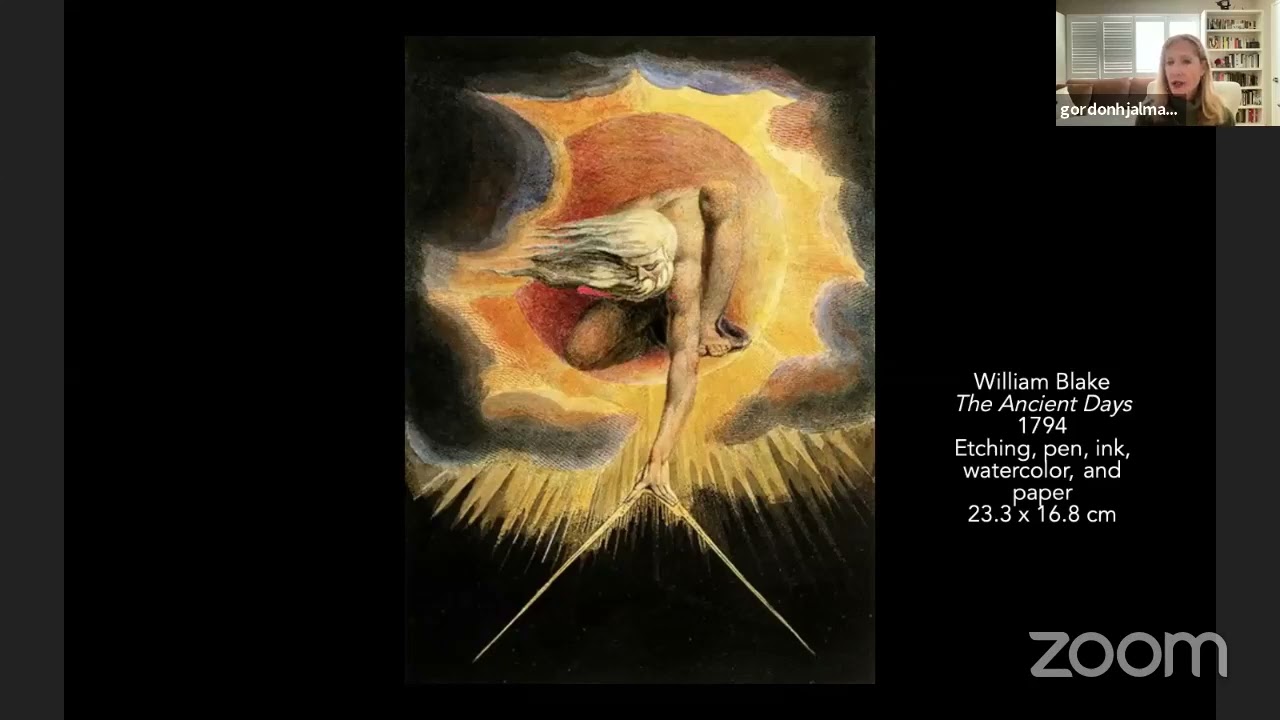
Why this video: This lecture snippet clarifies the ideological underpinnings of the PRB's medieval revivalism, showing how they utilized older, flatter medieval techniques to seek out "authentic spiritual and historical sources" rather than the artificial three-dimensional illusions of later academies.
Knowledge Checkpoint:
- Explain how the rejection of Renaissance atmospheric perspective allowed the PRB to construct more direct, iconographic narratives.
- Describe the connection between 19th-century religious anxieties and the PRB’s retrieval of medieval Christian mysticism.
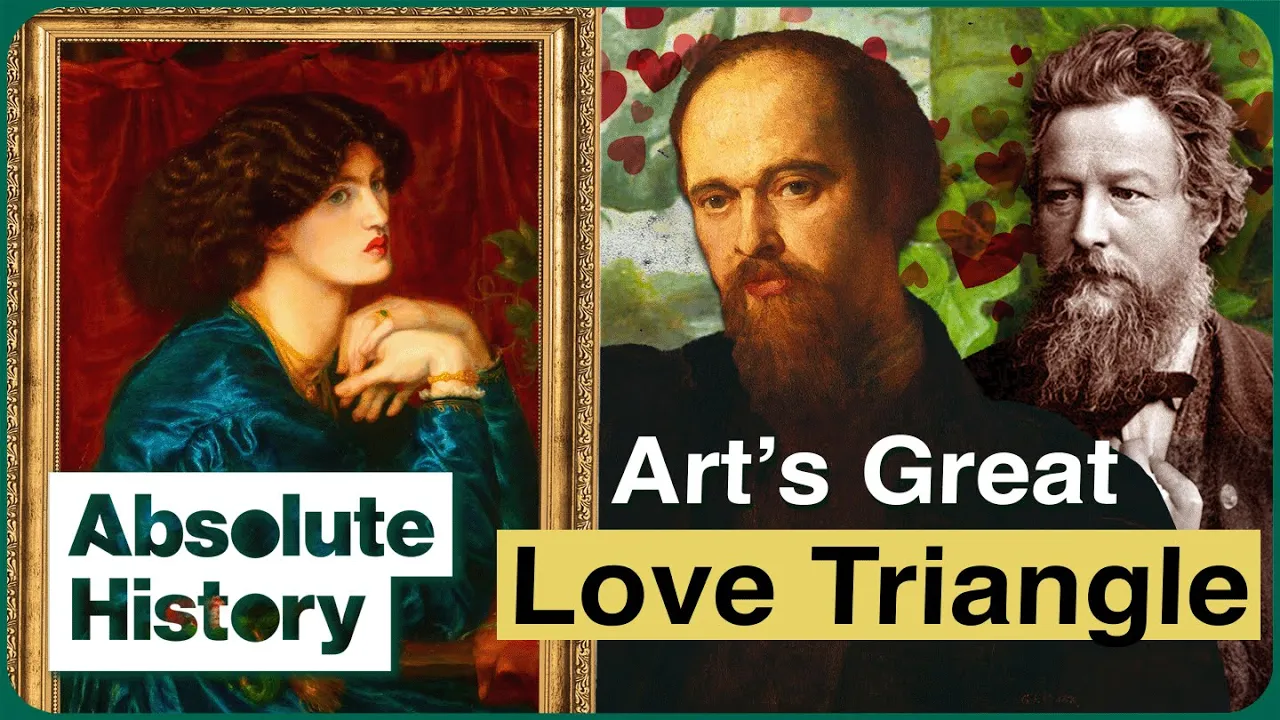
Why this video: This comprehensive documentary provides a deep dive into the life, poetry, and artistic methods of Dante Gabriel Rossetti. It highlights his fascination with his medieval namesake, Dante Alighieri, and explores how Rossetti merged visual art and poetry to build complex, multi-layered literary allegories.
Knowledge Checkpoint:
- Understand how Dante Gabriel Rossetti’s dual identity as a poet and painter shaped his symbolic painting style.
- Explain how Rossetti used his literary translation work (such as Dante’s La Vita Nuova) to inform the medieval aesthetics of his paintings.
- Identify the role of models, particularly Elizabeth Siddal and Jane Morris, as both physical subjects and mythic/literary muses in Rossetti's work.
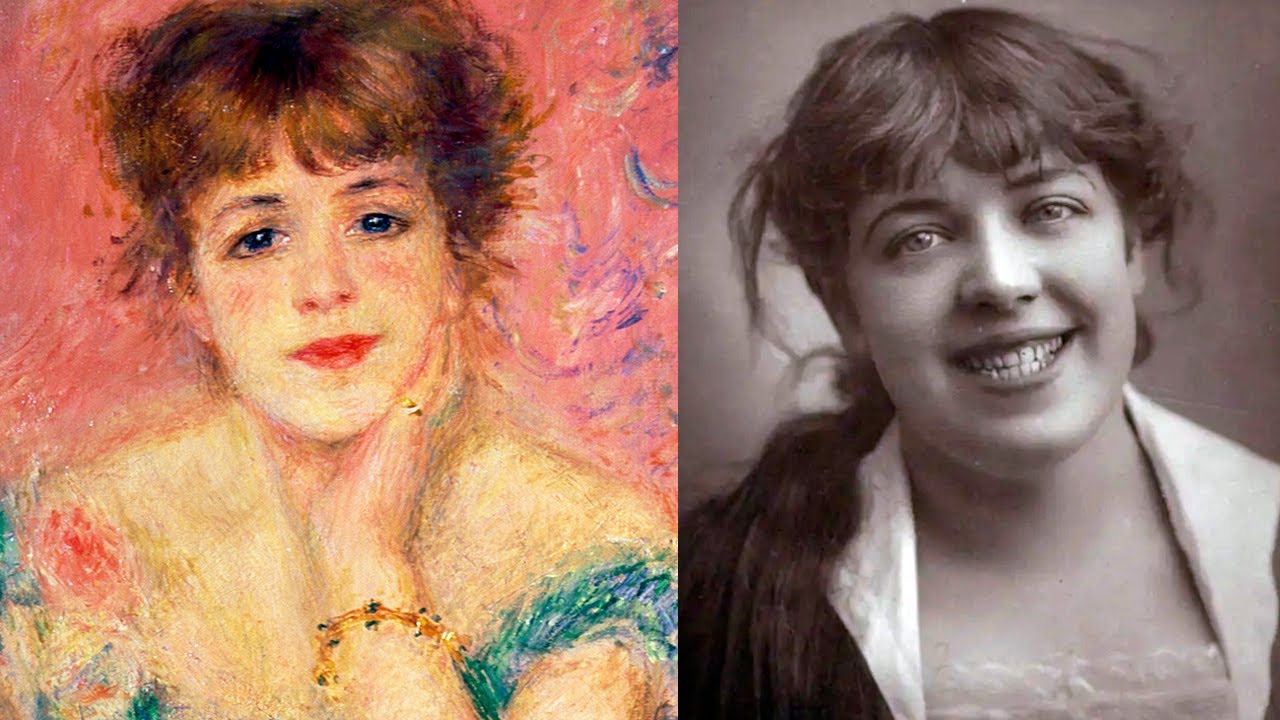
Why this video: This short analysis focuses on the intense symbolic and biographical narratives in Rossetti's later works. By exploring his portraits of Jane Morris as Proserpine, the video illustrates how Rossetti mapped literary/mythological archetypes directly onto contemporary, personal, and emotional struggles.
Knowledge Checkpoint:
- Analyze the symbolism of the pomegranate in Rossetti's Proserpine and explain how it reflects the theme of captivity and transition.
- Describe how Rossetti translated Jane Morris's modern personal dilemmas into the classical myth of Proserpine.
Curriculum Gap Alert: There is a lack of long-form academic videos specifically breaking down the visual differences between early Renaissance fresco patterns and the Royal Academy's dynamic spatial depth. To bridge this gap, you should independently research the term "horror vacui" (fear of empty space) in early PRB compositions, noting how they crowded their canvases with details to reference medieval tapestries.
Module 4: Confronting the Victorian Age: Art as Social Critique
In this final module, you will analyze how the Pre-Raphaelites deployed their radical realism and symbolic visual vocabulary to confront the anxieties of their own era. Rather than escaping entirely into the medieval past, they used their techniques to expose contemporary social crises: the exploitation of the industrial working class, the anxieties of rapid urbanization, and the rigid, hypocritical gender dynamics of Victorian society—especially the tragic plight of the "fallen woman."
Recommended Videos

Why this video: This Smarthistory analysis is a premier breakdown of William Holman Hunt's masterpiece The Awakening Conscience (1853). It shows how Hunt utilized hyper-detailed, modern material objects—from the glossy, new rosewood furniture to the discarded glove on the floor—as complex moral and narrative signifiers that comment on kept mistresses and gender politics.
Knowledge Checkpoint:
- Explain how Hunt used hyper-realistic interior design elements to symbolize moral degradation and the commercialized commodification of women.
- Identify the exact visual moment of spiritual conversion depicted in the painting (the young woman looking out the window towards nature).
- Interpret the narrative subtext of key symbols: the cat and the bird under the table, the unraveling tapestry threads, and the sheet music on the piano.

Why this video: Although Richard Redgrave was not a formal member of the PRB, his 1846 painting The Sempstress established the "modern life painting" genre that heavily influenced the Brotherhood. This analysis illustrates how artists used detail to comment on the plight of overworked, underpaid women in industrializing London.
Knowledge Checkpoint:
- Define the characteristics of a "modern life painting" in the mid-19th century.
- Describe the socioeconomic conditions of the needlewomen of London in the 1840s as referenced in the painting and the contemporary press.
- Contrast Redgrave's softer, sentimental realism with the confrontational, uncompromising clarity of the PRB's later social critiques.

Why this video: This video contextualizes the moral and social landscape of the Victorian household. By exploring the hidden reality of kept mistresses in rented rooms, it provides the historical backdrop necessary to appreciate how shocking and subversive William Holman Hunt's The Awakening Conscience was to contemporary viewers.
Knowledge Checkpoint:
- Describe the double standards regarding fidelity, mistresses, and prostitution in Victorian society.
- Understand why Hunt's depiction of a kept mistress in a modern suburban villa was considered scandalous and confrontational, rather than comfortably historical.
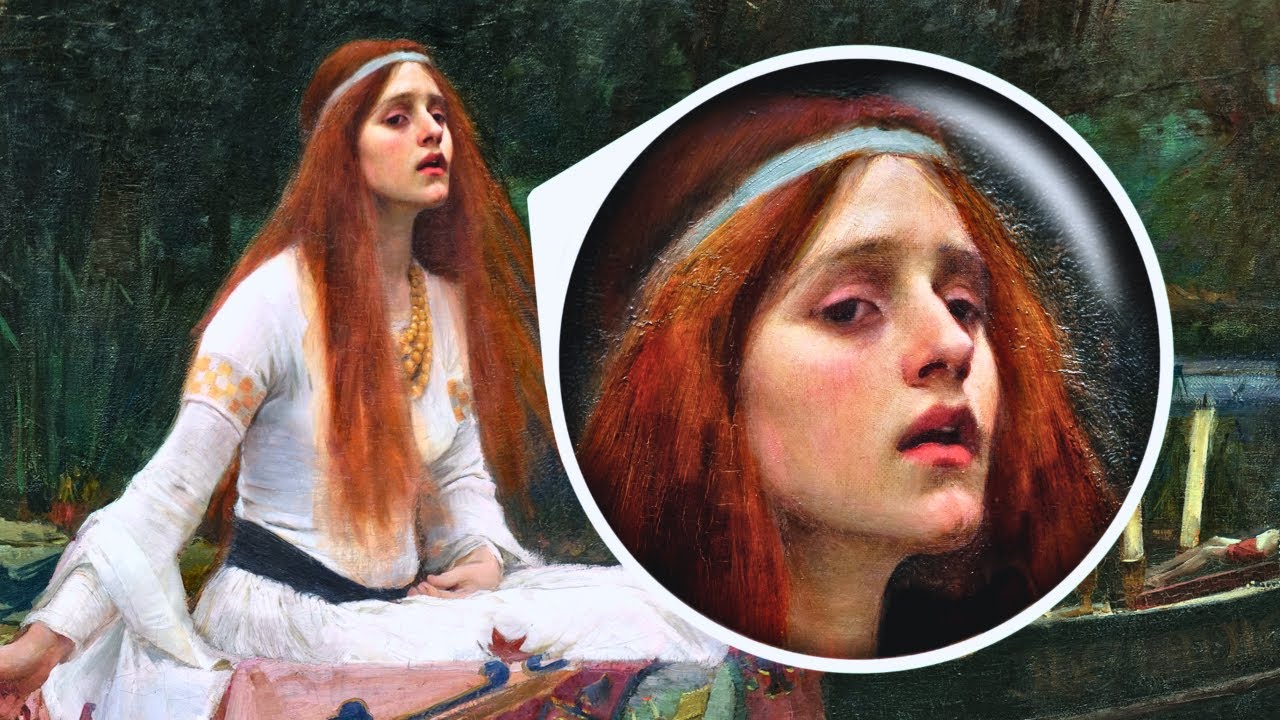
Why this video: This short analysis defines the cultural trope of the "fallen woman" in Victorian England. This is a critical concept for understanding how the PRB and their successors used literary motifs (like Tennyson's The Lady of Shalott) to explore the societal exile of women who stepped outside their domestic spheres.
Knowledge Checkpoint:
- Define the Victorian concept of the "fallen woman" and identify her typical representation in art and literature.
- Connect Tennyson's poem The Lady of Shalott to the broader themes of female containment and the dangers of entering the active, public world.
Curriculum Gap Alert: While the selected videos cover the "fallen woman" and private domestic spheres, they lack deep-dive analyses of industrial working-class imagery (such as Ford Madox Brown's Work). You are highly encouraged to independently look up "Ford Madox Brown Work analysis" to see how the PRB style was used to map out the entire class structure of Victorian London on a single canvas.
Course Map
This flowchart maps your pathway through the curriculum, tracing how your study moves from the institutional critique of Module 1 to the stylistic foundations of Module 2, the medieval adaptations of Module 3, and finally the societal applications of Module 4.
Key People Index
- Sir Joshua Reynolds (1723–1792): The founding President of the Royal Academy of Arts. He established the "Grand Style" and championed neoclassical rules of generalization and idealization.
- John Everett Millais (1829–1896): Co-founder of the PRB and a child prodigy at the Royal Academy. He painted Christ in the House of His Parents and Ophelia, defining early PRB realism.
- William Holman Hunt (1827–1910): Co-founder of the PRB. He was deeply committed to the moral duty of art, developing a highly symbolic style that he applied to religious themes and contemporary social issues like The Awakening Conscience.
- Dante Gabriel Rossetti (1828–1882): Co-founder of the PRB, poet, and painter. He drove the movement's romantic medievalism and literary symbolism, mapping his translations of Italian poets directly onto his canvases.
- John Ruskin (1819–1900): The leading art critic of the Victorian era. His defense of the PRB and his "truth to nature" directive became the theoretical foundation of the movement.
- Elizabeth Siddal (1829–1862): A key model, poet, and artist in her own right. She was the model for Millais’s Ophelia and served as Rossetti's primary muse and creative partner.
- Jane Morris (1839–1914): A major model and embroiderer who became the archetype of later Pre-Raphaelite beauty. She was the subject of Rossetti's late symbolic masterworks, including Proserpine.
- Richard Redgrave (1804–1888): Academician and social realist painter whose work The Sempstress paved the way for "modern life" social critiques in Victorian art.
Final Self-Assessment
Test your synthesis of the material by ensuring you can explain, analyze, and verify each of the following points:
- Explain how Sir Joshua Reynolds’s "Grand Style" prioritized idealized generalities over specific natural details, and why the PRB rejected this formula.
- Identify the year of the PRB's founding and list its three primary artist-founders.
- Describe the chemical and optical process of the "wet-white ground" technique, and how it gave PRB canvases their glowing, jewel-like colors.
- Explain the role of John Ruskin's art criticism in defending the PRB against hostile early reviews from critics like Charles Dickens.
- Analyze the religious controversy surrounding Christ in the House of His Parents, detailing how Millais’s realism conflicted with conventional, idealized depictions of the Holy Family.
- Identify three distinct botanical species in Millais's Ophelia and explain how they illustrate the concept of "truth to nature" while carrying symbolic meanings.
- Articulate why the PRB saw Raphael as a corrupting force in the history of Western painting, and why they turned to pre-Renaissance art instead.
- Analyze the literary and biographical layers of symbolism in Rossetti’s Proserpine, focusing on the pomegranate and the depiction of Jane Morris.
- Decipher at least three symbolic contemporary objects in Hunt's The Awakening Conscience that communicate the moral situation of the kept mistress.
- Compare how Richard Redgrave’s The Sempstress and the PRB's modern-life paintings used the physical spaces of Victorian homes to critique systemic labor and gender exploitation.