








![Moran and Chase: Two 19th Century American Masters [Art History]](https://i.ytimg.com/vi/s0LN83z_ZUY/maxresdefault.jpg)










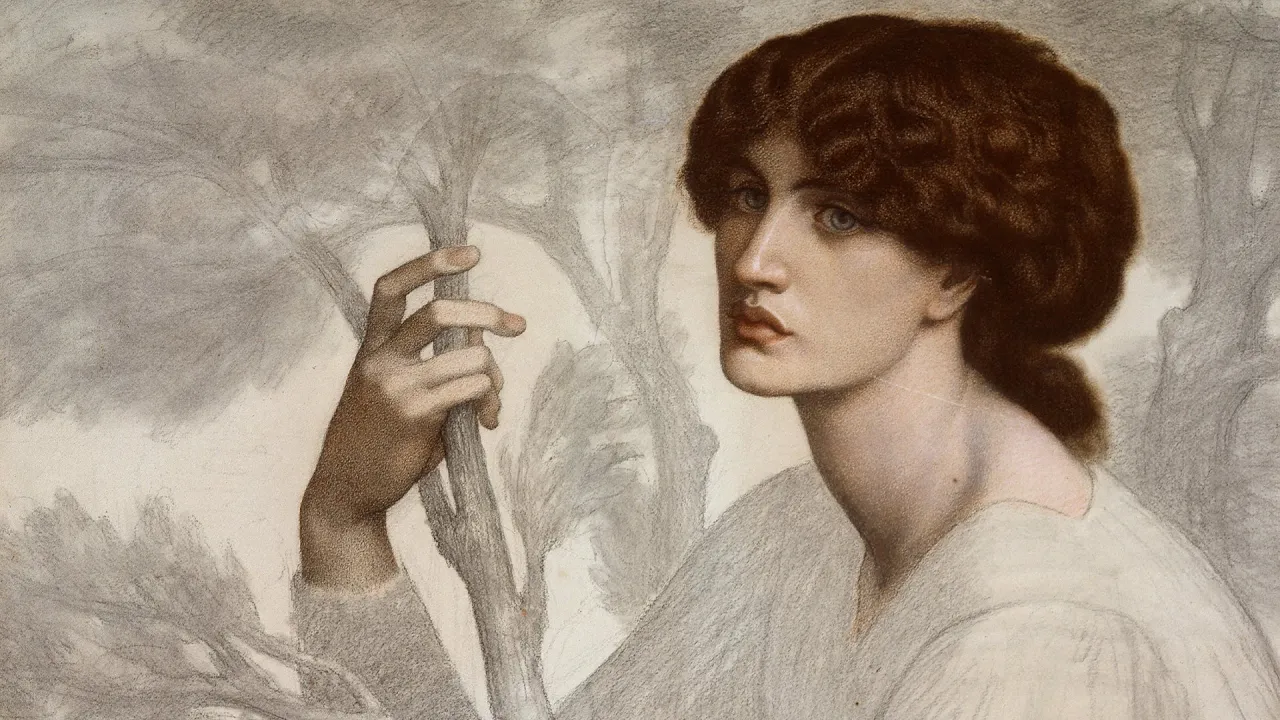


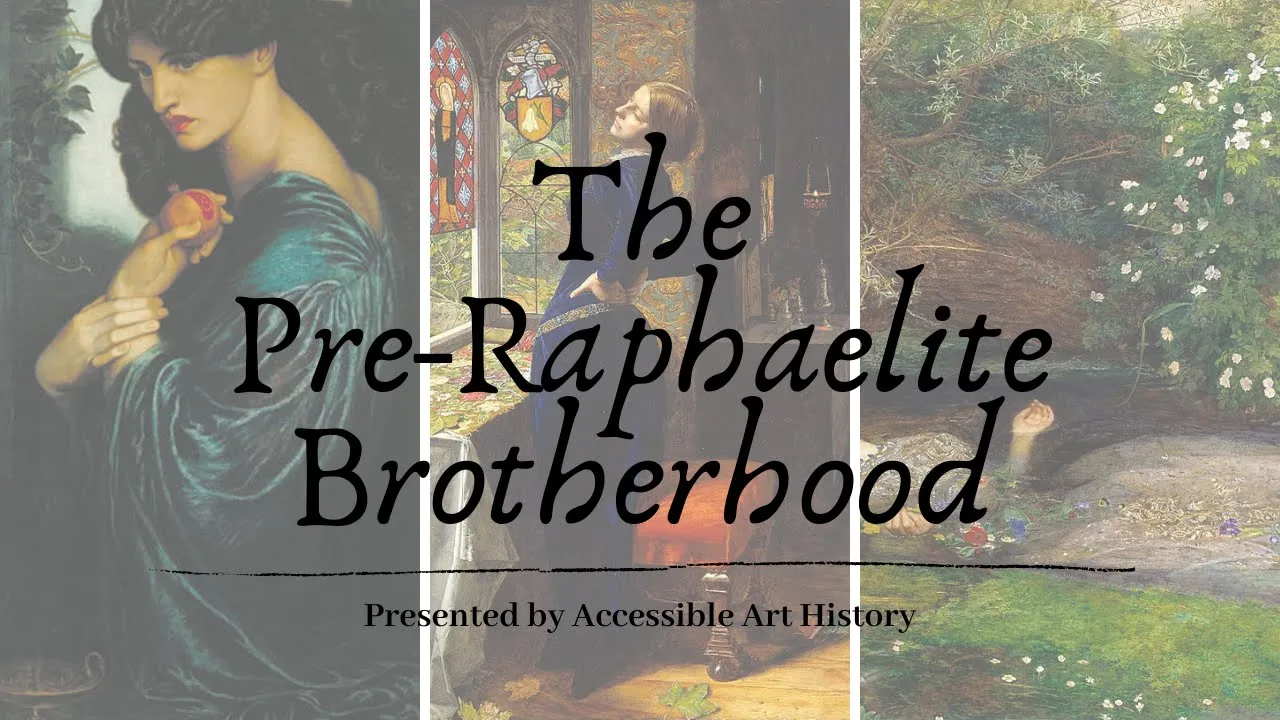
The Pre-Raphaelite Brotherhood (PRB), founded in secret in 1848 by seven young artists including John Everett Millais, William Holman Hunt, and Dante Gabriel Rossetti, revolutionized Victorian art by rejecting academic conventions and embracing detailed realism, moral storytelling, and contemporary social themes; their commitment to depicting real people in dramatic situations, combined with vivid colors achieved through white-primed canvases and meticulous botanical accuracy, created emotionally powerful works that addressed issues like industrialization, prostitution, and human psychology, establishing a profound connection between art and social consciousness that continues to resonate today.
Andrew Lloyd Webber on the Pre-Raphaelites: A Collector's Insight
Added:An understanding of the founding principles of the Pre-Raphaelite Brotherhood (PRB) in 1848, including their rejection of Academic art.
Familiarity with key Victorian-era artists such as Dante Gabriel Rossetti, John Everett Millais, and William Holman Hunt.
Basic knowledge of the social and cultural landscape of Victorian England, particularly the industrialization that these artists reacted against.
The concept of 'truth to nature' and how it influenced the visual style and detailed realism of 19th-century British painters.
The transition of Pre-Raphaelite principles into the Arts and Crafts Movement led by William Morris.
An exploration of the Aesthetic Movement ('art for art's sake') and its departure from moralistic Pre-Raphaelite symbolism.
The study of female agency in the movement, analyzing the contributions of models and artists like Elizabeth Siddal, Jane Morris, and Evelyn De Morgan.
The mechanics of the modern art market, focusing on how private collections of Victorian art are curated, valued, and exhibited.
26.3K views699likes46:52Original Release: 2021-04-28
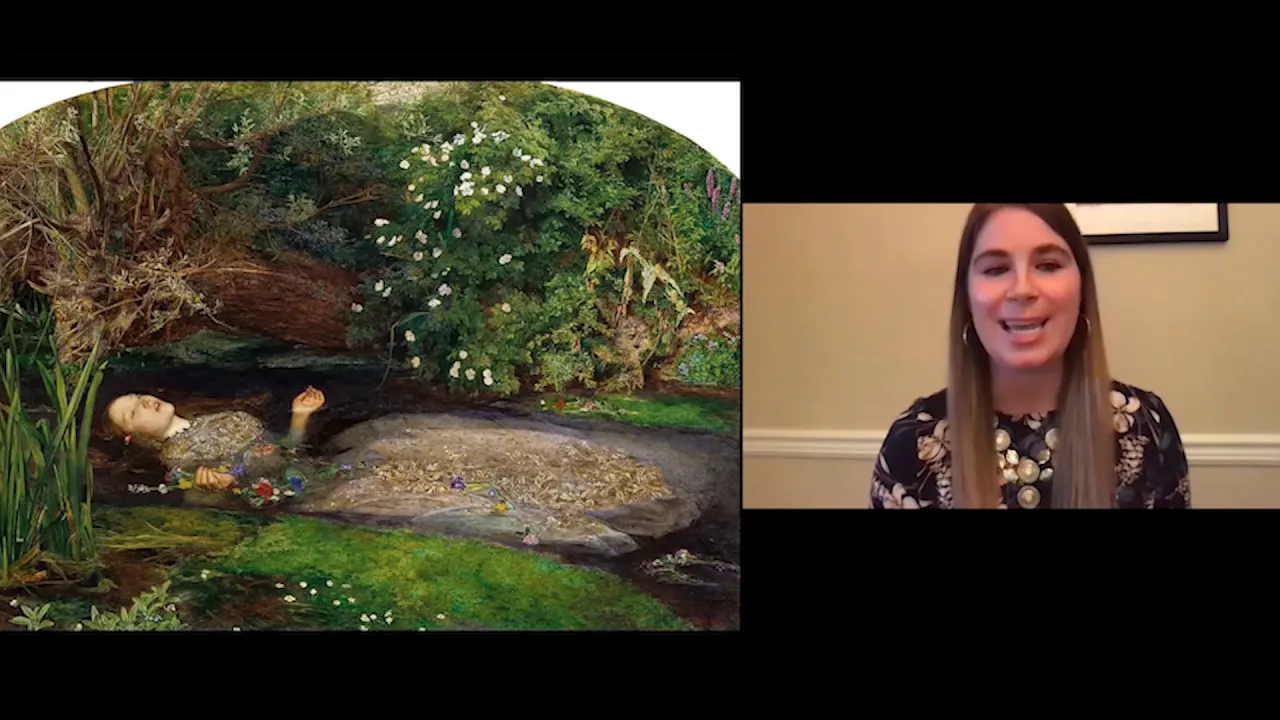
[Music] you storm keep your chin up and don't be afraid of the dark [Music] when i was 14 the surefire way to get gales of mirth that any of my parents generation's dinner parties was to mention the music of rogers and hammerstein it's sentimental twaddle they'd say carousel no no chance no hope if you mentioned victorian architecture there would be rage pretty much apoplectic rage anger but if you really wanted to cause uproar if you really wanted people to choke into their fondue sets you mentioned the pre-raphaelites i became very excited about the whole victorian movement i loved these so-called unfashionable buildings of course people like john bechman were beginning to crusade for them and so i suppose i joined the crusade with a great and excited heart and that's when i discovered the pre-raphaelites who were these people who painted these extraordinary doomed women who painted these pictures of their time with huge moral messages who were they shall we find out [Music] the pre-raphaelite brotherhood or prb for short was founded in secret in 1848 and numbered just seven people of the original group three are famous john everett milay the youngest ever entrant to the royal academy of art the christian visionary william holman hunt and dante gabriel rosetti a man who soon developed a reputation for getting rather too entangled with the women he painted all of them were around 20 years old and they were determined to shake up victorian london i'm on my way to the house in gar street where the pre-raphaelite brother was founded in 1848.
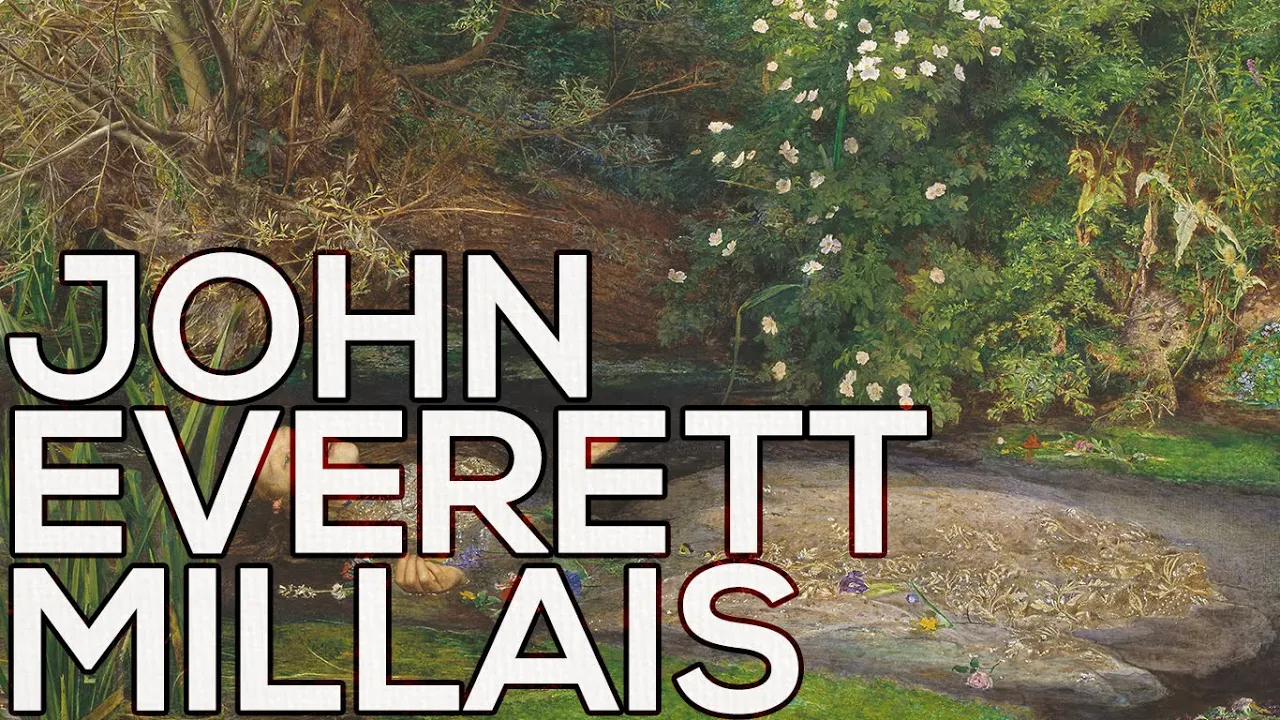
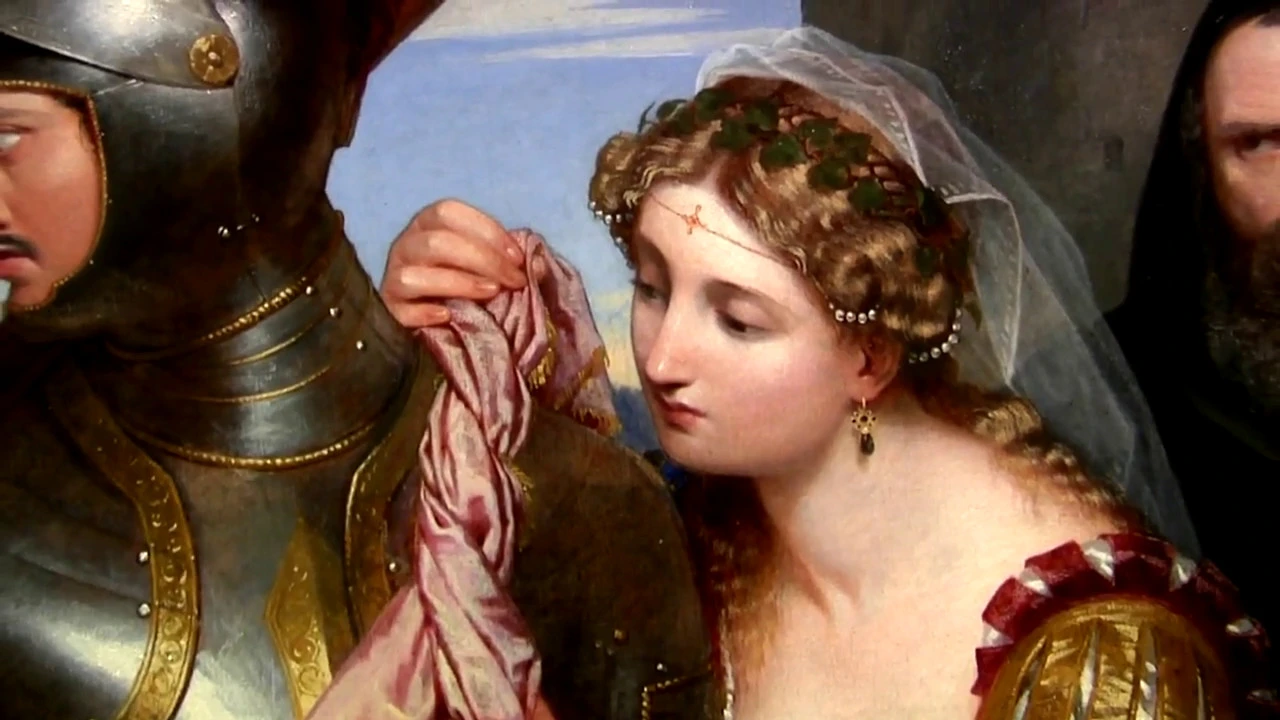
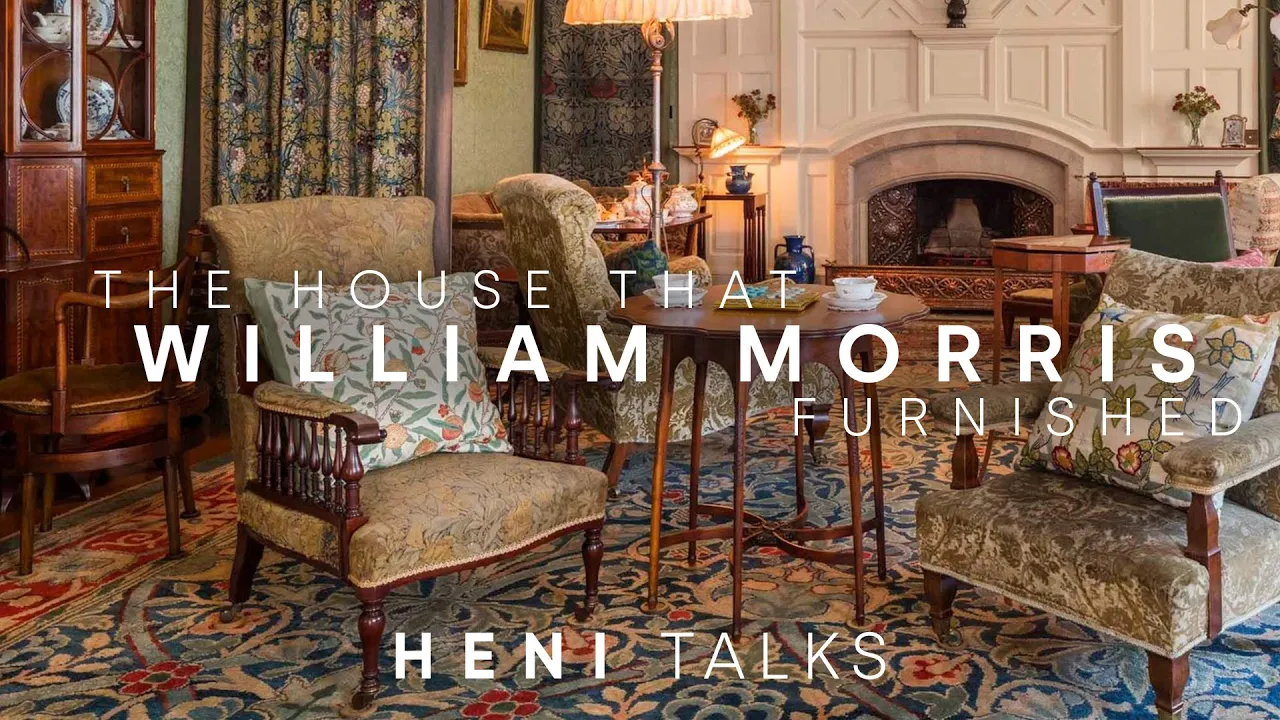
in fact it was the house of miley's parents i think there was a little less traffic in those days [Applause] [Music] the guys put a plaque on the door saying prb some people of course thought it meant please ring the bell others who were real insiders knew that it was about rossetti i.e penis rather better [Music] today it's an office but once upon a time the back room was miele's studio filled with canvas paint brushes and bric-a-brac here the group studied engravings of work by artists of the past especially those before renaissance painters like raphael hence the term prerapholite [Music] this is an edition of the campo santo engravings by carlo lesinio it's a book that the brotherhood poured over time and time and time again in their quest to find out what painting before raphael was really like their aim was to take art out of the establishment and give it back to the people this was a world away from high renaissance paintings commissioned by wealthy noblemen in the church what these engravings offered were pictures of real people faces that the artists saw in the street engaged in conversation and so the pre-raphaelites decided to do the same using real people in dramatic situations to tell human stories that ordinary people could understand [Music] their paintings are unafraid to tackle the big themes they are about love death history myth legend religion morality and above all they are about psychological drama whether it's a proposal of marriage a betrayal or death threat [Music] this is bile's painting lorenzo and isabella here in the walker art gallery in liverpool and it's one of the very first pictures in which the monogram of the pre-raphaelite brotherhood first prominently appeared you can see the letters prb at the foot of isabella's stool the subject matter comes from a poem by keats isabella is the daughter of a wealthy florentine merchant she wants to marry lorenzo the man sitting next to her but he's only a lowly clerk in the family business and her brothers have other ideas isabella will not be allowed to marry beneath her so her brothers murder lorenzo to prevent the couple eloping this is an honor killing like the medieval painters before him mila used real people as his models his sister-in-law his father and his friends even rossetti gets a look in draining a wine glass at the back frankly you could say that milo's composition is pretty ropey and the legs very awkward but this early picture shows what the brotherhood was about the vivid colours result from their technique of over painting a canvas that had been previously primed with white it became their trademark this picture may look like a medieval painting but it's designed to have contemporary meaning this is more than a simple narrative painting it is a protest against restrictive social expectation the year 1848 was a time of massive social change when the industrial revolution was in full throttle towns like manchester liverpool and london were overcrowded unsanitary and diseased [Music] infant mortality was high and death was ever present i'm here in sunny cleveland street just north of oxford circus where holmen hunt studio was by the 1840s apparently it was even nastier than it is now a real dickensian place with prostitutes you name it cheap shops and all the like i don't think it's improved [Music] living and working in london rossetti hunt milay saw the huge price that the lower classes were paying for this new industrialization those flocking to the cities in search of work were met with low paid unregulated jobs if they were lucky more often than not they were faced with unemployment many girls were forced into prostitution to survive an occupation that fed the appetite of the wealthy and by many i mean many in the last quarter of the 19th century at least 80 000 prostitutes worked in central london alone in the late 1840s the victims of industrialization called for change inspired by the revolutionary workers around them milay hunt and rosetti together with their pre-raphaelite brothers decided that it was time for their own revolution in art in 1853 holmen hunt began to paint pictures about contemporary issues not least the surge in prostitution which he saw as a direct consequence of the industrial revolution the result was this painting the awakening conscience the painting depicts a kept mistress on her lover and of salubrious villa ensign john's wood in the 19th century this was an ideal location for a man to keep his mistress close to home in belgravia but conveniently hidden away in hyde park the woman has rings on every finger of her left hand except for the wedding finger she is also in what at the time would have been called a state of undress her loosened hair indicates her intimacy with the man the discarded soiled glove in the foreground represents her realization that she could be abandoned by her lover at any time and fall into common prostitution the model for the painting was a barmaid annie miller who homan hunt was attempting to educate and then marry and he is shown jumping up as if she has just heard a knock on the door or has realized that her life has to change holman hunt originally intended the painting to be seen side by side with another of his works a painting that was to become one of the most famous pre-raphaelite images of all time [Music] in the light of the world hunt depicts a passage from the bible behold i stand at the door and knock if any man hear my voice and open the door i will come into him and will suck with him and he with me annie miller here as a kept woman is therefore responding to christ knocking on the door the deeper meaning of the paintings only become clear when they are seen together now we can see why this picture was intended to be painted with the awakening conscience you see it's about anyone can be saved anyone can hear the knock on the door in the 19th century even jesus was a [Music] [Applause] pre-raphaelite in the summer of 1851 john everett milay and william holman hunt traveled to the countryside and began painting outdoors they painted every day except for sunday usually from eight in the morning until seven in the evening eleven hours a day six days a week for twenty three weeks the idea was to rediscover the natural world that was threatened by the industrial revolution this is holman hunt's famous painting the harling shepherd in the manchester art gallery where is the most superb collection of pre-raphaelites and wonderfully shown i recommend everybody to go to it the story here of course is is that the shepherd is neglecting his flock showing something called a death's head moth to his girlfriend which is an excuse obviously for him to get closer and closer to her and whilst all of this is going on the sheep are straying as you can see one has even got deep into the field here and every little bit of this picture is is in my view a picture in itself it's painted on a white background of course like the pre-raphaelites always did primed in white so that the colors stand right out at you and no attention to detail is spared if you just look here or here or here or here you just took them as a little little snapshot their paintings in their own right so none of this darker around the edges the preraptor lights painted absolutely everything whether it be the little flowers or the apples or the detail it's all all here for you to see of course it's rather a naughty painting in some ways and of course there are illusions to the garden of eden uh i i'm always rather amused by the fact that he's got this cake so they're clearly going to get stuck in at some point these uh wonderful country rustic people with their very brown skins and look at his arms and again you know exactly what's going to happen this story is only going to end in one way [Applause] [Music] [Applause] at the same time holman hunt's companion john every milay was working on a picture that was to become the defining image of the pre-rephalite movement ophelia [Music] the picture is based on queen gertrude's description of ophelia's suicide in the fourth act of shakespeare's hamlet ophelia is depicted floating in the stream buoyed up by her clothes spread wide and still singing snatches of old songs [Music] everything theatrical is secondary to the depiction of the natural world around here [Music] the dozens of different plants and flowers in the painting are depicted with painstaking botanical fidelity and in some cases charged with symbolic significance the willow the nettle growing within its branches and the daisies near ophelia's right hand are associated with forsaken love pain and innocence respectively [Music] the poppy is a symbol of death the pre-raphaelites first exhibited their paintings at the royal academy show then held at the national galleries building in london stravaga square not all their paintings were well received once the secret of the pre-raphaelite brotherhood was out the critics really took against the idea of a secret society take christ in the house of his parents this was the first important religious work exhibited by mele and one of the most notorious produced by a member of the pre-raphaelite brotherhood the critics slammed it most shocking of all was miley's depiction of the virgin mary what he is after here is realism but her haggard expression was interpreted by some as a sign of degeneracy the times wrote that the picture is plainly revolting milay had insisted on working in a real carpenter's shop said to have been located on oxford street where he installed a bed he got various friends and relatives to model for him milay's sister-in-law mary hodgkinson sat for the virgin mary the sheep were painted from two sheep's heads that he obtained from a butcher's shop milay even cut his own finger and squeezed the blood from it onto the palm of henry noel humphries the young model for christ [Music] in the age of photography in the microscope the pre-raphaelites went to extremes in their pursuit of detailed realism had to be as accurate as possible [Music] ever since i put your picture in your frame [Music] when holmen hunt had the idea of painting this goat here in the lady lever art gallery in liverpool he wanted it to be a symbol of jesus christ it is a reference to the scapegoat in the old testament of the bible a goat that was driven out of the temple on the day of atonement bearing the sins of the community this then becomes a symbol of jesus christ who died for the sins of the world [Music] not content with painting any old animal holman hunt traveled all the way to the holy land and in jerusalem he bought his own goat transported the thing 60 miles to the shores of the dead sea positioned it in the barren landscape surrounded by skull and bleached camel bones and hunts spent day after day painting the pale fleece of his goat on the journey home however the animal dropped dead hunt probably bought another one which he posed in a tray of salt and mud brought back from the dead sea you kind of wonder don't you would have been simply finished the painting in the first place who have got a goat in the lake district [Applause] [Music] there is perhaps a hint of insanity in pre-raphaelite painters like their subject matter they are not always of this world obsessed with detail possessed by madness and haunted by dreams memory and death [Music] love and beauty was central to rosetta's paintings in particular he had a weakness for women and particularly women who were attached to other people he developed an infatuation for janie morris the wife of his friend william morris the designer and poet and the two had a passionate affair an affair played out on canvas again and again this is rosetta's masterpiece the start is siriaka frankly if you don't get this picture it's time to channel hop because it really truly is the embodiment of everything that rossetti stood for it's of course about his passion and love for jamie morris william morris's wife and here she is as the syrian goddess of love it really encapsulates everything about rosetti it's all his favorite subjects in one go legend religion art and love in this extraordinary claustrophobic and rather mannerist background you really see janie as the fan fatale she's been immortalized and turned into a pagan love goddess the glazing technique which kinda makes the picture in a way was influenced it said by titian and rosetti himself said that when the painting was finally glazed it left out this is alive today isn't it as it was when it was painted 100 years ago is renowned for strong solitary images of women the idea was to make an artistic stand against the new age of mass production the mid to late 19th century had seen a vast increase in factory labour and there was a collective feeling that individuality was being lost workers toiled in production lines dressed in the same clothes doing the same job the individual had become a machine [Music] by focusing on single female figures rossetti was reasserting the importance of the individual imagination and personal experience for me the really exciting thing about much of light art is its lyrical beauty it stops you it makes you stand still because it stands to itself it's also intensely theatrical people are shown in crisis at the beginning or the end of an affair on the cusp of making an important decision and even at the point of death i think that the reason these pictures have always been loved by ordinary punters as opposed to some of the posh art critics is because they tell a story of the greatest combinations of beauty and storytelling is rosetta's procepine it's a favorite painting in my collection [Music] procepine was the empress of hades who was only allowed to leave hell if she rejected all of the fruit that was there unfortunately she had already eaten a single grain of pomegranate and was so condemned to spend her life between worlds half on earth and half in hell the bitten pomegranate echoes the shape and color of the red lips it is another image of a doomed woman and i find it extraordinarily beautiful the iv clinging to the wall and the lamp on the parapet are both symbols of memory [Music] but the lamp is only smoking there is no real light memories fade with the light you know one of the most famous things about any kind of collector in art is is that you always want the pictures that you missed and i missed procepine early on in my collecting career and always always was furious about it and i could have had it anyway i was going through caesar's palace shopping mall in las vegas of all places i think i was doing starlight express there at the time and to my extreme annoyance there was a vast blown-up version of procepine dominating them all so i asked the art bookshop there such as it was and said why on earth is proscipine dominating caesar's palace and they said ah it's the most popular greetings card of the year here so i was even more angry and i've only really calmed down since i managed to get it a couple of years ago the almost hallucinatory style of the painting was taken up by rosetta's protege edward byrne jones and the second wave of pre-raphaelite painters these painters were fascinated by enchanted worlds spells sleep and dreams this painting from my collection is called the mirror of venus [Music] the mirror of venus is unashamedly about beauty and only about beauty it is an extraordinary picture because it's very much an antidote to the industrial revolution burn jones himself came from birmingham and you see the girls here in this arid landscape but here in a kind of oasis is this oasis of beauty jones claimed that when beauty was allied with the imagination we are close to the secret of all things this is one of his greatest paintings love among the ruins celebrating his profound belief that the human heart can survive whatever life throws at it [Music] these works encourage the viewer to delve into the world of the subconscious and all this a century before those other explorers of dreams the surrealists and the work of sigmund freud it's a profoundly modern way of thinking not only about painting but also about the very nature of human identity [Music] baby and she may [Music] with when i see my baby [Music] in the late 19th century the pre-raphaelite idea of looking back to a pre-industrial past extended into all the arts particularly architecture [Music] one of the foremost architects of the age was william butterfield who completely reinterpreted medieval gothic architecture in victorian terms this is butterfield's wonderful keyboard college oxford which i think is one of the greatest buildings in the country yeah i know people have had a go at it over the years but it is just i think amazing staggering i mean if you really don't like this get a life because it's a superb statement i mean yes of course it must have reminded people a little bit like a whole load of teddy boys arriving at some kind of tea dance but it is just the thing to shake oxford up i love this place and i'll never have a word set against it i love every movement and there's nothing i would change [Music] architecture became a central part of the arts and crafts movement in the late 19th century and the pre-raphaelites were keen to play an active part [Applause] [Music] this is the most extraordinary thing it's a design for a gothic window by melee which was drawn in 1853 and this is an arch that blows me away in a way because it's incredibly sensual it's these angels entwined kissing and i find this extraordinary because it's art nouveau completely anticipated a most amazing piece of draftsmanship and incredibly passionate a very difficult thing to build i have to say in the 19th century this design was never executed relay's window was never built a few years ago i thought i'd have some fun so i commissioned somebody to build the arch [Music] the move into architecture shows the keenness of 19th century artists to extend their influence over every aspect of people's lives especially homes and interiors an influence that still survives today this is kelmscott manor on the banks of the thames it was built of traditional cotsworld limestone in the late 16th century and william morris chose it as his summer home signing a joint lease with rosetti in the summer of 1871.
william morris was absolutely passionate about kelm scott he felt that the house was an organic part of the countryside and totally belonged to it he described the roof and he said the orderly beauty of the tiles reminded him of fish scales or bird feathers rossetti however hated the place and called it the doziest dump of old beehives i find it very extraordinary to be in william morris's house at kelnsgood but particularly this book which some people say is his masterpiece it's a complete homage to calligraphy i.e everything is done by hand it was designed by william morris and it was executed by fairfax murray to a whole load of designs by bern jones and it is of course the enid i mean it is astounding all gold leaf these extraordinary illustrations and everything is by hand it is almost unbelievable i mean it's going back to the medieval idea of manuscripts how anybody really could be bothered to do this is is is what is remarkable i mean if you really wanted an antidote to the industrial revolution you've got it here in spades absolutely extraordinary can you imagine setting about doing this today i mean i shudder to think how long it would take to do a page of this and of course it is very interesting to see the way it was put together now this is another brilliant one it almost takes your breath away this detail it's purely about beauty as a book it has no point at all other than it's about beauty william morris declared have nothing in your houses which you do not know to be useful or believe to be beautiful this is something for which i'm all in favor [Music] this piano was decorated by an artist called kate faulkner who was a well-known victorian decorator very much influenced by byrne jones and it's a fabulous thing i remember when i bought it it was filthy dirty a chef told me about it and it was covered in nicotine and brown and i just thought well maybe it'll clean up but if it didn't it belonged obviously in some bar somewhere and i thought if it didn't well he could just go back to the bar where it came from luckily it cleaned up absolutely beautifully and then i'd suddenly discovered to my great delight and in fact it was a rock and roll piano great rock and roll action too [Music] but come on little baby there's a whole lot of shaking going on very good for jerry lee you see and we just sometimes use it in the evenings and cover it up with a cloth get round here and guard it over by procepine we let the rock and roll happen [Music] although i'm now pretty familiar with victorian art and architecture there are still places i haven't been to this is whittic manor just outside wolverhampton it's one of the most perfect examples of the marriage between art and architecture an unexpected time capsule filled with pre-raphaelite treasures in one of the least expected of places there are times when you stumble upon something extraordinary and i'm afraid that i didn't know whittake manor it's the most amazing place i think i've been to in many many years because the family have continued to collect victorian art buying pictures for nothing when victorian art was worthless and the consequence is that we have a perfect victorian interior [Music] i think the last time i was totally blown away by a building that i'd never seen before was i went to see sandini to the north of paris where of course it said that the gothic arch was first invented by abbott suje i cried when i saw the building and i've just cried going around here because this wittig manor is the most extraordinary place i think i've i've been to in so many years i can't even count them it's alive this place is not some museum at all it's about a whole family's passion for victorian art art collected in the 30s and 40s when art was of this kind was just valueless i've just seen some cupboards upstairs which were designed by rossetti for swinburne which the owner bought for five pounds basically offers skip and you just say this building is it there's jamie morris's little sofa where she sat there's the work of her children here you know embroidery and everything and it's just breathtaking overwhelming and i don't know i i i don't think i've ever been to a place like this at all because it's victorian art alive it's not a museum you've got to come here [Music] live [Music] 19th century artists and architects were often passionate believers in social improvement and their return to ideas first forged before the age of raphael gives 19th century architecture its medieval look [Music] this lands the place there is no greater example than the buildings made for a whole community at port sunlight in liverpool everywhere the man behind port sunlight was william hesketh lever later lord liverpool the owner of the sunlight soap factory what libra was trying to do with the fortune that he made from his soap was to put something back for his workers so he created here at port sunlight over a thousand houses centered of course around his art gallery which contains some of the most significant modern pictures of its day he built a cottage hospital he built schools he built community halls he built really practically everything you could think of including a swimming pool and i regret to say a temperance center i shall be visiting that these were men who had profited from the industrial revolution and now wanted to give something back and the arts and crafts style was a perfect fit for them may not have worked to everyone's taste may not have lasted but it was a noble ambition that showed just how extensive the influence of the pre-raphaelites had [Music] become by the end of the 19th century victorian art and architecture had developed an easily recognizable and dominant visual style but as the 20th century began and the first world war loomed how would it survive in the new modern age [Applause] uh [Music] part of the appeal of victorian art lies in its innate sense of the tragic so many of the paintings are about love loss and death as the 19th century drew to a close european painters became more and more obsessed with the idea of women either in a kind of found fatale situation luring men to some kind of untimely death often in the sea or the tragedy of women in another situation and here of course we have arguably the most famous painting by j.w waterhouse now j.w waterhouse is normally known for his nipple count waterhouse was very well known for painting pubescent girls and he showed lots and lots of nipples [Music] this however is something very different the lady of shalott is based on the romantic poet alfred tennyson's poem of 1832 in the poem tennyson describes the story of a woman who lives on the island of shalat upriver from king arthur's camelot deemed a fairy by a peasant who hears her singing she has been cursed for reasons that neither she nor the reader understands not to look out of the window of course she does when a handsome knight lancelot passes by she cannot stop herself the curse falls and she is forced to sail to camelot singing as she dies i think in this which is arguably his best picture you really do see that the guy could paint and that's the truth he really could and there's odd symbolism the figure of christ which i've only seen since we got the painting lit today i haven't seen it ever before it's strange and is it a rosary i don't know it sort of almost looks like christ in bondage and i can't be right but this is a really really great late 19th century painting maybe waterhouse is the tip of the iceberg of a tradition that was getting a bit atrophied but this picture is really really the real thing the idea of untimely death fascinated victorian artists poets often got the worst of it this is the young romantic poet thomas chatterton a writer of gothic tales who killed himself with arsenic because he couldn't make ends meet [Music] the painting is by henry wallace and carries on in the tradition of heroic martyrs dying in the cause of art but with the onset of the first world war the 20th century attitude to death changed radically and dramatically whilst there were still artists painting sleepy unblooded tales of chivalry the rest of the world would go to war in the mud of the trenches [Music] after the horrors of the first world war victorian painting and particularly the late pre-raphaelite followers became anathema everybody thought they were totally irrelevant who really wanted to see damsels in distress who really wanted to know about the victorian vision of ophelia but despite the fact that the pre-raphaelites had become completely and totally unfashionable and nobody wanted to know about them it is quite surprising how many 20th century artists did still sneakily admire them and in fact walking into an art gallery today it's easy to forget how contemporary the pre-raphaelites still feel i'm in southampton and we're here to look at the perseus series by burn jones they're very interesting because in many ways they look incredibly modern i mean take take this it's pretty extraordinary isn't it i mean yes of course the girl is a vern jones girl but look at the rest of the picture and again the way he's making shapes all the time very very very dark very dark images of course here you've got something much more conventional i mean we we know that that's the vern jones everybody knows and loves i mean the girls obviously they're very idealized girls idealized beauty of course but then on the other hand you take this picture which almost has a sort of cartoon quality about it but look at the bloke i mean a victorian full frontal nude well the victorians didn't really go for that but burn jones brought the nude back albeit in a kind of idealized way but it's a pretty strong and pretty powerful image for the late 19th century if you come down here i think we find what i think is is the best of the series which of course is perseus about slay the sea serpent and i mean look at the rhythm of this i mean there's the most fantastic rhythm in the swirls of the picture and of course burn jones again with his idealized female nude of course untouchable like girls tend to be if they look like that but a fantastic fantastic image i think really really powerful and again just think of it it's pretty contemporary isn't it but for me if you look at this and you say wow is that really really a victorian artist who comes from the pre-raphaelites answer yes but of course burn jones went off in his completely different direction this is the fall of lucifer which bern jones wanted to call paradise lost and in my view it's one of the most interesting pictures that i have because it was originally designed for the american church in rome which if you're in the eternal city is in my view one of the better places to go it never was executed it was never never designed it was i suppose going to be some kind of mosaic but it never happened and burn jones kept it in his studio and was very very fond of it he kept saying to his wife that nobody understood it nobody appreciated it and i wonder if without it sounding a bit pretentious whether or not it's really because he's experimenting with a kind of two-dimensional cubism it's a very very remarkable piece i mean you do get the feeling that burn jones is trying to move well away from the victorian art that he's probably best known for and i think that the extraordinary thing about it is how modern it is during the time we've been making this program it's given me an opportunity to think again about the pre-raphaelites i've seen a lot of pictures and old friends that i haven't seen for years and i've been to places that my day job doesn't allow me to get to very often i've been thinking therefore about what is it that makes the pre-raphaelites so special particularly to the british if you think about it they painted subjects that came from our most famous authors such as shakespeare or tennyson they painted our landscapes but they also painted contemporary subjects such as prostitution as we've seen and i think there's something about them that makes them incredibly relevant for today for exactly that reason they weren't afraid to lay their emotion on a sleeve no of course they weren't and some may find that sentimental particularly in the later paintings but what they really really did have was a passion to change in their own way and i don't believe they're a footnote to art i think they're the part of the mainstream but a very british mainstream as we're all living longer now or at least you lot probably are in a hundred years time i bet you the paraphilites will be around when diamond encrusted skulls have been consigned to the attic just like the pre-raphaelites were 90 years ago [Music] and find out more about the making of the perspectives films with exclusive interviews with the directors at itv.com perspectives following 10 interns at the prestigious london school of surgery who are training to become consultant surgeons it's next tonight [Music]
Up Next
48:03
Rococo to Neoclassicism: Western Art Landmarks
@PerspectiveArts
29.2K views•2023-07-08

114:18
Christian Iconography: History, Theology, and Meaning | Fr. Panayiotis Papageorgiou
@Trisagionfilms
58.8K views•2020-02-21
7:48
Ukiyo-e Art: History, Woodblock Printing & Influence
@japanathand
6.3K views•2023-06-08

16:34
Earliest Depictions of Jesus in Art: 10 Ancient Images Explained
@UsefulCharts
5.9M views•2022-06-03
Related Study Plans & Knowledge Roadmaps
Structured learning paths in Art History
art-history
Gothic Cathedrals: Engineering, Light & Society
01The Birth of the Gothic: Romanesque to Suger's Vision
02The Structural Triad: Pointed Arches, Ribbed Vaults, and Flying Buttresses
03Theology of Light: Lux Nova and Sacred Geometry
+ 2 more learning modules
14h5 modules
Explore Roadmap
art-history
Pre-Raphaelites: Realism, Symbolism & Critique
01The Victorian Art Establishment and Academic Formula
02The Founding of the PRB and Radical Realism
03Medieval Revivalism and Literary Symbolism
+ 1 more learning modules
8h4 modules
Explore Roadmap
art-history
Street Art: From Subways to Art Market
01Subcultural Origins in Philadelphia and New York (1970s)
02The Subway Era and Style Wars (Late 1970s - 1980s)
03The East Village Scene and Early Gallery Crossover
+ 2 more learning modules
10h5 modules
Explore Roadmap
art-history
Classic Maya Art: Iconography, Glyphs & Ritual
01Foundations of Classic Maya Visual Culture
02Deciphering Maya Hieroglyphs & Text-Image Integration
03Sacred Geography and Cosmological Architecture
+ 2 more learning modules
14h5 modules
Explore Roadmap