
























Dante Gabriel Rossetti (1828-1882) was a pioneering English artist and poet who founded the Pre-Raphaelite Brotherhood in 1848, a revolutionary art movement that rejected academic painting in favor of medieval-inspired imagery and emotional intensity; despite achieving commercial success and critical acclaim through his distinctive style of combining poetry with visual art, his turbulent personal life—including affairs with married women like Jane Morris and his wife Lizzie Siddal, addiction to chloral hydrate and laudanum, and chronic depression—ultimately led to his premature death at age 53, though his innovative approach to integrating text with image and his creation of the iconic 'Pre-Raphaelite woman' (a blend of saint and sinner) profoundly influenced the Symbolist movement and modern art.
Dante Gabriel Rossetti: Pre-Raphaelite Art and Scandal
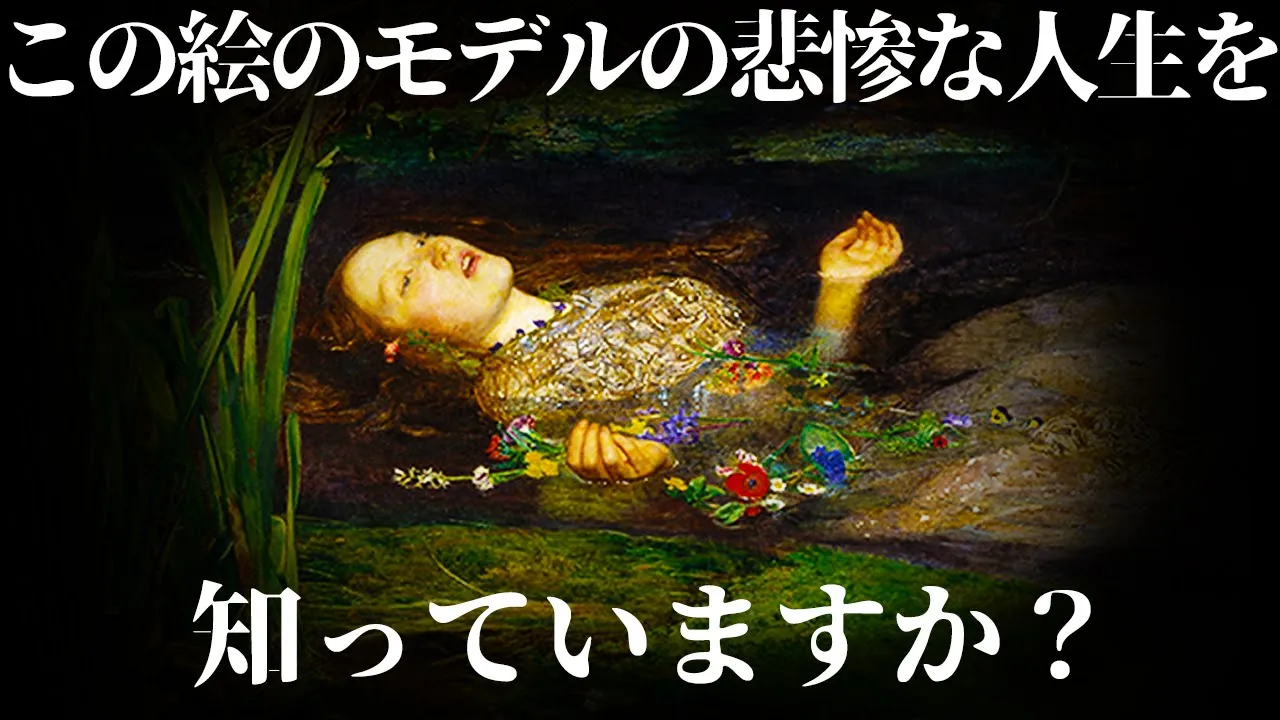
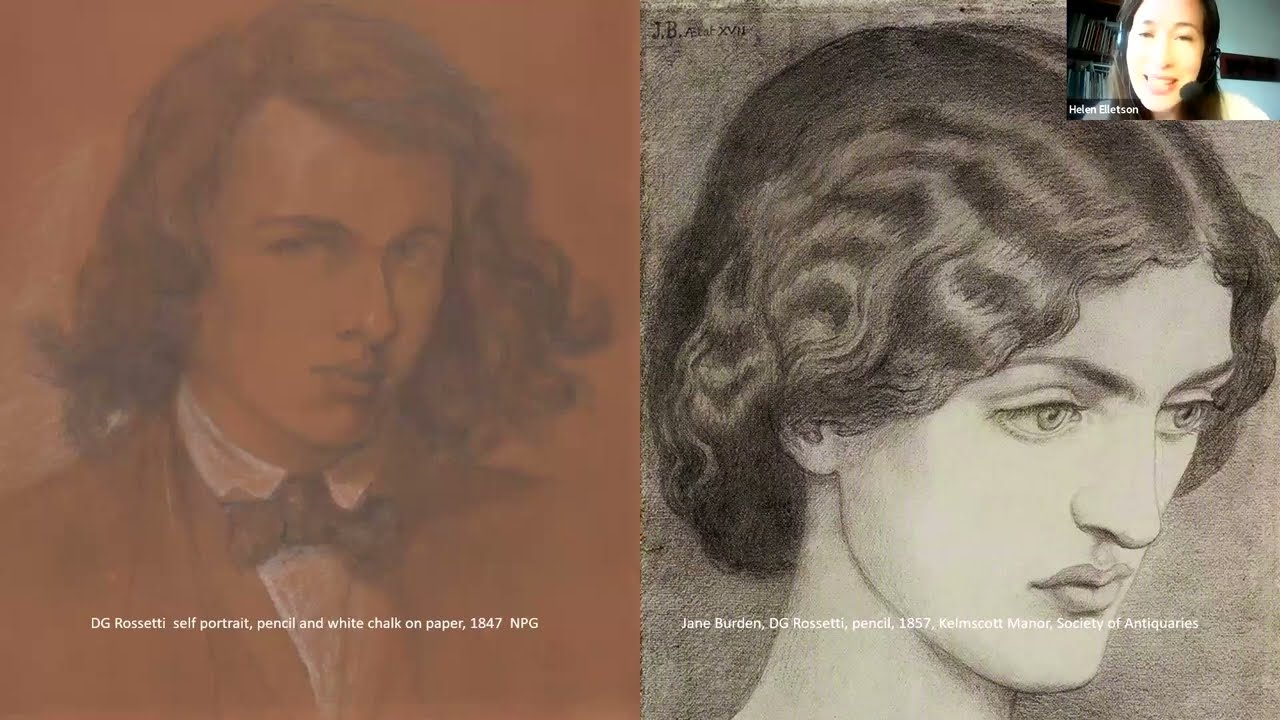
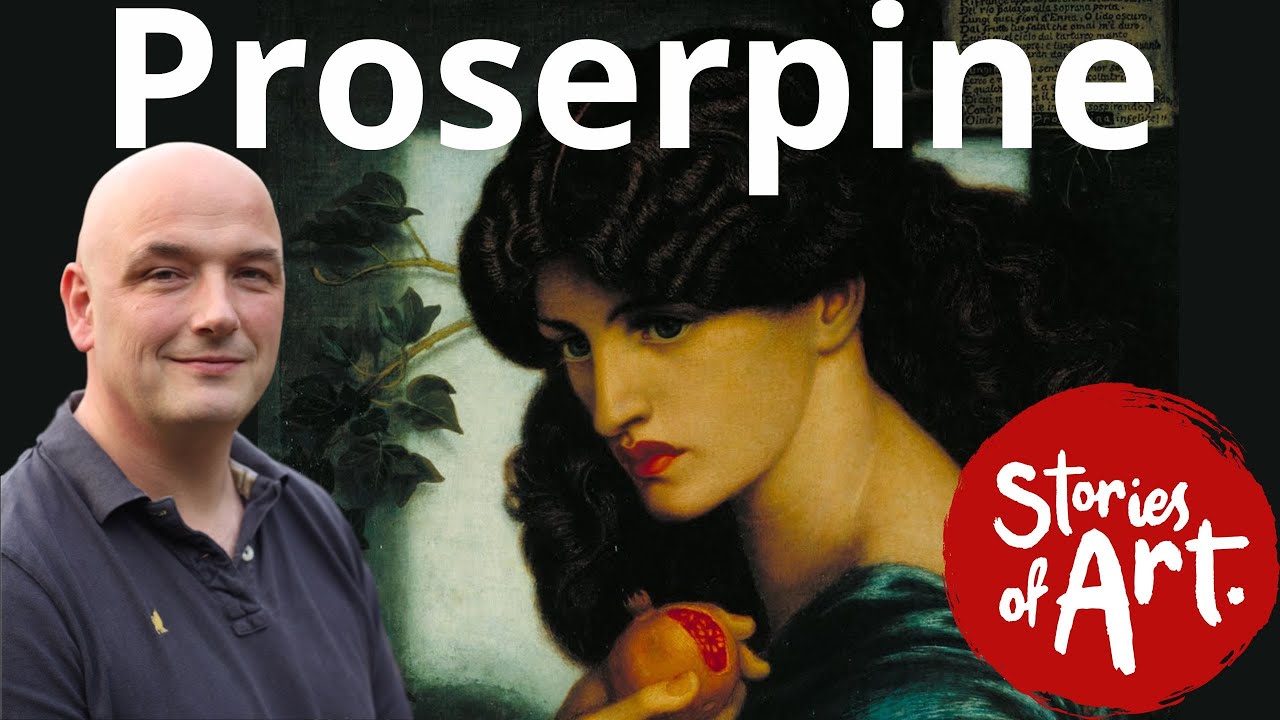
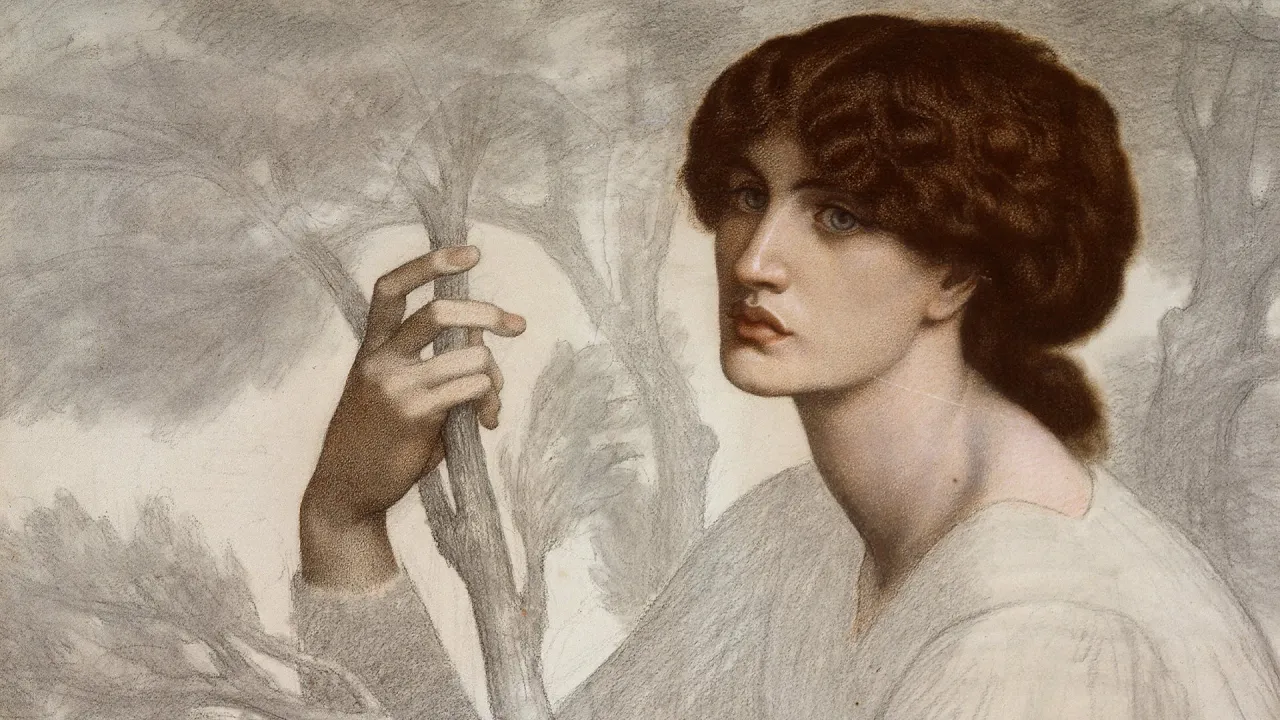
Added:[Music] e in 1871 a famous English artist enjoyed the happiest summer of his life in July that year he left his home in London and set off for kelmscott manner in glir accompanying him was his beloved mistress Not only was she a married woman she was married to his friend in the weeks that followed the two lovers took advantage of the idilic rural setting and the fact that her husband was out of the country to Revel in their passionate Affair the lovers were Jane Morris wife of the English socialist William Morris and Dante Gabrielle retti at the time retti was 43 years old successful and famous though he chose not to exhibit in public his finest Works were well known to The Connoisseur retti was admired for his medieval watercolors and for his many pictures of beautiful women he was also appreciated for his work as a poet but he was perhaps best known for his role in the prolite Brotherhood a secret society whose bold aim was to free the British Artist from the shallow conservative ISM of academic painting ultimately the praly Brotherhood fell apart and this would also be the fate of its most famous member after his idilic summer in glare reet's health and mind deteriorated rapidly he had always been a complex sensitive man whose relationships with women had often led to terrible traumas his liaison with Jane Morris was no exception retti turned to drink and drugs to deal with his problems and it was these addictions that led to his death at the age of just 53 but the work he left behind is a Timeless testimony to his achievements in life reta's achievement was to bring together a group of of people who were really quite different I think in their Outlook and then to really develop something which was quite different to the early prism no narrative necessarily something which was a dream a fantasy something which fits into the wider movement of symbolism Rosetti was the most imaginative of the pites and I think his main achievement was really the creation of the image that we associate most with the pites and that is the prolite woman the idealized woman when we see her with the sort of long limbs the one face the flowing hair and what I think is interesting about her is that she's a sort of mixture of Saint and sinner she's partly based on the images of the medieval romances she's partly a woman of the street she has an enigma about her you can find her in symbolism amongst the symbolist poets and Painters she's one of these enduring enigmatic images he in a way was an independent artist his art reflects Ed that um very deep romantic Vision that he he he he he was able to generate within himself in fact he had very few genuine people who could emulate what he did he had many imitators but none of them were really able to have that force of vision that he himself was able to create Dante Gabrielle retti was born on May the 12th 1828 in the city that would be his lifelong home London he was the second of four children born into a family of Italian Exiles it was an intellectual household Dante's father was professor of Italian at King's College London and his children were also High Achievers Christina found Fame as a poet and William as an art critic Dante was also a successful poet but but it was clear from his youth that art was his true passion it is said that his early love of drawing was so strong that his Destiny as an artist was never in doubt at the age of nine he became a pupil at his father's school where art lessons were part of the curriculum aged 14 he moved on to the well-known London art school known as sasses and 3 years later became a student at the Royal Academy it was an orthodox artistic upbringing but the young retti hated it he did not respond to discipline of any kind and gained a reputation as a romantic free spirit as this 1847 self-portrait May reveal this is the image of an attractive young man on the point point of entry into adult life it is also a more than competent work of art but at the time it was drawn bretti was still considering a career in poetry so he wrote to the famous poet and critic Lee Hunt asking for advice when hunt replied that it was easier to survive as a painter than as a poet retti decided to earn his living as an artist but he never gave up poetry completely by writing to Lee Hunt the young retti revealed his bold self-confidence this was apparent again in March 1848 when he wrote to the painter Ford madx Brown asking to be taken on as a pupil retti paid Brown so many compliments that he assumed the young man was having a joke at his expense immediately he rushed round to the retti home armed with a club to teach the Joker a lesson only then did he realize that the young artist was genuine so in the summer of 1848 retti became a student at Brown's Studio but their Master pupil relationship would be brief the rebellious retti found formal ing by Brown to be just as hard as that on offer at the Academy but it was the academy that retti disliked most he saw it as a conservative institution that championed the dull conservative painting dominating the British Art Market retti hated this worthy academic approach and he found two fellow students who shared his view John Everett melee and William Holman hunt Rosetti hunt and melee had in common was really the things they disliked they disliked the materialism of the modern world they disliked the pedantry of the academy they disliked all the painters who would do pictures of glossy animals and pretty women and people like that and so I think it was really more that they were reacting against something and this was the idea to move away from something they were more united by that than they were by some other common ideal the prb painters felt that art needed to be revitalized it needed to go back to a more simple form of presentation they looked back to artists whose work was more from the quental school the preite painters and Raphael was regarded as the epitome of art at the time the artist who wanted emulate it was a revolutionary art movement that wanted to sweep away the kind of painting that people had become used to there was some argument about what they were going to call themselves some discussion I should say one of the first suggestions was that they should call themselves early Christian artists I think it was but this was put to one side because it was too too religious really a title what they were were doing by choosing that title was saying that they were deliberately looking back to a period in art which was heartfelt truthful something which went to Nature observing minutely closely everything rejecting nothing selecting nothing to keep the society a secret they decided to refer to it by the initials of its name and we can see these initials on rti's first great oil painting the girlhood of Mary virgin PB every bit of that painting has some kind of meaning not just the figure of Mary herself who of course is Christina Rosetti his sister it's the dove it's the the Lily it's the books it's all those different things which will tell you about the nature of Mary her character she's wearing Gray she's seated in profile she's looking in a very kind of demure very modest way as you would expect she is not showing any particular emotion it's a very quiet image it's an image of Ideal femininity and it's one that fits in very well I suppose to to a Victorian idea about what women were about at the time the coloring is bright and Vivid and there is a strong element of symbolism whose meaning is revealed in two retti poems which were attached to the frame of the canvas all through his life RTI continued to accompany his visual art with verse first and foremost Rosetti was as much a poet as he was a painter he saw I think the two things as interchangeable the idea of creating an image which was both a visual image and a poetic image all in one together became a natural cause for him so that he would construct uh frames and put his poetry in on the frame and he would construct images that reflected his poetic ideas so this was all part and parcel of the same thing as far as he was concerned he was somebody who was absolutely infused by poetry by Italian poetry by The Poetry of Dante and Picacho by the English poetry of Keats for example he's trying to bring out certain narratives and feelings which may not necessarily always be there in the painting itself it's interesting to me that of course he was looking at Blake early on and I think that kind of romantic inter relationship between text St image is something which is very peculiar to Rosetti It's Not Unusual for artists to to put text into their paintings or to put text into the frames of paintings but Rosetti does it in a more sustained way discover the past with exclusive history documentaries from history hit and uncover the secrets of some of the most famous people and events in history history hit gives you access to a growing range of documentaries presented by and featuring historians at the Forefront of research and debate whether you are looking to find out more about charismatic leaders like Cleopatra or to discover the story behind the industrial revolution history hit will have something for you we also aim to bring you the stories and legends that shaped our world through our award-winning podcast Network sign up now for a free trial and absolute history fans get 50% off their first 3 months just be sure to use the code absolute history at checkout in 1849 at the age of 20 retti showed the girlhood of Mary virgin at London's free exhibition and it sold for 80 ginies his career was now underway and so was the prolite Brotherhood in late 1849 the expanding Society began to publish its own journal known as The Germ which provided an outlet for's poetry early in 1850 he began his next project in paint the enunciation but before the canvas was ready for exhibiting in the spring the meaning of the mysterious initials prb leaked out into London's art establishment the result was little short of an outrage when the pite Brotherhood was revealed to the world when people found out what this prb meant that they were sticking on their pictures it was really quite a shock quite a horrified response I think this was because it was in 1848 and it was a time of revolution in Europe and they were seen as a kind of subversive group in Britain in particular this was also associated with religious fears Britain was still a Protestant country basically and there were fears that Catholicism was gaining ground again their interest in medieval art was associated in many people's eyes with Catholicism and this was another thing that caused people to fear them in if fact they seem to be a subversive element 1848 was to put it mildly a difficult year a year of European Revolution it was a time when there was upheaval time of chartism a time when secret brotherhoods were not the most sensible thing to form if you were wanting to make a name for yourself in the art world the criticism Unleashed upon the young men of the prolite Brotherhood was severe and retti took it especially badly after the exhibition of this second canvas he decided never to show his work in public again this dramatic reaction was in spite of the fact that it was almost certainly retti himself who let slip the meaning of the prb initials his fellow brothers were annoyed with him and their displeasure was only increased by resetti's decision to show the enunciation at the free exhibition rather than at the Academy which they felt was the true Battleground for their movement the Annunciation is a very important moment in early prism it's a very white painting the Virgin herself is kind of shrinking back and looking concerned I think it was William Michael Rosetti who who said that of course she's on the bed but she doesn't have bed clothes because of the hot climate so it's a truthful representation of how Mary would actually have heard the news not receiving it with absolute Equanimity but but actually being frightened and disturbed by it you can see how the Virgin is crouched up on the bed at the back she's full of fear as the angel comes towards her and of course traditionally the Virgin is full of fear when the angel comes but he turns it into a psychological fear almost a sexual fear this is somebody being told that she is going to have a baby and you feel there is a sense of loss of virginity in the picture something that contrast of course with the virginal white of the whole effect it is a picture about the loss of virginity and he pulls that side of the story out which is very original in that kind of religious work but it is quite remarkable for its time for being a picture that's so much about color effect Pure Color effects as well as all those wonderful areas of white you have pure blue and pure red you have the primary colors and the whole thing has a very elegant long thin design the enunciation was shown in April 1850 and by now the prite Brotherhood was crumbling as its members began to pursue their own ideas for reti this meant turning to the medium of watercolor using a heavy application of paint he began to create a succession of small strongly colored images inspired by medieval subjects in particular the life and work of the great Italian writer whose Christian name he shared Dante aliger but of all reet's Dante watercolors perhaps the greatest is the first anniversary of the death of beatric the picture of Dante on the first anniversary of the death of beatric is a kind of image of Dante's life in general Rosetti was a great admirer of Dante he more or less models himself on Dante he shows Dante painting a picture of an Angel which he was apparently doing on the anniversary of the death of his beloved and that is shown but also in the picture we see signs of his active life there's a crossbow hanging on the easel signs of his poetic life as well so one has the idea of him as a man of action and a man of poetry and as also as a person steeped in medieval romantic love Rosetti was actually christened Gabriel Charles danty Rosetti he wasn't christened danty Gabriel Rosetti his father had a lifelong obsession with Dante and so Christ and his eldest son gave him the name Dante he felt that he was almost like reliving Dante's life one would feel that in a lot of ways Rosetti takes Dante as a kind of model but I think at the same time he must have been aware that he wasn't really at all like Dante and that although he liked to sort of clothe himself into poetry and romance of Dante he was really a very different person Dante was a very religious person he was a very Stern person he was a powerful politician for a time he was a public figure in the way that Rosetti wasn't so there were many aspects of Dante that Rosetti really didn't share at all but he did enjoy the idea of Dante the first anniversary of the death of beatric was the painting that first brought retti to the attention of the famous critic and theorist John Ruskin and commissions provided by Ruskin included this 1855 image of beatric meeting Dante at a marriage [Music] Feast the great Italian himself can be seen in the background of a mysterious picture which again captured the admiration of John rasy [Music] Ruskin coming into the defense of the prite with his letter to the times and then his pamphlet on priapism was an extraordinary moment that meant that they had got behind them somebody who was a real Force who could really act as a mouthpiece for them and refute other criticisms coming in so to get ruskin's backing was was very very useful at this particular juncture for his paintings of the human figure cetti typically used models drawn from his circle of family and friends a custom that would remain with him throughout his professional life in his first two oil paintings the Virgin was modeled by his sister Christina in his 1850s watercolors it was his lover whose features he depicted time and time again this was Lizzy Sidle a London shop girl who met tretti around 1850 here we can see Lizzy Sidle as the girl who inspired a passion in Dante very similar to that experienced by the artist named after him Lizzy can also be seen in this watercolor completed in the same year here she represents Rachel in another scene inspired by the work of Dante retti was not the only artist to know her but it was retti who became Lizzie's long-term partner by 1854 the unmarried couple were living together in London it was an unusual relationship bretti obviously adored the girl whom he referred to as guggums but his love was somehow idealized it was as if he couldn't bring himself to relate physically to the object of his Des desire throughout the 1850s watercolor paintings like this secured retti a growing circle of admirers but his developing career was not without its setbacks this canvas depicting a fallen woman and her former lover represents reet's only attempt at depicting contemporary subject matter the artist failings in perspective are obvious and retti never completed the work the 1850s also saw him struggling with debt in spite of ruskin's often generous financial support So in 1854 as a favor retti agreed to teach art at the working men's college in Oxford where Ruskin was also a teacher however retti was as unsuccessful as as a teacher as he had been as a student on those occasions when he did turn up for classes he simply ignored technical disciplines like perspective that he struggled with himself but the four years that he taught in Oxford were significant for it was around these medieval buildings that he met three important new Associates Edward burn Jones and William Morris were two Underground graduate friends at Oxford who had started a literary magazine together they were also admirers of Rosetti's work burn Jones wrote In Praise of the first anniversary of the death of beatric while Morris was passionate about this 1854 watercolor a medieval scene inspired not by Dante but by the tales of Arthurian Legend he here we see Lancelot and gvir meeting for the last time beside King Arthur's Tomb at the time the Arthur tales were hugely popular in England The Works of Tennyson contributed strongly to this and it was Tennyson's work that inspired a remarkable retti image from 1859 with this water color depicting sir Galahad at the ruined Chapel the artists mastery as a colorist may have reached its most dramatic expression Rosetti's painting of sag Galahad does have wonderfully Rich colors in it and it has almost the effect of a tapestry in some ways Rosetti was very fond as we know of medieval Arts medieval design and he used to like to have both colors that were Vivid but deep so they had a sort of deep richness to them and they tended to be interwoven you can see the colors turning up again in different parts of the pictures so I think it's just a sort of wonderful sort of Harmony that he creates that are so important reet's enthusiasm for aruan subjects was shortlived more or less coinciding with his years teaching in Oxford on the whole this was a happy time for him as he shared his passion for all things medieval with his friends burn Jones and Morris it was during his time in Oxford that retti met the girl who would become the true love of his life Jane Burton in time his feelings for her would consume his entire being and she would Inspire many of his greatest paintings but in 1859 retti found himself back in London fulltime where he continued to live with his beloved Lizzy he also began a relationship with Fanny cornforth another London woman who would feature in his paintings she too sat for many retti Works including this intriguing picture boka basata was nominally inspired by the work of the medieval poet bacho it marked his return to oil painting and Reveals His talent for creating images of beautiful women the kiss mouth does act as a Prelude to an obsessive treatment of the subject of woman in his painting which lasts until the end of his life it's responding to a demand for that kind of painting again you could see it as a prolite response to the Keepsake picture you know picture of a pretty woman but of course Rosetti fills the frame with his images of women The Head and the shoulder if there's anything in the background it's close packed so they're crowding in on you as you would see almost a face in a dream and I think it would not be wrong to see his continuing taking of of plural of drugs as as something which produces this kind of repetitive obsessive image by the time retti reached middle age his artistic output consisted of nothing but pictures of women but in the early 1860s his subject matter was still diverse this religious scene was painted for Kanda cathedral in Wales it was the only public Commission of rti's life and its main interest May lie in the figure who the artist chose to depict as Mary this is Jane buron the woman from Oxford who was married by the time this image was completed in 1864 her husband was rti's friend William Morris at the time the two men were still close reet's feelings for Jane had not yet affected their friendship in 1860 retti painted this strange image for Morris own home the so-called red house here we can see Lizzy rti's First Love who became his wife around the time this painting was completed it would not be a happy marriage for many years Lizzy suffered from an unusual illness which may have been a reaction to Reet his philandering lifestyle marriage did nothing to improve her condition she grew increasingly depressed and turned to the opiate drug Lum for relief in May 1861 she gave birth to a stillborn child 9 months later she was dead killed by an overdose of lham officially it was an accident in reality suicide was the far more likely cause of death 10th of February 1862 he and lizy went out to have dinner with poet swinburn later in the evening he unless he came home she seemed apparently to be all right so he went out again uh later on in the evening it thought that he actually went out to see another one of his models and another one of his Mistresses called Fanny corn for he leaves her to go out he leaves her very tired and he comes back and finds her well I suppose in a coma and despite calling a doctor despite her having her stomach pumped uh she dies and she dies of an overdose of linam which is of course an opiate she was very miserable towards the end of her life she knew that Rosetti was having affairs with Fanny corn for and upper people she felt isolated she was also physically in bad Health she was consumptive and she felt that I suppose nothing was going forward in her life and it may just simply have been an overdose but it looks more likely that it was a suicide and it was a suicide because of the neglect of retti whatever the cause of lizz's death her husband was profoundly affected as a gesture he decided that all the Poetry he had ever written should be buried alongside her in London's Highgate Cemetery but in 1869 he took the difficult decision to dig up lizz's grave to recover the poems that he had buried alongside her he had decided that his work should be published after all but the publication created more problems than it solved one particularly strong critical reaction to his Anthology left him deeply depressed and he turned towards drink and drugs to drown his Sorrows shortly after lizz's death retti moved to a new home in London's Chelsea District he also spent time working for the firm EST EST lished by his friend William Morris this was an Enterprise inspired by the tradition of the medieval craft guilds established in 1861 Morris and Company United a group of artists whose intention was to provide decorations paintings metal work sculptures anything that could be commissioned among the artists involved were retti and his friends burn Jones and madx brown and the firm was launched with high hopes of success in reality Morris and Company did little more than design stained glass in its early years retti produced some 30 designs including this 1862 Sermon on the Mount for a church in glare but the artist could not commit himself fully to design work he was now 34 years of age and for the rest of his life it was paintings of beautiful women that absorbed his attention to the virtual exclusion of anything else many of these depicted his mistress funny corn in the blue Bower from 1865 we see see her set against a background of intricately patterned [Music] design we can also see a bold compositional layout in the Beloved with this canvas reti sought to arrange the component figures in the shape of a robe the Beloved herself forms the center of the flower with her attendance arranged around her like petal some critics have argued that the overall effect is technically flawed and it would be an unlikely master who would use this canvas in a lesson for teaching the art of perspective but it is difficult not to admire the color Beauty and freshness of a paint painting that remains amongst the best known pictures of the artist's career with pictures like this and this equally famous work the monaa retti created Timeless images of femininity that reflected his own longing for the ideal female figure I think Rosetti's paintings of women are most striking because of the combination that it has of the saint and The Sinner it is the extraordinary mixture the image that later on gets taken up by the symbolists and used as the image of the fam fatal I admire the technical skill of them I think they are are wonderful the way in which he can really convey the idea of a richness of surface a pearlin of skin a particular sheen on the hair and contrast that with an exotic strange costume the image they provide of women is really of a woman as an object of a woman as a beautiful flower a woman is a Troublesome being it's a fantasy obviously it's a fantasy and in some ways it's a very oppressive fantasy once one thinks of the history of the P aites think of the tragic life of Lizzy Sidle think of Jane Morris these people were turned into these idealized figures and you feel they didn't have much say in the matter when this image was completed in 1866 its painter was an increasingly wealthy man the canvas itself gives us an indication of this the model is Alexa Wilding a London girl who retti was able to employ on an annual retainer fee his works now sold for hundreds of pounds in 1867 alone he earned 3,000 remarkably he was still in debt this part derived from his love of collecting objects antique furniture and Chinese porcelain were just two of his passions he also built up a managerie of wild animals that included Buffalo deer peacocks raccoons and most bizarrely of all a wbat For Whom the artist developed a genuine affection but there was another darker reason for ae's debts he was already a heavy drinker and in the later 1860s he began to turn to drugs to help him sleep he took chloral hydrate an anesthetic that did him far more harm than good as early as 1867 he began to exhibit signs of paranoia he also became convinced that he was going blind despite the reassurance of his doctors he still still mourned for his dead wife and his grief found expression in his art this is the remarkable Bata Beatrix another painting nominally inspired by the lover of the medieval Dante but there can be no doubt that this intense image represents rti's final farewell to his wife it was like way of creating a monument to his life with Lizzy and the painting itself is one of his most intense it's got a thick luscious kind of quality it's a very sort of Rich glowing painting the figure of beatric in the foreground and you have the figure of love and Dante to either side of her in the background with a view of course of Florence in the far distance the painting is obviously about Elizabeth Sid's death death the fact that she is being shown at the moment that she moves from Earth to Heaven that kind of ecstatic moment of release of the soul from the body is obviously about death and the and the reference to the poppy is obviously about linam and there's no question uh all the documentary evidence is that this is a painting about Elizabeth Sidle as the years went by retti became increasingly obsessed with Jane the wife of his friend William Morris many suspect that retti had encouraged Morris to marry so that Jane could remain close to his own circle when the morrises moved to a New London home in 1865 it meant that Jane and retti were physically closer than ever Jane posed for aeti on many occasions and with portraits such as Ry from 18 1968 the artist hardly disguised his feelings for the sitter but we can also identify a recurring feature of reet's art with images like this and the dramatic study for Pandora of 1869 we can see his Mastery of a highly technical aspect of portraiture the painting of hands whenever he produced paintings of women we can see that he always produced images where they had very long elegant fingers and their hands were very elegantly portrayed and hands within themselves are very good at expressing personality the portrayal of female hands in the later paintings particularly those which feature Jane burden Jane Morris is the extraordinary way in which they are convoluted they often appear to be hands that are being rung hands that are always tense they are not still they're not peaceful hands they become part of a kind of almost abstraction of form that goes on with the body in his later works where the figures become Monumental and the hands are acting as kind of gestural moments against that by the time the 1870s dawned retti had become a master at painting female hands and it was the hands of Morris that he painted time and again in pictures such as Mariana the true nature of the relationship between artist and his favorite sitter was now obvious to many including Jane's husband William fearful of public scandal in London he made a decision that may seem unusual in early 1871 he took a joint lease on on a fine country home in glare kelmot Manor his partner in the lease was retti remarkably in the summer of that year William Morris left England and sailed for distant Iceland back at kelmscot his so-called friend was able to indulge his passion for his wife with Morris out of the picture retti enjoyed the time of his life his health problem suddenly left him and he spent his days walking lazing around and reading Shakespeare with his lover moris and reset took on the lease of kelir Manor basically because they wanted to get away you might say both of them were going through some kind of midlife crisis Morris had been running his firm for some time it had not been going terribly well and soon after taking on kcot he did finally reform form the firm make it into a more commercial organization and an extremely successful one Rosetti had been declining over the last decade he'd rather lost his way the death of lydy SLE had shaken him considerably perhaps he wanted to get away from London he wanted to try again ccot Mana was a a beautiful house it was a place where I think they both in their own way thought they would find peace and be able to work most importantly and be able to to produce the kind of artwork that was important to them so it was a shift but it was a working environment I think as much as as anything else a beautiful place to to live to be but also a place in which to work in Autumn 1871 retti returned to London he was now more successful than ever as this contemporary painting indicates this is Dante's dream at the time of the death of beatric one of the very few later retti works without an exclusively feminine subject matter at 10t by 7 it was the largest work of the artist's career and his commission was worth over £1,500 at least it would have been if the buyer had not refused it because the size of the canvas went against his wishes in the end Dante's dream was bought by someone else and retti seemed to be untroubled by the whole Affair but real problems were now looming just weeks after his idilic summer retti was plunged into Despair and depression in June 1872 he took an overdose of Lum though he survived the 44 year old artist was now an increasingly pathetic figure his addiction to chloral hydrate had reached desperate proportions and the false Comforts of the whiskey bottle only accelerated his decline increasingly he found it difficult to work but when he did the results were as impressive as ever for this 1874 canvas he chose to depict the mythical figure of proen but we can see immediately that this is yet another study in the features of his lover Jane Morris in something like proen for example where the figure is standing against that shaft of light coming from the upper Earth the hands are kind of turned in on the body and holding a pomegranate fruit of death it's not an illustration to text and text isn't an explanation of image it's the visual and the written coming together at one moment which is I think very important a lot of the imagery that Rosetti uses in his poems is extraordinary visual it's it's it's the imagery of a painter anyway so there is a an absolute correspondence if you like between the two art forms this 1877 canvas reveals a similar inspiration here we see AAR siraka the love goddess of the syrians as posed for by Jane it remains one of the most memorable works of the artist's career and was recognized as such when it was completed it is ironic that as reet's health declined his Works sold for greater sums than ever before the businessman who bought this imposing image paid a price of 2,100 for what turned out to be a final Masterpiece a stus syar is one of the grandest of Rosetti's late pictures it's a picture which is based on Jane Morris she is the model and she's shown as a very powerful figure there she's meant to be this Assyrian goddess and she seems to have some of that kind of power a little bit like Theona Lisa somebody who sort of knows all the evils of the world and has a face that is full of Sorrow as well as full of beauty and perhaps that image of a sort of a tragic heroine to a certain extent comes across in this picture and they all this rather s beefy image that she has of sort of she's very powerful but also very beautiful and very beautifully formed a few months after this wonderful image was completed the career of Dante Gabrielle retti came to an end the year was 1878 and afflicted by shingles he was physically unable to work for four more years the once attractive artist lingered on abandoned by his friends overweight sick depressed and addicted death in February 1882 put an end to his suffering but this stricken old man is not what we remember when we consider Dante Gabrielle retti in his 30 years of productive life he created a magnificent body of work from his early prolite paintings to his medieval watercolors to his dozens of female Beauties the work of retti was one of the finest artistic achievements of the 19th century he absolutely stands alone as a person who has a very intense personal Vision especially when he painted women he became very divorced in the in a sense from the prolite movement per se and his Art became much more akin to the symbolist movement there were a great many followers that took up his ideas into symbolism and into modernism generally I think his watercolors are some of the most beautiful Works produced in the midcentury in this country and they have a particular quality to them which is both fresh and it's also I think they are truly in the best sense of the word prite ultimately Rosetti is is a painter of the imagination and that perhaps is the most admirable Thing by which I don't mean that he has no visual effects he's a very visual artist he has some wonderful visual effects but you feel that his pictures are ones in which you can engage imaginatively you can think in front of you can respond to them and there's this intriguing mixture of ancient and modern that sense of the Romantic image from the Middle Ages and that is brought out I think in the way that the colors are woven together there's this tremendous richness a richness of fabric in the pictures themselves which makes him I think in the end the most enduring of the [Music] prales
Up Next

Redgrave's The Sempstress: Victorian Social Realism, 1846
@smarthistory-art-history
3.2K views•2011-10-22

The Mathematics of Perspective in Renaissance Art and Modern Applications with Sarah Hart
@GreshamCollege
29.8K views•2021-10-25
Exploring the Spanish Baroque: Velazquez to Vermeer
@AbsoluteHistory
87.5K views•2022-11-08

Earliest Depictions of Jesus in Art: 10 Ancient Images Explained
@UsefulCharts
5.9M views•2022-06-03
Related Study Plans & Knowledge Roadmaps
Structured learning paths in Art History